
Noro belongs to Osaka’s yoshoku tradition, where Western forms are absorbed into Japanese dining habits rather than treated as imported theater. The Higashishinsaibashi room is compact at 36 seats, with counter, tables, private rooms, and a Tabelog 100 Yoshoku WEST 2025 selection that puts it in a serious local category rather than a casual retro lane.
Pearl is the En Primeur Club membership app — saves, bookings, and concierge access live there. Same editors, same standards.
- Address
- Japan, 〒542-0083 Osaka, Chuo Ward, Higashishinsaibashi, 1 Chome−16−10 乃呂
- Phone
- +81 6-6271-7804
- Website
- ne.jp
 Saves & bookings on Pearl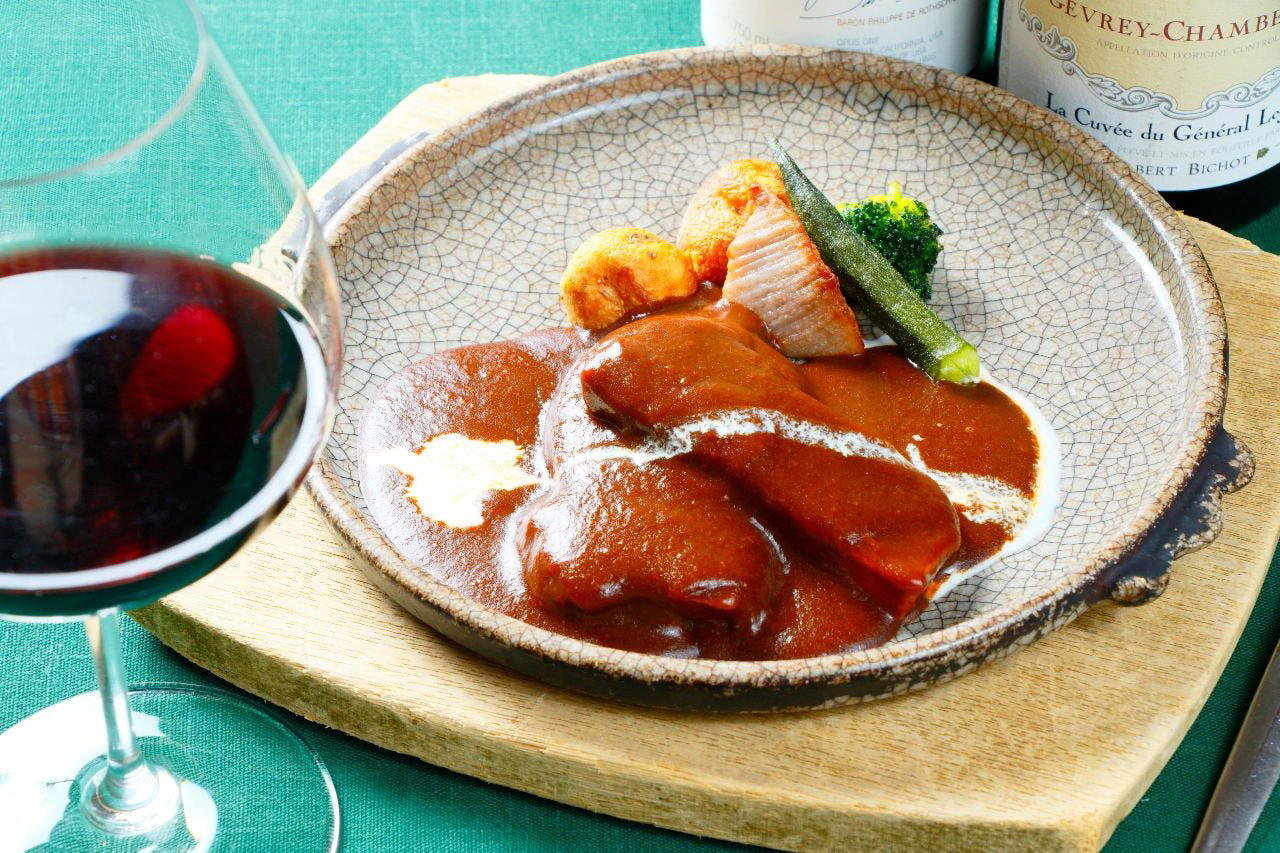
Higashishinsaibashi is built for transitions: shopping to dinner, station exits to narrow side streets, first drinks to later ones. In that rhythm, yoshoku makes particular sense. It is not Western food performed abroad, and it is not washoku with borrowed names. It is a Japanese dining ritual shaped by demi-glace, cutlets, gratins, hamburger steak, soups, rice, and a pacing that feels domestic even when the bill moves into occasion territory.
Noro sits inside that Osaka grammar. Its recognition in Tabelog 100 Yoshoku WEST 2025 matters because yoshoku is often misread by visitors as comfort food first and serious restaurant category second. In Kansai, the stronger examples treat the genre with the same discipline that diners expect from sushi, tempura, or kappo: sequence, heat control, sauce work, and a room that lets conversation carry the meal rather than fight it.
Yoshoku in Osaka is a ritual of sequence, sauce, and shared appetite
The meal here belongs to a tradition where the first decision is rarely only about a main course. Yoshoku is built around progression: something small to open, soup or salad, a central plate, rice or bread depending on habit, then dessert or coffee if the table is lingering. The custom rewards diners who treat it as a composed meal rather than a quick Western-style fix. Hamburger steak, listed as part of the restaurant’s category, is useful shorthand for the genre: familiar shape, Japanese texture expectations, and sauce as a defining act rather than garnish.
That distinction separates this tier from the cheaper lunch-counter end of Osaka yoshoku. Comparison helps. Angetsu sits in a lower spend bracket, while Grill Baranoki occupies a mid-range lane. Kita Mura prices closer to the same dinner band, but in a different Japanese dining register. Oden rooms such as Yoshitaka and Japanese restaurants such as Sui Okazaki ask the diner to read seasonality through broth, temperature, and restraint. Yoshoku asks for a different literacy: brown sauces, cut surfaces, oven heat, frying technique, and the comfort of Western forms translated through Japanese expectations of order.
The setting supports that pace. A 36-seat layout, including a small counter section and table seating, gives the meal enough structure without turning it into a hushed tasting-menu exercise. Private rooms are available, which makes sense for a genre often used for friend dinners, family gatherings, and small-group celebrations. Non-smoking dining is also part of the practical comfort, especially in a neighborhood where late-night drinking culture can bleed into restaurant choice.
The serious version of comfort food does not need theatrical language
Osaka has a talent for refusing false formality. The city can support luxury counters and meticulous kaiseki, but it also respects categories that feed people directly. Yoshoku occupies the middle ground between nostalgia and technique. The stronger rooms do not need to disguise their pleasures: a hamburger steak can be judged by texture and sauce; fried dishes by timing and oil management; soups by depth rather than ceremony. The category’s appeal is that it gives adult diners permission to order familiar food with adult expectations.
Noro’s Tabelog selection places it among the WEST region’s recognized yoshoku addresses for 2025, and its Tabelog score of 3.54 gives a useful signal in a market where Japanese review culture tends to score conservatively. Those numbers should not be treated as a substitute for taste, but they do clarify the competitive set. This is not the same decision as grabbing pork buns from 551 Horai (551蓬莱), coffee and sweets from .cafe, or bread from 52CHO-ME BAKERY. It is a seated yoshoku meal in a city that takes informal genres seriously.
That seriousness also changes how to order. The safer instinct is to choose one recognizable plate and leave. The better reading of the category is to let the table behave like a small banquet: share the opening dishes, allow the sauces to anchor the meal, and treat wine as a natural companion rather than a foreign add-on. The venue lists wine among its drinks, which fits the genre’s hybrid character. Beer, shochu, cocktails, and wine can all sit naturally beside yoshoku; the meal is less about purity than balance.
Where it fits in a wider Osaka dining itinerary
For travelers building a few days around Osaka, Noro is better understood as a counterweight to the city’s faster eating circuits. Pairing it with takoyaki, standing bars, department-store food halls, and ramen gives a more accurate picture of the city than chasing only luxury reservations. For a broader map, start with Our full Osaka restaurants guide, then layer in neighborhood drinks from Our full Osaka bars guide, stays from Our full Osaka hotels guide, regional drinks context from Our full Osaka wineries guide, and cultural planning from Our full Osaka experiences guide.
The useful editorial comparison is not only within Osaka. Japanese dining abroad often isolates single formats, as seen in Los Angeles and Pasadena entries such as Jōdo Saké Bar in Los Angeles and Onigiri Time in Pasadena. Inside Japan, regional specificity becomes sharper: [ki:] in Kyoto.know in Kumamoto, [Curry Senmon Ten] Maruyama Kyoju. in Sapporo, (Shoku) Vietnam in Kawasaki, -Grilled beef Sukiyaki- KAMAKURA TANUKIAN 鎌倉 たぬき庵 in Kamakura, and. 鮪と炭火焼き うお炭 秋葉原店 in Tokyo all point to how tightly format and place are linked.
Within Osaka’s own non-Japanese-leaning dining, the contrast is also instructive. 99 Pizza Napoletana Gourmet and a canto (Italian) frame imported cuisines through relatively direct Italian references. Yoshoku is different: it is already Japan’s reinterpretation, old enough to have its own etiquette and expectations. The verdict is simple: choose it when the desired meal is Osaka at table speed, not street speed, with the comfort of familiar forms and the standards of a category that locals judge closely.
Cuisine and Recognition
Comparable venues at the same tier.
| Venue | Cuisine | Price | Notes |
|---|---|---|---|
| NoroThis venue — the venue you are viewing | Classic Yoshoku (Japanese Western-style) | $$$ | Not listed |
| Yakitori Enami | Traditional Yakitori | $$$ | Kita |
| Osaka Teppanyaki Kobe Beef TATARA | Kobe beef teppanyaki with French-influenced courses | $$$ | Kita |
| CHIKICHIKI Tenma ten | Yakitori | $$$ | Kita |
| Kuma no Yakitori 106 | Members-only Yakitori Omakase | $$$ | Kita |
| Yakitori BLACK | Yakitori Omakase | $$$ | Not listed |
Recognition history
Dated appearances from independent guides and award organizations, with the underlying list record or original source where available.
Tabelog 100 #50 · No. 50
Tabelog · Tabelog 100 - Yoshoku - WEST - 2025
Continue exploring
More in Osaka
Restaurants in Osaka
Browse all →




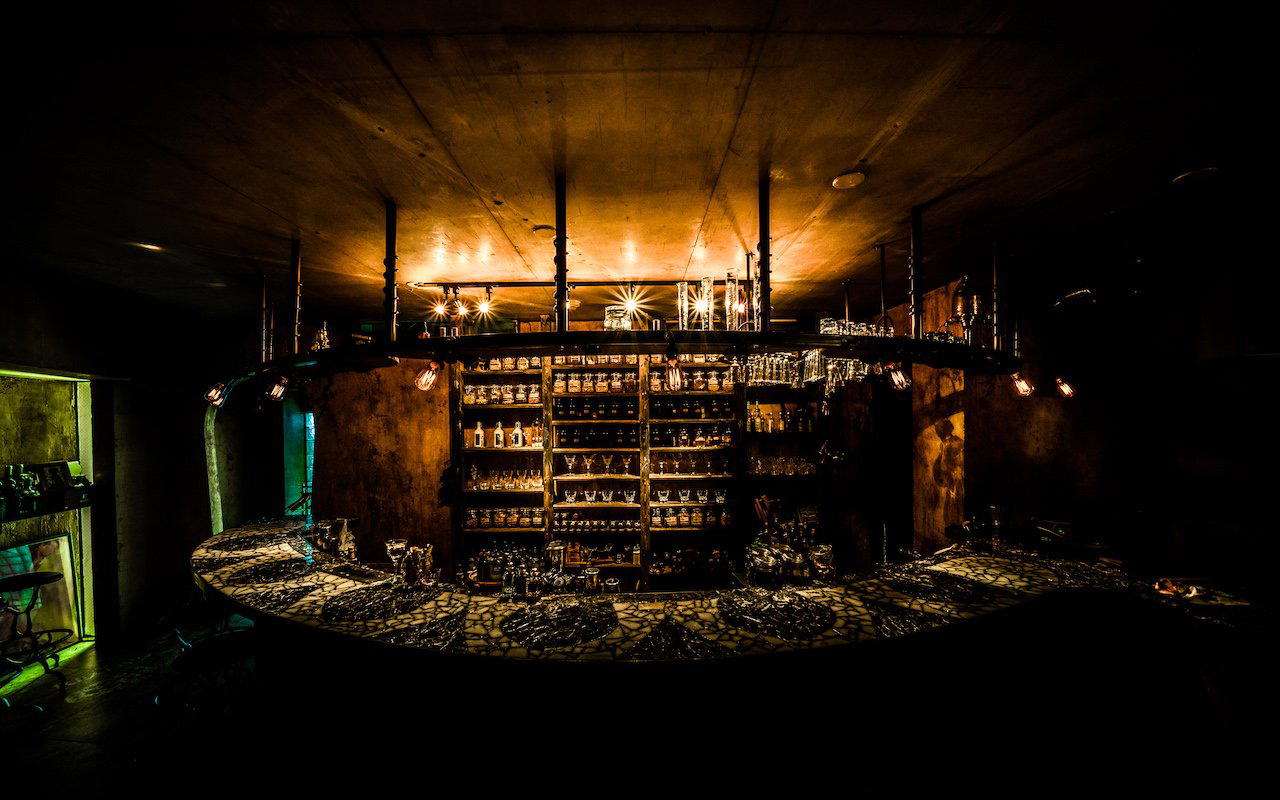
Bars in Osaka
Browse all →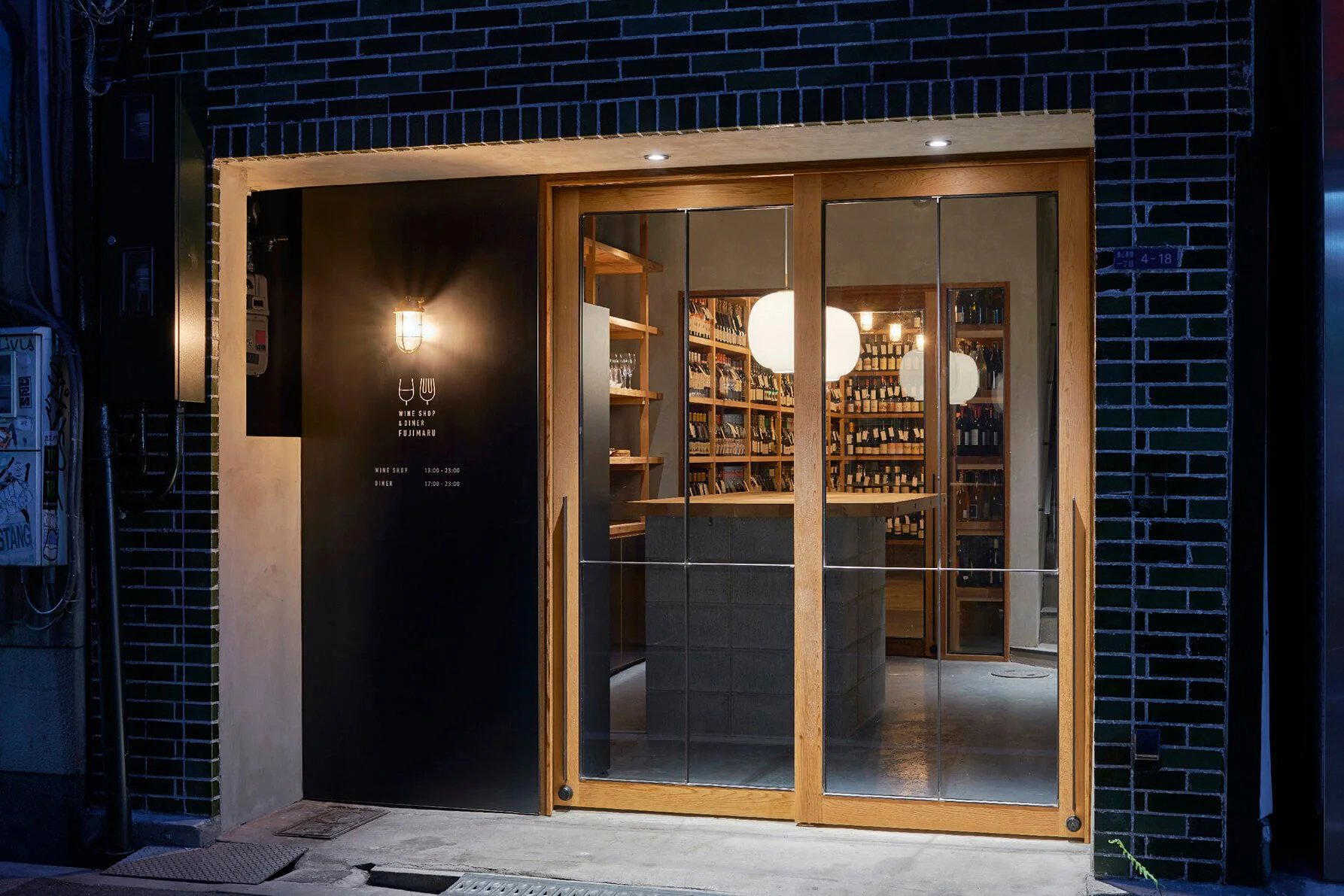


Hotels in Osaka
Browse all →



Wineries in Osaka
Browse all →
At a Glance
- Classic
- Cozy
- Intimate
- Date Night
- Solo
- Casual Hangout
- Special Occasion
- Standalone
- Local Sourcing
Current opening hours
- Monday
- 11:30 AM–2 PM, 5:30–9 PM
- Tuesday
- 11:30 AM–2 PM, 5:30–9 PM
- Wednesday
- Closed
- Thursday
- 11:30 AM–2 PM, 5:30–9 PM
- Friday
- 11:30 AM–2 PM, 5:30–9 PM
- Saturday
- 11:30 AM–2 PM, 5:30–9 PM
- Sunday
- 11:30 AM–2 PM, 5:30–9 PM
Hours can change for holidays and private events. Last verified .
Warm, low‑key and nostalgic, with the feel of a classic neighborhood yoshoku restaurant; lighting and atmosphere are relaxed and unpretentious, focused on comforting Western‑style Japanese cuisine rather than design showmanship.