
Sumibi Yakitori Nakao sits in Osaka’s serious charcoal-grill tier: a 13-seat yakitori room in Kawaramachi, selected for Tabelog’s Yakitori WEST 100 in 2024 and 2025. The appeal is not spectacle but control: chicken-focused grilling, counter proximity, sake, shochu and wine, and a scale that keeps the evening close to the fire.
Pearl is the En Primeur Club membership app — saves, bookings, and concierge access live there. Same editors, same standards.
- Address
- Japan, 〒541-0048 Osaka, Chuo Ward, Kawaramachi, 1 Chome−1−5 大王瓦町ビル
- Phone
- +81 6-6222-1222
- Website
- tabelog.com
 Saves & bookings on Pearl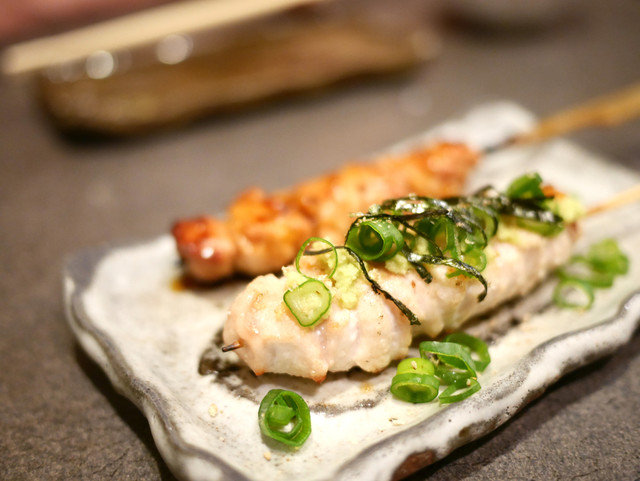
Charcoal changes a small dining room before the first skewer reaches the counter. In Osaka, where eating swings from department-store speed to late-night drinking-room informality, yakitori is narrower: bird, flame, salt, tare, timing. Sumibi Yakitori Nakao sits on that disciplined side of the city’s food culture, a compact counter-led format focused on the grill, not décor.
That matters because visitors often misread yakitori as casual snack food while moving through Osaka on takoyaki and kushikatsu shorthand. At its sharper end, it is a sequence of decisions: which cut takes direct heat, which needs gentler handling, when fat should render, when smoke should mark rather than dominate. The 2024 and 2025 Tabelog Yakitori WEST 100 selections place the restaurant in a regional conversation about specialist grilling, not just neighborhood drinking.
Charcoal, chicken cuts and the Osaka yakitori middle ground
Osaka rewards immediacy, but also respects narrow specialists. Yakitori fits: it needs neither kaiseki ceremony nor standing-bar speed, but depends on repetition and calibration. Sumibi Yakitori Nakao’s listed categories, yakitori, chicken dishes and chicken wings, keep the kitchen in a tight lane. The pleasure is not breadth, but handling one ingredient family across heat, texture and seasoning.
Sourcing is central. Chicken is less forgiving than beef when the whole bird is in play: lean cuts dry quickly, skin needs rendering, wings demand different heat from inner organs, and tare can flatten a skewer if treated as sauce rather than seasoning. A serious counter turns sourcing into sequence. The diner eats grilled chicken while watching a kitchen sort parts by fat, chew and smoke tolerance. The genre is closer to butcher’s logic than a conventional à la carte grill.
The drink list points the same way. Sake, shochu and wine answer yakitori’s usual pressures: salt, smoke, glaze sweetness and the richer texture of chicken fat. Osaka has many lower-cost, beer-first skewer rooms, and comparison venues show the spread: Tachinomi Sakaba Kakedashi sits in a lighter standing-bar price band, while Sumibiyakitori Ikoka signals the direct yakitori lane. At the other end, Koryu represents the formal Japanese dining bracket. Sumibi Yakitori Nakao sits between them: specialist, compact, recognizably serious, but not ceremonial fine dining.
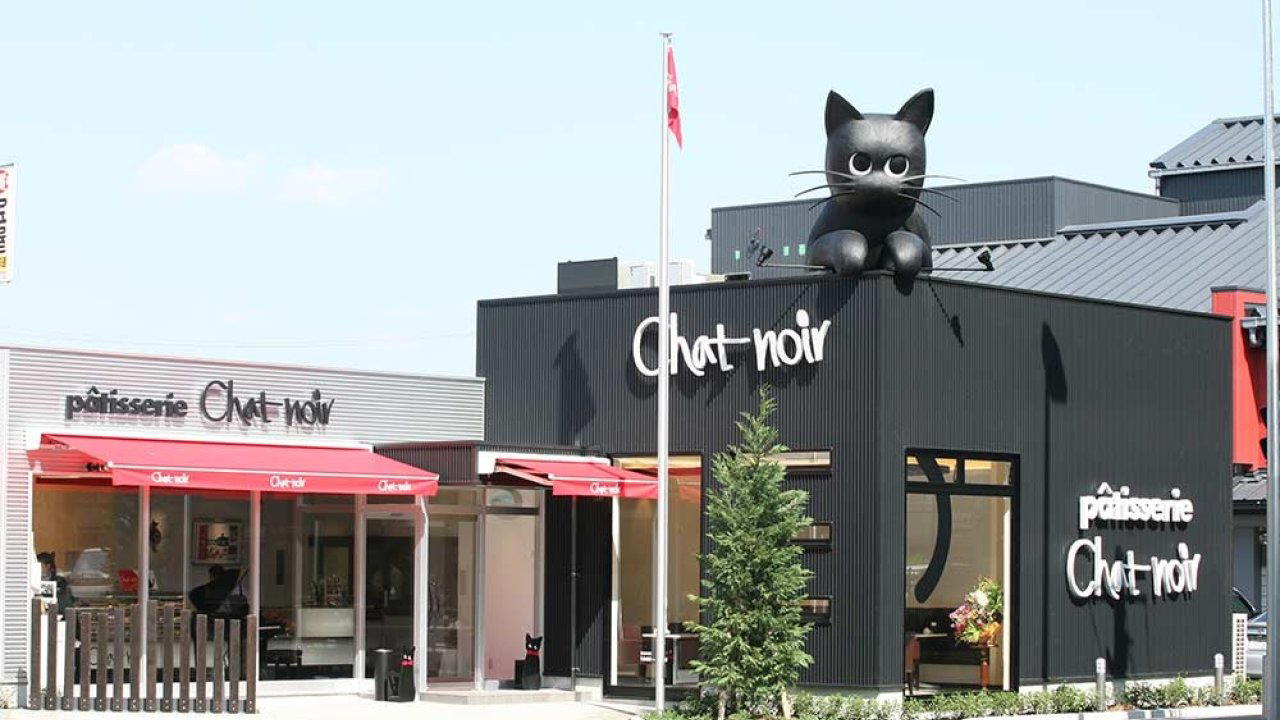
For a broader Osaka itinerary, that middle ground is often where the city gets interesting. A morning pastry stop such as 52CHO-ME BAKERY, a casual pork-bun run at 551 Horai (551蓬莱), or a coffee pause at .cafe tells one story about Osaka’s appetite. A counter devoted to charcoal-grilled chicken tells another: smaller, hotter, more exacting.
A 13-seat room changes the way yakitori is read
Scale shapes the experience. Thirteen seats, mostly at the counter plus one table for four, keep the meal close to the mechanics of grilling. In larger rooms, yakitori can become background food for drinking; in smaller ones, the skewer sequence carries more weight. Counter seating makes the diner’s pace visible. Skewers should not sit around, and a compact room shortens the distance between fire and plate.
The no-smoking policy is meaningful in a charcoal restaurant. Smoke belongs to the grill, not the room. That distinction matters in yakitori, where aroma can be blurred by tobacco or heavy seasoning. Private rooms are absent, consistent with the category at this scale: the counter is the point, not a side option.
Osaka’s Chuo Ward adds context. Around Sakaisuji Hommachi and Kitahama, the rhythm is more business-district than tourist carnival, with compact restaurants serving office workers, regulars and destination diners who know where they are going. That tone suits yakitori. It is not Dotonbori neon shorthand; it is a quieter part of the city’s eating map, where a 13-seat grill can be a serious evening address without luxury theatre.
The restaurant’s Tabelog score of 3.57 should be read within Japanese review culture. Scores are compressed, especially for specialist genres with local followings, so selection for the Yakitori WEST 100 carries more interpretive weight than the number alone. The recognition signals consistency in a competitive regional category, particularly in western Japan, where yakitori competes with Osaka’s broader appetite for quick, fire-driven food.
How to place it within an Osaka food itinerary
The restaurant works as the focused dinner in a city often planned around variety. It is not for a sprawling group meal or a checklist of Osaka staples, but a counterpoint: a small room, charcoal grill, chicken as the central ingredient, and drinks built for smoke and salt. For readers choosing formats, Yoshoku Bistro Awano offers a Western-influenced Japanese bistro lane, Mashino Ken points toward Chinese dining, and Koryu represents more formal kaiseki. The yakitori choice is about heat, proximity and repetition.
Travelers building around the city rather than one dinner can use Our full Osaka restaurants guide for the wider dining map, then branch into Our full Osaka bars guide if the night continues after skewers. For stay planning, Our full Osaka hotels guide gives the lodging frame, while Our full Osaka experiences guide and Our full Osaka wineries guide cover the city beyond the table.
Within EP Club’s broader Japan and food coverage, the point is contrast. Osaka stretches from the Italian precision of a canto (Italian) to the Naples-driven comfort of 99 Pizza Napoletana Gourmet. Elsewhere in Japan, a meal might mean [ki:] in Kyoto.know in Kumamoto, [Curry Senmon Ten] Maruyama Kyoju. in Sapporo. 鮪と炭火焼き うお炭 秋葉原店 in Tokyo, (Shoku) Vietnam in Kawasaki, or -Grilled beef Sukiyaki- KAMAKURA TANUKIAN 鎌倉 たぬき庵 in Kamakura. Across the Pacific, the sake and rice-bar threads continue at Jōdo Saké Bar in Los Angeles and Onigiri Time in Pasadena. The distinction is that Osaka yakitori at this level is not abundance. It is reduction: fewer seats, a tighter ingredient set, and charcoal doing visible work.
Budget and Context
Comparable venues to calibrate price, style, and recognition.
| Venue | Cuisine | Price | Notes |
|---|---|---|---|
| Sumibi Yakitori NakaoThis venue — the venue you are viewing | Not listed | $$$ | Not listed |
| Yakitori Enami | Kita, Traditional Yakitori | $$$ | Not listed |
| Kitashinchi Yamagata Ya | Kita, Japanese Yakiniku | $$$ | Not listed |
| Tori Yasu | Kita, Yakitori & Chicken Cuisine Counter | $$$ | Not listed |
| Karen Oosaka shinsaibashi ten | Not listed | $$$ | Chūō, Kagoshima Wagyu Shabu-shabu & Sukiyaki |
| Unagi no Uoi Honten | Not listed | $$$ | Asahi, Traditional Osaka charcoal-grilled unagi |
Recognition history
Dated appearances from independent guides and award organizations, with the underlying list record or original source where available.
Tabelog 100 #3 · No. 3
Tabelog · Tabelog 100 - Yakitori - WEST - 2025
Continue exploring
More in Osaka
Restaurants in Osaka
Browse all →




Bars in Osaka
Browse all →


Hotels in Osaka
Browse all →



Wineries in Osaka
Browse all →
At a Glance
- Cozy
- Intimate
- After Work
- Casual Hangout
- Family
- Solo
- Chefs Counter
- Standalone
- Sake Program
Current opening hours
- Monday
- 5–11 PM
- Tuesday
- 5–11 PM
- Wednesday
- Closed
- Thursday
- 5–11 PM
- Friday
- 5–11 PM
- Saturday
- 5–11 PM
- Sunday
- Closed
Hours can change for holidays and private events. Last verified .
A small, cozy non-smoking yakitori shop centered on a counter facing the charcoal grill, creating a warm, lively yet conversational atmosphere suited to families and friends rather than formal occasions.