
Tonkatsu Koshirou places Osaka’s pork-cutlet tradition in a counter-led, course-style format rather than the usual quick-set-meal register. Its Tabelog 100 Tonkatsu 2026 selection, 10-seat L-shaped counter, and one-piece-at-a-time service put it in the city’s more deliberate tonkatsu tier, closer to specialist dining than everyday lunch stop.
Pearl is the En Primeur Club membership app — saves, bookings, and concierge access live there. Same editors, same standards.
- Address
- 2 Chome-10-24 Minamisenba, Chuo Ward, Osaka, 542-0081, Japan
- Phone
- +81 6-4307-6546
- Website
- instagram.com
 Saves & bookings on Pearl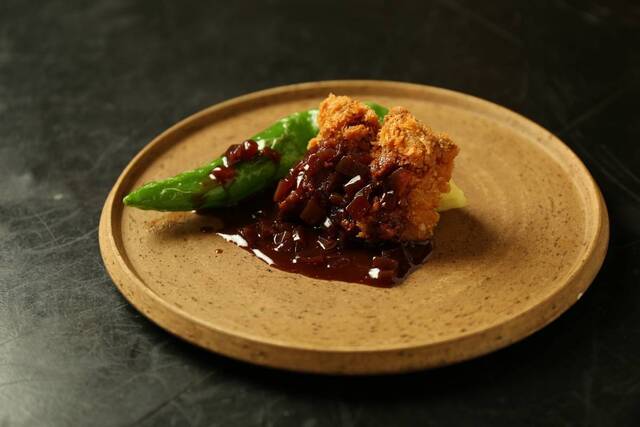
Minamisenba’s dining rooms often reveal themselves vertically: a stairwell, a second-floor door, the shift from street traffic to counter silence. Tonkatsu Koshirou belongs to that Osaka register, where the room is small enough for the frying rhythm to define the meal. The format matters. Tonkatsu is usually understood as comfort food, a democratic plate of cutlet, rice, cabbage, miso soup, and sauce, but the city’s specialist counters have been pushing it toward a slower grammar: cut, fry, rest, serve, repeat.
That shift is not cosmetic. In Japan, tonkatsu carries a Meiji-era history of Western-style breaded meat absorbed into local dining habits, then refined through pork sourcing, crumb texture, oil management, and timing. Osaka adds its own pressure: this is a city that treats everyday food with seriousness, from udon and okonomiyaki to kappo counters and department-store basement grazing. A tonkatsu room here has to justify attention without losing the dish’s directness.
Course-style tonkatsu turns a familiar cutlet into a counter sequence
The important distinction at Tonkatsu Koshirou is sequence. The restaurant is described as a course-style tonkatsu specialist serving one piece at a time, a structure that changes how the diner reads the category. Instead of a single plate arriving as a fixed composition, the meal becomes closer to a tasting progression built around pork cutlet. That puts heat, pacing, and portion rhythm at the center of the experience.
Osaka has plenty of places where tonkatsu functions as fuel: fast, crisp, filling, and priced for repeat custom. This address occupies a different lane. Its Tabelog 100 Tonkatsu 2026 selection places it among a curated national group for the category, and its Tabelog score of 3.75 gives a useful signal in a Japanese review culture where high numbers in specialist genres tend to be hard-earned. The point is not that tonkatsu has become formal dining. The point is that a dish often treated as casual can support a precise, counter-led format when the kitchen narrows its focus.
The 10-seat L-shaped counter reinforces that reading. Small counters reduce anonymity: diners see the work, service has fewer places to hide, and timing becomes visible. For a fried dish, that visibility is part of the appeal. Tonkatsu’s success depends on a narrow band between crust and meat, and a one-piece-at-a-time structure makes the meal less about abundance than control.
Minamisenba suits the city's quieter specialist dining
Minamisenba sits close to Shinsaibashi, but it does not carry the same pure-shopping shorthand as the main retail spine. Its side streets are a natural habitat for second-floor counters, compact drinking rooms, and restaurants that depend on diners who know what they are looking for. Tonkatsu Koshirou’s address in Chuo Ward fits that pattern: central enough to fold into an Osaka food itinerary, but removed from the loudest tourist circuits.
Within Osaka’s broader restaurant field, the useful comparison is not only with other pork-cutlet rooms. Restaurant Tsujikawa, in a higher dinner bracket, represents the city’s polished contemporary dining economy; Spice Curry Te and Usami Tei Matsubaya sit closer to Osaka’s casual, category-defining food culture; Oimatsu Hisano points toward a more formal Japanese register. The restaurant lands between these poles: narrower than a multi-course Japanese restaurant, more structured than a quick lunch counter, and more culturally specific than generic “premium casual” dining.
That middle position is increasingly important in Japanese cities. Visitors often split meals between famous luxury counters and low-cost local staples, but Osaka rewards the category specialist: the restaurant that chooses one dish family and treats it with unusual discipline. Tonkatsu, because it is both familiar and technically unforgiving, is a strong lens for that kind of dining.
How to frame it inside an Osaka itinerary
This is not the address to use as a general introduction to Japanese food. It makes more sense after the traveler already understands Osaka’s appetite for narrow specialization. The meal is built around tonkatsu, not variety for its own sake, and the available drink categories include sake, shochu, and wine, which further separates the format from a standard cutlet set lunch. Multilingual menus in English and Korean also make the specialist format more accessible without changing its basic character.
The practical read is simple: treat it as a focused reservation rather than a spontaneous Shinsaibashi stop. Lunch has more flexibility when seats are open, while dinner follows a course format that requires advance planning. The room has no private rooms, and the counter scale means small-party dining is the natural fit. For travelers building a broader Osaka map, it pairs well with a day that also includes the city’s bakery, coffee, bar, or casual-food spectrum rather than another heavy tasting menu.
For a wider view of the city’s dining range, start with Our full Osaka restaurants guide, then branch into adjacent planning with Our full Osaka hotels guide, Our full Osaka bars guide, Our full Osaka wineries guide, and Our full Osaka experiences guide. Nearby and citywide restaurant references show how broad the local register can be:.cafe, 52CHO-ME BAKERY, 551 Horai (551蓬莱), 99 Pizza Napoletana Gourmet, and a canto (Italian). For contrast beyond Osaka, useful Japanese and Japanese-adjacent reference points include -Grilled beef Sukiyaki- KAMAKURA TANUKIAN 鎌倉 たぬき庵 in Kamakura. 鮪と炭火焼き うお炭 秋葉原店 in Tokyo.know in Kumamoto, (Shoku) Vietnam in Kawasaki, [Curry Senmon Ten] Maruyama Kyoju. in Sapporo, [ki:] in Kyoto, Jōdo Saké Bar in Los Angeles, and Onigiri Time in Pasadena.
The editorial case for the restaurant is not breadth, glamour, or chef mythology. It is the seriousness of a narrow format: pork cutlet treated as a paced counter meal in a city that understands how much craft can sit inside an everyday dish. For travelers who already have Osaka’s obvious signatures covered, that makes it a sharper, more revealing booking than another generic luxury dinner.
Style and Standing
Comparable venues for context, by category and price tier.
| Venue | Cuisine | Price | Notes |
|---|---|---|---|
| Tonkatsu KoshirouThis venue — the venue you are viewing | Omakase Tonkatsu Counter | $$$ | Not listed |
| Kyosho ran Minamimori chou | Japanese Yakiniku | $$$ | Kita |
| Etchuya | Casual Neighborhood Sushi | $$$ | Nishinari |
| Sumibi Yakitori Nakao | Traditional Charcoal-Grilled Yakitori | $$$ | Chūō |
| Ichioka 45 | Farm-to-table chicken and sake counter | $$$ | Kita |
| Yakiniku Mikazuki Tenjinbashi ten | Premium Kuroge Wagyu Yakiniku | $$$ | Kita |
Recognition history
Dated appearances from independent guides and award organizations, with the underlying list record or original source where available.
Tabelog 100 #35 · No. 35
Tabelog · Tabelog 100 - Tonkatsu - 2026
Continue exploring
More in Osaka
Restaurants in Osaka
Browse all →




Bars in Osaka
Browse all →
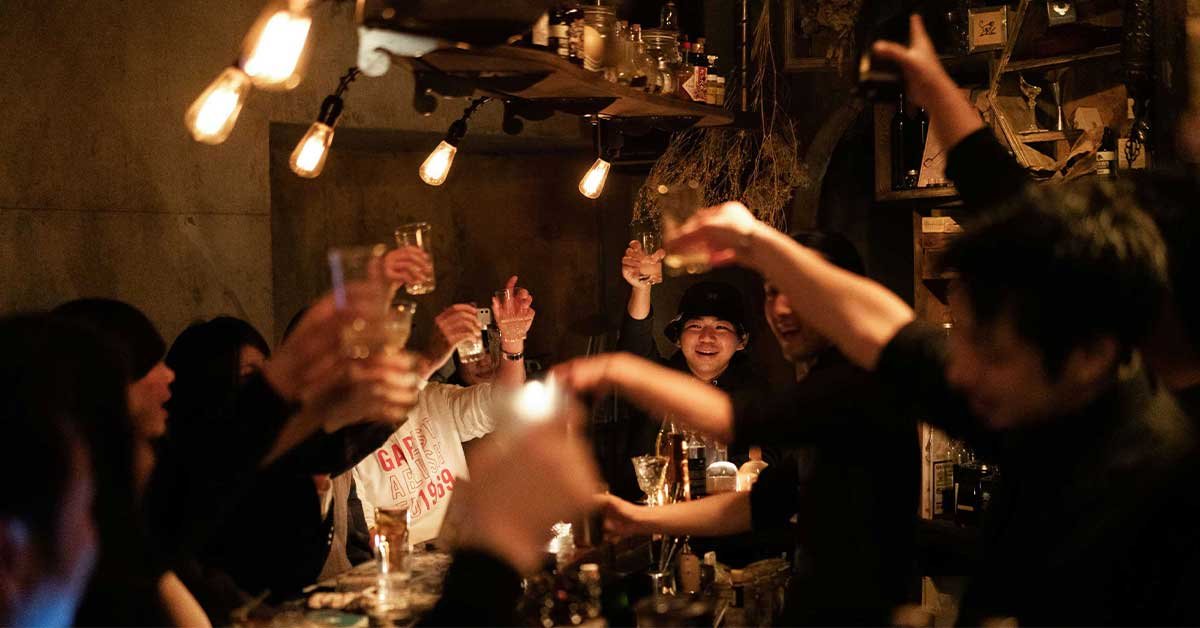
Hotels in Osaka
Browse all →
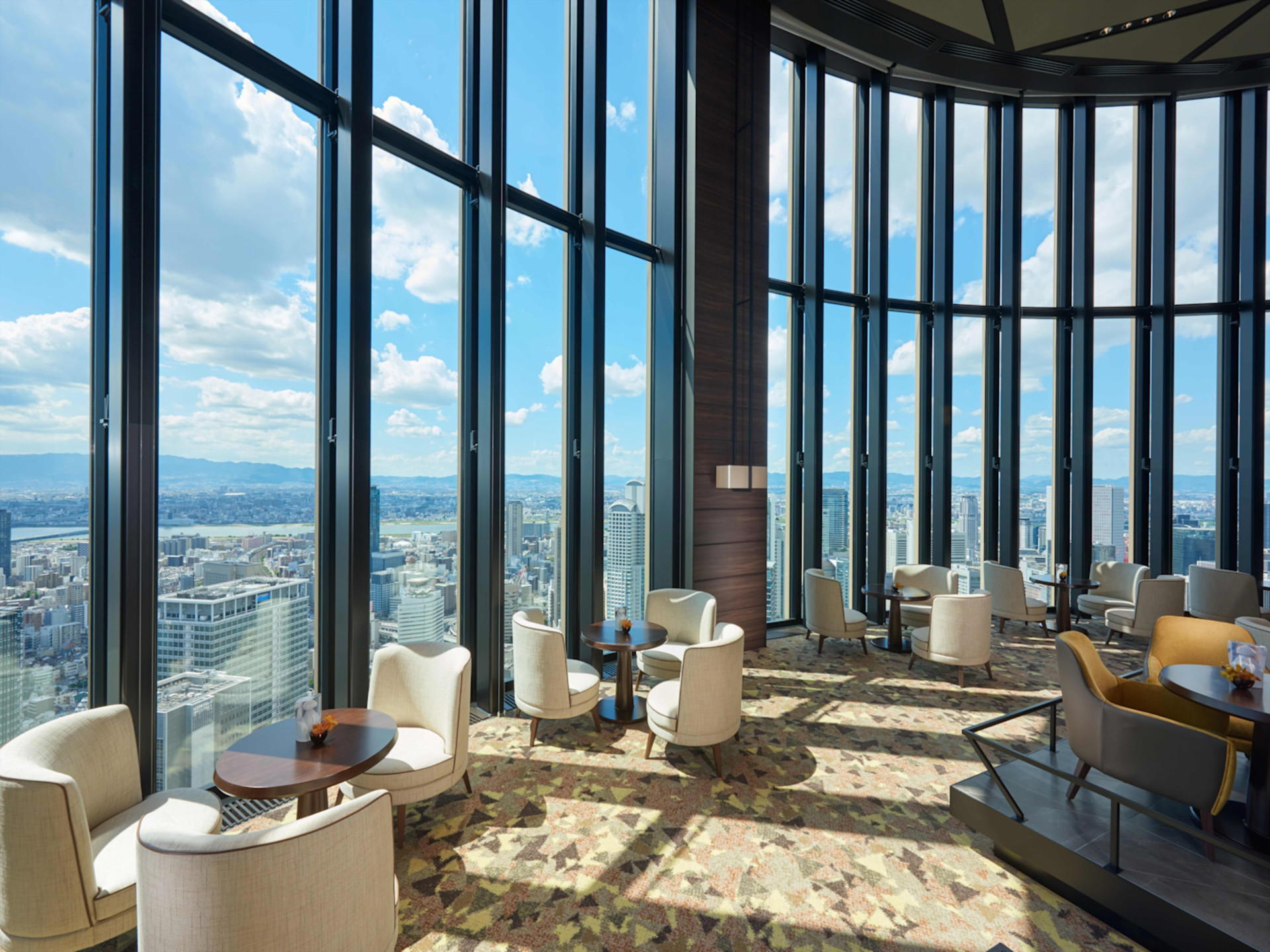



Wineries in Osaka
Browse all →
At a Glance
- Intimate
- Cozy
- Modern
- Solo
- Date Night
- Special Occasion
- Casual Hangout
- Chefs Counter
- Standalone
- Design Destination
- Local Sourcing
- Sustainable Seafood
Current opening hours
- Monday
- Closed
- Tuesday
- 11 AM–12 PM, 12:15–1:15 PM, 1:30–2:30 PM, 6:30–8:30 PM
- Wednesday
- 11 AM–12 PM, 12:15–1:15 PM, 1:30–2:30 PM, 6:30–8:30 PM
- Thursday
- 11 AM–12 PM, 12:15–1:15 PM, 1:30–2:30 PM, 6:30–8:30 PM
- Friday
- 11 AM–12 PM, 12:15–1:15 PM, 1:30–2:30 PM, 6:30–8:30 PM
- Saturday
- 11 AM–12 PM, 12:15–1:15 PM, 1:30–2:30 PM, 6:30–8:30 PM
- Sunday
- Closed
Hours can change for holidays and private events. Last verified .
An intimate 8–10 seat counter-only space in a hidden second-floor location, with a calm, focused atmosphere where guests quietly watch the chef prepare thick-cut tonkatsu to order.