Kultura


Esquire Best New Restaurants #31
Our verdict
Kultura brings Filipino-Southern cooking to Charleston's Upper Peninsula, where Chef Nikko Cagalanan works a format that has earned the restaurant a place on Esquire's Best New Restaurants list for 2024. The premise is direct: two distinct culinary traditions treated with equal seriousness, not as novelty fusion but as a coherent, ingredient-led argument for why these cuisines belong together.

Pearl is the En Primeur Club membership app, where members save venues, book tables and use the concierge.
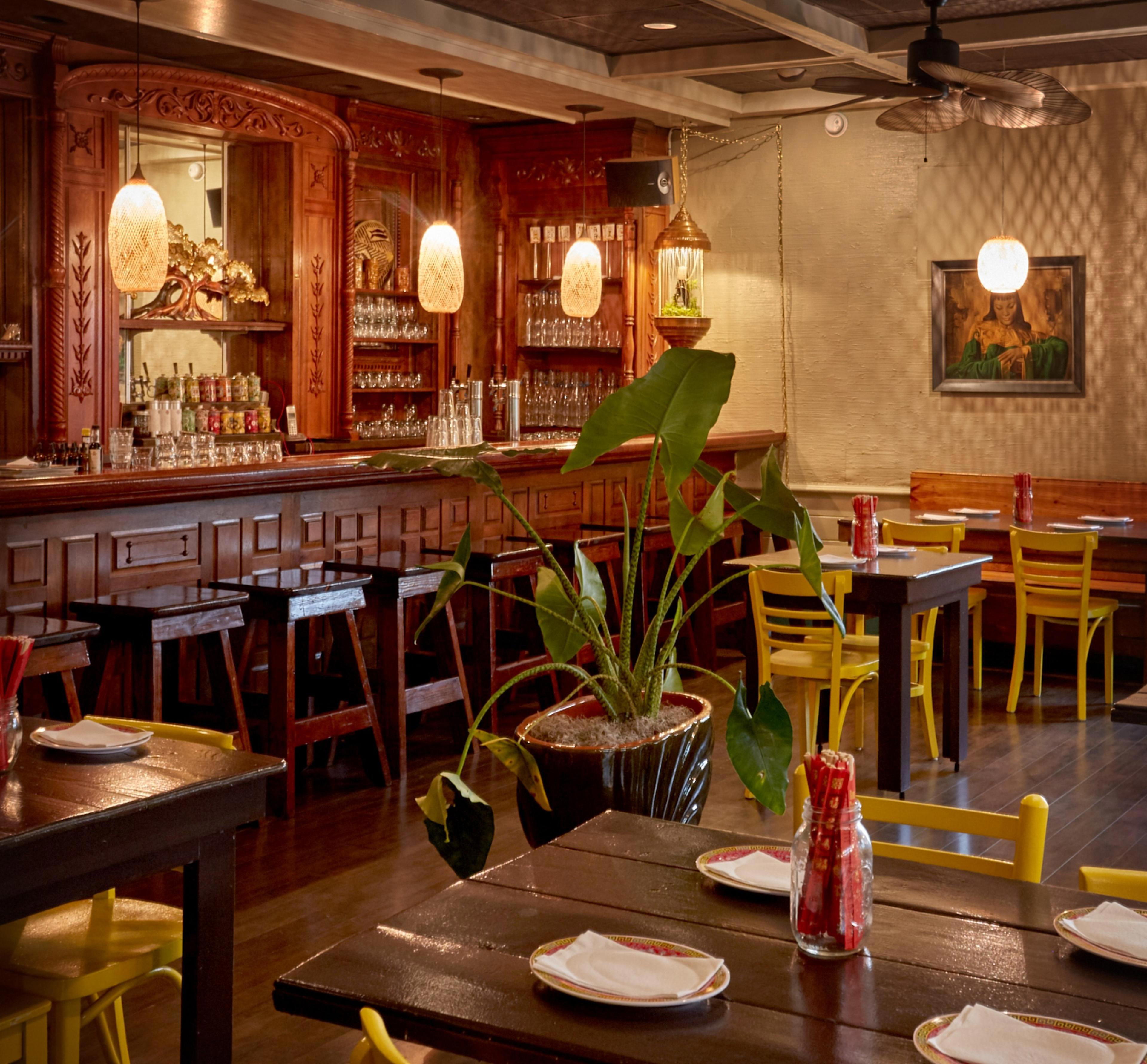
The menu
What to order
- Scallop Adobo
- Fish Curry
- Arroz Caldo
Where Filipino Technique Meets Lowcountry Tradition
Charleston has long drawn visiting food writers with a reliable cast of Southern institutions, from the whole-hog pits at Rodney Scott's BBQ to the briny precision of 167 Raw. But a quieter shift has been underway on Rutledge Avenue, where the Upper Peninsula dining scene has attracted a different kind of operator: chefs working cuisines that don't fit the city's traditional profile, and doing so with enough technical confidence to earn national attention. Kultura, at 267 Rutledge Ave, sits squarely inside that shift. Its Filipino-Southern format is not a marketing angle; it is a genuinely argued position about two food cultures that share more than first impressions suggest, a reliance on preserved ingredients, an appetite for acid and heat, and a respect for secondary cuts and slow cooking.
The restaurant earned a spot at number 31 on Esquire's Leading New Restaurants list for 2024, which places it in a competitive national cohort that includes tasting-menu destinations like Lazy Bear in San Francisco and composed-course houses such as Atomix in New York City. That Kultura lands in this company without a tasting menu format, and without the multi-hundred-dollar price brackets associated with Alinea in Chicago or The French Laundry in Napa, signals something about what the Esquire list rewards in a given year: cooking that makes a case for itself through perspective rather than spectacle.
The Booking Reality in 2024
The editorial angle for any visit to Kultura begins before you arrive, because securing a table here is no longer casual. Charleston's most-discussed restaurants in the New American bracket, Vern's and Lowland among them, operate on booking windows of several weeks for weekend tables. Kultura's profile suggests similar demand, particularly since the Esquire placement went live. If you are planning around a Charleston trip, this is the reservation to lock first, not last.
Restaurant's address on Rutledge Avenue places it away from the heavily trafficked King Street corridor, which has a practical implication: the neighborhood draws people who are coming specifically to eat, not those who stumble in after browsing retail. That self-selecting audience tends to produce a room with a different energy than the high-volume tourist-facing blocks closer to the waterfront. For visitors building a multi-night program, pairing an evening at Kultura with a Spanish-leaning meal at Malagón Mercado y Taperia gives a reasonable cross-section of where Charleston's more adventurous mid-tier dining currently sits. For a broader view of the city's dining options, our full Charleston restaurants guide covers the range in depth.
Filipino-Southern as a Culinary Argument
Pairing of Filipino and Southern American cooking has surfaced across several American cities in recent years, but it lands with particular logic in Charleston. Lowcountry cooking has African and Southeast Asian inflections running through its historical record, the use of rice as a staple grain, the preference for vinegar-forward preparations, the tradition of fermenting and pickling as preservation strategies. Filipino cuisine shares several of these structural habits: vinegar is a primary seasoning agent in adobo preparations, fermented shrimp paste (bagoong) functions similarly to the fermented shellfish products used in Lowcountry rice dishes, and pork in various states of slow rendering appears throughout both traditions.
Chef Nikko Cagalanan works within this overlap rather than simply announcing it. The cooking at Kultura treats both traditions as source material for a coherent menu rather than as competing influences to be balanced. This is a meaningfully different approach from fusion restaurants that use geographical novelty as their primary proposition. It is also a harder thing to execute convincingly, which is part of what the Esquire recognition reflects. For context, Korean-American chefs working a similar dual-tradition approach at the level of Atomix spent years building the case for that cuisine's compatibility with Western fine-dining structures. Kultura is making an analogous argument, at a more accessible price point, in a city whose culinary identity is deeply rooted in a single regional tradition.
Where Kultura Fits in the Charleston Scene
Charleston's dining establishment has historically organized itself around Southern cooking with French technique, the template that FIG pioneered and that Husk amplified into a national conversation about ingredient sourcing and regional identity. That template remains influential, but the city's more recent openings have moved in several directions at once. Kultura represents one trajectory: chefs bringing immigrant food traditions into dialogue with Lowcountry ingredients and techniques, without framing the result as a compromise or an accommodation. The restaurant's position on Rutledge Avenue, in a neighborhood that has developed its dining identity separately from the Historic District, reinforces that independence.
For visitors who want to understand how this fits into the broader hospitality picture, our full Charleston hotels guide can help with positioning, and our full Charleston bars guide covers the drinking options around the same neighborhoods. Those interested in the wider food and drink scope can also consult our Charleston wineries guide and our Charleston experiences guide for a fuller picture of what the city offers beyond restaurants.
Nationally, the conversation around immigrant-inflected American cooking has been shaped by restaurants like Le Bernardin in New York City and Emeril's in New Orleans, both of which built their reputations by bringing a non-American culinary tradition into American fine-dining structures. Kultura is working at a different scale, but the underlying project, establishing that a non-dominant cuisine can organize a serious American restaurant's identity, is recognizable across all of them. Single Thread Farm in Healdsburg and 8 1/2 Otto e Mezzo Bombana in Hong Kong demonstrate how firmly a distinct culinary point of view can anchor a restaurant's identity across different markets and price points.
Planning Your Visit
The Rutledge Avenue address is accessible by rideshare from the Historic District and the Upper King Street corridor.
Frequently Asked Questions
Frequently asked questions
Would Kultura be comfortable with kids?
Kultura sits at 267 Rutledge Ave in a residential stretch of Charleston, which points toward a neighborhood-scale setting rather than a high-volume tourist dining room. The Filipino-Southern format and the Esquire Best New Restaurants 2024 recognition both suggest a kitchen operating with focused intent, so the environment likely suits older children who can engage with a deliberate meal pace better than very young ones.
What's the overall feel of Kultura?
Esquire included Kultura in its Best New Restaurants list at number 31 for 2024, which signals a restaurant with editorial credibility and clear culinary direction rather than casual neighborhood convenience. Chef Nikko Cagalanan's Filipino-Southern framework gives the cooking a specific regional argument, and the Rutledge Avenue address places the room in a walkable Charleston neighborhood rather than the tourist corridor around King Street.
What's Kultura known for in terms of accolades?
Kultura has received recognition including: Esquire Best New Restaurants #31 (2024).
What do regulars order at Kultura?
That pairing carries its own logic in coastal South Carolina, where the ingredient overlap between the two traditions is genuine rather than forced.
Reputation Context
Comparable venues nearby, for context on price, style, and recognition.
| Venue | Cuisine | Price | Awards | Notes |
|---|---|---|---|---|
| KulturaThis venue (the venue you are viewing) | Modern Filipino Fusion | Not listed | Esquire Best New Restaurants #31 | Not listed |
| Little Jack's Tavern | Classic American Tavern | $20–30 | Not listed | Upper King Street |
| Edmunds Oast | American Brewpub Gastropub | $30–50 | Not listed | East Central |
| CurrentBurger | Elevated Smash Burgers | Not listed | Not listed | Downtown Charleston |
| Minero | Modern Mexican Grill & Cantina | Not listed | Not listed | Johns Island |
Recognition history
Dated appearances from independent guides and award organizations, with the underlying list record or original source where available.
Conde Nast Selected for 2026 Condé Nast Traveler Best Restaurants in Charleston
Conde Nast
Esquire Best New Restaurants #31
Esquire
Continue exploring
More in Charleston
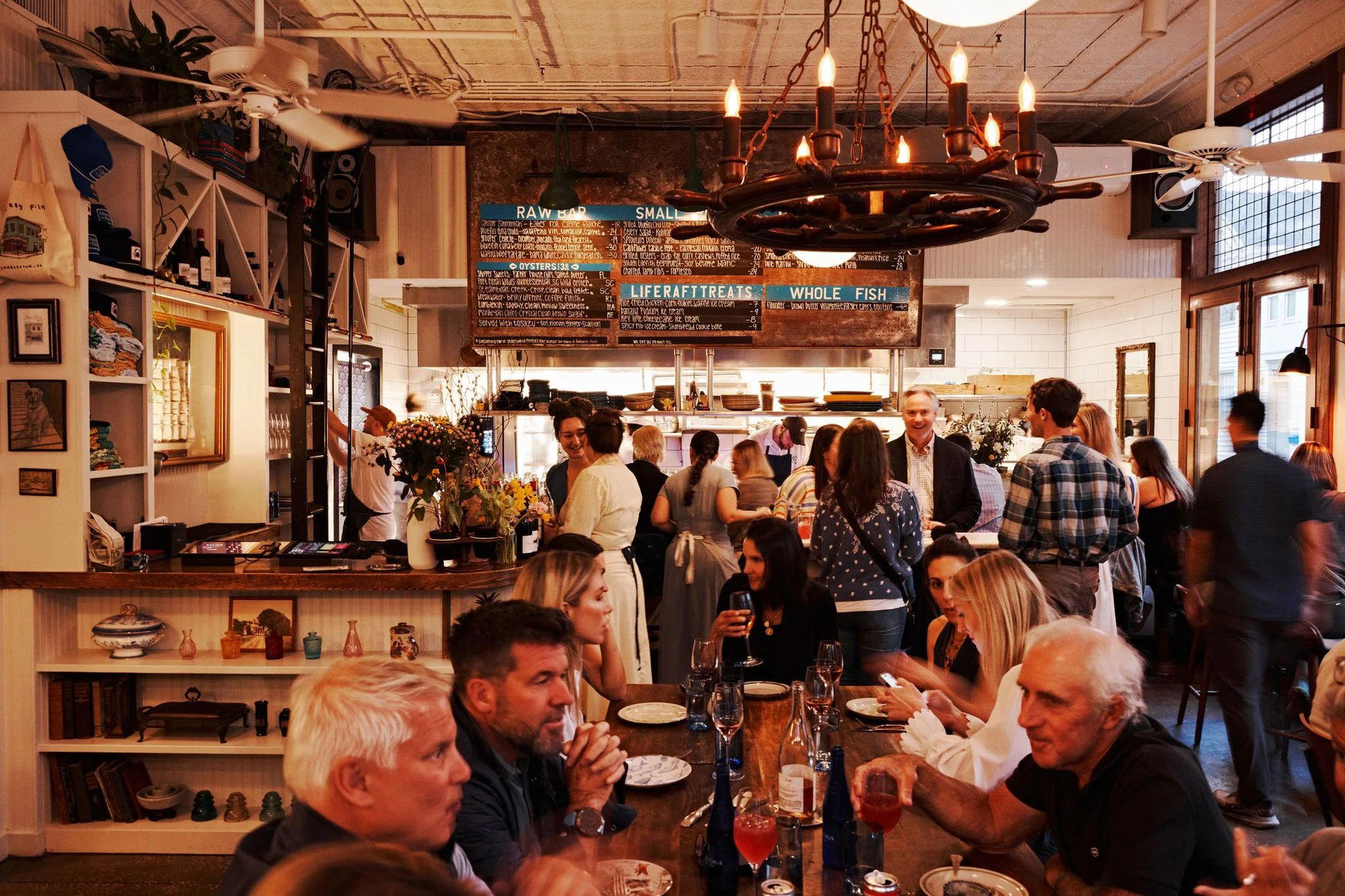
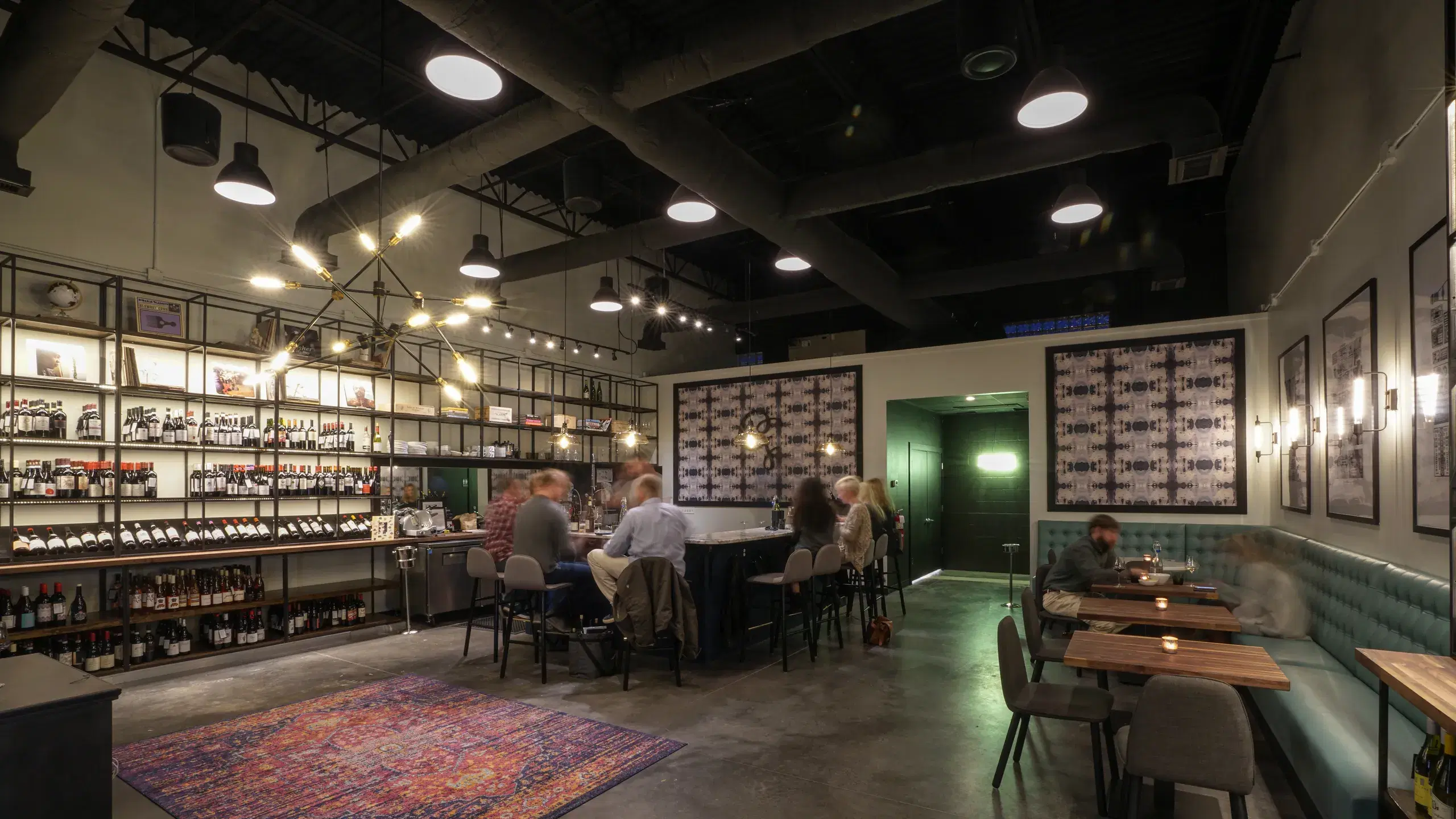
Restaurants in Charleston
All restaurants in Charleston →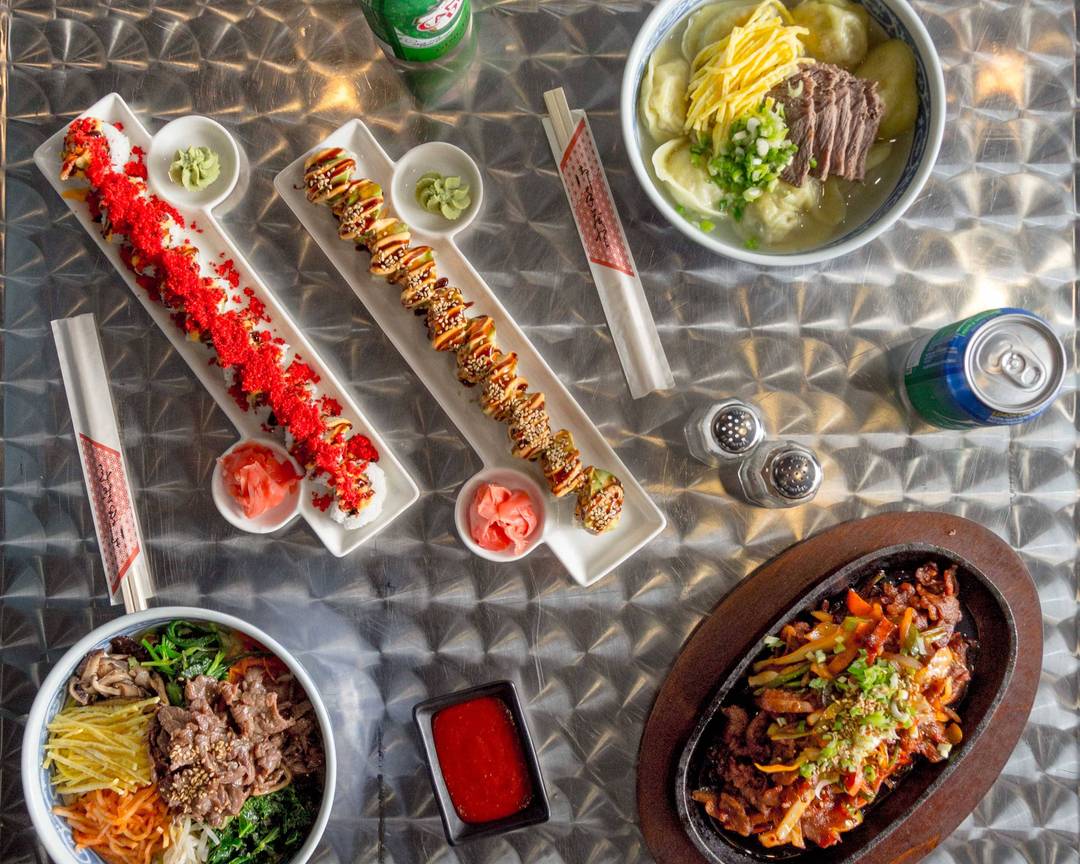
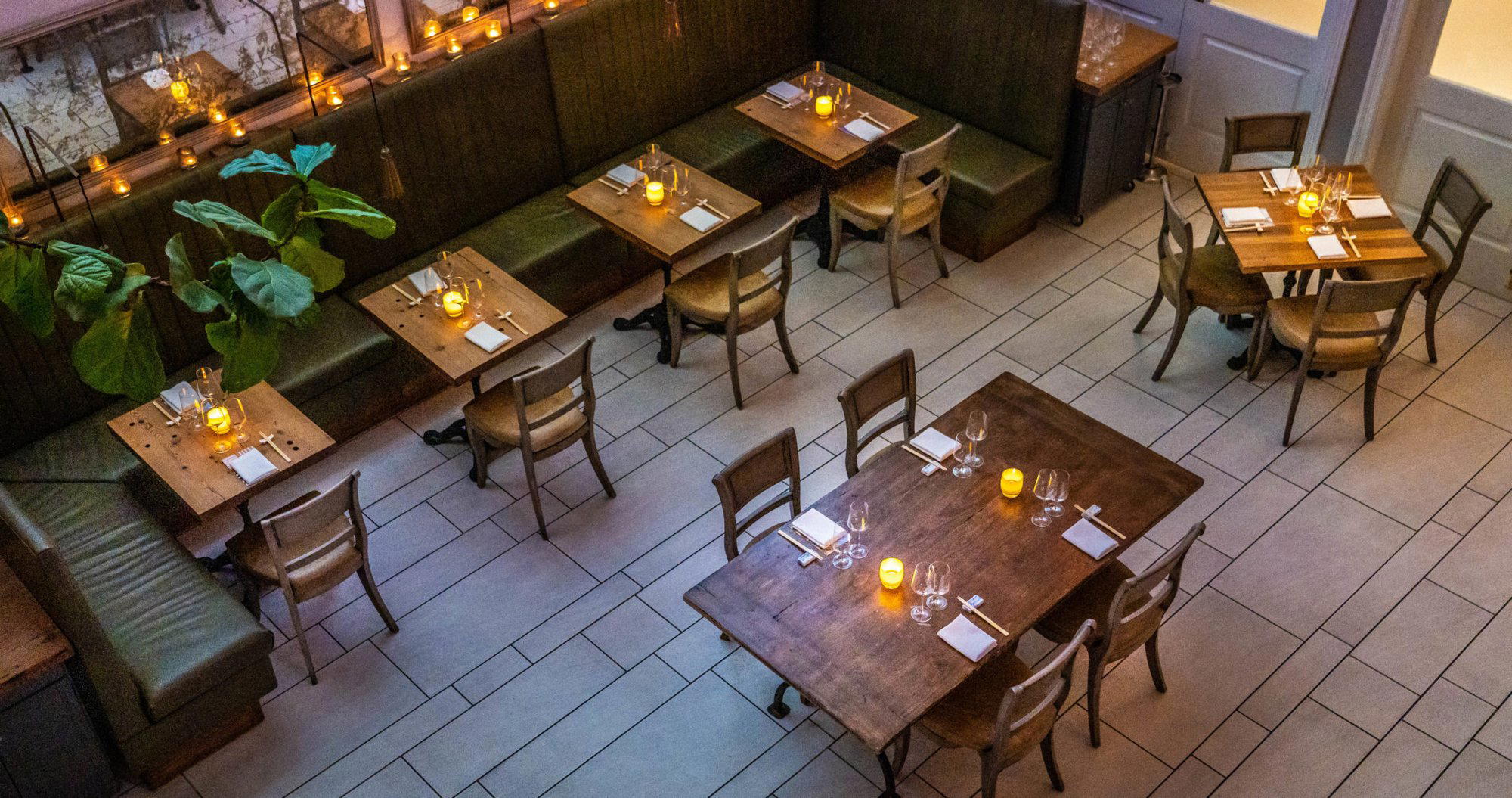
Bars in Charleston
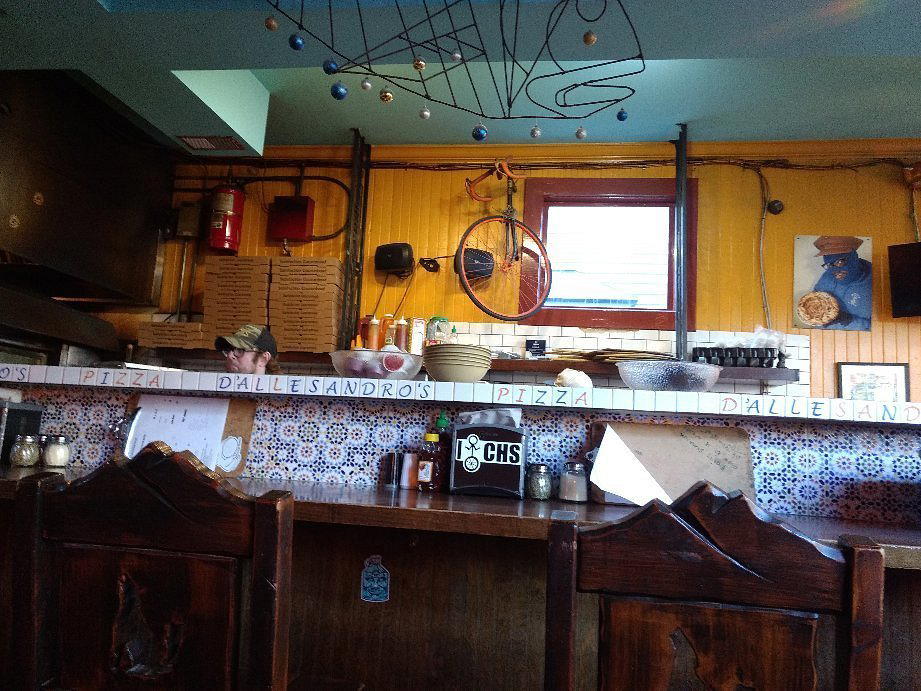
All bars in Charleston →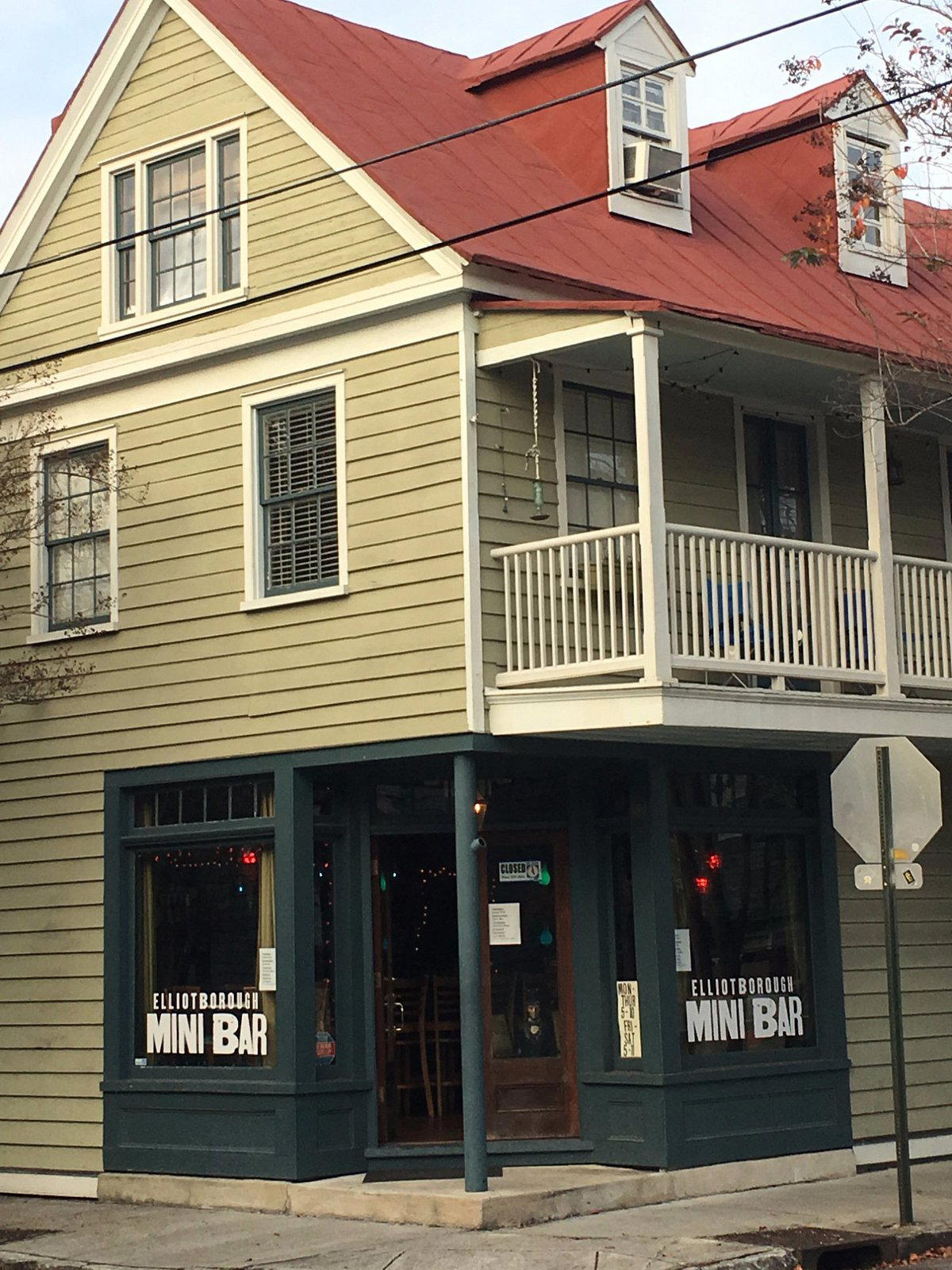
Details
- Intimate
- Cozy
- Modern
- Date Night
- Special Occasion
- Open Kitchen
- Craft Cocktails
- Small Plates
- A La Carte
Current opening hours
- Monday
- 5–10 PM
- Tuesday
- 5–10 PM
- Wednesday
- 5–10 PM
- Thursday
- 5–10 PM
- Friday
- 5–10 PM
- Saturday
- 5–10 PM
- Sunday
- 5–10 PM
Hours can change for holidays and private events. Hours as of .
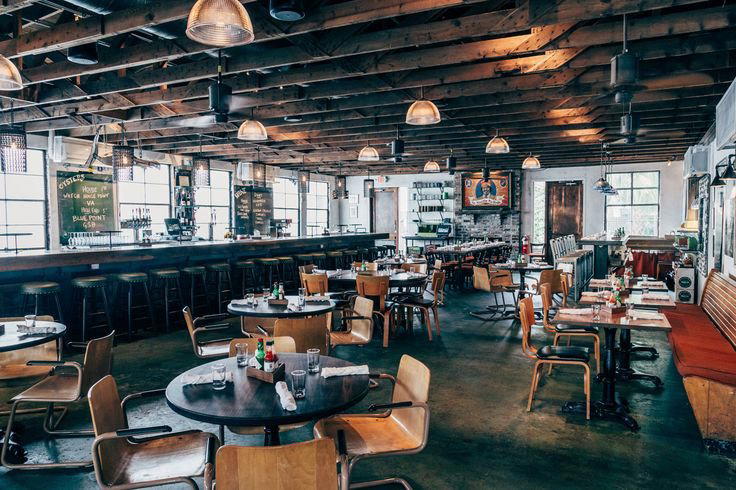
Intimate hole-in-the-wall with cozy atmosphere, chef's counter views of the open kitchen, and a small patio; clothes may absorb cooking smells indoors.