Kübra Et Lokantası sits in Silivri's Ortaköy neighbourhood, representing the lokanta tradition that anchors Turkish meat cookery to its Thracian roots. The format is direct: grilled and slow-cooked meat dishes served without ceremony in a setting where the food does the talking. For visitors making the drive from Istanbul along the Marmara coast, it operates as a reliable reference point for regional et lokantası culture.
Pearl is the En Primeur Club membership app — saves, bookings, and concierge access live there. Same editors, same standards.
- Address
- Ortaköy, Doğu Sk. No
- Phone
- +902127343488
- Directions
- Get directions
 Saves & bookings on Pearl
Thracian Meat Culture and the Lokanta Tradition
The et lokantası — literally, the meat restaurant — is one of Turkey's most durable dining formats. Where the meyhane trades in shared plates and raki, and the kebapçı specialises in a single fire-cooked register, the et lokantası occupies a broader, more democratic territory: grilled cuts, slow braises, offal preparations, and the kind of bread-and-broth simplicity that has fed working populations across Anatolia and Thrace for generations. In Silivri, a coastal town on the European shore of the Marmara Sea roughly 70 kilometres west of central Istanbul, this tradition remains intact in a way that the city's more urbanised districts have largely moved past.
Kübra Et Lokantası, addressed on Doğu Sokak in the Ortaköy quarter, sits within this context. The name, a lokanta, not a restoran, signals intent before you arrive. These are not venues organised around experimentation or presentation. The subject is the meat, the sourcing region, and the accumulated kitchen knowledge that transforms a direct cut into something worth a visit for. That positioning places it in a different register entirely from Istanbul's high-end modern Turkish operations like Turk Fatih Tutak or coastal properties like Maçakızı in Bodrum, and that difference is the point.
Silivri's Place in the Marmara Meat Belt
Thrace, the strip of Turkish territory that connects Istanbul to the Greek and Bulgarian borders, has its own meat traditions that diverge from the kebab cultures of southeastern Anatolia. Livestock farming around the Marmara basin, particularly sheep and cattle raised on grassy plains, has historically produced animals with different fat profiles than those common further east. Local butchery and cooking methods have evolved to match: longer resting, direct charcoal grilling, and preparations that let the animal's own fat do most of the flavouring work.
Silivri sits within that belt. The town is known primarily for its dairy production, Silivri kaymak has a regional reputation that stretches back centuries, but its position on a working agricultural plain also means proximity to livestock supply chains that the lokanta format depends on. A venue like Kübra Et Lokantası draws on that geography in ways that a restaurant operating inside Istanbul's supply chain does not. The distance from the city, roughly an hour's drive under normal conditions along the E80/D100 corridor, functions as a kind of filter: the visitors who make the trip are there specifically for the food, not for ambience or occasion.
That dynamic is common to several smaller-town meat specialists across the Marmara region. Bayramoğlu Döner in Beykoz occupies a comparable position on the Asian side of Istanbul's periphery, drawing a steady local and destination following without formal recognition infrastructure. The same pattern appears further along the Aegean coast at places like Hiç Lokanta in Urla, where a commitment to regional produce over gastronomy-speak has proven more durable than trend cycles.
The Format: What a Lokanta Actually Delivers
Visitors arriving at an et lokantası expecting the curated tasting experience of somewhere like Asitane in Fatih, with its research-driven Ottoman menu reconstruction, will encounter something structurally different. The lokanta model prioritises throughput and consistency over choreography. Menus are typically short, change with supply and season, and skew toward cuts and preparations that kitchen teams have repeated hundreds of times. That repetition is the point: the quality signal here is not novelty but reliability.
In Silivri specifically, the et lokantası format often includes preparations that reflect the town's position between Istanbul's urbanised appetite and the more rural food culture of inland Thrace. Regional dishes common to this stretch of the Marmara coast, from specific kebab styles to braised offal preparations, appear in their working, unembellished form rather than in the refined or historicised versions sometimes served at more research-oriented venues. For a comparable approach to regional culinary specificity in a different Turkish context, Kısmet Etliekmek ve Lahmacun Salonu in Karaman applies the same geographic rootedness to the Central Anatolian flatbread tradition.
The dining environment at this tier of lokanta is functional by design. Tables are typically set for quick turnover at lunch and a slower pace in the evening. Bread arrives without being ordered. The rhythm of the meal is set by the kitchen, not by the diner, and that informality is part of what makes the format useful as a cultural reference rather than merely a meal.
Planning Your Visit to Ortaköy, Silivri
The Ortaköy quarter where Kübra Et Lokantası is located sits inland from the Marmara waterfront, meaning the venue operates in the residential and commercial fabric of the town rather than on the tourist-facing seafront strip. Visitors combining the trip with a broader Marmara coast itinerary might also consider Kıyı Beach Cafe for a contrasting coastal register, or extend the day toward Casa Lavanda in Şile on the Black Sea side for a fuller picture of the Istanbul periphery's dining range.
Lokantas of this type tend to operate on lunch-heavy schedules, with service often beginning at midday and kitchens winding down before dinner hours. Arriving during standard lunch service, typically between noon and 3pm, is one reliable approach. The format generally does not require advance reservation.
Price Lens
Comparable venues nearby, for context on price, style, and recognition.
| Venue | Cuisine | Price |
|---|---|---|
| Kübra Et LokantasıThis venue — the venue you are viewing | Not listed | $$ |
| Kıyı Beach Cafe | Selimpasa, Turkish Beach Cafe | $$ |
| Karakoy Gulluoglu | Karakoy, Traditional Turkish Baklava | $$ |
| Kebapçı Halil Usta | Şehitkamil, Traditional Gaziantep Kebabs | $$ |
| Lades 2 Menemen | Beyoğlu, Traditional Turkish Menemen | $$ |
| Baklavaci Zeki Inal | Şahinbey, Traditional Turkish Baklava | $$ |
Continue exploring
More in Silivri
Restaurants in Silivri
Browse all →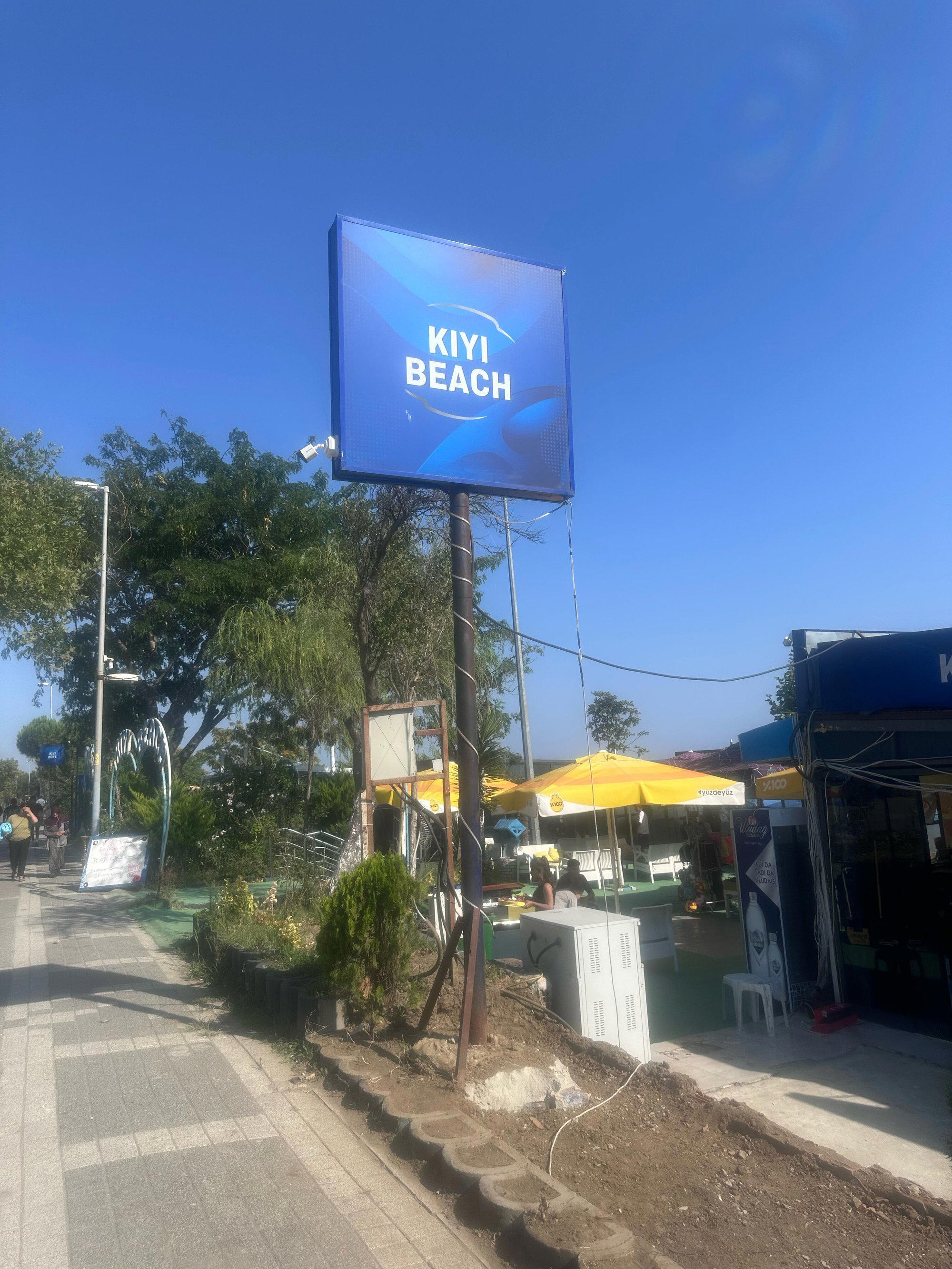
Hotels in Silivri
Browse all →
Wineries in Silivri
Browse all →
At a Glance
- Casual Hangout
- Family
Current opening hours
- Monday
- 10 AM–12 AM
- Tuesday
- 10 AM–12 AM
- Wednesday
- 10 AM–12 AM
- Thursday
- 10 AM–12 AM
- Friday
- 10 AM–12 AM
- Saturday
- 10 AM–12 AM
- Sunday
- 10 AM–12 AM
Hours can change for holidays and private events. Last verified .