

One of Istanbul's most recognisable grill institutions, Beyti has operated from its Florya address in Bakırköy for decades, earning consecutive Michelin Plate recognition in 2024 and 2025.
Pearl is the En Primeur Club membership app — saves, bookings, and concierge access live there. Same editors, same standards.
- Address
- Florya, Şenlikköy, Orman Sk. No:6-8, 34153 Bakırköy/İstanbul, Türkiye
- Phone
- +90 212 663 29 90
- Website
- beyti.com
- Directions
- Get directions
 Saves & bookings on Pearl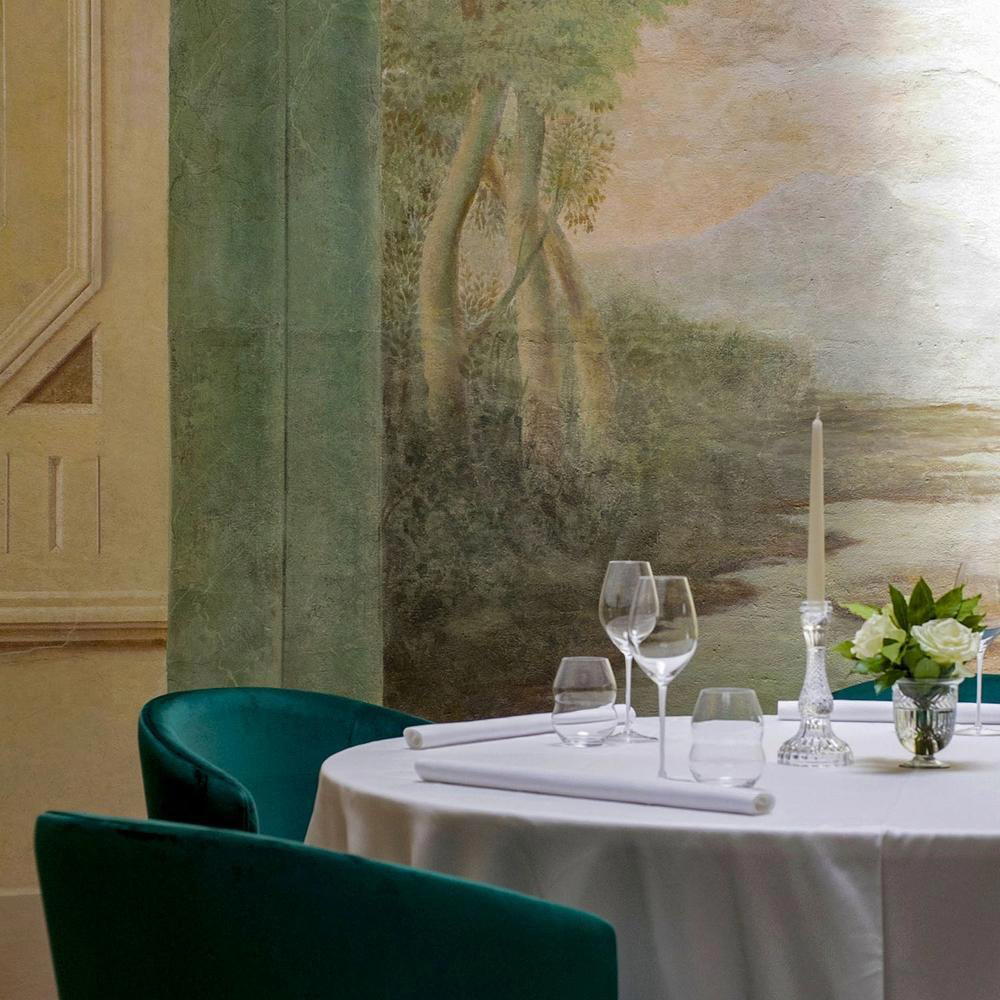
A Grill Institution on the Western Edge of the City
Istanbul's dining geography tends to reward the Bosphorus-adjacent neighbourhoods — Beyoğlu, Karaköy, Nişantaşı — with editorial attention, while the districts that run westward toward the Sea of Marmara remain comparatively overlooked by international visitors. Florya, in the Bakırköy municipality, sits in that quieter corridor, and it is there that Beyti has built one of the city's most durable reputations in fire-cooked meat. The restaurant occupies a standalone structure on Orman Sokak, a setting that reads as deliberately apart from the noise of the centre, not a hotel annex, not a rooftop conversion, but a purpose-built dining destination in the older Istanbul sense of the word.
That physical remove from the tourist axis is part of the venue's character. Guests arriving from central Istanbul are making a deliberate trip, and the surrounding Florya neighbourhood, tree-lined, residential, and close to the coast, reinforces the sense that this is a place built for the city's own appetite rather than for visitors passing through. For context on how the broader city eats, our full Istanbul restaurants guide maps the range from neighbourhood grill houses to tasting-menu addresses.
The Physical Container: Scale and Purpose
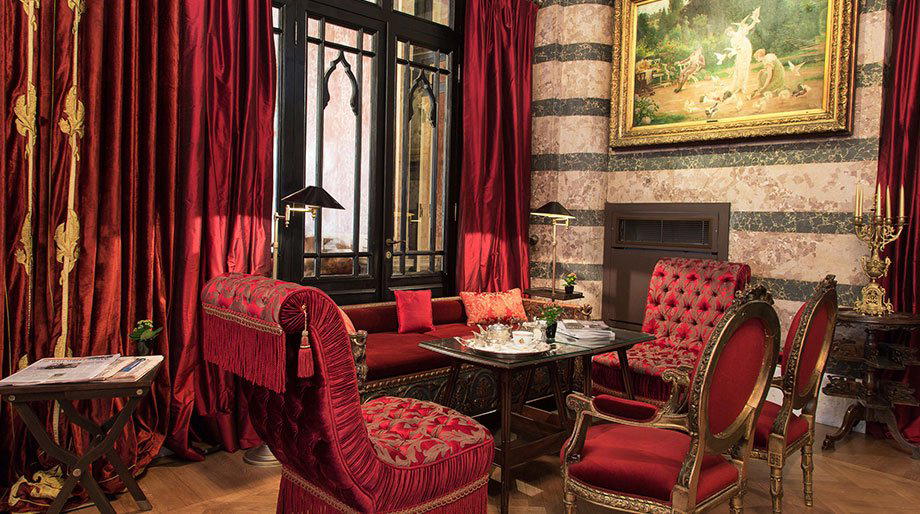
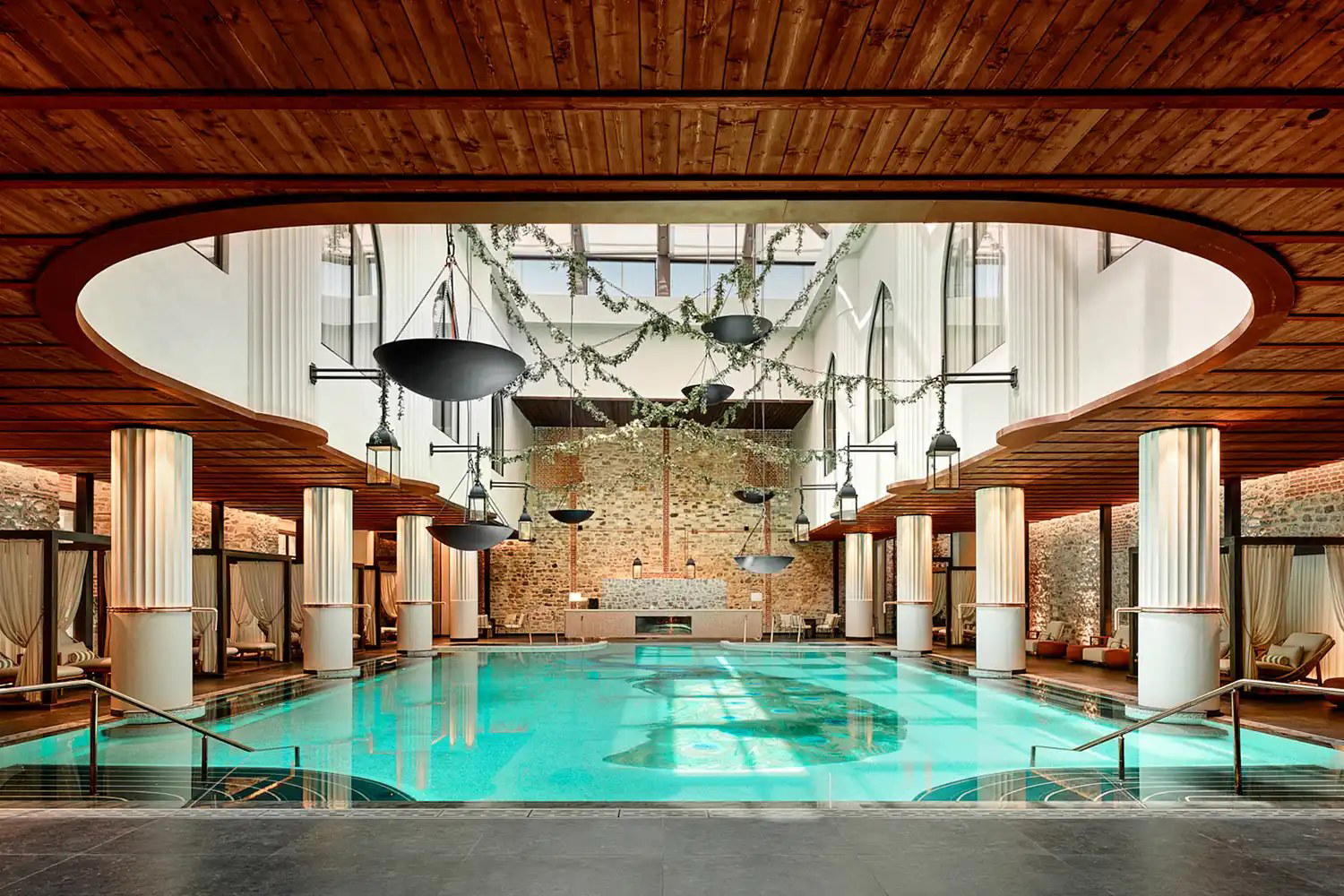
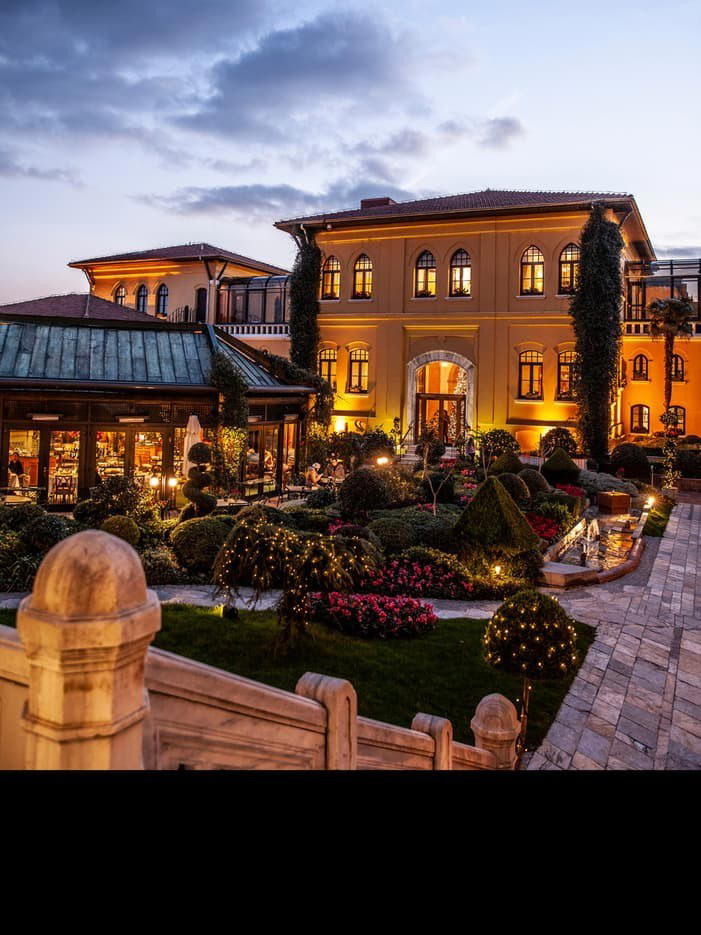
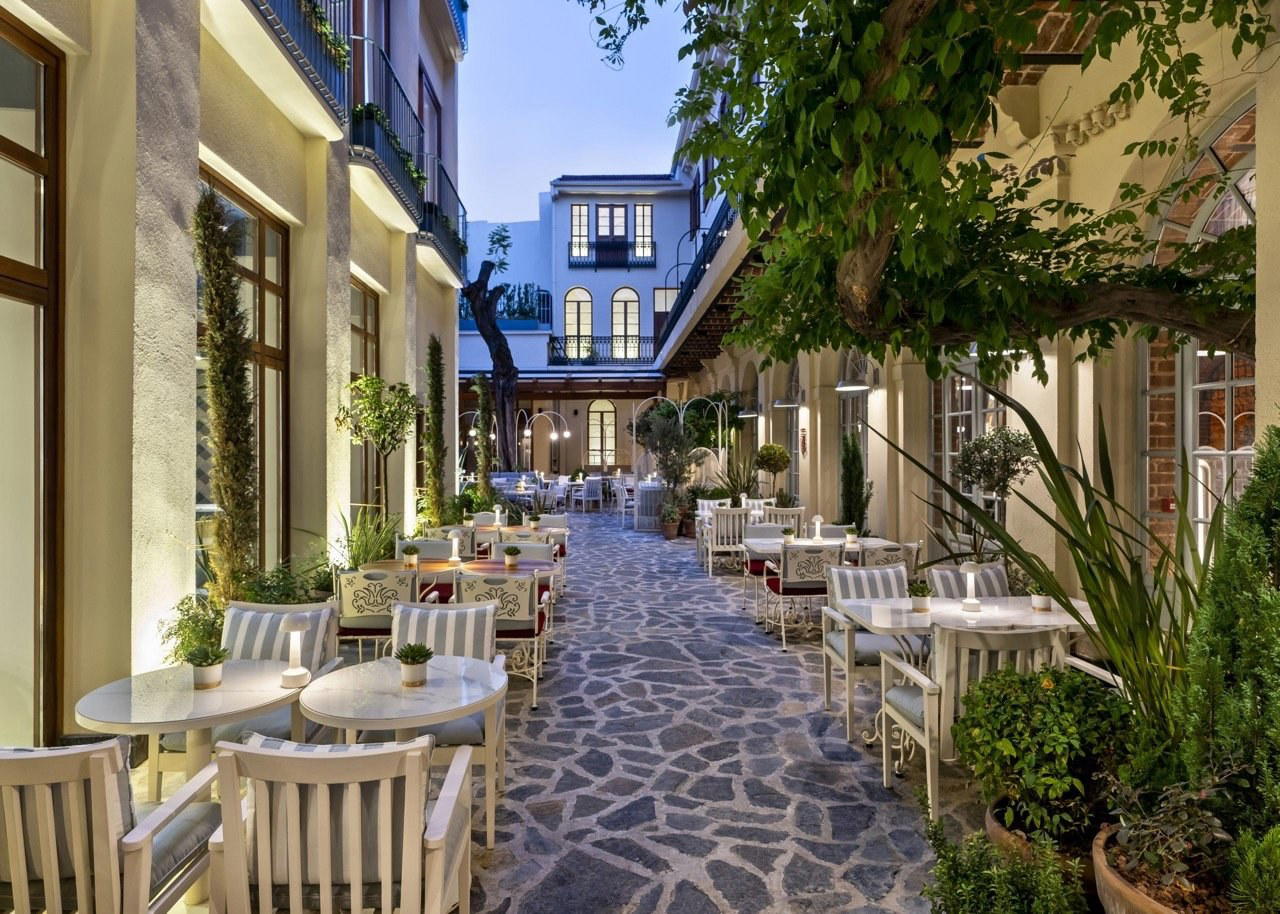
Turkish grill culture, at its more formal end, tends toward generous spatial programmes. The shared table, the large family gathering, the corporate dinner, these are the social formats that traditional ocakbaşı and kebab restaurants were built around, and the architecture reflects them. Beyti's premises fit that model: a multi-room layout that can accommodate significant volumes of guests across the course of a service, with a visual language drawn from the established idiom of the Turkish fine-grill house. Ornate detailing, warm tones, and a formal register distinguish it from the stripped-back minimalism that characterises the newer generation of Istanbul restaurants.
That contrast matters for understanding where Beyti sits in the city's dining hierarchy. The Michelin-starred addresses that have defined Istanbul's international profile in recent years, Turk Fatih Tutak with two stars, and single-star holders including Mikla, Neolokal, and Arkestra, operate within the modern tasting-menu format, at the ₺₺₺₺ price tier, and with a design language that draws on international fine dining vocabulary. Beyti holds its Michelin Plate at the ₺₺₺ tier and works in a register that is more overtly traditional, more spatially expansive, and more directly rooted in the kebab lineage that has defined Turkish grill culture for generations. These are not competing for the same occasion; they address different dining intentions.
The Grill Tradition Beyti Represents
Turkish kebab culture is older and more regionally varied than most international diners appreciate. The Adana kebab, the şiş, the kuzu tandır, the beyti kebab itself, each has a distinct regional origin, a specific cut and preparation logic, and a set of service conventions that carry cultural meaning. Restaurants at the formal end of this tradition are not simply grilling meat; they are maintaining a technical and social vocabulary that runs back several centuries in Anatolian cooking. The beyti kebab, minced meat wrapped in flatbread, typically served with butter and tomato sauce, shares its name with this restaurant, a detail that signals the kitchen's claim to authority in that particular form.
This is the tradition that separates grill-focused addresses like Beyti from the modern Turkish kitchen that draws on the same ingredients but frames them through a contemporary tasting structure. Venues like Mürver and the modern Turkish category more broadly represent one direction Istanbul's food culture has moved; the formal grill house represents continuity with an older, more rooted set of practices. Internationally, grill-focused restaurants operating at this level of formality and craft, including Humo in London and A de Totó in Trasmonte, demonstrate how fire-cooking traditions translate into recognised fine-dining contexts across different food cultures.
Michelin Recognition and What It Signals
Michelin awarded Beyti its Plate recognition in both 2024 and 2025. The Plate, which denotes good cooking without the additional distinction of stars, is not a consolation category, it is the guide's confirmation that a kitchen meets a consistent quality threshold. In Istanbul's Michelin listing, the Plate sits below the star tier but above the general field, and consecutive years of recognition point to operational stability rather than a single strong performance cycle.
For those exploring the broader Turkish grill tradition across the country, comparisons with 7 Mehmet in Antalya and Kitchen By Osman Sezener in Bodrum offer useful regional reference points, as does the more intimate scale found at Narımor in Izmir, Agora Pansiyon in Milas, Ahãma in Göcek, and Aravan Evi in Ürgüp.
Planning a Visit
Beyti sits at Orman Sokak No. 6-8 in the Florya neighbourhood of Bakırköy, on Istanbul's European side. The address places it roughly 25 to 30 minutes by road from central Beyoğlu depending on traffic, and it is more accessible by car or taxi than by metro. The ₺₺₺ price positioning makes it materially less expensive than the starred modern Turkish addresses in the city centre, which operate predominantly at the ₺₺₺₺ tier. Given the scale of the operation and the cross-generational audience it draws, the kitchen is equipped for both smaller party bookings and larger group dinners. For extended Istanbul trip planning beyond restaurants, our Istanbul hotels guide, bars guide, wineries guide, and experiences guide cover the full city.
At a Glance
| Venue | Cuisine | Price | Notes |
|---|---|---|---|
| BeytiThis venue — the venue you are viewing | Grills | ₺₺₺ | Not listed |
| Turk Fatih Tutak | Not listed | ₺₺₺₺ | Modern Turkish, ₺₺₺₺ |
| Mikla | Not listed | ₺₺₺₺ | Modern Turkish, Mediterranean Cuisine, ₺₺₺₺ |
| Neolokal | Not listed | ₺₺₺₺ | Modern Turkish, Turkish, ₺₺₺₺ |
| Arkestra | Not listed | ₺₺₺₺ | Fusion, ₺₺₺₺ |
| Nicole | Not listed | ₺₺₺₺ | Modern Turkish, Modern Cuisine, ₺₺₺₺ |
Recognition history
Dated appearances from independent guides and award organizations, with the underlying list record or original source where available.
Gault & Millau Türkiye 2 Toques
Gault & Millau · Gault & Millau Türkiye 2026 - 2 Toques
Michelin Plate
Michelin
Michelin Plate
Michelin
At a Glance
- Elegant
- Classic
- Well Known
- Sophisticated
- Business Dinner
- Group Dining
- Special Occasion
- Family
- Historic Building
- Private Dining
- Terrace
- Extensive Wine List
Current opening hours
- Monday
- Closed
- Tuesday
- 11:30 AM–11:30 PM
- Wednesday
- 11:30 AM–11:30 PM
- Thursday
- 11:30 AM–11:30 PM
- Friday
- 11:30 AM–11:30 PM
- Saturday
- 11:30 AM–11:30 PM
- Sunday
- 11:30 AM–11:30 PM
Hours can change for holidays and private events. Last verified .
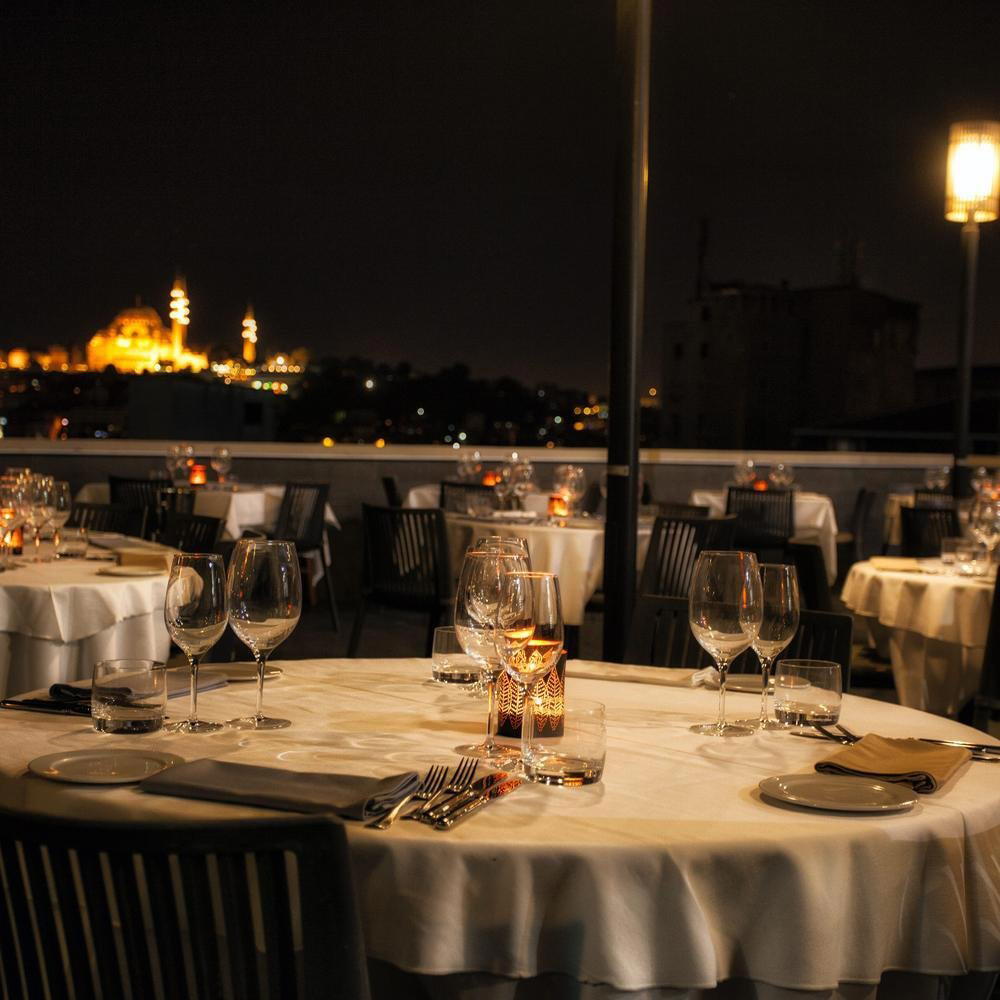
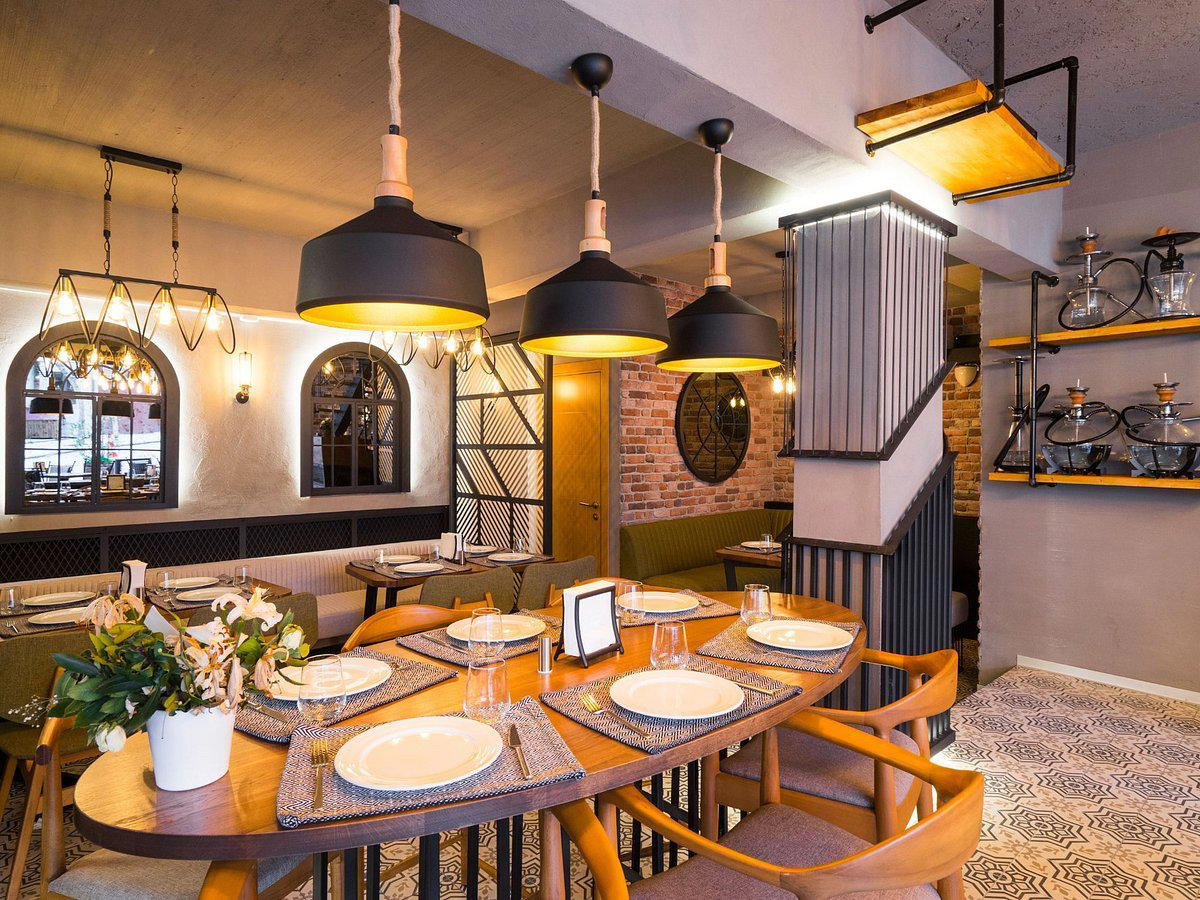
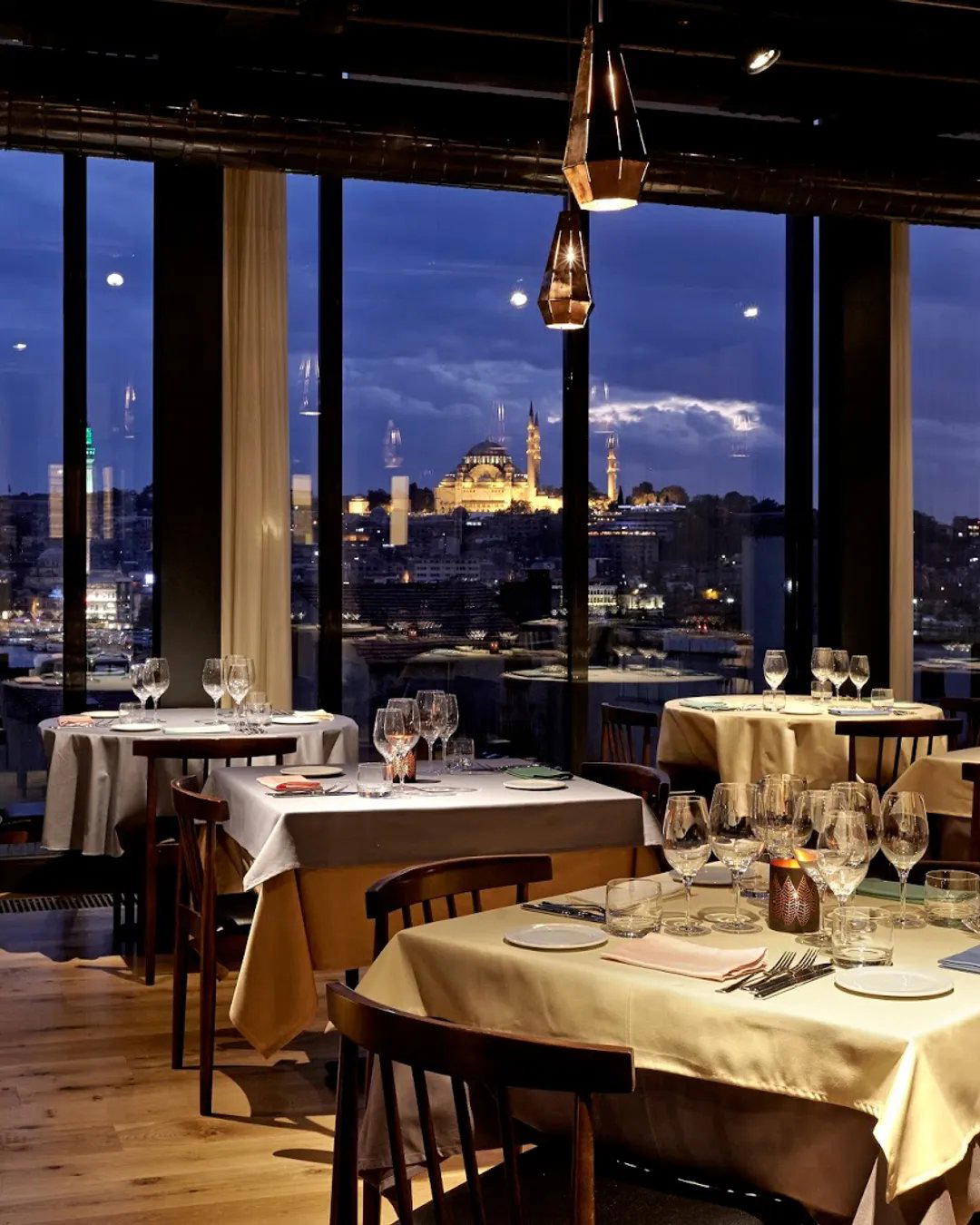
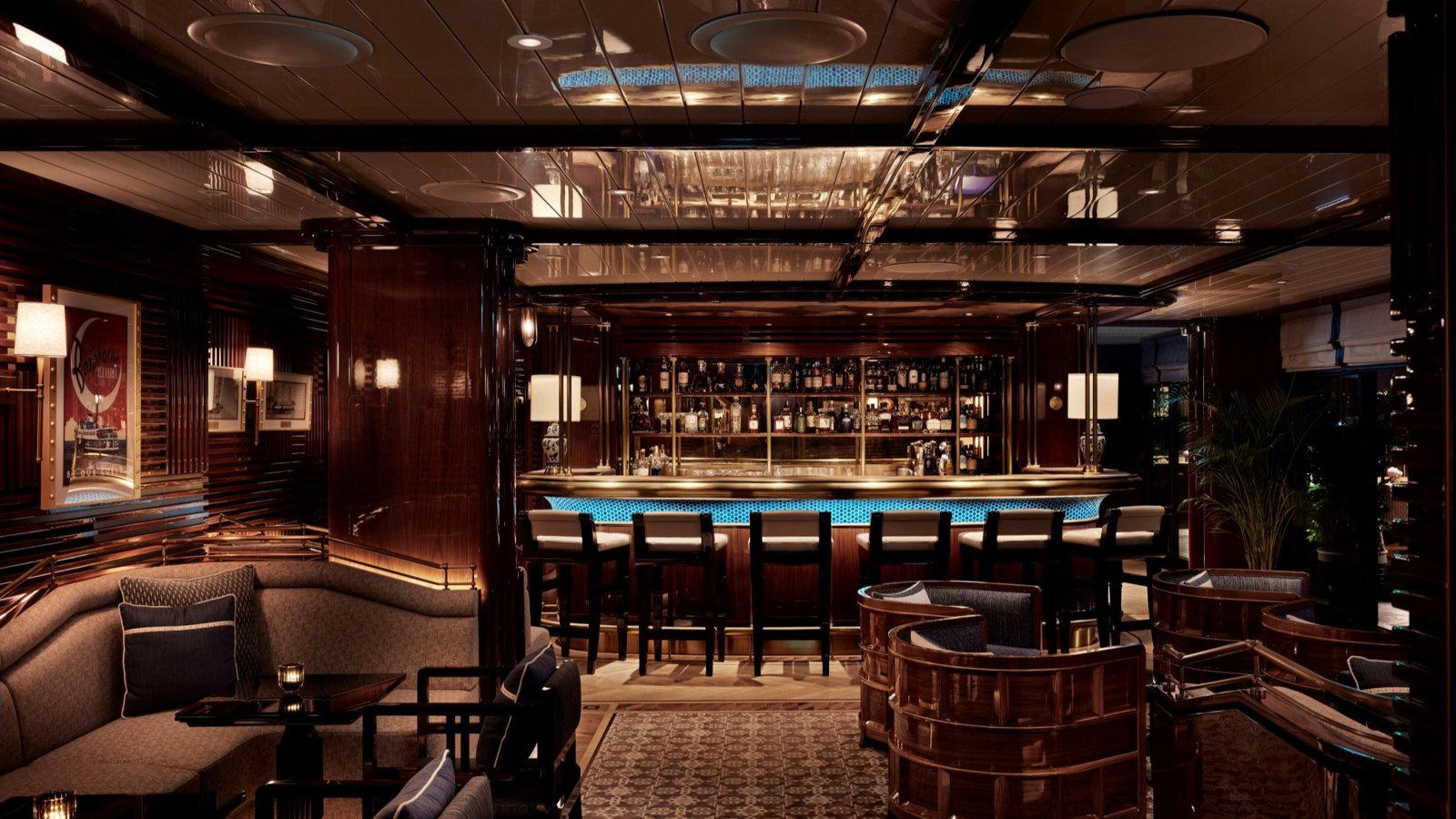
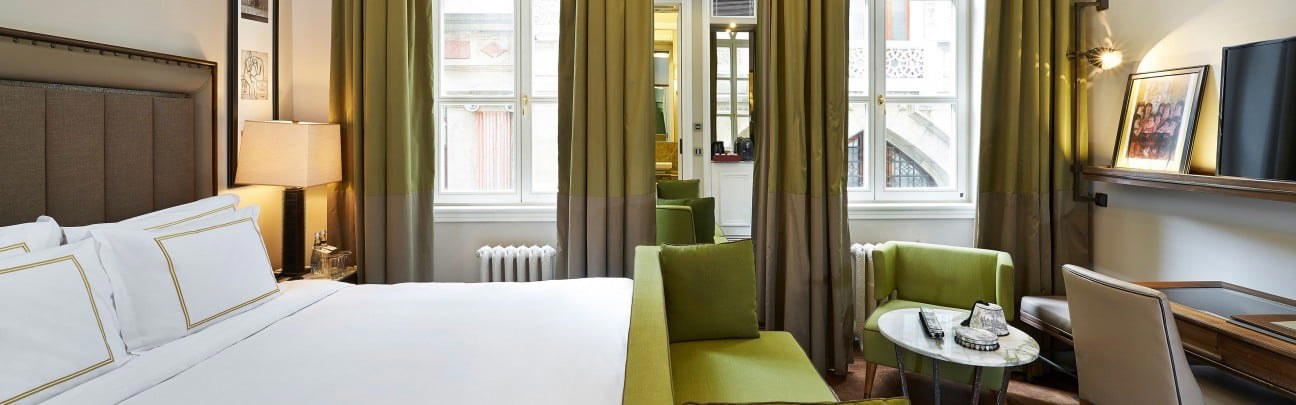
Ornate historical ambiance blending Ottoman art, contemporary design, nostalgic Turkish charm with multiple elegant dining rooms and terraces.
Know Before You Go
- Getting there
- Florya, Şenlikköy, Orman Sk. No:6-8, 34153 Bakırköy/İstanbul, Türkiye