Krua Lawng Khao

Michelin Bib Gourmand
Our verdict
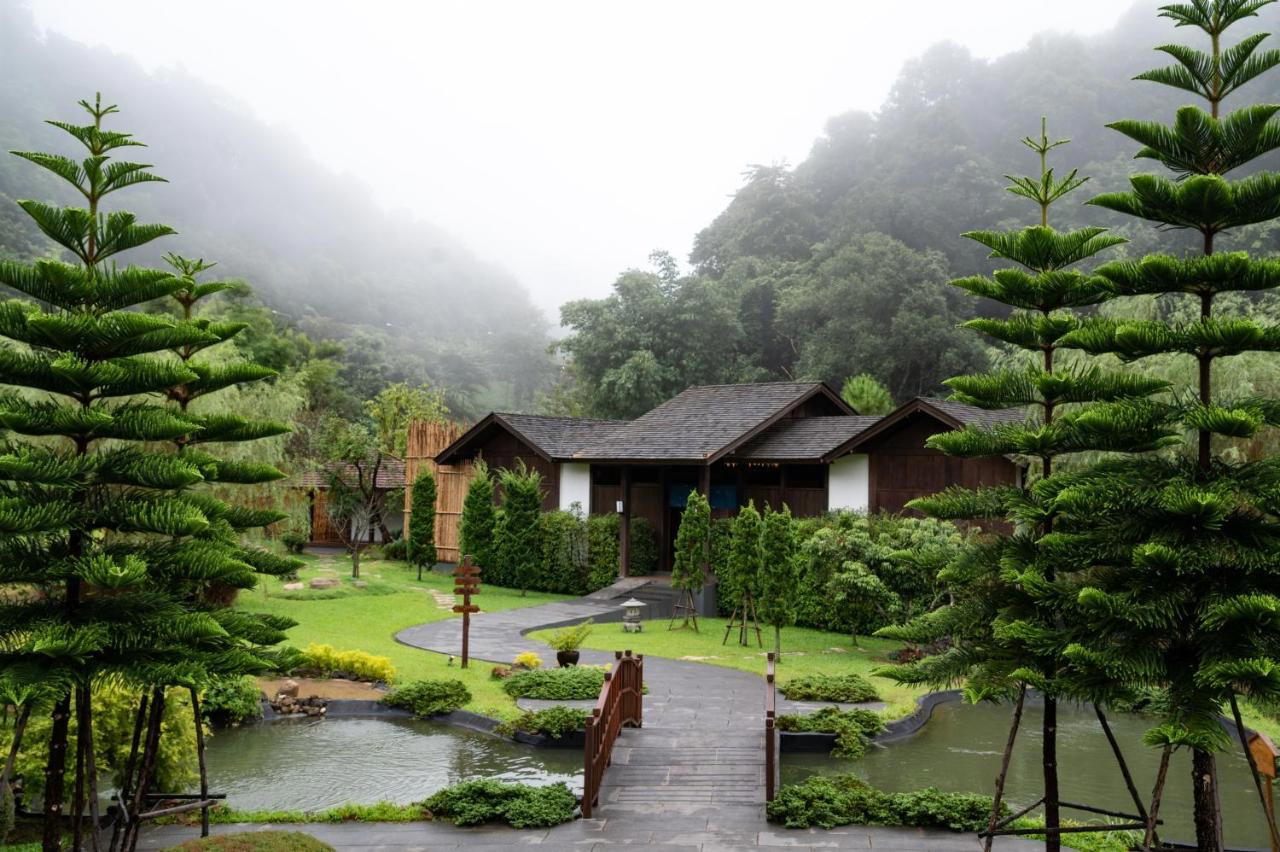
Krua Lawng Khao holds back-to-back Michelin Bib Gourmand recognition (2024 and 2025) for Northern Thai cooking that earns those nods without the price tag to match. Set in a two-storey wooden pavilion overlooking rice fields in Mae Rim, it occupies a different register from the city's tourist-facing restaurants. The spicy pork salad and the hot and spicy fish soup with morning glory are the dishes regulars return for.

Pearl is the En Primeur Club membership app — saves, bookings, and concierge access live there. Same editors, same standards.
- Address
- 18 หมู่2 ดวงดีซอย1 ริมใต้ Mae Rim District, Chiang Mai 50180, Thailand
- Phone
- +66 83 476 3421
- Hours
- Mon ClosedTue–Sun 10:30 AM–7 PM
- Website
- facebook.com
- Directions
- Get directions
The menu
What to order
- Khao Soi
- Northern Thai spicy pork salad
- Northern Thai hot and spicy soup with fish and morning glory
Rice Fields, Open Breezes, and the Northern Thai Table
Mae Rim sits north of the Chiang Mai city limits, where the valley opens and the roads slow down. The district is better known for elephant sanctuaries and weekend escapes than for restaurants worth planning around — which makes the Michelin committee's two consecutive Bib Gourmand citations for a timber pavilion overlooking paddy fields all the more instructive. In Thailand's decorated dining scene, recognition tends to concentrate in Bangkok: the two-Michelin-starred Sorn in Bangkok anchors one end of that spectrum, while the Bib tier is where inspectors flag places where the cooking justifies the trip on its own terms, price included. Krua Lawng Khao earns its place in the latter group.
Northern Thai food operates by a different grammar than the dishes most visitors associate with Thailand. The cuisine draws on Lanna heritage — fermented pork, raw herb salads, bitter vegetables, and soups built around dried chillies and galangal rather than coconut milk. It is food shaped by mountain trade routes and subsistence agriculture, not coastal abundance. That context matters when you sit down at a restaurant doing it well: the flavours are assertive, often simultaneously funky and sharp, and the repertoire rewards familiarity. Krua Lawng Khao pitches its version at accessible price points, with a single baht symbol placing it firmly in the neighbourhood of Chum (Saraphi) and street-side canteens rather than the mid-market tier occupied by Busarin Cuisine.
The Setting Does Real Work Here
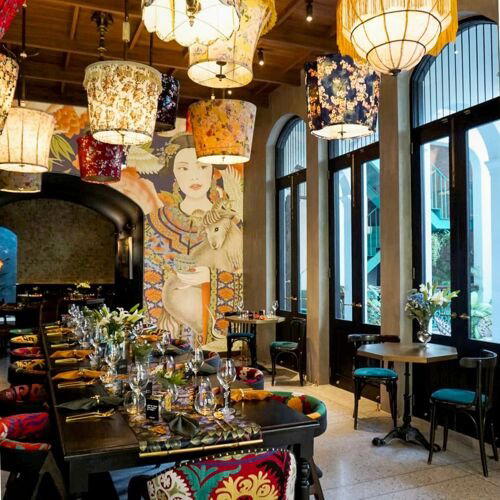
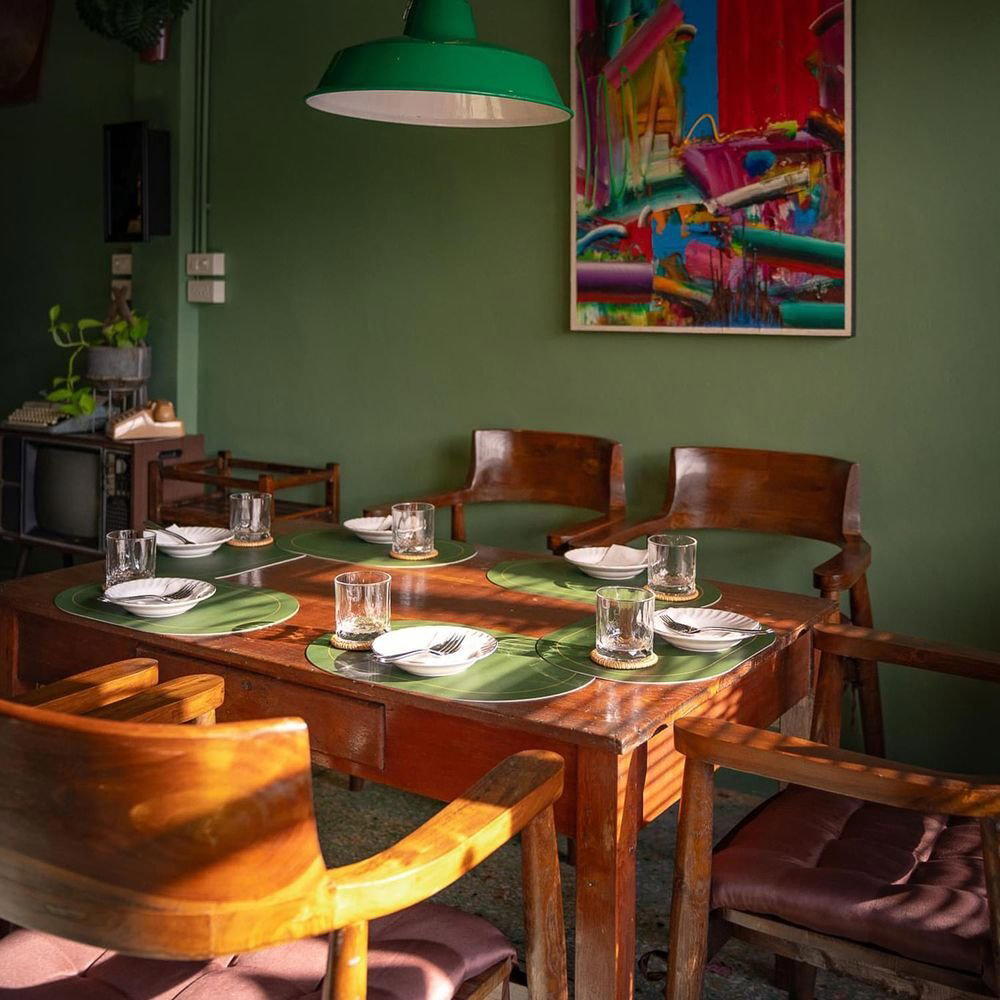
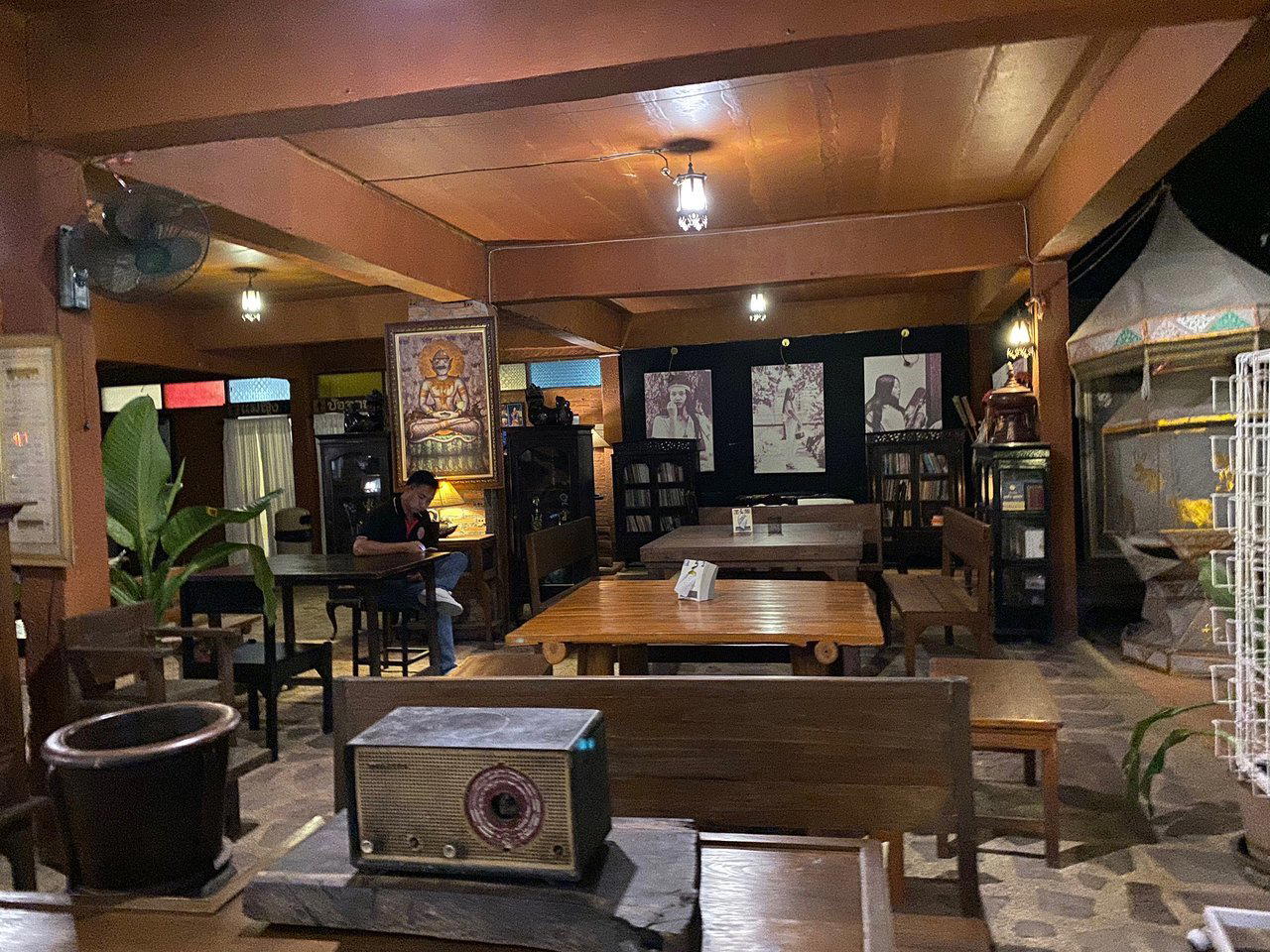
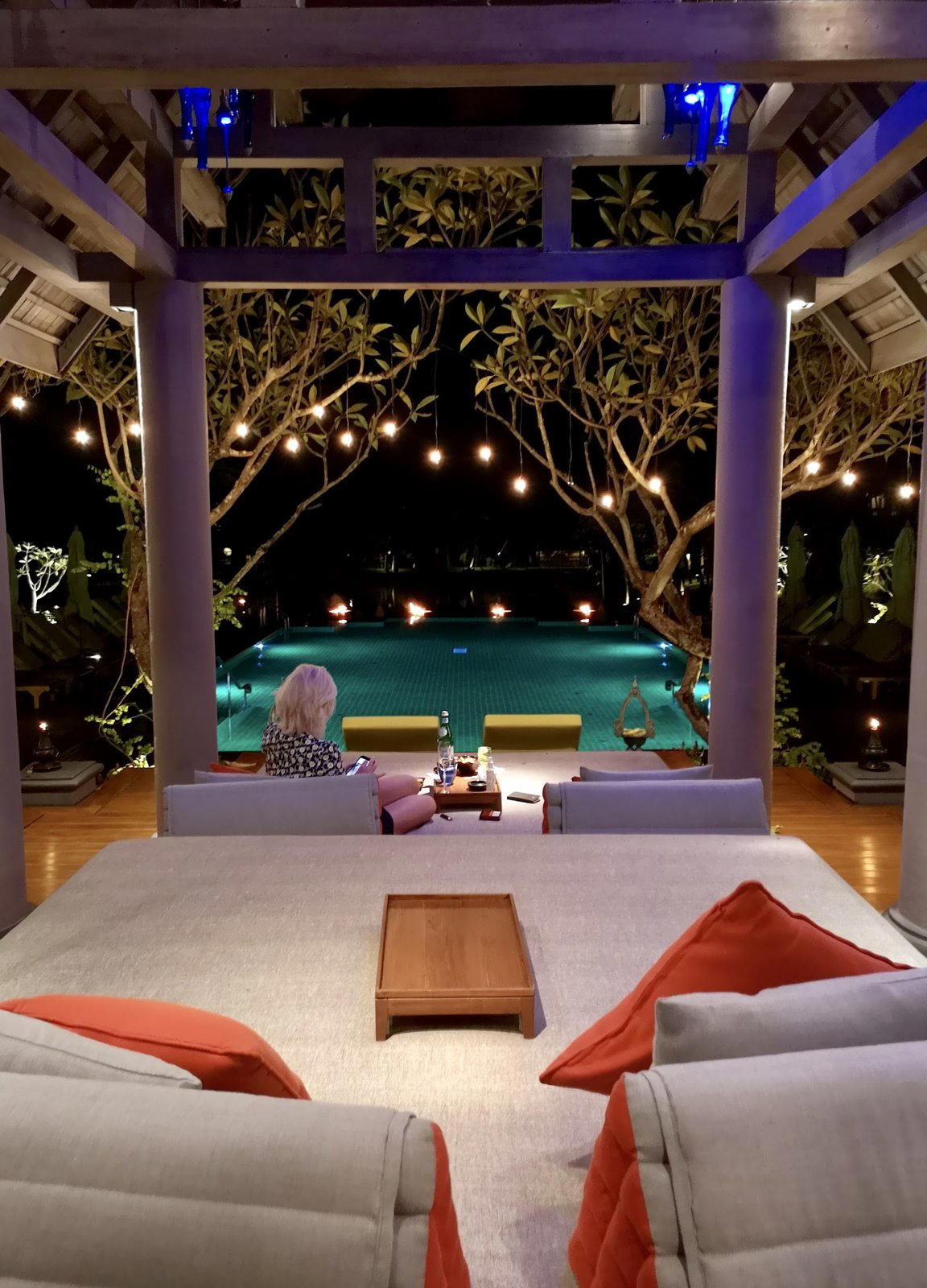
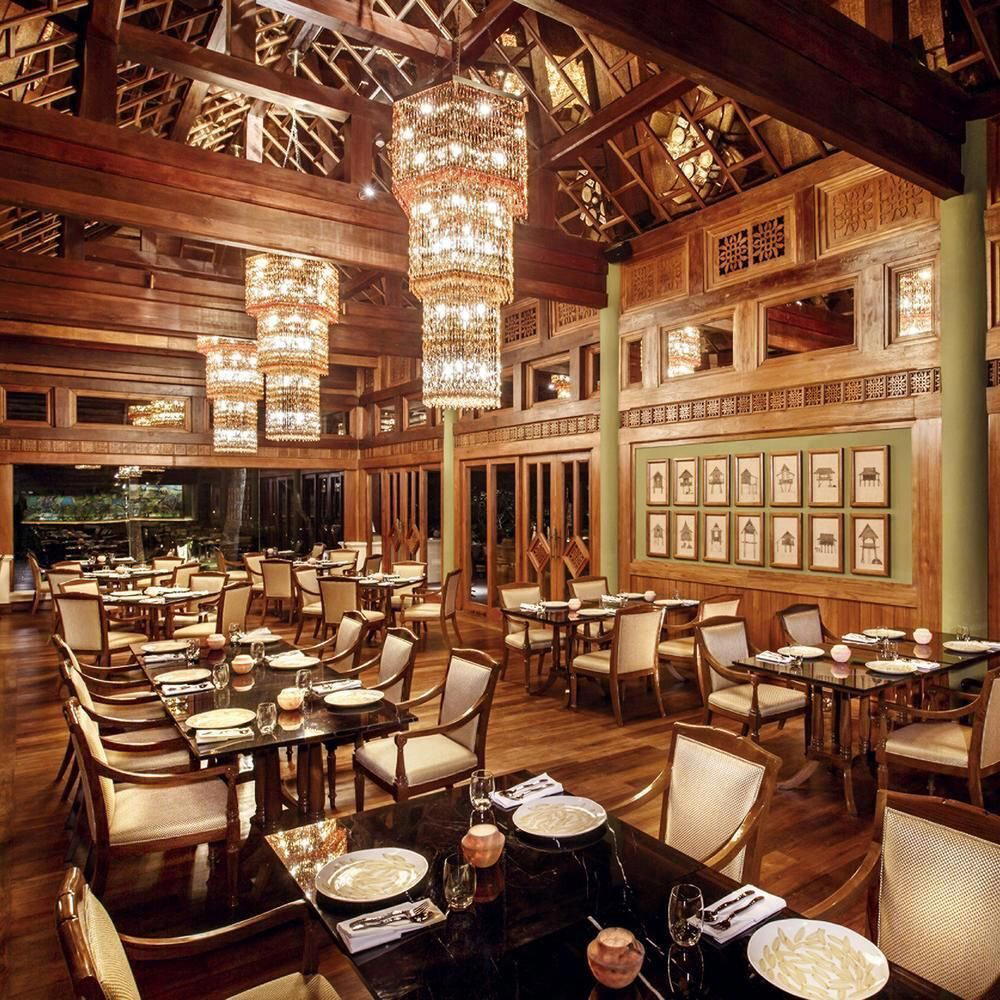
The building is a two-storey wooden pavilion, and the architecture is functional rather than ornamental. Downstairs, conventional tables and chairs look out toward rice fields through open sides. Upstairs, the format shifts to cushioned floor seating, the kind of arrangement that slows a meal down in the right way, encouraging plates to arrive in waves and conversation to settle into something unhurried. Rice field views come with genuine open-air breezes rather than air conditioning, which keeps the atmosphere honest about where you are. This is Mae Rim, not a city dining room designed to approximate the countryside.
Across Chiang Mai's broader Northern Thai restaurant scene, atmosphere and cuisine quality don't always align at this price level. Venues like Huen Muan Jai and Huan Soontaree have established that setting and cooking can reinforce each other at accessible price points. Krua Lawng Khao follows that pattern but relocates it outside the old city, where land and scale allow for a different kind of space altogether.
What the Kitchen Sends Out
The editorial angle that street food and hawker traditions bring to Northern Thai cooking is relevant here. The dishes the Michelin citation flags, the Northern Thai spicy pork salad and the hot and spicy soup with fish and morning glory, both belong to a vernacular of bold, fast-assembled plates that derive from market stalls and roadside canteens rather than formal restaurant kitchens. Spicy pork salad, or larb moo in its northern form, typically includes toasted rice powder, dried chillies, and raw herbs, and it reads as a composed dish only if you've spent time in Northern Thai markets. The hot and spicy soup with fish and morning glory draws on a similar logic: the heat is structural, not decorative, and the morning glory adds a vegetable bitterness that cuts through the broth's depth.
That these dishes appear in a Bib-recognised setting rather than a market stall does not mean they've been softened for tourist palates. The Michelin Bib Gourmand designation specifically rewards cooking that is both flavourful and accessibly priced, and the two consecutive years of recognition (2024 and 2025) suggest consistency rather than a single strong season. For Northern Thai cooking at this price register, that record places Krua Lawng Khao alongside the more focused single-cuisine operators that earn repeat recognition across Thailand, a pattern visible in AKKEE in Pak Kret and regional specialists like Khao Soi Thai Yai in Udon Thani.
Where Krua Lawng Khao Fits in the Mae Rim-to-Chiang Mai Spectrum
The decision to eat in Mae Rim rather than the old city or Nimman area is partly logistical and partly experiential. The district sits outside the city's main tourist circuit, and getting there without a private vehicle or hired songthaew requires deliberate planning. That friction is also a filter: the customer base skews toward residents, domestic visitors, and travellers who've specifically sought out Northern Thai cooking beyond the tourist zone.
Within Chiang Mai's decorated Northern Thai circuit, Gongkham operates at a different price tier and formality level. Krua Lawng Khao's single-฿ pricing sits closer to the canteen end of the spectrum, where the cooking does the persuading rather than the setting or the service structure. Visitors comparing options across the broader Thai dining picture, including PRU in Phuket or Angeum in Phra Nakhon Si Ayutthaya at the other end of the formality register, will find Krua Lawng Khao occupies a specific, unglamorous niche that the Bib Gourmand was arguably designed to protect.
For travellers tracing Northern Thai cooking across its natural geography, the restaurant connects to a wider network of Lanna-focused kitchens: Huen Lamphun in Bangkok's Taling Chan represents the same cuisine transplanted to the capital, while venues like Agave in Ubon Ratchathani show how regional Thai cooking has diversified its presentation in secondary cities.
Planning the Visit
Krua Lawng Khao is located at 18 หมู่2 ดวงดีซอย1 ริมใต้ in Mae Rim District, approximately 15–20 minutes north of Chiang Mai city centre by road, though the exact travel time depends on traffic and your starting point in the city. The restaurant carries a single-฿ price symbol, placing it among the more affordable Bib Gourmand recipients in the region. The upstairs floor-seating option benefits from early arrival on busier days if you want a specific section. A vehicle is the most efficient way to reach Mae Rim from the city; ride-hailing apps operating in Chiang Mai cover the route.
For broader context on where to eat and stay while in the region, see our full Chiang Mai restaurants guide, our full Chiang Mai hotels guide, our full Chiang Mai bars guide, our full Chiang Mai wineries guide, and our full Chiang Mai experiences guide.
Frequently asked questions
Where exactly is Krua Lawng Khao?
Krua Lawng Khao is located at 18 หมู่2 ดวงดีซอย1 ริมใต้ Mae Rim District, Chiang Mai 50180, Thailand, Chiang Mai.
Is there a head chef associated with Krua Lawng Khao?
The chef associated with Krua Lawng Khao is Neha Mishra.
What do regulars order at Krua Lawng Khao?
The Michelin Bib Gourmand citation calls out two dishes specifically: the Northern Thai spicy pork salad and the Northern Thai hot and spicy soup with fish and morning glory. Both reflect the kitchen's focus on flavourful, ingredient-forward cooking at a price point that sits firmly in the ฿ range.
What's the cuisine at Krua Lawng Khao?
Is Krua Lawng Khao more mid-range or high-end?
Pricing at Krua Lawng Khao is listed as ฿.
What's Krua Lawng Khao known for in terms of accolades?
Krua Lawng Khao has received recognition including: Food and atmosphere are well-matched at this chill Northern Thai restaurant in Mae Rim. It’s in a two-storey wooden pavilion with regular tables downstairs and cushioned floor seating upstairs; both options offer relaxing rice field views a….
How far ahead should I plan for Krua Lawng Khao?
No booking contact details are publicly listed for the restaurant, so arrival timing matters more than advance reservation. The Mae Rim address — 18 หมู่2 ดวงดีซอย1 ริมใต้ — is roughly 15–20 minutes north of Chiang Mai city centre, so factor in travel when planning around meal service hours.
Budget and Context
| Venue | Cuisine | Price | Awards |
|---|---|---|---|
| Krua Lawng KhaoThis venue — the venue you are viewing | Northern Thai | $10–20 | Michelin Bib Gourmand |
| Busarin Cuisine | Northern Thai | $10–20 | Michelin Plate |
| Chai | Authentic South Indian & North Indian Cuisine | $1–10 | Michelin Bib Gourmand |
| Dan Chicken Rice (San Sai) | Thai Hainanese-Style Chicken Rice | $1–10 | Michelin Bib Gourmand |
| Ekachan | Regional Thai Cuisine | $10–20 | Michelin Plate |
| Khao Soi Mae Manee | Northern Thai Khao Soi | $1–10 | Not listed |
Recognition history
Dated appearances from independent guides and award organizations, with the underlying list record or original source where available.
Michelin Bib Gourmand
Michelin
Full recognition history (3 entries)
Michelin Bib Gourmand
Michelin
Michelin Bib Gourmand
Michelin