Our verdict
Khao sits along Mae Rim's Old Road in the Samoeng District, placing it in one of Chiang Mai province's quieter agricultural corridors rather than the tourist circuit. The address alone signals an orientation toward local sourcing and northern Thai culinary tradition over accessibility. For travellers willing to make the drive from Chiang Mai city, it represents a different mode of eating entirely.

Pearl is the En Primeur Club membership app — saves, bookings, and concierge access live there. Same editors, same standards.
- Address
- 502 Moo 1, Mae Rim, Old Road, Samoeng District, Chiang Mai 50180, Thailand
- Phone
- +6653298181
- Hours
- Daily 8 AM–7 PM
- Website
- fourseasons.com
- Directions
- Get directions
- Booking
- Book on OpenTable
The menu
What to order
- Khao Soi Gai
- Gaeng Hunglay Moo
- Spicy Roasted Scallops with Mango and Crispy Rice Salad
- Steamed Gulf of Thailand Sea Bass with Lime and Garlic
The Road North of Chiang Mai and What It Produces
The drive from Chiang Mai city toward Mae Rim on the old Samoeng road is itself a lesson in northern Thai agricultural geography. Within twenty minutes the urban density dissolves into vegetable plots, herb gardens, and smallholder farms that supply much of the province's fresh produce. Restaurants positioned along this corridor, including Krua Lawng Khao and The Ironwood, are not here by accident. The proximity to source matters, and in Thai culinary terms, proximity to source in the north means access to ingredients that do not travel well and do not appear reliably on menus operating from city centres.
Khao occupies a specific address on Moo 1 of this old road in the Samoeng District, at coordinates that place it squarely within that agricultural belt. That positioning is a structural fact about the restaurant before anything else is said about what it serves. In a region where northern Thai cuisine depends heavily on foraged herbs, fermented pastes, and produce harvested at altitude, the question of where a kitchen sits relative to its supply chain is not incidental. It shapes what arrives on the plate and at what point in its life cycle.
Northern Thai Sourcing and Why It Differs from the Bangkok Model
Thai fine dining in Bangkok has developed a well-documented sourcing logic over the past decade. Operations like Sorn in Bangkok, which holds two Michelin stars and works exclusively with southern Thai smallholders, have demonstrated that a rigorous ingredient provenance programme can anchor both a menu and a critical reputation. PRU in Phuket runs its own farm. AKKEE in Pak Kret draws on regional Thai producers. These Bangkok and resort-area models share a common feature: they import the sourcing relationship from a distance, building logistics chains to connect kitchens to far-flung producers.
The Mae Rim model operates differently. Here, the distance between farm and kitchen can be measured in minutes rather than supply chain complexity. The Samoeng District sits at elevations that support cool-climate produce, including varieties of herbs, leaf vegetables, and root crops that define Lanna cuisine, the northern Thai culinary tradition that predates the Bangkok-centric version of Thai food most international visitors know. A restaurant at Khao's address inherits that geography. The relevant comparison set is not Bangkok's Michelin-starred tasting menu circuit but rather the specific tradition of northern Thai cooking that prizes freshness measured in hours and ingredients that hold flavour precisely because they have not been transported.
Lanna Tradition and the Ingredient-First Framework
Northern Thai or Lanna cuisine works from a different flavour architecture than central Thai cooking. The heat is more restrained, bitterness plays a structural role rather than a background note, and fermented elements, particularly from preserved meats and fish pastes, provide depth that coconut milk-based curries achieve through richness. These characteristics are inseparable from the ingredient base. Bitter melon, fresh turmeric, makok fruit, and locally foraged mushrooms are not garnishes in this tradition; they are the cuisine's primary vocabulary.
A restaurant positioned in Mae Rim's agricultural corridor has direct access to that vocabulary in a way that no city kitchen can fully replicate. This is the editorial argument for the address, regardless of any other specifics about Khao's format or menu. The logic holds across the Mae Rim restaurant cluster: proximity to source in this part of Chiang Mai province is a competitive position, not merely a romantic claim. You can find parallel arguments playing out at ingredient-focused operations elsewhere in Thailand, from Loet Rot in Mueang Chiang Mai to Cherng Doi Roast Chicken in Chiang Mai, where the sourcing story is legible in the food itself.
The broader Thai restaurant scene has increasingly validated this approach. At the international level, venues like Le Bernardin in New York City and Atomix in New York City demonstrate that an ingredient-first framework, clearly communicated and rigorously executed, builds critical credibility that menu complexity alone cannot manufacture. The same principle applies at every price point and in every culinary tradition, including the northern Thai one centred around Mae Rim.
Getting There and Planning Your Visit
Khao's address at 502 Moo 1, Mae Rim, Old Road, Samoeng District, Chiang Mai 50180 is specific enough to navigate to directly, though the old Samoeng road is a two-lane route rather than a highway, and the drive from Chiang Mai city centre typically takes 30 to 45 minutes depending on traffic at the northern ring road junction. The Mae Rim valley is most comfortably visited outside the April heat peak; the November to February window brings cooler temperatures and clearer air, which also represents peak growing season for cool-climate produce in the district. No phone number, website, or confirmed booking method is currently listed for Khao, which means the walk-in question is genuinely open. For the Mae Rim corridor generally, arriving earlier in a meal period reduces the likelihood of finding a kitchen at capacity, particularly for smaller operations where seating is limited by physical space rather than a reservations system. Our full Mae Rim restaurants guide provides additional context on the cluster of dining options along this stretch of road.
Frequently asked questions
What's the address for Khao?
Khao is located at 502 Moo 1, Mae Rim, Old Road, Samoeng District, Chiang Mai 50180, Thailand, Mae Rim.
Is Khao worth the drive from Chiang Mai city for a single meal?
The old Samoeng road to Mae Rim runs roughly 20 minutes north of Chiang Mai city, passing through agricultural land that directly informs northern Thai sourcing — which is part of what makes Khao's Mae Rim address a statement of intent rather than a logistical inconvenience. Restaurants rooted in Lanna cuisine at this remove from the city tend to source from producers that Bangkok-based operations cannot access with the same consistency. Whether one meal justifies the trip depends on how seriously you take the distinction between Lanna cooking and its central Thai counterpart.
What's the signature dish at Khao?
What the restaurant's positioning makes clear is a commitment to Lanna-tradition cooking rooted in northern Thai ingredients sourced along the Mae Rim corridor. Expect the menu to reflect that geography rather than a Bangkok-style tasting format.
Can I walk in to Khao?
No confirmed walk-in policy is documented for Khao. Given its location at 502 Moo 1 on the old Samoeng road in Mae Rim — a destination that requires deliberate travel from Chiang Mai city — advance contact before visiting is advisable. No phone number or website is currently listed publicly.
What's Khao best at?
Khao's positioning centres on northern Thai, or Lanna, cooking — a tradition that differs meaningfully from central Thai cuisine in its use of bitter notes, dried spices, and fermented pastes rather than coconut-based sauces. The Mae Rim location on the old Samoeng road places it within direct reach of the highland produce that defines this style. That agricultural proximity is the restaurant's clearest credential.
How does Khao handle allergies?
No allergy or dietary policy is publicly documented for Khao at this time. The Lanna culinary tradition makes considerable use of fermented ingredients, dried chilies, and foraged aromatics, so guests with specific dietary requirements should raise these directly with the restaurant before arrival.
Comparable Spots, Quickly
Comparable venues nearby, for context on price, style, and recognition.
| Venue | Cuisine | Price | Awards | Notes |
|---|---|---|---|---|
| KhaoThis venue — the venue you are viewing | Northern Thai Fine Dining | $50–100 | Not listed | Not listed |
| The Ironwood | Modern Thai | $10–20 | Not listed | Mae Rim |
| Krua Lawng Khao | Northern Thai | $10–20 | Michelin Bib Gourmand | Mae Rim |
| Bo.lan | Thai Fine Dining | Not listed | Not listed | Thonglor |
| Benz Restaurant at Soneva Kiri | Authentic Thai Fine Dining | $100–150 | Not listed | Koh Kood |
| Phed Mark (เผ็ดมาร์ค) | Spicy Pad Kaprao Specialist | Not listed | Not listed | คลองเตย |
Details
- Elegant
- Scenic
- Sophisticated
- Romantic
- Date Night
- Special Occasion
- Celebration
- Group Dining
- Terrace
- Garden
- Panoramic View
- Hotel Restaurant
- Craft Cocktails
- Farm To Table
- Local Sourcing
- Garden
- Mountain
- A La Carte
- Family Style
- Set Menu
- Craft Cocktails
- Wine
- Vegetarian Friendly
- Vegan Options
Current opening hours
- Monday
- 8 AM–7 PM
- Tuesday
- 8 AM–7 PM
- Wednesday
- 8 AM–7 PM
- Thursday
- 8 AM–7 PM
- Friday
- 8 AM–7 PM
- Saturday
- 8 AM–7 PM
- Sunday
- 8 AM–7 PM
Hours can change for holidays and private events. Last verified .
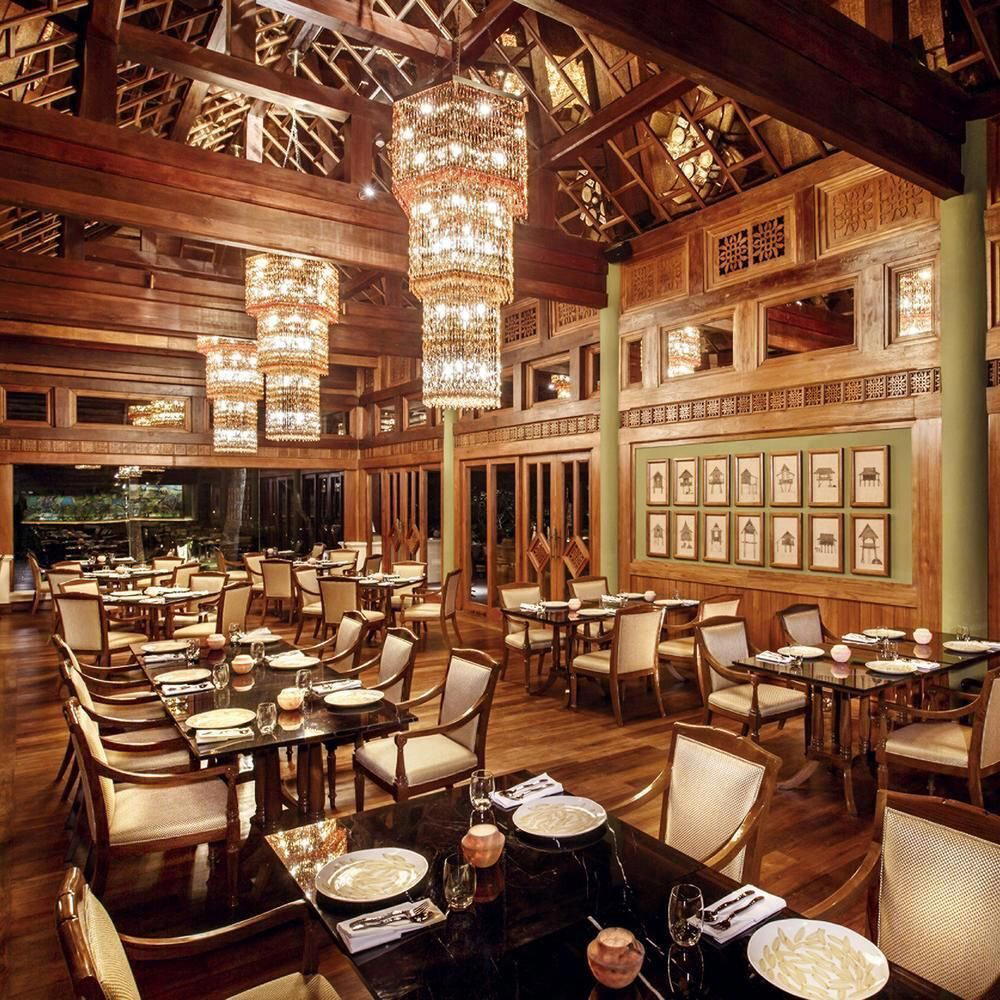
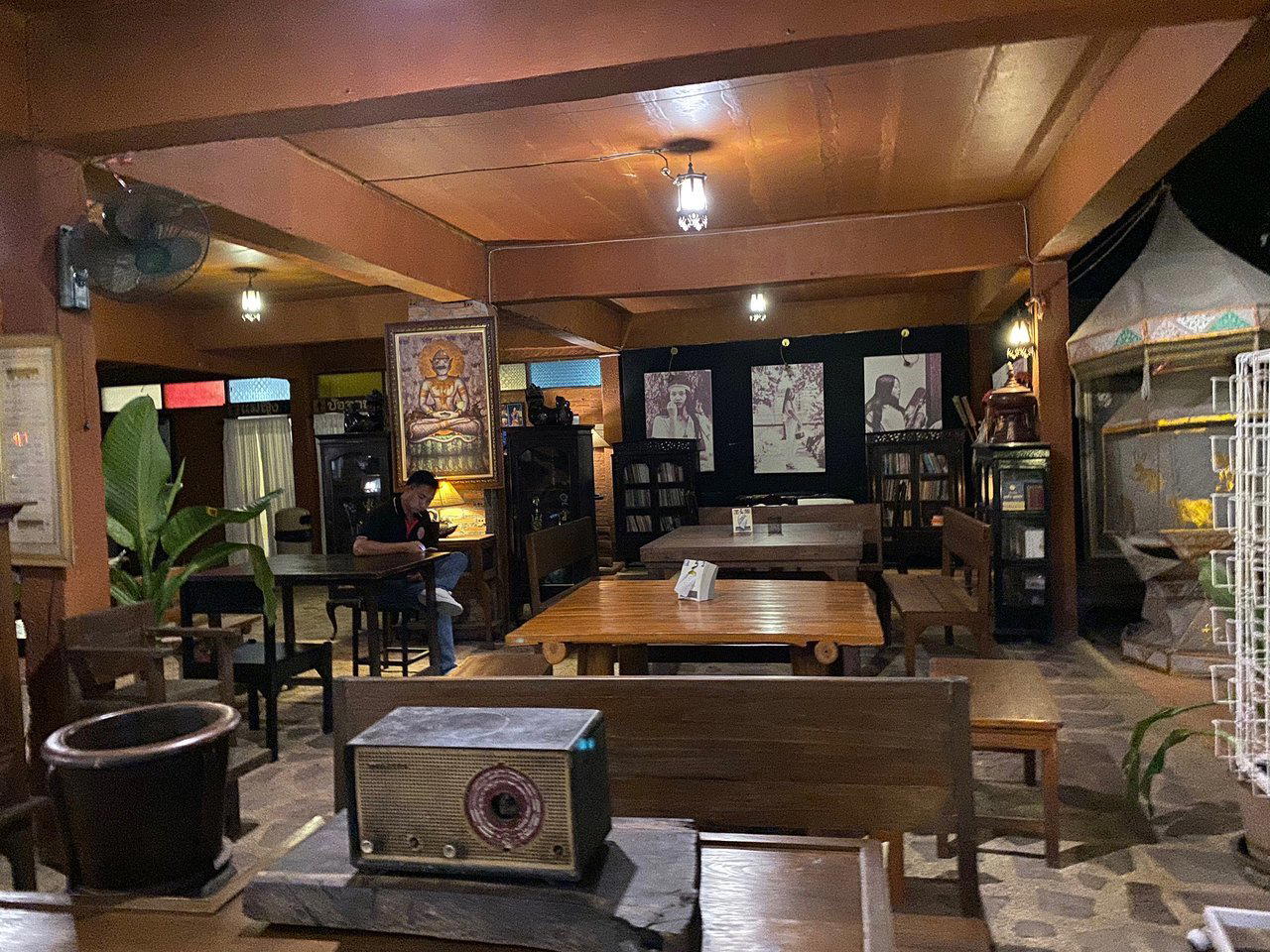
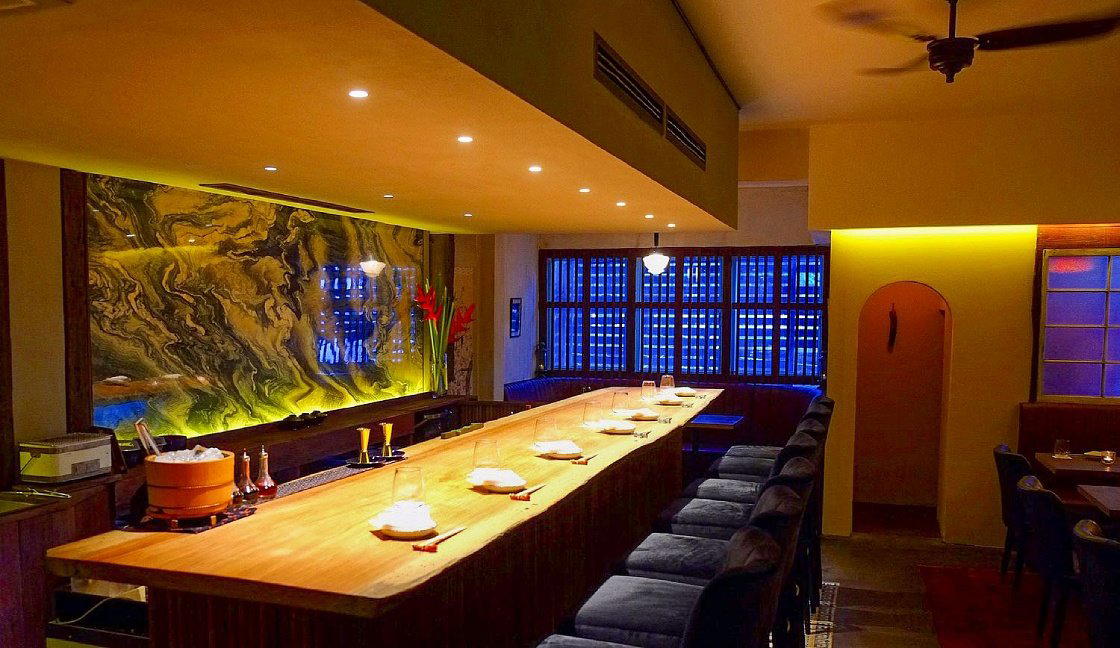
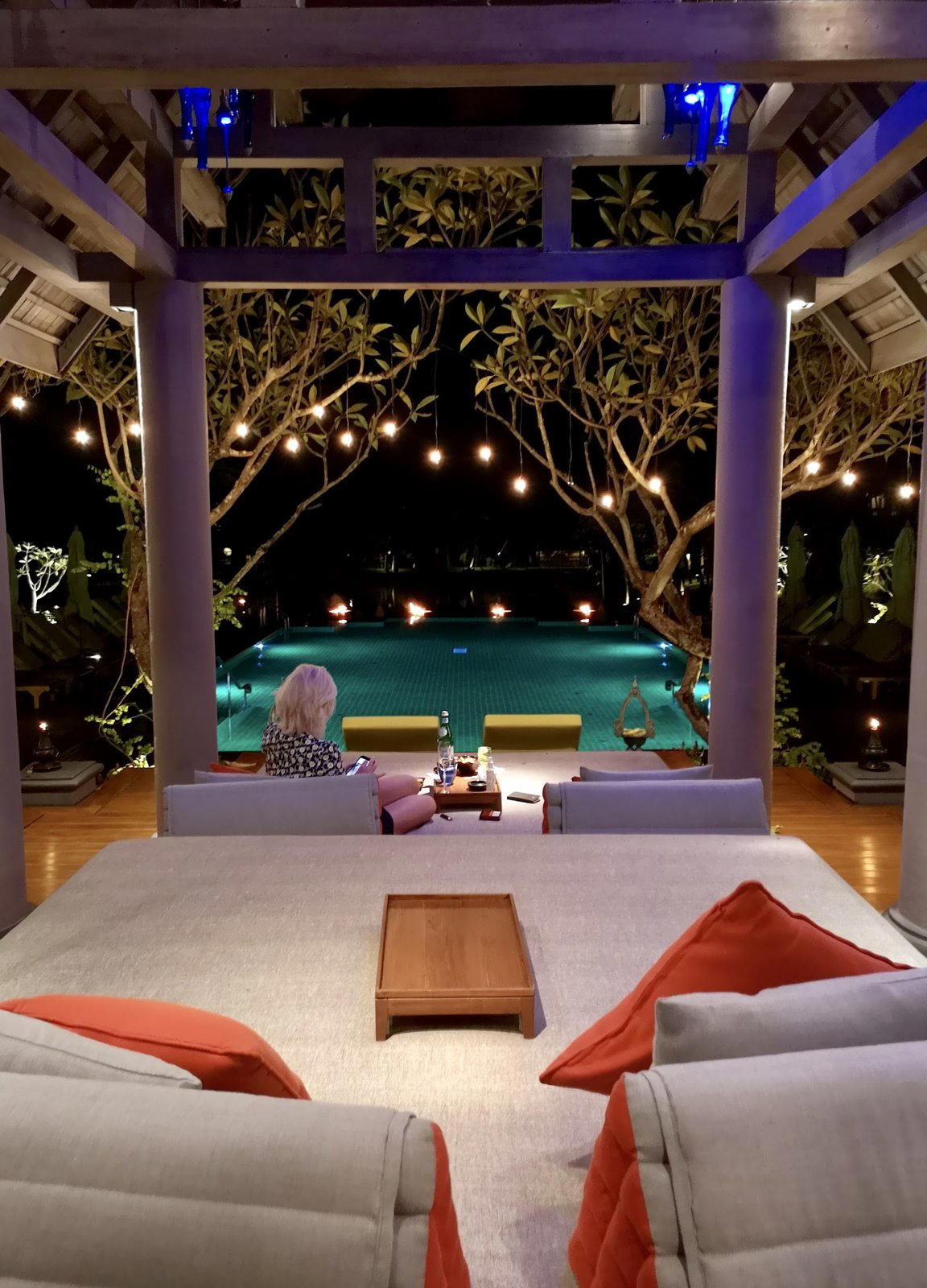
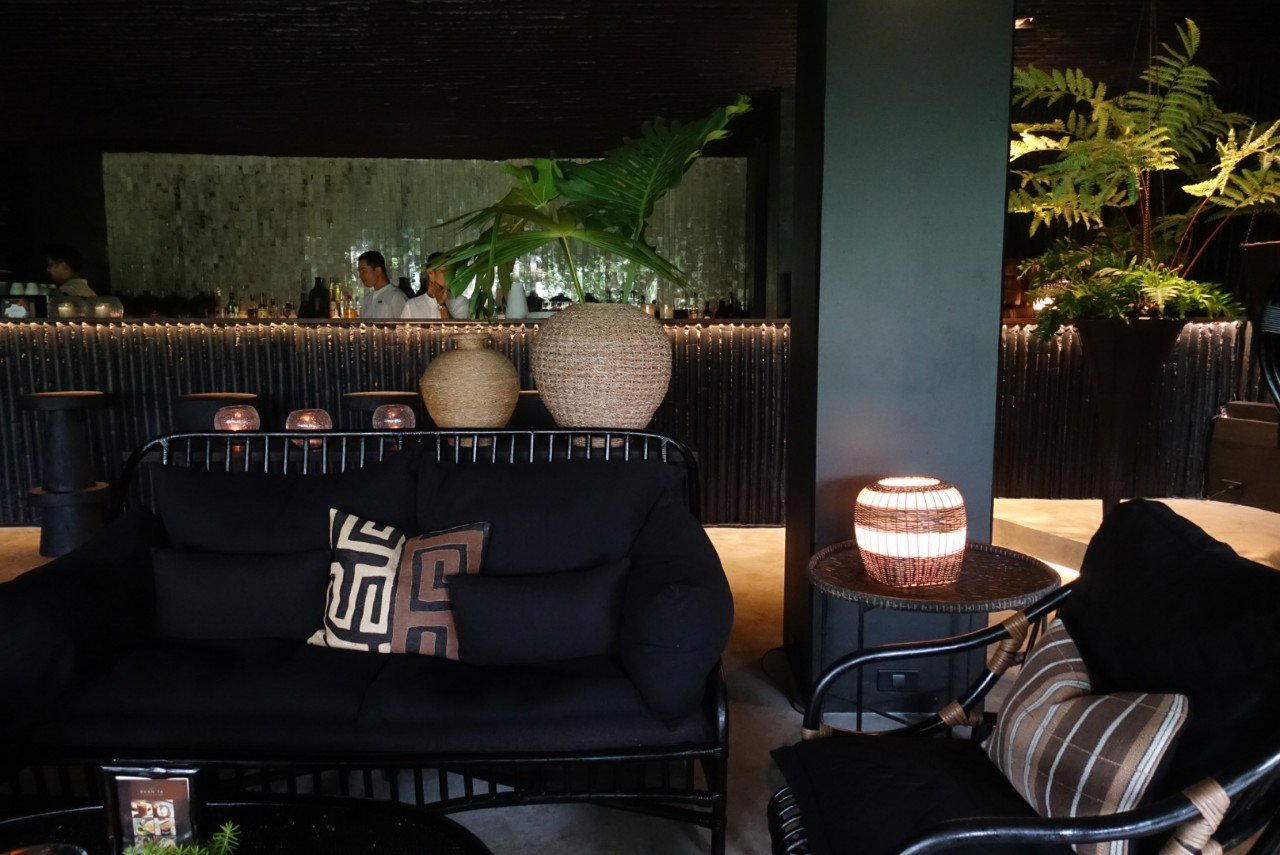
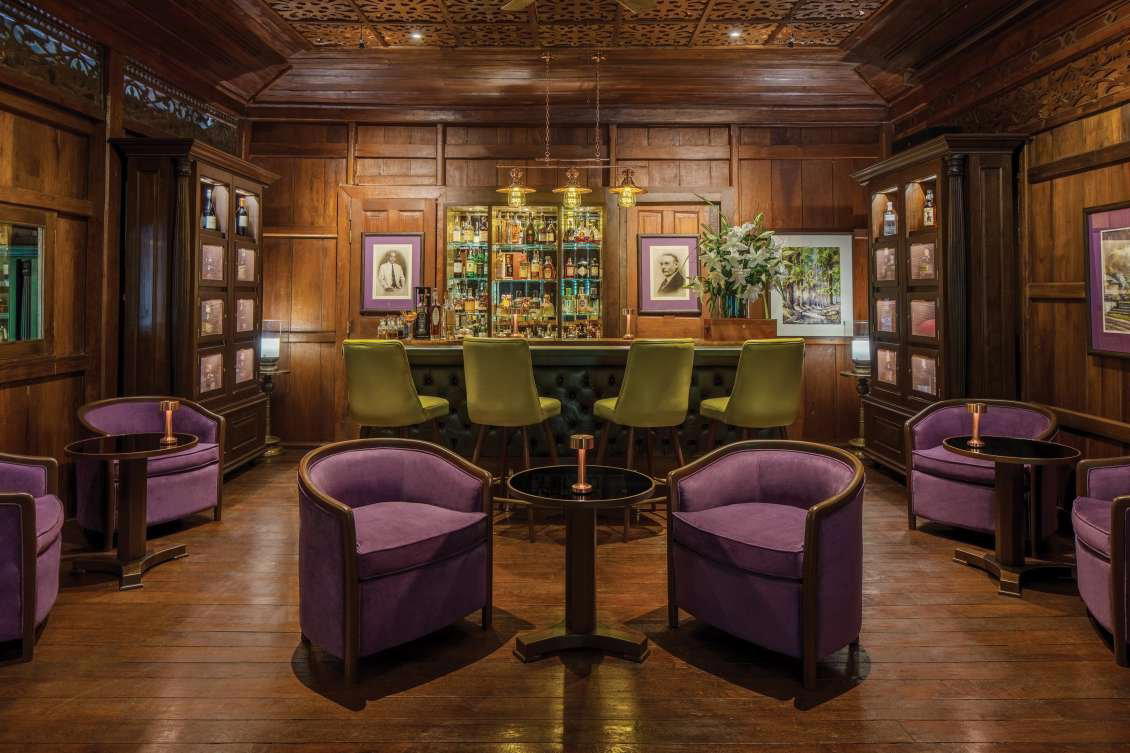
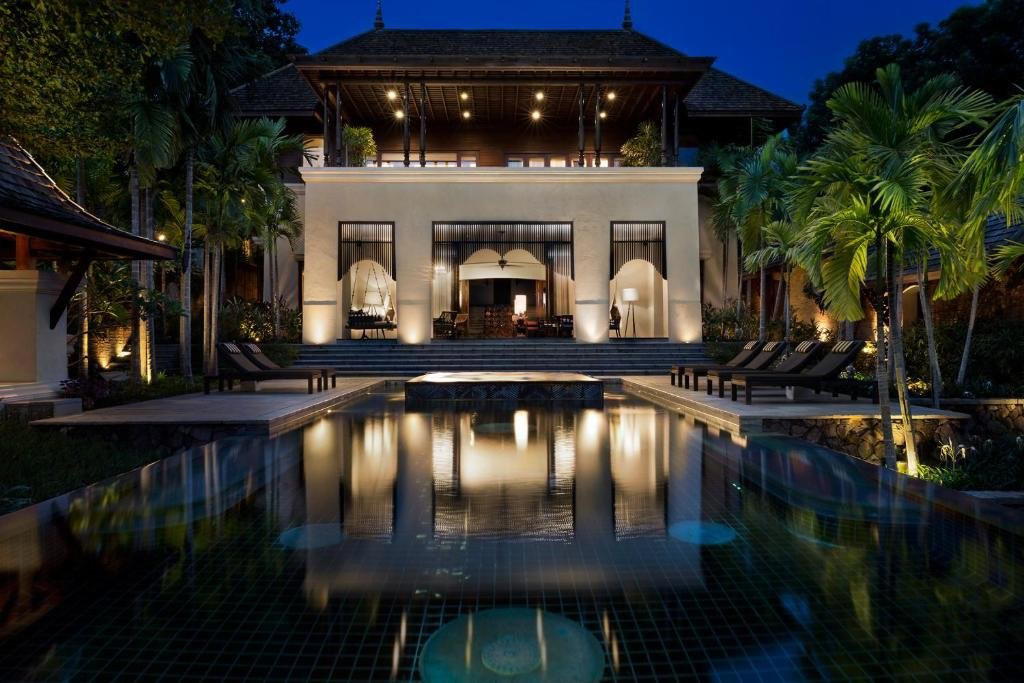
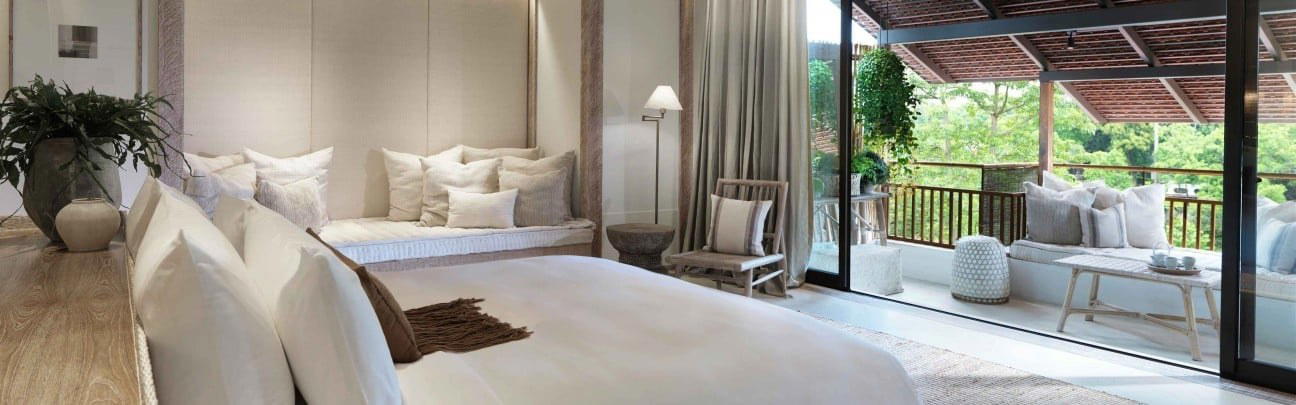
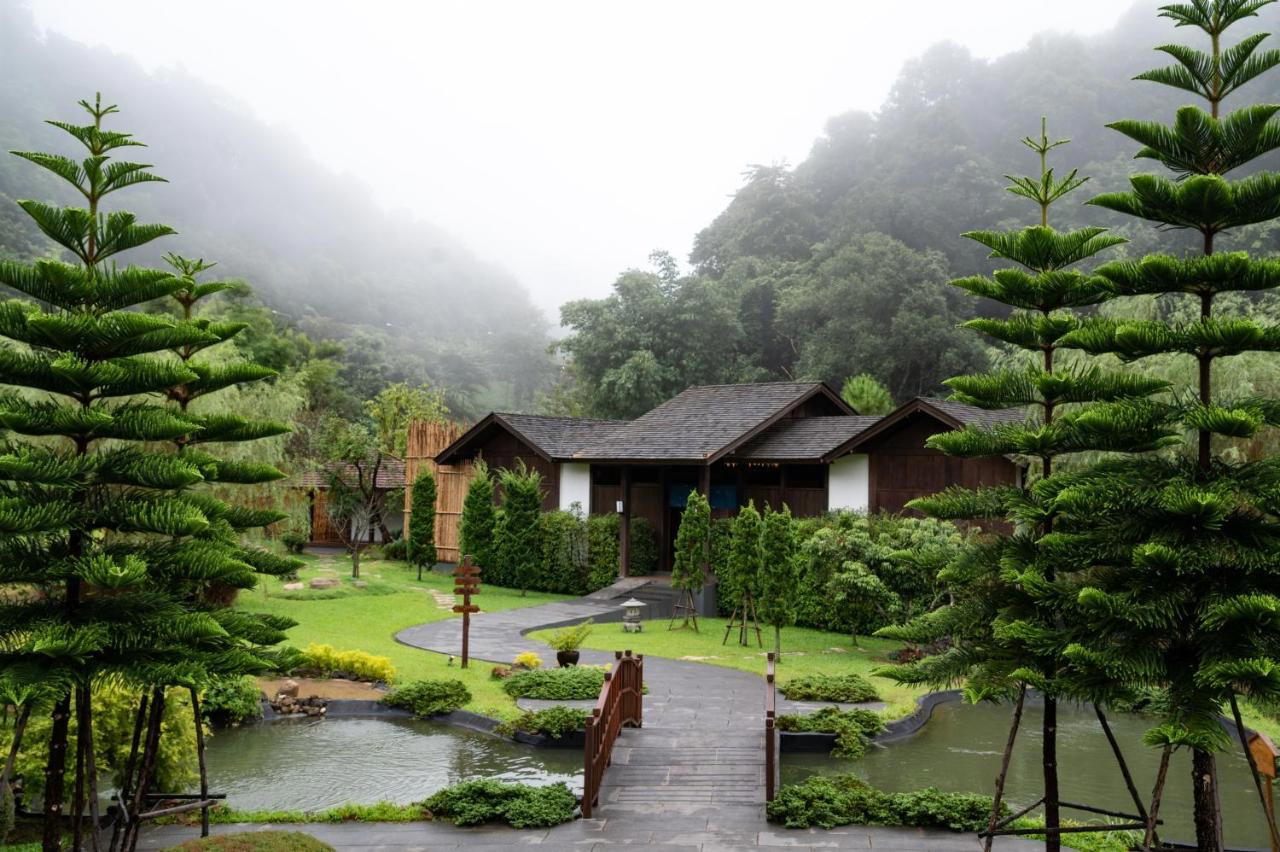
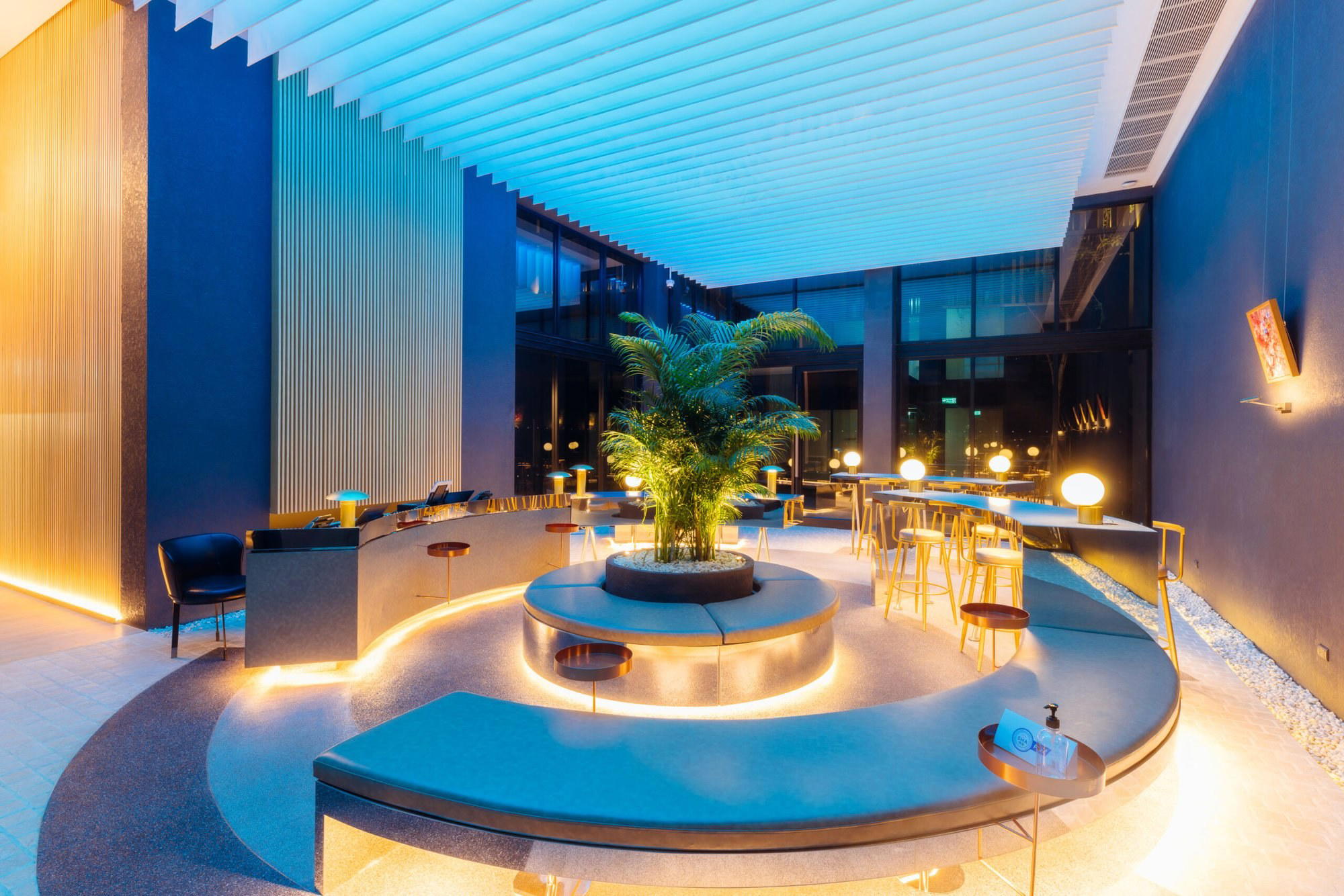
Contemporary and inviting with crystal chandeliers and carved teak paneling; terrace offers serene sunset views of rice fields and mountains with warm, sophisticated lighting.