Our verdict
Krewe South occupies a quiet address on Charlemont Square in Dublin's Saint Kevin's district, drawing a loyal local following that returns for reasons that go beyond novelty. Situated at the southern edge of the Grand Canal corridor, it sits in a pocket of the city where neighbourhood restaurants tend to earn their regulars the hard way — through consistency rather than hype. See how it fits into Dublin's broader dining picture at EP Club.

Pearl is the En Primeur Club membership app — saves, bookings, and concierge access live there. Same editors, same standards.
- Address
- Charlemont Sq, Saint Kevin's, Dublin, D02 V9X2, Ireland
- Phone
- +35315670144
- Website
- krewe.ie
- Directions
- Get directions
- Booking
- Book on OpenTable
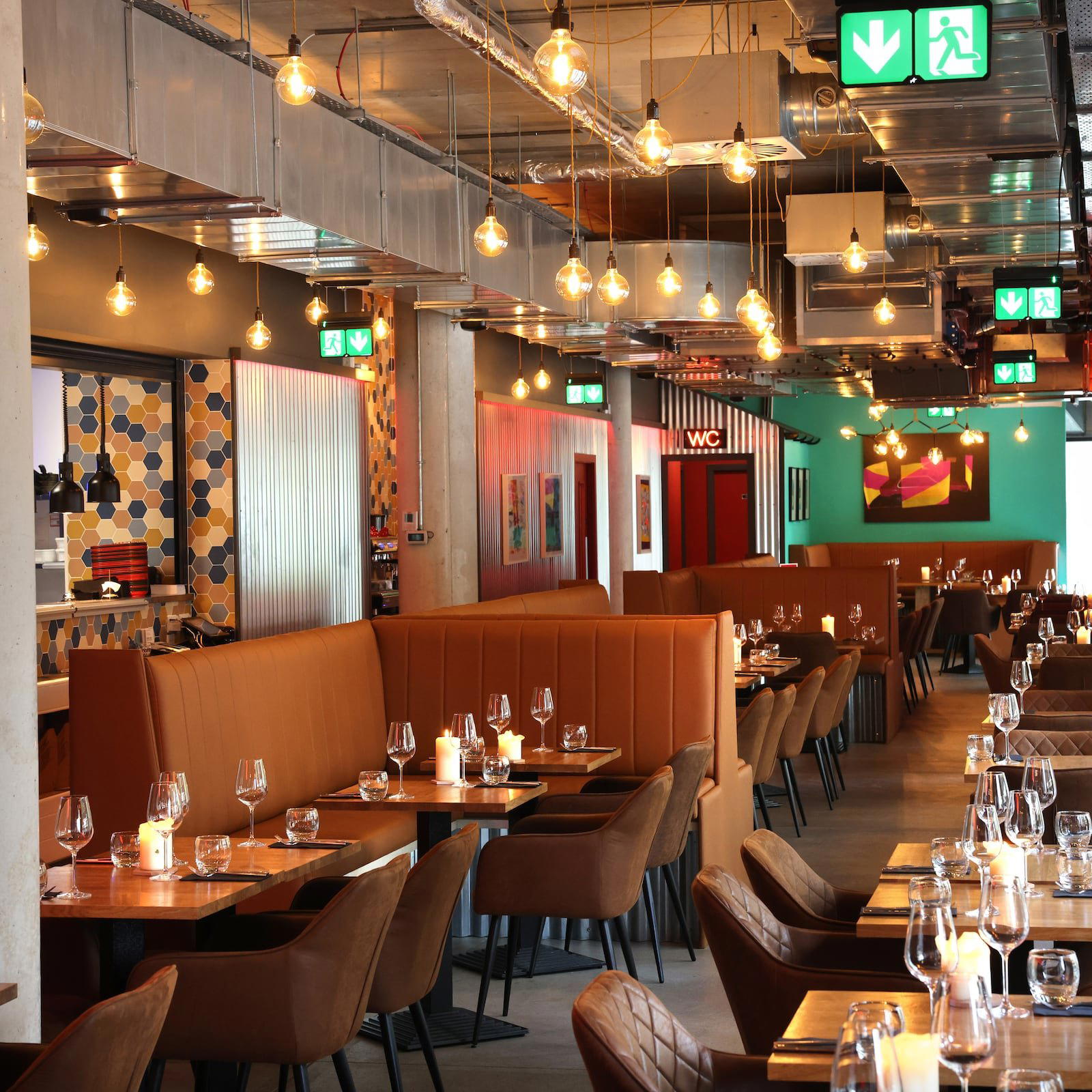
The menu
What to order
- Cajun Calamari
- House Hot Fire Chicken Po Boy
- Jambalaya
The Southern Approach: Grand Canal Dining Beyond the City Centre
Dublin's dining geography has shifted considerably over the past decade. The city centre concentration around St. Stephen's Green and the cobbled lanes of Temple Bar still commands attention, but a quieter redistribution has been underway along the Grand Canal corridor. Ranelagh, Rathmines, and the pockets between them — including the Saint Kevin's district where Charlemont Square sits — have accumulated a cluster of neighbourhood restaurants that operate on different terms than their city-centre counterparts. Bookings are more attainable, the room tends to feel less performative, and the clientele skews toward people who live close enough to walk. Krewe South occupies this kind of address, and that positioning shapes the experience before you've looked at a menu.
The name itself carries a reference worth unpacking. A krewe, in its original sense, is a New Orleans social organisation responsible for staging Mardi Gras parades, a structure built entirely around communal participation and annual return. Whether that etymology directly informs the restaurant's identity is a matter for the room to demonstrate, but the framing is suggestive. Restaurants that build genuine regulars tend not to do so through novelty alone. They do it through the kind of consistency that makes a return visit feel like a recalibration rather than a repetition. That is the dynamic that defines the southern Dublin neighbourhood restaurant at its finest.
What Brings People Back: The Logic of the Regular
In a city where Chapter One by Mickael Viljanen and Patrick Guilbaud operate at the formal upper tier, destinations that require occasion and advance planning, and where places like Bastible and Glovers Alley have built reputations through serious food and committed kitchens, the neighbourhood restaurant occupies a distinct role. It is not competing for Michelin attention on the same terms. Its measure is different: how often does the same face come back, and do they bring someone new?
The regulars' calculus at a place like Krewe South is built on proximity and trust. Charlemont Square is a residential address. The people who find themselves returning are, in many cases, residents of the surrounding streets who made an initial visit out of curiosity and discovered something worth holding onto. That pattern, the accidental first visit becoming a deliberate habit, is the real signature of a neighbourhood restaurant that is doing its job. It is also the hardest thing to manufacture and the easiest thing to lose.
This dynamic is not exclusive to Dublin. It defines the better neighbourhood restaurants across the Irish dining spectrum, from Aniar in Galway to Bastion in Kinsale and Campagne in Kilkenny. The venues that survive and accumulate loyal followings outside the capital tend to do so not through a single extraordinary meal but through the reliable quality of the tenth visit. The same standard applies here.
The Charlemont Square Setting
Saint Kevin's, the district that contains Charlemont Square, sits on the southern bank of the Grand Canal in a part of Dublin that reads as residential rather than commercial. The square itself is a Georgian-era layout with the kind of architectural consistency that gives Dublin its particular visual character, red brick, regularised windows, a street scale that keeps the city human. Restaurants in this kind of setting tend to absorb some of that quality: they feel embedded rather than imported. The surrounding streets include Portobello to the west and Ranelagh to the south, both of which have their own concentrations of eating and drinking, which means Krewe South exists within a competitive micro-geography. Locals have options, which makes the ones that earn loyalty do so genuinely.
The Grand Canal strip as a whole has benefited from the broader southward movement of Dublin's food culture. Where Merrion Square and Baggot Street were once the edges of the city's serious dining, the boundary has moved. D'Olier Street and the venues that have followed its model of serious neighbourhood cooking have demonstrated that Dublin diners are willing to travel slightly further from the centre for the right room. Charlemont Square sits at a logical extension of that trajectory.
Dublin in a Wider Irish Context
Understanding Krewe South's position also requires a view of how Dublin fits within the national dining scene. Ireland's restaurant culture has diversified significantly over the past fifteen years. The concentration of talent in Dublin is still pronounced, Liath in Blackrock and the celebrated kitchens of the city centre demonstrate the depth at the top tier, but the country's peripheral restaurants have grown in ambition and confidence. Terre in Castlemartyr, Chestnut in Ballydehob, Homestead Cottage in Doolin, and House in Ardmore and Lady Helen in Thomastown have all contributed to a national picture where destination dining is no longer exclusively an urban phenomenon.
That context matters for understanding what Dublin's neighbourhood restaurants are doing. They are not simply feeding local residents. They are part of a city that visitors increasingly approach with a structured dining plan, and the neighbourhood tiers, the places between the Michelin-starred formal rooms and the casual end, are where many of those visitors end up spending an evening they remember. The southern canal district is a credible landing point for that kind of night out.
For those building a broader Irish itinerary, dede in Baltimore and the restaurants further along the Wild Atlantic Way offer a useful contrast to the urban pace of Charlemont Square. The common thread across all of them is a reliance on Irish produce and a regional identity that has become one of the country's more persuasive dining arguments internationally. Comparisons to similarly produce-driven urban restaurants abroad, Le Bernardin in New York City for technical seafood focus, or Atomix in New York City for the broader model of neighbourhood restaurants that punch above their apparent tier, clarify what the better Dublin rooms are reaching toward.
Planning a Visit
Krewe South's Charlemont Square address is reachable on foot from the city centre in around twenty minutes, or by Luas Green Line to Charlemont stop, which puts the square a short walk away. As a neighbourhood restaurant without the wide name recognition of the city's Michelin-listed rooms, booking pressure is likely to be lower than at places like Chapter One or Glovers Alley, though specific booking lead times are best confirmed directly with the venue. For a fuller orientation to eating and drinking across the city, EP Club's Dublin restaurants guide maps the full range from formal tasting menus to canal-side neighbourhood cooking.
Frequently asked questions
What dish is Krewe South famous for?
Cuisine type and dish specifics are best confirmed directly with the restaurant before visiting. For verified dish-level detail across Dublin's broader scene, the EP Club Dublin guide covers venues where full menu information is available, including Bastible and Patrick Guilbaud.
How far ahead should I plan for Krewe South?
As a neighbourhood restaurant on Charlemont Square rather than a city-centre destination with Michelin recognition, availability is likely more accessible than at Dublin's formal tasting-menu rooms, where two to four weeks is a reasonable minimum. Contacting the venue directly will give the most accurate picture. If Krewe South is part of a wider Dublin dining programme, the EP Club Dublin guide can help sequence bookings across the full range of the city's restaurants.
Is Krewe South suitable for a group dinner in Dublin's south city?
Charlemont Square's residential setting and neighbourhood character make it a plausible option for smaller group dining south of the canal, where the atmosphere tends to be less pressured than city-centre rooms. Group capacity and private dining arrangements are best confirmed directly with the restaurant. For comparison, venues like Bastible in the nearby Rathmines corridor have demonstrated that the south Dublin neighbourhood tier can handle table-focused group bookings at a serious culinary level.
How It Stacks Up
A quick peer list to put this venue’s basics in context.
| Venue | Cuisine | Price | Awards | Notes |
|---|---|---|---|---|
| Krewe SouthThis venue — the venue you are viewing | New Orleans-Inspired Cajun Creole | $20–30 | Not listed | Not listed |
| Patrick Guilbaud | Modern French Fine Dining | $150–200 | 2 Michelin Stars · La Liste Top Restaurants | Irish - French, Modern French |
| Bastible | Modern Irish | $100–150 | 1 Michelin Star · The Sunday Times Ireland’s 100 Best Restaurants | Modern Cuisine |
| Host | Modern Italian | $50–100 | Michelin Plate | Nordic, Modern Cuisine |
| mae | Modern Irish Fine Dining | $50–100 | Michelin Plate · The Sunday Times Ireland’s 100 Best Restaurants | Southern, Modern Cuisine |
| Matsukawa | Authentic Edomae Omakase | $100–150 | Michelin Plate · La Liste Top Restaurants | Kaiseki, Japanese |
Continue exploring
More in Dublin
Restaurants in Dublin
Browse all →
Bars in Dublin
Browse all →
Hotels in Dublin
Browse all →
Wineries in Dublin
Browse all →
Details
- Lively
- Energetic
- Trendy
- Group Dining
- Casual Hangout
- Craft Cocktails
- Local Sourcing
- A La Carte
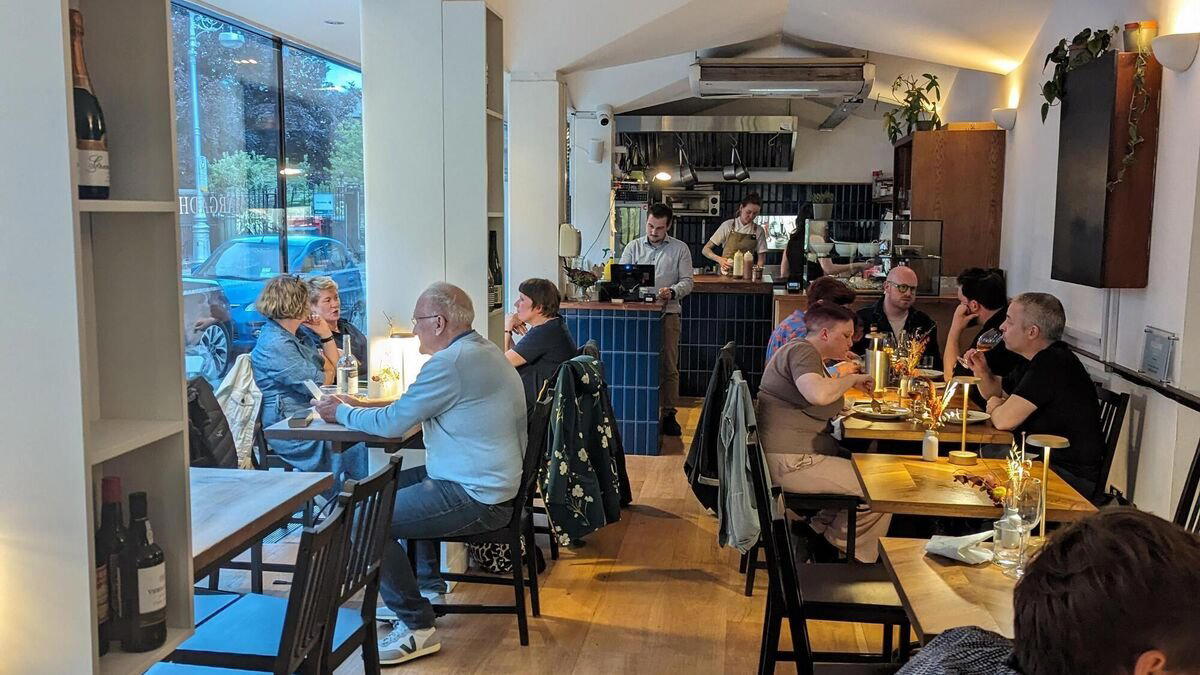
Busy and electric with cheeky, lively energy evoking the heart of New Orleans.