A converted cardinal's palace on one of Naples' most storied streets, Decumani Hotel de Charme occupies the historic centro storico at Via San Giovanni Maggiore Pignatelli 15. The property sits within the UNESCO-listed old city grid, where Baroque architecture and street-level Neapolitan life press right up against the facade. For travellers who want the city at full concentration rather than filtered through a resort buffer, this address places them in it.
Pearl is the En Primeur Club membership app — saves, bookings, and concierge access live there. Same editors, same standards.
- Address
- Via S. Giovanni Maggiore Pignatelli, 15, 80134 Napoli NA, Italy
- Phone
- +39 081 551 8188
- Website
- decumani.com
- Directions
- Get directions
 Saves & bookings on Pearl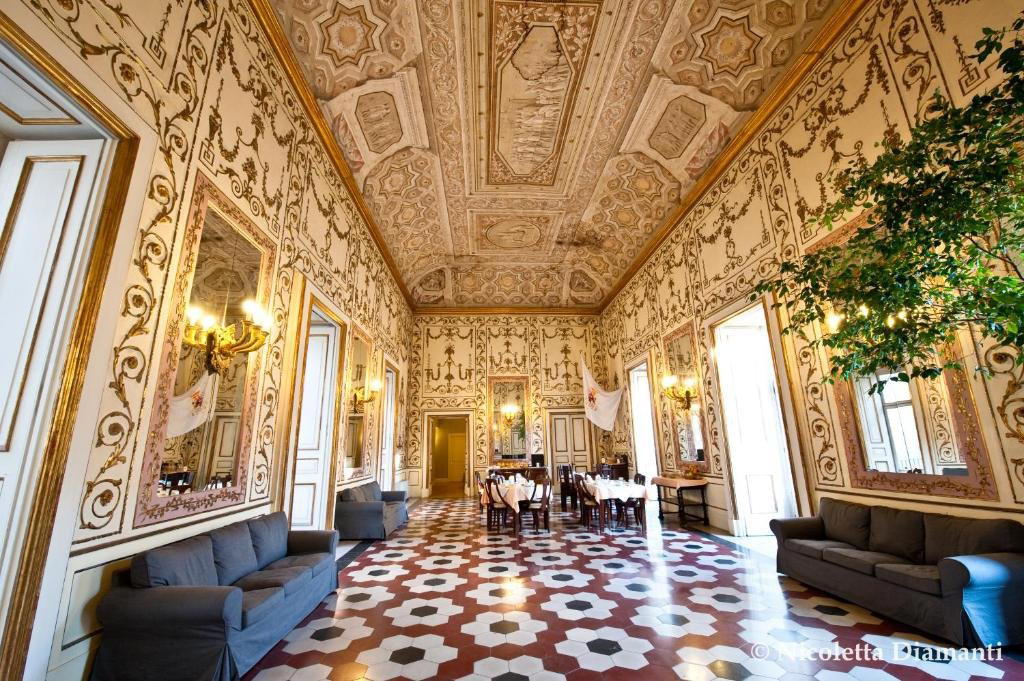
A Palazzo Interior in the Heart of the Historic Centre
Via San Giovanni Maggiore Pignatelli sits deep inside Naples' centro storico, in the Decumani quarter that gives the hotel its name. The Decumani were the east-west arteries of the ancient Greek and Roman city, and the streets here still follow those original lines. Arriving on foot from Spaccanapoli or the Gesù Nuovo square, you pass through a neighbourhood where tufa-stone facades carry centuries of accumulated detail: baroque doorframes, crumbling cornices, and building footprints that have not changed since the viceregal period. The Decumani Hotel de Charme occupies a historic palazzo within this grid, and the building's physical character sets the terms for the stay before you reach the reception.
Properties in the centro storico occupy a distinct niche: they trade on architectural fabric that cannot be replicated and on locations that place guests inside the city's walking routes rather than at their perimeter. The Decumani Hotel de Charme sits in that category, where the building itself is the primary offering and the surrounding neighbourhood supplies the immediate cultural context.
What the Palazzo Format Delivers Architecturally
Neapolitan palazzo interiors follow a recognisable spatial logic: a courtyard or androne at street level, a piano nobile above accessed by a stone staircase, and upper floors of progressively smaller but often ornately decorated rooms. Original ceilings in these buildings tend to be high, with painted or coffered treatments that have survived multiple occupancy changes. Windows in the principal rooms look over interior courtyards or onto narrow vicoli rather than major streets, which creates a relative acoustic separation from the city noise outside despite the central location.
Charme-category properties across southern Italy have settled on a design approach that preserves this structural vocabulary while adding contemporary comfort layers: restored frescoes alongside modern bathrooms, period furniture alongside current lighting, original floor tiles retained rather than replaced. This is a different proposition from the large waterfront hotels that dominate Naples' luxury accommodation in districts like Santa Lucia and Mergellina. A centro storico palazzo conversion works by compression, with intimacy as the core format rather than a limitation.
The Decumani Quarter as Location Context
The neighbourhood surrounding the hotel concentrates much of what makes Naples a city that rewards walking. The archaeological museum is within reasonable reach on foot to the north. San Gregorio Armeno, the famous street of Christmas-crèche workshops that continues operating year-round, is close by. The churches of the Gesù Nuovo and Santa Chiara face each other across a piazza that functions as one of the city's social anchors across all hours. The Spaccanapoli axis, the long straight street that bisects the centro storico and follows the ancient Greek plateia, runs nearby and connects the neighbourhood to the Spanish Quarter to the west and the Piazza del Gesù to the south.
For a visitor whose primary interest is Neapolitan urban culture, historic architecture, or street food (the friggitorie and pizza by the slice on Via dei Tribunali and Spaccanapoli represent the city's most concentrated casual food geography), a position in the Decumani means the day's movement happens on foot without resort to transport. This is a different model from staying at the Lungomare, where the sea views are better but the city's working interior is further away. The tradeoff is clear and deliberate: proximity to the urban fabric in exchange for views.
Pompeii and Herculaneum are accessible by the Circumvesuviana railway from Piazza Garibaldi. The Amalfi Coast, including properties like Borgo Santandrea and Il San Pietro di Positano, requires a different logistical approach by road or ferry. Capri, where JK Place Capri represents the island's design-forward accommodation tier, is reachable by high-speed ferry from the Molo Beverello port.
How This Property Sits in the Italian Charme Category
Across Italy, the small design-led palazzo hotel has become a distinct market segment, distinguishable from both the branded luxury chain and the agriturismo formats. Properties like Aman Venice, which operates inside a historic Venetian palazzo at the high end of this category, or Four Seasons Hotel Firenze in a former convent complex, demonstrate how historic building conversion can support a full-service luxury operation. The Decumani Hotel de Charme occupies a more intimate tier within this broader format. Its comparable set is characterised by smaller key counts, more direct engagement with the original building fabric, and an aesthetic register that positions the property as a place of historic atmosphere rather than high-design spectacle.
Castello di Reschio in Lisciano Niccone and Rosewood Castiglion Del Bosco in Montalcino apply the same principle to rural Tuscan and Umbrian contexts. In Naples, the centro storico version of this model carries an additional layer: the city itself, with its density, noise, and continuous visual stimulation, is part of the product in a way that a rural Umbrian estate is not.
That is, for the right traveller, precisely the point.
Planning Your Stay
The hotel sits at Via San Giovanni Maggiore Pignatelli 15, in the Decumani quarter of central Naples. Access on foot from Naples Centrale railway station takes roughly 20 to 25 minutes through the centro storico, or a short taxi ride. The area is dense with pedestrian movement, so arriving with rolling luggage requires some navigation of the narrow streets. Spring and autumn represent particularly comfortable periods for walking the neighbourhood: July and August in Naples run hot, and the centro storico, which receives limited direct sunlight in the narrower vicoli, retains heat in the evenings. For travellers extending their itinerary further south, the Amalfi Coast and Puglia both offer distinct property formats; Borgo Egnazia in Savelletri di Fasano and Il Pellicano in Porto Ercole represent the same historically-rooted design sensibility applied to coastal settings.
Side-by-Side Snapshot
Comparable venues nearby, for context on price, style, and recognition.
| Venue | Cuisine | Price | Awards | Notes |
|---|---|---|---|---|
| Decumani Hotel de CharmeThis venue — the venue you are viewing | Historic 18th-century palace with Baroque common areas and elegantly furnished rooms. | $$$ | 4-Star | Not listed |
| Hotel Costantinopoli 104 | Historic neoclassical palazzo converted into a contemporary boutique hotel with emphasis on art, design, and aristocratic hospitality traditions. | $$$ | 4-Star | Mater Dei |
| Grand Hotel Santa Lucia | Historic 1900 Art Nouveau palace with classical architectural character, recently renovated while maintaining period details including Murano chandeliers and frescoed ceilings. | $$$ | 5-Star | San Ferdinando |
| Caruso Place Boutique & Wellness Suites | Historic boutique hotel in 16th-century palace with modern comforts | $$$$ | 4-Star | San Ferdinando |
| Artemisia Domus Giardino | Historic period residence renovated as boutique hotel with modern spa amenities | $$$ | 4-Star | San Ferdinando |
| Grand Hotel Vesuvio | Historic luxury hotel blending Neapolitan tradition with contemporary elegance. | $$$$ | 5-Star | San Ferdinando |
Continue exploring
More in Naples
Hotels in Naples
Browse all →
Bars in Naples
Browse all →
Restaurants in Naples
Browse all →

At a Glance
- Romantic
- Elegant
- Historic
- Intimate
- Sophisticated
- Romantic Getaway
- Anniversary
- Weekend Escape
- Historic Building
- Terrace
- Wi Fi
- Concierge
- Room Service
- Street Scene
- Wi Fi
- Concierge
- Room Service
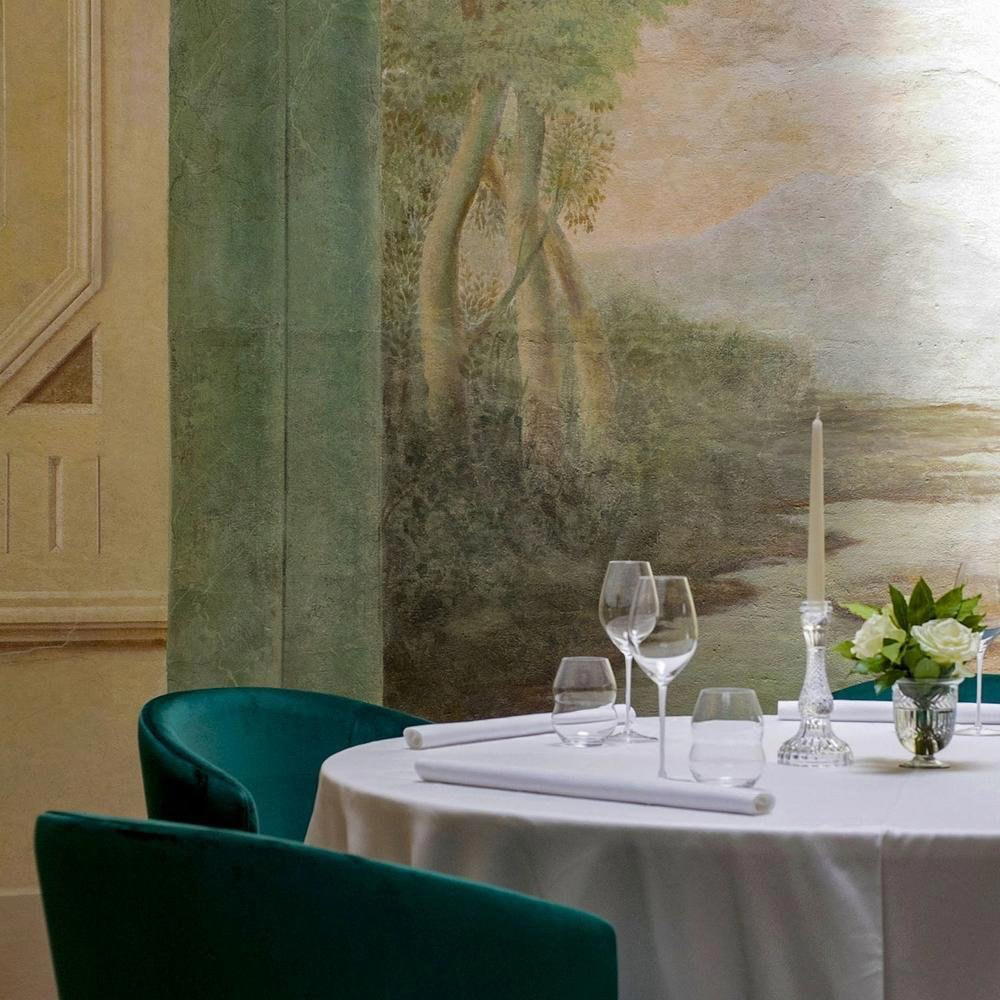
Luxurious Baroque hall with golden stuccoes, 18th-century mirrors, and Neapolitan majolica tiles, creating a romantic and elegant historic atmosphere.