
Korean Ryori Mugunfa puts Osaka’s Korean dining into a higher-spend bracket than the city’s everyday barbecue and jjigae rooms. Its Tabelog 100 selection for Asian and ethnic cuisine in WEST 2024, 15-seat scale, and JPY 15,000–19,999 dinner range make it a focused choice for diners comparing serious Korean cooking against Osaka’s Japanese counters and small-format restaurants.
Pearl is the En Primeur Club membership app — saves, bookings, and concierge access live there. Same editors, same standards.
- Address
- 大阪府大阪市北区大淀中3-1-15
- Website
- tabelog.com
 Saves & bookings on Pearl
Approaching Fukushima in Kita-ku, Osaka shifts from central polish to a quieter grid of apartment blocks, small counters, and restaurants built less on spectacle than on diners who know their destination. That setting matters for Korean Ryori Mugunfa. Osaka has long had strong Korean food culture, shaped by Zainichi Korean communities and the city’s appetite for grilled meat, fermented heat, rice, broth, and shared-table intensity. Newer, and still narrow, is the higher-priced Korean tier, where a meal is judged not as casual dining but against the discipline of Japanese kappo, sushi counters, and small seasonal restaurants.
That is the value question. At JPY 15,000–19,999 for dinner, the restaurant sits far above Osaka’s everyday Korean category and in the range where diners ask what the room, pacing, ingredient selection, and cooking control return. Its selection for Tabelog 100 Asian cuisine / Ethnic cuisine WEST 2024 supplies the trust signal: not a Michelin-style star economy, but Japanese diner-led recognition that places it inside a regional conversation about Asian and ethnic cooking in western Japan. The listing’s 3.76 score is also meaningful in Japan’s rating ecosystem, where numbers above the mid-threes usually indicate serious local traction rather than casual visibility.
A 15-seat Korean room in Osaka's higher-spend bracket
Osaka is often reduced to takoyaki, okonomiyaki, and neon excess, but its dining intelligence is sharper. Small rooms do much of the important work. A 15-seat Korean restaurant in Oyodonaka does not compete with the scale or noise of large yakiniku halls; it sits closer to the compact counter-and-table culture that defines serious eating across Kita and Fukushima. That size changes the expectation: the meal has to feel intentional, because there is little room for anonymity.
The comparison set clarifies the price. Fukushima Koufukuya sits far lower at JPY 2,000–2,999. Sweet Basil, another local option, runs JPY 4,000–4,999 at dinner. Fukushima Koto shares the JPY 15,000–19,999 bracket, while Japanese restaurants such as Yonemasu and Oryori Nonohara show the city’s broader appetite for compact, higher-commitment dining. Korean Ryori Mugunfa is not priced as a casual ethnic restaurant; it is priced for diners ready to evaluate Korean cooking with the seriousness they bring to Japanese small-format meals.
That distinction helps visitors building an Osaka itinerary. A night here should not be weighed against a convenience-led dinner near the station or a crowd-pleasing plate of gyoza. It belongs in the same planning tier as a limited-seat restaurant, where the choice is less about filling a gap than allocating one proper dinner slot. For a broader city read, Our full Osaka restaurants guide maps the surrounding range, from casual rooms to award-noted counters.
Why Korean cooking carries different weight in Osaka
Korean food in Osaka is not an imported novelty. Kansai has deep Korean ties, and Osaka’s Korean cooking has long moved between home-style traditions, market eating, grilled meat, and group-focused restaurant formats. The premium tier asks a different question: can those flavours be presented with enough control and sequencing to justify a dinner price usually associated with sushi, kappo, or kaiseki-adjacent cooking?
That is where the Tabelog 100 Asian and ethnic cuisine WEST 2024 selection matters. It signals recognition within a category that can be uneven in Japan: some restaurants win affection through volume, comfort, and affordability; others are assessed for focus, restraint, and execution. A Korean restaurant in this spend range has to carry cultural familiarity and formal precision. The diner is paying for Korean cuisine treated as a serious restaurant language, not a side category to Japanese fine dining.
The absence of named chef-led branding in the public details also shapes how to read the room. This is not a personality-first proposition. The stronger lens is category and format: small-seat Korean cooking in Osaka, priced against ambitious local dining rather than casual neighbourhood restaurants. That makes it a sharper choice for travellers who know Osaka’s obvious food routes and want a dinner reflecting the city’s Korean depth without defaulting to barbecue-house familiarity.
How to place it within an Osaka trip
Fukushima is a practical dining base, close to Umeda’s hotel and rail gravity but with a more local evening rhythm. The area rewards meals planned by mood: a serious dinner one night, bread or coffee the next morning, and a bar-led finish elsewhere. For adjacent daytime planning, .cafe and 52CHO-ME BAKERY point to Osaka’s smaller casual register, while 551 Horai (551蓬莱) represents the city’s mass-appeal comfort-food side. The contrast is the point: premium Korean dining reads more clearly against Osaka’s cheaper, faster, more democratic eating habits.
Travellers using Osaka as a wider Kansai base can triangulate styles across Japan. 99 Pizza Napoletana Gourmet and a canto (Italian) show how Osaka absorbs non-Japanese formats without treating them as secondary. Farther afield, the same editorial question appears in different cuisines: [ki:] in Kyoto, [Curry Senmon Ten] Maruyama Kyoju. in Sapporo, (Shoku) Vietnam in Kawasaki, and.know in Kumamoto each sit in Japan’s broader habit of taking specific cuisines seriously at highly varied price points.
For visitors building a full trip, the restaurant works better as a planned evening than an improvised stop. Pair it with a stay chosen through Our full Osaka hotels guide, then use Our full Osaka bars guide for the after-dinner end of the night. Our full Osaka experiences guide helps place the meal inside the city’s wider cultural schedule, while Our full Osaka wineries guide is useful for wine-led side trips and bottle-focused planning.
The editorial verdict is direct: Korean Ryori Mugunfa makes sense for diners who want Osaka’s Korean tradition translated into a compact, higher-priced restaurant format. It is less persuasive for anyone seeking a spontaneous, low-cost Korean meal, because the value depends on seriousness of intent. For broader cross-city comparison, -Grilled beef Sukiyaki- KAMAKURA TANUKIAN 鎌倉 たぬき庵 in Kamakura. 鮪と炭火焼き うお炭 秋葉原店 in Tokyo, Jōdo Saké Bar in Los Angeles, and Onigiri Time in Pasadena show how Japanese and Korean-adjacent dining expectations shift when format, city, and price change.
Reputation First
Comparable venues in the metro at similar price points.
| Venue | Cuisine | Price | Notes |
|---|---|---|---|
| Korean Ryori MugunfaThis venue — the venue you are viewing | High-end Korean | $$$ | Not listed |
| Kuukai | Casual Korean in Kitashinchi | $$$ | Kita |
| Seoul K | Casual Korean Restaurant | $$ | Nishi |
| Manbo Chip | Traditional Korean house‑style dining | $$$ | Ikuno |
| Torisho Ishii Hina | Modern Yakitori Omakase | $$$ | Minami-Azabu |
| Kiyo Suke | Traditional Sukiyaki & Shabu-shabu | $$$ | Chūō |
Recognition history
Dated appearances from independent guides and award organizations, with the underlying list record or original source where available.
Tabelog 100 #9 · No. 9
Tabelog · Tabelog 100 - Asian cuisine / Ethnic cuisine - WEST - 2024
Continue exploring
More in Osaka
Restaurants in Osaka
Browse all →




Bars in Osaka
Browse all →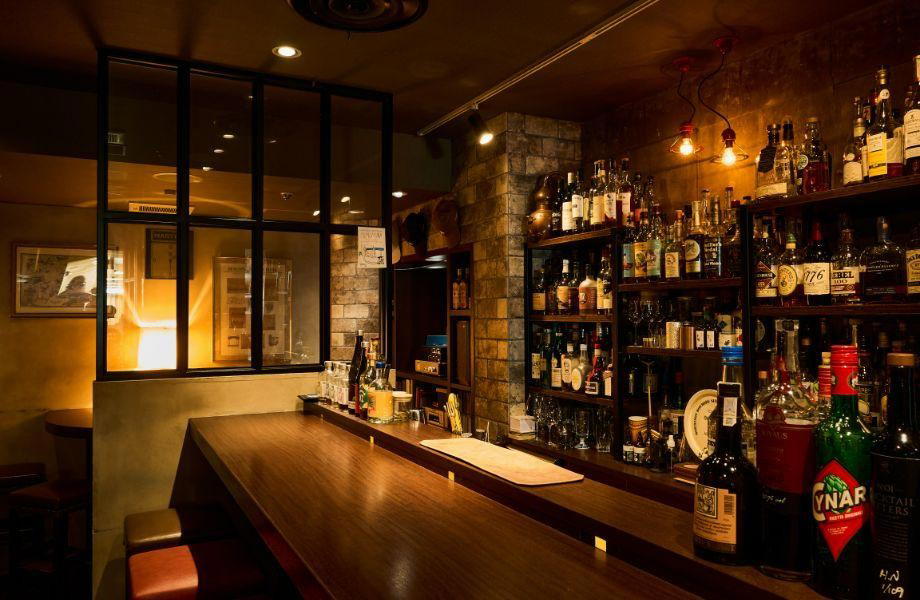
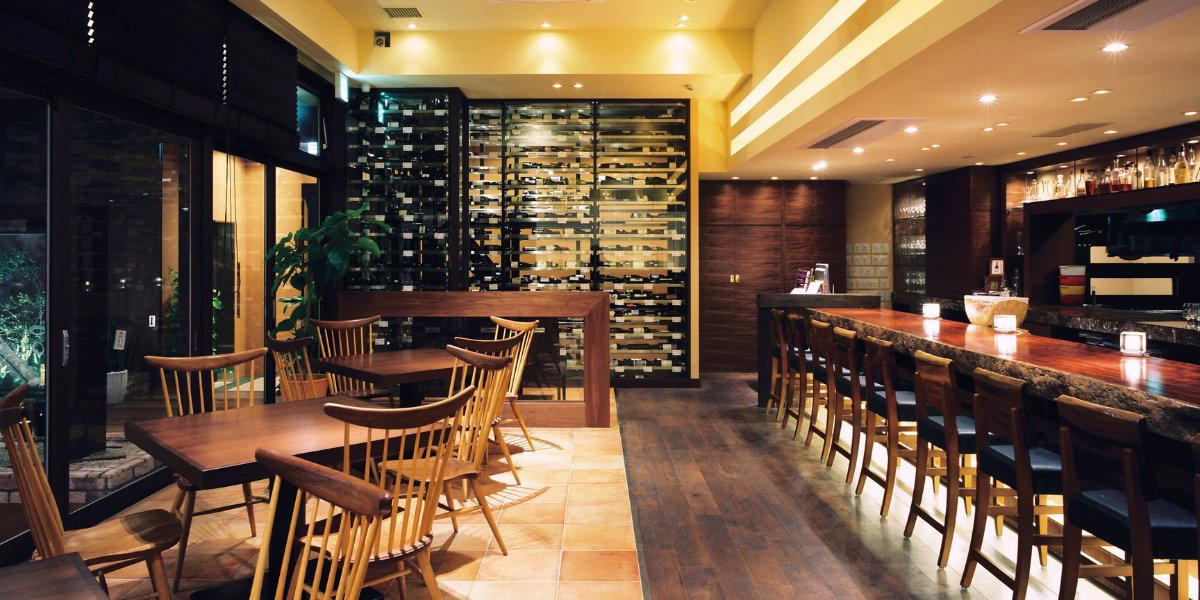

Hotels in Osaka
Browse all →



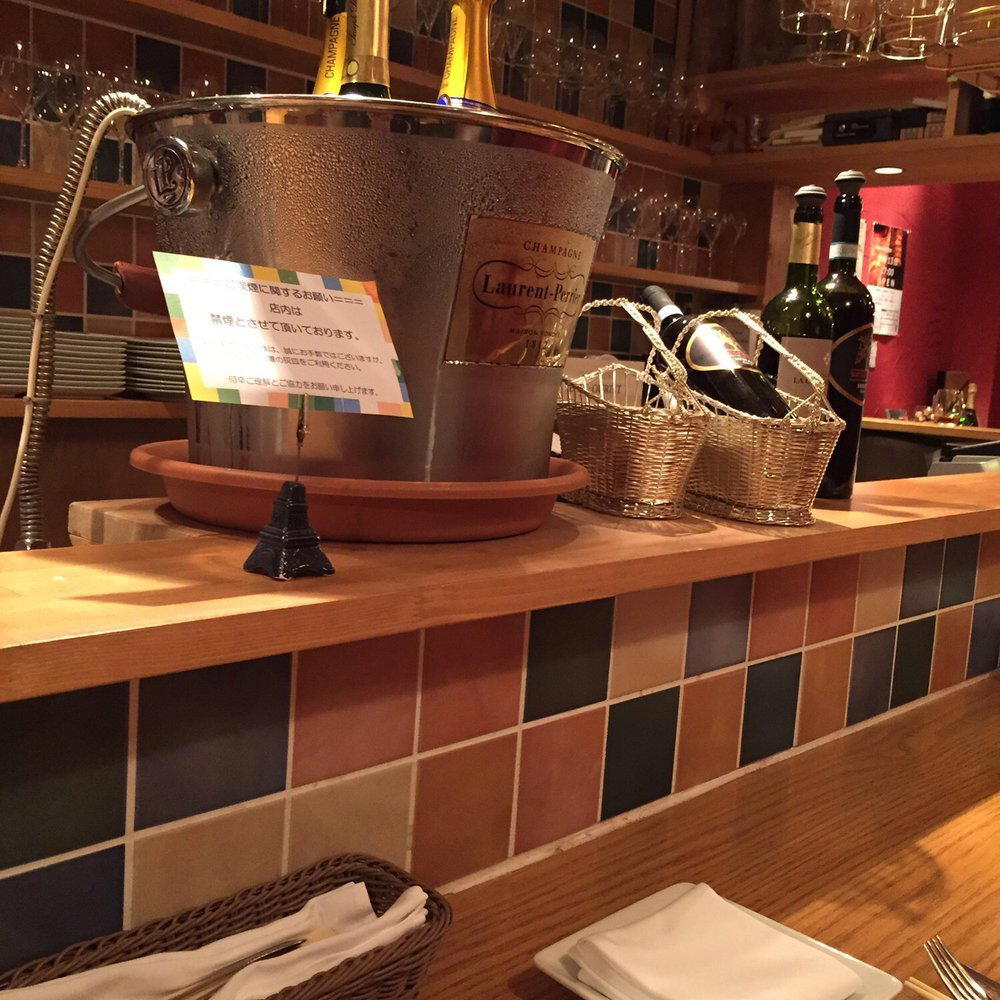
Wineries in Osaka
Browse all →
At a Glance
- Intimate
- Cozy
- Date Night
- Special Occasion
- Group Dining
- Business Dinner
- Standalone
An intimate 15-seat space in a quiet residential area, non-smoking, with a low-key, cozy atmosphere that focuses on carefully prepared Korean dishes rather than flashy decor.