
Seoul K belongs to Osaka’s tighter, late-evening Korean dining tier: small room, counter-led seating, dining-bar format, and a dinner spend around JPY 5,000 to JPY 5,999 before service charge. Its repeated selection for Tabelog’s Asian cuisine and Ethnic cuisine WEST 100 list in 2022, 2023, and 2024 gives it a clearer credential than many casual Korean rooms in the city.
Pearl is the En Primeur Club membership app — saves, bookings, and concierge access live there. Same editors, same standards.
- Address
- 大阪府大阪市西区北堀江2-2-7 北堀江ゲイトビル B1F
- Phone
- +81665365551
- Website
- xn--9jsy78b.nokotonara.com
 Saves & bookings on Pearl
Kitahorie changes after dark: the retail polish around Yotsubashi and Nishiohashi gives way to basement dining rooms, small counters, and places built for regulars rather than passing foot traffic. Seoul K fits that Osaka pattern: Korean cooking in a dining-bar register, below street level in a 20-seat room where the counter matters as much as the table. In a city often framed through takoyaki, okonomiyaki, sushi, and kappo, it shows another Osaka: compact, social, late-running, and shaped by cooking that works with drinks.
The point is not that Korean food is rare in Osaka. It is not. Korean restaurants in Japan split across quick casual shops, grill-focused rooms, home-style neighborhood counters, and dining bars where the evening feels less like a fast meal than a long conversation. Seoul K belongs to that last category. Its listed dinner spend, JPY 5,000 to JPY 5,999, puts it above snack-and-drink territory but below the formal tasting-menu economy that dominates many international Osaka searches.
Osaka Korean dining, recast as a small-room evening format
Osaka has deep Korean food roots, especially through communities and markets south and east of the central shopping districts, but many newer Korean dining rooms behave differently from old-school specialists. They borrow the rhythm of an izakaya, the intimacy of a counter restaurant, and the looseness of a dining bar. Seoul K’s Korean and dining bar categorization says more than a long adjective list: expect shared plates and drinks rather than a ceremonial sequence.
The scale sharpens the point. Twenty seats, including 12 at the counter and one table for eight, resist anonymity. Counter seating in Osaka is not only a sushi or kappo convention; it compresses energy, regulars, and staff interaction into a narrow space. One larger table shifts the social geometry, making the restaurant plausible for a group without turning it into a banquet room. That balance makes it read as a city restaurant, not a theme restaurant.
Recognition gives the room harder edges. The restaurant was selected for Tabelog’s Asian cuisine and Ethnic cuisine WEST 100 in 2022, 2023, and 2024, a useful signal in a category where international guidebook coverage is thinner than for sushi, French, or kaiseki. Tabelog scores and lists are not Michelin stars, but in Japan they matter because they reflect a domestic dining conversation with its own hierarchies. A 3.59 Tabelog score, attached to repeated list selection, suggests consistent local traction rather than one burst of attention.
The price tier then reads clearly. Compared with Okonomi Tamachan Viva at JPY 4,000 to JPY 4,999, the restaurant runs slightly higher, while remaining far from high-formality Osaka Japanese counters such as Ajikitcho Horieten. Against lighter daytime or café-led options, including MIKI FRUITS CAFE, Cafe Basara Kaeru dou, and patisserie accueil, it belongs to a different evening economy: dinner, drinks, and a room that rewards time rather than turnover.
Why the current direction matters more than a chef narrative
There is no need to force a personality story onto this kind of place. Osaka has many restaurants where the chef’s biography is the sell; here, the more interesting development is Korean dining’s comfortable move into the city’s small-format, adult evening culture. A dining bar can be loose, but in Osaka it often signals flexibility: solo diners at the counter, friends at the table, and a menu that does not require a fixed course.
The practical details reinforce that use case. The restaurant operates in the evening, closes on Tuesday, and has last order before midnight service ends. Reservations are available, important in a 20-seat room. Payment is listed as cash-only across cards, electronic money, and QR payments, with a 10 percent service charge added. Private rooms and parking are unavailable. The nearest station is Nishiohashi, with Yotsubashi also close enough to fold the area into a night in Nishi-ku. This is not a spontaneous large-party fallback with mixed payment plans.
For travelers, the restaurant works well as part of a neighborhood-specific night, not a citywide trophy reservation. Kitahorie and the Yotsubashi-Nishiohashi zone have a quieter tempo than Dotonbori’s signage and Umeda’s station density. The area supports small rooms, design shops, cafés, and bars, so dinner can sit before or after a Nishi-ku crawl rather than a full tourist circuit. Readers mapping a broader eating route can place it alongside our full Osaka restaurants guide, then use our full Osaka bars guide if the evening continues elsewhere.
The editorial case is strongest for diners who know Osaka’s food culture is not limited to its loudest exports. The city excels at informality with standards: small counters, legible prices, and experiences driven by pacing rather than spectacle. The restaurant’s repeated Tabelog 100 recognition places it in that domestic conversation. It is sharper for a small group or counter diner than for anyone seeking private-room comfort, hotel-restaurant polish, or a child-centered meal.
Where it fits in an Osaka itinerary
Use the restaurant as a dinner anchor in Nishi-ku, not an all-purpose solution. The small seat count, counter-heavy layout, and cash-payment requirement call for planning, while the price bracket keeps it accessible for a serious but not formal night out. In a city where international visitors often over-index on ramen, sushi, and street-food shorthand, this Korean dining-bar address broadens the map without turning dinner into research.
For nearby or contrasting Osaka planning, EP Club readers can cross-reference .cafe, 52CHO-ME BAKERY, 551 Horai (551蓬莱), 99 Pizza Napoletana Gourmet, and a canto (Italian). For wider trip architecture, keep our full Osaka hotels guide, our full Osaka wineries guide, and our full Osaka experiences guide close at hand.
Travelers extending the same comparative lens across Japan and beyond can also look at -Grilled beef Sukiyaki- KAMAKURA TANUKIAN 鎌倉 たぬき庵 in Kamakura. 鮪と炭火焼き うお炭 秋葉原店 in Tokyo.know in Kumamoto, (Shoku) Vietnam in Kawasaki, [Curry Senmon Ten] Maruyama Kyoju. in Sapporo, [ki:] in Kyoto, Jōdo Saké Bar in Los Angeles, and Onigiri Time in Pasadena.
How It Stacks Up
Side-by-side context: comparable cuisine and price.
| Venue | Cuisine | Price | Notes |
|---|---|---|---|
| Seoul KThis venue — the venue you are viewing | Casual Korean Restaurant | $$ | Not listed |
| Tamaichi | Korean BBQ & homestyle Korean cooking | $$ | Kita |
| Mrs. Yun | Cozy Korean & Kimchi Gyoza House | $$ | Nishi |
| DINING | Japanese Kaiseki and Teppanyaki | Not listed | Osaka |
| patisserie accueil | French-style patisserie & cake shop | $$ | Nishi |
| CRITTERS BURGER | American-style gourmet burgers | $$ | Chūō |
Recognition history
Dated appearances from independent guides and award organizations, with the underlying list record or original source where available.
Tabelog 100 #75 · No. 75
Tabelog · Tabelog 100 - Asian cuisine / Ethnic cuisine - WEST - 2024
Continue exploring
More in Osaka
Restaurants in Osaka
Browse all →




Bars in Osaka
Browse all →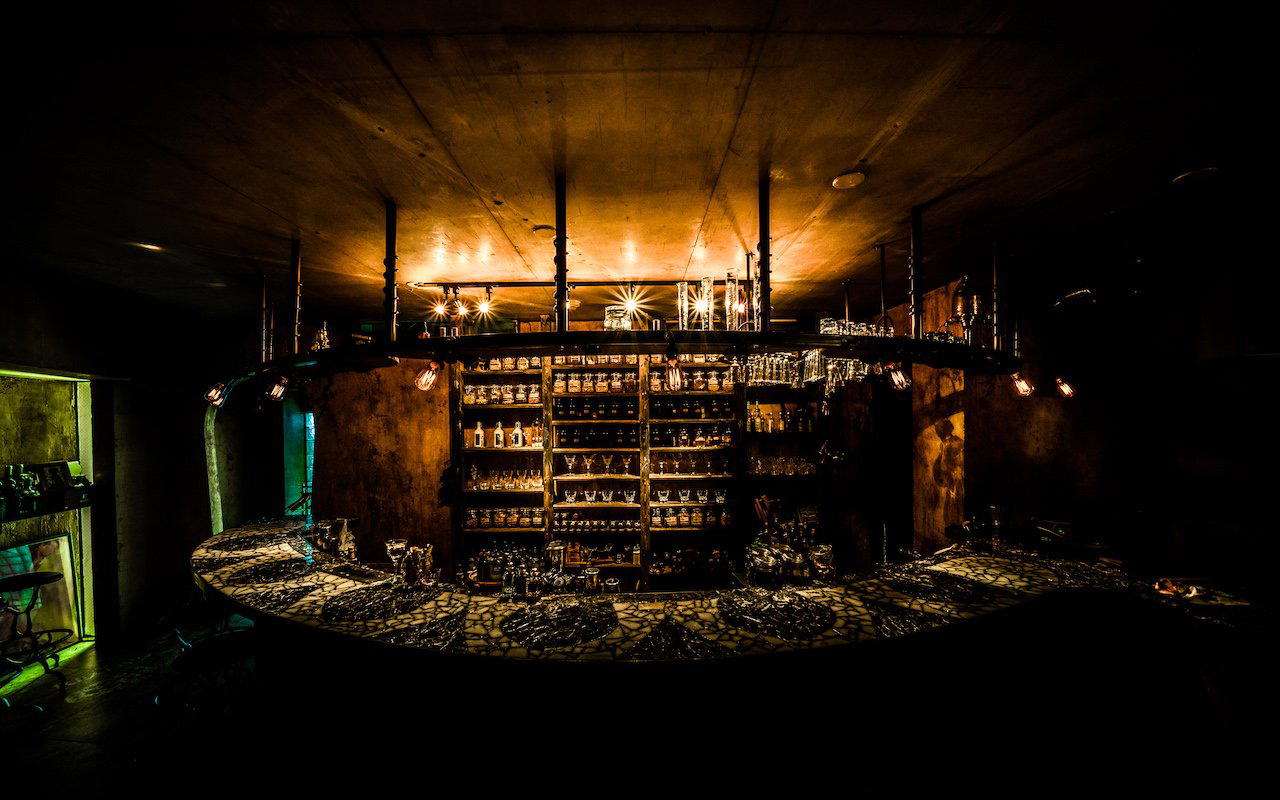


Hotels in Osaka
Browse all →



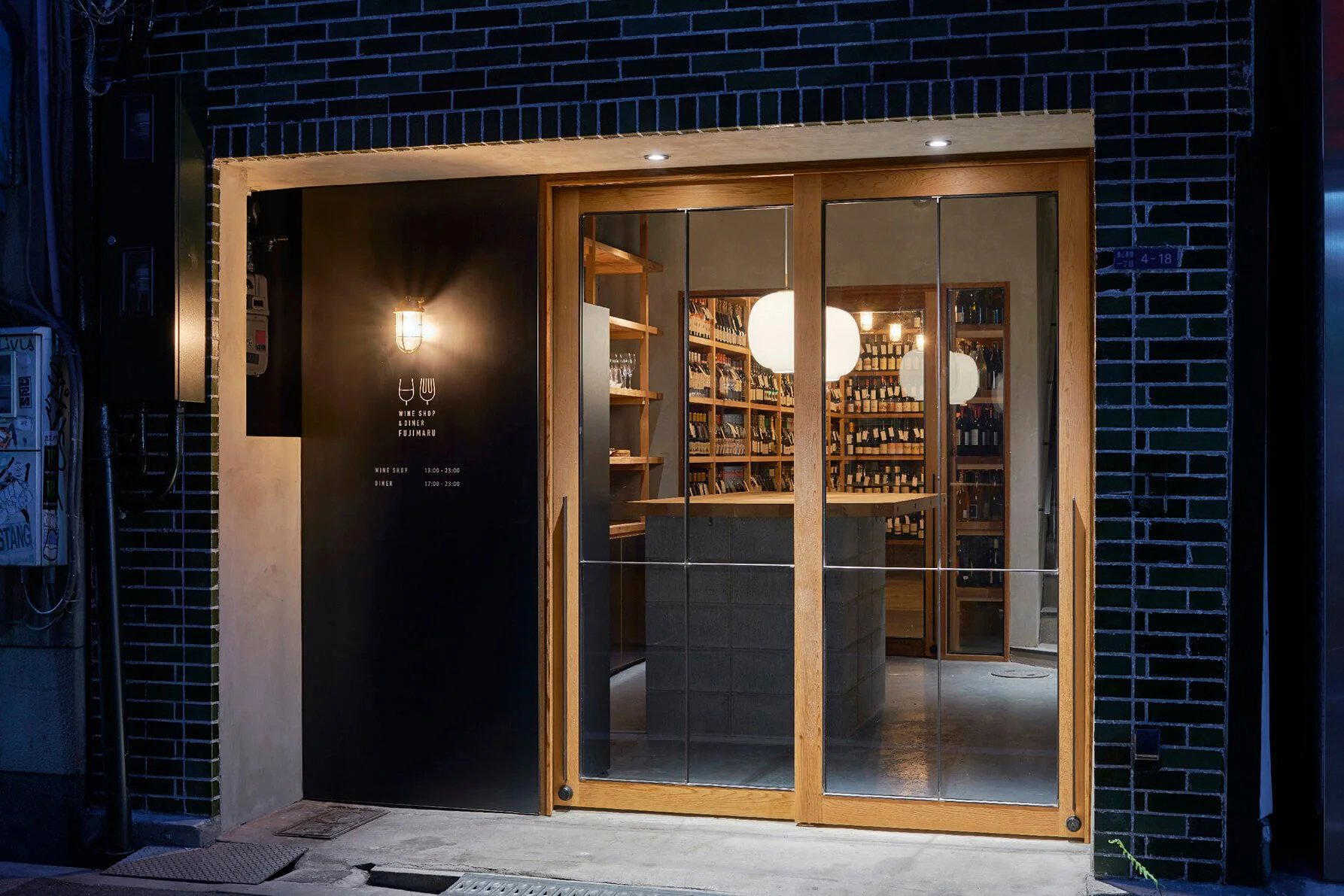
Wineries in Osaka
Browse all →
At a Glance
- Cozy
- Casual
- Casual Hangout
- Group Dining
- After Work
- Late Night
- Standalone
- Beer Program
Informal, bustling Korean eatery atmosphere with simple décor and close-set tables, oriented around hearty food and drinks rather than design.