
Kiyo Suke sits in Osaka’s serious hot-pot conversation, where sukiyaki, shabu shabu and pork shabu shabu are judged as much on pacing and broth discipline as on beef or pork alone. Its selection for Tabelog 100 Hot Pot 2024 gives the room a clear credential, while the drinks side points toward sake and shochu rather than a conventional wine-led program.
Pearl is the En Primeur Club membership app — saves, bookings, and concierge access live there. Same editors, same standards.
- Address
- 1 Chome-3-28 Uehonmachinishi, Chuo Ward, Osaka, 542-0062, Japan
- Phone
- +81 6-6767-1767
- Website
- tabelog.com
 Saves & bookings on Pearl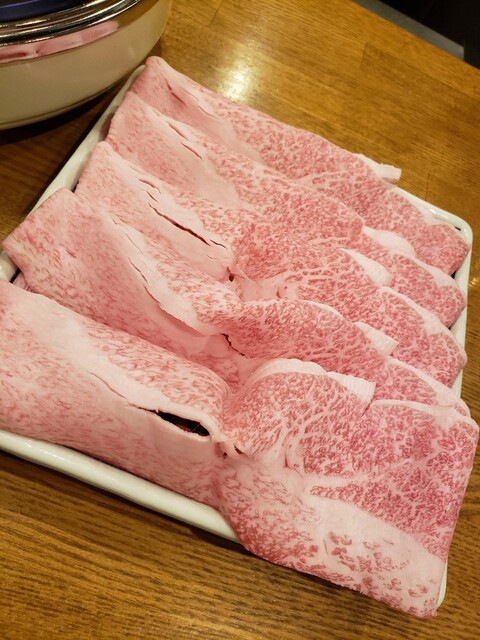
In Tanimachi 6-chome, the mood changes a few blocks away from the broader restaurant traffic of central Osaka. The area has the quieter rhythm of an older residential quarter: low-rise buildings, narrow approaches, and restaurants that rely less on spectacle than on regulars who know exactly what kind of meal they want. That setting suits hot pot. Sukiyaki and shabu shabu reward patience, heat control and a table that can hold a conversation while the meal gathers pace.
Osaka is often read through its louder food vocabulary: takoyaki, okonomiyaki, kushikatsu, ramen queues, department-store sweets. Hot pot occupies a different register. It is communal but not casual in the same way, especially when the cooking style moves into the JPY 10,000-plus dinner bracket and the drinks list shifts from beer-after-work toward sake and shochu. Kiyo Suke belongs to that quieter tier, with sukiyaki, shabu shabu and pork shabu shabu as the core grammar rather than a sprawling izakaya menu.
Hot pot with a drinks program built around sake and shochu
The useful way to read this restaurant is through Japanese pairing logic, not through the expectations of a Western cellar. The listed drinks focus on sake and shochu, which places the meal inside a native hot-pot framework: rice-based clarity, distilled-grain warmth, and pours that can sit beside sweet soy, simmering fat and dipping sauces without dragging the table into heavy tannin. For travellers accustomed to tasting menus where the wine pairing is the prestige signal, this is a different kind of curation. The point is not breadth for its own sake; it is whether the drink structure can keep up with the changing intensity of the pot.
That matters because sukiyaki and shabu shabu ask different things from the glass. Sukiyaki leans richer and sweeter, with soy and sugar doing visible work. Shabu shabu is more restrained, built around quick cooking, texture and dipping condiments. Pork shabu shabu adds another register again, less about marbling theatre than about clean fat and broth-friendly rhythm. A sake-and-shochu list is therefore not a side note. It tells diners that the room is thinking in Japanese categories rather than importing a prestige template from French dining.
The external credential is clear: Kiyo Suke was selected for Tabelog 100 Hot Pot 2024. In Japan, that kind of category recognition is useful because it narrows a crowded field. Hot pot restaurants can look deceptively similar from the outside, yet differ sharply in sourcing, service tempo, seating format and the way the meal is structured for groups. A Tabelog score of 3.62 also places it in the serious local-review conversation without turning the room into a trophy-hunt address.
Why this part of Osaka suits a slower meal
Tanimachi 6-chome gives the experience an important frame. The district is not Namba’s neon theatre or Umeda’s vertical dining grid; it has a more lived-in urban texture, close to residential streets and small independent rooms. That context changes the expectations around dinner. The appeal is not speed, turnover or visual drama. It is the controlled pace of a pot at the table, the ordering of meat and vegetables, and the social architecture of a meal that can stretch beyond a quick stop.
The room’s format reinforces that reading. The restaurant lists counter seating, table seating and tatami seating, with 36 seats in total. That mix is telling. Counter seats suit pairs who want to keep the meal compact; tables and tatami space make the format work for friends or small groups. Hot pot is not inherently formal, but in Osaka it becomes more interesting when a restaurant can serve both the conversational group meal and the more focused two-person dinner without collapsing into banquet-house anonymity.
Comparison helps define the choice. In Osaka, a low-cost ramen counter such as Chukasoba Uemachi serves a different appetite: fast, concentrated and noodle-driven. A French address such as Être à l'aise works through course structure and European technique. Tea rooms and bakeries, from Torrington Tea Room to Boulangerie goût, map the city’s daytime habits. Kiyo Suke sits elsewhere, in the evening-friendly hot-pot lane where the value is in heat, pacing and a drink list that understands the food’s weight.
How to place it in an Osaka itinerary
This is not the first stop for a visitor trying to tick off Osaka’s street-food clichés. It makes more sense after the city’s faster pleasures have already been covered, when a slower Japanese dinner has more value than another crowded counter. The selection for Tabelog 100 Hot Pot 2024 gives it enough standing for a food-focused itinerary, but the better reason to go is categorical: sukiyaki and shabu shabu show a more composed side of Osaka dining than the city’s usual shorthand suggests.
For planning around the city, use the broader EP Club Osaka pages as a map rather than a checklist. The restaurant context sits in Our full Osaka restaurants guide, while hotel positioning is better handled through Our full Osaka hotels guide. Drinking plans before or after dinner belong in Our full Osaka bars guide, and category-specific travellers can cross-reference Our full Osaka wineries guide and Our full Osaka experiences guide.
Osaka’s range is also worth triangulating through nearby restaurant pages:.cafe, 52CHO-ME BAKERY, 551 Horai (551蓬莱), 99 Pizza Napoletana Gourmet and a canto (Italian). For national context beyond Osaka, compare the hot-pot lane with -Grilled beef Sukiyaki- KAMAKURA TANUKIAN 鎌倉 たぬき庵 in Kamakura, then look at how Japanese dining changes across. 鮪と炭火焼き うお炭 秋葉原店 in Tokyo.know in Kumamoto, (Shoku) Vietnam in Kawasaki, [Curry Senmon Ten] Maruyama Kyoju. in Sapporo and [ki:] in Kyoto. The sake thread continues internationally at Jōdo Saké Bar in Los Angeles, while casual Japanese formats abroad appear in a different register at Onigiri Time in Pasadena.
Style and Standing
Comparable venues at a glance for context.
| Venue | Cuisine | Price | Notes |
|---|---|---|---|
| Kiyo SukeThis venue — the venue you are viewing | Traditional Sukiyaki & Shabu-shabu | $$$ | Not listed |
| Yakitori Saihi | Yakitori | $$$ | Chūō |
| Kuma no Yakitori 106 | Members-only Yakitori Omakase | $$$ | Kita |
| Sumibi Yakitori Morita | Traditional Yakitori | $$$ | Chūō |
| Kitashinchi Tentomi | Seasonal Tempura Omakase | $$$ | Kita |
| Nagahori | Michelin-starred Japanese Izakaya Omakase | $$$ | Chūō |
Recognition history
Dated appearances from independent guides and award organizations, with the underlying list record or original source where available.
Tabelog 100 #87 · No. 87
Tabelog · Tabelog 100 - Hot Pot - 2024
Continue exploring
More in Osaka
Restaurants in Osaka
Browse all →




Bars in Osaka
Browse all →




Hotels in Osaka
Browse all →



Wineries in Osaka
Browse all →
At a Glance
- Cozy
- Classic
- Elegant
- Group Dining
- Celebration
- Family
- Casual Hangout
- Special Occasion
- Date Night
- Chefs Counter
- Private Dining
- Standalone
- Sake Program
Current opening hours
- Monday
- 11:30 AM–2 PM, 5:30–9 PM
- Tuesday
- Closed
- Wednesday
- 11:30 AM–2 PM, 5:30–9 PM
- Thursday
- 11:30 AM–2 PM, 5:30–9 PM
- Friday
- 11:30 AM–2 PM, 5:30–9 PM
- Saturday
- 11:30 AM–2 PM, 5:30–9 PM
- Sunday
- 11:30 AM–2 PM, 5:30–9 PM
Hours can change for holidays and private events. Last verified .
A stylish yet relaxed house-like hideout with counter, table, and tatami seating, offering a warm, intimate atmosphere suited to lingering multi-course hotpot meals.