
Manbo Chip puts Osaka’s Korean dining into sharper focus: not as a side note to the city’s street-food reputation, but as part of Ikuno’s deeper cross-cultural table. Its Tabelog 100 selection for Asian and ethnic cuisine in WEST 2024 gives it a clear trust signal, while the house-restaurant setting keeps the experience closer to neighbourhood dining than polished hotel gastronomy.
Pearl is the En Primeur Club membership app — saves, bookings, and concierge access live there. Same editors, same standards.
- Address
- Japan, 〒544-0001 Osaka, Ikuno Ward, Shinimazato, 3 Chome−11−20 マンボウチップ(万宝家)
- Phone
- +81 6-6752-6718
- Website
- tabelog.com
 Saves & bookings on Pearl
Shinimazato does not announce itself with the choreographed polish of central Osaka dining districts. The appeal is more residential and immediate: narrow streets, small façades, and restaurants that feel tied to regulars before they are tied to itineraries. Manbo Chip belongs to that register, a house-restaurant setting in Ikuno Ward where Korean cooking sits inside Osaka’s everyday appetite rather than outside it as a novelty.
That matters because Osaka’s food identity is too often compressed into takoyaki, okonomiyaki, and late-night counter culture. Those are real, but they are not the whole city. Ikuno has long been central to Kansai’s Korean food conversation, and the better meals here are not built around spectacle. They are built around heat, fermentation, grilled meat culture, shochu-friendly pacing, and a room that can move between dates and groups of friends without needing a formal dining script.
Ikuno Korean cooking, seen through an Osaka neighbourhood lens
Korean restaurants in Japan often carry two jobs at once. They preserve techniques and flavours that came through family, migration, and community networks, while adapting to Japanese produce, drinking habits, and service expectations. In Osaka, that intersection feels especially natural. The city’s dining culture rewards directness: food arrives with purpose, the table fills quickly, and the value of a meal is judged less by ceremony than by whether the rhythm holds.
The Tabelog 100 selection for Asian cuisine and ethnic cuisine in WEST 2024 places Manbo Chip within a competitive regional bracket rather than a casual neighbourhood-only category. That recognition is useful not because it turns the restaurant into a trophy stop, but because it signals consistency in a field where many excellent Korean rooms remain locally known and lightly documented in English. It also clarifies the tier: this is not the quick, inexpensive end of Osaka dining represented by Menya Fukuhara, nor the more modest Korean comfort bracket of Samgyetang Niru. It sits closer in spend to Man masa, while speaking in a different culinary language.
That language is Korean, but the setting is emphatically Osaka. Imported methods such as grilling, banchan-style table rhythm, and fermented seasoning meet the Japanese preference for compact service, drink pairing, and a controlled room. The presence of shochu on the drinks side is a small but telling signal: the meal is not framed only through Korean alcohol culture, but through the way Osaka diners actually drink across categories.
A house-restaurant format with counter, tatami, and sunken seating
The physical format gives the meal its social shape. Counter seating, tatami, and sunken seating create several speeds under one roof: solo or couple dining at closer range, longer group meals on the floor, and the more relaxed posture that comes with horigotatsu-style seating. Private rooms are not part of the offer, so privacy is less the point than managed proximity. For diners used to polished tasting-menu choreography, this is a different measure of comfort.
Osaka rewards restaurants that understand occasion without overdesigning it. Okonomiyaki Omoni Honten, for example, occupies a lower-spend, more casual lane, while Shuko Osaka Manpukudou points toward the city’s drinking-dining overlap. Manbo Chip is useful when the desired evening is more substantial than a snack crawl and less formal than a chef-counter splurge. It is a Korean dinner room with enough recognition to justify a special detour, but its appeal depends on context: Ikuno, not Umeda gloss; conversation, not ceremony.
For travellers mapping the city by category, this is where the Osaka plan should widen. Pairing a meal here with research from Our full Osaka restaurants guide gives a more accurate view of the city than staying only around Namba and Umeda. The same trip architecture can fold in Our full Osaka hotels guide, Our full Osaka bars guide, Our full Osaka wineries guide, and Our full Osaka experiences guide without forcing every meal into the same central circuit.
How to place it within a wider Osaka itinerary
The smartest use of this table is as a corrective to a too-obvious Osaka schedule. Build one day around flour, broth, and station-adjacent speed, then give another evening to Ikuno’s Korean depth. Nearby category contrasts help: 551 Horai (551蓬莱) represents Osaka’s carry-and-go comfort-food fame, while 52CHO-ME BAKERY.cafe, 99 Pizza Napoletana Gourmet, and a canto (Italian) show how broad the city’s non-washoku dining has become.
Seen nationally, the point becomes clearer. Japan’s serious regional dining is no longer only sushi, kaiseki, ramen, and tempura. Korean, Vietnamese, curry, sake-bar, and modern Japanese formats now sit in the same travel-planning conversation, from (Shoku) Vietnam in Kawasaki and [Curry Senmon Ten] Maruyama Kyoju. in Sapporo to [ki:] in Kyoto.know in Kumamoto, -Grilled beef Sukiyaki- KAMAKURA TANUKIAN 鎌倉 たぬき庵 in Kamakura, and. 鮪と炭火焼き うお炭 秋葉原店 in Tokyo. Even outside Japan, diaspora and Japanese-adjacent formats such as Jōdo Saké Bar in Los Angeles and Onigiri Time in Pasadena point to the same truth: cuisine travels, then changes under local pressure.
The editorial case for the restaurant is not that it replaces Osaka’s familiar pleasures. It expands the frame. A Tabelog 100-recognised Korean restaurant in Ikuno gives the city’s dining map more texture, especially for travellers who already understand the central hits and want a meal that explains how Osaka eats beyond its postcards.
Cuisine and Awards Snapshot
Comparable venues by cuisine and price in the same metro.
| Venue | Cuisine | Price | Notes |
|---|---|---|---|
| Manbo ChipThis venue — the venue you are viewing | Traditional Korean house‑style dining | $$$ | Not listed |
| Kuukai | Casual Korean in Kitashinchi | $$$ | Kita |
| Noro | Classic Yoshoku (Japanese Western-style) | $$$ | Chūō |
| Midosuji Lodge | Yoshoku (Japanese-style Western) | $$$ | Chūō |
| Matasaburo | Dry-aged Wagyu Steak & Yakiniku | $$$ | Sumiyoshi |
| Kaara | Cocktail & Gin Bar | $$$ | Kita |
Recognition history
Dated appearances from independent guides and award organizations, with the underlying list record or original source where available.
Tabelog 100 #25 · No. 25
Tabelog · Tabelog 100 - Asian cuisine / Ethnic cuisine - WEST - 2024
Continue exploring
More in Osaka
Restaurants in Osaka
Browse all →




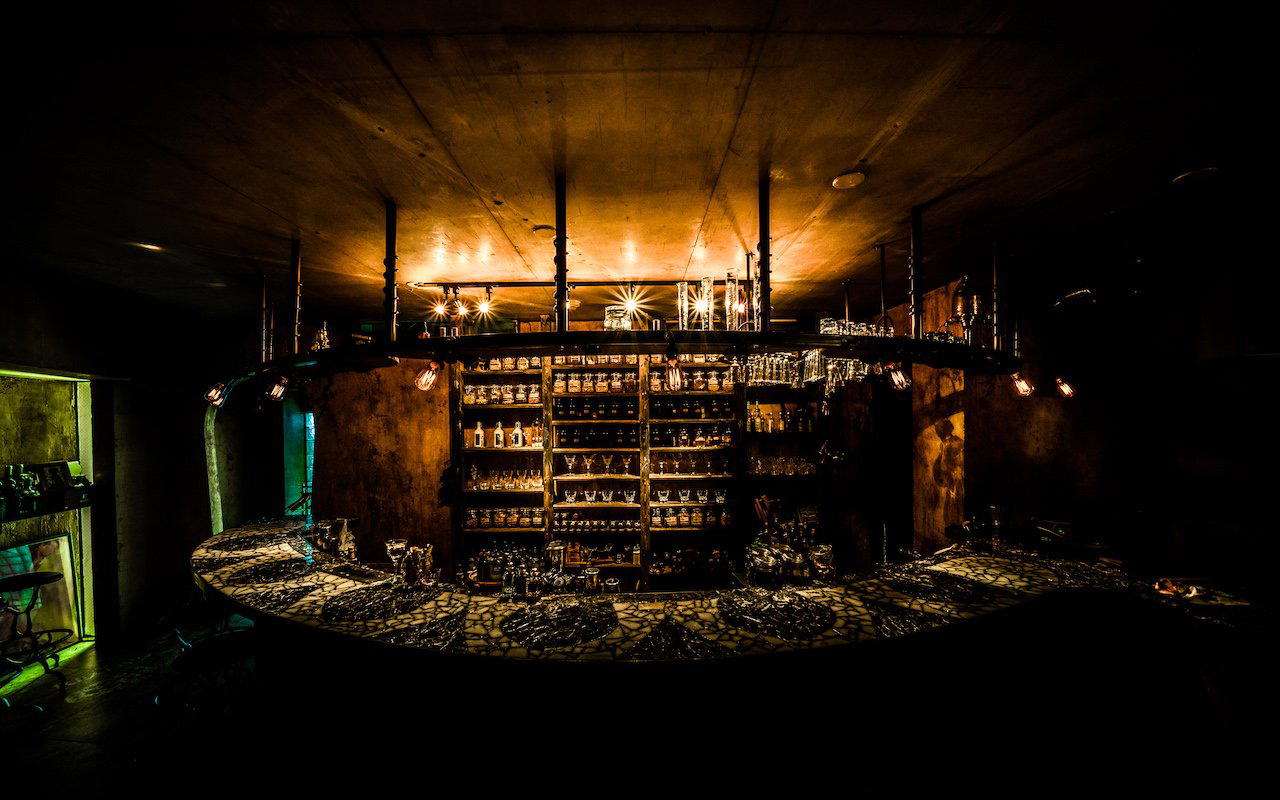
Bars in Osaka
Browse all →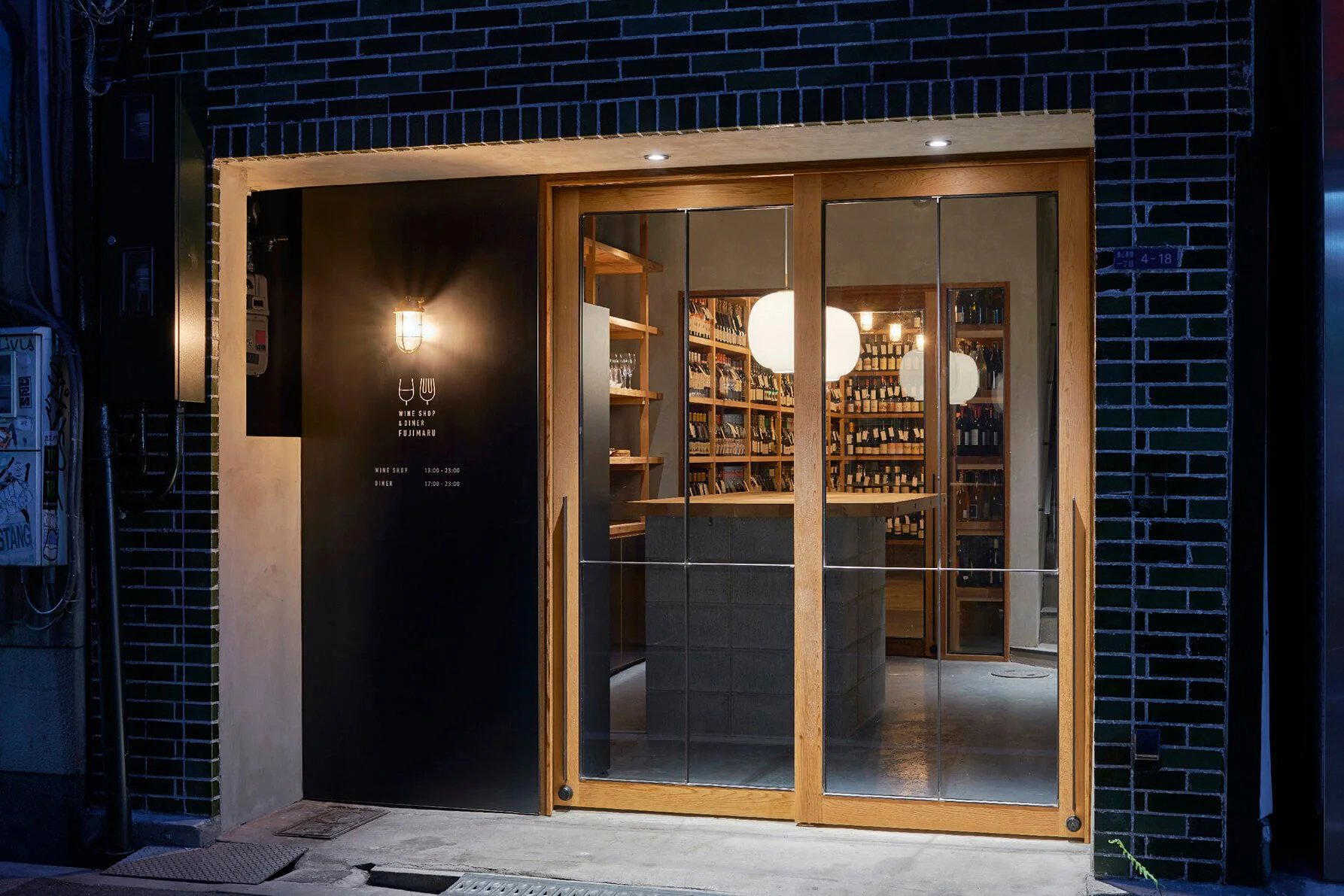


Hotels in Osaka
Browse all →



Wineries in Osaka
Browse all →
At a Glance
- Cozy
- Lively
- Date Night
- Group Dining
- Casual Hangout
- After Work
- Standalone
Current opening hours
- Monday
- 5–10 PM
- Tuesday
- 5–10 PM
- Wednesday
- 5–10 PM
- Thursday
- 5–10 PM
- Friday
- 5–10 PM
- Saturday
- 5–10 PM
- Sunday
- 5–10 PM
Hours can change for holidays and private events. Last verified .
Casual, homey house‑restaurant atmosphere with a stylish but unpretentious interior, mix of counter, tatami, and sunken seating, and an energetic buzz from groups of friends and dates in the evening.