
The mid-price positioning makes it one of Bangkok's more accessible Michelin-recognised Thai kitchens, with a signature braised pork belly in five-spiced broth that draws repeat visitors and functions as a reliable benchmark for the category.
Pearl is the En Primeur Club membership app — saves, bookings, and concierge access live there. Same editors, same standards.
- Address
- เลขที่ 3 Soi Phra Phinit, Thung Maha Mek, Sathon, Bangkok 10120, Thailand
- Phone
- +66 62 642 2222
- Website
- facebook.com
- Directions
- Get directions
 Saves & bookings on Pearl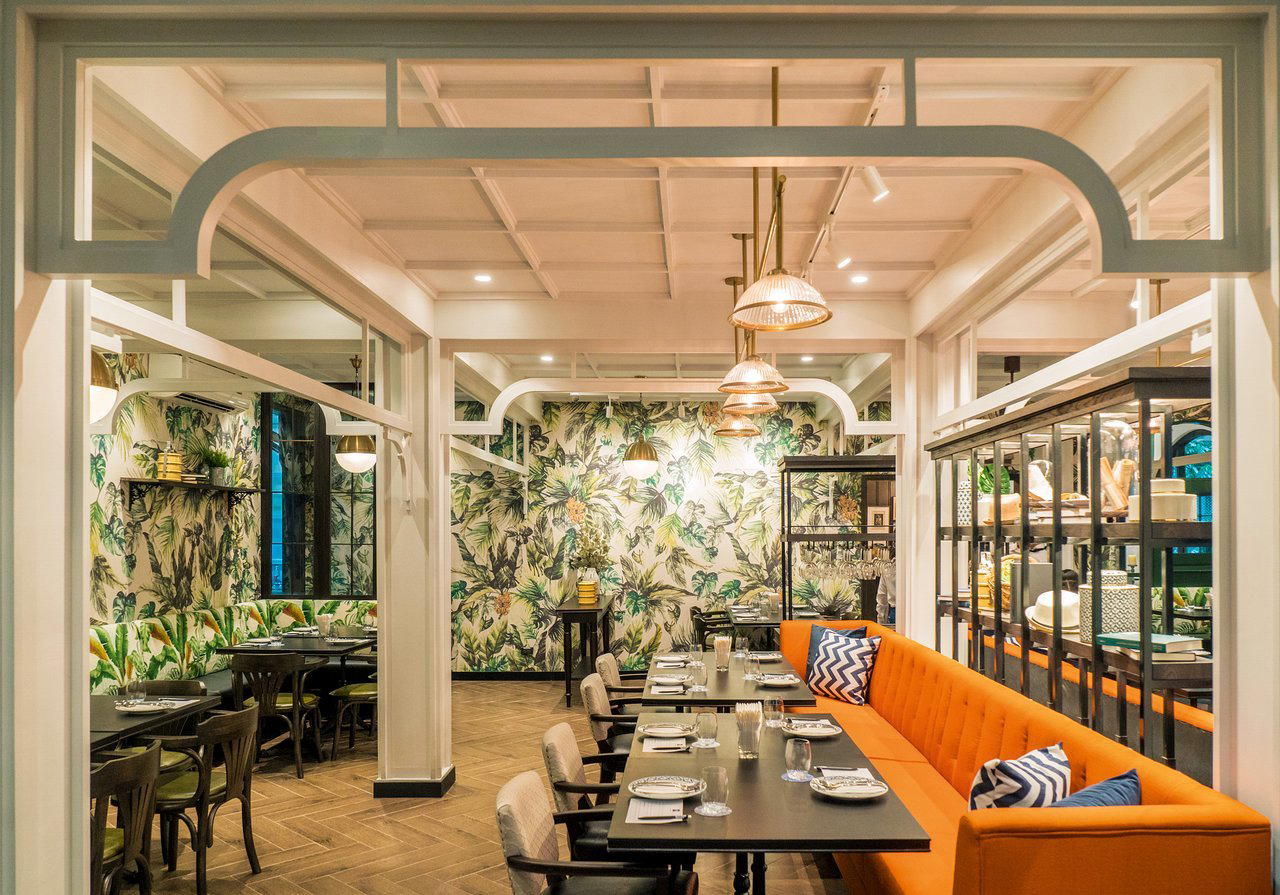
A Colonial Frame for Pan-Thailand Cooking
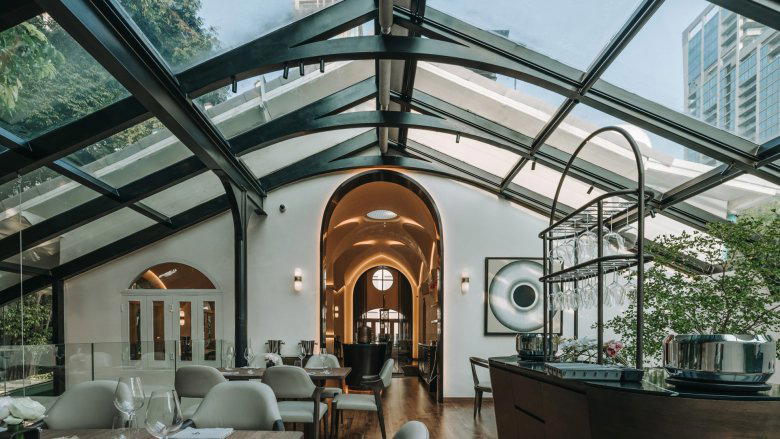
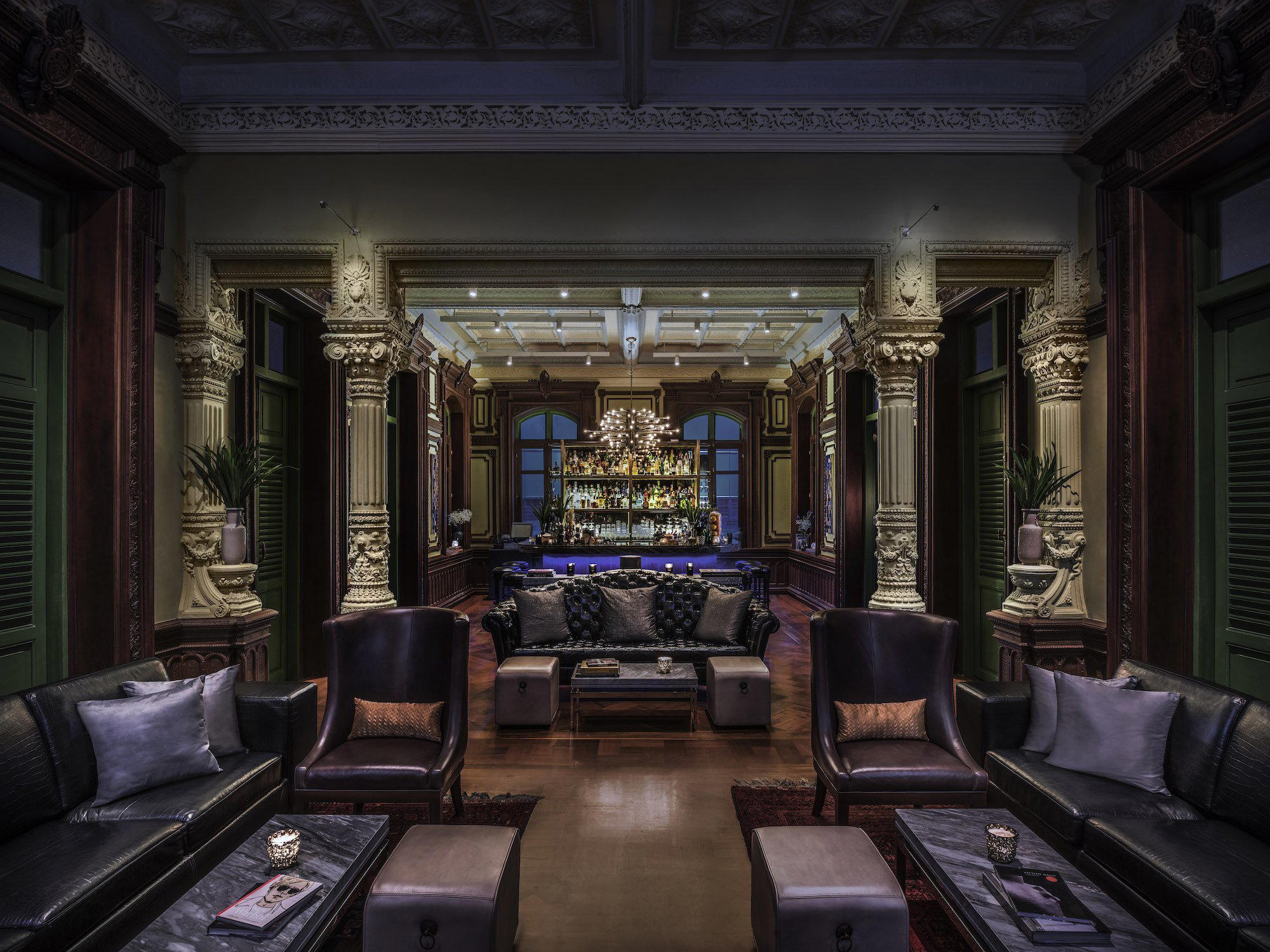
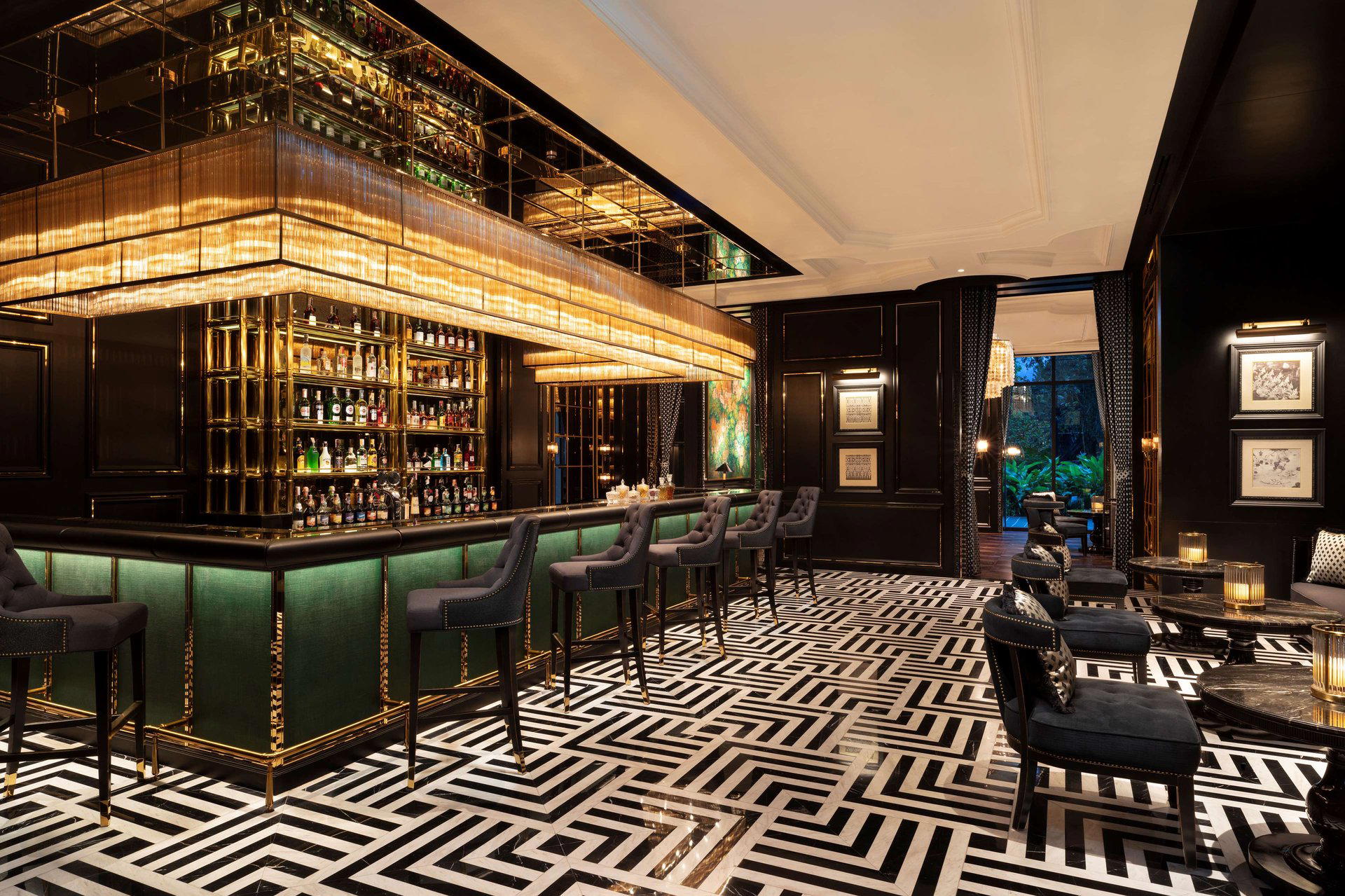
Sathorn is where Bangkok's diplomatic quarter and its restaurant ambitions overlap most visibly. The district's shophouses and colonial-era residences have been steadily absorbed by the city's dining scene over the past decade, offering a physical counterpoint to the glass-tower restaurants that dominate nearby Silom and the luxury hotel dining rooms further north. Plu sits inside a colonial house on Soi Phra Phinit, its Art Deco detailing giving the room a settled, unhurried character.
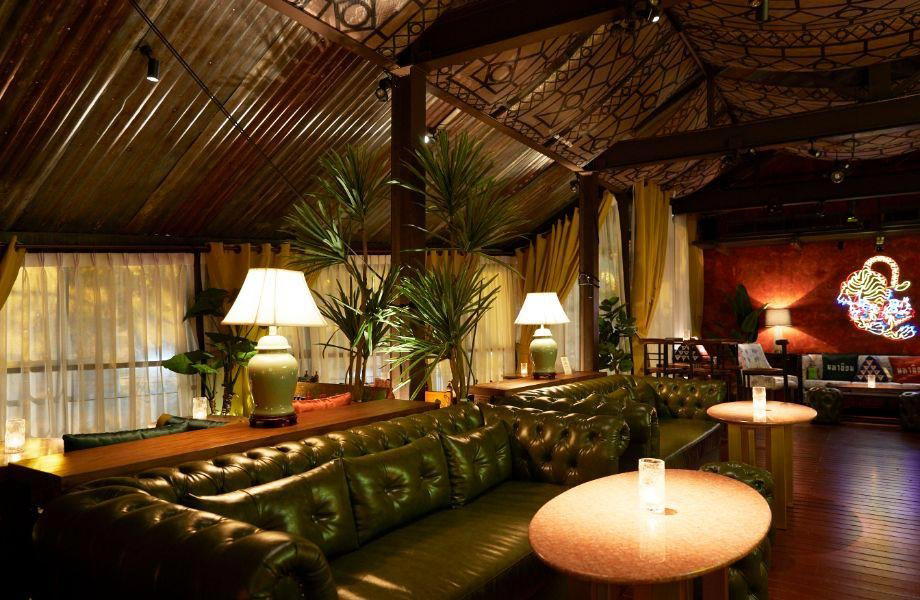
The physical environment does specific work here. Bangkok's mid-tier Thai dining scene is crowded with spots that are either aggressively casual or self-consciously modern, and the Art Deco colonial house positions Plu somewhere between those registers: formal enough to feel considered, relaxed enough to feel approachable.
Where Plu Sits in Bangkok's Thai Restaurant Spectrum
Bangkok's Thai restaurant scene has fractured into distinct tiers over the past several years. At the leading end, restaurants such as Sorn and Baan Tepa operate at ฿฿฿฿ price points, with tasting-menu formats and produce sourcing programmes that pull them into direct competition with the city's broader fine-dining tier. Nahm built its reputation on archival research into Central Thai recipes, while Samrub Samrub Thai works the contemporary-traditional seam with considerable rigour. Aksorn and Saneh Jaan each occupy positions where historical recipe fidelity is the primary editorial argument.
Plu operates at ฿฿, which places it two price tiers below the city's Thai fine-dining ceiling. The Bib Gourmand is specifically designed to recognise this position: cooking that meets Michelin's quality threshold without the ฿฿฿฿ tariff. In that context, Plu is not competing with Sorn's ingredient-sourcing budget or Baan Tepa's ten-course architecture. It is competing with the broader set of mid-price Bangkok Thai restaurants, and within that set the Michelin recognition is a material differentiator.5 across 1,273 reviews adds a volume dimension to that assessment.
Chef Elliot Moss leads the kitchen. The decision to position an internationally named chef inside a pan-Thailand format rather than a fusion or Western-inflected concept reflects a broader pattern visible across Bangkok's mid-tier: the city's dining infrastructure now supports chefs who treat the full regional breadth of Thai cooking as a serious technical project, rather than collapsing it into a single regional style or a hybridised 'modern Thai' format. Pan-Thailand scope means the kitchen draws on Northern, Southern, Central, and Northeastern traditions simultaneously, a range that requires coherent editorial judgement about which dishes to run and in what form.
The Modern Thai Technique Question
Contemporary Thai restaurants in Bangkok occupy a spectrum between two poles. One pole treats tradition as a fixed archive, prizing recipe fidelity and sourcing provenance above technique innovation. The other treats Thai flavour profiles as raw material for global culinary technique, producing food that reads as Thai-inflected rather than Thai. The more interesting kitchens sit somewhere in the middle, applying contemporary precision to traditional forms without dissolving what makes those forms recognisable.
Plu's cooking is described as authentic pan-Thailand dishes, a useful signal in that context. The dishes should taste like their source tradition, not like a commentary on it. The braised pork belly and soft-boiled eggs in five-spiced soup, cited as the kitchen's signature, is a dish with deep roots in Thai-Chinese cooking, a cuisine that has shaped Bangkok's food culture at every price point for generations. Running it as the headline dish at a Michelin-recognised restaurant is a statement about where Plu's priorities sit: this is cooking that earns recognition by executing a known form with precision, not by departing from it.
That approach connects Plu to a wider shift in how Bangkok's better mid-tier restaurants are thinking about their offer. Where a decade ago the ambition was often to move Thai cooking upmarket through French technique or global fusion signals, the current direction among the more credible operators is toward depth within tradition. Chim by Siam Wisdom works a similar territory at a comparable price tier. The same pattern appears in Thai restaurants operating internationally: Boo Raan in Knokke and Kin Khao in San Francisco have both built reputations on fidelity to Thai cooking rather than adaptation for local palates.
Thailand's broader dining scene also shows this pattern across regions. PRU in Phuket takes a farm-to-table angle on Southern Thai produce, while Aeeen in Chiang Mai works Northern traditions, and AKKEE in Pak Kret represents the depth of culinary activity just outside the Bangkok boundary. Angeum in Phra Nakhon Si Ayutthaya and Agave in Ubon Ratchathani illustrate how Thai cooking at a serious level now extends well beyond the capital.
What to Order and How to Approach the Menu
The braised pork belly and soft-boiled eggs in five-spiced soup is the dish the kitchen has staked its identity on, and it functions as a useful calibration point for first visits. The five-spice broth is a format with little margin for imprecision: too heavy on any single spice element and the whole dish collapses into one-note territory; the balance has to be maintained across the liquid, the pork, and the tofu simultaneously. The Michelin citation specifically notes the tofu's absorption of the broth as a positive detail, that kind of granular observation suggests a kitchen paying attention to secondary elements, not just the headline protein.
The restaurant also leans on its cocktail programme as an entry point.
Know Before You Go
- Address: 3 Soi Phra Phinit, Thung Maha Mek, Sathorn, Bangkok 10120
- Price tier: ฿฿ (mid-range; two tiers below Bangkok's Thai fine-dining ceiling)
- Awards: Michelin Bib Gourmand 2025 5 from 1,148 reviews
- Operated by: The Water Library group
- Setting: Art Deco-adorned colonial house
- Booking: Reservations are recommended
The Short List
Comparable venues nearby, for context on price, style, and recognition.
| Venue | Cuisine | Price | Notes |
|---|---|---|---|
| PluThis venue — the venue you are viewing | Yan Nava, Authentic Pan-Thai | $$ | Not listed |
| Janhom | Not listed | $$ | Wang Thonglang Khwaeng, Authentic Southern Thai |
| Samlor | Not listed | $$$ | Khanna Yao, Polished Thai Cuisine Inspired by Street Food |
| Phed Phed Bistro | Bang Phrom, Authentic Isan Cuisine | $$ | Not listed |
| Jeh O | Not listed | $$ | Pom Prap, Authentic Thai Street Food Noodles |
| Por. Pochaya | Not listed | $$ | Bom Phrap Satru Pai Khwaeng, Traditional Thai-Chinese |
Recognition history
Dated appearances from independent guides and award organizations, with the underlying list record or original source where available.
Michelin Bib Gourmand
Michelin
Michelin Bib Gourmand
Michelin
Michelin Bib Gourmand
Michelin
At a Glance
- Cozy
- Elegant
- Modern
- Intimate
- Date Night
- Business Dinner
- Group Dining
- Special Occasion
- Historic Building
- Craft Cocktails
Current opening hours
- Monday
- 11 AM–2 PM, 5–9:30 PM
- Tuesday
- 11 AM–2 PM, 5–9:30 PM
- Wednesday
- 11 AM–2 PM, 5–9:30 PM
- Thursday
- 11 AM–2 PM, 5–9:30 PM
- Friday
- 11 AM–2 PM, 5–9:30 PM
- Saturday
- 11 AM–2 PM, 5–9:30 PM
- Sunday
- 11 AM–2 PM, 5–9:30 PM
Hours can change for holidays and private events. Last verified .
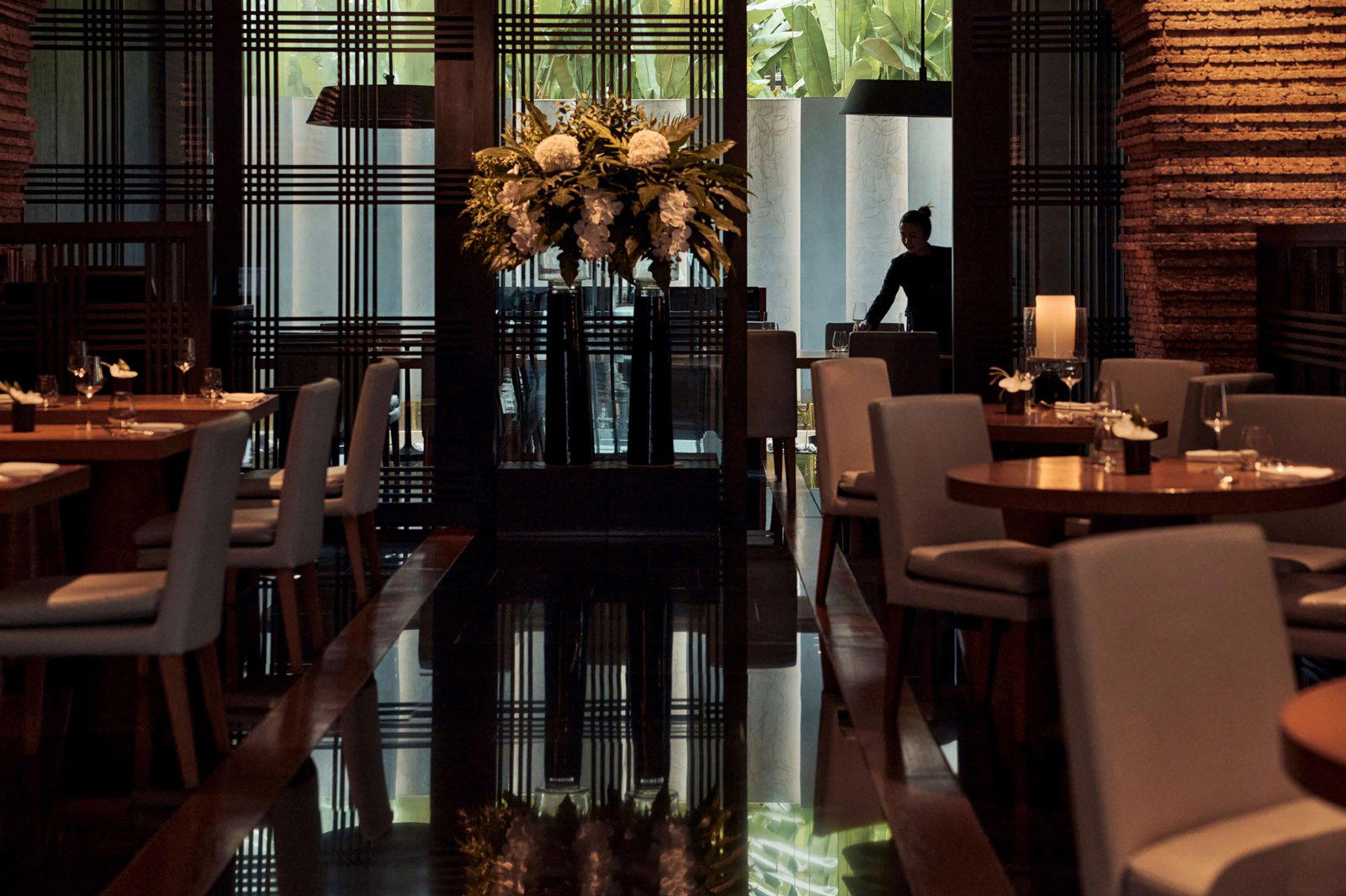
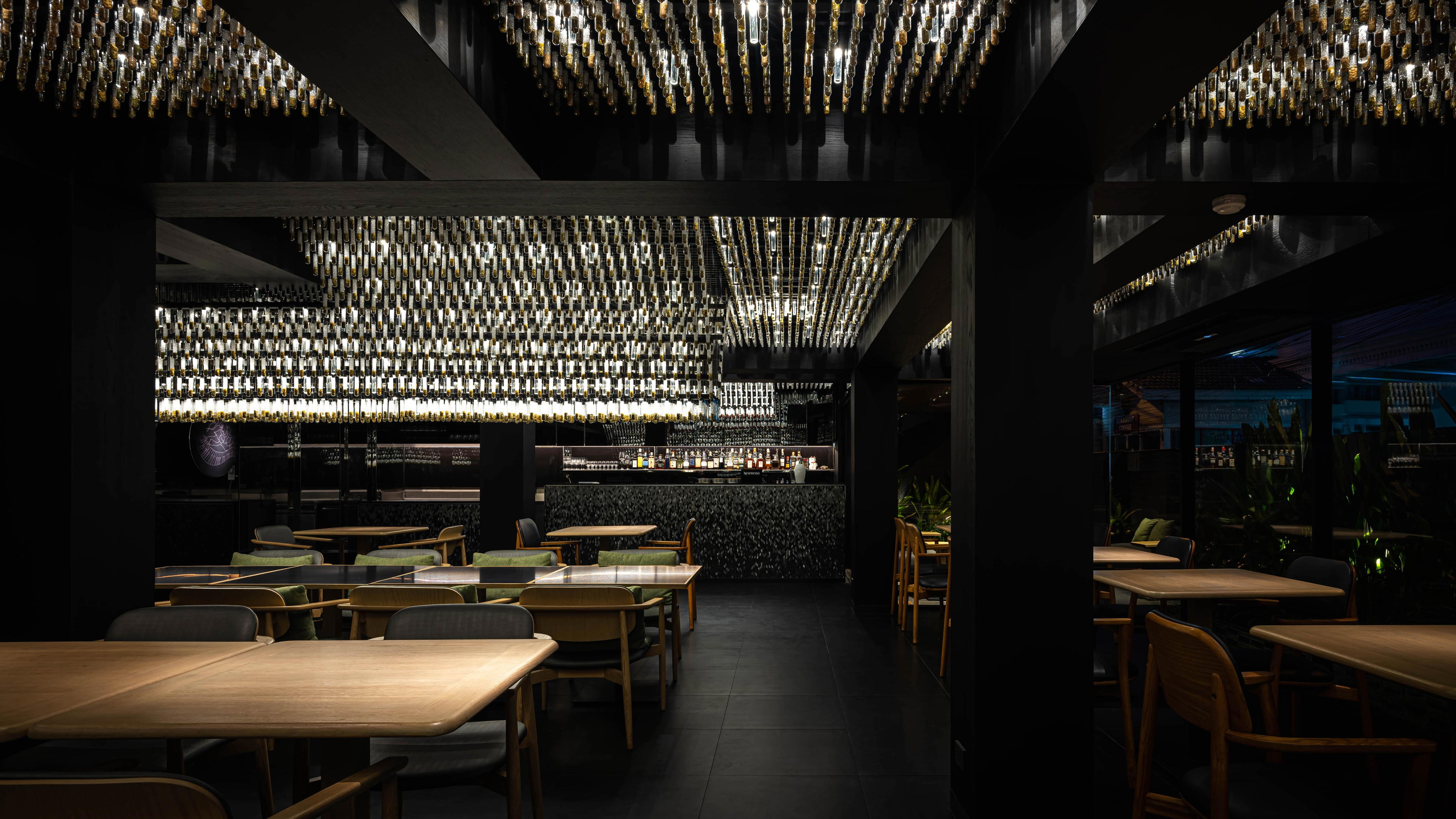
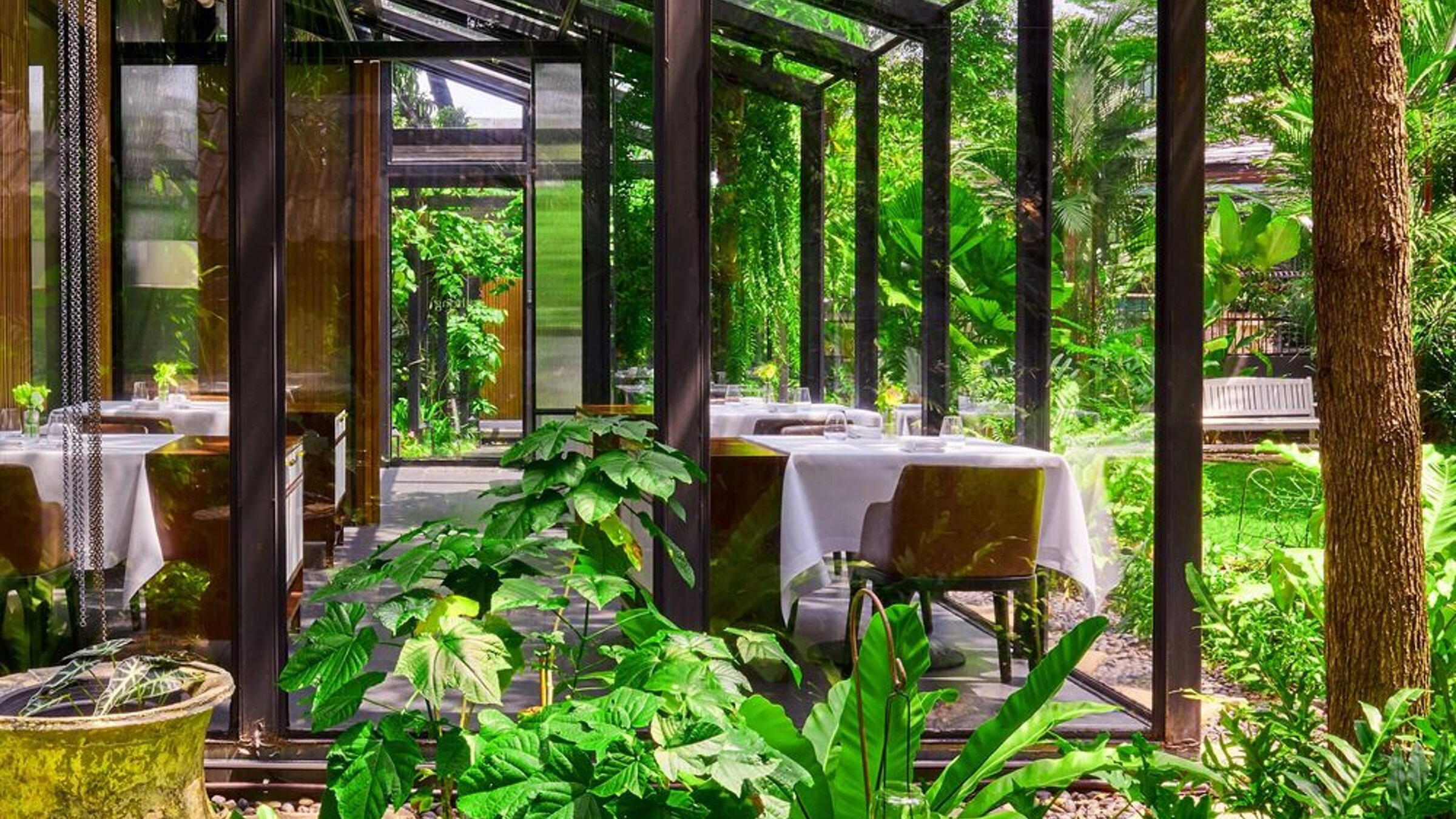
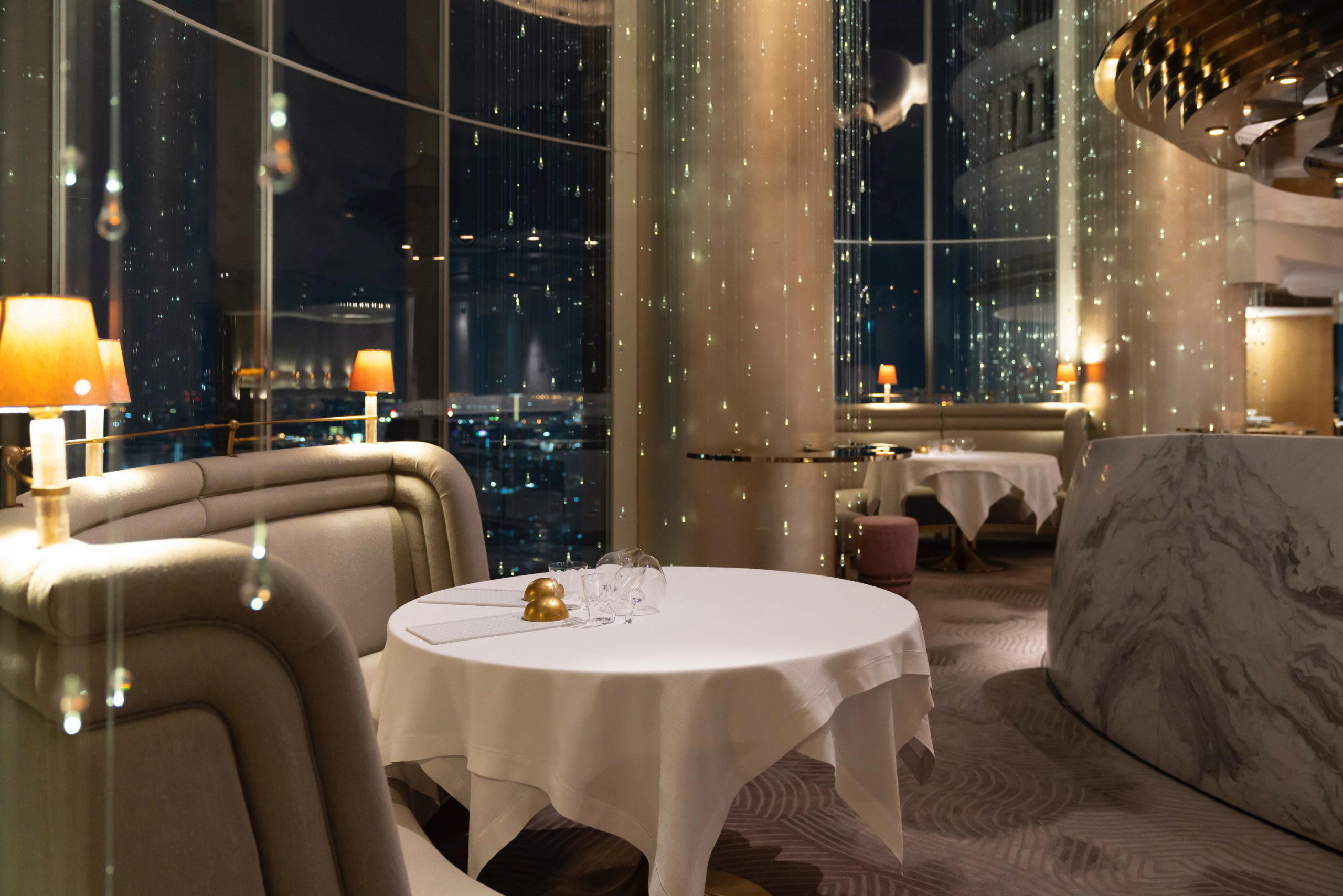
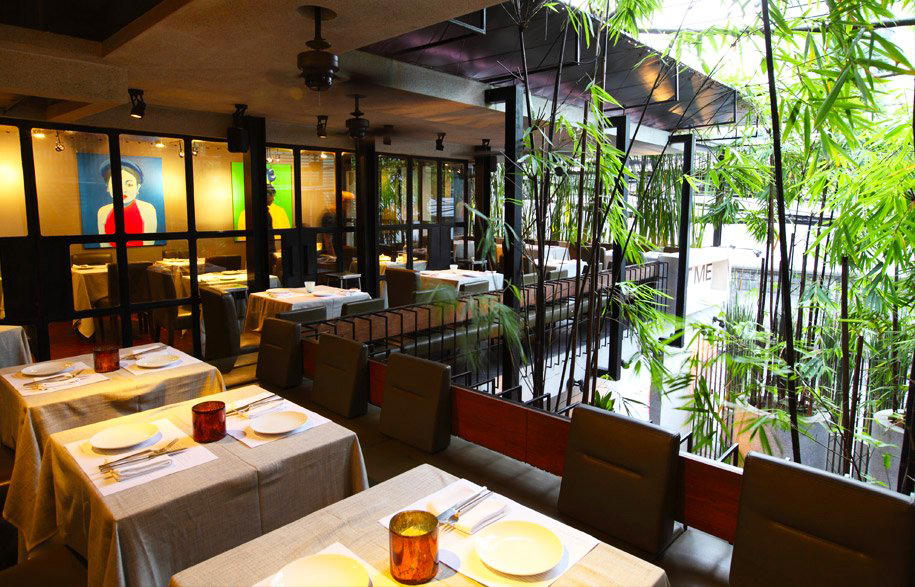
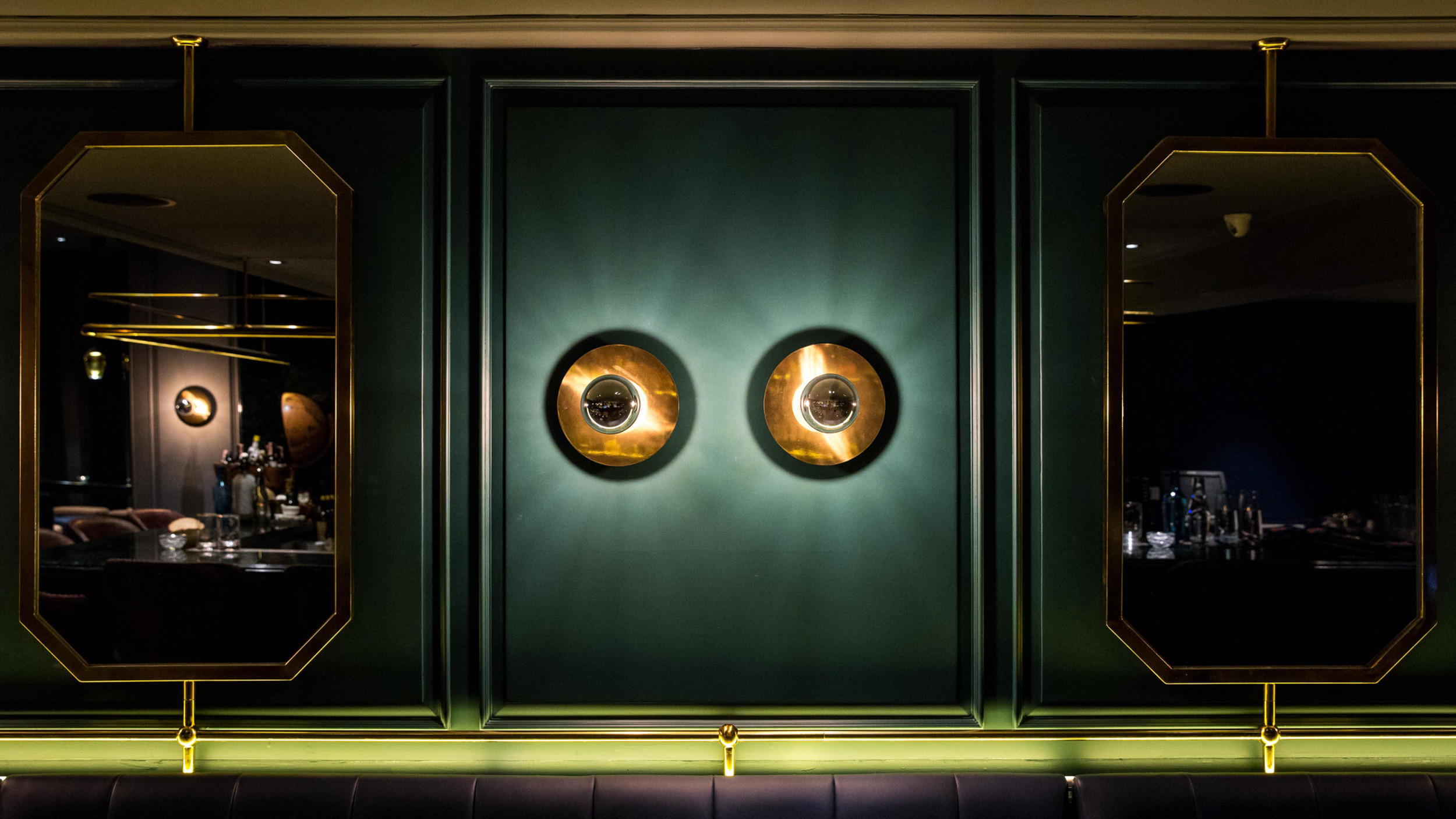
Cosy and elegant Art Deco-adorned colonial house with warm atmosphere, black and white tiled floors, and wooden tables.