Konoba Lanterna
Our verdict
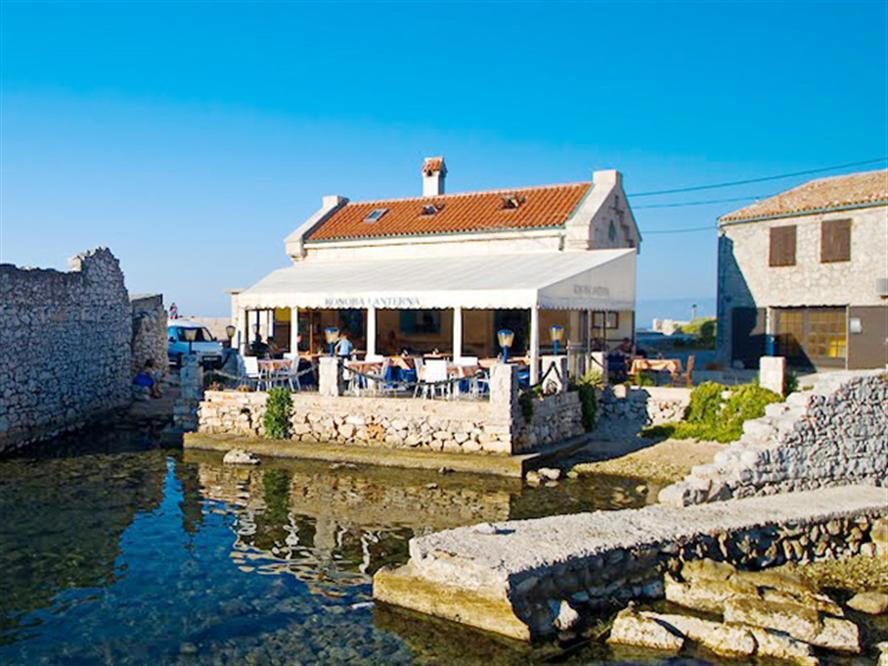
A konoba in the traditional Adriatic sense, Konoba Lanterna sits in the Sveti Martin area of Mali Lošinj and draws on the island's fishing heritage and local produce rather than trend-chasing menus. The format is grounded in Kvarner cooking: fresh catch, seasonal vegetables, and olive oil from the surrounding islands. On an island where dining options range from casual harbour-side grills to contemporary kitchens, Lanterna occupies the unhurried, produce-first end of the spectrum.

Pearl is the En Primeur Club membership app, where members save venues, book tables and use the concierge.
The menu
What to order
- Grilled fish
- Lamb chops
- Ribeye steak
- Fish trays
Where the Adriatic Pantry Sets the Menu
The konoba tradition along Croatia's northern Adriatic coast operates on a direct premise: cook what the sea and the land provide, and do not overcomplicate either. Along the Kvarner Gulf, that means the catch arriving each morning from small-scale local fishermen, garden herbs and vegetables grown within a few kilometres, and olive oil pressed from groves that have defined the islands' agricultural identity for centuries. Konoba Lanterna, positioned in the Sveti Martin area of Mali Lošinj, belongs to this tradition and makes no attempt to reframe it for contemporary tastes. That is, in its own quiet way, a statement.
Mali Lošinj's dining scene has diversified considerably over the past decade. The town now holds a range of formats, from the modern-European register of Alfred Keller (Modern Cuisine) to the more direct harbour-side grills clustered near the main port. Within that spread, the konoba format occupies a specific and durable niche: communal, seasonal, ingredient-led, and rooted in the domestic cooking vocabulary of the Kvarner islands. Visitors who arrive expecting curated tasting menus or wine-pairing programmes will find themselves in the wrong room. Those who want to understand what the islands actually eat, and why, will find the format instructive.
The Kvarner Ingredient Argument
The sourcing logic of Kvarner cooking has a geographic basis that is worth understanding before you sit down. The Lošinj archipelago sits in a stretch of the Adriatic known for clean, relatively shallow water and high fish biodiversity. The local catch historically included bream, sea bass, mullet, and cephalopods, with lobster and scampi from the deeper Kvarner channels. These are not interchangeable with fish sourced from different parts of the Adriatic: the flavour profile of fish from colder, cleaner northern Adriatic waters differs measurably from warmer southern catches, a distinction that Croatian coastal cooks have argued for decades and that the slow-food movement has helped formalise into regional identity claims.
Beyond the sea, the Lošinj islands produce olive oil of documented quality. The island's mild microclimate, shaped by the bura wind and consistent Mediterranean sun, supports olive cultivation at a latitude where it would otherwise struggle. That oil appears in almost every preparation in the traditional konoba kitchen: as a dressing for raw vegetables, a finishing element on grilled fish, and a base for the braised dishes that move more slowly through the menu in cooler months. At Lanterna, the sourcing chain for both the catch and the oil reflects this island-specific logic rather than a broader regional wholesale model. That distinction matters when you taste the difference between oil pressed from local groves and the generic product that fills bottles across the mass-market end of Croatian tourism dining.
The Kvarner region's lamb, specifically from the islands of Cres and Lošinj where animals graze on aromatic wild herbs including sage, rosemary, and the endemic aromatic plants of the island's interior, carries a flavour character that has earned it protected designation interest at the regional level. A konoba operating in this geography and cooking within its tradition will draw on that lamb as a secondary protein alongside fish, typically prepared as a slow braise or a spit-roast rather than the quick-fire preparations that suit urban restaurant kitchens operating on tighter turnovers.
Context Within Mali Lošinj's Dining Range
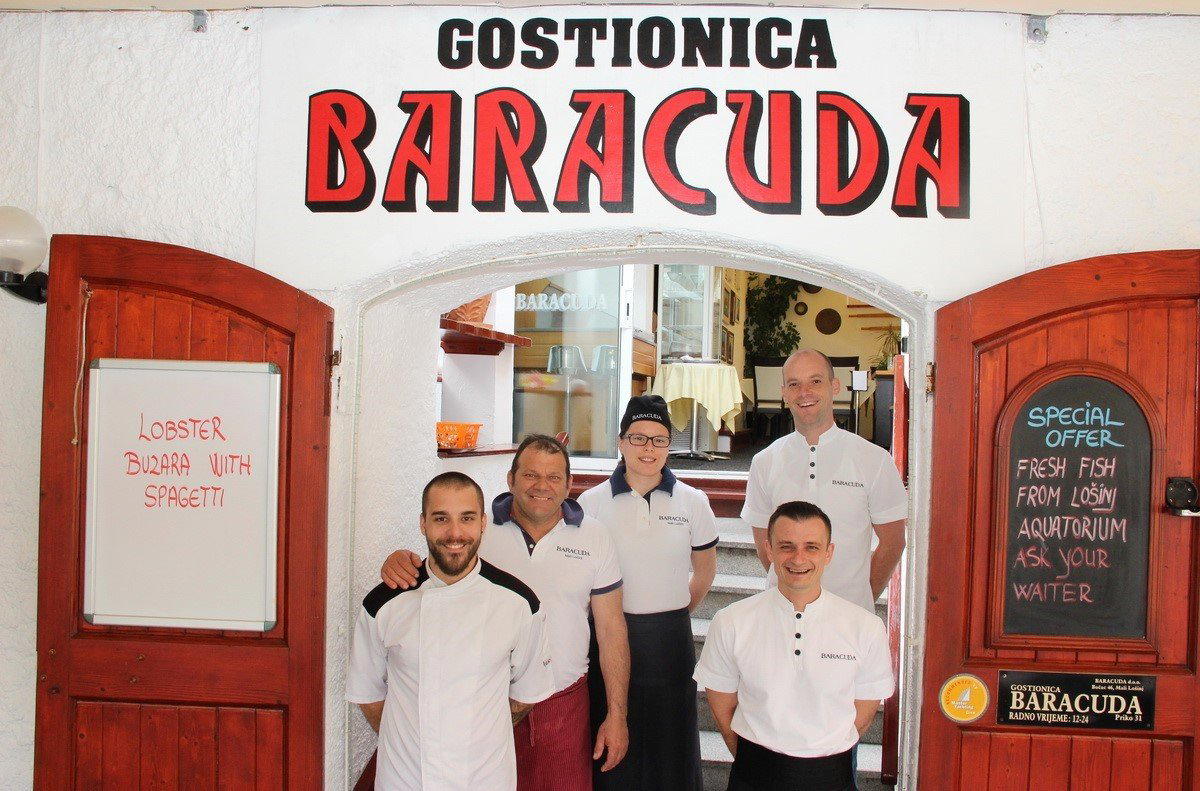
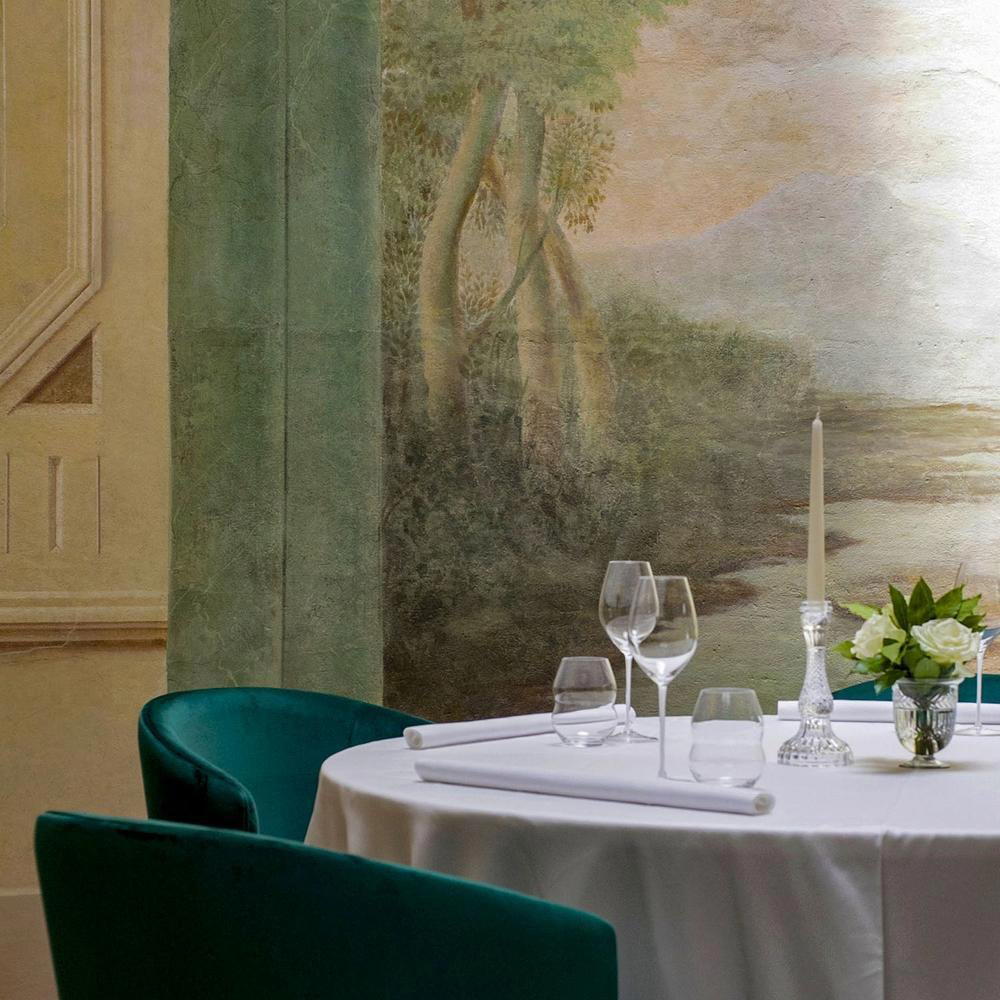
To position Lanterna accurately, it helps to map the broader dining options available on the island. Artatore offers a waterfront setting with a focus on fresh fish. Baracuda and BoccaVera each represent different points on the spectrum between casual and composed. Corrado brings its own character to the town's restaurant geography. Against this range, the konoba format sits at the end where tradition and informality converge, where the room's physical atmosphere typically involves stone walls, wooden furniture, and a level of ambient sound that suggests a place eaten in by locals rather than designed for photography.
Across the broader Croatian coast, the comparison point for high-end seafood cooking runs through restaurants like Pelegrini in Sibenik, LD Restaurant in Korčula, and Restaurant 360 in Dubrovnik, all of which have pursued international recognition through award programmes and chef-driven menus. Boskinac in Novalja on the nearby island of Pag represents the estate-dining model, combining accommodation, winery, and kitchen in a format that draws on regional produce with deliberate sophistication. Nebo by Deni Srdoč in Rijeka shows how Kvarner-adjacent cooking can be reimagined through a contemporary technical lens. Lanterna is not operating in that register. It is operating in the register that precedes and, for many diners, outlasts those formats: the place where the food is an expression of geography rather than biography.
For those building a broader Croatian dining itinerary, the contrast between a konoba meal in Lošinj and something like Dubravkin Put in Zagreb or Korak in Jastrebarsko tells you something useful about the range of what Croatian cooking is doing right now: from continental-influenced, ingredient-driven fine dining inland to the unmediated coastal tradition that konobas like Lanterna preserve.
Planning a Visit
Sveti Martin sits outside the busiest concentration of the town centre, which means Lanterna draws a more deliberate crowd than the harbour-front options. Mali Lošinj is accessible by ferry from Rijeka and by catamaran from Split and Zadar during the summer schedule, with the island's main ferry port providing the practical entry point for most visitors. The summer months concentrate visitor numbers significantly on the island, and dining across all formats becomes busier from late June through August. A konoba operating on traditional Croatian hospitality principles will often accommodate walk-ins outside peak season; during July and August, confirming a table ahead of arrival is the practical approach. Our full Mali Lošinj restaurants guide provides broader context for planning a day or multi-day visit across the island's dining range.
Frequently asked questions
Where is Konoba Lanterna in Mali Losinj?
Konoba Lanterna is located at Sveti Martin, 51550, Mali Lošinj, Croatia, Mali Losinj.
How does Konoba Lanterna differ from other restaurants in Mali Lošinj?
Lanterna operates out of Sveti Martin rather than the waterfront strip, separating it from harbour-front options that compete for passing trade in the summer season. The konoba format itself signals a specific commitment: seasonal, locally sourced Kvarner ingredients prepared without the international menu drift common at island resort dining. For visitors who want to eat within the rhythm of the northern Adriatic rather than around it, that distinction matters.
What dish is Konoba Lanterna famous for?
Konoba Lanterna follows the konoba tradition of the northern Adriatic, which means the menu centres on whatever the Kvarner Gulf and local land are currently providing. The Lošinj archipelago is known for fish from clean, relatively shallow Adriatic waters alongside lamb and foraged ingredients from the island interior. No single signature dish is documented, but the sourcing geography shapes everything on the plate.
Should I book Konoba Lanterna in advance?
Lanterna sits at Sveti Martin, outside Mali Lošinj's main harbour concentration, which means it draws a more considered crowd rather than passing tourist traffic. That positioning does not reduce demand in peak Adriatic summer months, when seating at smaller konobe across the Kvarner islands fills quickly. Reserving a table before arriving on Lošinj is advisable from June through August.
| Venue | Cuisine | Price | Awards | Notes |
|---|---|---|---|---|
| Konoba LanternaThis venue (the venue you are viewing) | Croatian Grill & Seafood | $50–100 | Not listed | Not listed |
| Alfred Keller | Modern Mediterranean Fine Dining | $100–150 | 1 Michelin Star · La Liste Top Restaurants | Modern Cuisine |
| Matsunoki | Japanese Fusion with Mediterranean Influences | $100–150 | Michelin Plate · Wine Spectator Best of Award of Excellence | Not listed |
| Konoba Cigale | Traditional Adriatic Seafood | $50–100 | Not listed | Not listed |
| Baracuda | Fresh Croatian Seafood | $20–30 | Not listed | Not listed |
| BoccaVera | Mediterranean Seafood | $50–100 | Not listed | Not listed |
Continue exploring
More in Mali Losinj
Restaurants in Mali Losinj
All restaurants in Mali Losinj →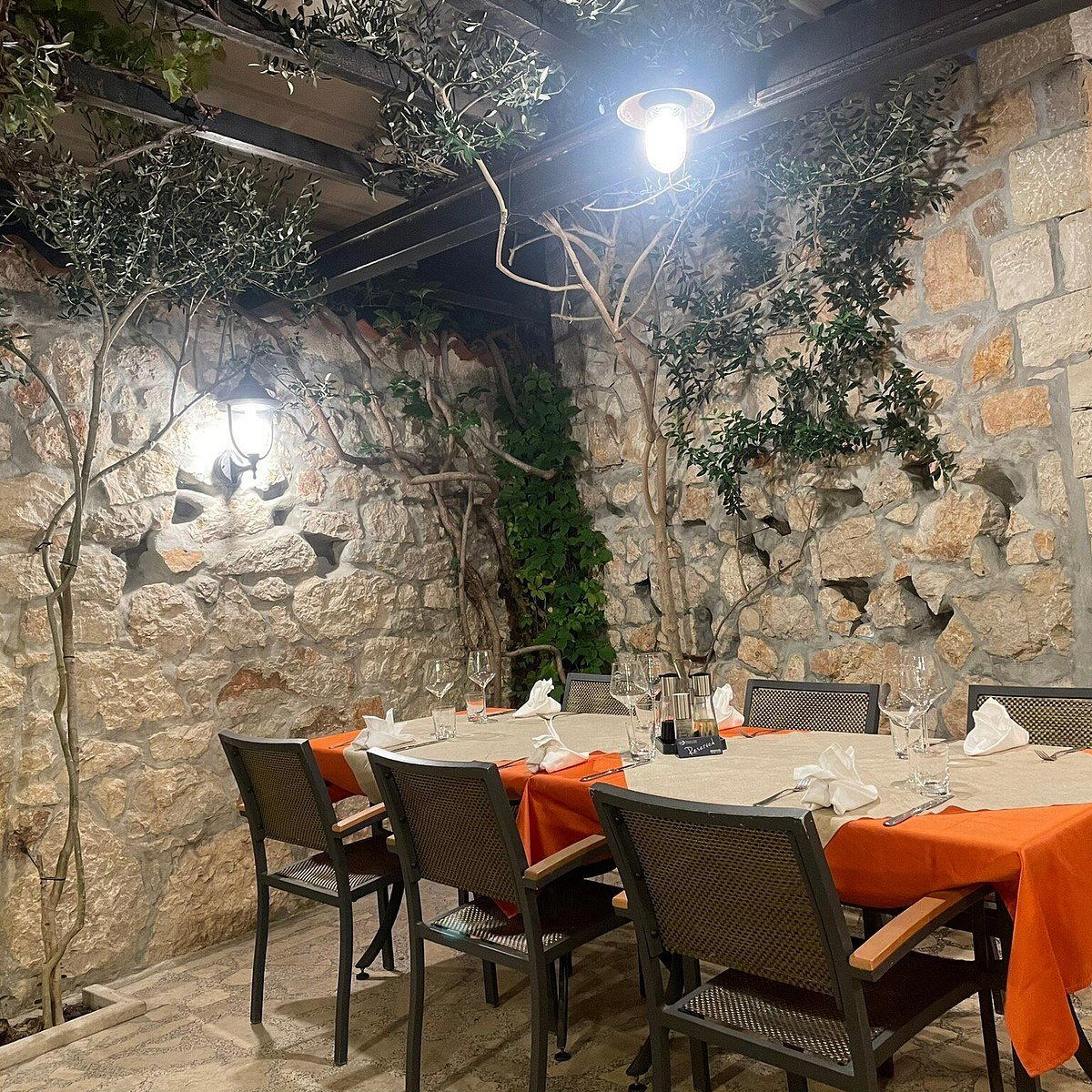
Bars in Mali Losinj
All bars in Mali Losinj →
Hotels in Mali Losinj
All hotels in Mali Losinj →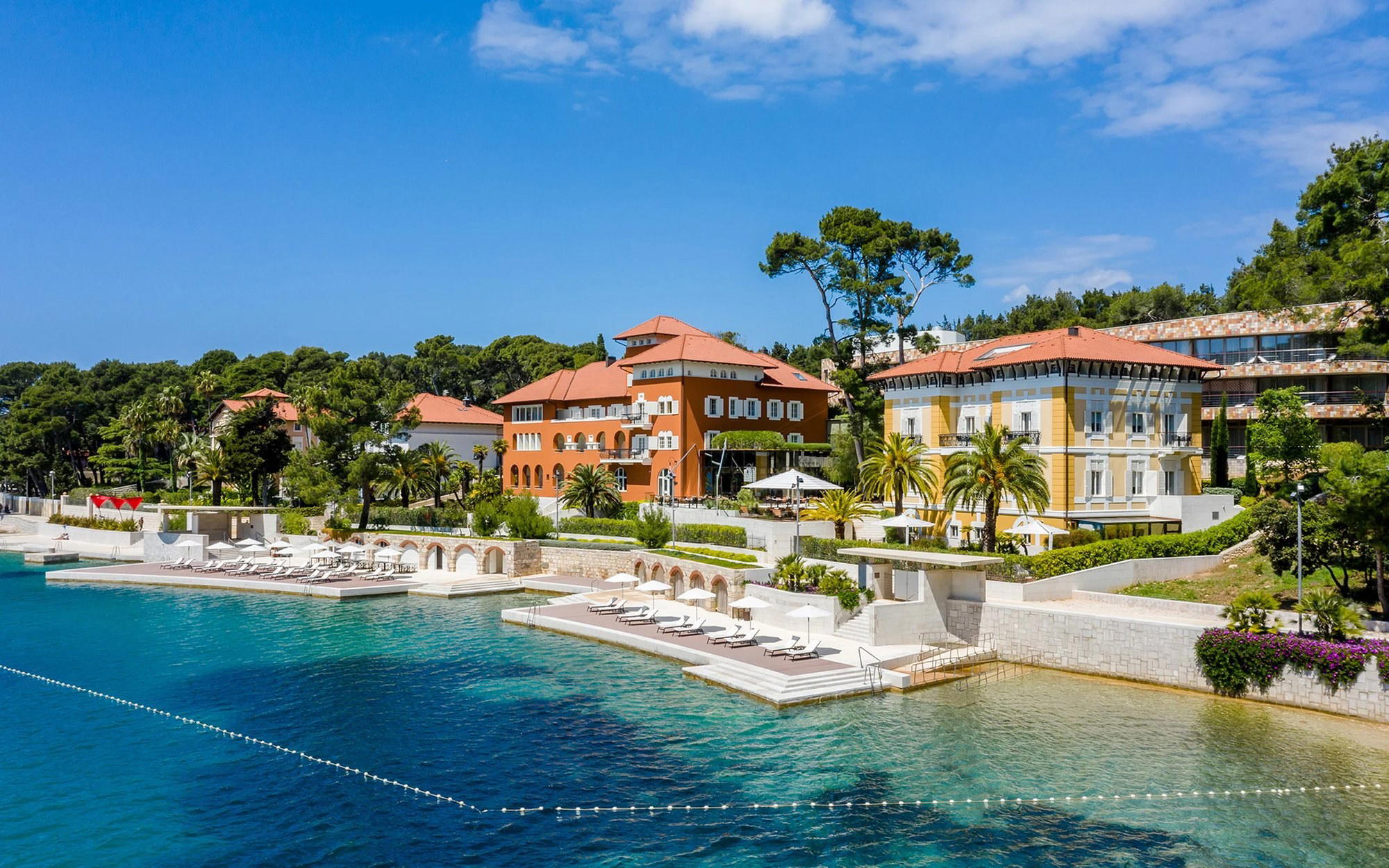
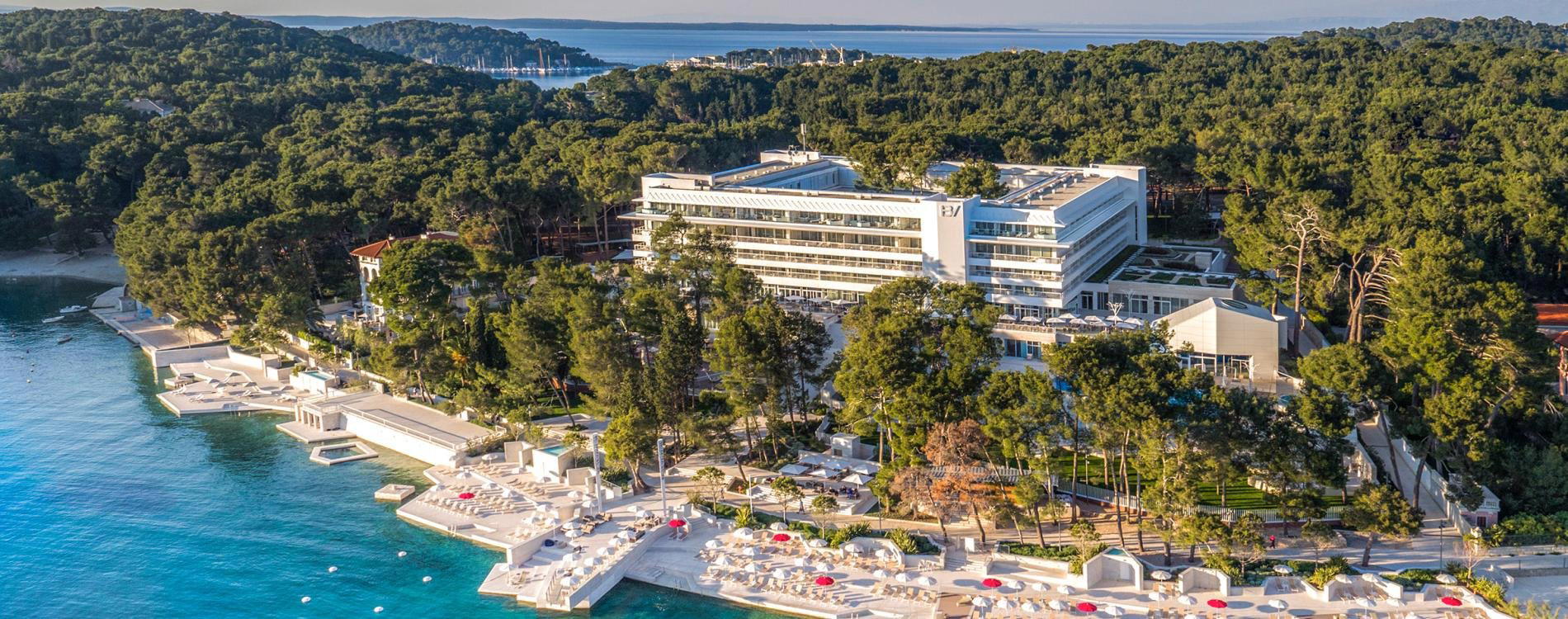
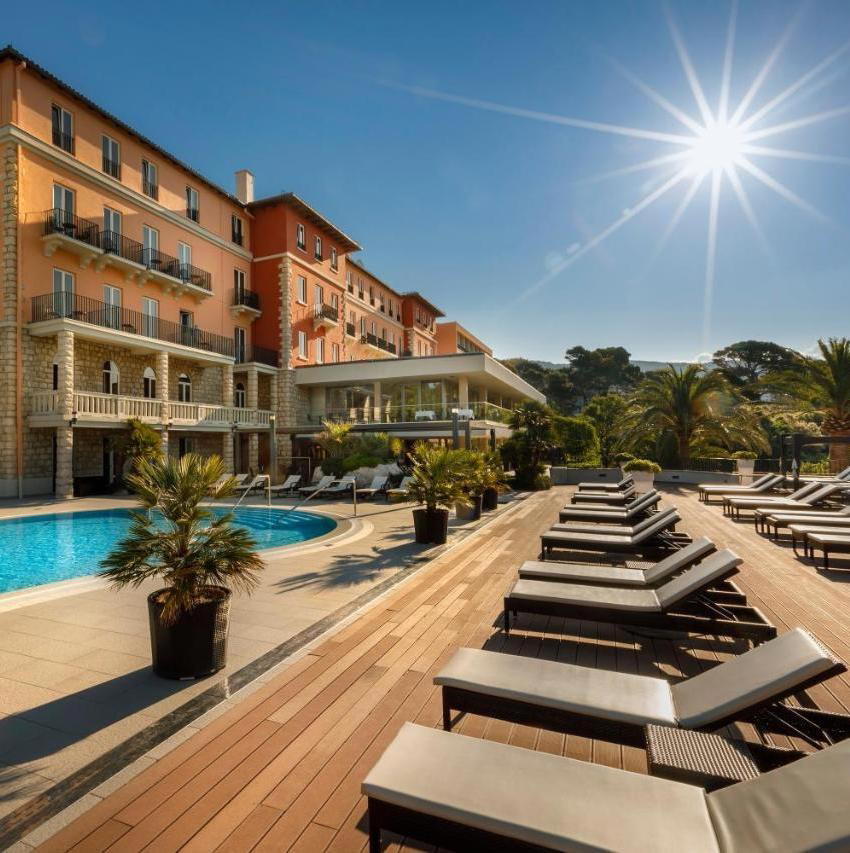
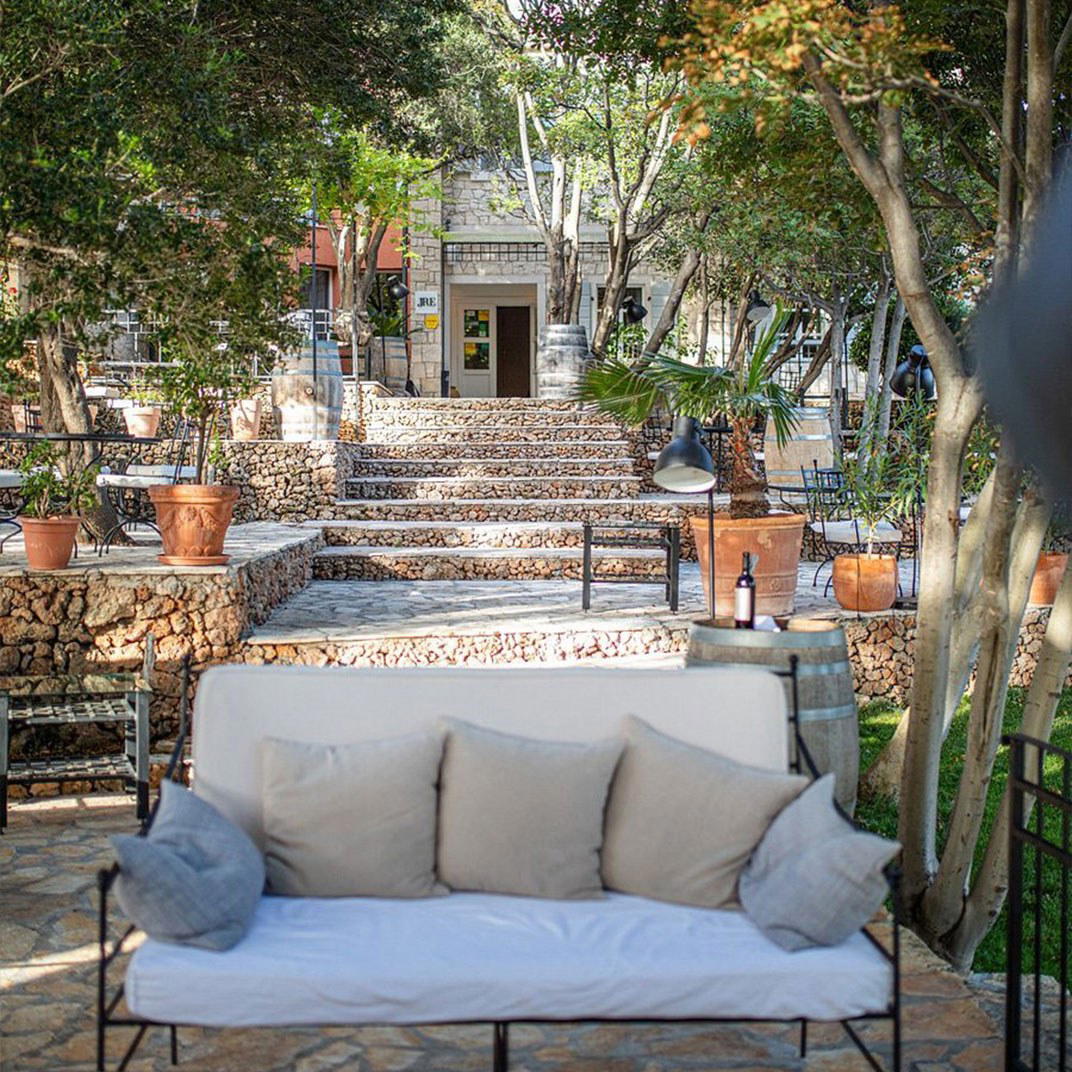
Wineries in Mali Losinj
Browse all →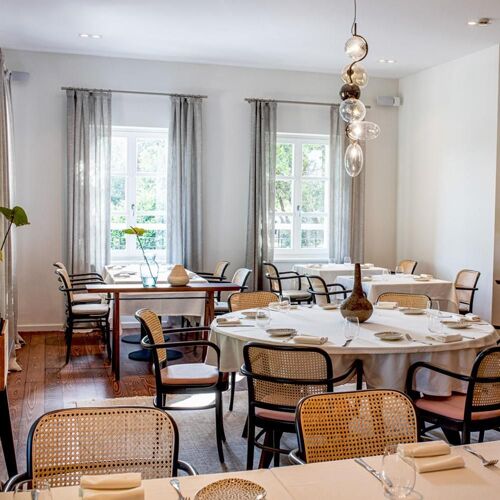
Details
- Romantic
- Rustic
- Scenic
- Cozy
- Intimate
- Date Night
- Special Occasion
- Waterfront
- Terrace
- Local Sourcing
- Waterfront
- Street Scene
- A La Carte
- Vegetarian Friendly
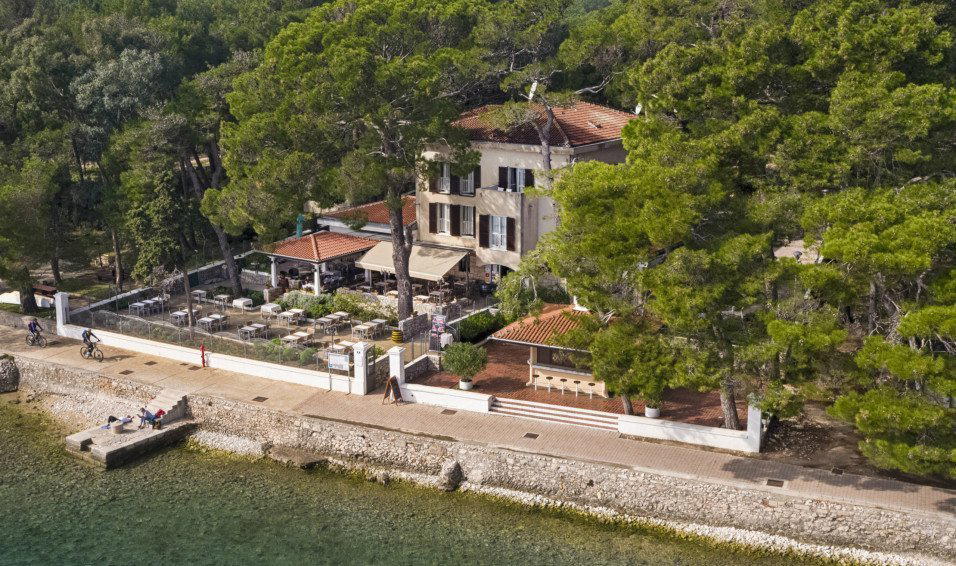
Romantic atmosphere with sea waves, Mediterranean music, mandolins, and lanterns under pine trees.