Konoba Tri Maruna sits in the village of Poljica, inland from the Dalmatian coast, where the konoba tradition means cooking from the land rather than performing for tourists. The kitchen draws on the agricultural hinterland that separates Split's coast from the Dinaric hills, placing it in a different register from the polished harbourside restaurants of the region.
Pearl is the En Primeur Club membership app — saves, bookings, and concierge access live there. Same editors, same standards.
- Address
- 17, Poljica, Croatia
- Phone
- +385958741129
- Directions
- Get directions
 Saves & bookings on Pearl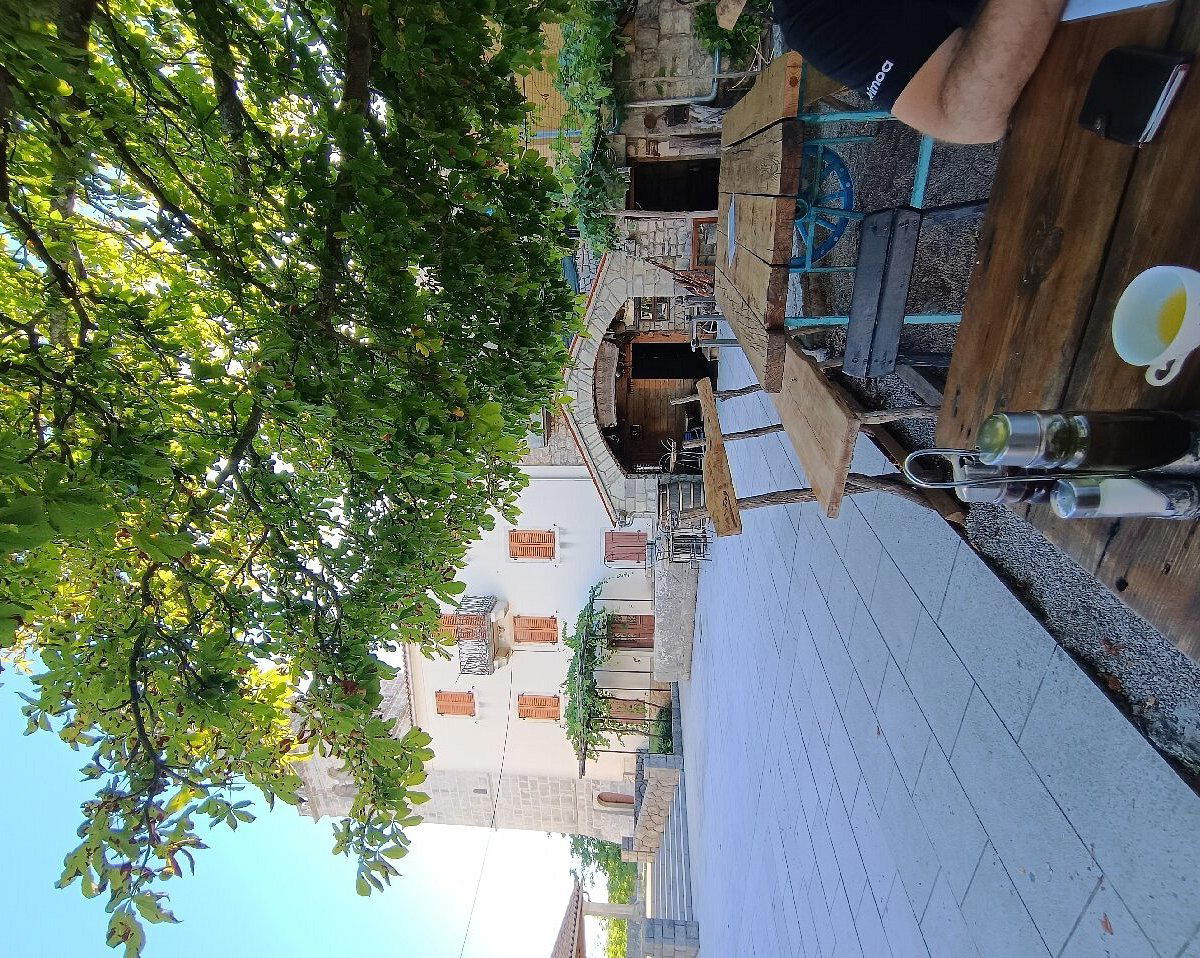
Where the Dalmatian Interior Sets Its Own Terms
The stretch of territory between Split and the Cetina river canyon is one of the least-visited parts of Dalmatia, and that fact shapes everything about eating here. The Poljica municipality sits in a micro-region with its own documented history of self-governance stretching back to medieval statute, and that separateness carries into the food. Konobas in this part of Croatia operate on a different logic from those on the waterfront in Dubrovnik or Šibenik: the sourcing is agricultural rather than maritime, the rhythm is slower, and the relationship between what grows nearby and what arrives on the table is direct in a way that coastal tourist kitchens rarely sustain. Konoba Tri Maruna, at 17, Poljica, Croatia, occupies this context.
The konoba format itself is worth understanding before you arrive. Across Dalmatia, the term has been stretched to cover everything from stripped-back local taverns to well-capitalized restaurants using the word as atmospheric shorthand. In the interior villages, where there is no passing tourist traffic to sustain a performance, the format tends to stay closer to its original meaning: a family-run space, stone-walled or at least stone-adjacent, where the menu is shaped by what the household can source or produce. That proximity to supply is the editorial point. It is not a style choice. It is a structural reality of cooking in a village that does not receive the delivery volumes that coastal operations depend on.
The Ingredient Logic of the Dalmatian Hinterland
Croatia's interior Dalmatia produces a distinct larder. The Poljica area specifically sits at an elevation and distance from the coast that puts it in olive-growing and dry-herb territory, with lamb and goat as the dominant proteins rather than the Adriatic catch that defines menus in Split's harbourside restaurants like Krug in Split. The cooking tradition here runs through peka, the slow-roasting method under a bell-shaped lid buried in embers, and through preparations that have long shelf lives because the supply chain was historically unreliable: cured meats, aged cheeses, dried legumes cooked down with aromatics. These are not menu items added for local colour. They represent a genuine subsistence and agricultural tradition that predates tourism in the region by several centuries.
Olive oil produced in this micro-zone tends toward a grassy, slightly bitter profile that differs from the rounder oils of the islands, a function of both cultivar and altitude. Lamb from the karst interior carries a mineral quality from grazing on sparse, aromatic scrubland that lowland-raised meat does not replicate. For a restaurant whose kitchen draws on this geography, ingredient sourcing is not a marketing position. It is the baseline condition of what ends up on the plate. The contrast with Croatia's more formally recognized dining rooms is sharp: Pelegrini in Šibenik and Restaurant 360 in Dubrovnik each operate at the €€€€ tier with international supply relationships and refined technique applied to Dalmatian ingredients. A konoba in Poljica works in an entirely different register, one where the sourcing radius is measured in kilometres rather than import relationships.
Reading Tri Maruna Against the Croatian Dining Map
Croatia's restaurant scene has split into two clear tiers over the past decade, with visible investment in formal fine-dining in the coastal cities running alongside a quieter preservation of village-format konobas in the interior. The fine-dining tier is well-documented: Michelin has expanded its Croatian coverage, and places like Nebo by Deni Srdoč in Rijeka, Boskinac in Novalja, and Dubravkin Put in Zagreb each represent a conscious modernization of Croatian culinary identity. The village konoba tier is less covered, partly because it does not lend itself to the kind of credential-stacking that drives editorial attention, and partly because finding it requires leaving the itinerary that most visitors follow.
Konoba Tri Maruna sits in the village tier, not the fine-dining tier, and should be evaluated on those terms. The value proposition is access to a cooking tradition that the coastal restaurant circuit does not replicate, not a comparison with Michelin-recognized technique. Readers looking for the progressive Croatian kitchen should look at LD Restaurant in Korčula or Agli Amici Rovinj. Readers looking for the agricultural interior of Dalmatia, where the food reflects actual land use rather than a designed menu narrative, are pointed toward Poljica. For a broader picture of where this fits in the regional eating map, see our full Poljica restaurants guide.
The wider Croatian comparison set includes other places that operate with a strong sense of local sourcing. BioMania Bistro Bol in Bol takes a consciously organic approach on Brač island. Bodulo in Pag grounds its menu in the island's lamb and cheese traditions. Korak in Jastrebarsko works with the agricultural produce of the Zagreb county hinterland. These places share a sourcing logic even when the cooking tradition, geography, and price point differ significantly. The common thread is that the menu reflects where the kitchen is, not where the supply chain reaches.
Planning a Visit to Poljica
Poljica is accessible by road from Split, which sits roughly 20 kilometres to the southwest along the coast. The drive takes visitors through a landscape that shifts quickly from the tourist-facing strip of the Adriatic to an inland agricultural character, which itself provides context for the food. There is no public transport infrastructure serving this route at a useful frequency for visitors, so a car or arranged transfer is the practical reality. Booking ahead is advisable for any visit, particularly in the summer months when even interior Dalmatian restaurants see increased demand from visitors based in Split.
Tri Maruna operates on a different time and planning logic, which is part of the point. For international reference points where ingredient sourcing drives every decision at the other end of the price spectrum, Le Bernardin in New York City and Atomix in New York City represent what deep sourcing commitment looks like when paired with formal fine-dining ambition.
Side-by-Side Snapshot
Comparable venues nearby, for context on price, style, and recognition.
| Venue | Cuisine | Price | Notes |
|---|---|---|---|
| Konoba Tri MarunaThis venue — the venue you are viewing | Traditional Croatian Konoba | $$ | Not listed |
| Konoba Lanterna | Croatian Grill & Seafood | $$ | Mali Losinj |
| Konoba Galiola | Traditional Croatian Seafood | $$ | Liznjan |
| Roko | Traditional Croatian Mediterranean Seafood | $$ | Opatija Center |
| Corto Magarese | Mediterranean | $$ | Vis |
| Konoba Danijeli | Traditional Istrian Mediterranean | $$ | Kringa |
Continue exploring
More in Poljica
Restaurants in Poljica
Browse all →

Bars in Poljica
Browse all →
Hotels in Poljica
Browse all →
At a Glance
- Rustic
- Cozy
- Classic
- Family
- Casual Hangout
- Garden
- Local Sourcing
- Garden
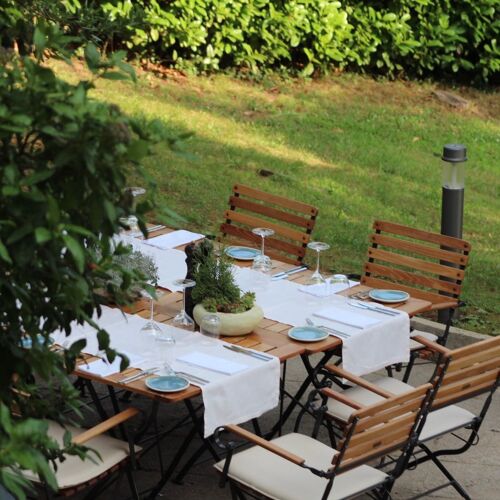
Rustic interior with stone walls, antique ornaments, and simple gravelled garden seating under chestnut trees.