Our verdict
On the island of Cres, in the quiet village of Loznati, Konoba Bukaleta represents the kind of place that survives on local loyalty rather than tourist traffic. The konoba format, Croatia's version of the traditional tavern, anchors the dining to what the island actually produces: lamb from the Tramuntana pastures, seafood from the surrounding Kvarner waters, and olive oil pressed on-island. For travellers willing to leave the ferry terminals behind, it offers a more direct read of Cres than any harbour restaurant.

Pearl is the En Primeur Club membership app, where members save venues, book tables and use the concierge.
The menu
What to order
- Janjetina pod pekom
- Grilled lamb
- Fuži with sage
Where Cres Eats When There Are No Tourists Around
Approaching Loznati from the main road that threads through Cres's interior, the landscape is sparse in the way that genuinely remote Croatian islands tend to be: scrub oak, dry-stone walls, the occasional flock of the island's semi-feral sheep. The village itself is small enough that the konoba registers as a social anchor as much as a dining room. This is not a destination that courts passing trade, and that orientation shapes everything about how the food is sourced and served.
The konoba format matters here as a starting point. Across Dalmatia and the Kvarner archipelago, the word refers to a traditional tavern, typically family-run, typically hyperlocal in its sourcing, and typically indifferent to the kind of theatrical presentation that defines restaurants like Pelegrini in Sibenik or Restaurant 360 in Dubrovnik. The konoba's authority comes from its relationship with what grows, grazes, or swims within a short radius of the kitchen, not from technique deployed on imported ingredients. Bukaleta operates within that tradition.
An Island's Larder: What Cres Actually Produces
Cres is an unusual island by Adriatic standards. It is large, the longest island in Croatia by some measures, and sparsely populated, which means the interior has retained the kind of low-intensity grazing land that produces distinctive meat. The Cres lamb, known locally as creska janjetina, grazes on aromatic hillside herbs and meadow grasses, a diet that gives the meat a flavour profile markedly different from intensively farmed equivalents. This is not a marketing narrative; it is the agricultural reality of an island where there are more sheep than permanent residents in many villages.
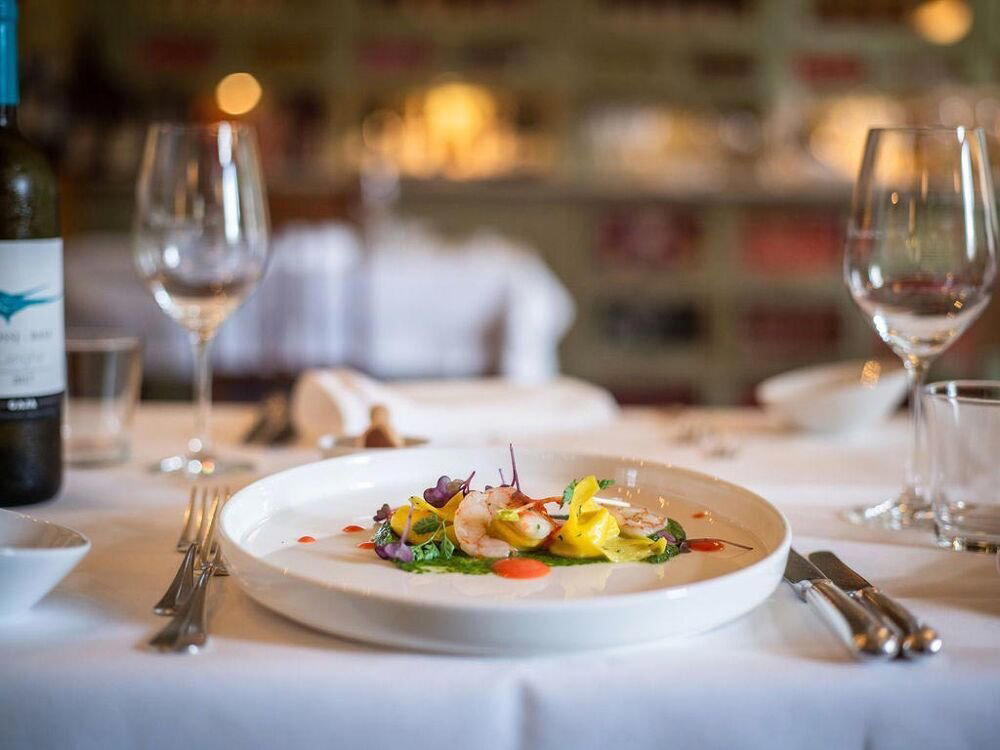
The sea surrounding Cres and the wider Kvarner Gulf adds a second larder. The Kvarner scampi, Nephrops norvegicus caught in the deeper channels between the islands, is one of the most cited Croatian seafood references, and the broader catch from these waters includes sea bass, sea bream, and various shellfish that appear on konoba menus throughout the region. Sourcing from this geography is not a choice that signals premium positioning; it is simply how cooking has worked on these islands for generations. What distinguishes a konoba that does it well is the freshness of the supply chain and the discipline not to overcomplicate what arrives from it.
For comparison, Croatia's coastal dining spectrum runs from the island konoba at one end to Michelin-recognised contemporary restaurants at the other. Places like Agli Amici Rovinj in Rovinj or Alfred Keller in Mali Lošinj, Mali Lošinj being Cres's neighbouring island, connected by a short bridge, represent the latter end of that spectrum. Bukaleta occupies a different position entirely: a format defined by proximity and simplicity rather than creative distance from raw ingredients.
The Setting and the Pace
Loznati sits in the quieter, inland-tilting part of Cres, away from the ferry connection at Merag and the main town to the south. The village's scale means that eating at Bukaleta is an experience calibrated to the local rhythm rather than the tourist calendar. Konobe in small Croatian villages tend to operate seasonally, with hours and capacity shaped by local custom rather than formal policy, a pattern shared by similar establishments across the Kvarner islands and the Dalmatian interior. Visitors planning around Bukaleta should verify current opening arrangements before committing to the drive, particularly outside the June-to-September window when island visitor numbers drop significantly.
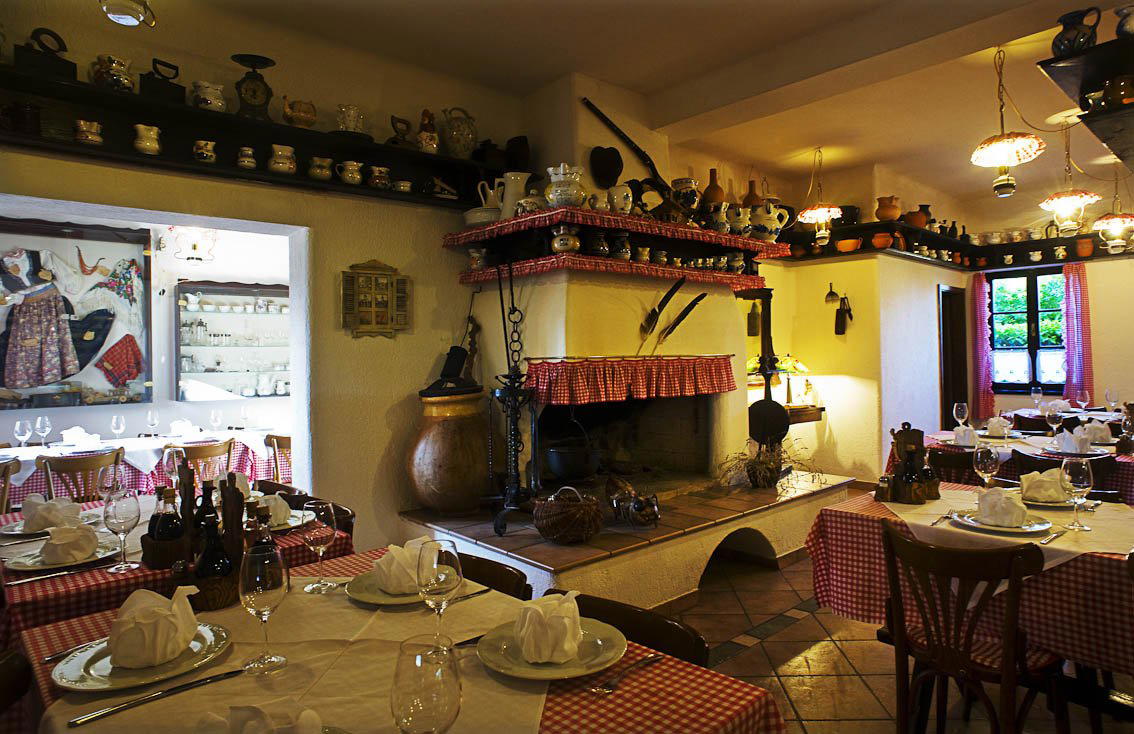
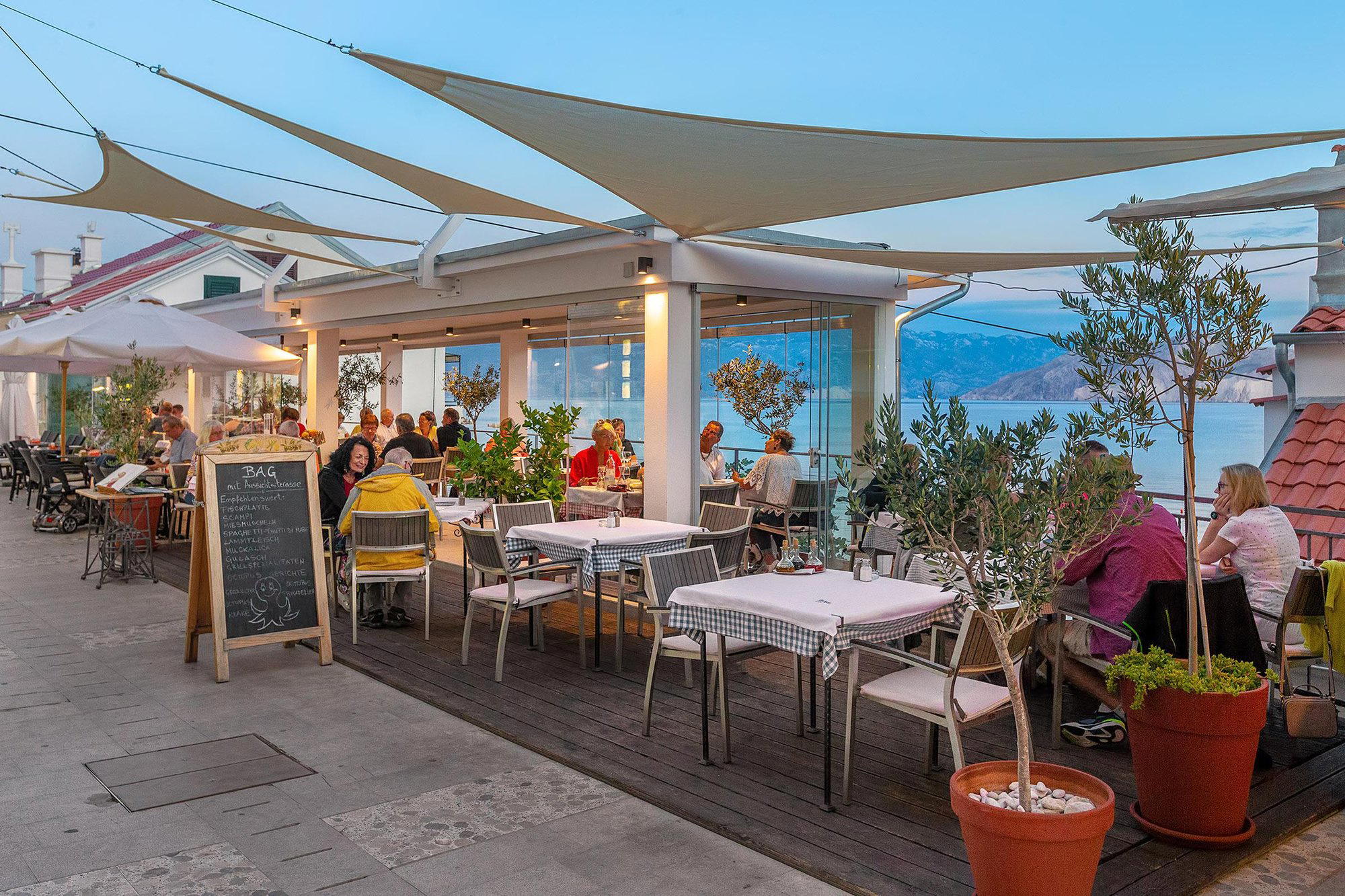
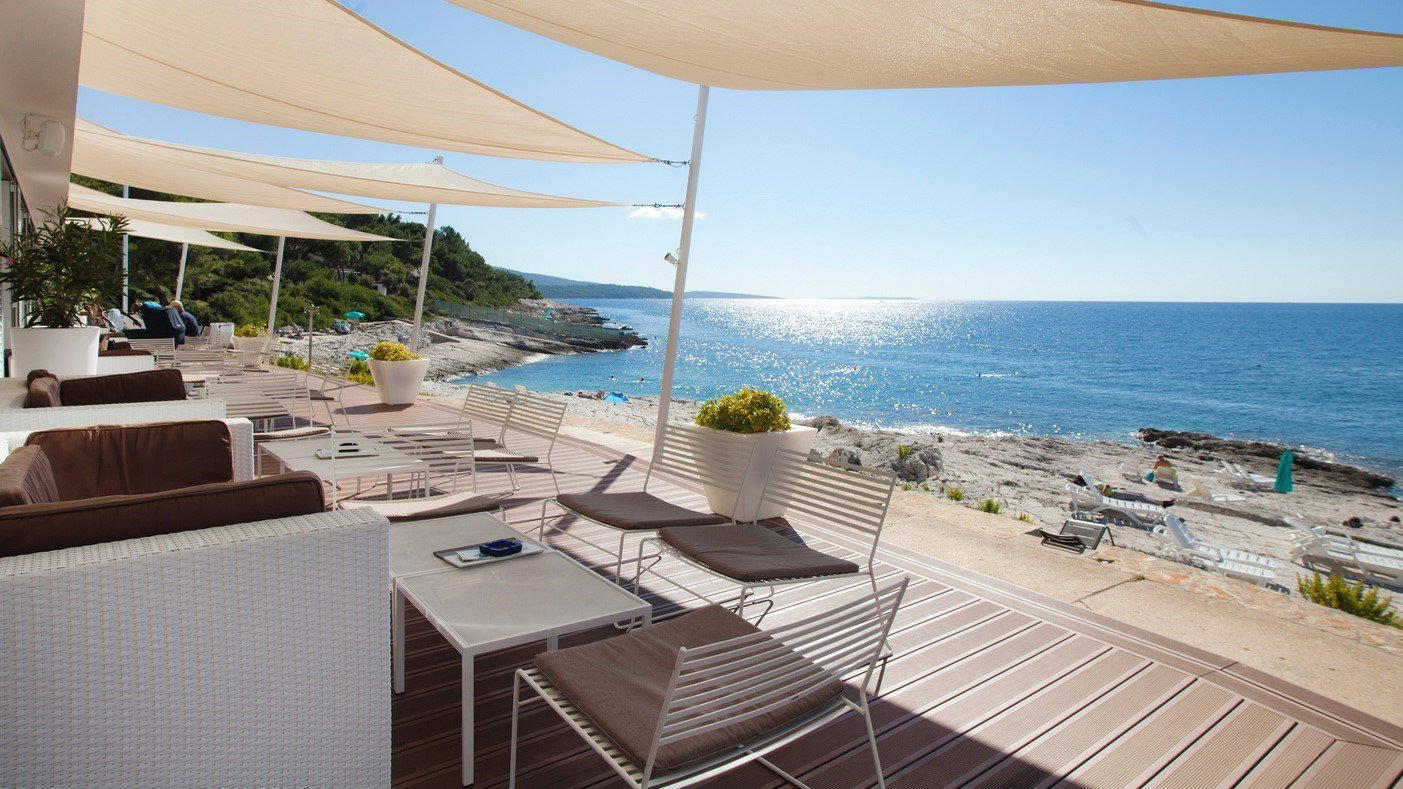
The physical environment of a konoba like this one typically involves stone walls, direct furniture, and a terrace where the cooking does the talking rather than the decor. That aesthetic is consistent across the format, from the island konobi of Brač and Hvar in Dalmatia to the Kvarner examples on Lošinj and Cres. It is a setting designed for prolonged meals eaten slowly, with local wine poured without ceremony. This contrasts with the more polished dining rooms found at Boskinac in Novalja on Pag or Cubo in Opatija on the mainland, both of which operate within a different register of presentation and service.
Placing Bukaleta in the Broader Croatian Scene
Croatia's restaurant conversation has shifted considerably in the past decade. Zagreb now has serious fine dining in the form of places like Dubravkin Put and Korak in Jastrebarsko. The coast has absorbed a new wave of technique-forward cooking, visible at Nebo by Deni Srdoč in Rijeka and Krug in Split. Even island dining has become more self-conscious, as shown by LD Restaurant in Korčula. Against that backdrop, the small-village konoba might seem like it belongs to an earlier era. The counterargument is that it represents a different kind of value: direct access to ingredients that the contemporary Croatian kitchen often processes and reinterprets before serving.
For travellers who have eaten through restaurants like BioMania Bistro Bol in Bol or Bodulo in Pag, where island identity is mediated through a more deliberate culinary lens, a place like Bukaleta represents a shift in register rather than a step down in quality. The sourcing credentials of Cres, its lamb, its olive oil, its access to Kvarner seafood, are not in question. The question is what kind of cooking experience a traveller is seeking. Burin in Crikvenica and Cantilly Garden Restaurant in Samobor both illustrate how Croatian dining can operate with distinct local character without reaching for fine-dining apparatus. Bukaleta belongs to that tradition rather than to the Michelin-facing tier.
For a broader orientation to the island's options, see our full Loznati restaurants guide.
Planning a Visit
Cres is accessible by ferry from Brestova on the Istrian mainland, a crossing of around 15-20 minutes that brings you to Merag on the island's northeast. Loznati is a further drive through the island's interior. Given the village's scale and the konoba's likely operating model, the practical advice is to treat this as a deliberate excursion rather than a casual drop-in: confirm opening hours in advance, go with time to spare, and expect the meal to extend as island meals tend to. The broader Kvarner island circuit, Cres, Lošinj, and the smaller satellites, rewards multi-day exploration over day-trip logistics, and Bukaleta makes more sense within that frame than as a single destination.
Frequently asked questions
Is Konoba Bukaleta a family-friendly restaurant?
Konoba-style establishments in Croatia are by tradition informal, communal spaces where families eat together across generations, and Bukaleta in Loznati fits that mould. The village setting in Cres, away from the busier coastal tourist strips, means the pace is relaxed rather than pressured. That said, specific facilities for children are not documented, so it is worth contacting the venue directly before visiting with young children.
What kind of setting is Konoba Bukaleta?
Bukaleta sits in Loznati, a small inland-tilting village on Cres, one of Croatia's largest and least densely populated islands. The konoba format in this part of the Kvarner region typically means a low-key, unfussy room oriented around local eating rather than tourist hospitality. Loznati itself is reached via the island's interior road, well away from the ferry terminal at Merag and the main town to the south.
How far is Konoba Bukaleta from the Cres ferry terminal, and how do you get there?
Bukaleta is located in Loznati on the island of Cres, which is reached by ferry from Brestova on the Istrian mainland, a crossing of roughly 15 to 20 minutes arriving at Merag. From Merag, Loznati is a short drive south along Cres's interior road. There is no public transport infrastructure documented for this route, so a car or hired vehicle is the practical way to reach the village.
Where do I go for Konoba Bukaleta?
Konoba Bukaleta is located at Loznati, 51557, Cres, Croatia, Loznati.
Side-by-Side Snapshot
Comparable venues nearby, for context on price, style, and recognition.
| Venue | Cuisine | Price | Notes |
|---|---|---|---|
| Konoba BukaletaThis venue (the venue you are viewing) | Traditional Croatian Lamb Konoba | $20–30 | Not listed |
| Konoba Tri Maruna | Traditional Croatian Konoba | $20–30 | Poljica |
| Konoba Riva | Traditional Croatian Seafood | $20–30 | Selce |
| Lucija | Croatian Mediterranean Seafood | $20–30 | Povile |
| Restoran Marina | Mediterranean Seafood | $20–30 | Punat |
| Nada | Traditional Mediterranean Seafood | $20–30 | Vrbnik old town |
Continue exploring
More in Loznati
Restaurants in Loznati
All restaurants in Loznati →

Details
- Rustic
- Cozy
- Scenic
- Family
- Casual Hangout
- Terrace
- Local Sourcing
- Mountain
- A La Carte
- Vegetarian Friendly
Current opening hours
- Monday
- 12–11 PM
- Tuesday
- 12–11 PM
- Wednesday
- 12–11 PM
- Thursday
- 12–11 PM
- Friday
- 12–11 PM
- Saturday
- 12–11 PM
- Sunday
- 12–11 PM
Hours can change for holidays and private events. Hours as of .
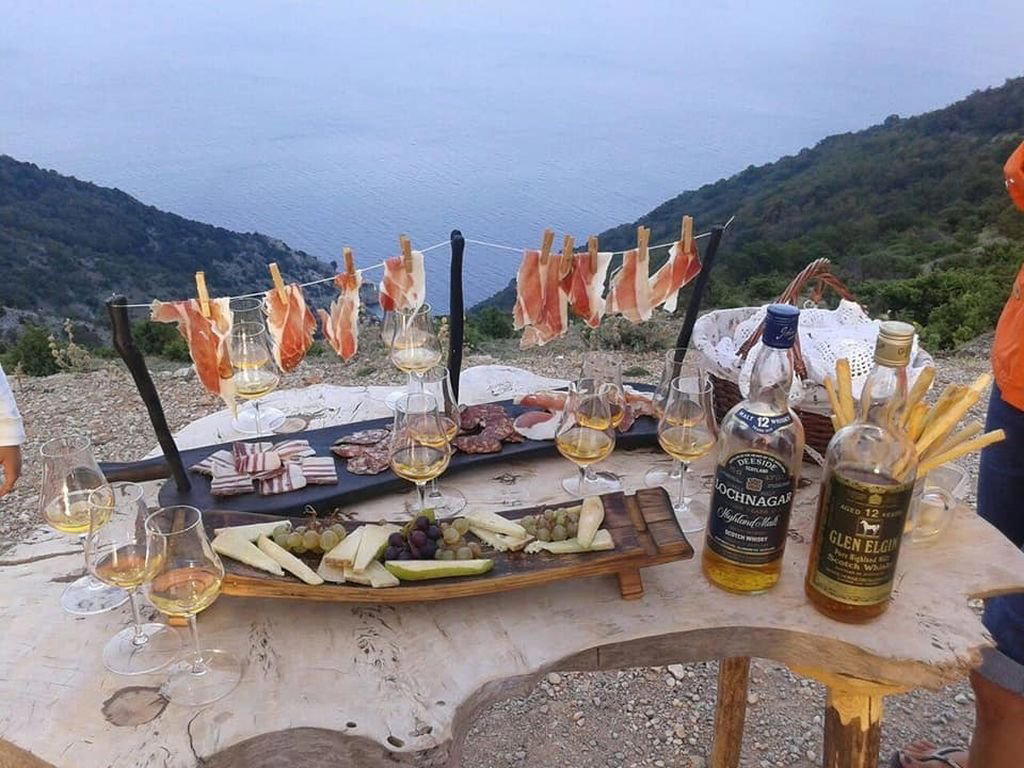
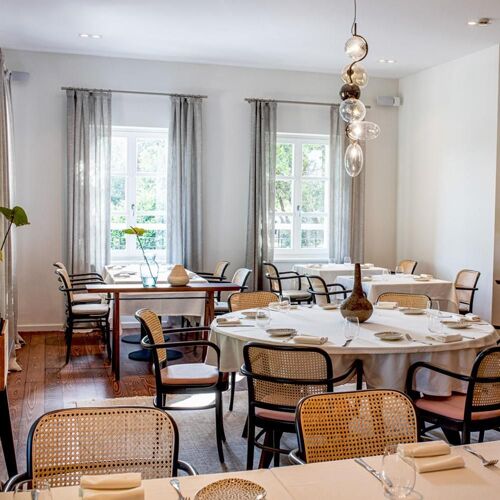
Cozy and calm with a charming terrace offering lush green hilltop views.