
A Michelin Plate recipient in 2024 and 2025, Kaštel brings Mediterranean sharing-table tradition to Zadar's old town at the €€€ price tier. The kitchen draws from Dalmatian coastal produce and the communal meze culture that defines this stretch of the Adriatic.
Pearl is the En Primeur Club membership app — saves, bookings, and concierge access live there. Same editors, same standards.
- Address
- Kaštel, 23103 Zadar, Croatia
- Phone
- +385 23 494 950
- Website
- hotel-bastion.hr
- Directions
- Get directions
 Saves & bookings on Pearl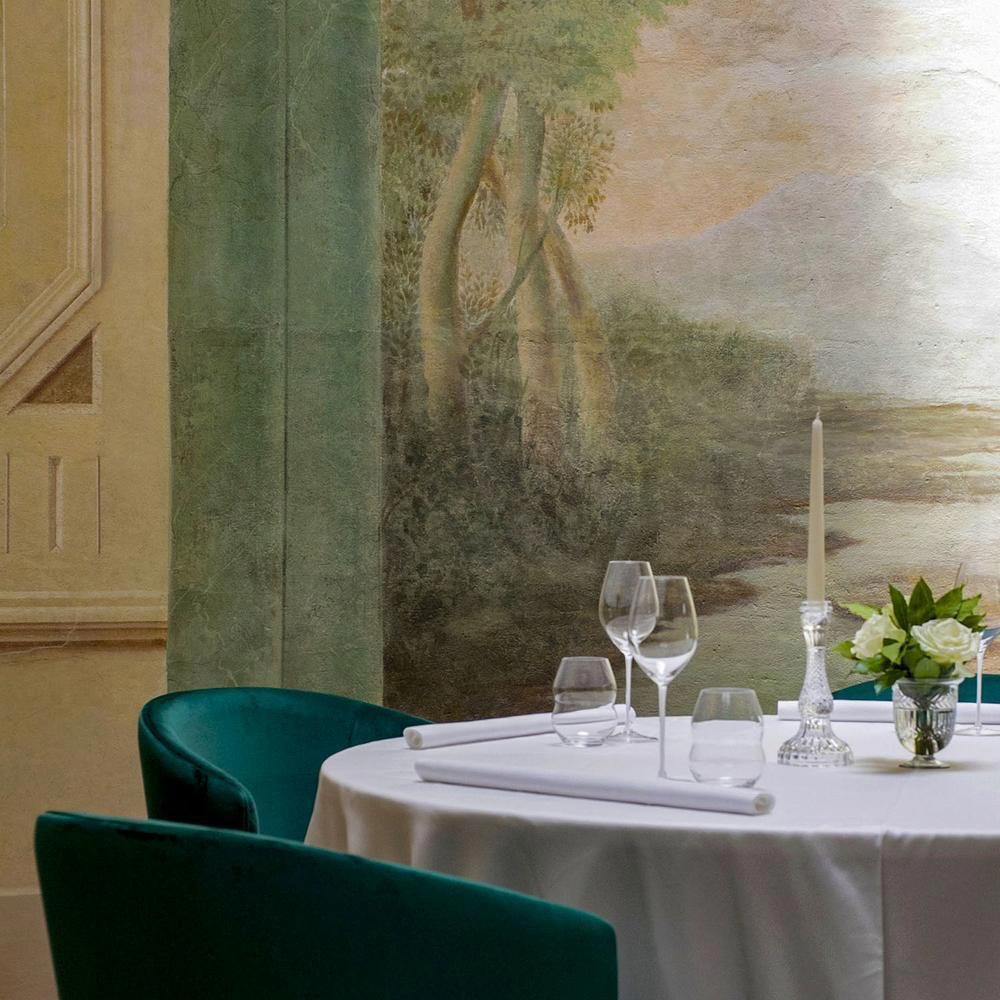
The Old Town Table: Zadar's Meze Tradition at the €€€ Tier
Zadar's old town occupies a narrow Roman peninsula, and the restaurants that operate within its stone walls carry a particular obligation: to the setting, to the Adriatic produce landing minutes away, and to the communal table culture that has defined Dalmatian eating for centuries. The meze tradition here is not a marketing conceit. Small plates of cured fish, slow-cooked legumes, seasonal vegetables dressed in local olive oil, and grilled shellfish have circulated these tables long before the phrase "small plates dining" entered global restaurant vocabulary. Kaštel, holding consecutive Michelin Plate recognition in 2024 and 2025, operates within that tradition rather than against it.
The Michelin Plate designation is a signal worth contextualising. It sits below star level but above the broader field — the Guide's acknowledgment that a kitchen is cooking well and merits attention. In the Croatian Adriatic, that field has become meaningfully competitive. Pelegrini in Šibenik and Restaurant 360 in Dubrovnik operate at the starred tier on the €€€€ price point. Kaštel sits one notch below on both dimensions, which places it as a serious kitchen at a more accessible price — a position that draws regulars and informed visitors in roughly equal measure.
Meze, Sharing, and the Dalmatian Table Logic
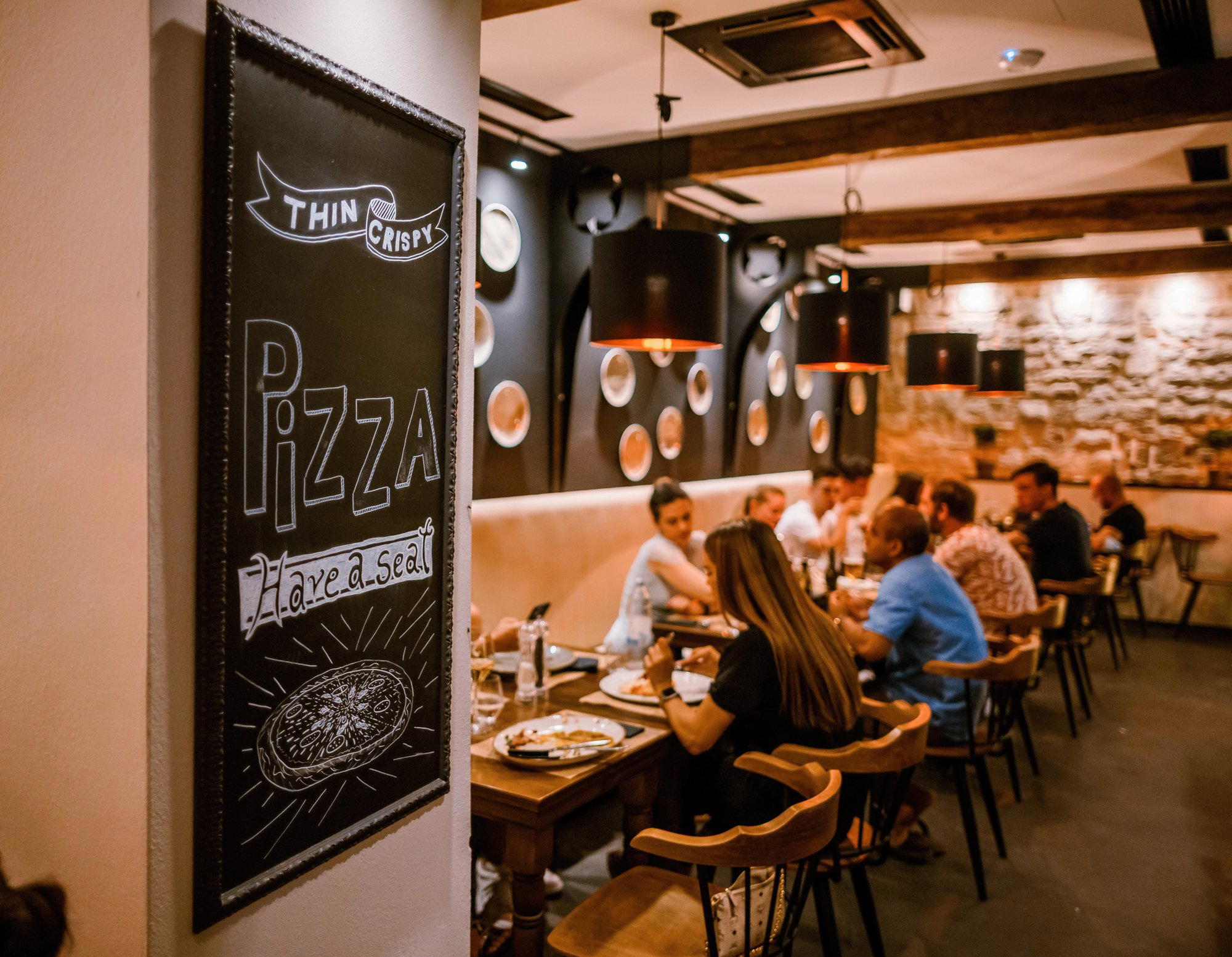
The communal small-plates tradition along the Croatian coast follows a particular logic that differs from, say, Spanish tapas or Greek mezedes in one important respect: the pacing is slower, and the expectation is that a table will spend time rather than turn over. Dishes arrive in waves. The first round is typically cold, preserved fish, marinated vegetables, cheeses from the interior islands, and the table builds from there through warm preparations, grilled proteins, and whatever the kitchen is treating as a centrepiece that evening. It is a format that rewards tables of three or more, where the arithmetic of ordering tilts toward breadth rather than depth.
Mediterranean cuisine at this price tier in Zadar tends to lean on Dalmatian specificity: the olive oils from the Pag and Ugljan hinterland, shellfish from the Novigrad Sea, and the lamb that has grazed the karst above the coastline. These are not interchangeable ingredients with generic Mediterranean produce, and the restaurants that treat them as such quickly become visible as generic. Kaštel's Michelin recognition across two consecutive years suggests the kitchen is doing something more considered than assembling photogenic plates from catalogue suppliers.
For context within Zadar's dining tier, Foša operates on the classic Croatian side at the same €€€ price point, with a waterfront setting inside the old Roman gate. The two restaurants occupy different editorial registers, Foša reads as classic Croatian, Kaštel as Mediterranean with a broader Adriatic frame, but both sit in what is now a credible mid-premium tier in a city that, ten years ago, was largely an afterthought for serious regional dining.
Zadar in the Wider Croatian Dining Frame
Croatia's restaurant scene has organised itself into a recognisable hierarchy over the past decade. At the leading sit the starred restaurants: Agli Amici Rovinj in Istria with two stars, alongside Nebo by Deni Srdoč in Rijeka, Alfred Keller in Mali Lošinj, and Boskinac in Novalja. Below that, a growing cohort of Plate-level kitchens is doing the structural work of building the country's culinary reputation from the middle, city by city.
Zadar has the geographic argument for this: it sits at the centre of the Dalmatian coast, with direct access to the Kornati archipelago and the karst interior, a daily fish market that supplies the peninsula restaurants directly, and a growing international visitor base that expects something beyond grilled fish and chips. Kaštel's consecutive Plate recognitions place it as one of the anchors of that argument in this city.
Elsewhere in Croatia, the Plate tier includes Krug in Split, LD Restaurant in Korčula, Korak in Jastrebarsko, and Dubravkin Put in Zagreb. Within that peer group, Kaštel represents the Zadar contribution to what is becoming a distributed national dining identity, no longer concentrated in Dubrovnik and Zagreb alone.
The Mediterranean classification also connects Kaštel to a broader European conversation. Restaurants like La Brezza in Ascona and Arnaud Donckele and Maxime Frédéric at Louis Vuitton in Saint-Tropez show the range of what Mediterranean cuisine means at different price and ambition points. Kaštel's position is grounded and specific: it is not aspirational to those categories, but it takes the same coastal pantry seriously at its own scale.
Planning a Meal at Kaštel
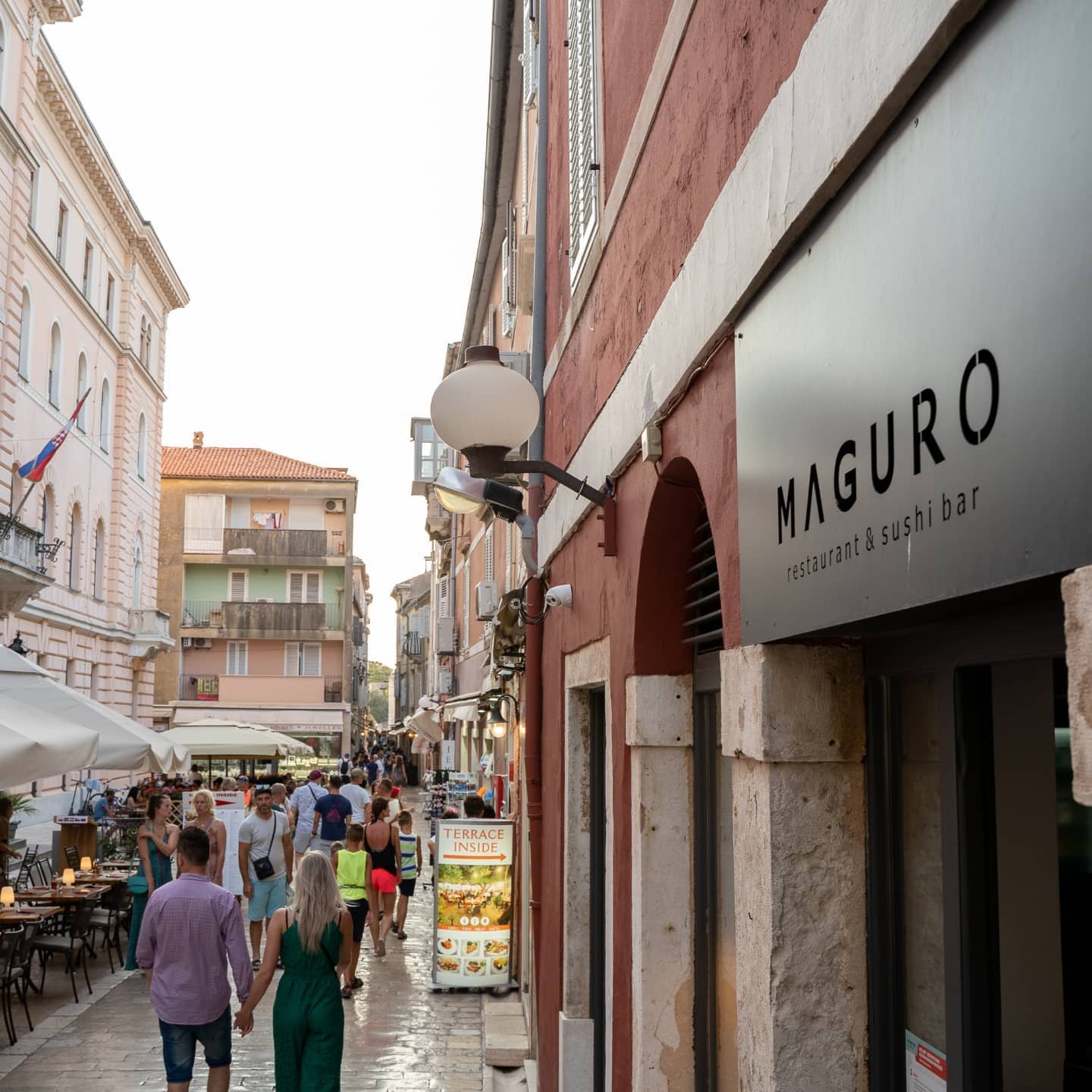
Kaštel sits within Zadar's old town, which means access on foot from the main pedestrian zones of the peninsula. The €€€ price positioning makes this a mid-premium spend, expect to pay meaningfully more than a waterfront konoba but less than the starred tier operating along the coast. For a table planning the meze approach, ordering in rounds and allowing time between them is both the culturally correct way to eat here and the practical one, given the format Mediterranean kitchens in this bracket typically run.
Booking in advance is advisable during the summer months, when Zadar operates at high tourist capacity and the better old-town restaurants fill several days out. Shoulder season, late April through June, and September into October, offers more flexibility at the table and, typically, produce at its most considered moment in the Dalmatian calendar: spring vegetables before the summer heat, early autumn fish runs before the season closes.
For visitors building a wider Zadar itinerary, EP Club's guides cover the full picture: our full Zadar restaurants guide, our full Zadar hotels guide, our full Zadar bars guide, our full Zadar wineries guide, and our full Zadar experiences guide.
Pricing, Compared
| Venue | Cuisine | Price | Awards |
|---|---|---|---|
| KaštelThis venue — the venue you are viewing | Mediterranean Cuisine | €€€ | Michelin Plate (2025); Michelin Plate (2024) |
| Pelegrini | Mediterranean, Modern Cuisine | €€€€ | Michelin 1 Star |
| Restaurant 360 | International, Modern Cuisine | €€€€ | Michelin 1 Star |
| Foša | Not listed | €€€ | Croatian, Classic Cuisine, €€€ |
| Nautika | Not listed | €€€€ | Modern European, Classic Cuisine, €€€€ |
| Agli Amici Rovinj | Italian Contemporary | €€€€ | Michelin 2 Star |
Recognition history
Dated appearances from independent guides and award organizations, with the underlying list record or original source where available.
Michelin Plate
Michelin
Michelin Plate
Michelin
Continue exploring
More in Zadar
Restaurants in Zadar
Browse all →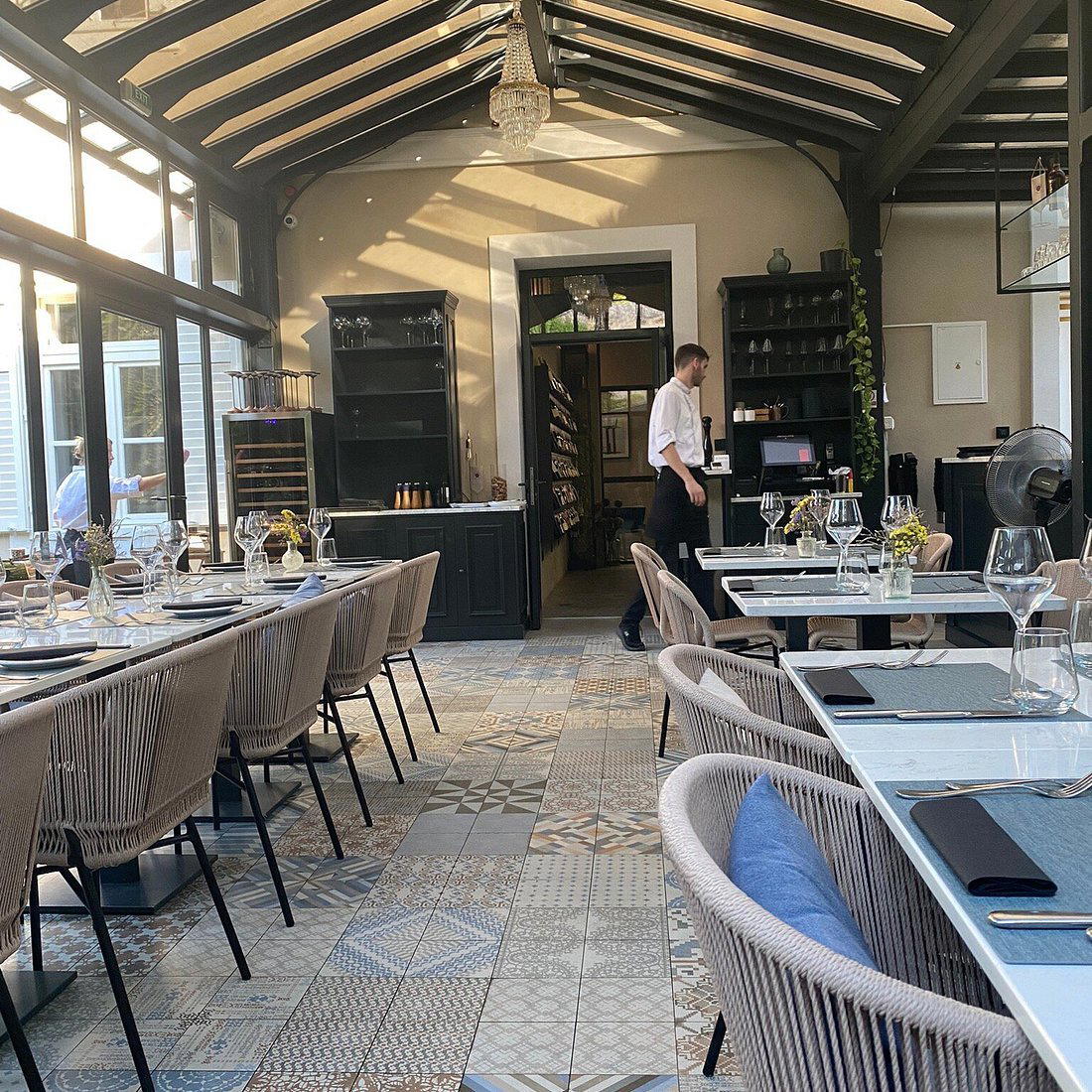
Bars in Zadar
Browse all →
Hotels in Zadar
Browse all →
Wineries in Zadar
Browse all →
At a Glance
- Elegant
- Intimate
- Romantic
- Scenic
- Date Night
- Special Occasion
- Terrace
- Historic Building
- Waterfront
- Extensive Wine List
- Local Sourcing
- Waterfront
- Street Scene
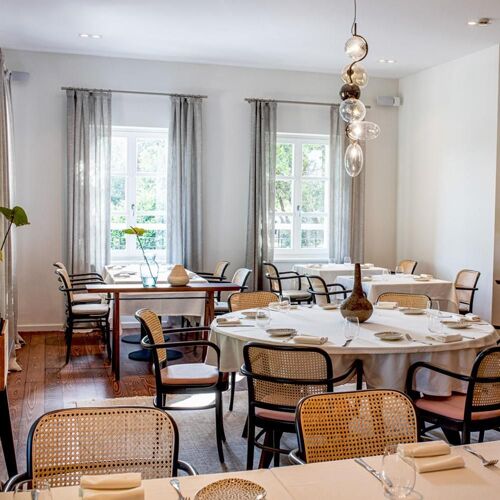
Intimate and elegant setting within historic stone walls, romantic terrace overlooking the harbor with warm, attentive service.
Know Before You Go
- Getting there
- Kaštel, 23103 Zadar, Croatia