
Michelin Plate recipient in both 2024 and 2025, Luciano sits outside Buje's old town walls on a quiet road through the Istrian hills, serving Mediterranean cuisine at the €€€ tier. The kitchen draws on the coastal and agricultural traditions that define northern Istria's food culture, placing it among the more formally recognized dining options in a region better known for informal konoba dining.4 across nearly 400 reviews confirms steady, repeated approval from a mixed local and international clientele.
Pearl is the En Primeur Club membership app — saves, bookings, and concierge access live there. Same editors, same standards.
- Address
- Mužolini Donji 7, 52460, Buje, Croatia
- Phone
- +385 1 7776 515
- Website
- san-canzian.com
- Directions
- Get directions
 Saves & bookings on Pearl
Dining in the Istrian Hills: What Luciano Represents
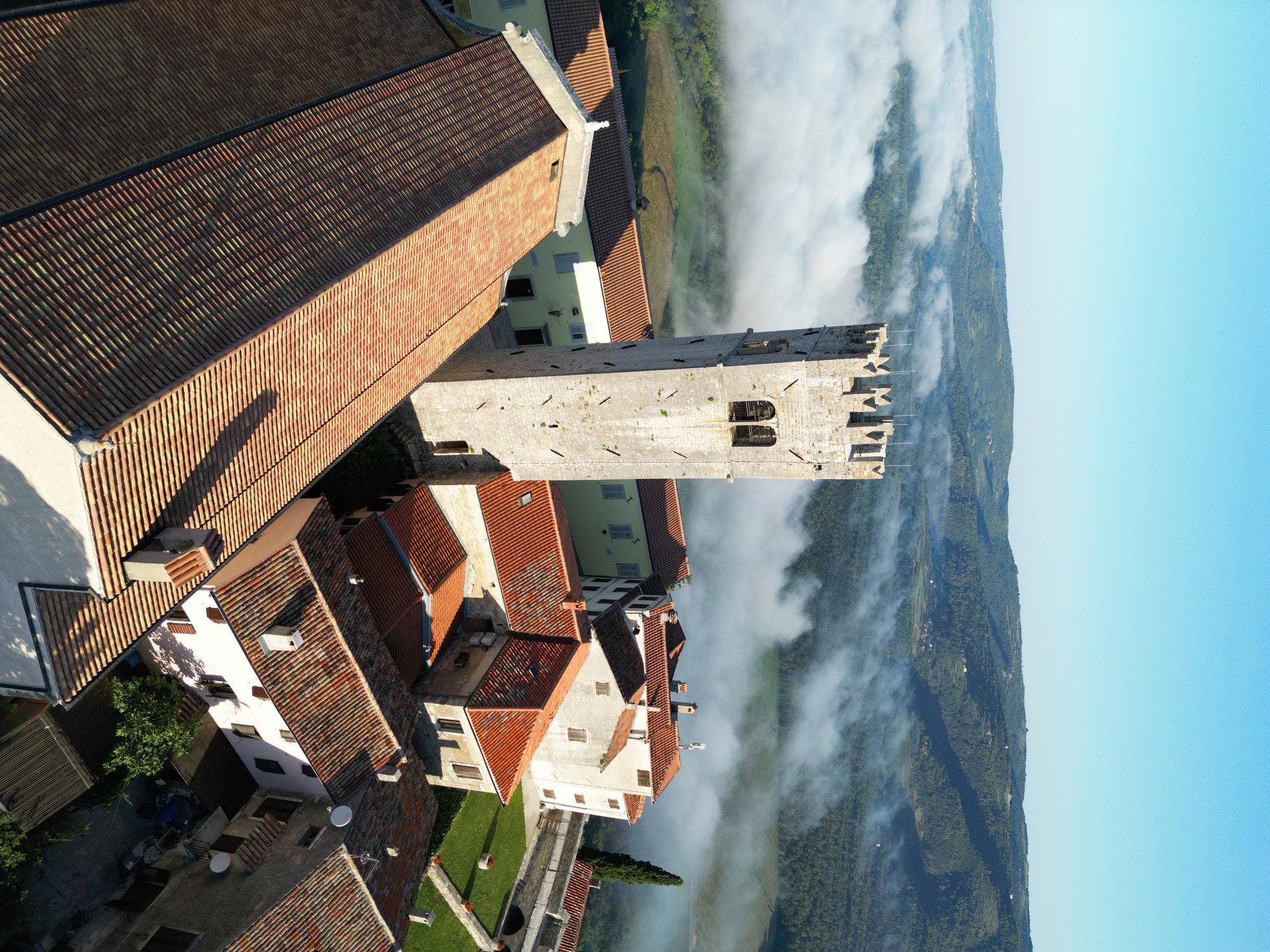
Northern Istria occupies a particular position in Croatia's dining hierarchy. The peninsula's interior has long been overshadowed by coastal resort dining, where seafood-forward menus and sea-view terraces set the commercial tone. Yet the hill towns above Poreč and Umag have been developing a quieter, more agricultural dining identity, one grounded in truffle, wild herbs, cured meats, and the limestone-influenced wines of the Buje appellation. Luciano, located along a country road at Mužolini Donji on the edge of the Buje municipality, operates inside that tradition rather than against it. Its consecutive Michelin Plate recognitions in 2024 and 2025 confirm that the kitchen meets a defined standard of quality, even if it has not yet crossed into starred territory. Luciano occupies a defined place in the local dining scene.
The Physical Setting and What It Signals
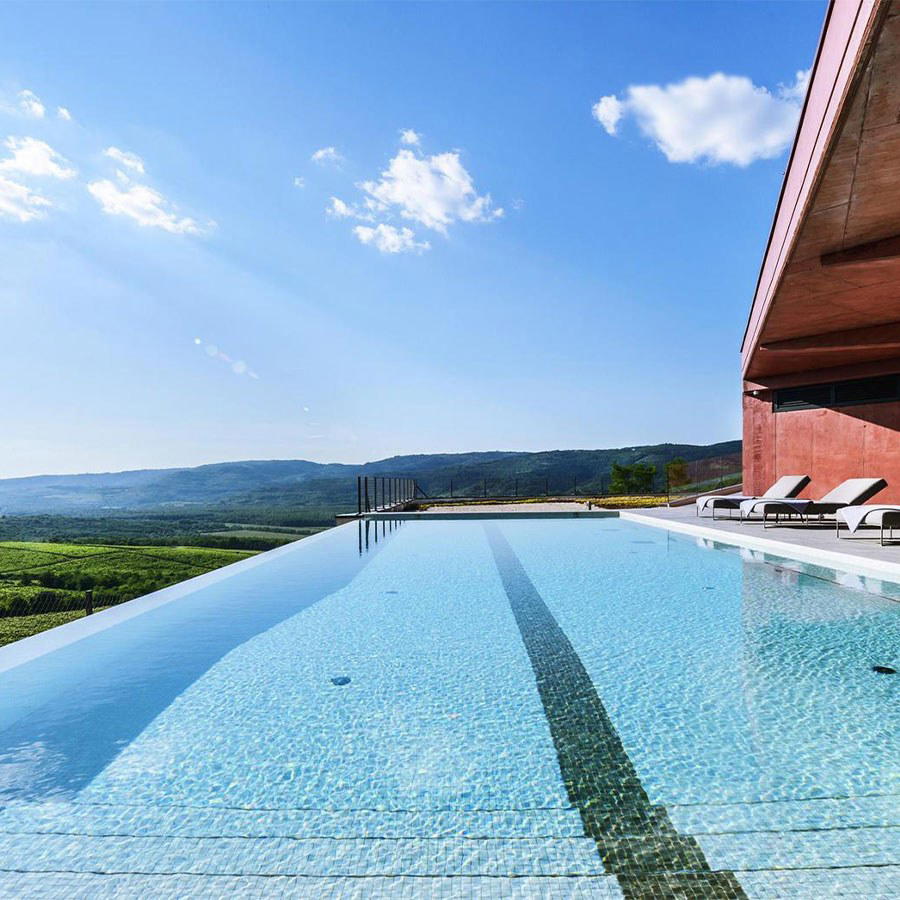
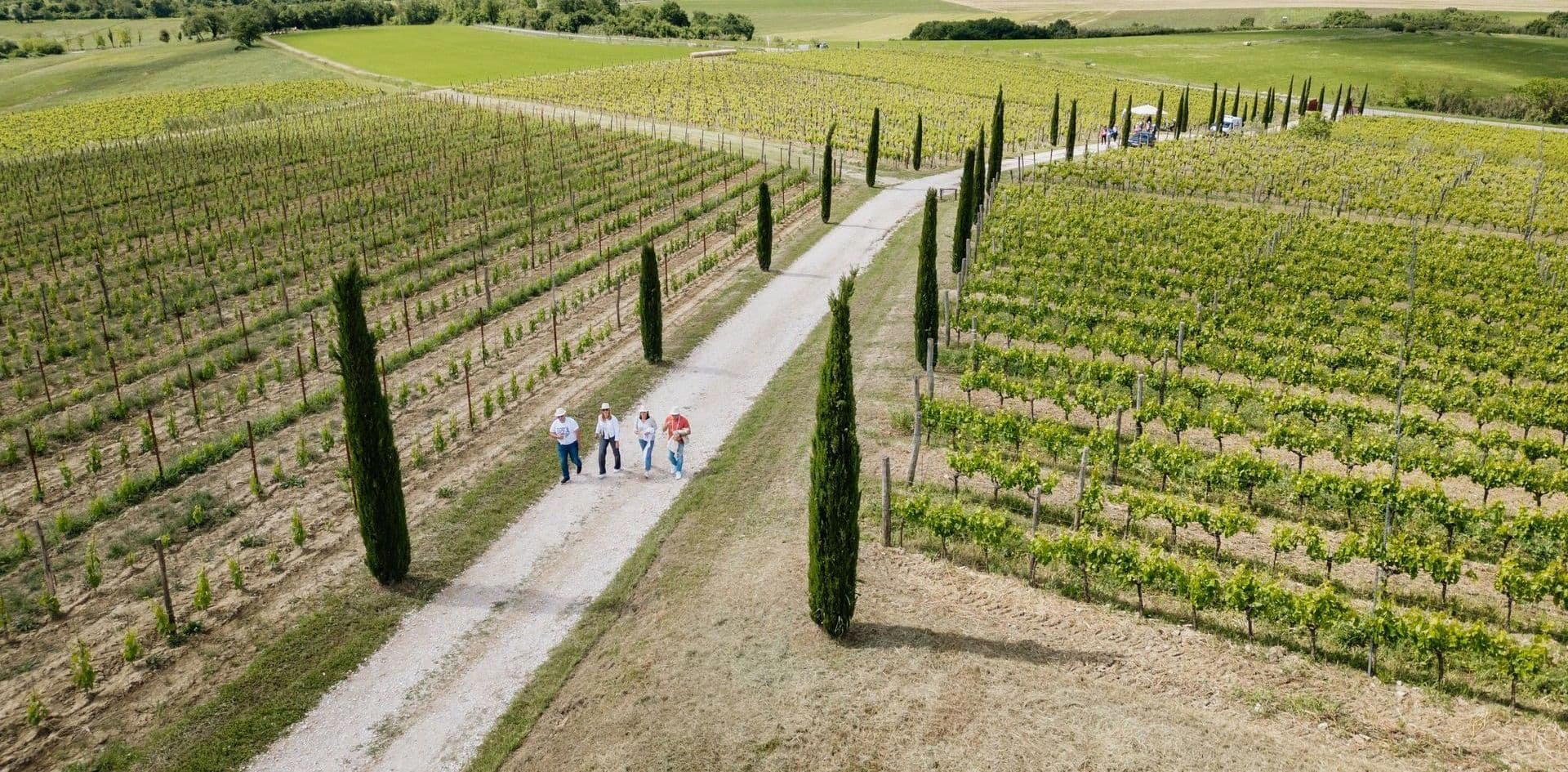
Arriving at an address like Mužolini Donji 7 means leaving the tourist infrastructure of the Istrian coast behind. The road narrows, the signage thins out, and the surrounding land shifts to vineyard and olive grove. This kind of rural address is common among Istria's better-regarded dining destinations: the region's food culture has always been tied to producers and estates rather than town squares, and restaurants positioned close to those sources carry an implicit argument about provenance. The setting does not perform rusticity for visitors. It reflects the actual agricultural geography of the Buje area, where the same soil that produces Malvazija and Teran grapes also supports the herbs, vegetables, and livestock that end up on the plate.
Mediterranean Cuisine Through the Communal Table Lens
The Mediterranean sharing tradition has two distinct expressions in Croatia. Along the Dalmatian coast, the meze influence arrives via historical Ottoman and Venetian trading routes: small plates of cured fish, pickled vegetables, and soft cheeses preceding grilled whole catch. In Istria, the influence is more Continental, shaped by proximity to Friuli and the Venetian hinterland, where cured meats, fresh pasta, and braised preparations carry as much weight as anything from the sea. Luciano's Mediterranean cuisine framing sits across both traditions without being confined to either. At the €€€ price tier, the format typically involves a structured meal rather than pure sharing plates, but the communal logic of the Mediterranean table, the expectation that food arrives at an unhurried pace and is distributed across the table, applies regardless of format.
This matters for how you approach the meal. Istrian dining at this level rewards patience. Ordering broadly across the menu and sharing between the table extracts more from the kitchen than working through individual courses in isolation. Dishes built around truffle, funghi, and aged cheese tend to function as pivots between courses rather than anchors, a structural logic that mirrors the meze approach even when the portion sizes are more European in scale. For context on how Mediterranean cuisine operates at comparable price tiers elsewhere in Croatia, Krug in Split and LD Restaurant in Korčula offer useful reference points, both working the same register of regional produce with formal technique.
Where Luciano Sits in Croatia's Michelin Cohort
Croatia's Michelin coverage has expanded steadily over the past several years, with the guide now recognizing venues across Dubrovnik, Split, Rovinj, Rijeka, Zagreb, and the island interiors. The Michelin Plate designation, awarded to Luciano in both 2024 and 2025, sits below the star tiers but above the Bib Gourmand category. It signals a kitchen cooking at a competent, consistent level with good ingredients, without the tasting-menu ambition or experimental vocabulary that drives starred recognition. This is the honest middle ground of Croatian fine dining: technically sound, ingredient-led, and anchored to regional identity rather than international trend-chasing.
For comparison, Pelegrini in Šibenik operates at the starred level and €€€€ pricing, while Agli Amici Rovinj occupies the Italian-contemporary end of the Istrian market at a higher price tier. Nebo by Deni Srdoč in Rijeka and Restaurant 360 in Dubrovnik represent the country's most high-profile coastal dining addresses. Luciano at €€€ in a rural hill-town setting is a different proposition: more accessible financially, more intimate in scale, and grounded in an agricultural context that larger urban restaurants can reference but cannot replicate. Alfred Keller in Mali Lošinj, Boskinac in Novalja, Dubravkin Put in Zagreb, and Korak in Jastrebarsko each occupy comparable positions in their own regions: recognized, regionally embedded, and outside the headline coastal circuit.
Within the immediate Buje area, Konoba Malo Selo represents the informal end of the local dining spectrum, anchored in the konoba tradition of wood-fire cooking and direct produce sourcing. The two addresses serve different moods rather than competing for the same diner.
The Broader Mediterranean Reference
For readers who follow Mediterranean cuisine across the European coastline, Luciano operates in a different register from destination addresses like Arnaud Donckele & Maxime Frédéric at Louis Vuitton in Saint-Tropez or La Brezza in Ascona. The shared thread is the Mediterranean culinary vocabulary: olive oil as a structural ingredient, acid-forward seasoning, vegetables treated as principals rather than supporting cast. In Istria, that vocabulary gains a Central European inflection through pasta, cured pork, and foraged ingredients, producing something that is unmistakably regional rather than generically coastal.
Planning Your Visit
Buje sits in the far northwest of Istria, roughly 30 kilometres from Poreč and close to the Slovenian border. Most visitors staying on the Poreč or Umag coastline can reach Mužolini Donji by car in under 40 minutes. The rural address means there is no public transport option worth considering. Luciano's €€€ pricing places it in the mid-to-upper range for Croatian dining outside the starred tier, broadly comparable to a serious lunch or dinner in Zagreb's better restaurants. The region's tourism season peaks sharply in late summer, and smaller recognized restaurants fill quickly.
What to Order at Luciano
What should I eat at Luciano?
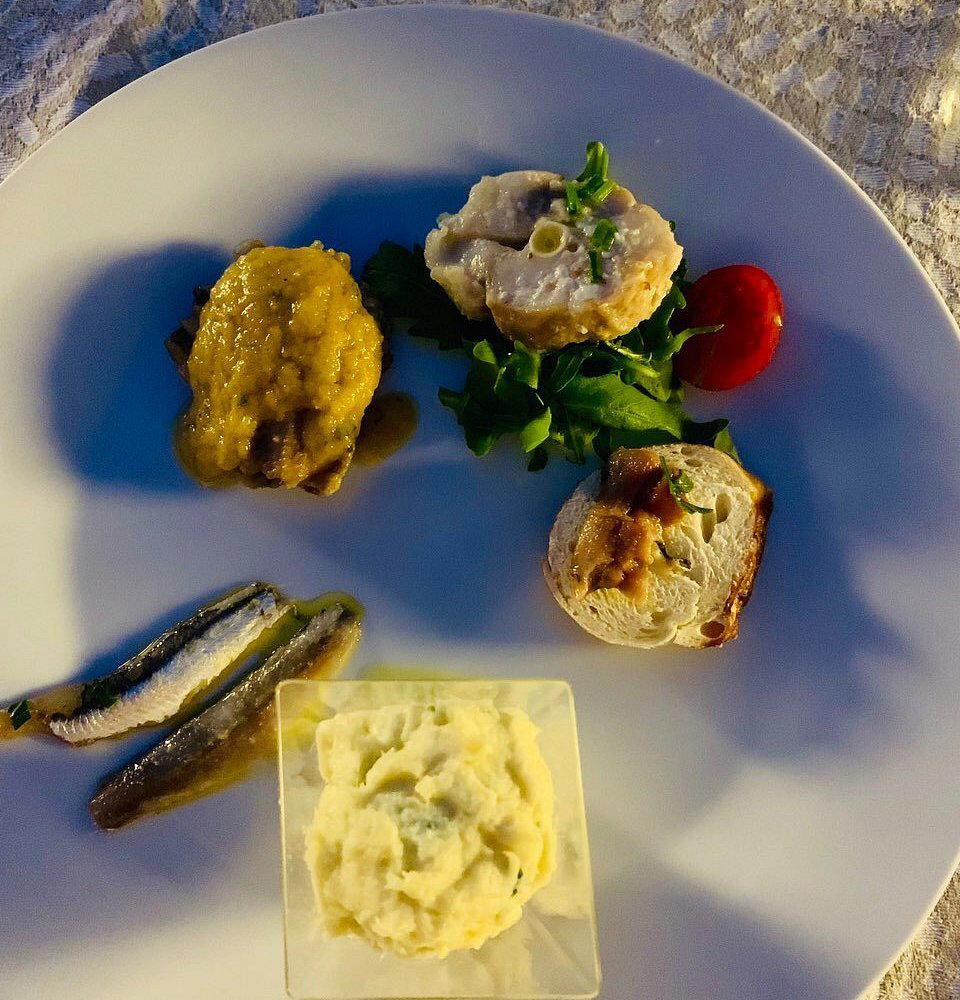
Luciano holds Michelin Plate recognition for 2024 and 2025, and serves ingredient-led Mediterranean cooking with a regional Istrian character. The cuisine type is Mediterranean, and the geographical setting, surrounded by truffle-producing woodlands, olive groves, and the vineyards of the Buje wine zone, gives a clear signal about the kitchen's likely larder. In practical terms, this means ordering broadly across the menu and allowing the meal to develop as a shared table experience rather than working through individual portions. Dishes that draw on Istrian truffle, local seafood sourced from the northern Adriatic, and the cured and braised preparations that reflect the region's continental-Mediterranean crossover are one coherent expression of what this kitchen is positioned to do. Pairing with local Malvazija Istarska, which has developed significant critical recognition over the past decade as a structured white wine rather than a simple summer pour, completes the regional logic of the meal.
Price and Positioning
Comparable venues nearby, for context on price, style, and recognition.
| Venue | Cuisine | Price | Awards | Notes |
|---|---|---|---|---|
| LucianoThis venue — the venue you are viewing | Buje, Modern Istrian | $$$$ | Michelin Plate | Not listed |
| Konoba Malo Selo | Kaldanija, Authentic Istrian Grill | $$ | Bib Gourmand | Not listed |
| Rino | Momjan, Traditional Istrian | $$ | Not listed | Not listed |
| Stara škola | Not listed | $$$ | Not listed | Krasica, Buje, Contemporary Istrian & Mediterranean |
| San Servolo Steakhouse | Buje, Istrian Steakhouse | $$$ | Not listed | Not listed |
| Spinnaker | Not listed | $$$$ | Michelin Plate | Poreč waterfront, Creative Mediterranean Fine Dining |
Recognition history
Dated appearances from independent guides and award organizations, with the underlying list record or original source where available.
Michelin Plate
Michelin · 2026 Michelin Plate
Michelin Plate
Michelin
Michelin Plate
Michelin
Continue exploring
More in Buje
Restaurants in Buje
Browse all →
Bars in Buje
Browse all →

Hotels in Buje
Browse all →
At a Glance
- Romantic
- Intimate
- Elegant
- Rustic
- Sophisticated
- Date Night
- Special Occasion
- Open Kitchen
- Extensive Wine List
- Local Sourcing
- Vineyard
- Garden
Welcoming and intimate with fine views of the surrounding countryside, featuring pleasant and detailed furnishings.