A konoba in the traditional Dalmatian mould, Konoba kod Guste sits on Rudina street in Sukošan, the kind of address that rewards travellers willing to look beyond the marina restaurants. The cooking here is grounded in the seasonal, locally sourced ingredients that define the northern Dalmatian interior — grilled fish, slow-braised meat, garden vegetables — served without ceremony in a setting that feels genuinely rooted in the community it feeds.
Pearl is the En Primeur Club membership app — saves, bookings, and concierge access live there. Same editors, same standards.
- Address
- Rudina 10, 23206, Sukošan, Croatia
- Phone
- +38523393303
- Website
- konoba-kod-guste.com
- Directions
- Get directions
 Saves & bookings on Pearl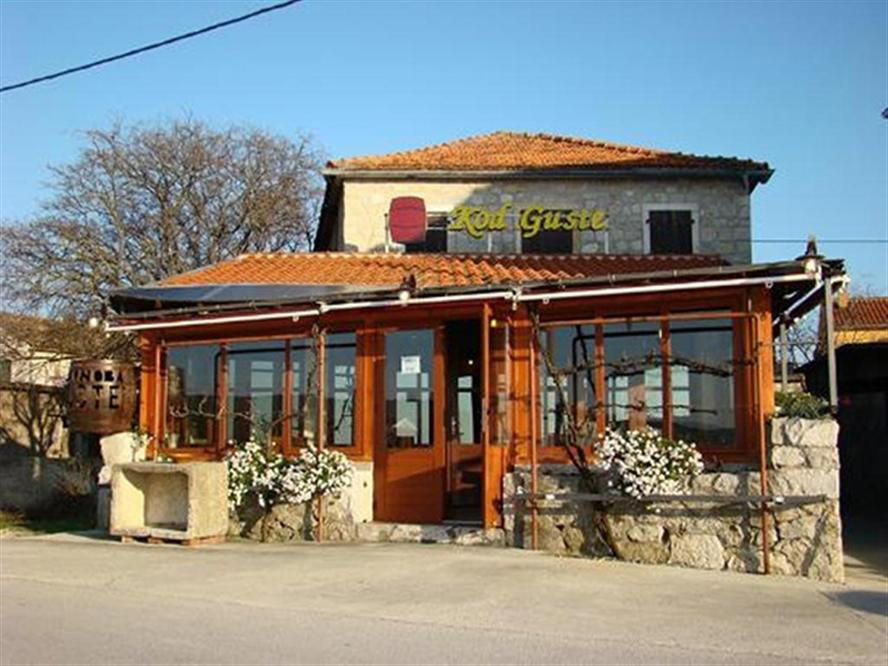
Sukošan and the Konoba Tradition
The Dalmatian coast has two distinct dining registers: the waterfront restaurants angled toward summer visitors, and the konoba — a word that carries no precise English equivalent, somewhere between tavern, farmhouse kitchen, and neighbourhood dining room. The konoba tradition is older than tourism on this coastline, rooted in the practical logic of feeding families and fishermen from what the land and sea produced that day. Sukošan, a small settlement south of Zadar along the coast of the Pašman Channel, has largely escaped the overhaul that reshaped the larger resort towns, and the dining scene here reflects that. Konoba kod Guste, at Rudina 10, operates within that older register.
To understand what a place like this represents, it helps to set it against the wider Croatian dining spectrum. At one end, Michelin-recognised addresses like Pelegrini in Sibenik or Restaurant 360 in Dubrovnik apply modern technique to Adriatic produce, presenting regional ingredients through a fine-dining framework. At the other, the konoba format eschews tasting menus and architectural plating for direct cooking — fish grilled over charcoal, lamb slow-roasted under a peka, vegetables dressed with local olive oil, where the quality of sourcing does the work that technique does elsewhere.
Where the Ingredients Come From
The northern Dalmatian hinterland around Zadar is among the more varied agricultural zones on the eastern Adriatic. The coastline produces shellfish and white fish from clean, relatively shallow waters; the islands and inland valleys contribute lamb, pork, fresh cheese, and wild herbs; and the olive groves of the region yield oils with a distinctive grassy sharpness that differs from those produced further south. A konoba drawing on this geography has genuine material to work with, and the discipline of the format, small menu, daily sourcing, no freezer dependence, tends to either expose or confirm the quality of that supply chain quickly.
In Sukošan specifically, proximity to the Zadar fish market and the agricultural activity of the Ravni Kotari plain to the east gives local kitchens access to produce that doesn't travel far before it reaches the table. This is the sourcing logic that underpins the konoba at its most functional: not farm-to-table as a marketing frame, but as a structural feature of how small Dalmatian kitchens have always operated. For comparison, larger Croatian dining destinations like Boskinac in Novalja or Alfred Keller in Mali Lošinj have formalised this local-sourcing emphasis into defined tasting programs; the konoba format at places like Kod Guste operates the same principle without the formal apparatus.
The Setting and What to Expect
Konoba kod Guste sits on Rudina, a residential street rather than a promenade address, which signals immediately that this is not a tourist-facing operation in the conventional sense. Dalmatian konobe of this type typically organise around a shaded terrace in summer, with an interior that serves the colder months, stone walls, heavy wooden furniture, and a general absence of designed atmosphere in favour of functional comfort. The cooking tends toward shared plates and generous portions rather than the restrained presentations of higher-price-tier Croatian restaurants such as Agli Amici Rovinj or Nebo by Deni Srdoč in Rijeka.
Sukošan as a whole draws a mix of long-stay Croatian regulars and marina visitors from the nearby ACI Marina, one of the busier Adriatic berthing points on the Zadar Riviera. The konoba format serves both without adjusting its register for either, a consistency that is itself a form of integrity in a coastal dining market that often bends sharply toward seasonal visitor preference.
Travellers planning a visit to Sukošan's dining scene can also consider Konoba Griblja and Matanovi dvori as nearby reference points in a similar register. Our full Sukošan restaurants guide maps the settlement's dining options across different formats and price positions.
Konoba Code: How to Read the Menu
Dalmatian konoba menus operate on a seasonal logic that is rarely written down as such. In summer, expect the emphasis to fall on grilled fish, brancin (sea bass), orada (gilt-head bream), and whatever the day's catch includes, served with blitva (Swiss chard with potatoes and olive oil) and a simple salad. As the season moves toward autumn, the balance shifts toward meat: lamb, pork, and dishes prepared under the peka, a cast-iron bell covered in embers that produces slow-braised results impossible to replicate by other methods. Wine lists in this tier are typically short, built around local Dalmatian varieties, Pošip, Grk, Debit for whites; Babić and Plavina for reds, sourced from regional producers rather than national distributors.
The price positioning of a konoba like this sits well below the €€€€ tier occupied by Croatia's award-recognised fine dining, and that gap is not simply about format: it reflects a different relationship between kitchen labour, ingredient cost, and margin. The konoba model absorbs relatively high ingredient quality at relatively accessible price points because the cooking itself is less labour-intensive than tasting-menu kitchens. This makes it a structurally different proposition from destinations like Dubravkin Put in Zagreb or Krug in Split, and closer in logic to the coastal farmhouse-dining model found at addresses like Korak in Jastrebarsko or BioMania Bistro Bol.
Planning Your Visit
Sukošan sits approximately 12 kilometres south of Zadar, reachable by car in under 20 minutes or by local bus from Zadar's main terminal. For travellers arriving by sea, the ACI Marina Sukošan is one of the largest marinas on the Adriatic, with berths for several hundred vessels; the settlement's dining options are within walking distance of the marina. Konoba kod Guste is at Rudina 10, Sukošan, a residential address that requires a short walk from the waterfront. No website or phone contact appears in current public records, which means the most reliable approach is to visit directly or inquire through the marina office or local accommodation hosts, who typically have current information on seasonal opening. For similarly sourced regional cooking in neighbouring towns, Bodulo in Pag and Burin in Crikvenica offer points of comparison further along the Adriatic coast.
How Konoba kod Guste Sukošan compares with similar nearby venues.
| Venue | Cuisine | Price |
|---|---|---|
| Konoba Griblja | Regional Cuisine | €€€ |
Continue exploring
More in Sukošan
Restaurants in Sukošan
Browse all →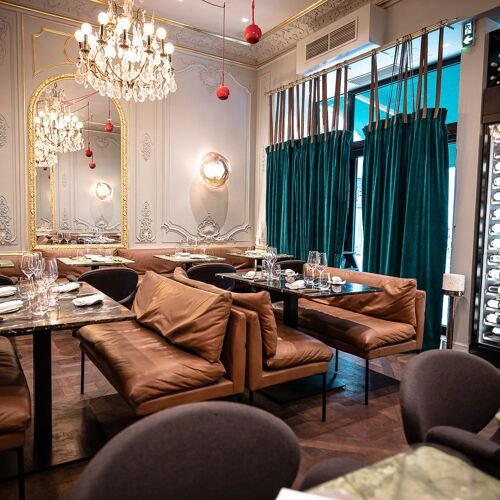
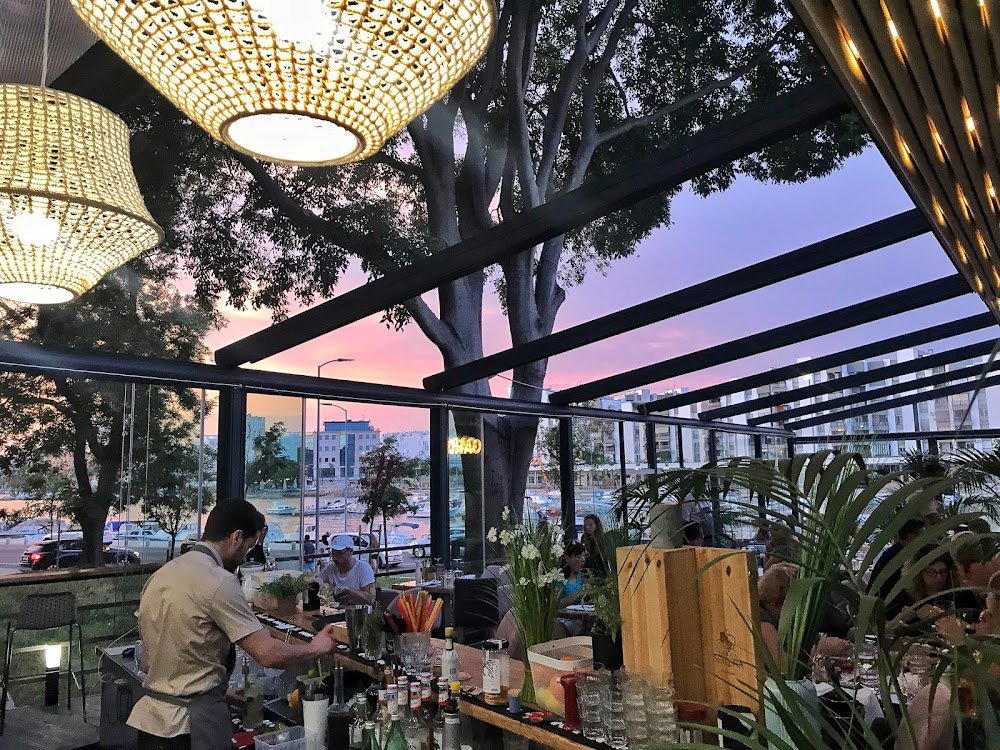
Bars in Sukošan
Browse all →
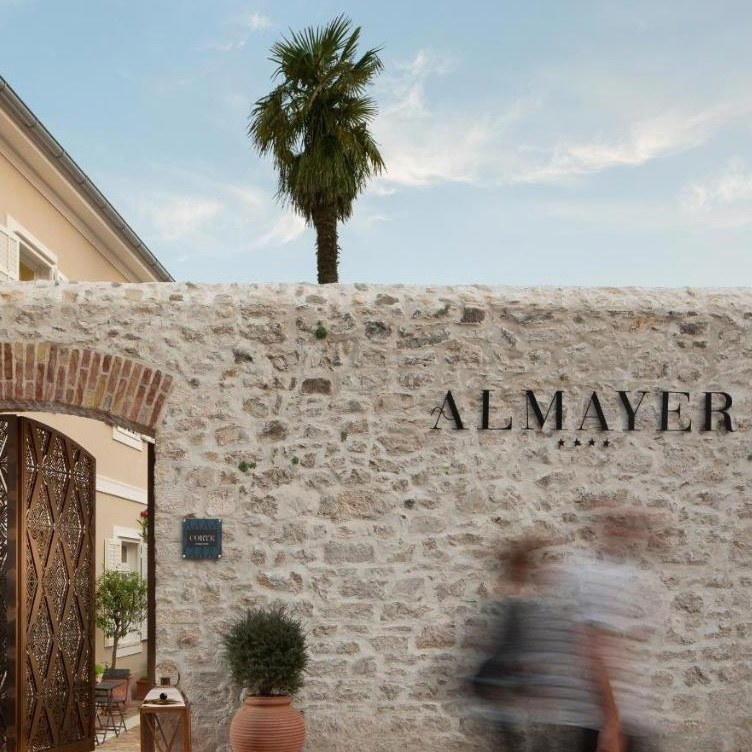
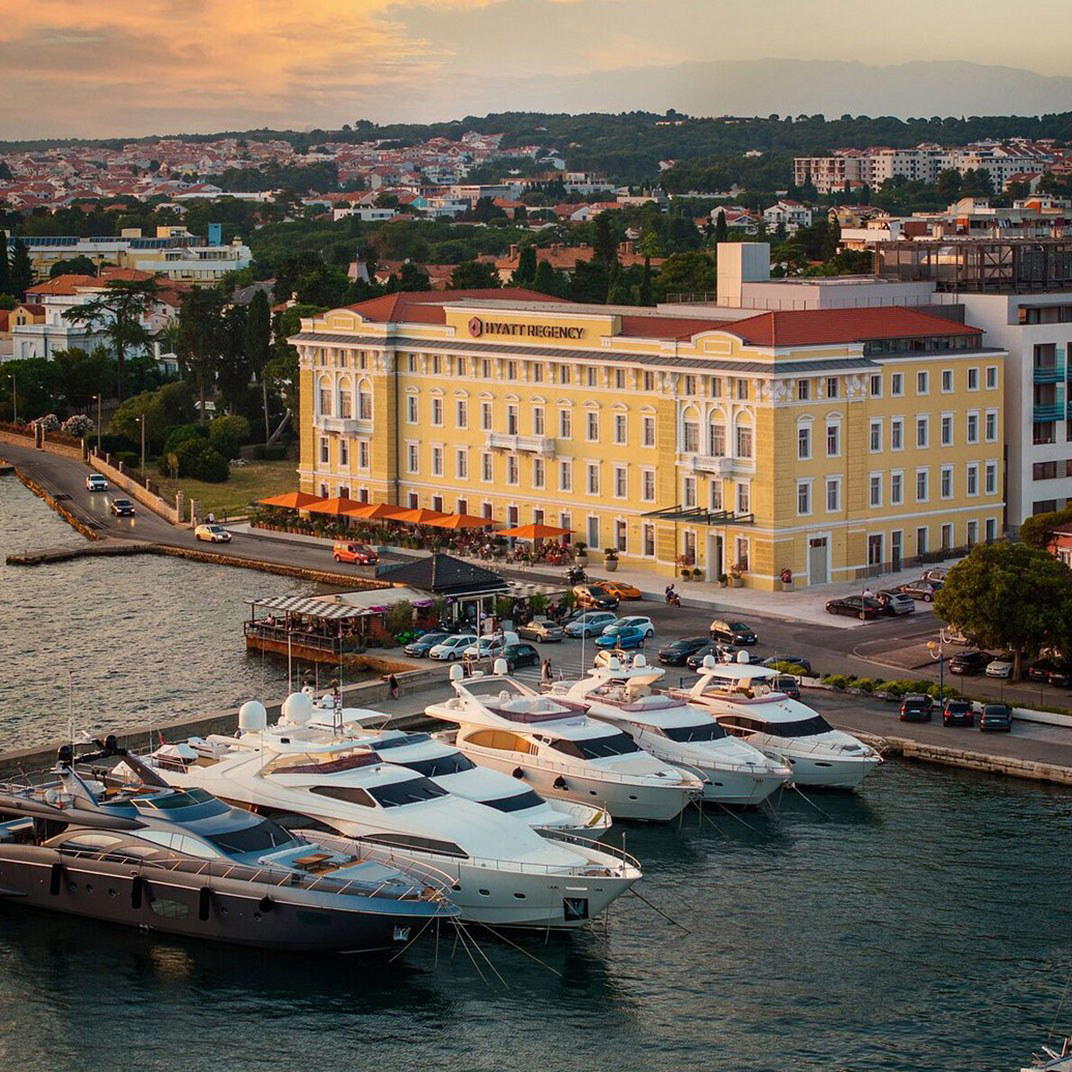
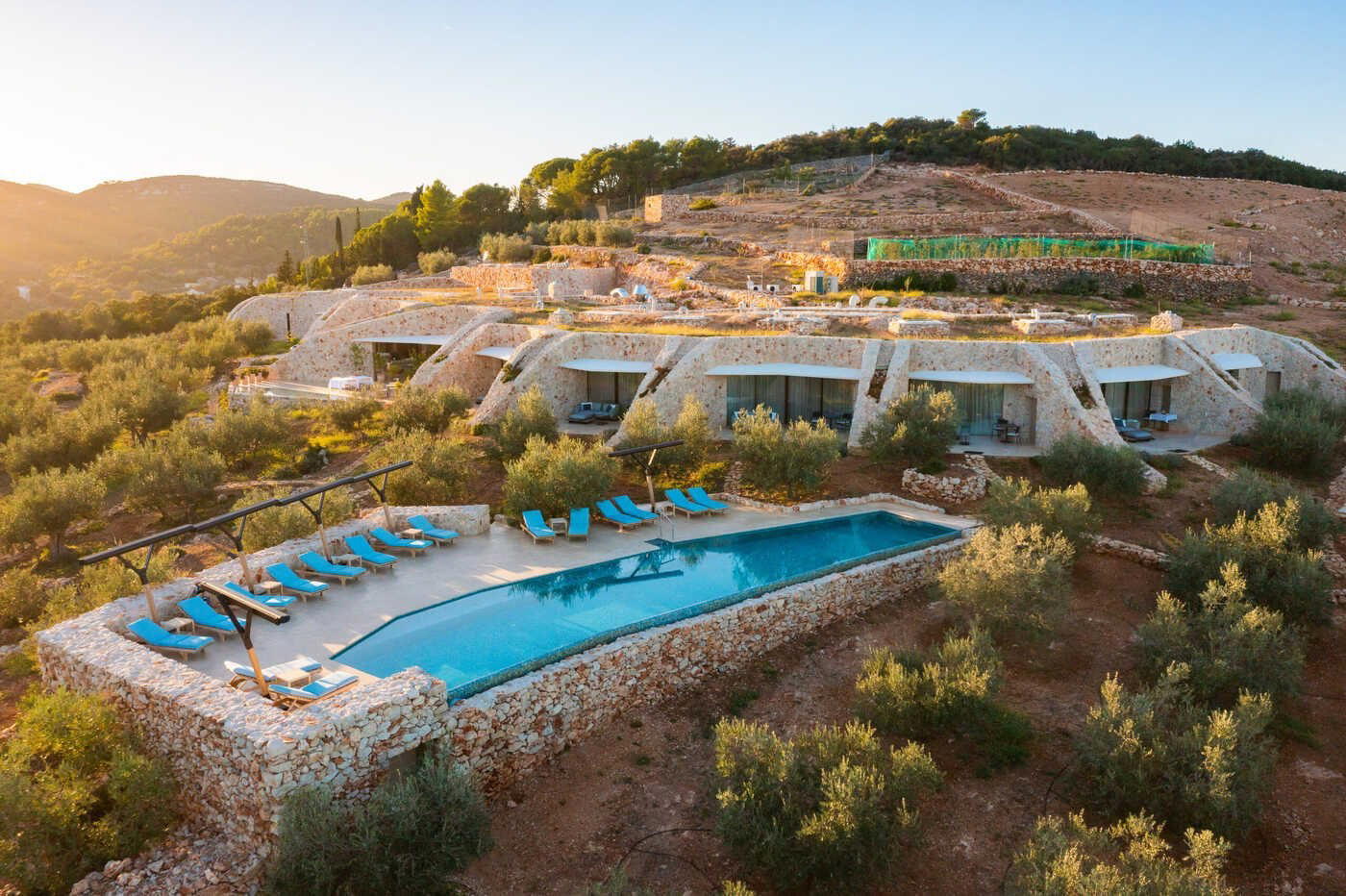
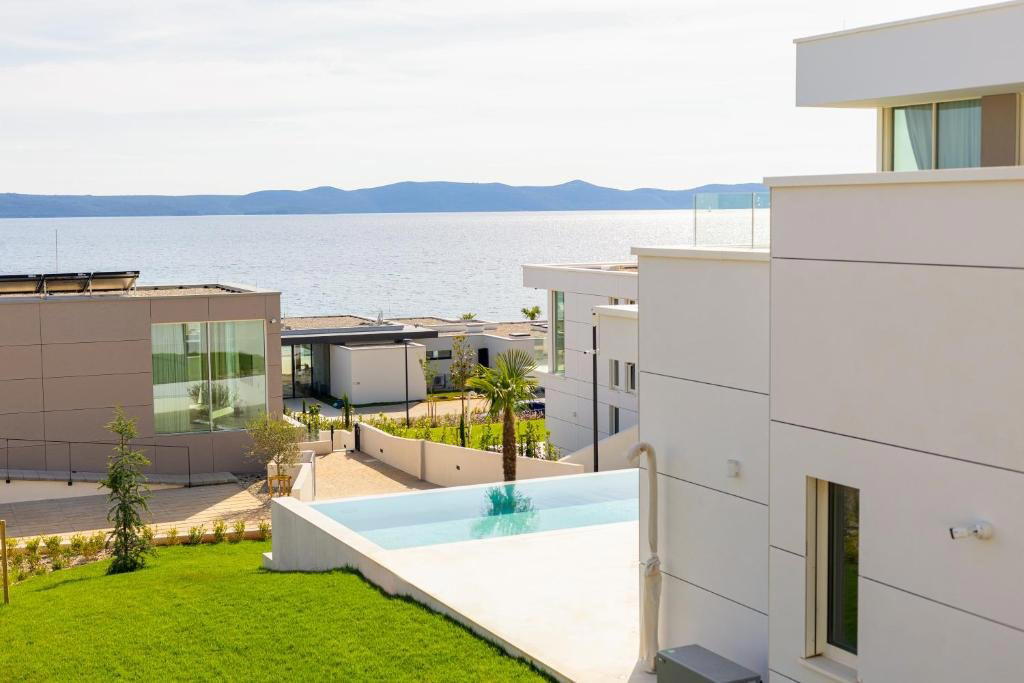
Hotels in Sukošan
Browse all →
Wineries in Sukošan
Browse all →
At a Glance
- Rustic
- Cozy
- Scenic
- Family
- Casual Hangout
- Waterfront
- Terrace
- Local Sourcing
- Waterfront
Current opening hours
- Monday
- 3–10 PM
- Tuesday
- 3–10 PM
- Wednesday
- 3–10 PM
- Thursday
- 3–10 PM
- Friday
- 3–10 PM
- Saturday
- 3–10 PM
- Sunday
- 3–10 PM
Hours can change for holidays and private events. Last verified .
Rustic, homely Dalmatian interior with welcoming terrace overlooking the marina and sea.
Know Before You Go
- Getting there
- Rudina 10, 23206, Sukošan, Croatia