Our verdict
Konoba Dalmatino sits on the old-town streets of Skradin, a small Dalmatian river town at the gateway to Krka National Park. The kitchen draws on the Dalmatian interior tradition of slow-cooked meats and fresh river-adjacent produce, placing it firmly within the konoba format that defines honest, ingredient-led dining in this part of Croatia. For visitors arriving from the park or passing through the Šibenik hinterland, it is a dependable address for regional cooking without the coastal tourist markup.

Pearl is the En Primeur Club membership app, where members save venues, book tables and use the concierge.
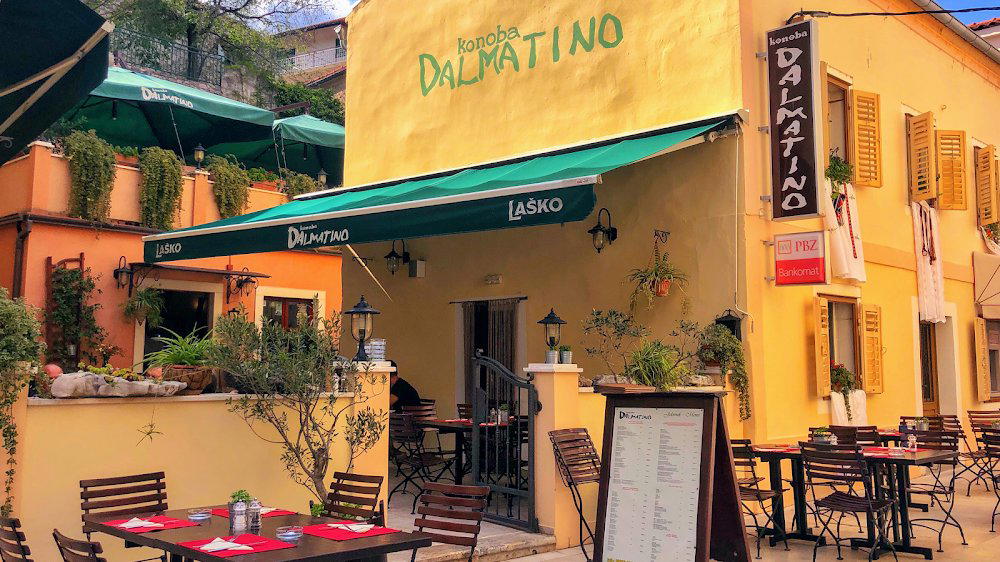
The menu
What to order
- Skradin risotto
- Grilled fish
- Black risotto
Where the Krka Meets the Table
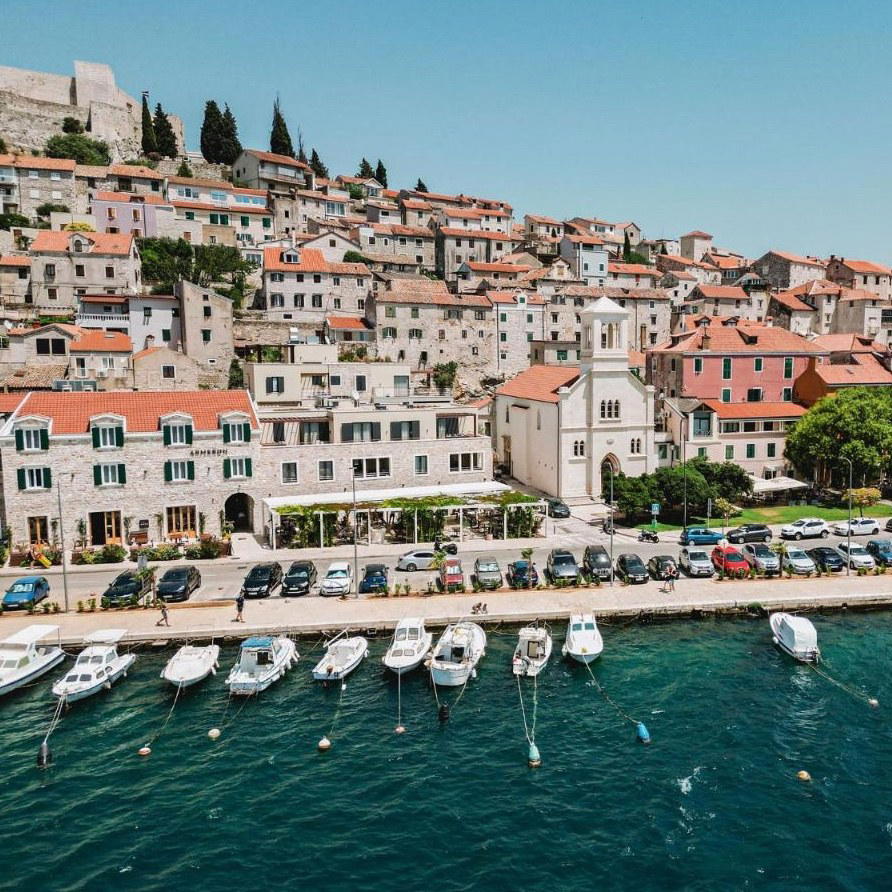
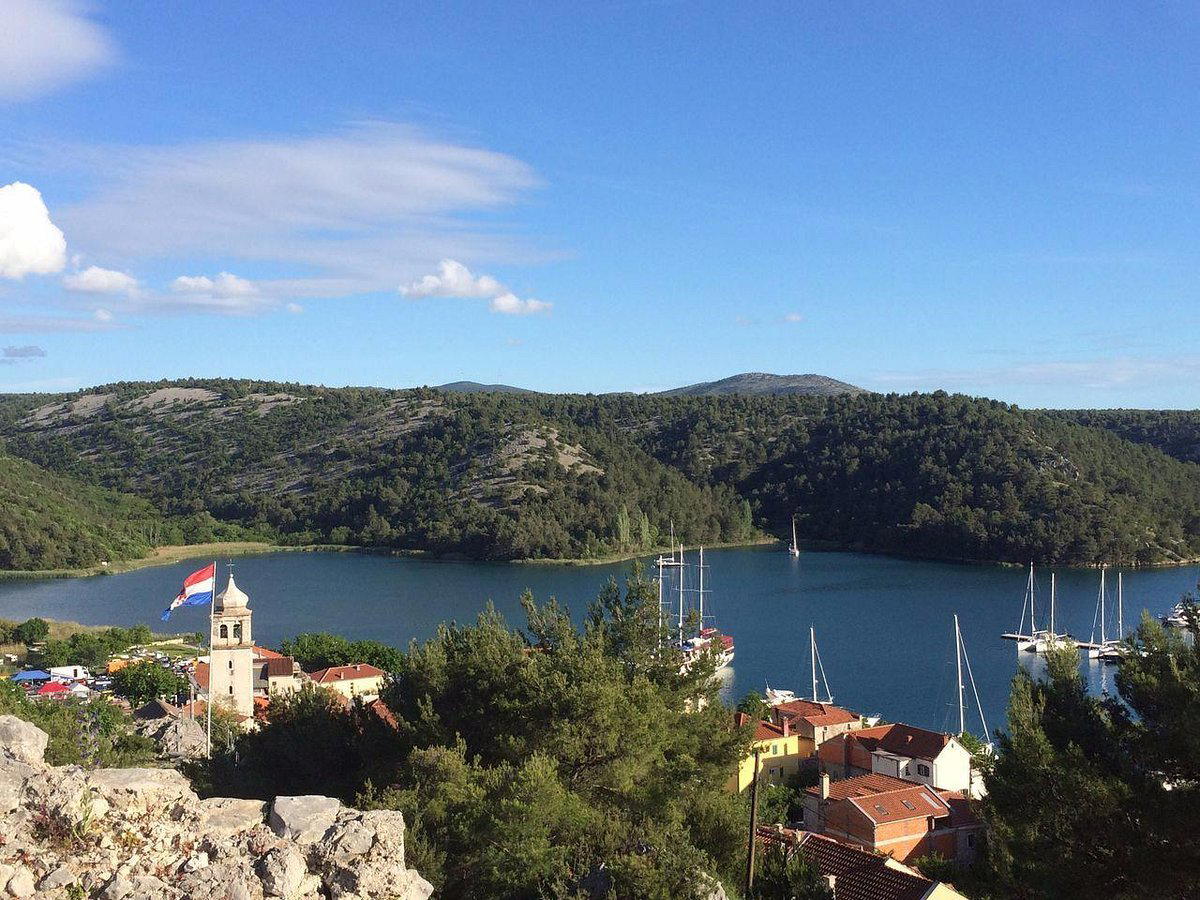
Skradin is one of those Dalmatian towns that functions as both destination and threshold. Compact, stone-built, and positioned at the point where the Krka River widens before entering its famous national park, it attracts visitors who arrive with the falls in mind and leave having discovered that the town itself rewards attention. The food scene here is not large, but it is coherent: a cluster of konobas and small restaurants working the same regional logic, drawing from the Dalmatian hinterland and the river basin that has fed this area for centuries. Konoba Dalmatino, at Ul. Fra Luje Maruna 1, sits inside that tradition rather than apart from it.
The konoba format is worth understanding before you arrive. In Dalmatia, a konoba is not a category in decline but an active culinary identity, one that resists the modernisation pressure applied to coastal restaurants serving international tourism. The format prioritises local sourcing, slow preparation, and a menu that reflects seasonal availability rather than year-round consistency. That is not a limitation; it is the point. The further inland you move from the Adriatic strip, the more honestly that identity holds, and Skradin, positioned at the meeting of river and limestone country, sits at the hinge between maritime and continental Dalmatian cooking.
The Ingredient Logic of the Dalmatian Interior
What reaches the kitchen in a place like Skradin is shaped by geography more than by chef preference. The Krka basin produces freshwater fish alongside the lamb and pork that dominate the inland tradition. Peka, the slow-cooking method under a bell-shaped iron lid buried in embers, is the dominant technique of the Dalmatian interior and appears on menus throughout this area. It requires long lead time, which is why any serious konoba in the region will ask you to order peka dishes in advance, often a minimum of a few hours before sitting down. That lead time is not inconvenience; it is evidence that the kitchen is doing it properly.
Lamb from the Dalmatian hinterland carries a mineral character derived from the karst terrain, where animals graze on wild herbs and sparse pasture rather than cultivated grass. The same terrain that makes farming difficult makes for distinctive flavour profiles. Alongside the lamb, the river proximity brings freshwater crayfish and eel into the regional repertoire, ingredients largely absent from the coast-facing menus of larger Dalmatian cities. This inland specificity is what separates a konoba in Skradin from the seafood-dominant dining you find in Split or Dubrovnik, where restaurants like Restaurant 360 in Dubrovnik and Krug in Split work a very different coastal register.
Skradin in Its Competitive Context
Skradin's restaurant scene is small enough that every address matters. The town has a handful of places worth sitting down in, among them Bonaca and Cantinetta, and together they form a compact but genuinely considered dining scene for a town of this size. Dalmatino operates within that peer group, occupying the konoba end of the spectrum rather than the more internationally inflected positioning that some Croatian coastal restaurants have adopted.
That regional specificity is more pronounced here than in the large Adriatic cities. Pelegrini in Šibenik, roughly twenty kilometres to the southwest, represents the Michelin-tier end of the same Dalmatian larder, with modern technique applied to the same regional ingredients. Dalmatino does not compete in that register and does not try to. The comparison is useful not to rank them but to illustrate how the same source ingredients, the same Krka-adjacent geography, can support very different dining formats. For a broader view of Croatian dining beyond this stretch of coast, our full Skradin restaurants guide maps the options in detail.
Further along the Croatian coast, comparable ingredient-logic restaurants include Agli Amici Rovinj in Rovinj and LD Restaurant in Korčula, both of which apply serious sourcing discipline within their respective regional contexts. At the other end of the price and format spectrum, addresses like Boskinac in Novalja demonstrate how island-specific terroir can anchor an entire hospitality concept. In Zagreb, Dubravkin Put and Korak in Jastrebarsko show how inland Croatian cooking holds its own distinct identity away from the Adriatic entirely.
Timing and Practical Considerations
Skradin is busiest between June and September, when Krka National Park draws significant visitor numbers. Arriving in shoulder season, particularly May or early October, gives you the town in a more manageable state, with shorter waits at restaurants and a more local atmosphere. Dalmatino's position in the old town places it within walking distance of the marina and the main waterfront, making it a natural stop either before or after the park boat connection that departs from Skradin's harbour.
For anyone planning a peka dish, the protocol is consistent across the region: contact the restaurant ahead of arrival and specify your order. Walking in and requesting peka immediately is not how it works, and no kitchen following the traditional method will accommodate that. If your itinerary is flexible, this is easy to build around. If you are on a tight schedule driven by park ferry times, plan accordingly. For a broader picture of where Skradin fits within Croatian coastal dining, comparisons to Nebo by Deni Srdoč in Rijeka, Alfred Keller in Mali Lošinj, or island-focused addresses like Bodulo in Pag and Burin in Crikvenica help illustrate just how varied the Croatian coastal register is, even within a single country. Organic-leaning formats like BioMania Bistro Bol in Bol show yet another angle on sourcing-led cooking in Dalmatia.
Frequently asked questions
Is Konoba Dalmatino child-friendly?
Konoba-style dining in Croatia is generally family-oriented by tradition, and Skradin as a town draws a mixed visitor base, particularly families visiting Krka National Park. The address on Ul. Fra Luje Maruna 1 places it within the compact stone-built centre, which is walkable and manageable with children. Specific facilities are not documented, so it is worth confirming directly before visiting with young children.
What kind of setting is Konoba Dalmatino?
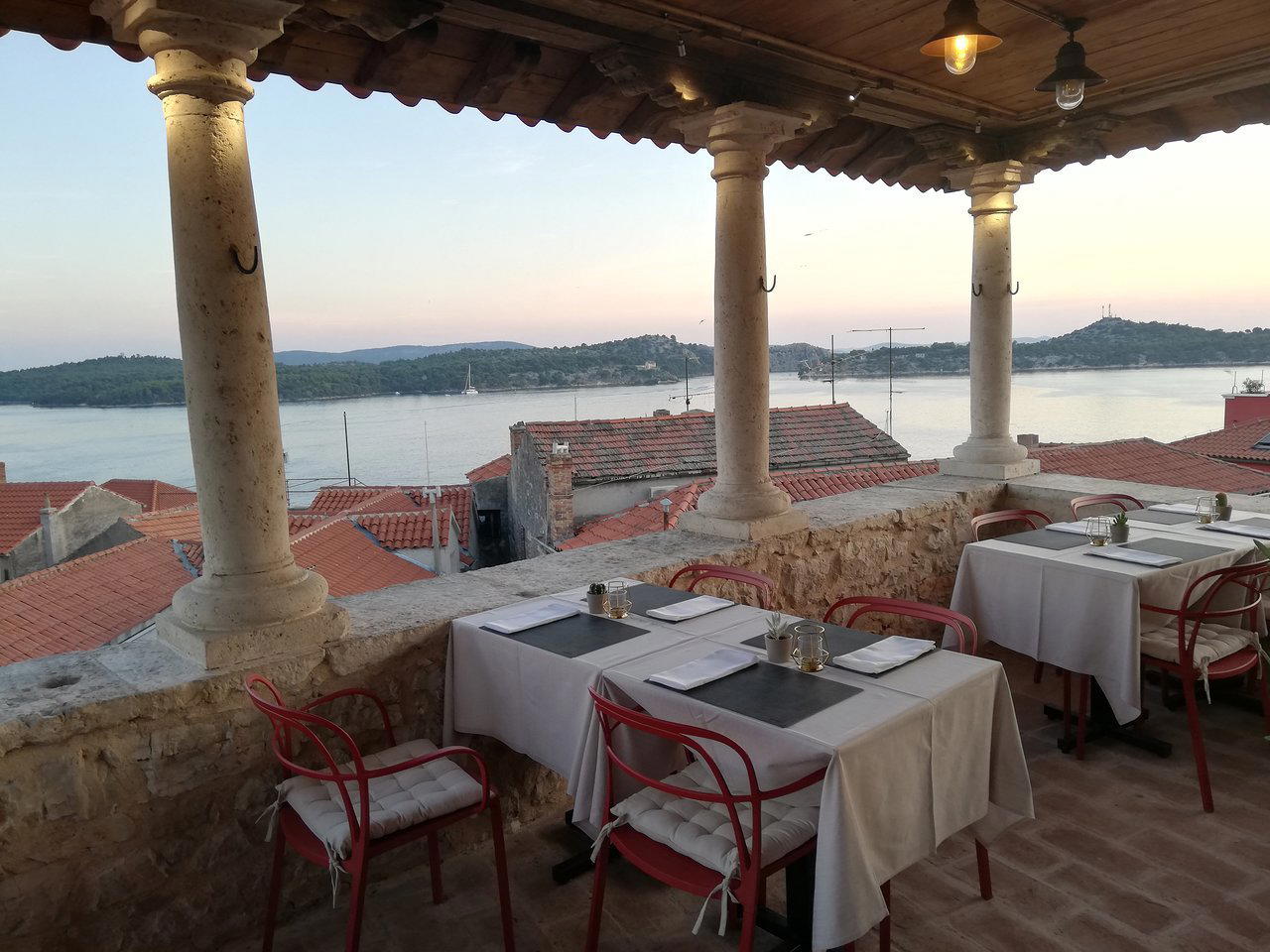
Konoba Dalmatino sits in Skradin, a small Dalmatian town positioned where the Krka River meets the Adriatic coastal zone. The konoba format in this region typically means a modest, stone-interior room with an emphasis on the food rather than the fit-out. Skradin's restaurant scene is small, which means individual addresses carry more weight than they would in a larger city.
How does Konoba Dalmatino compare to other restaurants in Skradin?
Skradin has a small but considered dining scene, with a handful of addresses including Bonaca and Cantinetta alongside Dalmatino. In a town this size, each venue occupies a distinct role rather than competing in a crowded field. Dalmatino's konoba designation signals a focus on regional Dalmatian cooking rooted in local produce from the Krka basin, which positions it alongside, rather than above or below, its immediate neighbours.
What should I eat at Konoba Dalmatino?
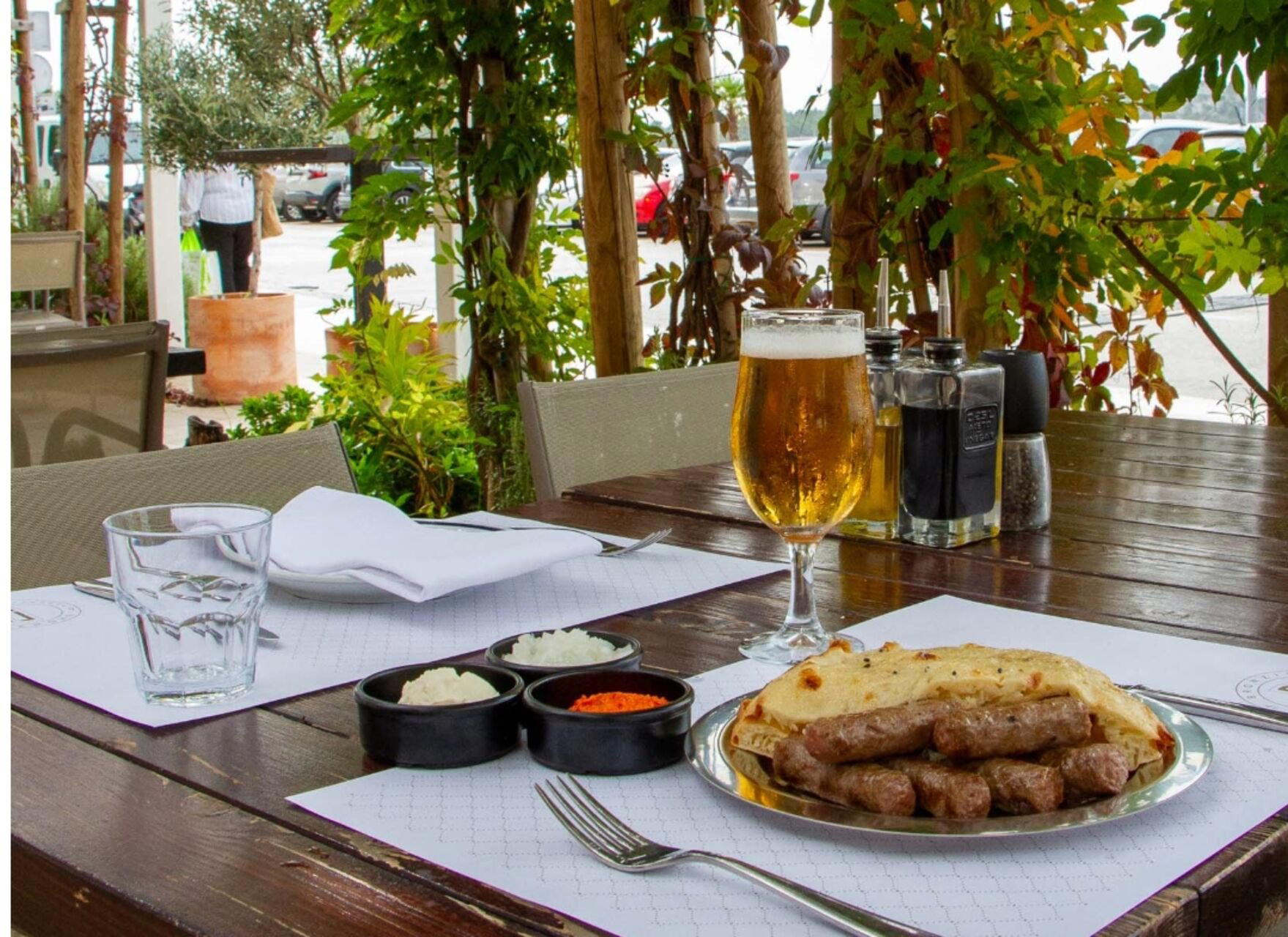
Skradin's geography shapes what reaches local kitchens: the Krka basin supplies freshwater fish alongside the lamb, cured meats, and olive oil that define the Dalmatian interior. A konoba at this latitude would typically draw from both the coast and the hinterland rather than anchoring purely to seafood.
A Quick Peer Check
Comparable venues nearby, for context on price, style, and recognition.
| Venue | Cuisine | Price | Notes |
|---|---|---|---|
| Konoba DalmatinoThis venue (the venue you are viewing) | Traditional Dalmatian Seafood | $20–30 | Not listed |
| Cantinetta | Traditional Skradin Mediterranean | Not listed | Skradin |
| Bonaca | Traditional Croatian Seafood | Not listed | Skradin |
| Oš Kolač - Artisan Cakes and Pastries | Artisan Pastries & Modern Desserts | $10–20 | Old Town Split |
| 4kantuna | Dalmatian Mediterranean | $20–30 | Old Town Zadar |
| Konoba Korta | Traditional Dalmatian Seafood | $20–30 | Diocletian's Palace |
Continue exploring
More in Skradin
Restaurants in Skradin
All restaurants in Skradin →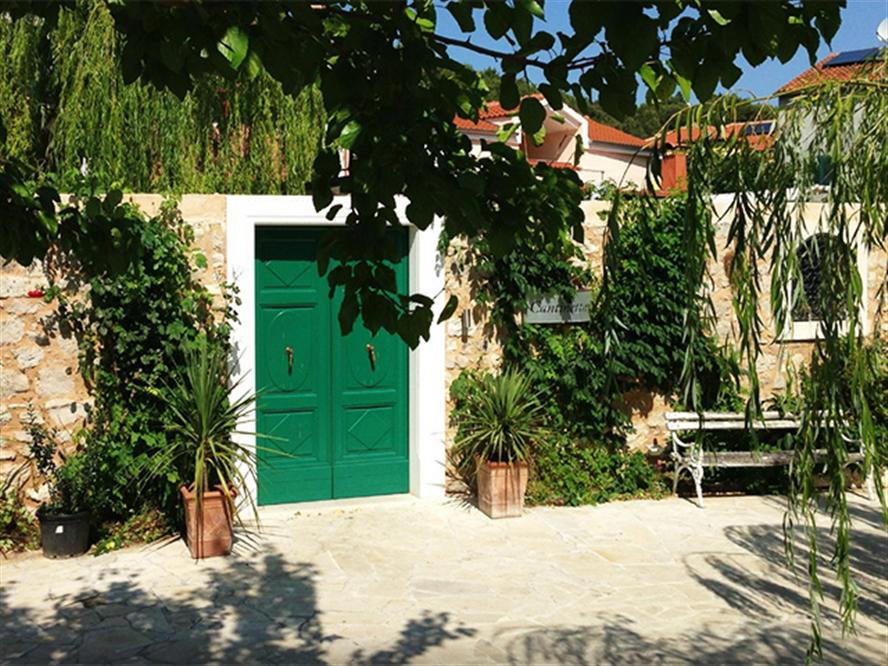
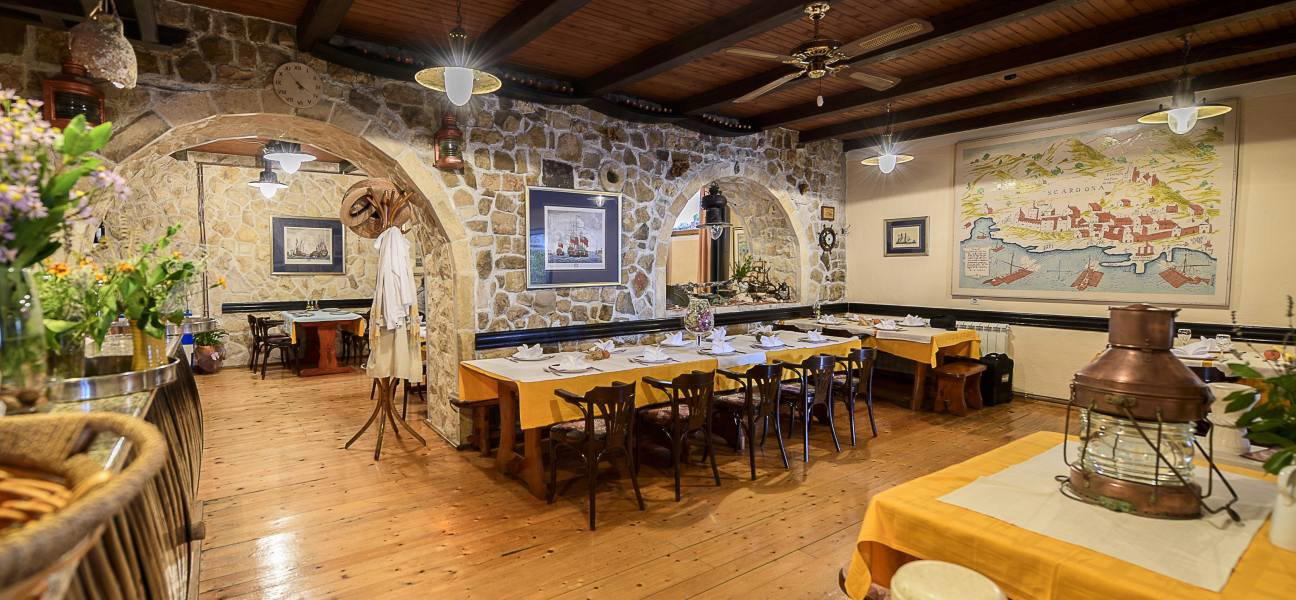
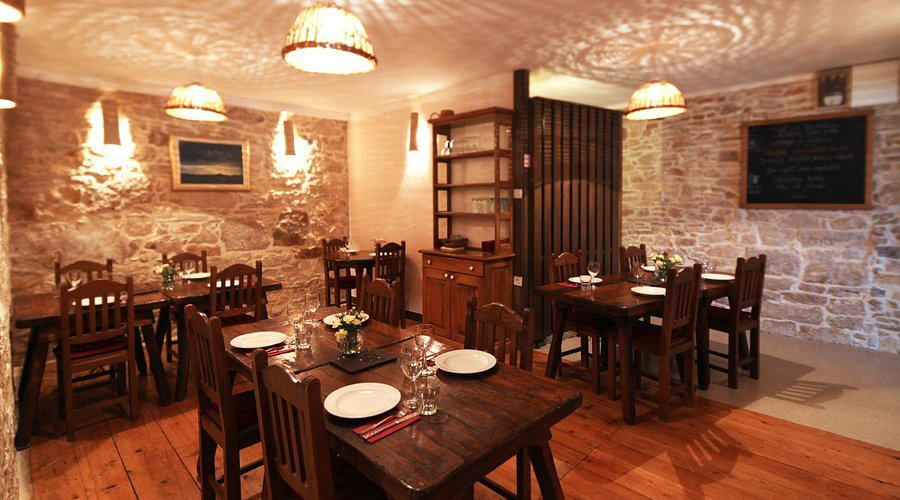
Bars in Skradin
Browse all →

Details
- Cozy
- Rustic
- Family
- Casual Hangout
- Date Night
- Terrace
- Waterfront
- Local Sourcing
- Waterfront
- Street Scene
- A La Carte
- Vegetarian Friendly
- Vegan Options
- Gluten Free Options
Current opening hours
- Monday
- 12:30–8:30 PM
- Tuesday
- 12:30–8:30 PM
- Wednesday
- 12:30–8:30 PM
- Thursday
- 12:30–8:30 PM
- Friday
- 12:30–8:30 PM
- Saturday
- 12:30–8:30 PM
- Sunday
- 12:30–8:30 PM
Hours can change for holidays and private events. Hours as of .
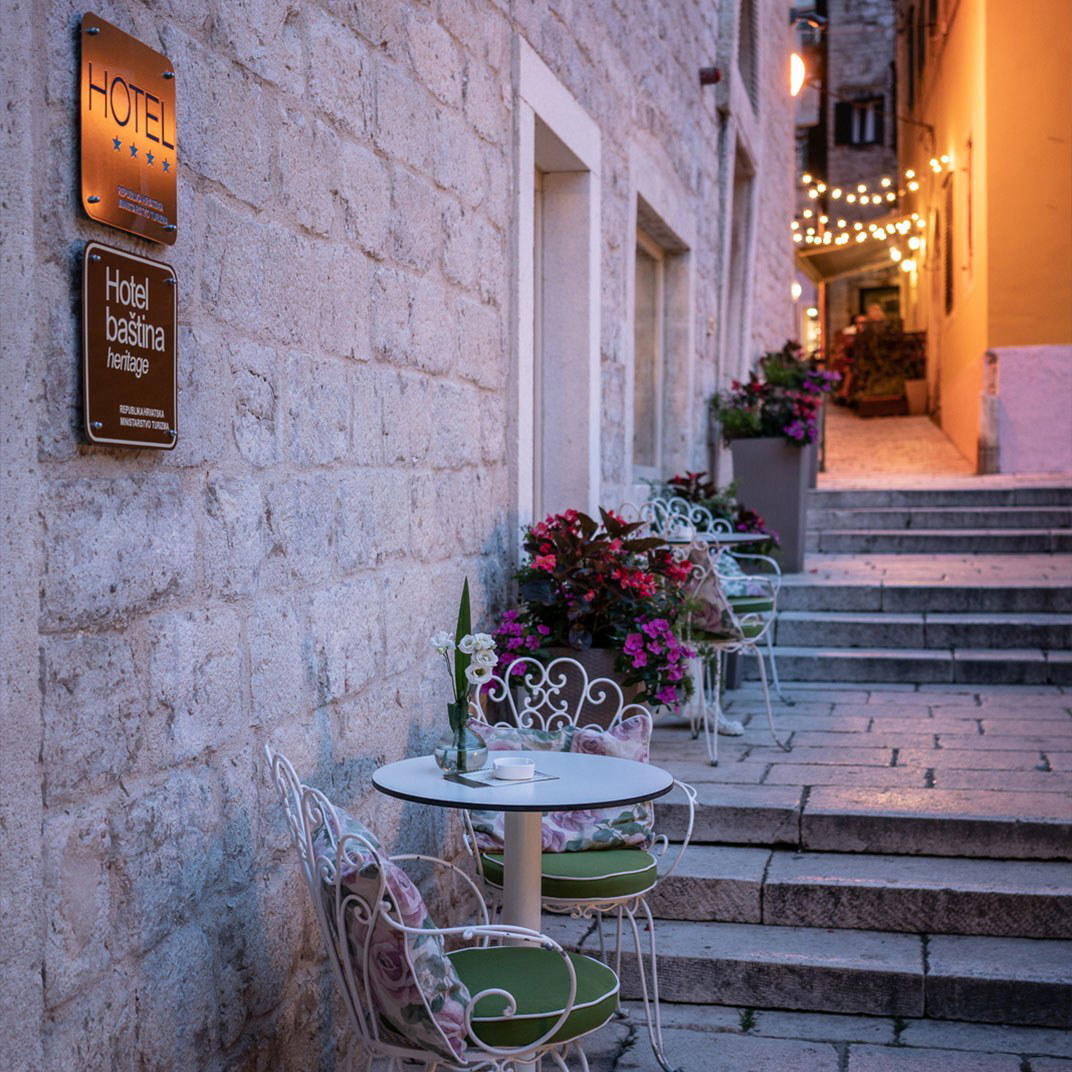
Cozy and charming with a pleasant terrace offering shade and breeze, warm hospitality, and a traditional atmosphere.