Kombu sits on Hellbrunnerstraße in Anif, just south of Salzburg, within a small cluster of serious dining destinations that punch well above the village's modest profile. The name signals a kitchen attentive to umami-forward ingredients and precise sourcing, placing it in the same regional conversation as Döllerer and Friesacher without quite occupying the same well-documented tier, yet.
Pearl is the En Primeur Club membership app — saves, bookings, and concierge access live there. Same editors, same standards.
- Address
- Hellbrunnerstraße 73, 5081 Anif, Austria
- Phone
- +436645022987
- Website
- kombu.at
- Directions
- Get directions
 Saves & bookings on Pearl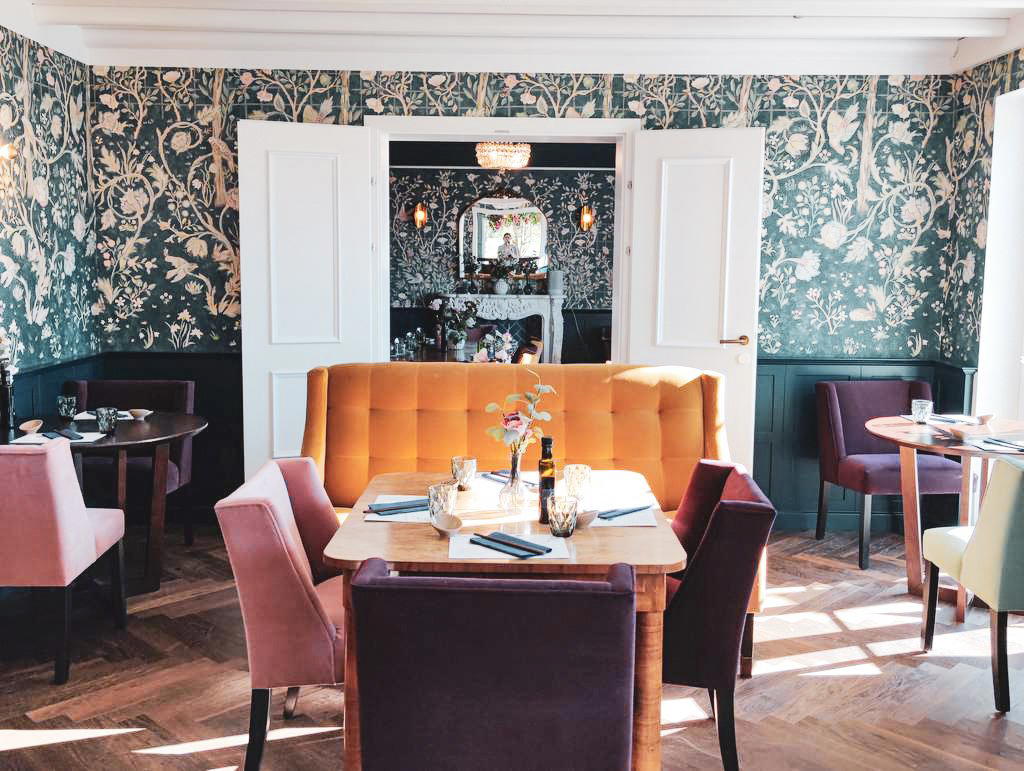
Anif's Quiet Dining Ambition
The villages immediately south of Salzburg rarely register on international dining itineraries, yet the corridor running from Anif toward Golling has accumulated a density of serious kitchens that few Austrian towns of comparable size can match. Anif itself sits ten minutes from the old city by car, close enough to absorb Salzburg's cultural appetite for good food, far enough that its restaurants operate on their own terms rather than as adjuncts to the tourist circuit. Hellbrunnerstraße, where Kombu is addressed at number 73, runs past the grounds of Hellbrunn Palace, so the physical approach already carries a certain weight of place, Baroque stonework, old linden trees, an unhurried pace that the rest of Austria's alpine dining scene sometimes forgets.
Within that setting, Kombu occupies a position defined by Japanese Fusion cooking in an Austrian village setting. What the name does communicate, to anyone attentive to ingredient signals, is a kitchen that thinks beyond the standard Austrian pantry. Kombu, the dried kelp fundamental to Japanese dashi, carries a clear editorial statement about where umami fits in the sourcing hierarchy. Across Europe, the past decade has seen a cohort of technically trained chefs incorporate Japanese pantry staples not as novelty but as precision instruments. The name here reads as a declaration of that sensibility rather than a style borrowed for effect.
Where Ingredient Sourcing Becomes the Argument
The wider Austrian fine-dining conversation has, for some years, been conducted around provenance. Döllerer in Golling an der Salzach built its reputation on Alpine ingredient logic, everything from the valley floor and the slopes above it, interpreted through contemporary technique. Steirereck im Stadtpark in Vienna, operating at €€€€ with sustained Michelin recognition, applies a similar philosophy at a grander scale. The question for a smaller address like Kombu is whether the sourcing ambition is matched by the infrastructure to realise it: supplier relationships, seasonal discipline, the willingness to change a menu when an ingredient dictates rather than when a calendar suggests.
Kombu-as-ingredient points toward a kitchen interested in fermentation, mineral depth, and the kind of slow-built flavour that comes from allowing raw materials time to express themselves. That approach has an Austrian corollary in the foraging and preservation traditions of the alpine south, wild herbs, dried mushrooms, cured meats, but the addition of a Japanese pantry register suggests a kitchen comfortable synthesising those two traditions rather than choosing between them. Kräuterreich by Vitus Winkler in Sankt Veit im Pongau represents one version of that herb-forward Austrian approach; Ikarus in Salzburg, which rotates guest chefs through a creative European format at €€€€, represents another axis entirely. Kombu appears to occupy a different position from both.
The Anif Dining Context
Anif's restaurant profile is small but considered. Friesacher and Maximilian's represent the village's other established dining presences, each operating within a broadly traditional Austrian register. Kombu, by name at least, positions itself at an angle to that tradition, suggesting that Anif is capable of sustaining more than one kind of culinary conversation simultaneously. For visitors already planning a Salzburg stay, adding an Anif dinner involves a short transfer and a significant change of register, from the festival city's well-worn dining circuit to something quieter and, in principle, more deliberate.
The regional comparable set worth holding in mind extends further. Obauer in Werfen and Landhaus Bacher in Mautern an der Donau both demonstrate that Austrian fine dining at its most serious can happen in small towns well outside the capital, and that a committed kitchen in a modest postcode can sustain a national reputation for decades. Elsewhere in the alpine arc, Gourmetrestaurant Tannenhof in Sankt Anton am Arlberg, Griggeler Stuba in Lech, and Stüva in Ischgl confirm that the western Austrian ski corridor has its own fine-dining density. Anif operates in a different register, no ski season, no captive resort clientele, which means any kitchen here must earn its audience on culinary terms alone.
That context makes ingredient sourcing more than an aesthetic preference. When a restaurant in a small village names itself after a specific Japanese pantry staple, it is making a bet that its target diner is paying attention to that level of detail. The bet is calibrated: it filters out casual visitors and signals to a particular kind of food-literate traveller that this kitchen is worth the effort of reaching. For comparison, Taubenkobel in Schützen am Gebirge operates on a similar principle of deliberate positioning, a destination kitchen in a small Burgenland village that earns its traffic through culinary conviction rather than location convenience. Ois in Neufelden and Schwarzer Adler in Hall in Tirol follow the same pattern. Internationally, the model of building a serious culinary identity around a single strong ingredient signal has precedent at places like Le Bernardin in New York City, where the sourcing focus on seafood functions as both menu logic and brand identity. Atomix in New York City demonstrates how Korean culinary references can anchor a fine-dining format at the highest level, a parallel worth noting for any kitchen drawing on Japanese ingredient logic in a European alpine context. Restaurant 141 by Joachim Jaud in Mieming adds another data point to the Austrian alpine fine-dining map for those building a longer regional itinerary.
Planning a Visit
Anif is accessible from Salzburg's city centre in under fifteen minutes by car, and the address on Hellbrunnerstraße places Kombu within walking distance of Hellbrunn Palace, making it a logical pairing with a daytime visit to the palace gardens. Kombu is recommended for reservations and follows the hours listed for the week. For visitors building a broader Austrian fine-dining itinerary, our full Anif restaurants guide maps the village's dining options alongside the regional context. Kombu sits outside the award-led circuit, but its setting and kitchen concept still reward advance planning.
In Context: Similar Options
Comparable venues nearby, for context on price, style, and recognition.
| Venue | Cuisine | Price | Notes |
|---|---|---|---|
| KombuThis venue — the venue you are viewing | Japanese Fusion | $$$ | Not listed |
| Maximilian's | Classic Austrian Fine Dining | $$$ | Anif |
| Friesacher | Austrian Farm-to-Table Fine Dining | $$$ | Anif |
| Lukas Izakaya | Japanese Izakaya | $$$ | Unterer Stadtplatz |
| Merkel & Merkel | Modern Austrian Fine Dining | $$$ | Hellbrunner Allee |
| SeeSushi | Contemporary Japanese Alpine Fusion | $$$ | Strobl |
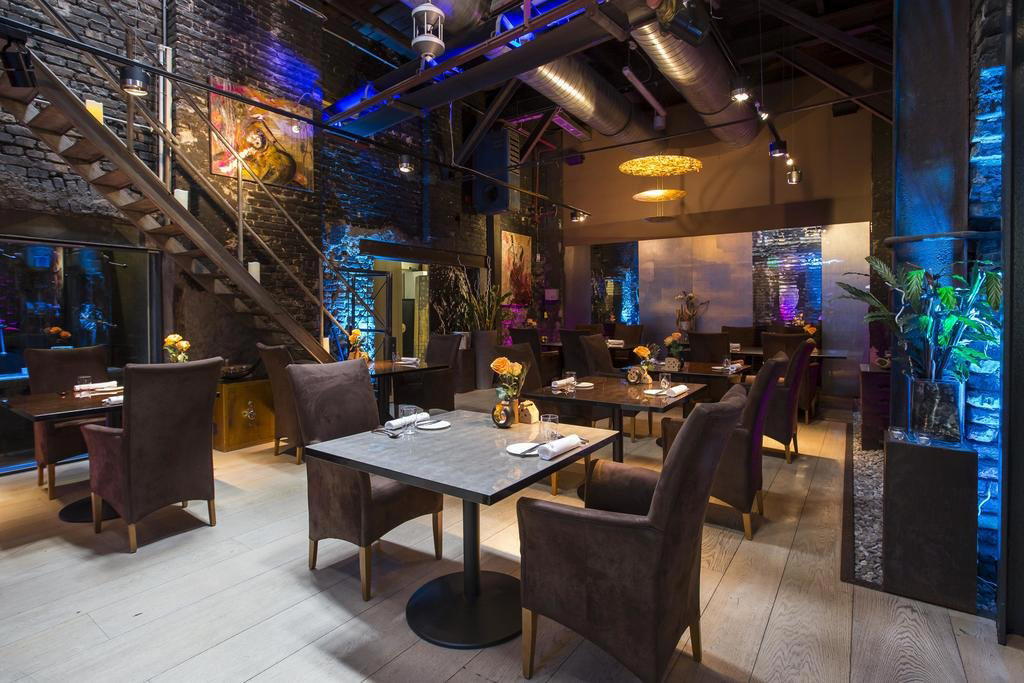
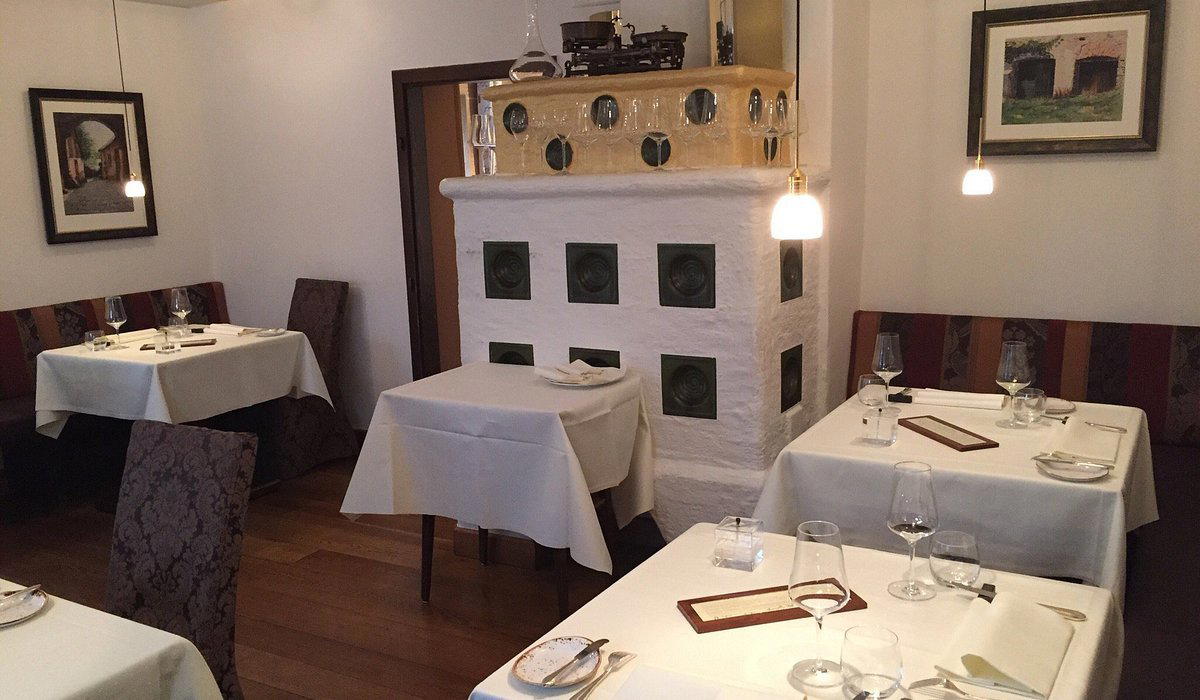
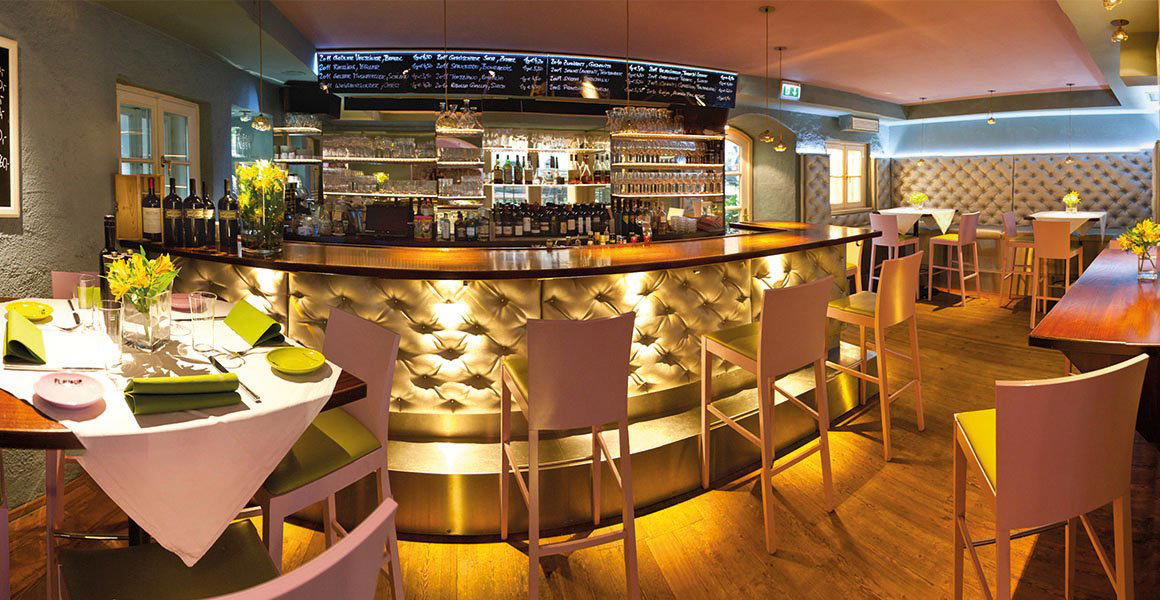
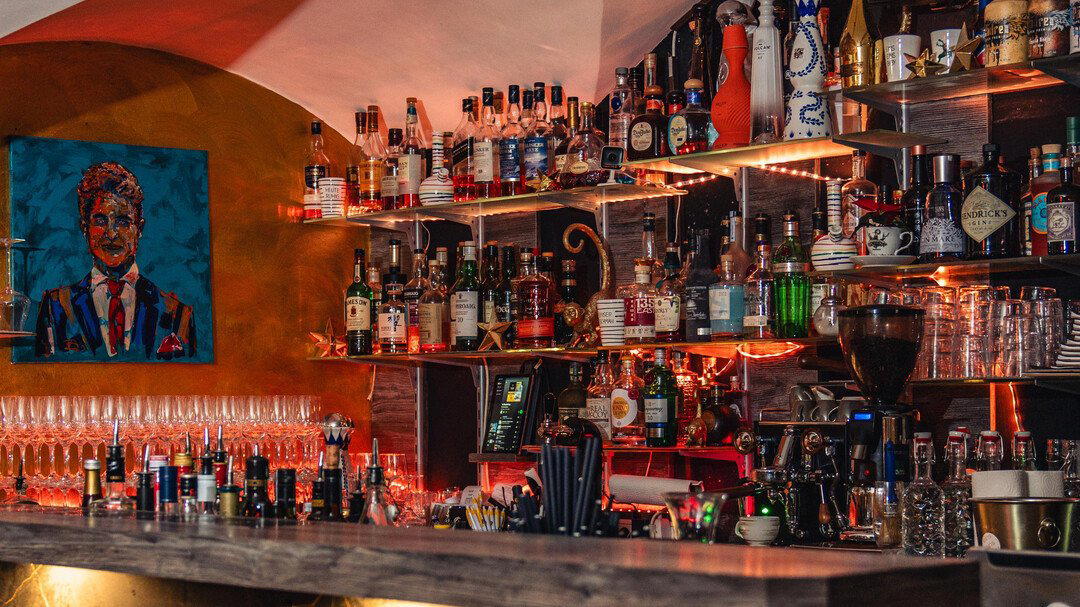
At a Glance
- Modern
- Cozy
- Scenic
- Date Night
- Special Occasion
- Garden
- Terrace
- Extensive Wine List
- Garden
Current opening hours
- Monday
- 5–10 PM
- Tuesday
- 5–10 PM
- Wednesday
- Closed
- Thursday
- 5–10 PM
- Friday
- 12–10 PM
- Saturday
- 12–10 PM
- Sunday
- 12–10 PM
Hours can change for holidays and private events. Last verified .
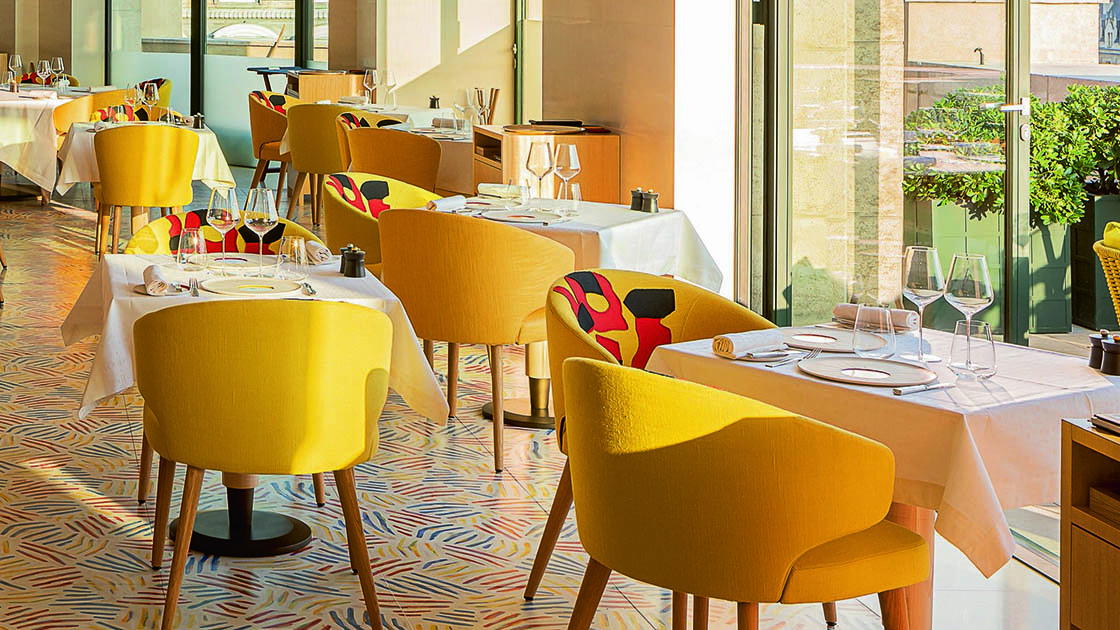
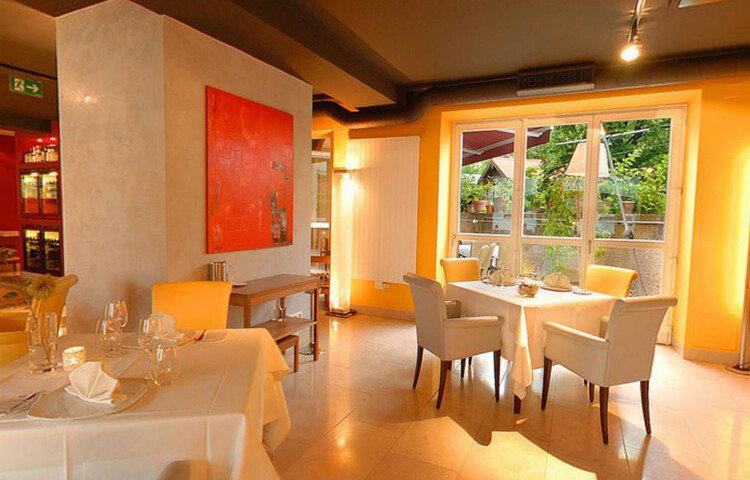
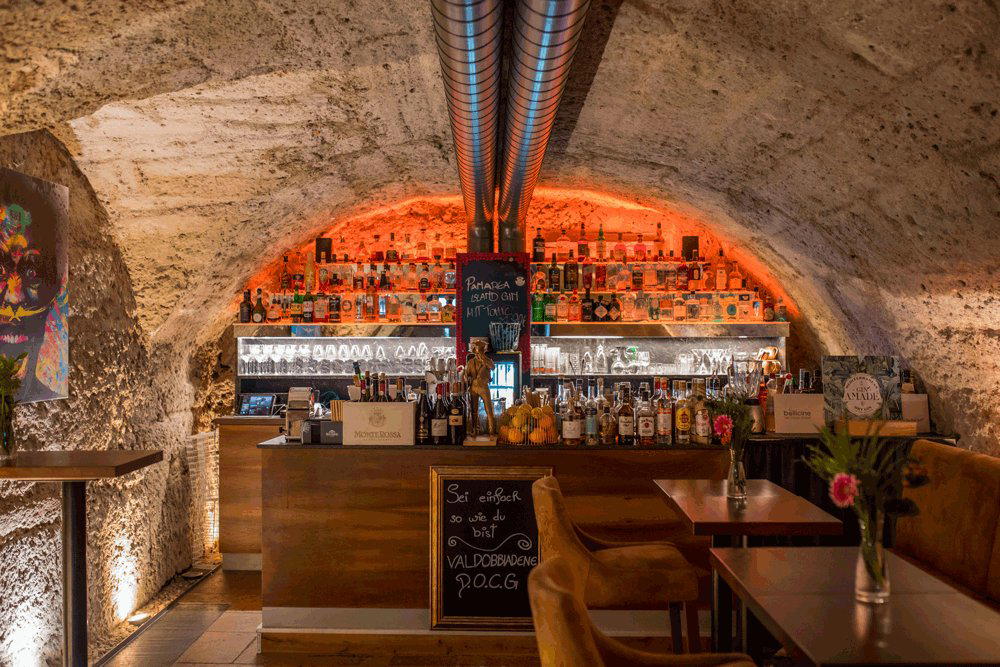
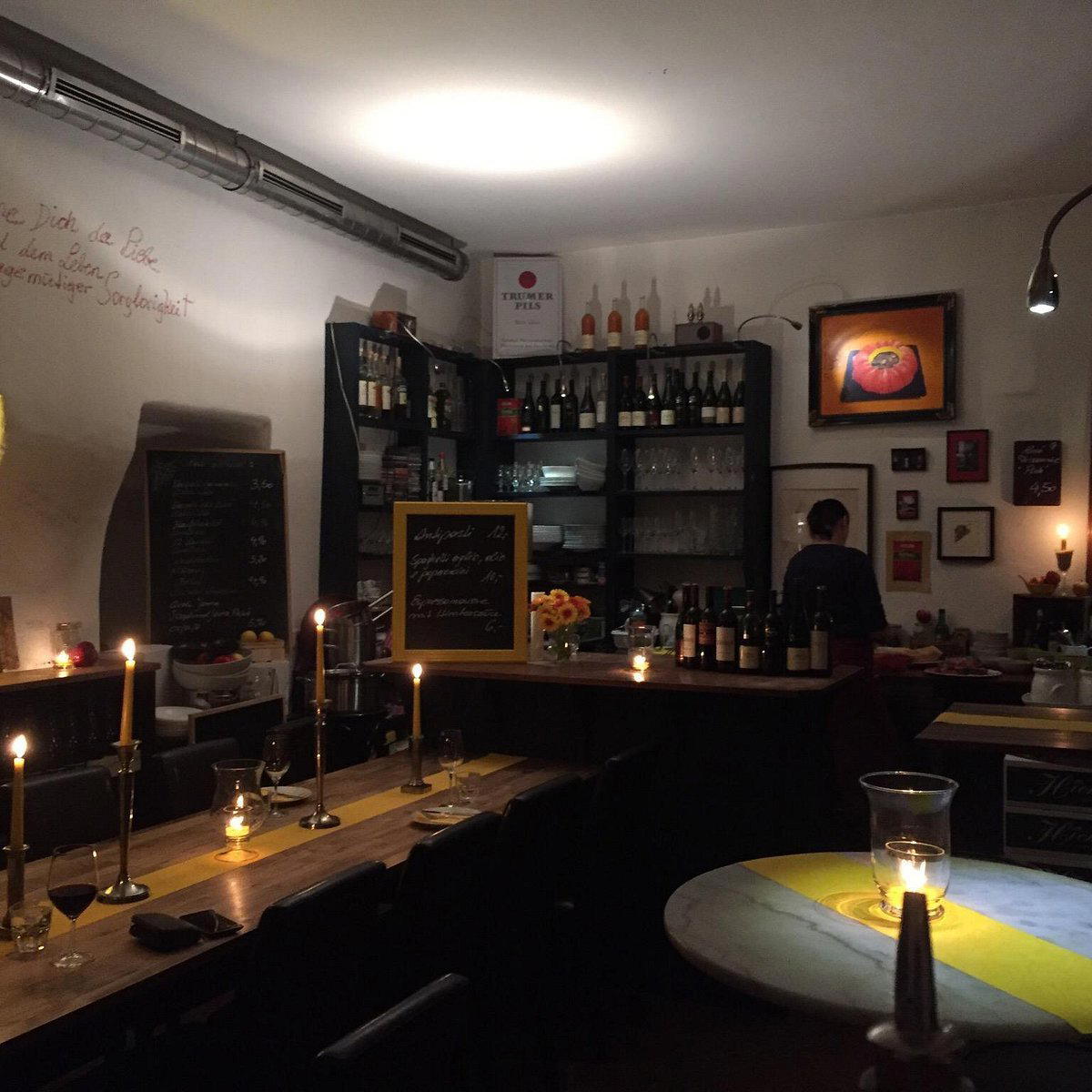
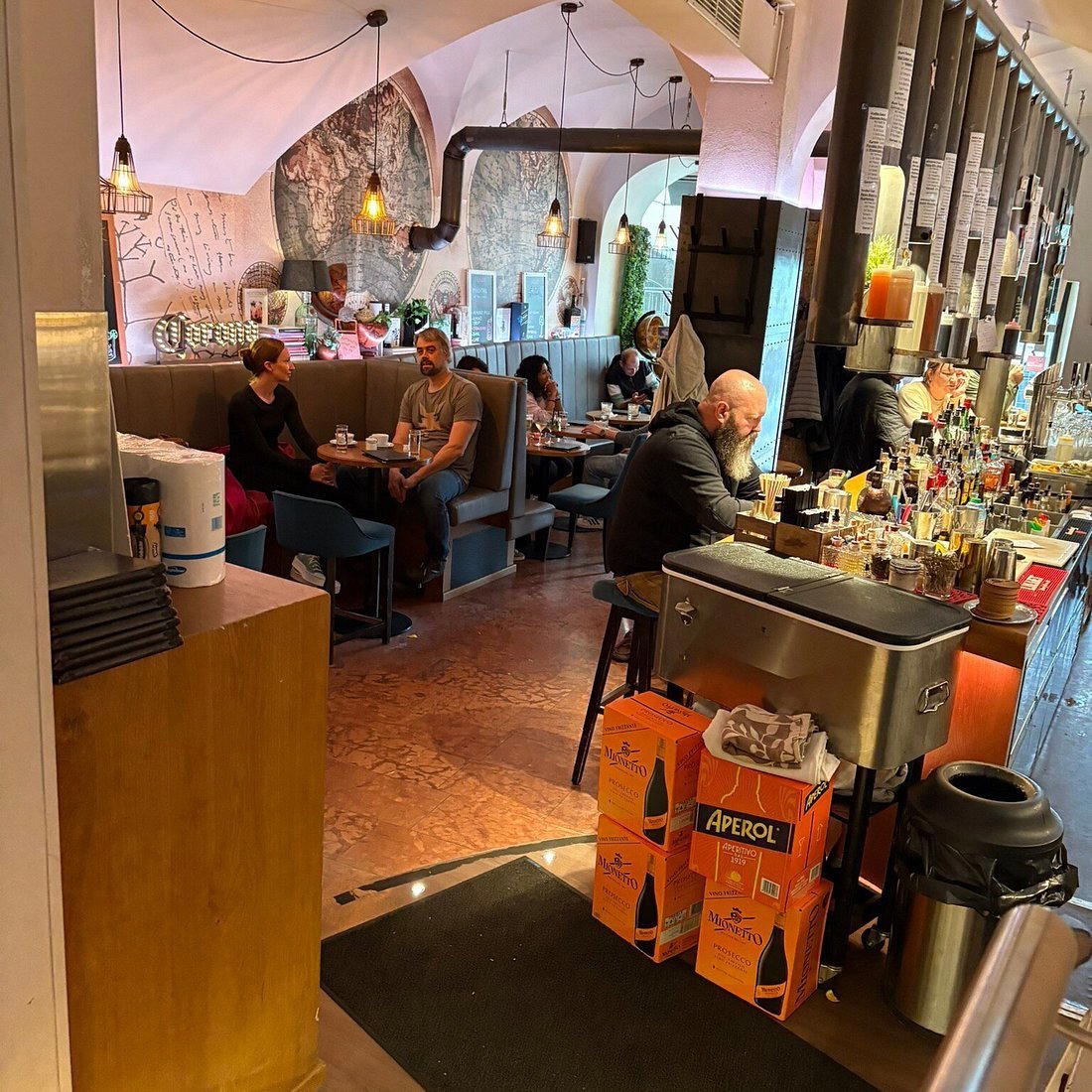
Nice and quiet atmosphere with beautiful decor and garden views praised in reviews.