

Michelin Plate · Falstaff Restaurant - 93 Falstaff Points
Our verdict
An izakaya in the Baroque river town of Schärding represents something genuinely uncommon in Upper Austria: a Japanese-inflected dining ritual transplanted into a region better known for Hausmannskost and white-tablecloth Neue Küche. Lukas Izakaya sits at Unterer Stadtplatz 7, a few steps from the Inn riverfront, and addresses a gap in Schärding's otherwise Austrian-centric dining scene with a format built around shared plates, pacing, and the particular social logic of the izakaya table.

Pearl is the En Primeur Club membership app, where members save venues, book tables and use the concierge.
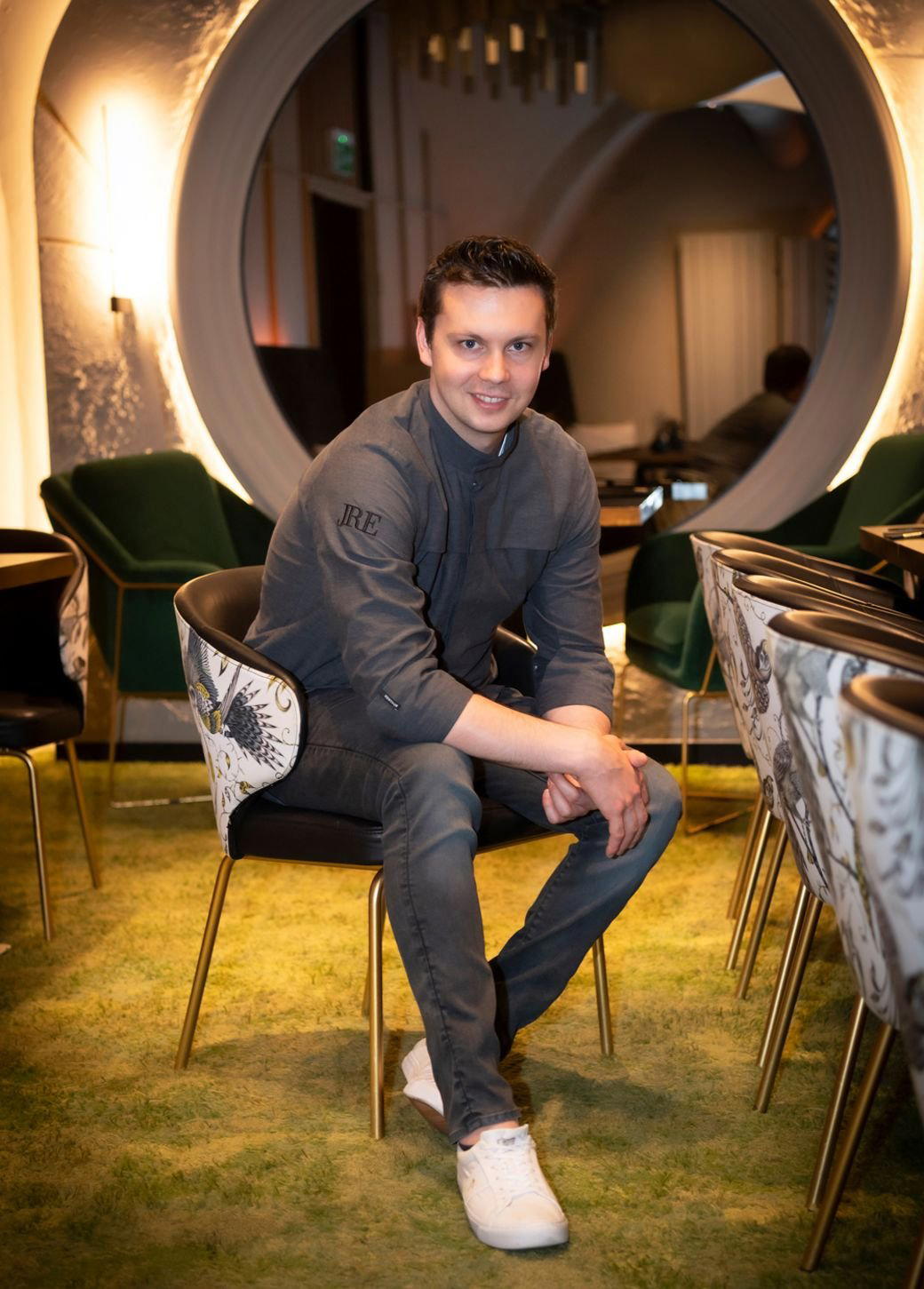
Where Izakaya Logic Meets the Inn Riverfront
Schärding's Unterer Stadtplatz is one of the more quietly arresting town squares in Upper Austria: a Baroque streetscape of painted facades arranged along the Inn, with the German border town of Neuhaus visible across the water. The square is built for lingering, and that quality matters when you are walking toward Lukas Izakaya at number seven. The izakaya format, imported from Japan's centuries-old tradition of after-work drinking houses where food and sake arrive in unhurried succession, demands exactly that disposition. You are not arriving for a single dish or a fixed menu endpoint. You are arriving to sit, order incrementally, and let the meal find its own tempo.
That dining ritual is worth understanding before you pull up a chair. In Japan, an izakaya operates on a logic that is closer to a Spanish tapas bar than to a Western restaurant: small plates, collective ordering, drinks threaded through every course rather than sequenced at the end. The meal has no formal arc. Dishes come as they are ready. The table fills gradually and empties gradually. Time is not a constraint imposed by the kitchen. For a town like Schärding, where the dining culture has historically leaned toward the structured progression of Austrian Stuben dining, that is a meaningful shift in register.
Schärding's Dining Context and Where the Izakaya Fits
Schärding is a small town, but it punches above its weight in terms of dining ambition. The Lukas group has several addresses in the same compact area: Lukas Restaurant (Creative), which operates at the higher end of the local price spectrum with a creative tasting format, and Lukas.steak, which anchors the group's more protein-forward offering. Lachinger's Kitchen & Wine and Wassertor complete a dining scene that, for a town of its size, shows real range. Lukas Izakaya sits within this cluster as the format most oriented toward informal, repeatable visits rather than occasion dining. It is the address you return to on a Tuesday, not the one you book eight weeks out for an anniversary.
The broader Austrian context is useful here. Austria's fine dining circuit, documented across addresses like Steirereck im Stadtpark in Vienna, Döllerer in Golling an der Salzach, and Ikarus in Salzburg, is built around precision and seasonality within recognizably European frameworks. Regional addresses like Gourmetrestaurant Tannenhof in Sankt Anton am Arlberg, Griggeler Stuba in Lech, and Kräuterreich by Vitus Winkler in Sankt Veit im Pongau extend that ethos into alpine contexts. Closer to Schärding's geography, Landhaus Bacher in Mautern an der Donau and Obauer in Werfen represent the kind of deeply rooted, long-running Austrian dining institutions that define the country's culinary reputation outside Vienna. Against that backdrop, a Japanese-inflected izakaya in a Baroque border town is a genuine outlier, and the format's informality is the point rather than an oversight.
The Ritual of the Izakaya Table
The meal at an izakaya traditionally begins with a drink order rather than a food order, and that sequencing is not incidental. The drink establishes the table's pace. Food follows as conversation allows. This rhythm produces something that multi-course tasting menus cannot: a meal that belongs to the people sitting at it rather than to the kitchen's schedule. Dishes accumulate at the center of the table. Plates are shared without ceremony. The social logic of the format is horizontal rather than vertical, everyone eating from the same pool of food rather than working through identical individual portions in parallel.
For visitors accustomed to the conventions of Austrian Gasthof dining or the more theatrical progression of a kreative Küche tasting menu, this requires a small recalibration. The correct move at an izakaya is to over-order slightly and share broadly. Dishes that read as starters, mains, and sides in a European context arrive without those category distinctions here. A plate of edamame and a plate of grilled skewers occupy the same tier of the meal. That collapse of hierarchy is part of the format's appeal, and part of what makes it a social rather than a gastronomic exercise.
The izakaya tradition has spread well beyond Japan in recent decades, finding footholds in cities where Japanese culinary culture has established critical mass: New York, where restaurants like Atomix represent the higher-end Korean dining adjacent to izakaya culture, and coastal cities globally where Japanese dining has moved beyond sushi into broader format exploration. What is less common is the izakaya in a small Central European river town, where the format sits at an angle to everything around it and derives part of its character from that friction.
Planning a Visit: Practical Notes
Lukas Izakaya is located at Unterer Stadtplatz 7 in Schärding, within easy walking distance of the town center and the Inn riverfront. Schärding is accessible by train from Passau across the border and from Linz to the east, making it a plausible half-day or evening excursion for travelers moving through Upper Austria. The Lukas group's presence across multiple addresses on the same square means a visitor with time could reasonably eat lunch at one address and dinner at another without moving more than a few hundred meters. For the izakaya specifically, the format suits evening visits: the unhurried pacing lands better when there is no afternoon agenda pulling you back into the day.
Given the informal nature of the izakaya format globally, walk-in visits are often viable, but checking ahead is advisable during summer weekends when Schärding's riverfront attracts visitors from both the Austrian and German sides of the Inn. The town's position directly on the border means the diner pool is genuinely binational, which can affect availability at popular dining addresses during peak season.
For visitors building a wider Upper Austria or Innviertel itinerary, Schärding's dining concentration is worth noting. Ois in Neufelden and Schwarzer Adler in Hall in Tirol represent the kind of regionally embedded Austrian dining that sits at the other end of the format spectrum from izakaya informality. Restaurant 141 by Joachim Jaud in Mieming extends that map westward toward Tyrol. For comparative reference points in seafood-driven precision dining that shares the izakaya's respect for ingredient-forward simplicity, Le Bernardin in New York City operates at the opposite end of the formality axis but from a philosophically adjacent place: the idea that a very good ingredient, treated with restraint, does not need elaborate construction to justify its place on the table. See our full Scharding restaurants guide for broader coverage of the town's dining options.
Frequently asked questions
What's Lukas Izakaya's location?
Lukas Izakaya is located at Unterer Stadtpl. 7, 4780 Schärding, Austria, Scharding.
Is Lukas Izakaya the only izakaya-style restaurant in Schärding?
Schärding's dining scene is compact but notably ambitious for a town of its size, and the Lukas group runs multiple addresses within the same central area around Unterer Stadtplatz. Lukas Izakaya appears to be the only venue in Schärding operating explicitly under the izakaya format, making it the sole address in town where the drink-first, shared-plates sequencing of Japanese bar dining structures the meal.
What do people recommend at Lukas Izakaya?
Lukas Izakaya follows the izakaya model of shared small plates ordered progressively through the meal rather than a set sequence. This format suits the Schärding setting well, where the Lukas group operates several addresses on the same compact stretch, giving the kitchen a clear local identity. Specific dish recommendations are best sought directly at the restaurant, as the menu is subject to seasonal change.
How far ahead should I plan for Lukas Izakaya?
Schärding is a small town, and Lukas Izakaya sits on Unterer Stadtplatz, the central square that draws both locals and visitors crossing from Bavaria. Demand at the Lukas group's addresses in this compact area means booking ahead is advisable, particularly on weekends and during summer when the Inn riverfront draws heavier foot traffic. check the venue's official channels to confirm current availability windows.
What do critics highlight about Lukas Izakaya?
No published award citations or named critical reviews are currently documented for Lukas Izakaya. What distinguishes the venue in its regional context is the format itself: izakaya-style dining is uncommon in Upper Austria, and placing it on one of the more architecturally coherent Baroque squares in the country gives it a setting that most izakaya operators in the German-speaking world do not have.
Is Lukas Izakaya allergy-friendly?
Izakaya menus typically involve soy-based sauces, fermented condiments, and seafood components, which are relevant considerations for guests with common allergens. Lukas Izakaya is located at Unterer Stadtplatz 7 in Schärding, and guests with dietary requirements should contact the venue ahead of their visit to discuss what the kitchen can accommodate on any given service.
Cuisine and Credentials
Comparable venues nearby, for context on price, style, and recognition.
| Venue | Cuisine | Price | Awards | Notes |
|---|---|---|---|---|
| Lukas IzakayaThis venue (the venue you are viewing) | Japanese Izakaya | Not listed | Michelin Plate · Falstaff Restaurant - 93 Falstaff Points | Not listed |
| Lukas.steak | Premium Steakhouse | Not listed | Not listed | Innere Stadt |
| Wassertor | Regional Austrian Fine Dining | Not listed | Not listed | Schärding |
| Lachinger's Kitchen & Wine | Austrian Fusion Steakhouse | Not listed | Not listed | Silberzeile |
| Lukas Restaurant | Modern French-Japanese Fusion Fine Dining | Not listed | 1 Michelin Star · Star Wine List | Schärding |
| Ichi go ichi e | Japanese Ramen Bar | $10–20 | Not listed | Linzerie |
Recognition history
Dated appearances from independent guides and award organizations, with the underlying list record or original source where available.
Michelin Plate
Michelin
Falstaff Restaurant - 93 Falstaff Points
Falstaff
Continue exploring
More in Scharding
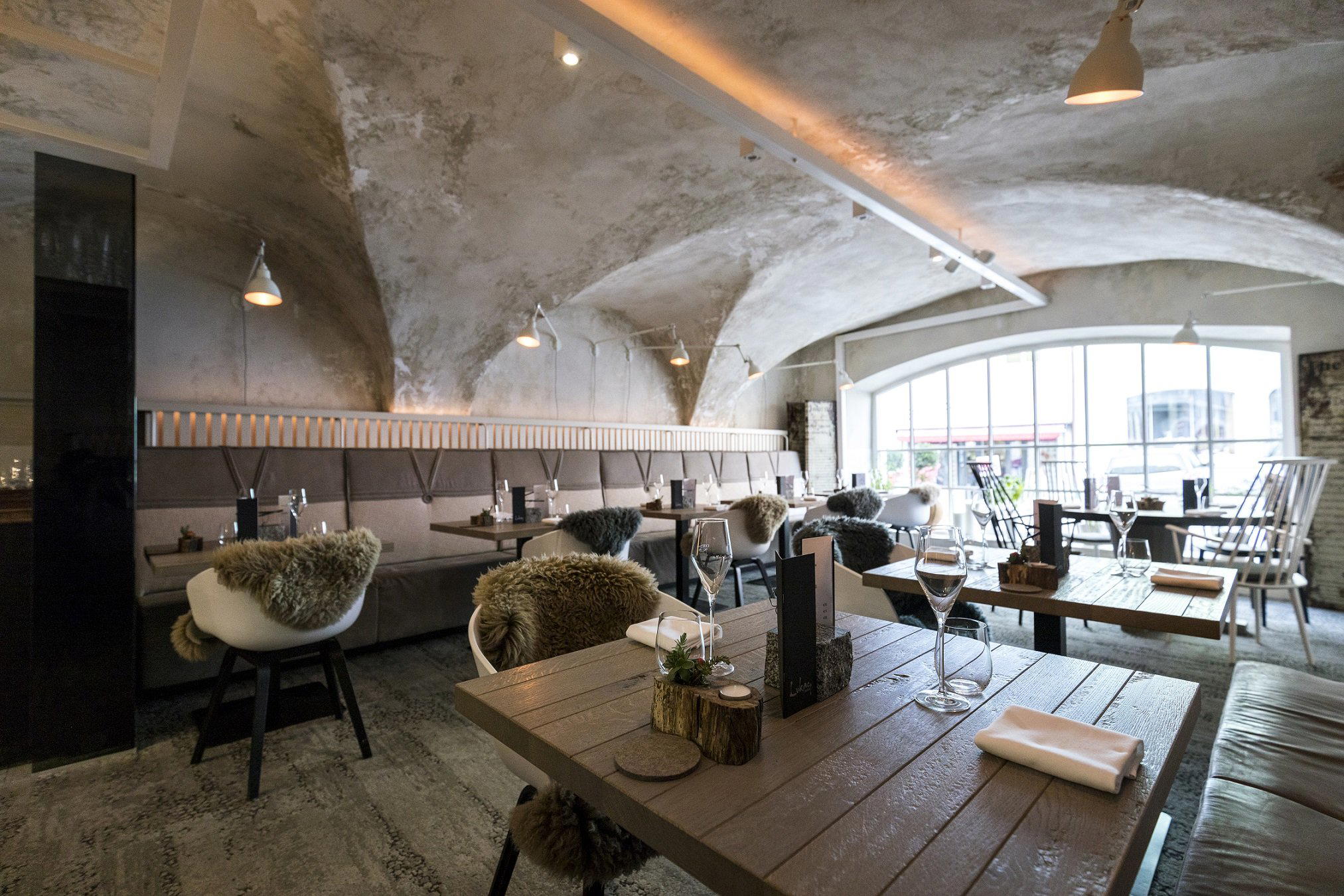
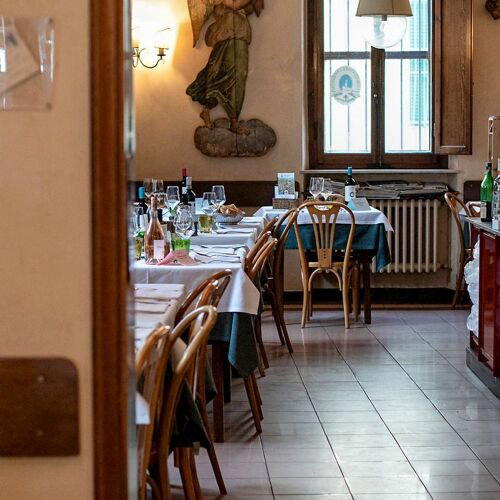
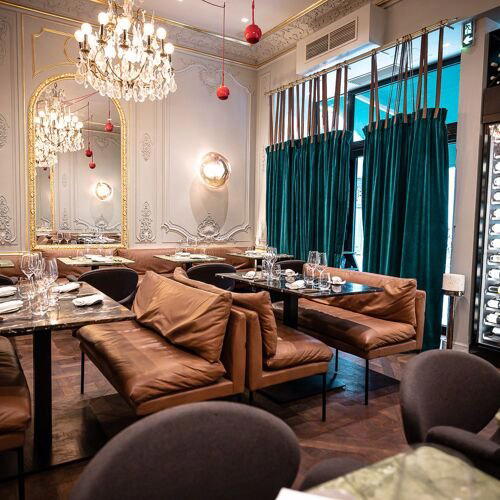
Details
- Cozy
- Elegant
- Modern
- Date Night
- Casual Hangout
- After Work
- Open Kitchen
- Sake Program
- Small Plates
- Set Menu
- A La Carte
Current opening hours
- Monday
- Closed
- Tuesday
- Closed
- Wednesday
- 6–10 PM
- Thursday
- 6–10 PM
- Friday
- 6–10 PM
- Saturday
- 6–10 PM
- Sunday
- Closed
Hours can change for holidays and private events. Hours as of .
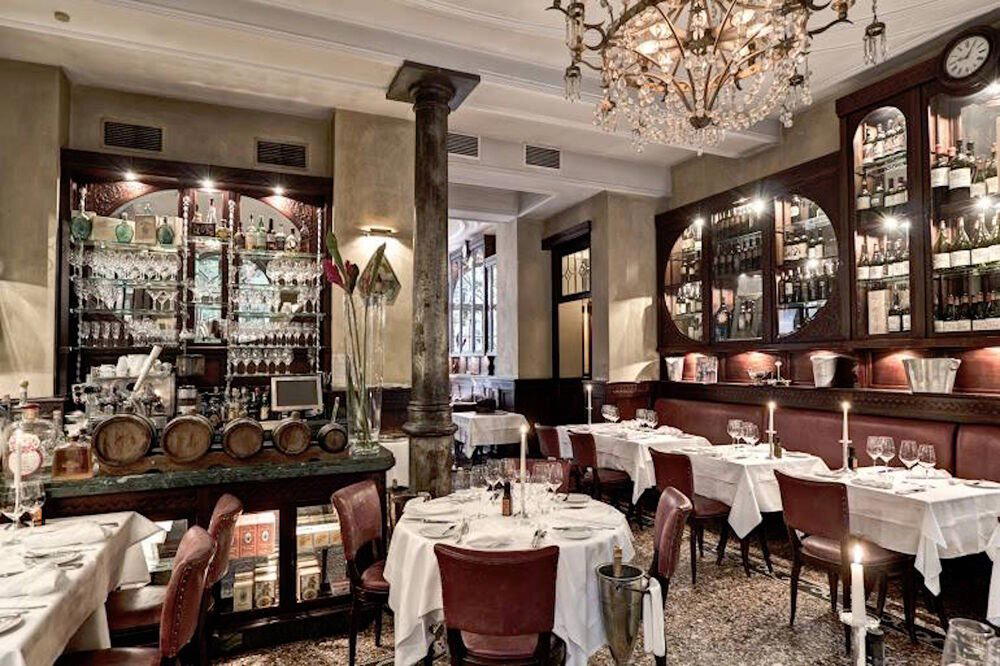
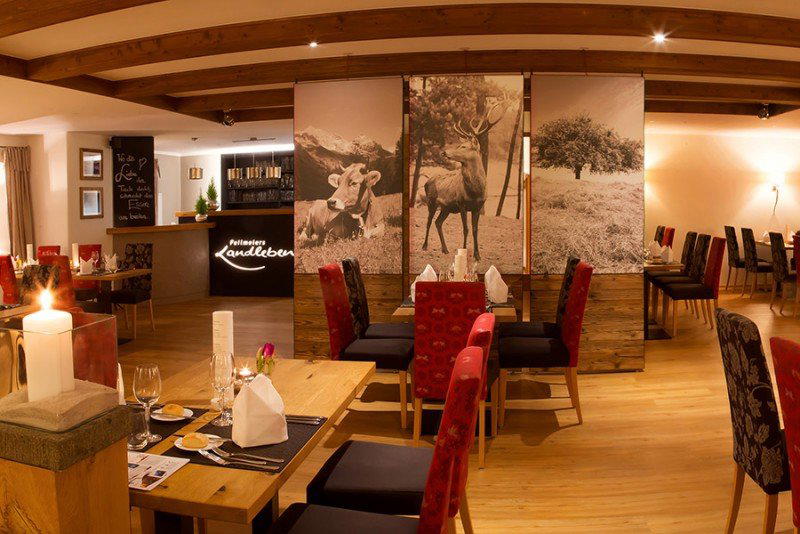
Cosy atmosphere under magnificent vaulted ceilings blending chic urban design with modern elements.