Our verdict
Kokono sits on Theodor-von-Hildebrandt-Platz in Neu-Ulm, a city that straddles the Bavaria-Baden-Württemberg border and draws a dining crowd that moves fluidly between both states. The restaurant occupies a position in a local scene that is quieter than Munich but more considered than its size suggests, making it a reference point for residents and visitors seeking something beyond the obvious regional staples.

Pearl is the En Primeur Club membership app, where members save venues, book tables and use the concierge.
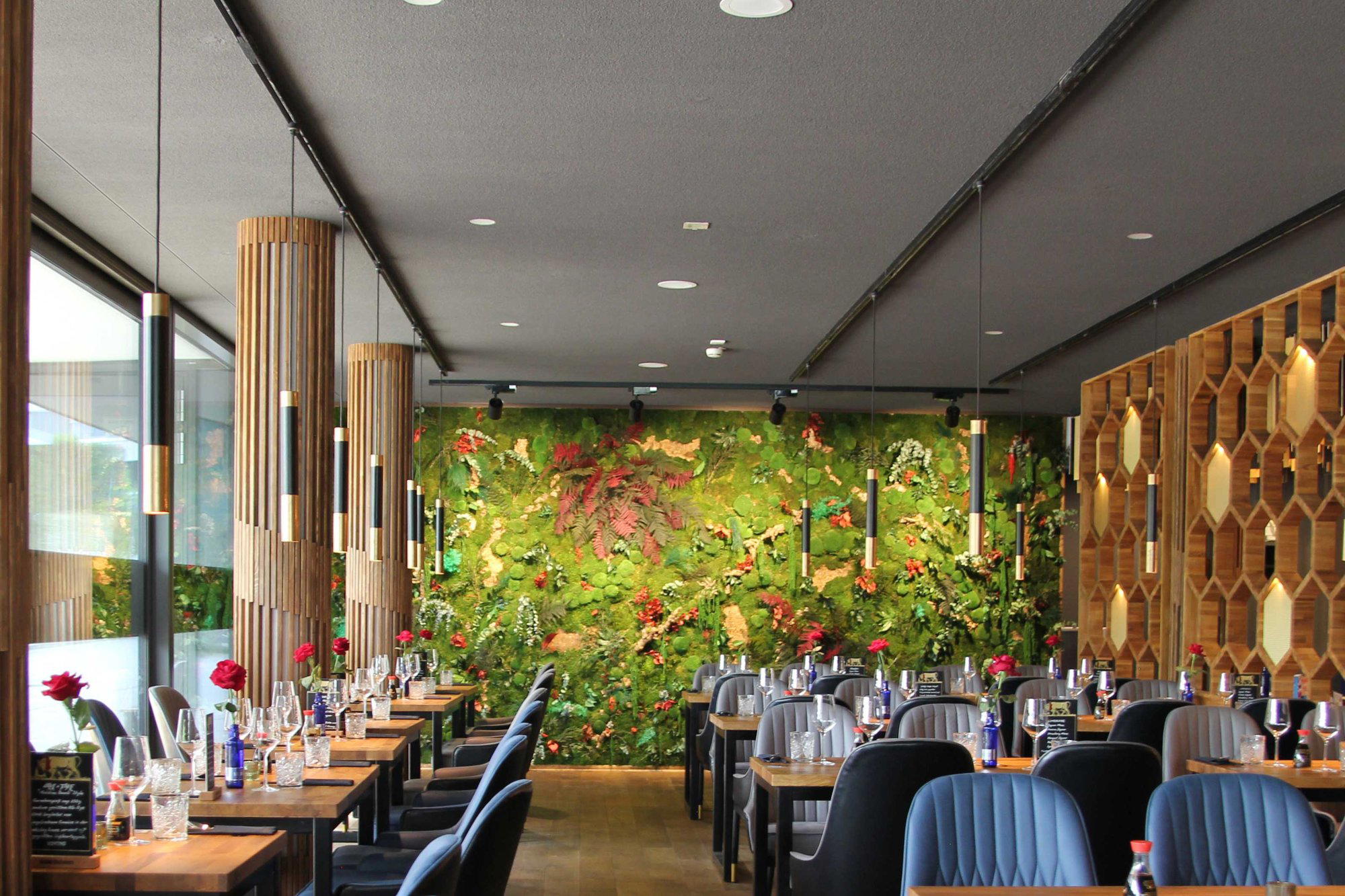
Neu-Ulm at the Table: Where Two States Meet
The Theodor-von-Hildebrandt-Platz address places Kokono Neu Ulm at a civic fulcrum in a city that most travellers pass through rather than stop in. Neu-Ulm sits on the Bavarian bank of the Danube, directly across from Ulm's famous cathedral spire, and the dual-city arrangement creates an unusual dining dynamic: residents draw on Swabian traditions from the Baden-Württemberg side and Bavarian produce logic from their own state, without being firmly committed to either. Restaurants that work in this environment tend to be more compositionally flexible than those anchored in a single regional identity. That flexibility, across the broader Neu-Ulm dining scene, is worth understanding before you book anywhere in the city.
For context on where Kokono fits within the wider local offer, our full Neu-Ulm restaurants guide maps the city's dining tiers and neighbourhood character in detail.
The Ingredient Question in Southern Germany
Sourcing in this part of Germany carries particular weight. The arc from Lake Constance north through the Swabian Alb and east into Bavaria is one of the country's more coherent agricultural zones: dairy from Allgäu, river fish from Iller and Danube tributaries, game from Bavarian forest estates, and market garden produce that shifts sharply with altitude and season. Restaurants that pay attention to this geography eat differently from those that rely on national or pan-European distribution chains, and the difference tends to show in winter, when the sourcing discipline that sustained a kitchen through autumn either holds or collapses into generic commodity produce.
Southern German fine dining has been evolving on this axis for at least a decade. The highest-recognition kitchens in the region, including JAN in Munich and AUGUST in Augsburg, have built reputations partly on how clearly their menus reflect a specific geographic provenance rather than an abstract European fine-dining vocabulary. Further afield, restaurants like ES:SENZ in Grassau demonstrate how Alpine-adjacent sourcing can become the structural logic of an entire creative program, not simply a marketing footnote.
What the location implies is access to the same Allgäu-to-Danube supply corridor that defines ingredient-led cooking across this part of Bavaria and Swabia.
A City That Rewards Closer Reading
Neu-Ulm is not a dining destination in the way that Munich or Stuttgart function as draws in their own right. It is a mid-sized city with a concentrated civic centre, a resident population that eats out regularly, and a visitor flow that includes business travellers and the cultural crowd that crosses between the two banks for concerts and museum programming. The dining scene reflects this: fewer high-concept restaurants than the Bavarian capital, but also less of the tourist-facing inertia that softens ambition in heavy-footfall cities.
The German restaurants that tend to generate the most sustained critical attention, whether Schwarzwaldstube in Baiersbronn, Waldhotel Sonnora in Dreis, or Vendôme in Bergisch Gladbach, share a quality that is harder to achieve in tourist-heavy environments: they cook for a returning local audience that has opinions and remembers what it ate last time. Smaller cities in Germany have historically produced this kind of kitchen discipline, partly because there is no cover from a constant stream of first-time visitors who will not notice if something slips.
Stephans Stuben by Marco Langer represents the creative end of the local Neu-Ulm offer and gives useful context for where the city's more ambitious kitchens are pointing. Kokono occupies a different register within the same city, serving a dining crowd that is looking for something with a clear identity on Theodor-von-Hildebrandt-Platz.
How Kokono Positions Within the German Dining Picture
Germany's dining recognition system, dominated by Michelin and the Gault&Millau; guide, has broadened its geographic reach considerably over the past decade. Cities that would have been overlooked in an earlier era now appear consistently in guide coverage. This has raised the baseline level of seriousness across provincial dining in Germany, and it has also made the absence of awards data more readable: a restaurant without documented recognition in a city like Neu-Ulm is not necessarily operating below the guides' attention threshold, but it may be in an earlier stage of building the consistency that guide inspectors require to commit.
Kitchens at the recognised end of the German spectrum, including Aqua in Wolfsburg, Victor's Fine Dining by Christian Bau in Perl, Restaurant Haerlin in Hamburg, and Schanz in Piesport, operate in a different tier from a regional restaurant without confirmed award history. The comparison is not unflattering to Kokono specifically; it simply locates the context in which any serious kitchen in Germany is working. The floor has risen. The interesting question for any provincial restaurant is whether it is tracking toward that floor or defining its own standard below it.
For reference points in adjacent disciplines, CODA Dessert Dining in Berlin shows how a narrow format executed with conviction can build a distinct identity within the German fine dining conversation, while Bagatelle in Trier and ammolite in Rust illustrate how regional positioning and setting can become part of a restaurant's critical identity. ATAMA by Martin Stopp in Sankt Ingbert demonstrates the reach of creative cooking in smaller German cities when a kitchen commits to a coherent point of view.
For international comparison, the sourcing discipline visible in kitchens like Le Bernardin in New York City and the ingredient-led precision of Atomix show what ingredient-first thinking looks like when it reaches the highest documented level of execution.
Planning Your Visit
Kokono Neu Ulm is located at Theodor-von-Hildebrandt-Platz 1, 89231 Neu-Ulm, placing it in the civic centre of the city and within easy reach of the Danube waterfront and the main transit connections between Neu-Ulm and Ulm. Neu-Ulm Hauptbahnhof serves the city with direct rail links to Munich, Augsburg, and Stuttgart, making an arrival by train practical for visitors coming from either Bavarian or Baden-Württemberg directions. The city's compact layout means that a meal at Kokono can be combined with an evening in Ulm or a riverside walk without requiring a car.
Frequently asked questions
Does Kokono Neu Ulm work for a family meal?
The Theodor-von-Hildebrandt-Platz address places Kokono in Neu-Ulm's civic centre, a public-facing location that typically signals broad accessibility rather than strict formality. If you are travelling with children, contacting the venue directly before booking is the practical step.
What's the vibe at Kokono Neu Ulm?
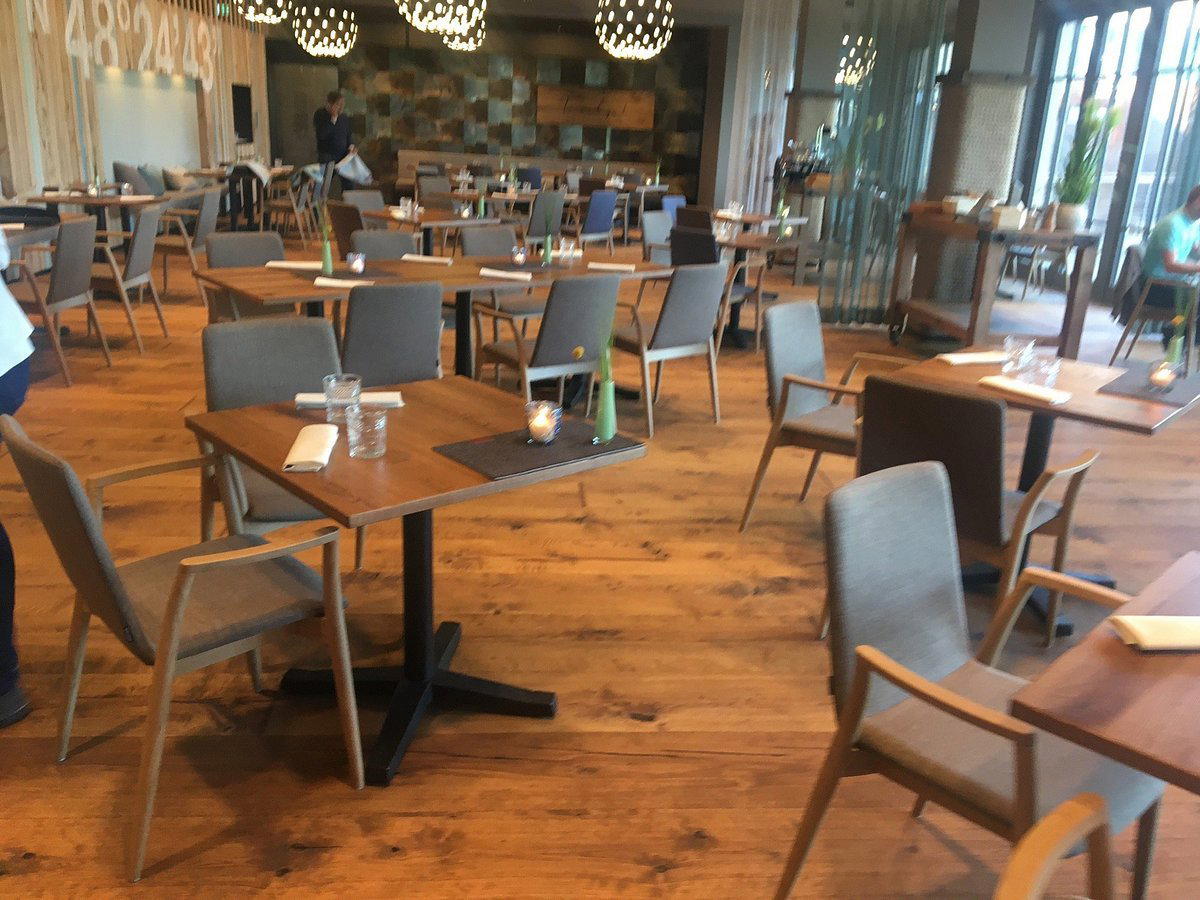
Kokono sits at Theodor-von-Hildebrandt-Platz 1, a civic-facing square in Neu-Ulm that draws a mix of local residents and cross-river visitors from Ulm. A central-square address in a mid-sized southern German city tends to produce a room that is relaxed without being casual, pitched at lunch trade and evening dining in roughly equal measure.
Is Kokono Neu Ulm easy to reach from Ulm's main train station?
Kokono's address at Theodor-von-Hildebrandt-Platz 1 in central Neu-Ulm places it a short walk from the Danube crossings that connect the two cities, making it accessible on foot or by tram from Ulm Hauptbahnhof. Neu-Ulm and Ulm effectively function as a single urban zone across the Baden-Württemberg and Bavaria state border, so visitors based on either side of the river will find the location practical.
A Quick Peer Check
Comparable venues nearby, for context on price, style, and recognition.
| Venue | Cuisine | Price | Awards | Notes |
|---|---|---|---|---|
| Kokono Neu UlmThis venue (the venue you are viewing) | Pan-Asian Sushi Bar | $20–30 | Not listed | Not listed |
| Stephans Stuben by Marco Langer | Creative Modern Farm-to-Table | Not listed | 1 Michelin Star | Neu-Ulm |
| Anami Kempten | Modern Asian Fusion Sushi | $20–30 | Not listed | Kempten Old Town |
| Onocubes | Asian Fusion Poké Bowls & Tapas | $20–30 | Not listed | Palmengarten |
| Gourmetrestaurant Lerbach (formerly Dieter Muller) | Dining | Not listed | Not listed | Bergisch Gladbach |
| Fusion Sushi | Fusion Sushi | $30–50 | Not listed | Roemerberg |
Continue exploring
More in Neu-Ulm
Restaurants in Neu-Ulm
All restaurants in Neu-Ulm →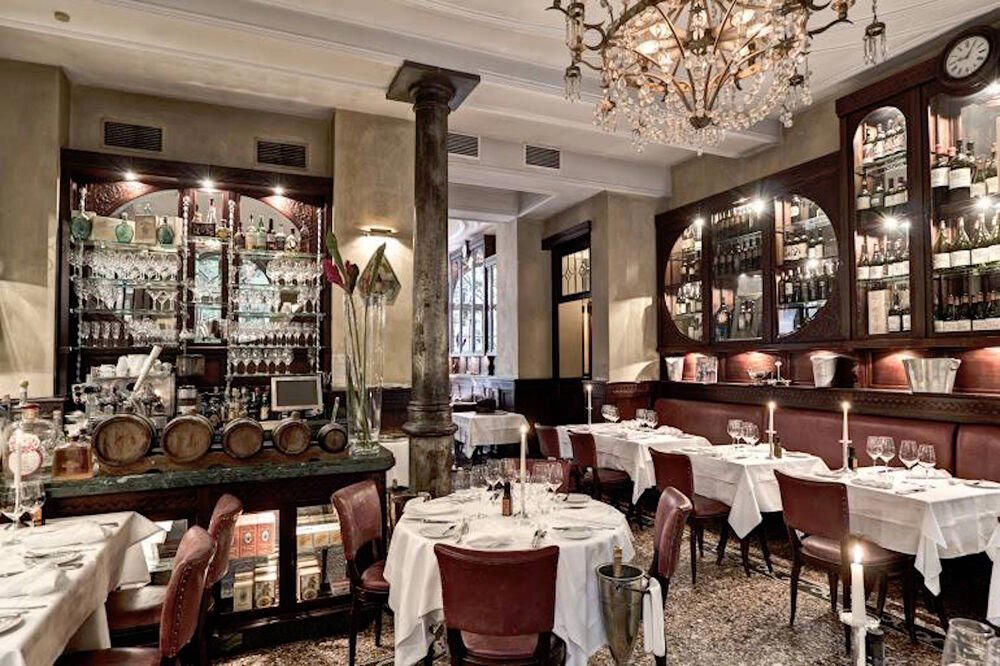
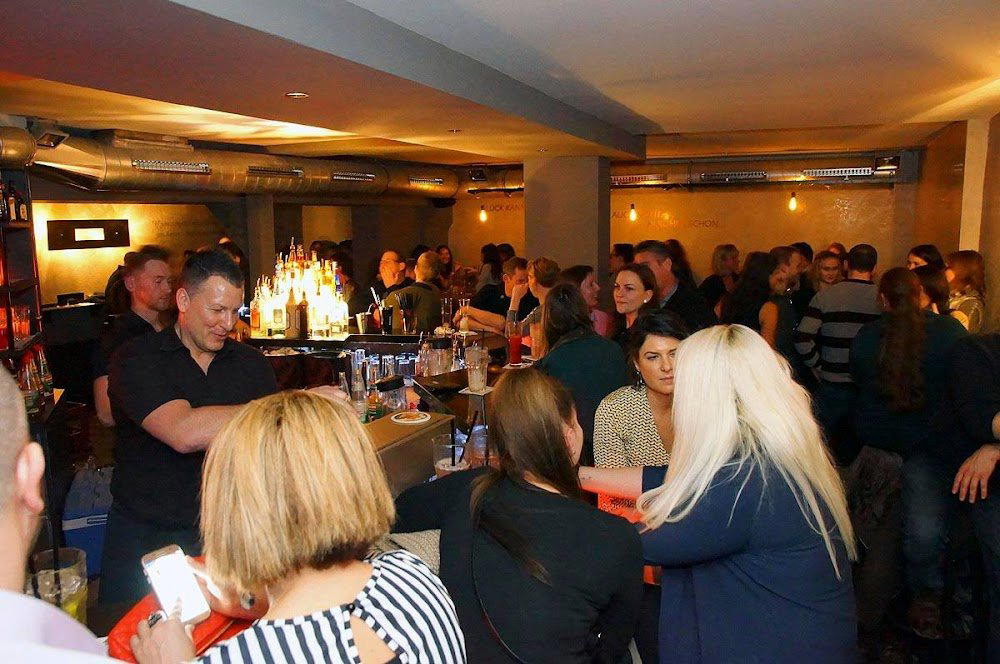
Bars in Neu-Ulm
Browse all →
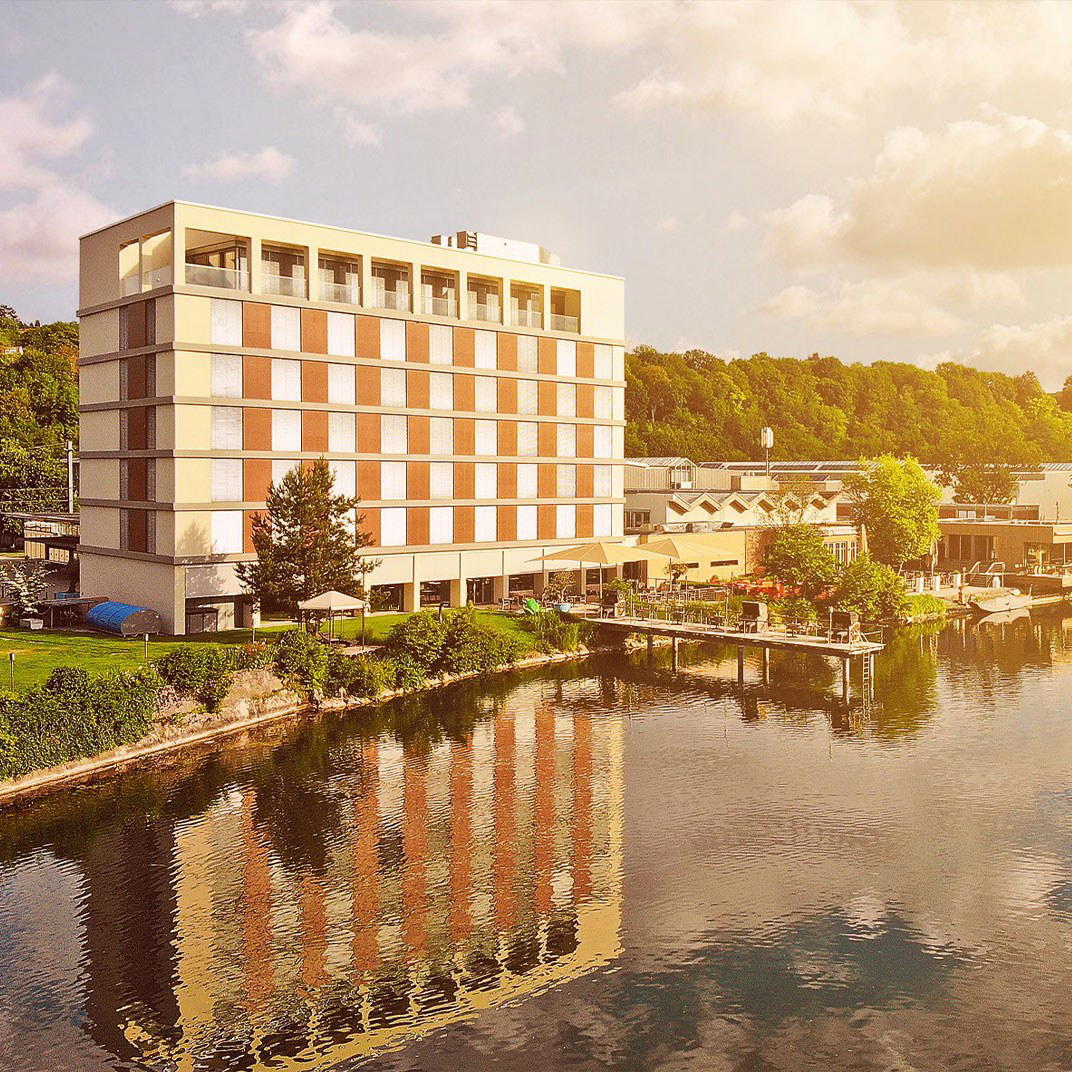
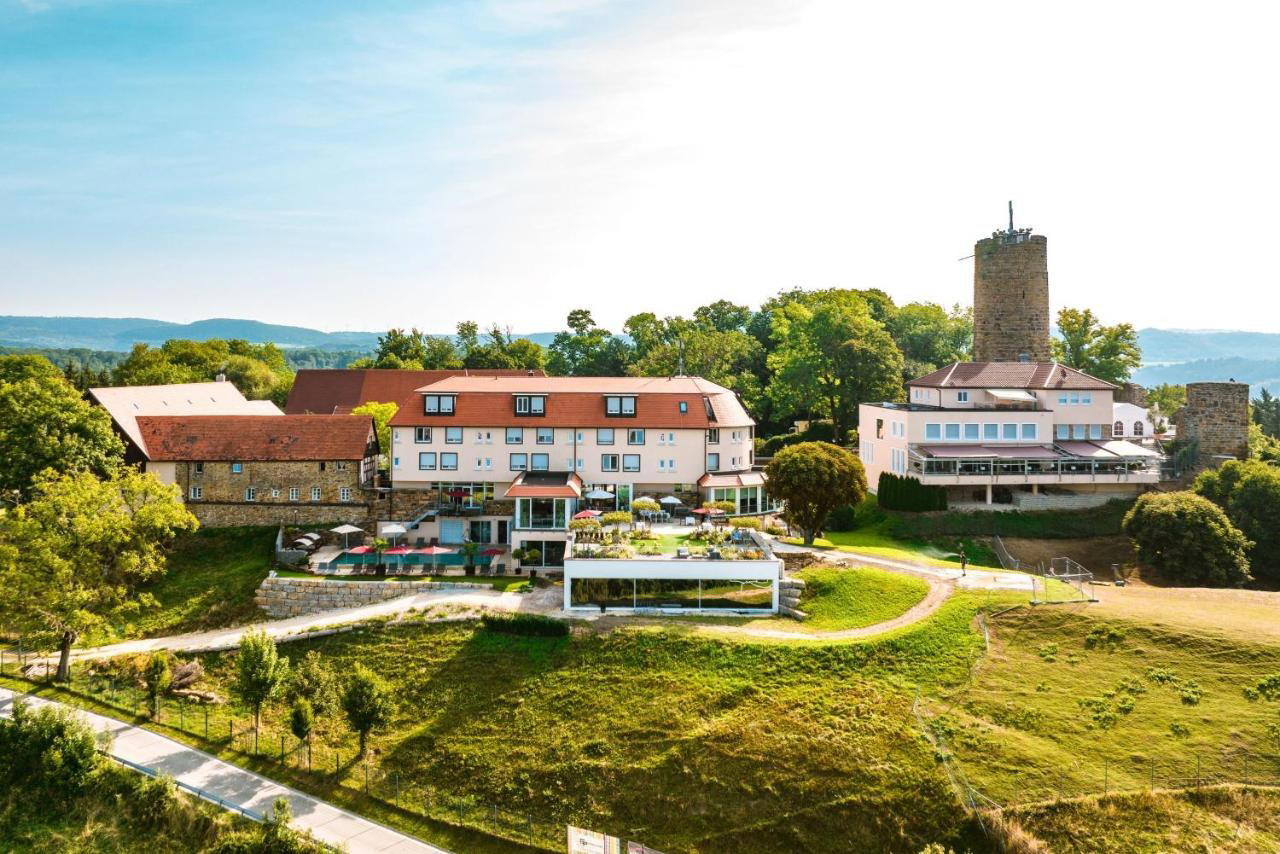
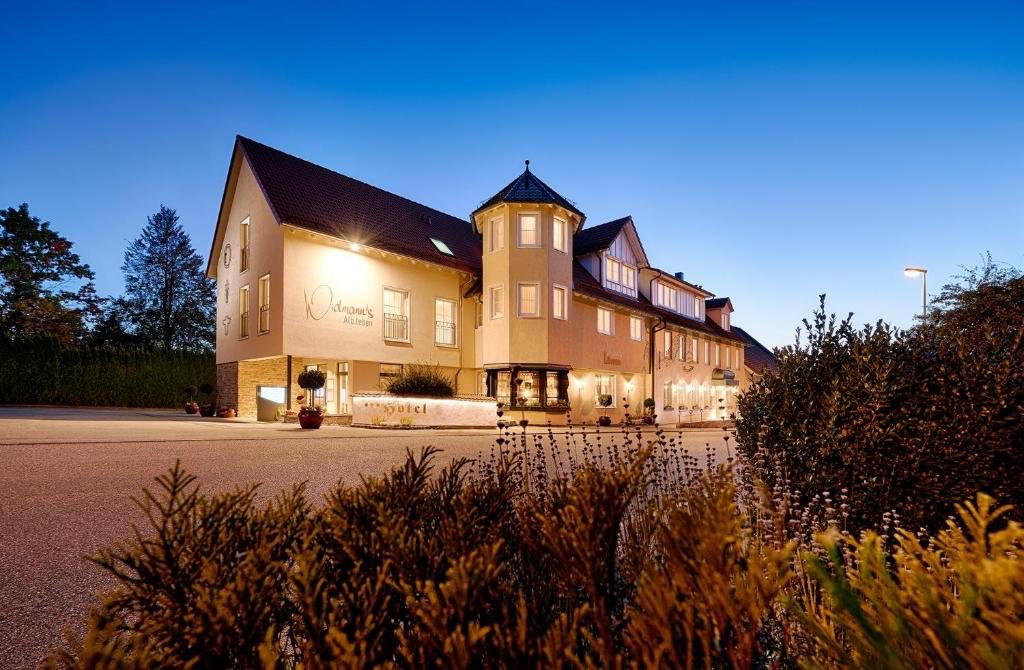
Hotels in Neu-Ulm
All hotels in Neu-Ulm →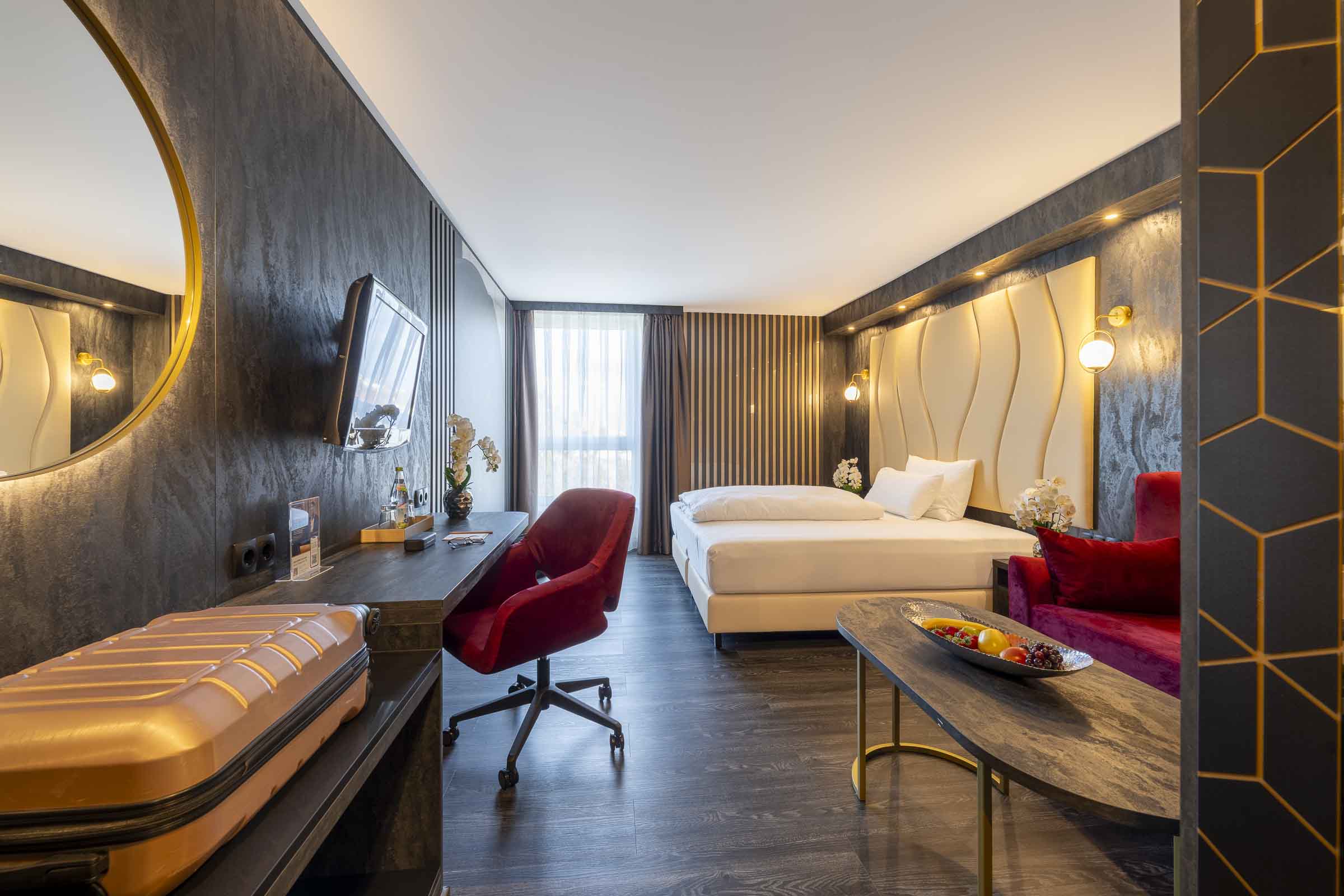
Wineries in Neu-Ulm
Browse all →
Details
- Modern
- Trendy
- Date Night
- Group Dining
- Open Kitchen
- A La Carte
- Vegetarian Friendly
- Vegan Options
Current opening hours
- Monday
- 11 AM–3 PM, 5–10:30 PM
- Tuesday
- 11 AM–3 PM, 5–10:30 PM
- Wednesday
- 11 AM–3 PM, 5–10:30 PM
- Thursday
- 11 AM–3 PM, 5–10:30 PM
- Friday
- 11 AM–3 PM, 5–10:30 PM
- Saturday
- 11 AM–10:30 PM
- Sunday
- 12–9:30 PM
Hours can change for holidays and private events. Hours as of .
Modern and chic atmosphere suitable for romantic dinners or group events.