
A Michelin Selected lakeside hotel in Ulm's Friedrichsau park district, LAGO hotel & restaurant am see positions itself at the intersection of natural setting and considered design. The waterfront address separates it from Ulm's city-centre accommodation options, offering a quieter register for travellers who want proximity to the Altstadt without sleeping inside it.
Pearl is the En Primeur Club membership app — saves, bookings, and concierge access live there. Same editors, same standards.
- Address
- Friedrichsau 50, 89073 Ulm, Germany
- Phone
- +49 731 2064000
- Website
- hotel.lago-ulm.de
- Directions
- Get directions
 Saves & bookings on Pearl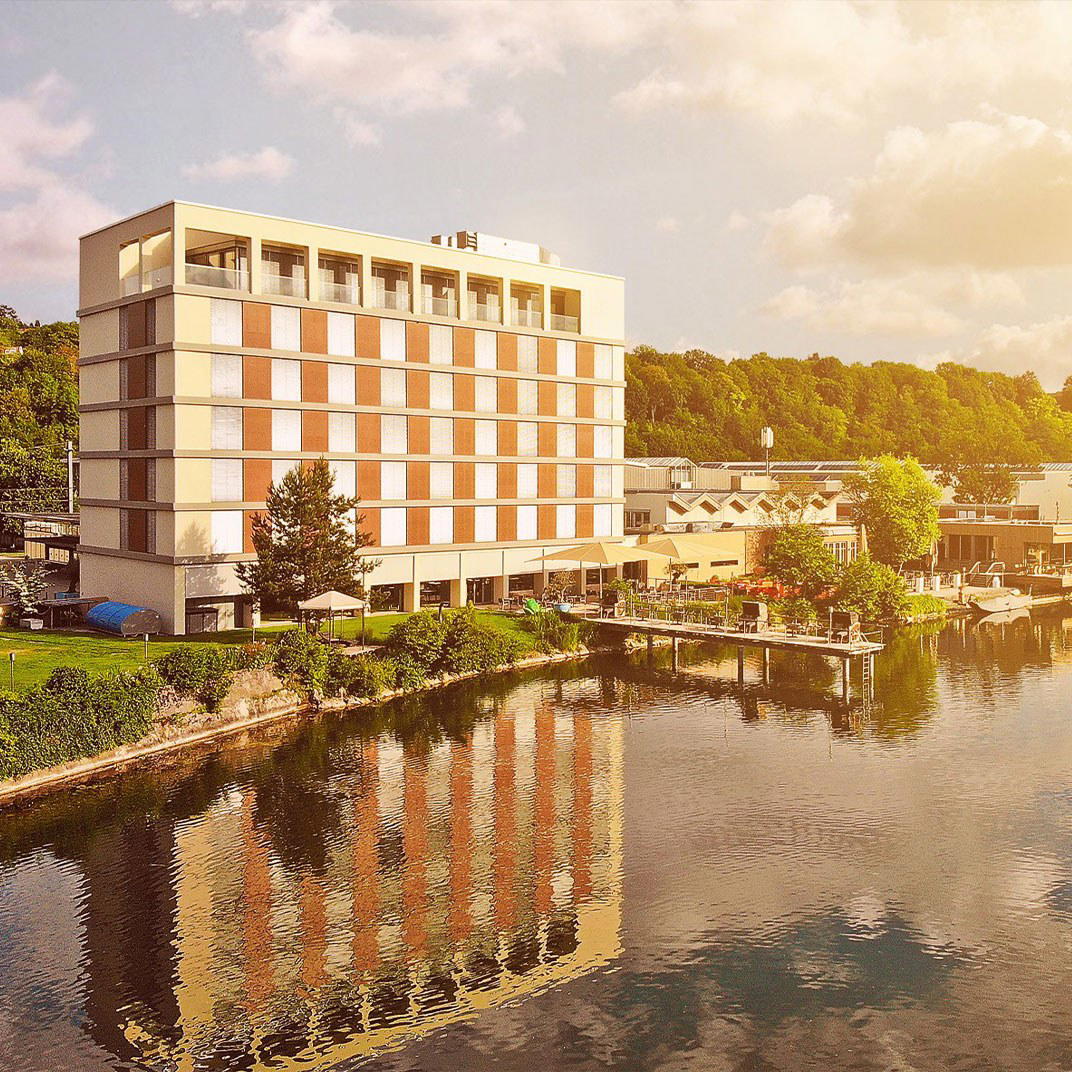
Water, Glass, and the Friedrichsau Shoreline
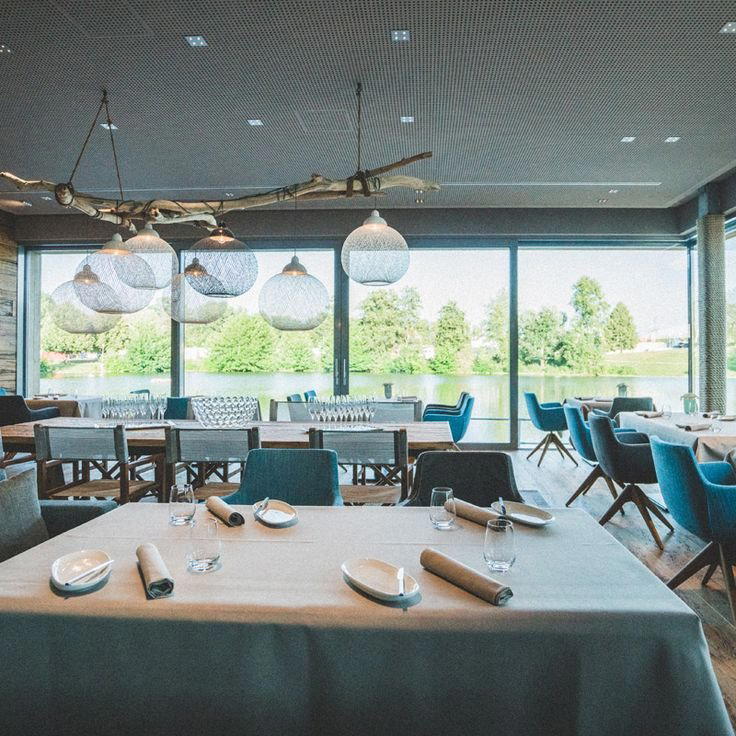
Ulm is not a city that typically registers on Germany's premium hotel circuit. The Minster gets the attention, the rebuilt Altstadt draws the day-trippers, and most visitors sleep somewhere functional and move on. LAGO hotel & restaurant am see works against that pattern. Situated at Friedrichsau 50, on the edge of the park that runs along the Danube-adjacent lake system southeast of the old town, the property belongs to a smaller category of German lakeside hotels where the physical relationship to water is the architectural premise, not a marketing afterthought.
That relationship to water defines the design logic here. Hotels built on lakesides in Central Europe tend to resolve in one of two directions: a heavy, historicist volume that turns its back on the weather, or a glass-and-steel transparency that uses the view as a primary interior material. LAGO sits in the second tradition. The name itself is a statement of orientation, toward the lake (Lago, Italian for lake, signals the design intent before you arrive). Where properties like the Althoff Seehotel Überfahrt in Rottach-Egern operate on a grander Bavarian lake with a full resort infrastructure, LAGO trades scale for urban proximity and a lower-key design register suited to a mid-sized city.
Architecture as Argument
The broader trend in German design-led hospitality over the past decade has been a move away from generic business-hotel uniformity toward properties that use their physical context as a differentiator. LAGO fits that movement. Hotels in this category, from the Seezeitlodge Hotel & Spa in Gonnesweiler to the BUDERSAND Hotel in Hörnum, have built their identities around a specific landscape reading. What each shares is the conviction that the exterior environment should permeate the interior, rather than be managed and excluded.
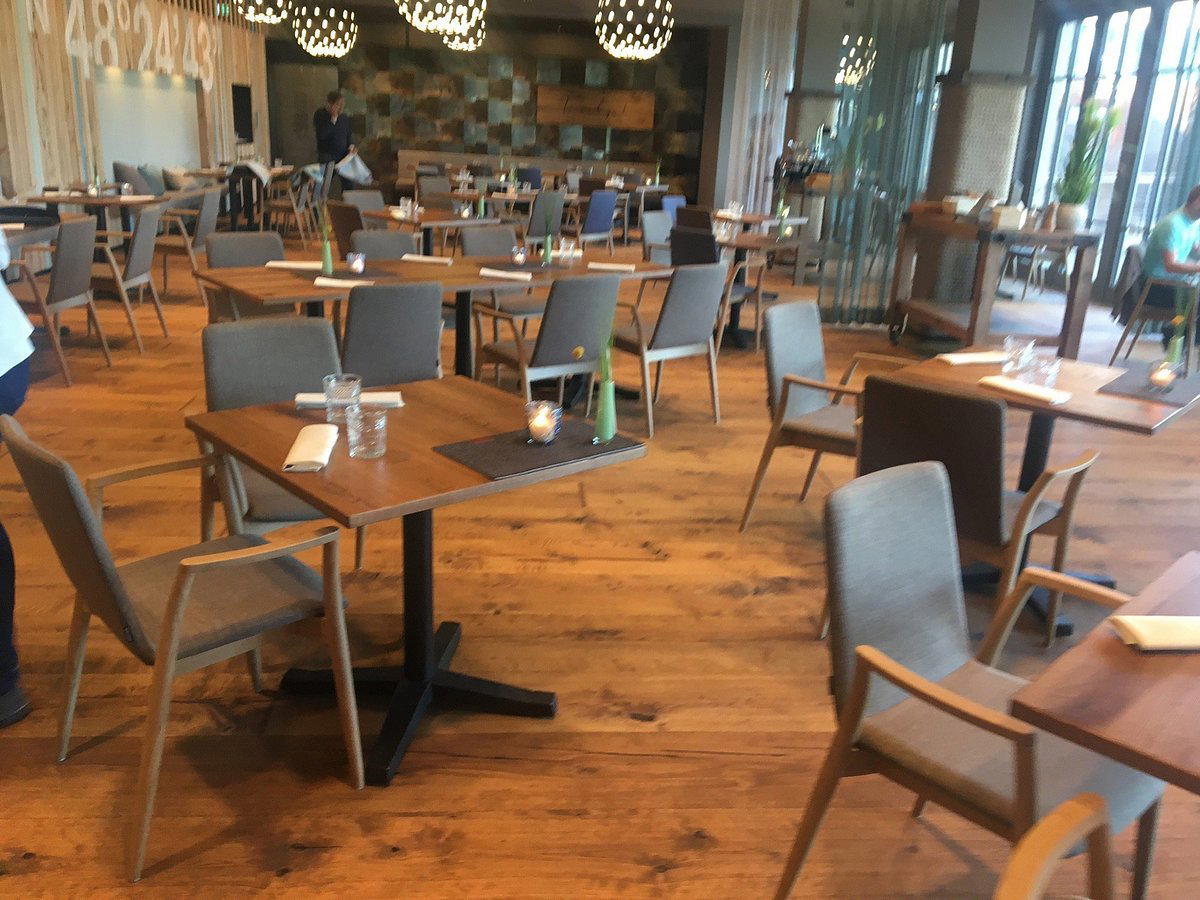
At a lakeside address like Friedrichsau, that means the quality of light changes the room throughout the day, and the orientation of public spaces toward water becomes the primary spatial decision. The restaurant component, signalled directly in the hotel's name, suggests that dining is not an amenity bolted on to a rooms business but is structurally integrated into the hospitality proposition. Hotel-restaurants in Germany that take this integrated approach, where the dining room faces the same view as the guest rooms and serves a broader local clientele, tend to perform differently from those tucked into hotel basements or corridor-adjacent spaces.
Where Ulm Places This Property
Ulm's accommodation market is thin at the premium end. The city functions primarily as a business destination and short-stay cultural stop, which means most hotel investment has followed a functional rather than design-led logic. LAGO's Michelin Selected designation for 2025 places it in a recognised tier within the Michelin hotel guide framework, a list that applies qualitative criteria around comfort, service consistency, and physical environment rather than the star-based culinary ranking applied to restaurants. That designation matters in a city where there is limited comparative context: it signals that the property has been assessed against a European standard rather than a purely local one.
Among Ulm's options, the me and all hotel Ulm represents a different register entirely, a design-forward urban format aimed at a younger traveller. LAGO's lakeside position and restaurant-integrated format address a different travelling profile, one closer to the leisure and occasion-dining visitor than the city-break minimalist.
For broader regional comparison, southern Germany includes properties with stronger brand recognition and deeper infrastructure. The Hotel Traube Tonbach in Baiersbronn and Schloss Elmau Luxury Spa Retreat & Cultural Hideaway in Elmau both operate with multi-restaurant formats, larger key counts, and established culinary reputations that LAGO does not match at its current scale. The Gut Steinbach Hotel Chalets Spa in Reit im Winkl and Weissenhaus Private Nature Luxury Resort in Weissenhaus similarly operate with greater complexity. LAGO's strength is a different kind: it occupies an address and a format that has no direct local competitor, which in a small city carries its own value.
The Restaurant Dimension
In Germany's regional hotel market, the decision to lead with a restaurant identity, as the LAGO name explicitly does, places the property in a cohort where the kitchen is expected to anchor the guest experience rather than support it. This is a meaningful structural commitment. Properties across Germany's secondary cities that have built dining reputations first, from the Esplanade Saarbrücken in Saarbrücken to LA MAISON in Saarlouis, demonstrate that a strong restaurant in a non-capital city can sustain a hotel's reputation across both local and visiting audiences.
At LAGO, the lakeside dining room position means that the restaurant engages a local Ulm clientele as much as an in-house guest one. That dual audience dynamic, where residents use the restaurant for occasions and hotel guests use it for convenience, is the economic model that makes integrated hotel-restaurants viable in cities without a large tourist volume. It also keeps the kitchen more responsive than a purely captive-audience hotel restaurant would need to be. For the reader deciding between a room here and a more centrally located Ulm option, the restaurant is a genuine differentiator, not a checkbox amenity.
Planning Your Stay
The Friedrichsau address sits outside the immediate pedestrian centre of Ulm but within practical distance of the Minster and the riverfront. Travellers arriving by rail at Ulm Hauptbahnhof will find the hotel reachable without needing a car, though the park-edge location makes it a quieter base than a city-centre alternative would provide. Booking in advance for weekend periods and summer, when the lakeside setting carries seasonal value, is advisable. The restaurant will draw local diners on occasion-dining evenings, which means Friday and Saturday reservations may fill independently of room availability.
For travellers building a wider German itinerary around design-led and Michelin-recognised properties, the Telegraphenamt in Berlin, Breidenbacher Hof Düsseldorf in Düsseldorf, and Fairmont Hotel Vier Jahreszeiten in Hamburg represent the established upper end of the German hotel canon. LAGO operates in a lower-pressure register, appropriate to Ulm's scale, and that is part of its appeal.
In Context: Similar Options
Comparable venues nearby, for context on price, style, and recognition.
| Venue | Cuisine | Price | Awards | Notes |
|---|---|---|---|---|
| LAGO hotel & restaurant am seeThis venue — the venue you are viewing | Stylish modern 4-star design hotel surrounded by park and lake. | $$$ | 4-Star | Not listed |
| me and all hotel Ulm | Modern urban lifestyle hotel blending old and new. | $$$ | 4-Star | Bahnhofplatz |
| Tannenhof Sport & SPA | Modern Alpine resort combining contemporary design with traditional Bavarian elements; family-run establishment emphasizing wellness and active recreation. | $$$ | 4-Star | Weiler-Simmerberg |
| Platzl Hotel - Superior | Traditional Bavarian elegance with modern comforts | $$$ | 4-Star | Altstadt-Lehel |
| The Dean Berlin | Contemporary Art Deco boutique hotel with modern luxury positioning in an upscale urban setting. | $$$ | 4-Star | Charlottenburg-Wilmersdorf |
| AMERON Hamburg Speicherstadt | Mid-century modern in historic warehouse building | $$$ | 4-Star | Speicherstadt |
Recognition history
Dated appearances from independent guides and award organizations, with the underlying list record or original source where available.
Michelin Selected
Michelin
Continue exploring
More in Ulm
At a Glance
- Modern
- Scenic
- Elegant
- Cozy
- Romantic Getaway
- Family Vacation
- Weekend Escape
- Waterfront
- Panoramic View
- Terrace
- Wi Fi
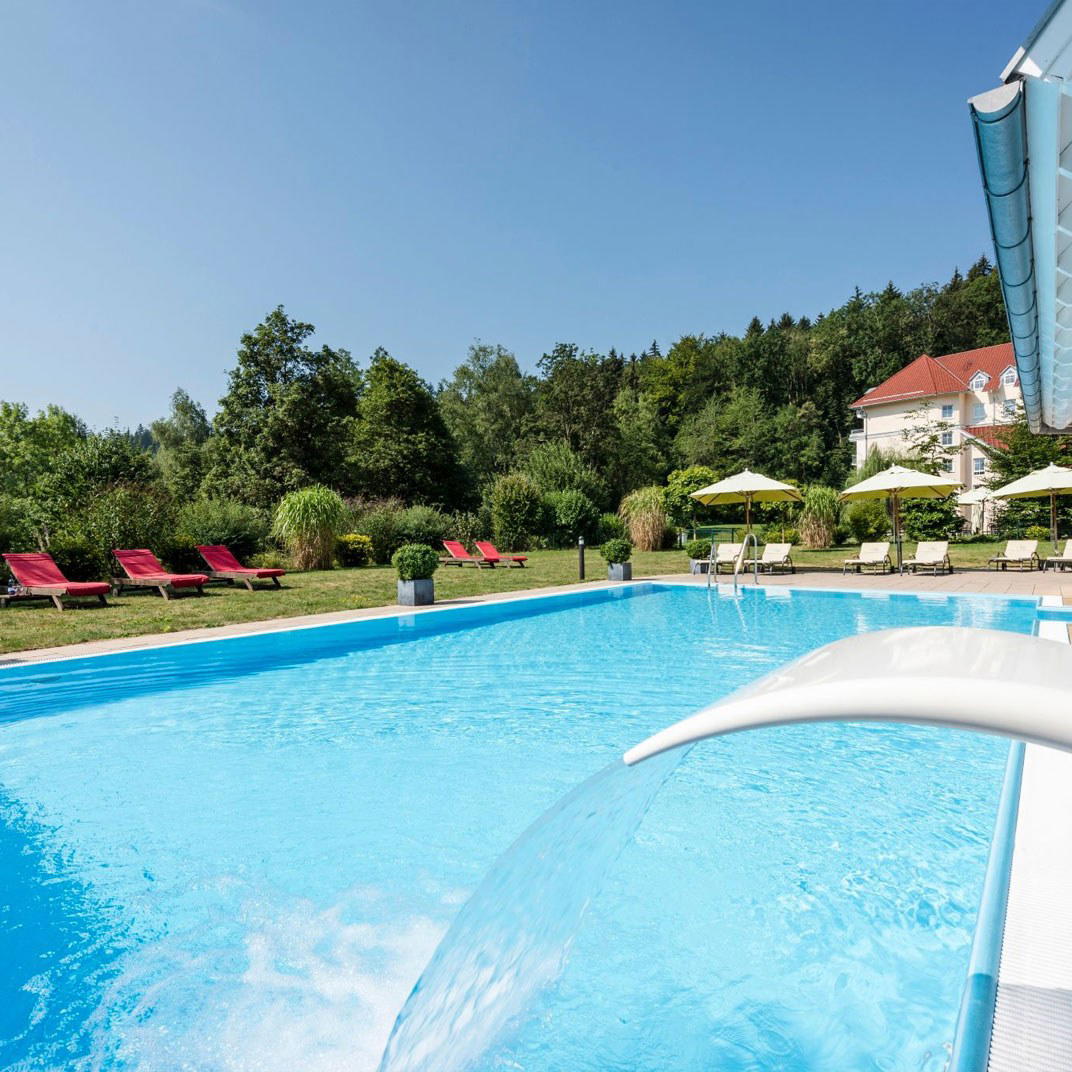
- Pool
- Spa
- Fitness Center
- Sauna
- Restaurant
- Room Service
- Concierge
- EV Charging
- Waterfront
- Garden
- Wi Fi
- Pool
- Spa
- Fitness Center
- Sauna
- Restaurant
- Room Service
- Concierge
- EV Charging
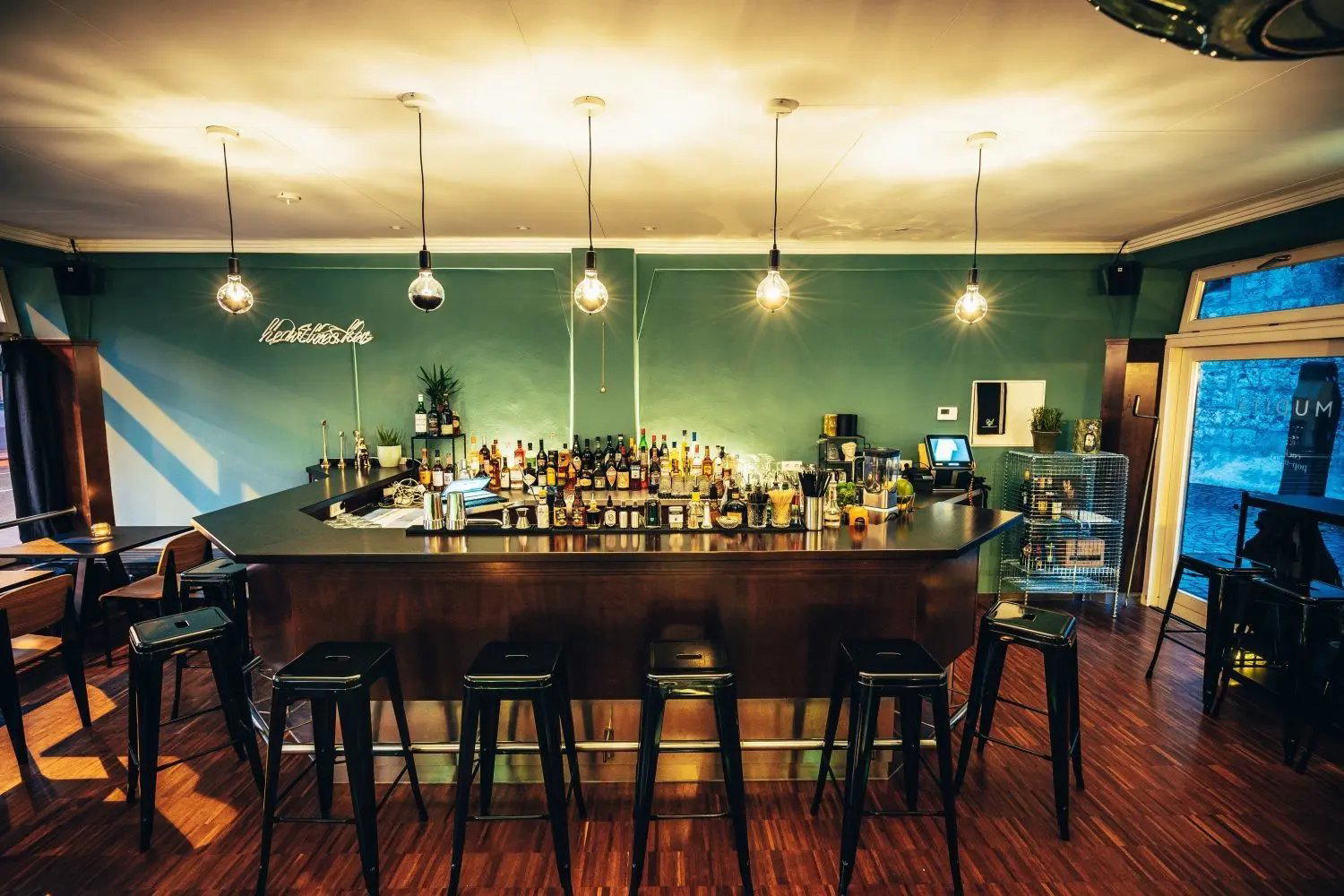
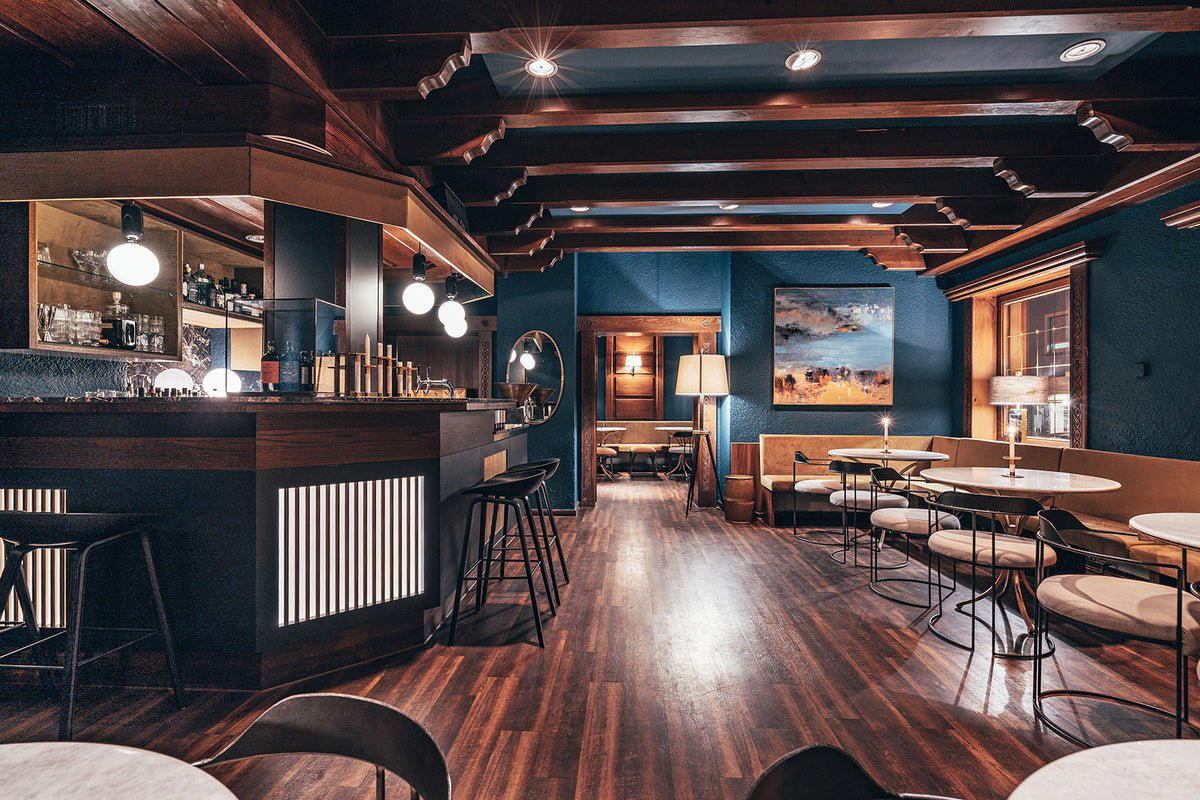
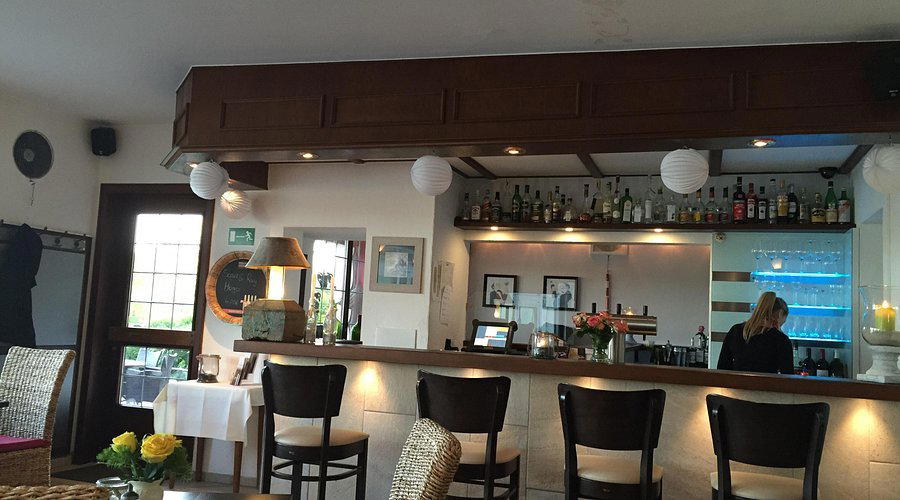
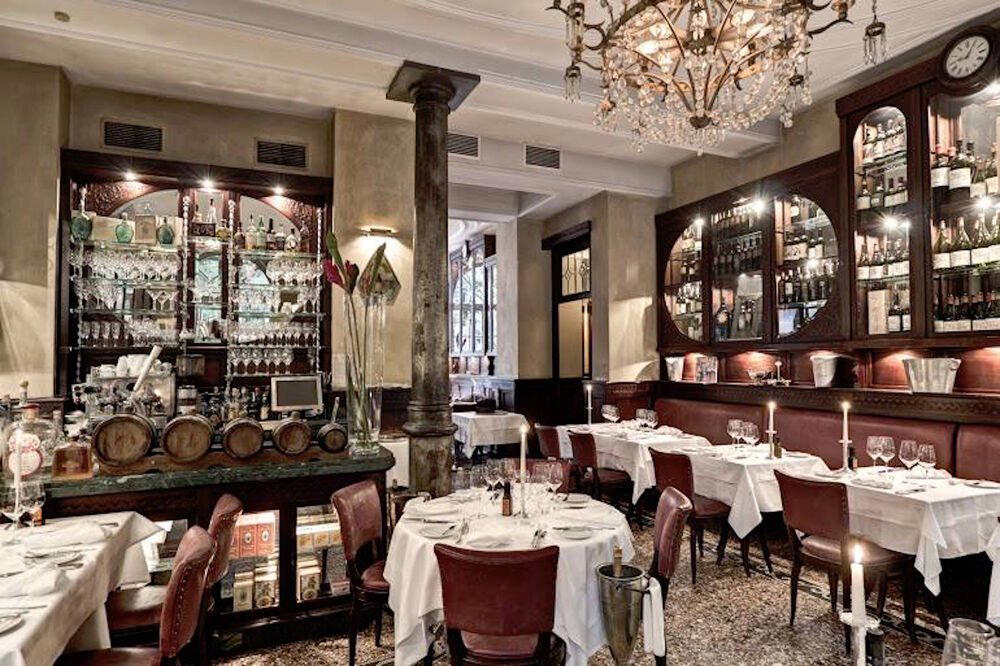
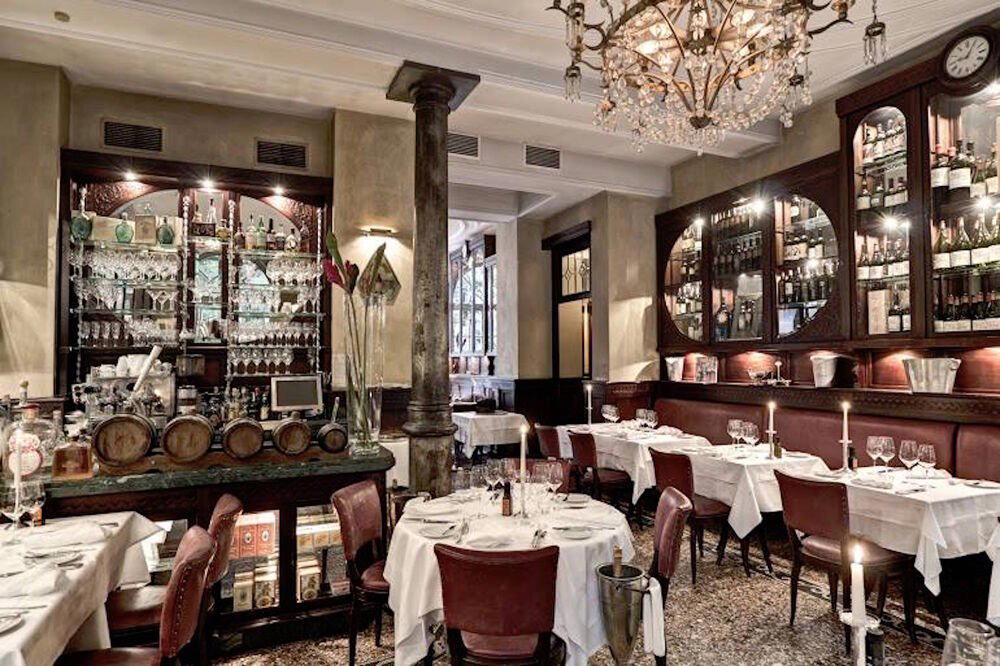
Gentle lighting with bright colors and premium materials creating a harmonious, relaxing atmosphere.