
1 Michelin Star
Our verdict
Holding a Michelin star in both 2024 and 2025, bi:braud occupies a distinct tier in Ulm's contemporary dining scene. The restaurant sits at the upper end of the city's price bracket, offering a modern European format that positions it clearly apart from the mid-range contemporaries clustered across the old town. For serious diners passing through Baden-Württemberg, it represents the clearest case for a dedicated reservation.

Pearl is the En Primeur Club membership app — saves, bookings, and concierge access live there. Same editors, same standards.
- Address
- Büchsengasse 20, 89073 Ulm, Germany
- Phone
- +49 731 1537512
- Hours
- Mon ClosedTue–Sat 5:30–11 PMSun Closed
- Website
- bibraud.com
- Directions
- Get directions
Ulm's Fine Dining Tier, Mapped
Germany's Michelin-starred restaurants concentrate predictably around Munich, Hamburg, and Berlin, but a quieter thread of recognised kitchens runs through the smaller cities of Baden-Württemberg. Ulm sits on that thread. The city is not a dining capital in any conventional sense, but it supports a small layer of serious restaurants, and bi:braud, at Büchsengasse 20, is the clearest marker of where that layer begins. Two consecutive Michelin stars, awarded in 2024 and retained in 2025, place it in a peer group that includes kitchens across the region operating at similar technical ambition and price commitment — closer in spirit to ES:SENZ in Grassau or Schanz in Piesport than to the city's broader mid-range contemporary offer.
The address itself signals the register: Büchsengasse runs through the historic core of Ulm, a few minutes from the Münster and the Danube riverfront. The streets here are narrow, the architecture old, and the contrast between that setting and a kitchen working at Michelin standard is a familiar dynamic in German cities of this size. The physical approach carries the weight of that contrast — old stone, then a door, then a room calibrated for a different kind of attention.
Where bi:braud Sits in the Ulm Scene
Ulm's restaurant offer divides fairly cleanly across price tiers. At the lower end of the contemporary bracket, places like Treibgut and Edda Brasserie serve seasonally inflected menus at a €€ price point that works for regular dining. Seestern operates at €€€€ with a Modern French orientation, occupying the best of the city's formal tier. bi:braud sits at €€€, which in the context of a starred kitchen represents a considered middle position: the technical seriousness of the upper tier, priced slightly more accessibly than the city's most formal room.
That positioning matters because it shapes who books and why. Guests arriving at bi:braud are not choosing between it and a brasserie; they are choosing it within a set that includes short drives to kitchens in Stuttgart or further into southern Germany. The Michelin retention in 2025 confirms that the kitchen has held its form across back-to-back inspection cycles, which is a more meaningful signal than a single-year award. Consistency under scrutiny is what distinguishes a genuine entry in the starred tier from a kitchen that caught a single favourable moment.
Contemporary Cuisine at This Level: What the Format Implies
The cuisine type listed for bi:braud is contemporary, a designation that covers significant range in the German fine dining context. At one end it describes modernist tasting menus with aggressive technique; at the other, it describes kitchens focused on ingredient-led cooking with restrained intervention. What the Michelin recognition clarifies is that bi:braud is operating with the kind of precision the guide rewards: clean sourcing logic, technical control, and a menu structure coherent enough to earn and hold a star across two years.
Across Germany's one-star contemporary kitchens, the dominant format is the set tasting menu, typically running between five and eight courses, with optional wine pairings. This is the structure that allows kitchens to manage ingredient quality at this price tier while giving the team enough control over pacing and sequencing to present coherent editorial thinking through the meal. Starred contemporaries at the €€€ bracket elsewhere in Germany, including rooms like JAN in Munich and Aqua in Wolfsburg, operate within broadly similar frameworks, even as the specific culinary language differs. The comparison set for bi:braud sits across that national register of single-star contemporaries rather than within Ulm's own city limits.
It is worth noting how bi:braud fits alongside other formats pushing the contemporary definition further. CODA Dessert Dining in Berlin works a distinctly structured dessert-forward tasting format. Schwarzwaldstube in Baiersbronn and Vendôme in Bergisch Gladbach represent the multi-star end of the German fine dining spectrum. bi:braud operates below that upper bracket but above the generalist contemporary tier, which is exactly where a committed single-star kitchen should sit.
The Kitchen Behind the Rating
Within Germany's contemporary fine dining circuit, the Michelin single star is earned most durably by kitchens whose teams have developed coherent culinary logic rather than chasing surface trends. The starred kitchens that retain across multiple cycles tend to share certain characteristics: a defined approach to sourcing, a consistent technique vocabulary, and a menu structure that evolves without losing its underlying grammar. bi:braud's back-to-back recognition in 2024 and 2025 places it in that retention group, which is a smaller and more meaningful category than first-time recipients.
The contemporary cuisine designation, paired with a €€€ price bracket and a historic city centre address, suggests a kitchen that has found its operating mode and refined it rather than reinventing it seasonally. That is not a limitation at this level; it is a sign of editorial confidence. The kitchens that earn lasting recognition in Germany's mid-tier fine dining scene are the ones that know what they are doing and do it with discipline. The comparison to international contemporaries operating at similar tier levels, including César in New York City and Jungsik in Seoul, confirms that the single-star contemporary format is a globally legible register, not a local curiosity, and that a kitchen holding that standard in a city like Ulm is working at a level that travels as a credential.
Planning a Visit
bi:braud is at Büchsengasse 20 in central Ulm, walkable from the main train station and from the old town's primary sights. At the €€€ price point with Michelin recognition, advance booking is advisable, particularly for weekend evenings; starred rooms in smaller German cities often have fewer covers than their urban counterparts, which means availability tightens faster than the city's general dining offer would suggest. Ulm is well connected by rail to Stuttgart (around 55 minutes) and Munich (around 55 minutes on faster services), making it a plausible extension of a broader southern Germany itinerary rather than a standalone destination for most international travellers.
For context on the broader Ulm dining scene, see our full Ulm restaurants guide. Accommodation options are covered in our full Ulm hotels guide. If you are extending your time in the city, our full Ulm bars guide, our full Ulm wineries guide, and our full Ulm experiences guide cover the rest of the offer in the same editorial register.
Frequently asked questions
Where is bi:braud in Ulm?
bi:braud is located at Büchsengasse 20, 89073 Ulm, Germany, Ulm.
Which chef is bi:braud associated with?
The chef associated with bi:braud is bi:braud.
What's the best thing to order at bi:braud?
bi:braud operates at the €€€ price point under a Michelin star — a combination that almost always means a set tasting menu rather than à la carte, which is the format that earned and sustains the rating. Ordering means committing to the full menu rather than selecting individual dishes. The contemporary cuisine designation leaves the kitchen room to shift focus seasonally, so what's on the pass at any given visit depends on the current menu cycle rather than a fixed signature dish.
A Quick Peer Check
| Venue | Cuisine | Price | Awards | Notes |
|---|---|---|---|---|
| bi:braudThis venue — the venue you are viewing | Modern German Fine Dining | $100–150 | 1 Michelin Star | Not listed |
| Seestern | Modern French Fine Dining | $200–300 | 1 Michelin Star | Modern French |
| Edda Brasserie | Modern German-French Brasserie | $30–50 | Michelin Plate | Not listed |
| Treibgut | Modern European with German Influences | $50–100 | Michelin Plate | Not listed |
Recognition history
Dated appearances from independent guides and award organizations, with the underlying list record or original source where available.
Michelin 1 Star
Michelin
Full recognition history (3 entries)
Michelin 1 Star
Michelin
Michelin 1 Star
Michelin

Details
- Cozy
- Modern
- Intimate
- Lively
- Date Night
- Special Occasion
- Open Kitchen
- Extensive Wine List
- Craft Cocktails
- Farm To Table
- Local Sourcing
- Set Menu
- Tasting Menu
- Vegetarian Friendly
Current opening hours
- Monday
- Closed
- Tuesday
- 5:30–11 PM
- Wednesday
- 5:30–11 PM
- Thursday
- 5:30–11 PM
- Friday
- 5:30–11 PM
- Saturday
- 5:30–11 PM
- Sunday
- Closed
Hours can change for holidays and private events. Last verified .
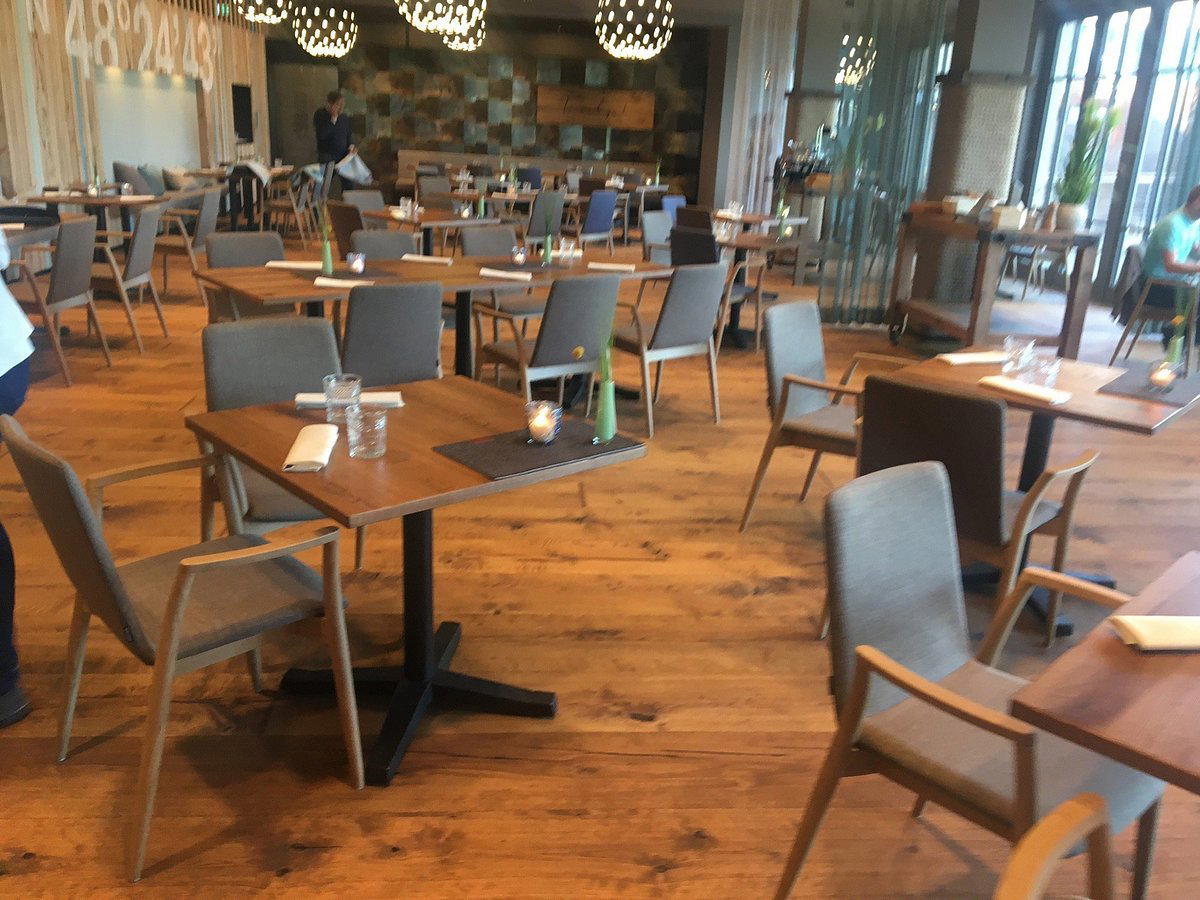
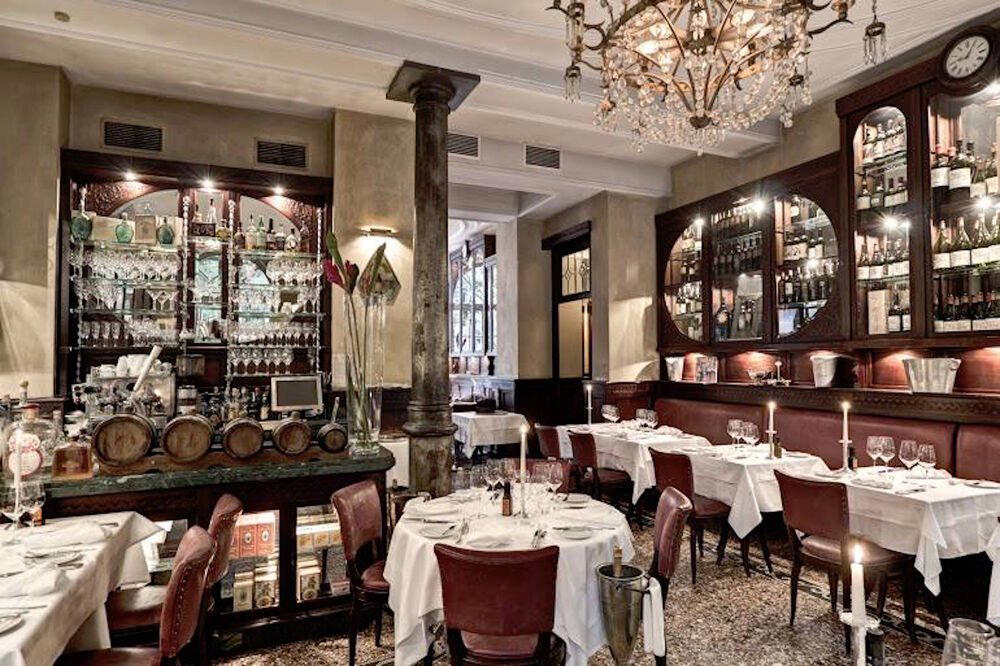
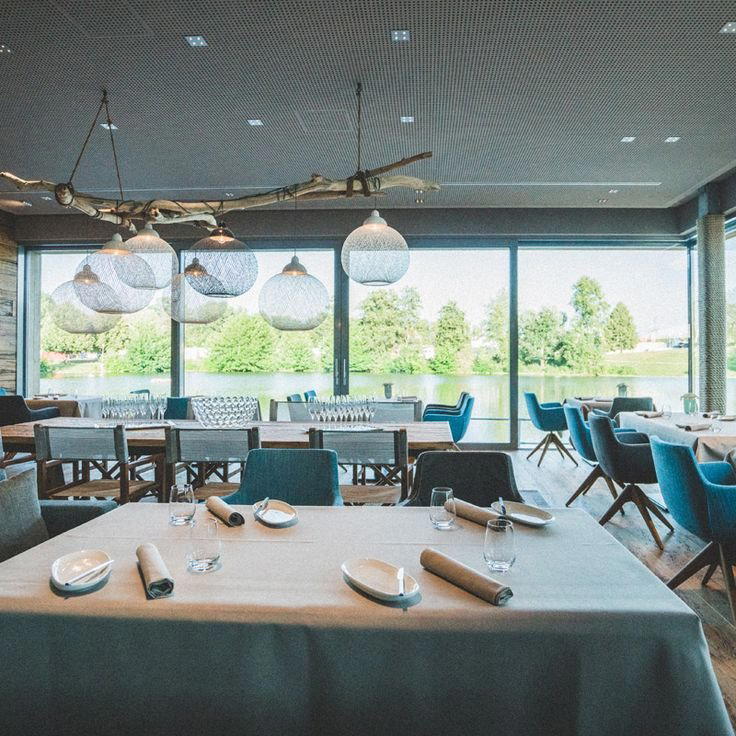
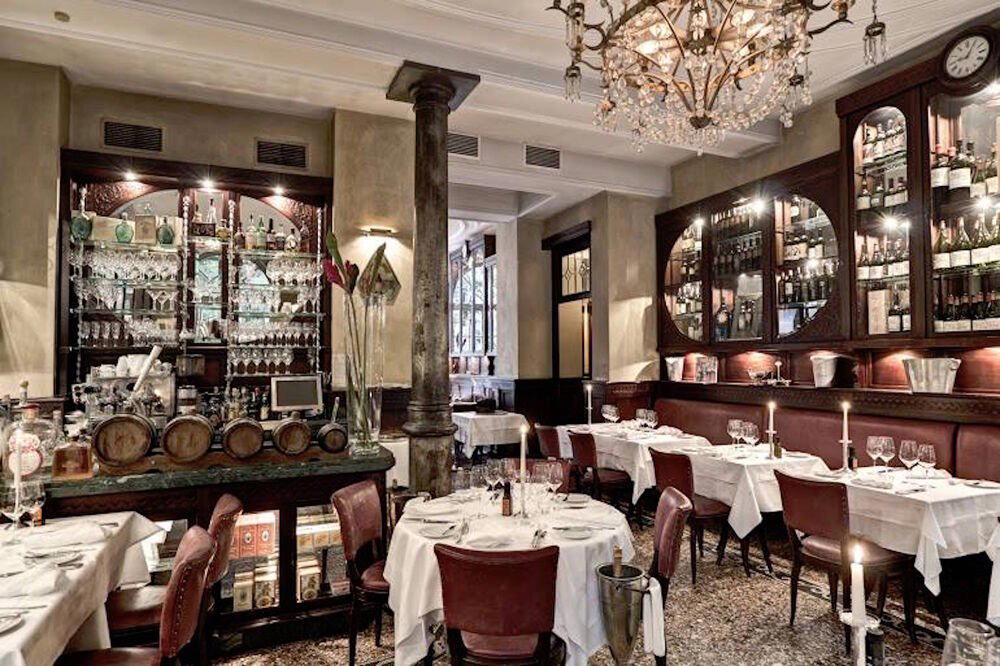
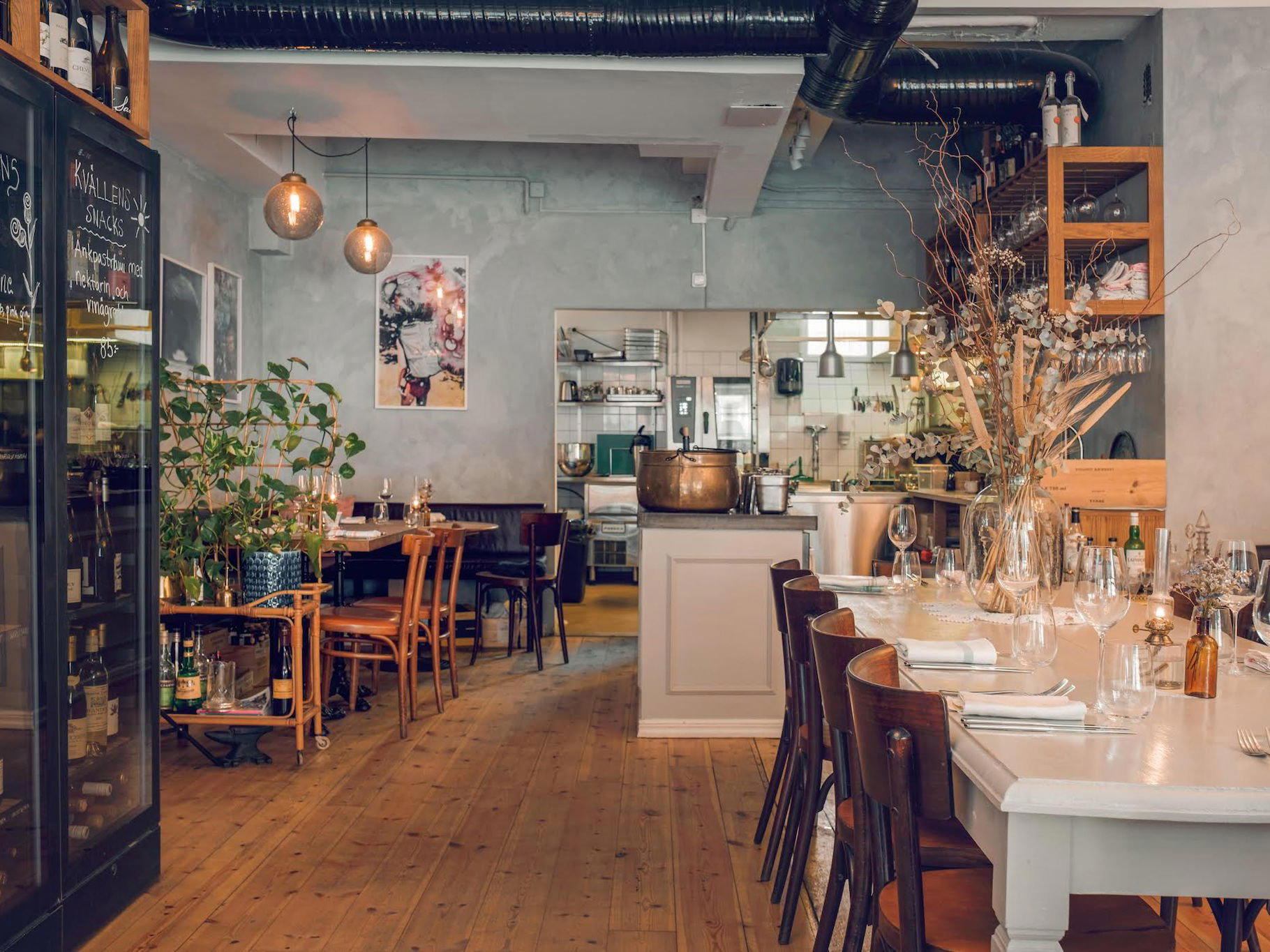
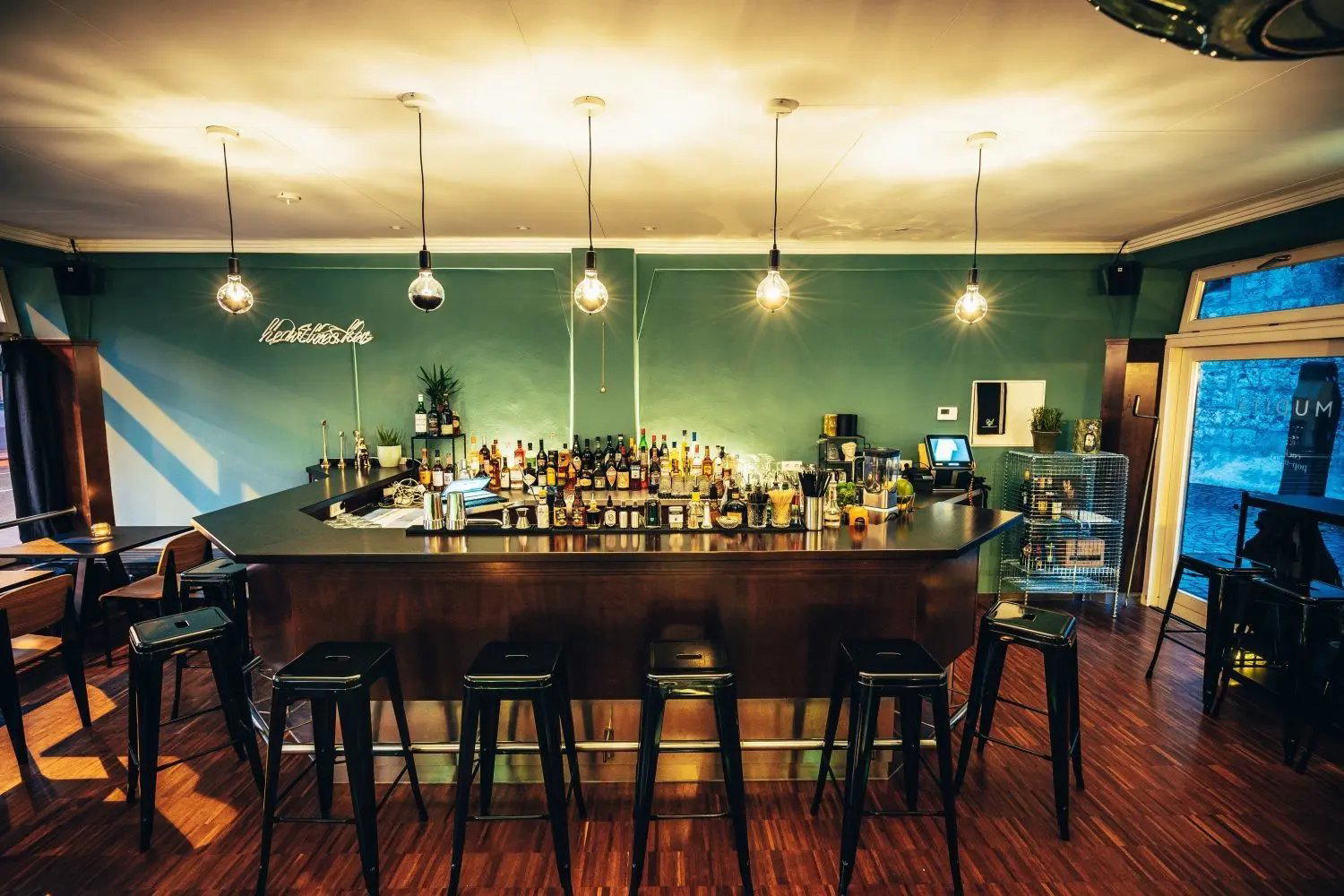
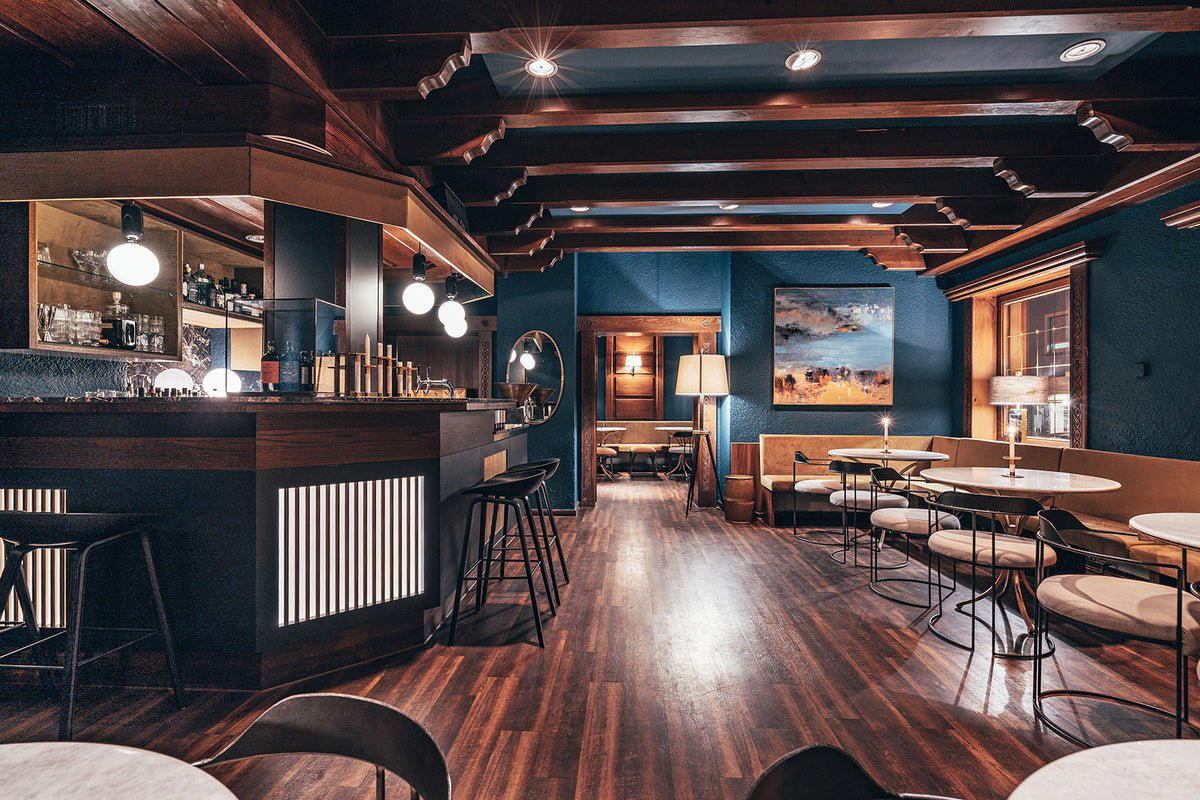
Inviting and lively atmosphere with friendly service, cozy dining area, and glimpses into the open kitchen.