On Königstraße in central Kempten, Anami sits within a city better known for its Roman ruins and Allgäu dairy heritage than its restaurant scene. That regional context shapes what lands on the plate: Allgäu is one of Germany's most serious agricultural zones, and kitchens here draw on a larder that larger cities have to import. A considered option for those exploring the upper Bavarian dining circuit beyond Munich.
 Discover on Pearl
Pearl is the En Primeur Club membership app — saves, bookings, and concierge access live there. Same editors, same standards.
- Address
- Königstraße 26, 87435 Kempten (Allgäu), Germany
- Phone
- +4983170498168
- Website
- anami-kempten.de
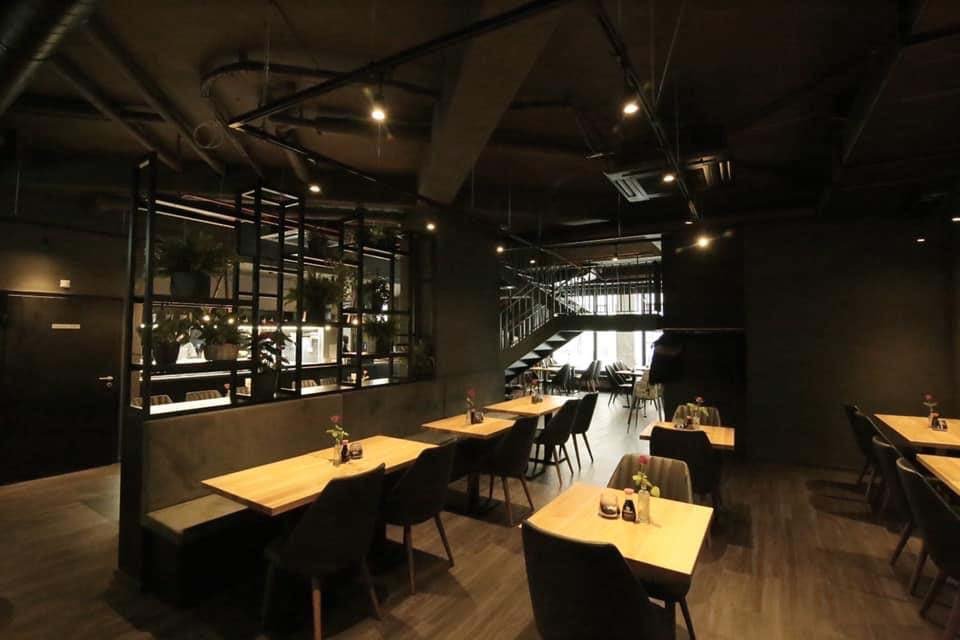
Kempten's Culinary Position in the Allgäu
Anami Kempten is a modern Asian fusion sushi restaurant in Kempten, Germany, with a 4.7 Google rating and casual dress code. Germany's fine dining conversation tends to cluster around its larger cities, but the Allgäu has long sustained a serious food culture of its own, rooted in one of the country's most productive agricultural regions. Kempten, the administrative and commercial hub of the Allgäu, sits at the centre of a zone that produces some of Germany's most respected dairy, beef, and freshwater fish. Restaurants drawing on that supply chain start with a material advantage that urban peers, from Munich's JAN to the destination tables further north, have to compensate for through logistics and relationships. In Kempten, the sourcing question is answered by geography.
Anami, at Königstraße 26 in central Kempten, occupies a position within that regional context. The address places it on one of the old town's principal arteries, a pedestrianised stretch where the city's Roman-era street grid is still legible in the building lines. The physical setting matters here: Kempten is Germany's oldest continuously inhabited city, and the density of history in the centre gives even a contemporary dining room a different atmospheric register than a purpose-built restaurant quarter in a newer city.
The Allgäu Larder and What It Means at the Table
To understand any serious kitchen operating in the Allgäu, it helps to understand the region's agricultural specifics. The area between Kempten and the Austrian border is Germany's primary cheese-producing zone, generating varieties from mild Bergkäse to the sharper, longer-aged Emmentaler-style wheels that travel under Allgäuer designation marks. Pasture-raised cattle here graze on Alpine meadows at elevations that affect the fat composition and flavour of the milk and meat in ways that lower-altitude production cannot replicate. This is not marketing language: the elevation and grass diversity of Allgäu pastures are documented factors in the sensory profile of regional dairy and beef.
Freshwater sources add another dimension. The Iller, Lech, and their tributaries run cold and clean through the Allgäu, sustaining trout and char populations that supply local kitchens with fish that arrive in condition city-based restaurants can rarely match from equivalent distances. For a kitchen committed to ingredient sourcing as a primary value, this geography represents a significant structural asset.
The three-Michelin-starred Schwarzwaldstube in Baiersbronn operates with a similar logic in the Black Forest, and ES:SENZ in Grassau, closer to Kempten in the Alpine foothills, has built its reputation partly on proximity to the same Allgäu supply base. Anami draws on that same regional larder, positioning it within a cohort of Bavarian and Baden-Württemberg kitchens that treat location as a sourcing argument rather than simply a geographic fact.
Where Anami Sits in the Regional Dining Pattern
Kempten has not historically appeared on the itineraries that bring travelling diners through the Allgäu. Oberstdorf attracts Alpine visitors, and the route south from Munich tends to bypass the city in favour of the lake district or the mountains. This means that Kempten's restaurant scene has developed for a local and regional audience rather than destination-seeking tourists, which typically produces a different calibration of value and atmosphere than resort-town dining.
That dynamic places Anami in a category of restaurants that operate with less international visibility than their peer quality might warrant. The comparison is instructive: tables at Schanz in Piesport or Bagatelle in Trier attract visitors specifically because those towns have become known dining destinations. Kempten has not yet reached that point, which shapes both the booking environment and the atmosphere. A diner arriving at Anami is more likely to be surrounded by Allgäu residents than by travelling critics, and that mix tends to produce a less performative, more grounded room.
Kempten operates at a different register, and the absence of that pressure can be an advantage for readers who want a considered meal without the apparatus of destination dining.
Planning a Visit
Kempten is served by rail from Munich in under two hours via Buchloe, making it accessible as a day or overnight stop on a broader Bavarian itinerary. The Königstraße address is within walking distance of the main station, removing any logistical complexity around arrival. For those building an Allgäu circuit, combining Kempten with ES:SENZ in Grassau to the east creates a geographically coherent two-stop route through the region's more serious dining options.
As with most restaurants in mid-sized German cities, the booking environment here is less pressured than at destination tables such as Waldhotel Sonnora in Dreis or Restaurant Haerlin in Hamburg, but advance contact through the venue's own channels remains advisable for weekend visits.
Readers building a broader view of Germany's serious dining circuit, from the Alpine south to the northern coasts, will find useful context in our full Kempten restaurants guide, as well as in EP Club coverage of kitchens at contrasting points on the geographic and stylistic spectrum, including Jante in Hanover, GästeHaus Klaus Erfort in Saarbrücken, Ösch Noir in Donaueschingen, and L.A. Jordan in Deidesheim. For those whose interest extends to format experimentation at the creative end of the German scene, CODA Dessert Dining in Berlin represents the furthest point of departure from the regional-produce-led approach that characterises Allgäu cooking. International reference points, from Le Bernardin in New York City to Lazy Bear in San Francisco, show how produce-sourcing arguments translate across culinary systems.
Comparable Spots, Quickly
Comparable venues nearby, for context on price, style, and recognition.
| Venue | Cuisine | Price | Awards | Notes |
|---|---|---|---|---|
| Anami KemptenThis venue — the venue you are viewing | Modern Asian Fusion Sushi | $$ | , | |
| Mokum | Modern Creative International Bistro | $$ | , | Theresienwiese |
| MAUI | Hawasian & Vietnamese Fusion | $$ | , | Lehel |
| Kokono Neu Ulm | Pan-Asian Sushi Bar | $$ | , | Neu Ulm |
| coa | Modern Pan-Asian | $$ | , | City Center |
| Del Tufo | Authentic Neapolitan Pizza | $$ | , | :null |
At a Glance
- Modern
- Cozy
- Date Night
- Group Dining
- Casual Hangout
- Special Occasion
- Open Kitchen
- Street Scene
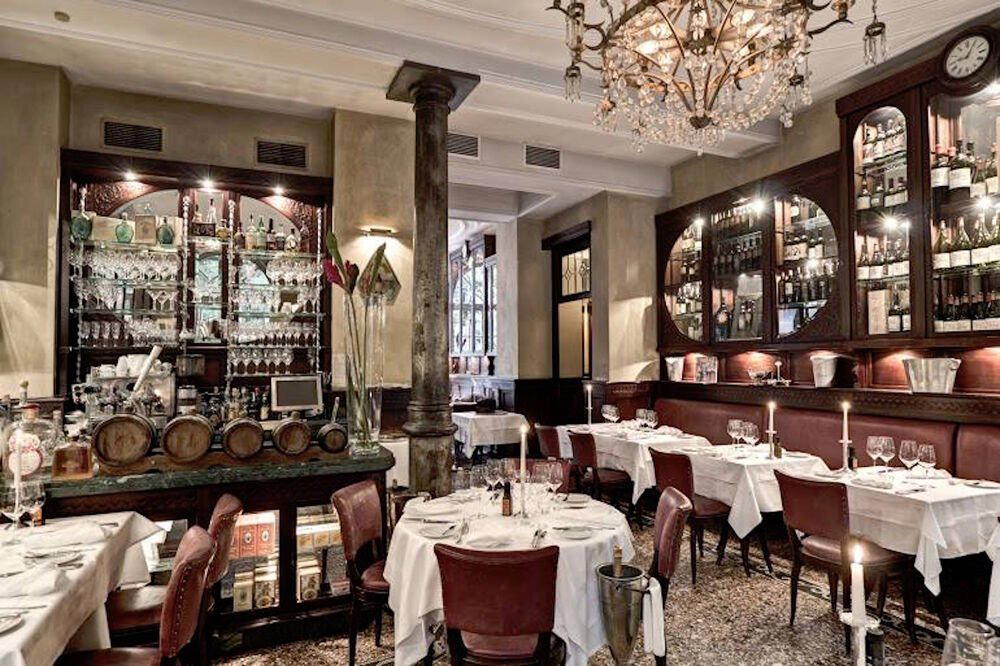
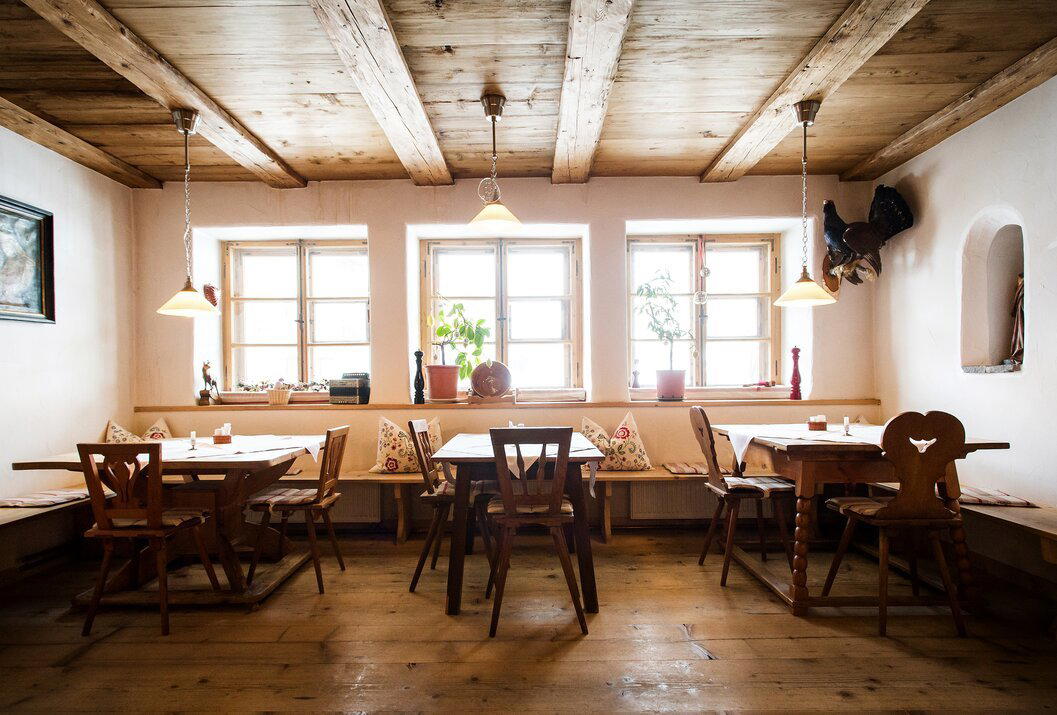
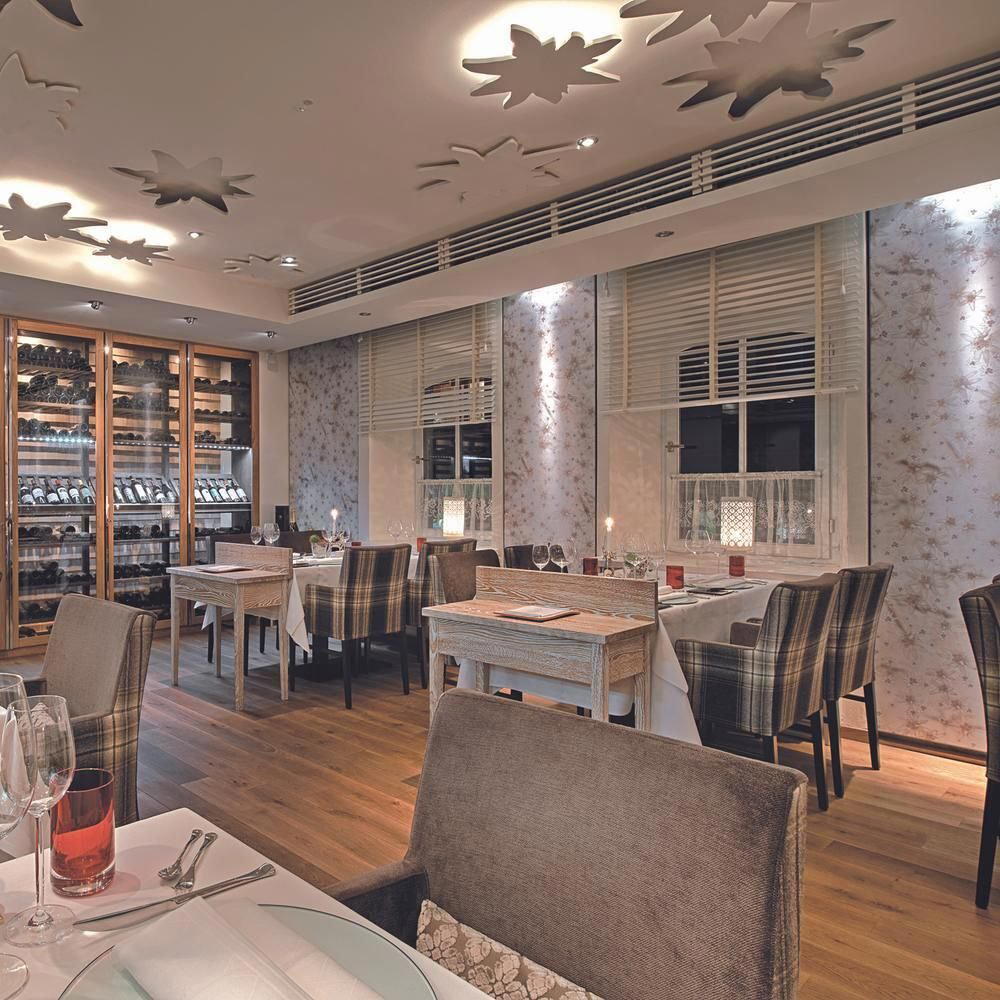
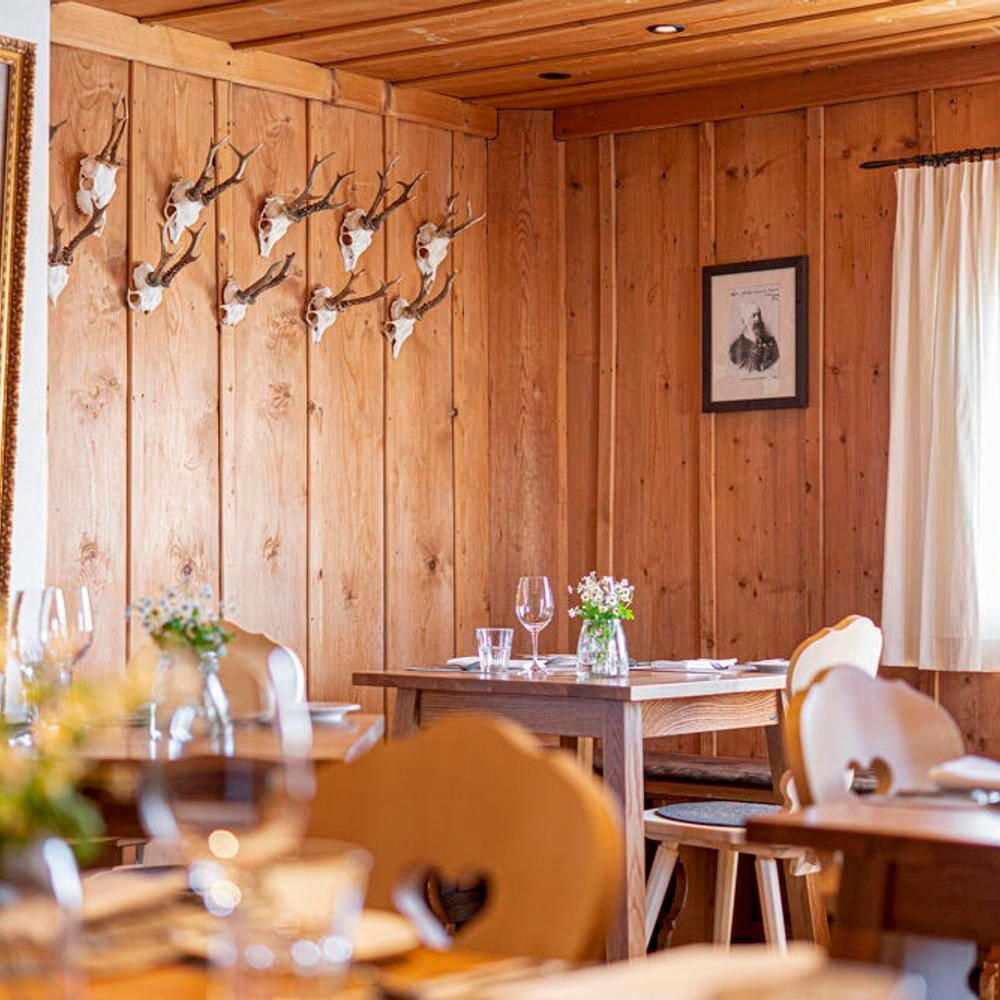
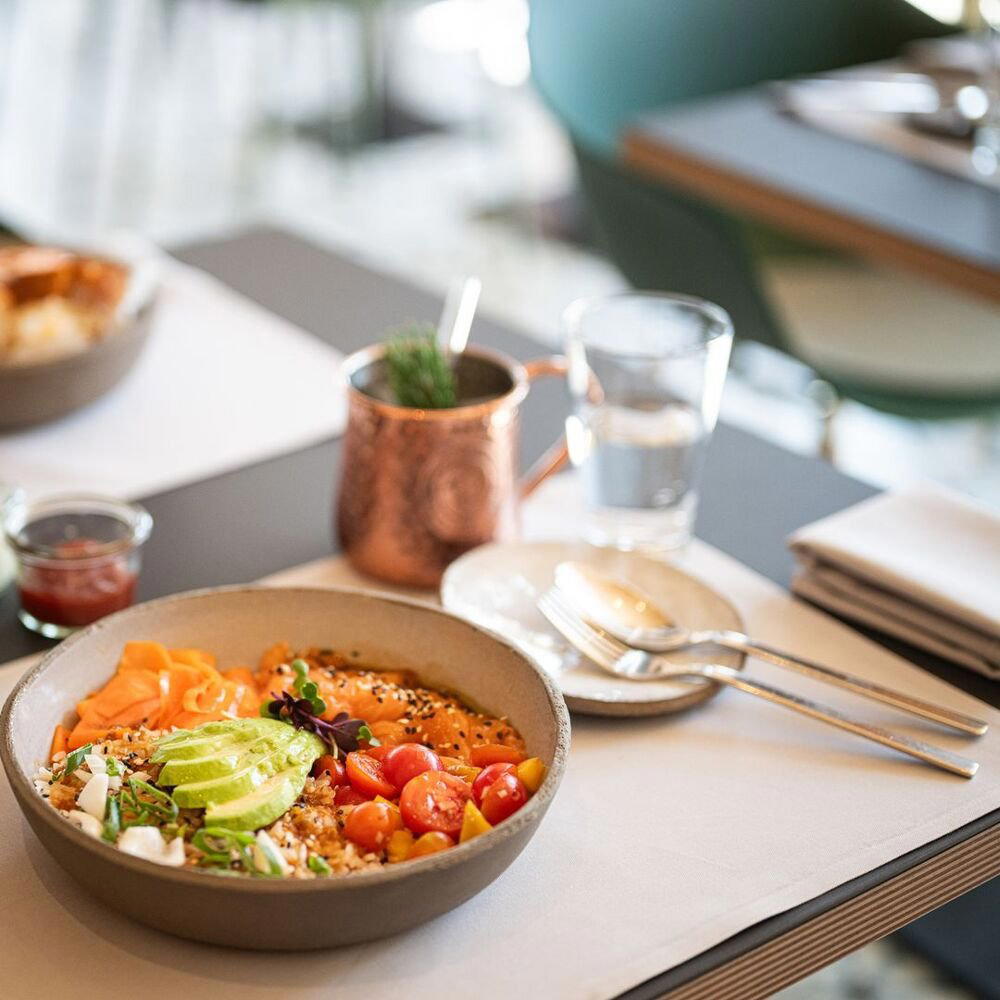
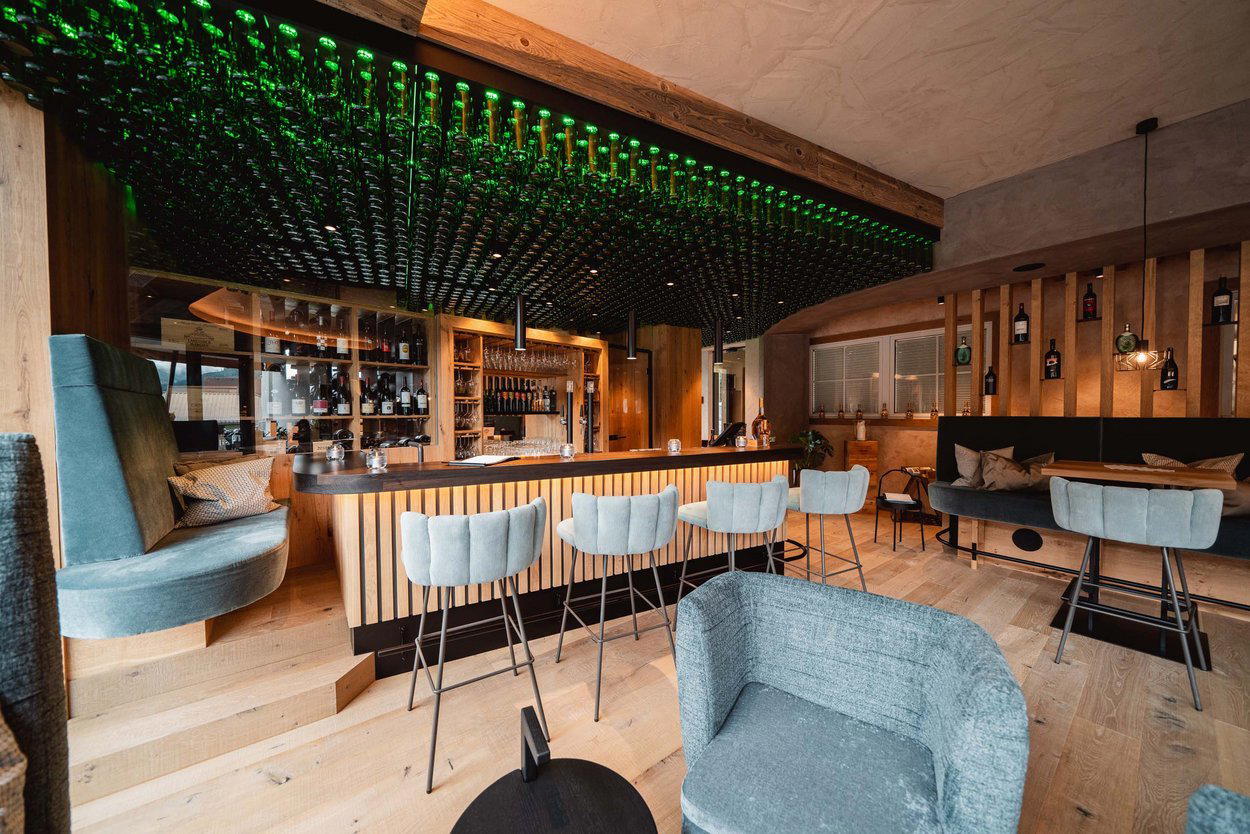
Modern and cozy interior with authentic ambience; outdoor seating available but less desirable due to street proximity.