Tabelog 100 #46
Our verdict
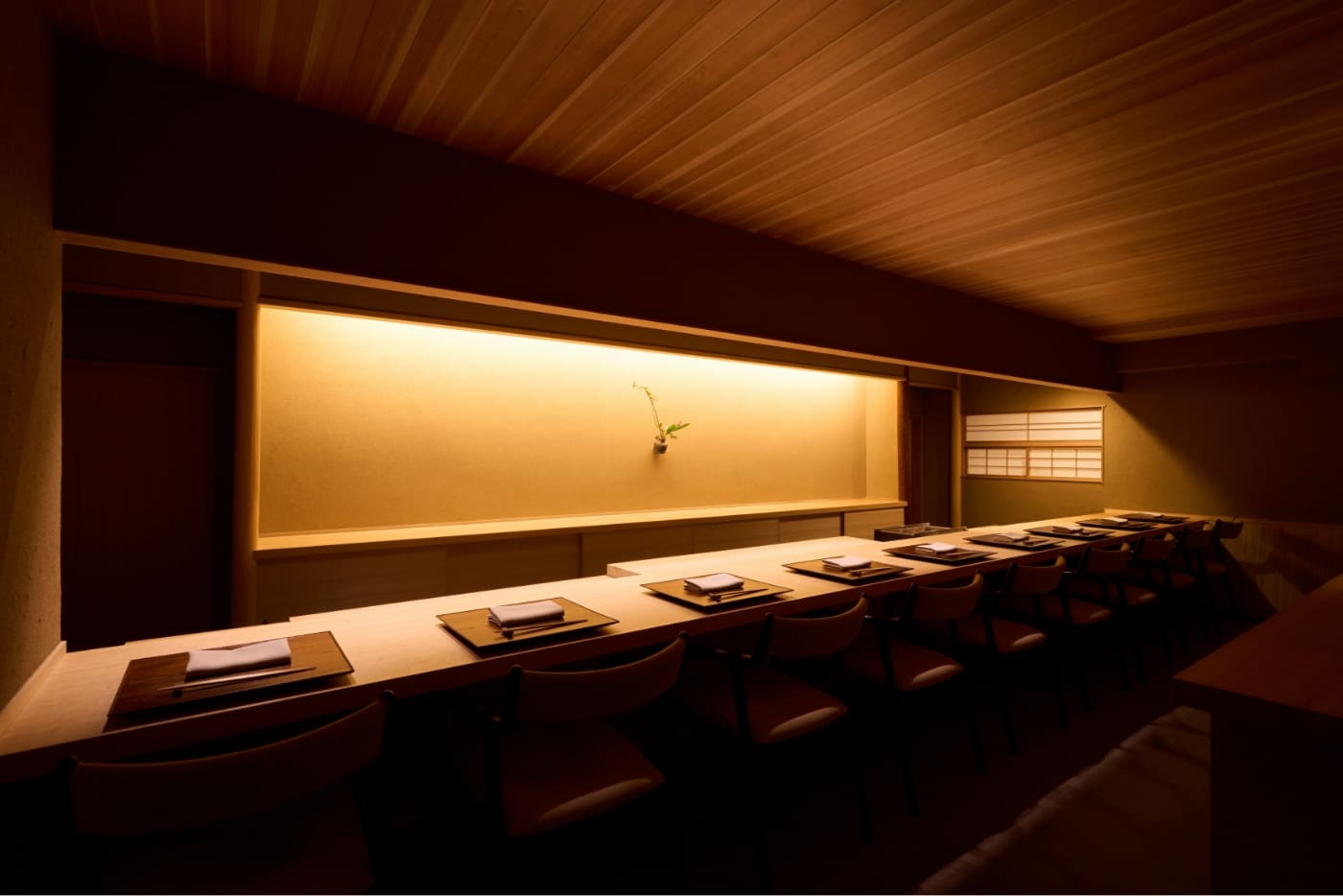
A 10-seat counter in Hyakunincho puts Tokyo yakiniku into a compact, neighbourhood-specific register rather than the polished Ginza template. Koi Nobori’s Tabelog 100 - Yakiniku - TOKYO - 2025 selection and tripe-focused category place it in the serious end of the city’s grill culture, with the practical constraints that come with a small room.

Pearl is the En Primeur Club membership app, where members save venues, book tables and use the concierge.
The menu
What to order
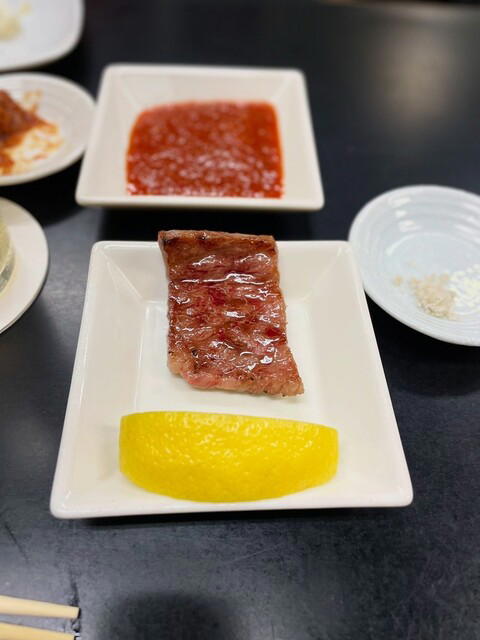
- Premium horumon (tripe and offal) yakiniku
Tokyo changes the temperature of a dinner before the grill is lit. Away from the city’s most choreographed luxury dining corridors, Koi Nobori reads less like a generic beef night and more like a focused Tokyo dining appointment.
Koi Nobori sits in the part of Tokyo’s yakiniku scene where focus matters. The provided categories, tripe and Japanese barbecue, place it in a narrower lane than a broad, all-purpose wagyu dinner. In Tokyo, offal is not secondary when handled well; it tests a grill kitchen’s buying, cutting, and timing.
Tokyo gives the grill a different rhythm from central luxury dining
Tokyo’s premium beef culture is often flattened into marbled cuts, high prices, and immaculate rooms. The city is more interesting. Yakiniku ranges from smoke-heavy after-work tables to more deliberate meals where the grill becomes a controlled instrument. In Tokyo, grilled meat can carry a different charge than in hotel districts or highly polished luxury rooms.
That context matters because yakiniku in Tokyo is both Japanese and transnational. The modern restaurant form has deep links to Korean barbecue culture, while Japanese beef sourcing, tare seasoning, service styles, and offal specialization have pushed the category into its own local grammar. A Tokyo grill restaurant does not need kaiseki-style ceremony to feel serious. Its discipline is measured in selection, heat control, and confident treatment of secondary cuts.
The 2025 Tabelog 100 - Yakiniku - TOKYO selection gives the restaurant an external marker in a crowded field. Tabelog’s Hyakumeiten lists are useful in categories such as yakiniku because they often capture local consensus beyond international award circuits. Michelin attention in Tokyo tends to concentrate on sushi, French, tempura, and kaiseki; yakiniku prestige is often read through domestic platforms, repeat regulars, and reservation friction rather than global ceremony.
A focused format turns yakiniku into a tighter decision
The format changes the decision more than any adjective could. This is not just an interchangeable grill stop; it sits in a narrower bracket, with a dinner price tier of JPY 15,000 - JPY 19,999 that asks for intent. That price point also shifts the social register, making the meal feel more deliberate than a broad casual grill night.
Tripe as a listed category is an important clue. Tokyo diners who judge yakiniku only by premium loin and short rib miss much of the form. Offal demands different cooking logic: texture, trimming, and timing matter as much as fat content. A restaurant that foregrounds tripe speaks to diners who understand that yakiniku is not simply steak cut smaller. It is a sequence of cuts, heat, smoke, condiments, and pacing, with the grill acting as kitchen and table.
Drink culture around yakiniku can fit that structure without needing to dominate the meal. The more important point is balance: whatever is ordered should cut fat, refresh the palate, and leave the sequence of cuts in focus. In Tokyo, a serious yakiniku meal can feel more grounded when it resists turning dinner into spectacle.
For comparison inside Tokyo’s casual-to-premium spread, Vietnam Chan, Gyusuji Curry Chiisana Curry Ya, SPICY CURRY Roka, and Harukor Ainu Restaurant are not direct peers, but they show how Tokyo rewards specialization at many price levels. Nearby editorial context also runs through 2D Cafe, while a wider Tokyo dining map should leave room for other unnamed curry shops, yakitori counters, barbecue rooms, cafes, and casual restaurants.
How to read the experience before committing a night
Expect disciplined, compact yakiniku rather than a broad luxury restaurant experience. The strongest case is the intersection of city, category, and recognition: Tokyo gives the meal its competitive setting; the tripe and yakiniku category points to a cut-focused grill identity; and Tabelog 100 recognition adds a trust signal. The listed Tabelog score of 3.95 reinforces that this is a venue being read through domestic dining consensus as much as international attention.
Planning deserves the same seriousness as the meal. The dinner budget is listed at JPY 15,000 - JPY 19,999, with no lunch budget provided, so Koi Nobori belongs in the intentional-dinner category rather than the casual stop-in lane. For diners comparing Tokyo’s grill options, the useful question is not only price, but whether tripe, offal handling, and a tighter yakiniku focus are the experience they want that night.
For broader planning, use Our full Tokyo restaurants guide alongside Our full Tokyo hotels guide, Our full Tokyo bars guide, Our full Tokyo wineries guide, and Our full Tokyo experiences guide. Readers building a wider Japan itinerary can contrast Tokyo’s grill culture with unnamed dining in other Japanese cities and regions. For a broader view of how Japanese formats travel abroad, compare Koi Nobori with Japanese food and sake settings outside Japan without treating them as direct peers.
Frequently asked questions
What's the address for Koi Nobori?
Tokyo.
What price level is Koi Nobori?
Pricing at Koi Nobori is listed as JPY 15,000 - JPY 19,999.
Can I walk in to Koi Nobori?
The listed dinner budget is JPY 15,000 - JPY 19,999, so it is best treated as an intentional Tokyo dinner rather than a casual fallback. Confirm current availability directly before going.
What do critics highlight about Koi Nobori?
The strongest signal is its selection for Tabelog 100 Yakiniku TOKYO 2025. The listed categories are tripe and yakiniku, and its Tabelog score is 3.95.
Can Koi Nobori accommodate dietary restrictions?
Koi Nobori’s listed focus is tripe and yakiniku, so dietary requests need direct confirmation before booking. The restaurant can be reached at +81-3-3367-5188.
Standing Among Peers
Comparable venues to anchor price and recognition.
| Venue | Cuisine | Price | Awards | Notes |
|---|---|---|---|---|
| Koi NoboriThis venue (the venue you are viewing) | High-end Yakiniku & Horumon Counter | $100–150 | Tabelog 100 #46 | Not listed |
| green glass | Handmade Soba & Shizuoka Sake | $50–100 | Tabelog 100 #2 | Shinjuku |
| Sorano Shibuya | Traditional Japanese Tofu Cuisine | $30–50 | Not listed | Shibuya |
| Tori Sawa Roppongi | Yakitori | $100–150 | Tabelog 100 #100 | Minato |
| sumiyaki kadota or yourisu zuki | Charcoal-grilled Japanese diner & motsunabe | $50–100 | Tabelog 100 #25 | Shibuya |
| Soba Mitate | Soba kappo counter with seasonal course menu | Not listed | Not listed | Minato |
Recognition history
Dated appearances from independent guides and award organizations, with the underlying list record or original source where available.
Tabelog 100 #46 · No. 46
Tabelog · Tabelog 100 - Yakiniku - TOKYO - 2025