
Cuit Bonne belongs to Tokyo’s compact curry-and-dining-bar tier: affordable, station-adjacent, and serious enough to earn selection in Tabelog’s Curry TOKYO 100 for 2023 and 2024. The appeal is not luxury theater but disciplined urban eating, with counter seats, tables, take-out, and a price bracket that keeps it in everyday rotation.
Pearl is the En Primeur Club membership app — saves, bookings, and concierge access live there. Same editors, same standards.
- Address
- 1 Chome-4-6 Nihonbashikayabacho, Chuo City, Tokyo 103-0025, Japan
- Phone
- +81 3-5640-0677
- Website
- twitter.com
 Saves & bookings on Pearl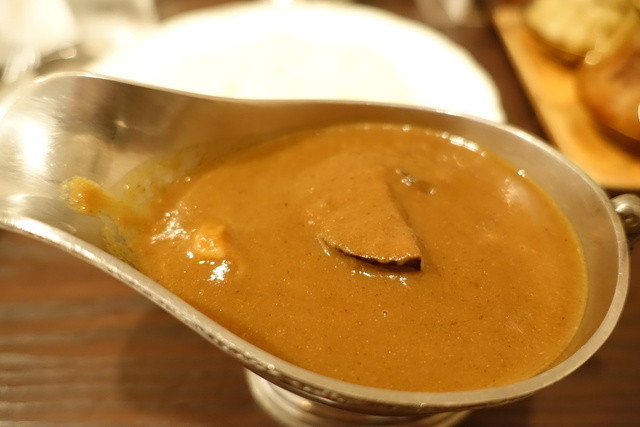
Kayabacho has the working-city rhythm that suits curry: office towers, station exits, basement addresses, and meals designed around speed without surrendering intent. In Tokyo, curry is not a side category to sushi, tempura, or kaiseki; it is a parallel grammar of lunch counters, specialist shops, dining bars, and spice-led rooms that often reveal more about daily urban appetite than formal dining rooms do.
Cuit Bonne fits that grammar neatly. The setting is small, with 25 seats split between four counter places and tables, and the format belongs to a Tokyo tradition where the room’s efficiency is part of the pleasure. This is a curry and dining-bar address rather than a grand restaurant, selected for Tabelog’s Curry TOKYO 100 in both 2023 and 2024, with a 3.74 score. That recognition matters because curry in Tokyo is crowded, price-sensitive, and unusually competitive at the casual end.
Tokyo curry viewed through a small-room, low-waste lens
The sustainability story here is not the hotel-restaurant version of named farms and tasting-menu rhetoric. Tokyo’s curry specialists often operate with a tighter kind of environmental logic: compact rooms, repeatable service, controlled portions, and formats that can move between dine-in and take-out without turning the meal into packaging theater. When a restaurant of this size works well, the system itself does much of the conservation work.
Cuit Bonne’s take-out availability is a small but useful signal in that equation. In a business district, take-out can flatten demand across the day, reduce the need for elaborate service infrastructure, and make a serious curry lunch viable for people who do not have time for a full sit-down meal. The category also resists wasteful luxury markers. There is no need for imported prestige ingredients to justify attention when the competitive test is balance, consistency, and whether the curry holds its place in a city full of specialists.
That is also why price matters, even on a premium travel platform. Tokyo’s dining culture is not defined only by high-end omakase and long counter rituals. A restaurant can enter serious consideration while staying in a modest spend band, particularly in curry, ramen, soba, tonkatsu, and yakitori, where repeat custom is a sharper test than ceremony. Nearby comparison points show the range: Yakitori Miyagawa works another casual-specialist lane, while Neki and ASAHINA Gastronome occupy more formal French territory. HOPPERS adds Sri Lankan cooking to the city’s spice conversation. The interesting part is not that these venues compete directly, but that Tokyo lets a curry shop, a yakitori counter, and a French dining room all demand precision on different terms.
Kayabacho makes the case for serious everyday eating
Kayabacho sits in a practical pocket of Chuo, close to Nihonbashi’s commercial gravity but less theatrical than Ginza. That context matters. Restaurants here do not need to perform destination glamour every night; they need to serve people who know how quickly a weak lunch option gets replaced. For curry, that is a useful pressure. The dish carries comfort, heat, sweetness, bitterness, and spice structure in a single plate, so shortcuts show quickly.
The room’s counter-and-table mix places Cuit Bonne in the flexible middle: suitable for a solo meal, workable for friends, and not dependent on a formal procession of courses. Children are welcome, private rooms are unavailable, and the non-smoking policy makes the dining room easier to read for mixed groups. Drinks run beyond the basic soft-drink template, with shochu, wine, and cocktails listed, which explains the dining-bar label without shifting the center of gravity away from curry.
The opening date, 16 February 2012, gives the address more than a decade of operating history in a category where longevity is earned quietly. In Tokyo curry, staying power is a credential because novelty cycles are fast and the audience is informed. Selection for Tabelog’s Curry TOKYO 100 in consecutive years adds a public recognition layer, but the more useful editorial read is simpler: this is a small, affordable specialist in a city that judges casual food with unusual severity.
Know Before You Go
- Format: Curry and dining bar with counter seating and tables.
- Recognition: Selected for Tabelog Curry TOKYO 100 in 2023 and 2024.
- Scale: 25 seats, including four counter seats.
- Service notes: Take-out is available; private rooms and private use are unavailable.
- Payments: Credit cards and electronic money are not accepted; d Barai QR payment is listed.
- Smoke policy: Non-smoking.
- Family use: Children are welcome.
- Transit context: The nearest station is Kayabacho.
For readers mapping the wider city, start with Our full Tokyo restaurants guide, then compare casual specialists such as 3 Chome no Curry Ya San, . 鮪と炭火焼き うお炭 秋葉原店, 12/10 Shinjuku ten, 124. KAGURAZAKA (Yakitori), and 2D Cafe. For broader planning, EP Club also maintains Our full Tokyo hotels guide, Our full Tokyo bars guide, Our full Tokyo wineries guide, and Our full Tokyo experiences guide.
Japan’s regional pages add useful contrast: -Grilled beef Sukiyaki- KAMAKURA TANUKIAN 鎌倉 たぬき庵 in Kamakura.cafe in Osaka.know in Kumamoto, (Shoku) Vietnam in Kawasaki, [Curry Senmon Ten] Maruyama Kyoju. in Sapporo, and [ki:] in Kyoto. For Japanese food culture abroad, see Jōdo Saké Bar in Los Angeles and Onigiri Time in Pasadena.
Cuisine and Recognition
Comparable venues by category and price.
| Venue | Cuisine | Price | Notes |
|---|---|---|---|
| Cuit BonneThis venue — the venue you are viewing | Japanese European-style curry & dining bar | $ | Not listed |
| Fukuo Shoten | Traditional Japanese sweets and agar jelly shop | $ | Chiyoda |
| Kanda Yabu Soba | Edo-Style Soba | $ | Chiyoda |
| Men Mitsui | Refined Tokyo Ramen | $ | Taitō |
| Taishu Sakaba Souya | Traditional Japanese standing bar (taishu sakaba) | $ | Minato |
| Chomeiji Sakura Mochi | Traditional Japanese wagashi (Chomeiji-style sakuramochi) | $ | Sumida |
Recognition history
Dated appearances from independent guides and award organizations, with the underlying list record or original source where available.
Tabelog 100 #7 · No. 7
Tabelog · Tabelog 100 - Curry - TOKYO - 2024






At a Glance
- Cozy
- Solo
- After Work
- Casual Hangout
- Standalone
Current opening hours
- Monday
- 11 AM–4 PM, 5–7:30 PM
- Tuesday
- 11 AM–4 PM, 5–7:30 PM
- Wednesday
- 11 AM–4 PM
- Thursday
- 11 AM–4 PM, 5–7:30 PM
- Friday
- 11 AM–4 PM, 5–7:30 PM
- Saturday
- Closed
- Sunday
- Closed
Hours can change for holidays and private events. Last verified .
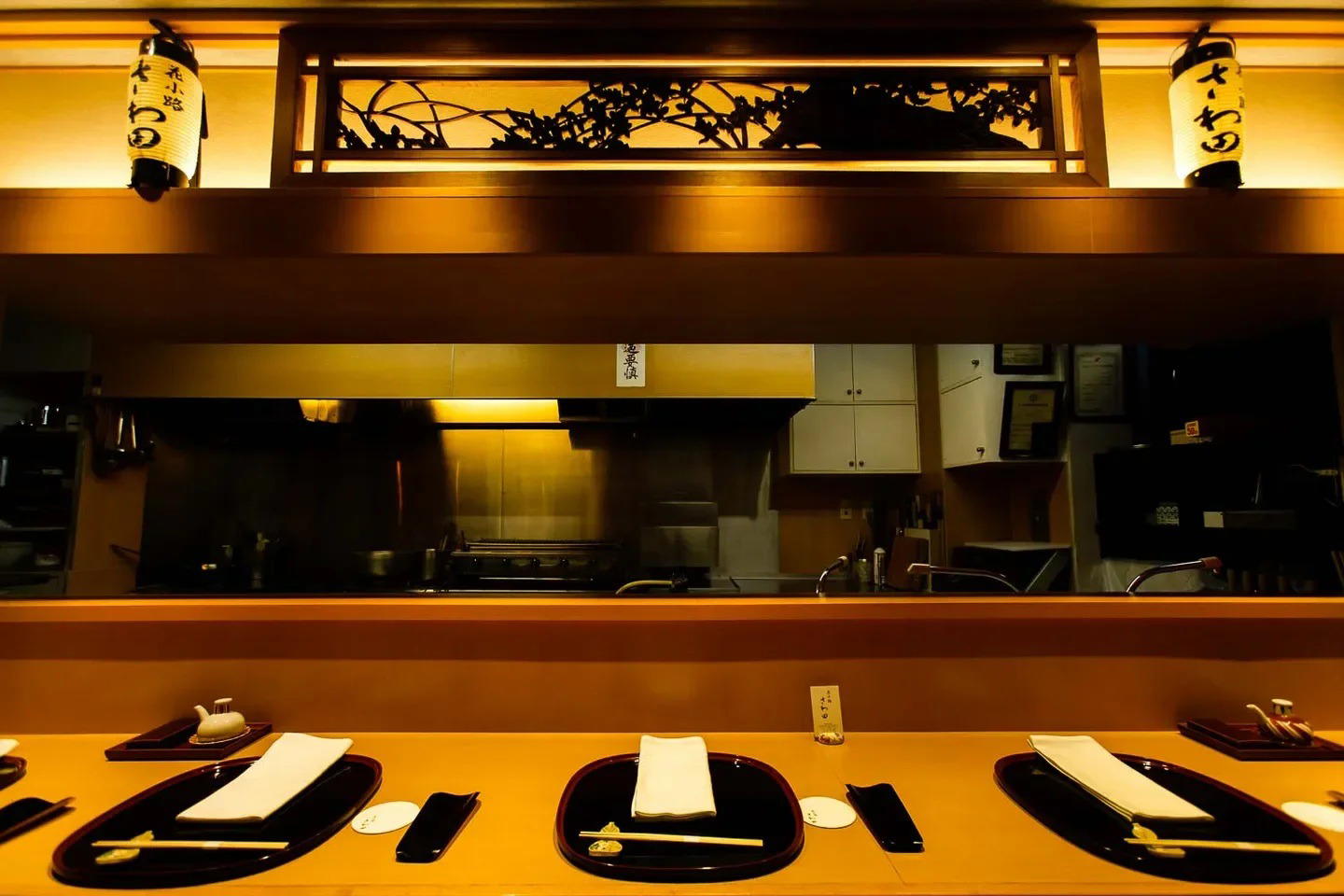
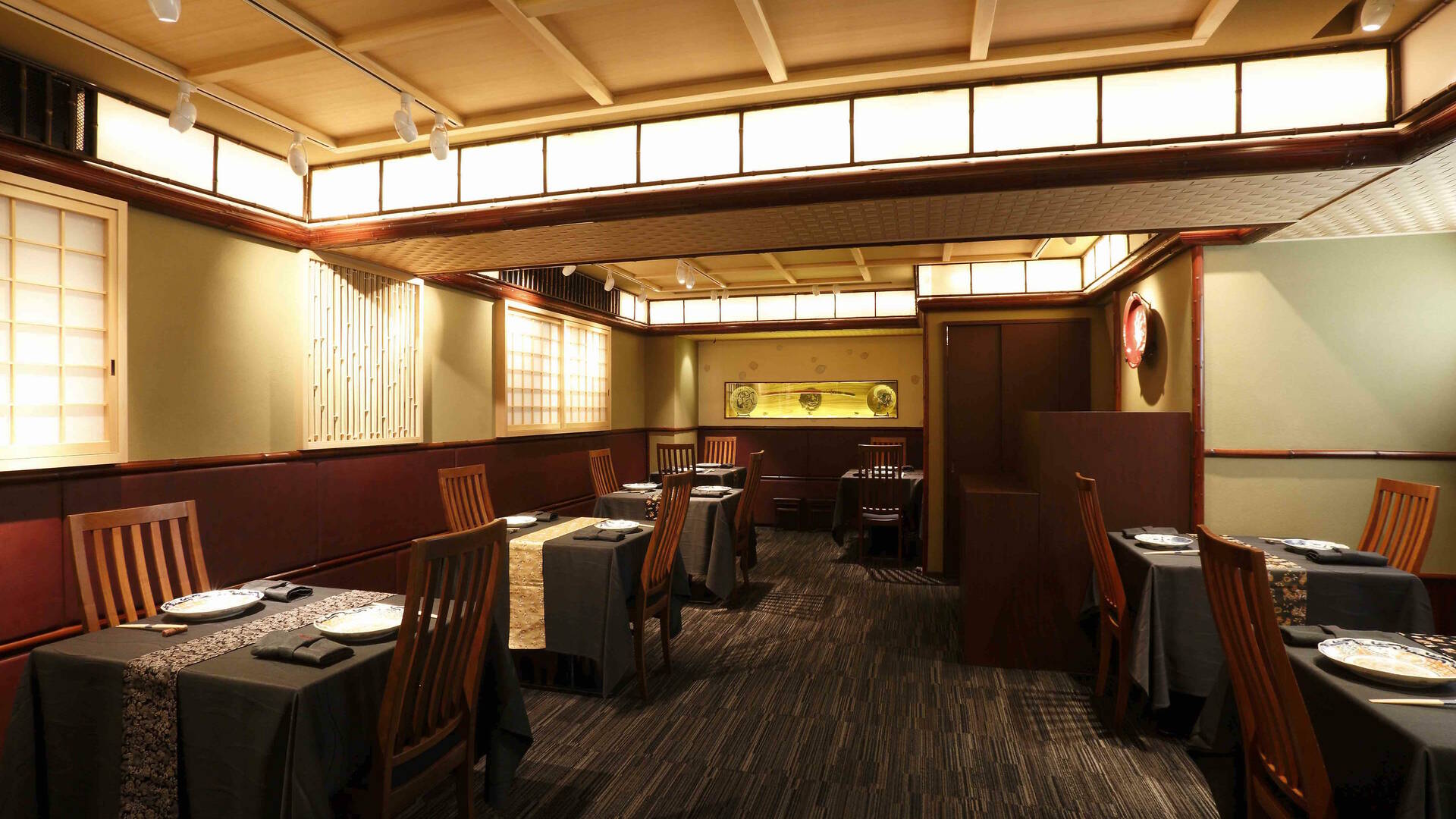
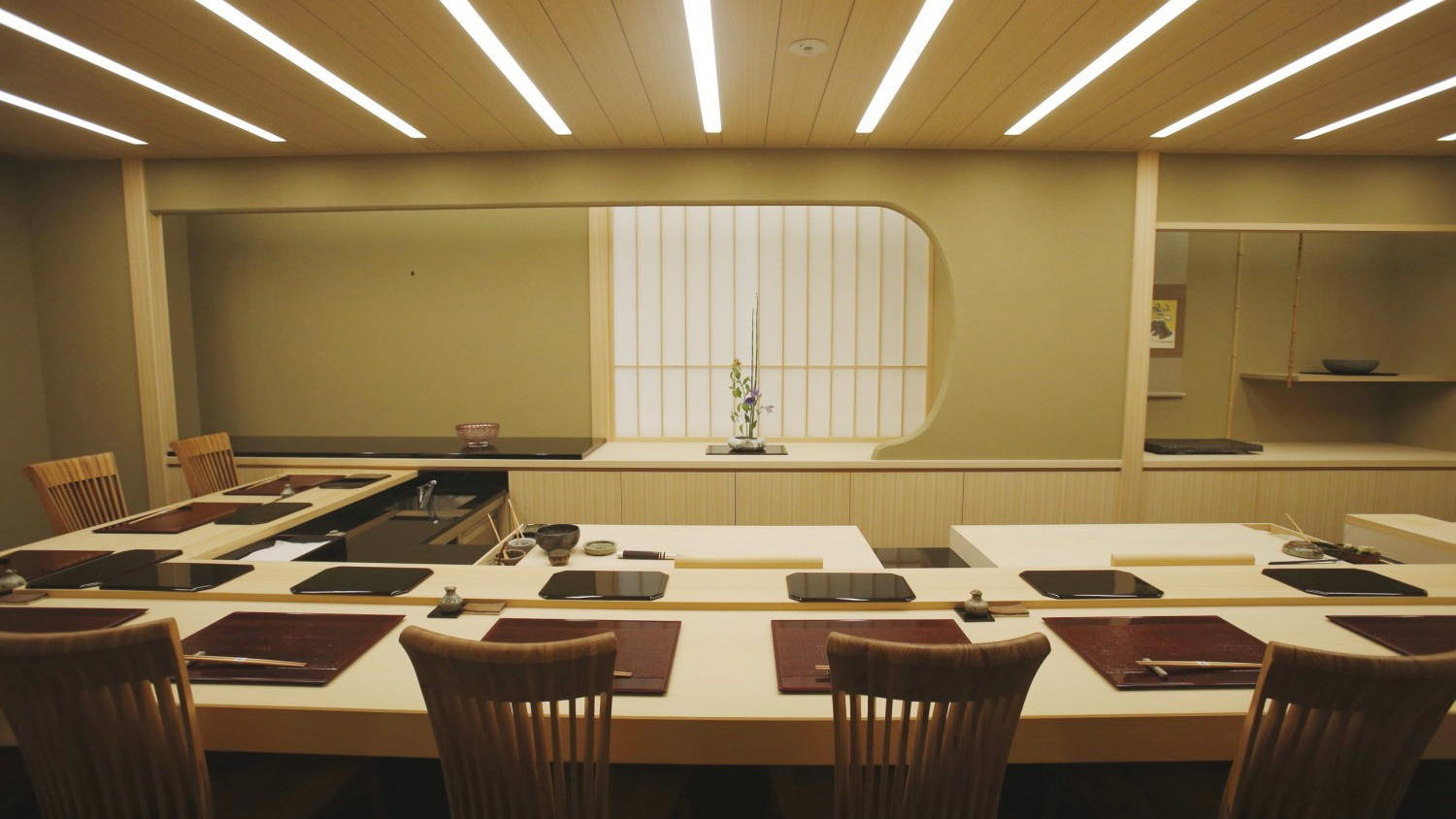
Casual, compact basement curry bar with simple seating for about two dozen guests, creating an intimate and relaxed atmosphere suited to solo diners and small groups.