Don Julio's Authentic Mexican Cuisine - Tampa Palms
Don Julio's Authentic Mexican Cuisine in Tampa Palms sits at the suburban northern edge of Tampa, where Mexican-American dining tends to prioritize broad accessibility over regional specificity. The menu structure here signals a kitchen organized around familiar, family-oriented formats rather than the tasting-menu formality found elsewhere on the Tampa dining circuit. For residents of the 33647 corridor, it functions as a neighborhood anchor for the category.
Pearl is the En Primeur Club membership app — saves, bookings, and concierge access live there. Same editors, same standards.
- Address
- 16023 Tampa Palms Blvd W, Tampa, FL 33647
- Phone
- +18136447899
- Website
- donjuliosmexican.com
- Directions
- Get directions
 Saves & bookings on Pearl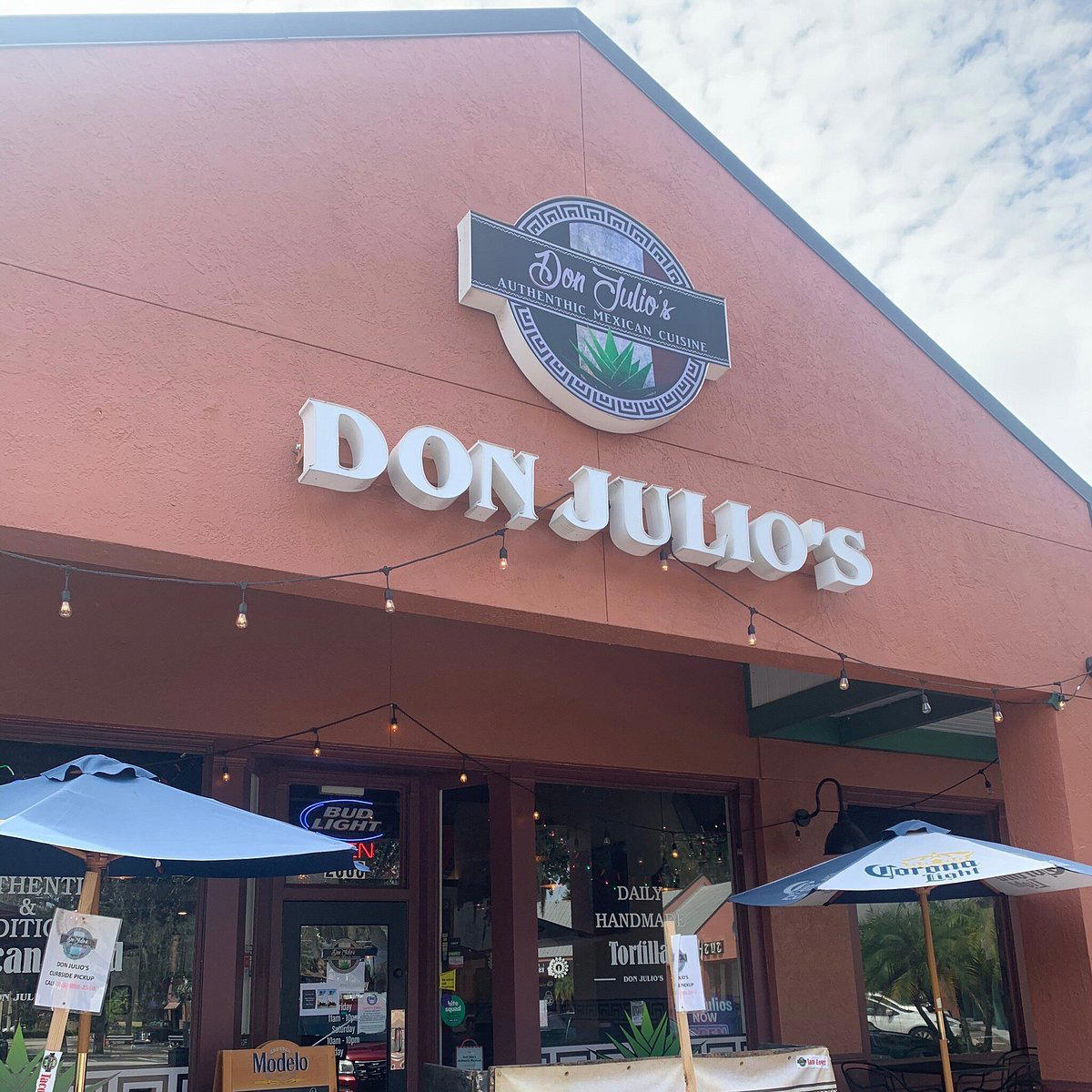
Mexican Dining in Tampa's Northern Suburbs: What the Category Looks Like Here
Tampa's dining conversation tends to concentrate downtown, in Hyde Park, and along the Channelside corridor, where restaurants like Ebbe (Contemporary) and Lilac (Mediterranean Cuisine) operate at the summit of the city's price and ambition tiers. But the suburban north of the city, centered around the Tampa Palms development along Bruce B. Downs Boulevard, runs on a different logic entirely. Here, the dining infrastructure serves a residential population of commuters and families, and the restaurants that take root do so by offering consistency, familiarity, and value over novelty. Don Julio's Authentic Mexican Cuisine, at 16023 Tampa Palms Blvd W, Tampa, FL 33647, sits inside that pattern: a neighborhood Mexican restaurant positioned to serve the surrounding 33647 zip code rather than to draw destination traffic from across the bay.
Approach the strip-mall retail zones along Tampa Palms Boulevard and you are already in a different register from the brick-and-beam dining rooms of Ybor City or the polished interiors of South Tampa. The ambient energy here is parking lots, chain restaurants, and occasional independents competing for the same early-evening crowd. A Mexican restaurant operating in this context faces a particular set of reader expectations: broad menus that accommodate multiple dietary preferences within a single group, price points that absorb a family's weekly dinner without friction, and a format that does not require research or advance planning to use. These are not small demands, and they represent a genuinely different design brief from what you find at Koya (Japanese) or Rocca (Italian) in the more central Tampa dining zones.
How Mexican Menu Architecture Works at the Neighborhood Scale
One revealing thing about a Mexican-American restaurant is not any individual dish but the logic of its menu structure. At the neighborhood level, Mexican menus in the American Southeast tend to be built around section breadth rather than regional depth: a full line of combination plates, separate sections for fajitas, enchiladas, burritos, and tacos, plus supplementary appetizer and soup sections that allow groups with divergent preferences to share a single reservation. This architecture is distinct from the regional-specialist model you see at higher-density urban locations, where a kitchen might commit entirely to, say, Oaxacan mole traditions or Yucatecan cochinita preparations.
The combination plate format, which dominates this tier of Mexican-American dining, exists because it solves a specific problem: it allows the kitchen to run fewer base components while offering the customer apparent variety. A rice-and-bean foundation, a protein prepared two or three ways, and a rotating cast of tortilla-based vessels (taco, enchilada, tamale, chile relleno) can produce a menu of thirty or forty items with a relatively compact mise en place. For context, the same logic applies to the mid-tier Cuban format at restaurants like Columbia in Ybor City, though there the Spanish-Caribbean tradition carries a different set of regional signals. At Mexican-American restaurants in suburban Tampa, the combination plate is the primary organizing principle, and the kitchen's skill shows in how well it maintains consistency across that broad format rather than in the execution of any single showpiece dish.
What this means for the diner is a specific kind of reliability. You are not arriving at Don Julio's the way you might arrive at The French Laundry in Napa or Le Bernardin in New York City, expecting a singular constructed experience. The operating model here is closer to a repertoire restaurant: a place that covers the full vocabulary of the category, executed dependably enough to justify a regular visit. The distinction matters because it shapes how you read the menu and what signals of quality to look for when you arrive.
Tampa Palms as a Dining Context
The Tampa Palms neighborhood was developed primarily in the 1980s and 1990s as a master-planned residential community in the New Tampa area, and its retail and dining infrastructure reflects that origin. Chain restaurants hold significant ground here, which means that independent operators like Don Julio's occupy a genuine niche: the locally-branded alternative in a corridor otherwise dominated by national brands. Whether that independence translates into a meaningfully different product depends on kitchen ownership and sourcing decisions that are not publicly documented for this location.
For residents of the area, the relevant comparison set is not Smyth in Chicago or Blue Hill at Stone Barns in Tarrytown but the other independent Mexican restaurants scattered through Wesley Chapel, Carrollwood, and the broader New Tampa corridor. In that comparable set, differentiation tends to come from sauce depth, tortilla quality (house-made versus commercial), and the presence of off-menu regional preparations that reward regulars willing to ask. These are the signals worth attending to on a first visit.
The broader Tampa dining conversation runs from high-end Japanese at Kōsen down through mid-tier European formats and into the neighborhood anchor restaurants that serve most of the city's day-to-day dining. Don Julio's operates in the lower half of that spectrum by price and concept, which is not a criticism: the neighborhood anchor category serves a function that destination restaurants do not, and it serves it for a larger share of the population.
Planning a Visit
Don Julio's Authentic Mexican Cuisine is located at 16023 Tampa Palms Blvd W, Tampa, FL 33647, in the retail zone along the western Tampa Palms Boulevard corridor. Given its format and neighborhood positioning, it operates as a walk-in restaurant with reservations recommended. Hours run Monday through Thursday from 10 AM to 9 PM, Friday and Saturday from 10 AM to 10 PM, and Sunday from 10 AM to 9 PM. The address places it within easy reach of the I-75 corridor for residents commuting from Wesley Chapel or northern Hillsborough County.
Cuisine Lens
Comparable venues nearby, for context on price, style, and recognition.
| Venue | Cuisine | Price | Notes |
|---|---|---|---|
| Don Julio's Authentic Mexican Cuisine - Tampa PalmsThis venue — the venue you are viewing | Authentic Mexican Cuisine | $$ | Not listed |
| JOTORO | Contemporary Mexican Fusion | $$ | Gilchrist's A W Oak Grove |
| Bernini of Ybor | Innovative Italian Cuisine | $$ | Ybor City |
| Nueva Cantina - Brandon | Modern Mexican Street Food | $$ | Country Inn |
| KELP SUSHI JOINT | Modern Asian Fusion Sushi | $$ | South Tampa |
| Sushi Time | Japanese Sushi and Hibachi | $$ | Hammocks |





At a Glance
- Rustic
- Cozy
- Family
- Casual Hangout
- Beer Program
Current opening hours
- Monday
- 10 AM–9 PM
- Tuesday
- 10 AM–9 PM
- Wednesday
- 10 AM–9 PM
- Thursday
- 10 AM–9 PM
- Friday
- 10 AM–10 PM
- Saturday
- 10 AM–10 PM
- Sunday
- 10 AM–9 PM
Hours can change for holidays and private events. Last verified .
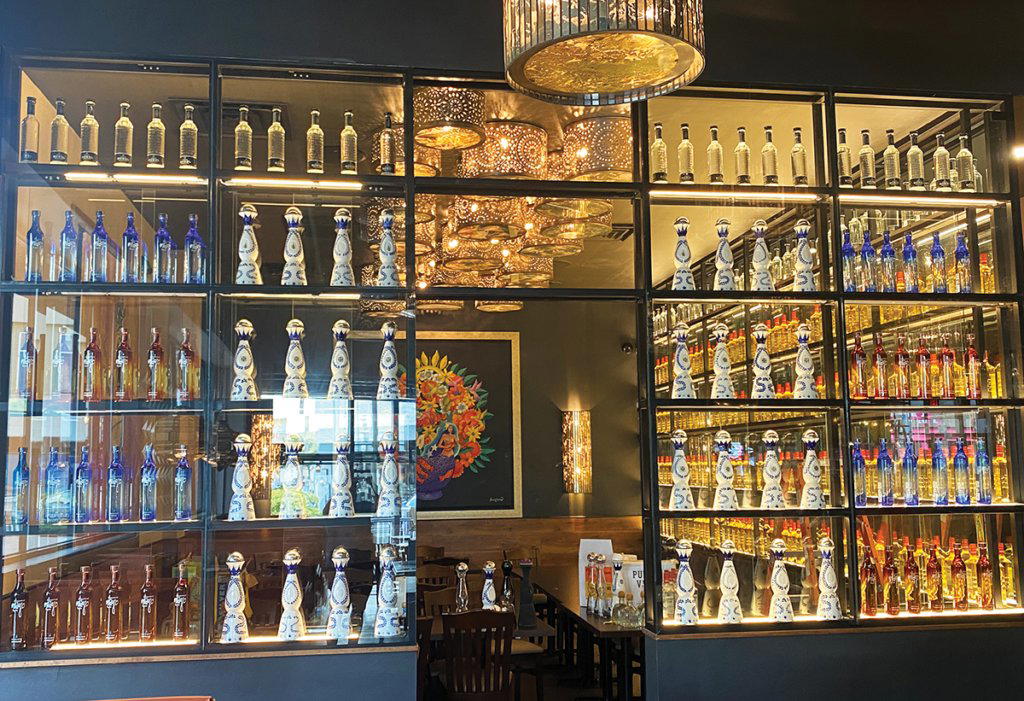
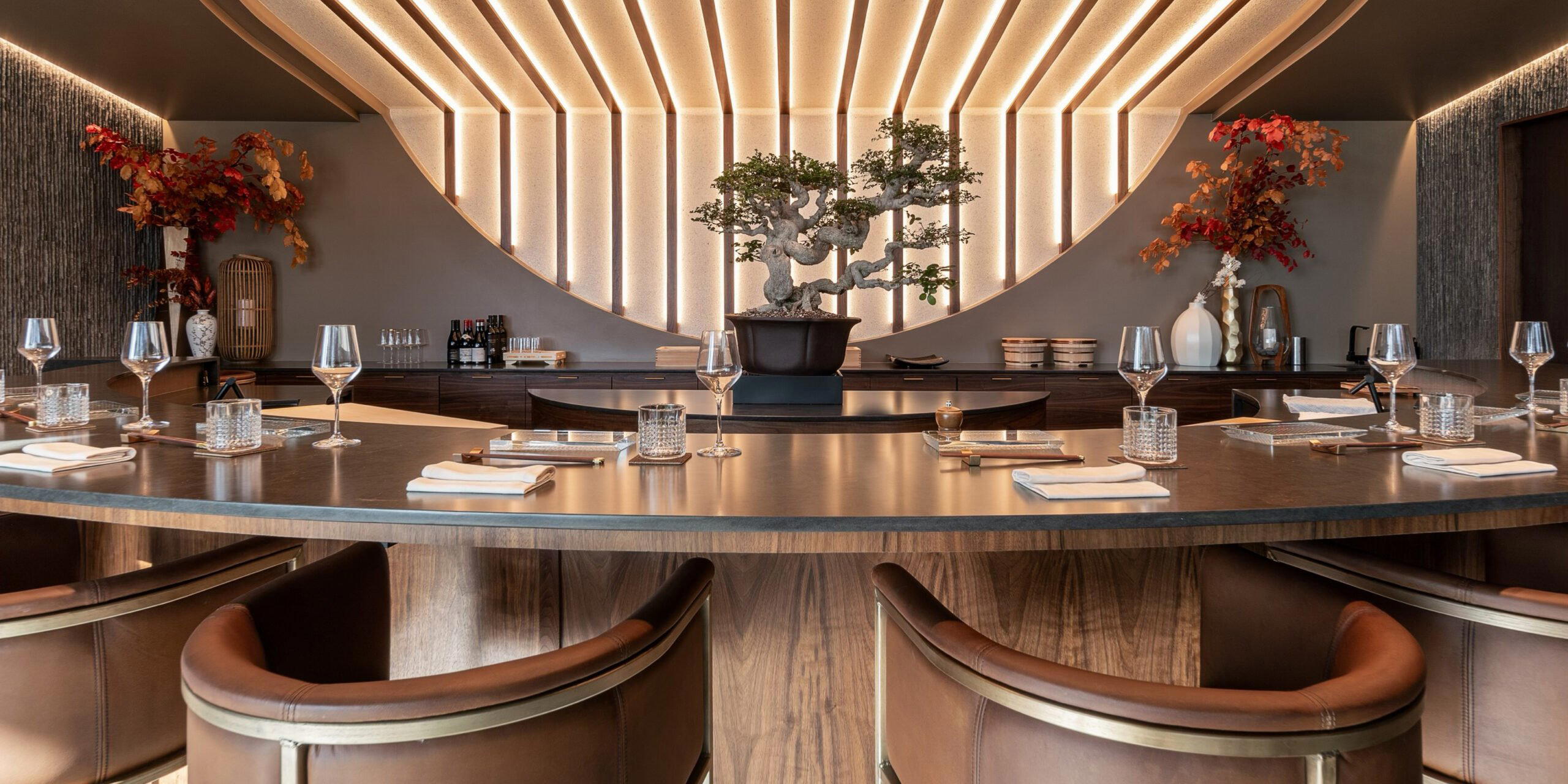
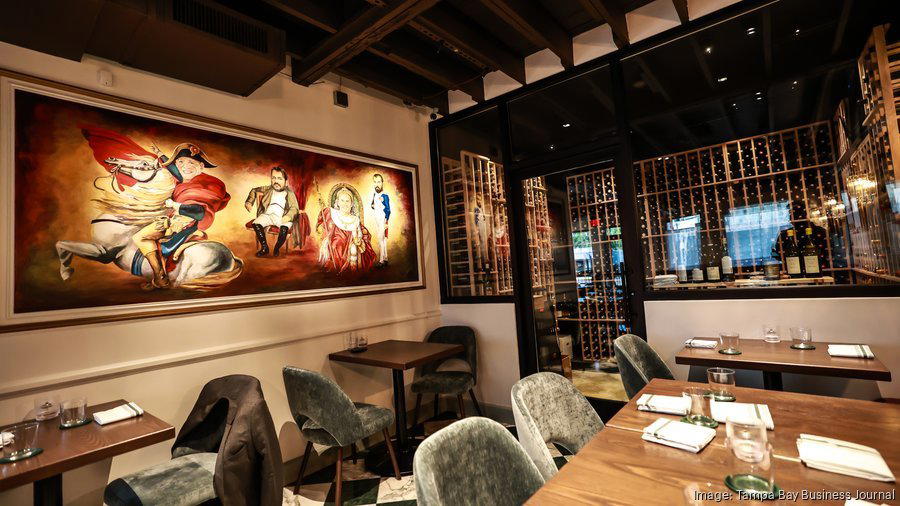
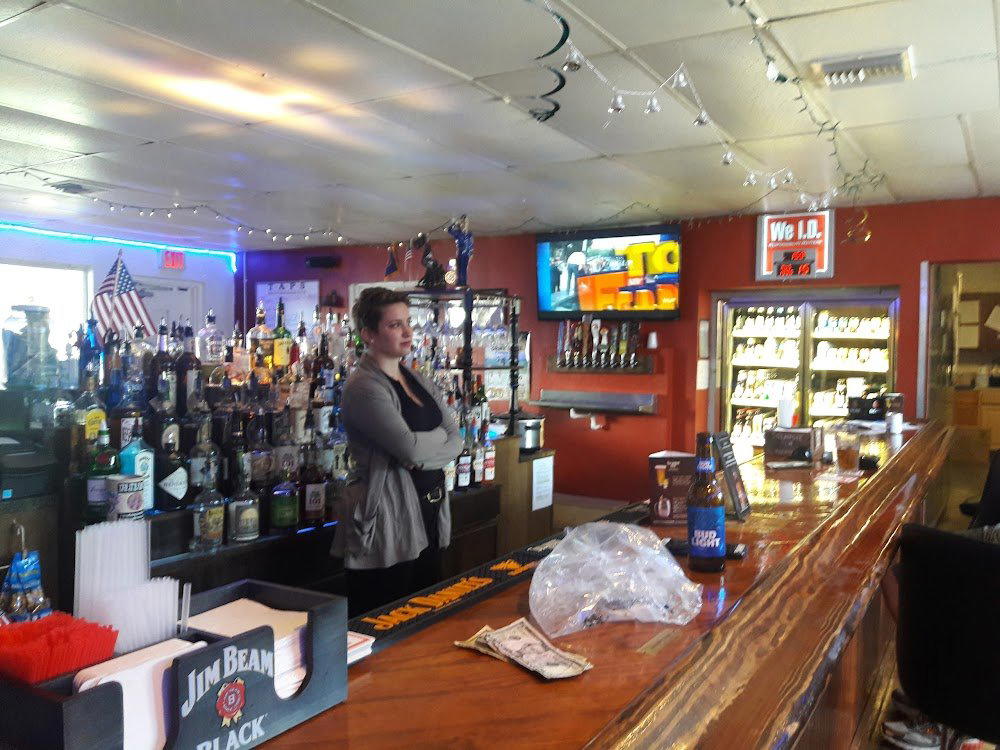
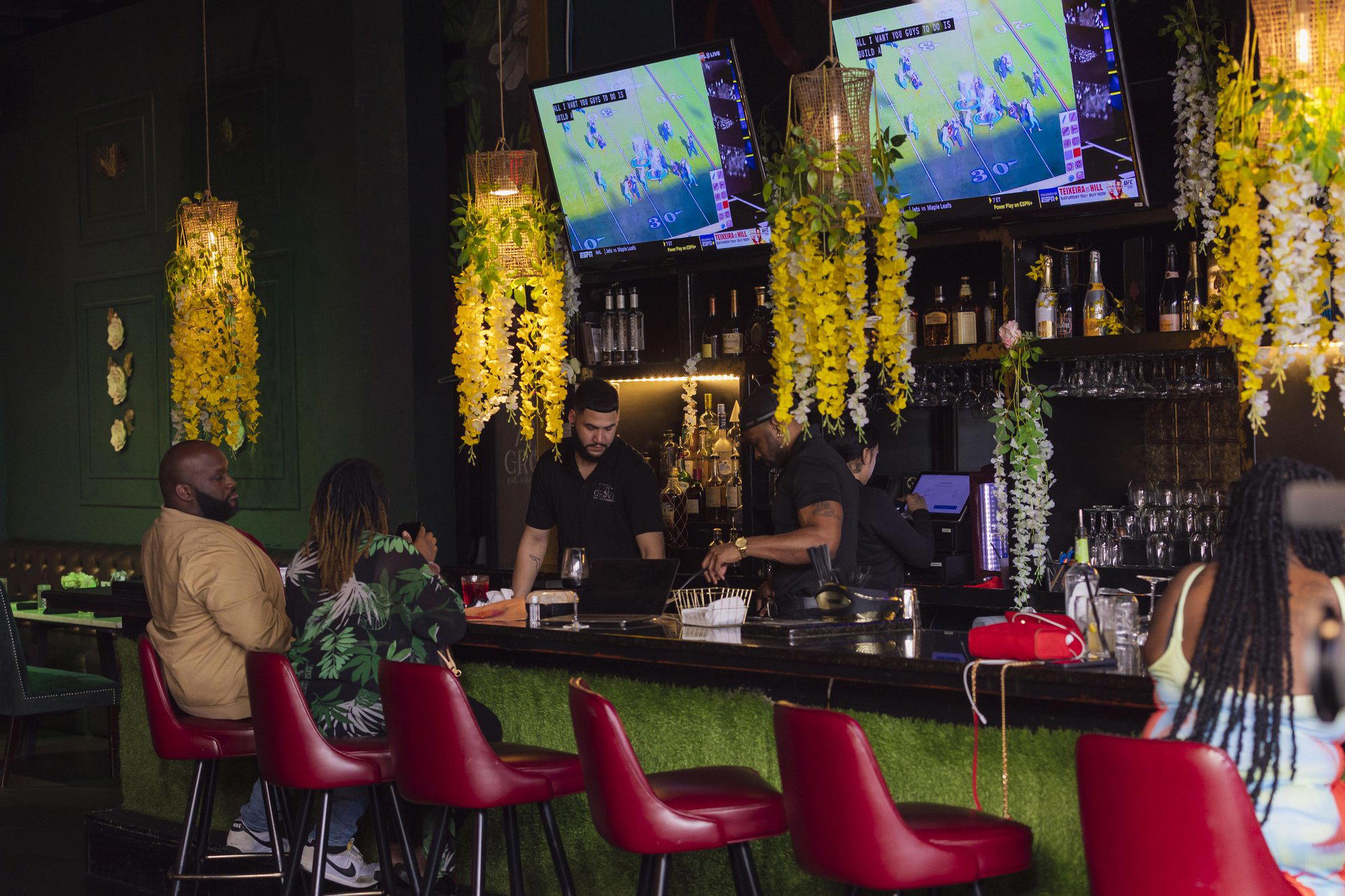
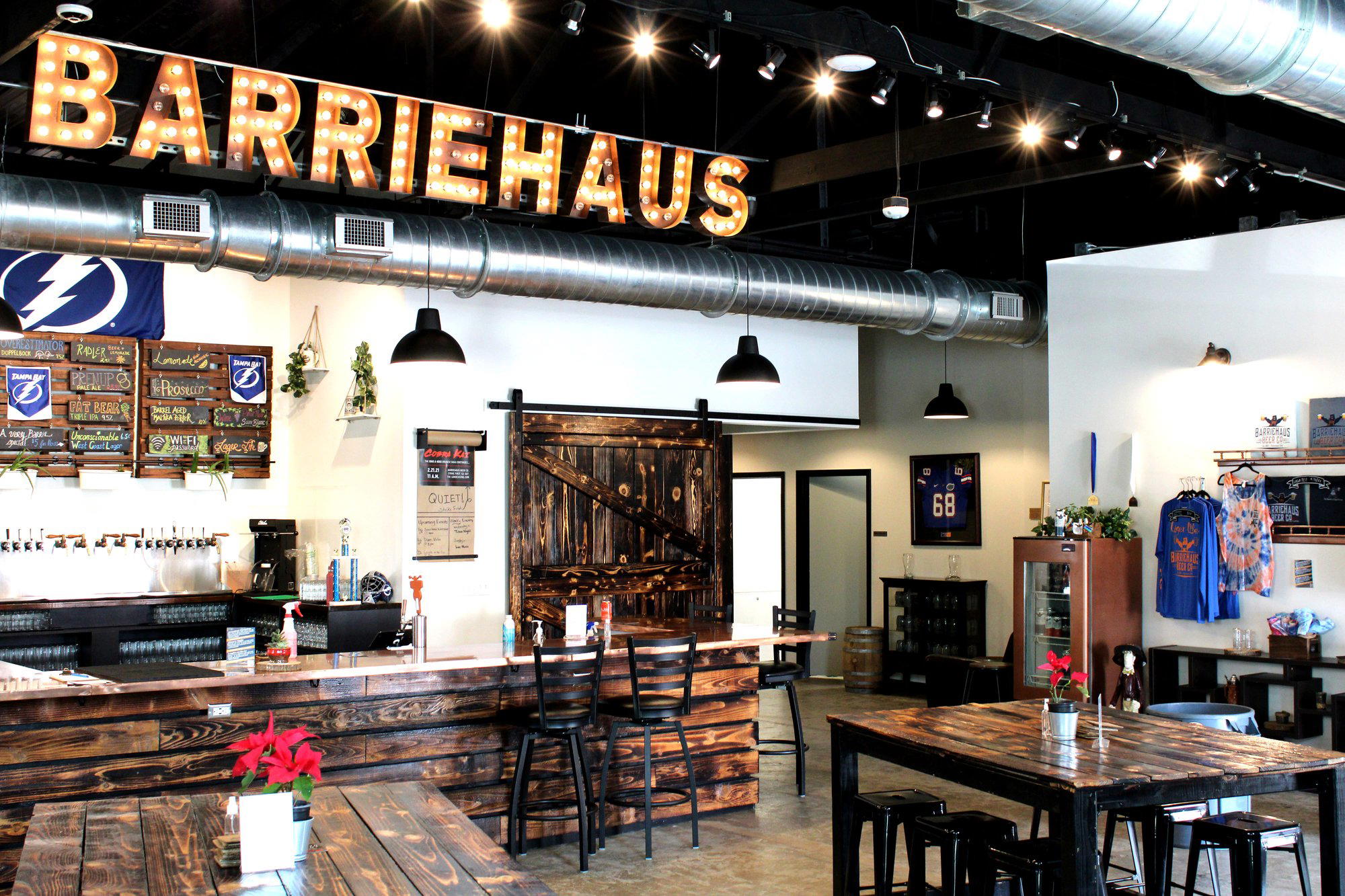
Warm and hospitable atmosphere evoking the heart of Mexico with fresh bold flavors.