KELP SUSHI JOINT
Our verdict
What draws attention here is the format itself: an approachable sushi offering positioned away from Tampa's downtown dining cluster, serving a residential corridor that has few alternatives at this price tier. Worth tracking as Tampa's broader Japanese dining scene continues to develop.

Pearl is the En Primeur Club membership app, where members save venues, book tables and use the concierge.
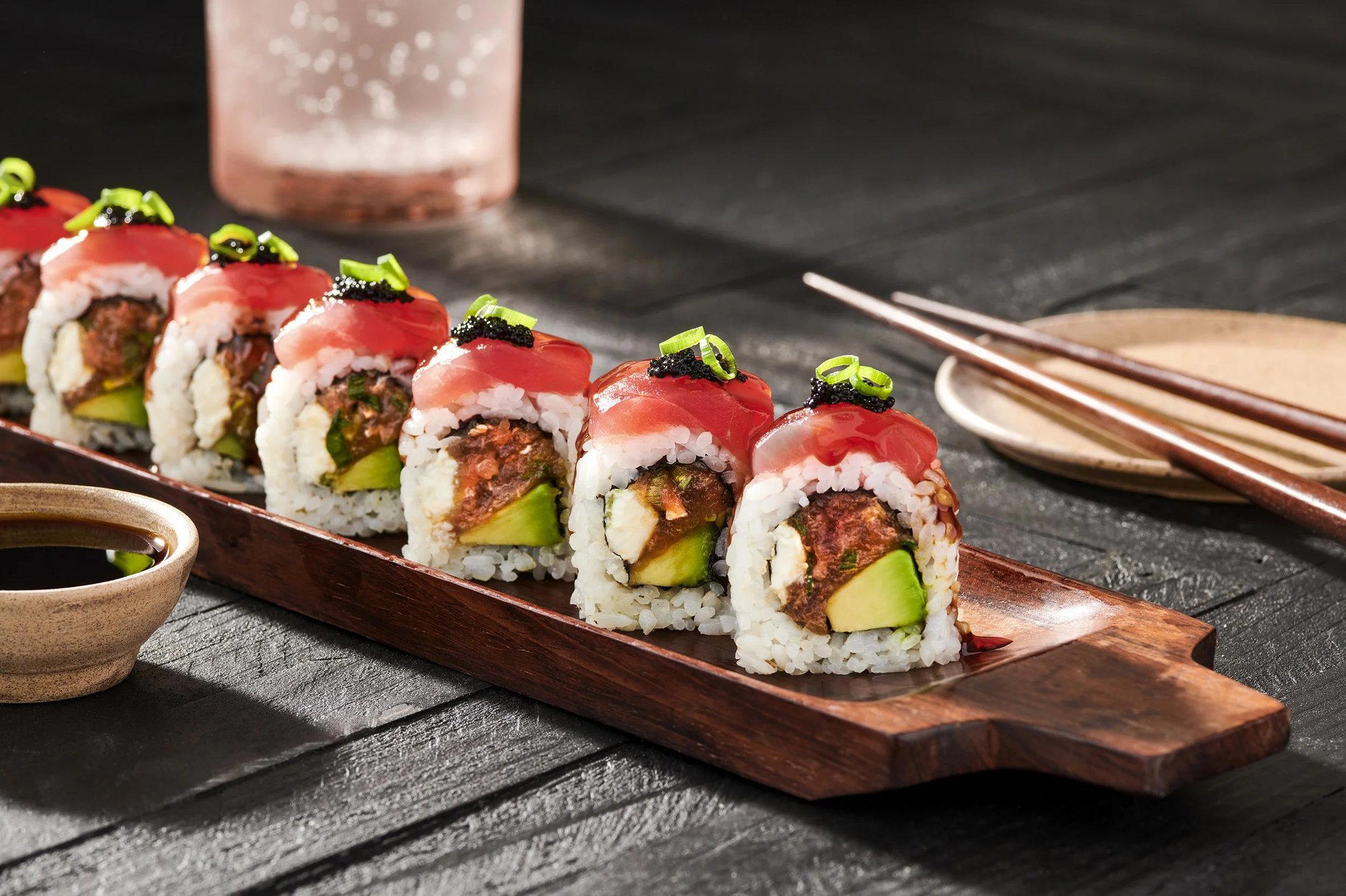
The menu
What to order
- Rose Cave Roll
- Spicy Tuna Roll
- Volcano Roll
Sushi in the Suburbs: What Tampa's West Corridor Tells You
Tampa's sushi scene has historically concentrated downtown and in South Tampa, where higher rents and foot traffic support the kind of polished Japanese formats you find at Koya and Kōsen. This is a residential-commercial corridor, built around strip centres and neighbourhood commerce, and dining here serves a local population rather than a destination-seeking one. That geography matters when you are thinking about what a sushi spot in this location is actually doing and who it is doing it for.
The broader American sushi market has split into recognisable tiers over the past decade. At one end sit omakase counters with reservation windows measured in months and prix-fixe pricing that competes with tasting-menu restaurants. At the other end sit neighbourhood roll shops, operating on volume, turning over tables with familiar combinations of tempura, spicy mayo, and avocado. The middle tier, which offers something more considered than the latter without the formality or price of the former, is where most diners actually eat sushi most of the time.
The Neighbourhood Format and What It Requires
Strip-centre dining in American cities carries assumptions that are not always accurate. Some of the country's most focused cooking happens in exactly these contexts, where low overhead supports craft without the burden of a prime-location lease. The comparison is instructive when you look at the full range of serious American dining, from the chef-driven ambition of Lazy Bear in San Francisco and Alinea in Chicago to farm-anchored formats like Blue Hill at Stone Barns in Tarrytown and Single Thread Farm in Healdsburg. None of those contexts define what a neighbourhood sushi joint should be, but they frame the range. What a neighbourhood operation requires is consistency, value clarity, and a reason for the local community to return.
In Tampa's wider dining context, the premium Japanese tier is occupied by counters that price and format themselves against fine-dining peers. The more casual end of the spectrum, which includes roll-focused spots across the metro area, competes on convenience and familiarity.
How Collaboration Shapes a Sushi Room
In sushi specifically, the dynamic between the person behind the counter and the front-of-house staff carries unusual weight. Unlike tasting-menu restaurants, where a sommelier might operate with enough separation from the kitchen to build an almost independent program, a sushi counter tends to collapse those distinctions. The person preparing fish is often also the person explaining it, reading the guest's pace, and deciding whether to push toward something unfamiliar or stay with what the table seems to want. In larger operations, a floor team handles that reading, freeing the counter to focus on the fish. In smaller neighbourhood formats, the same person often does both.
This dynamic is one reason that sushi, even at the accessible end of the market, rewards regularity. A guest who returns frequently enough to be recognised will get a different experience than one who arrives cold with no context. The counter, whether it is the intimate omakase format seen at Ebbe and the Mediterranean-influenced precision at Lilac signalling that the city is no longer simply reacting to its tourism economy. Italian formats have similarly sharpened, as seen at Rocca. The Japanese category in particular has grown more stratified, with high-end omakase now a genuine option in the city alongside the roll-focused casual tier that has been present for decades.
Kelp Sushi Joint sits outside the downtown and South Tampa cluster where most of that development is concentrated. For residents of the northwest Tampa corridor, having a sushi option within their neighbourhood rather than a cross-city drive is the primary value proposition. That is not a secondary consideration, for a regular diner, proximity and consistency often matter more than any individual meal's ceiling.
Globally, the appetite for neighbourhood sushi has proven durable in ways that fine dining has not always matched. Cities like Tokyo have always understood this: the neighbourhood counter, priced for weekly rather than monthly visits, is where most serious sushi eating actually happens. American cities have been slower to develop that tier with any consistency, but it is now present in enough markets to constitute a recognisable pattern.
For those exploring what Tampa's dining scene offers across a full spectrum, the full Tampa restaurants guide maps the city's key options across cuisine types and price points. Internationally, anyone tracking how Japanese dining translates across different market contexts might also look at the kind of technical ambition present at 8½ Otto e Mezzo Bombana in Hong Kong or the seafood-centred precision at Le Bernardin in New York City, not as direct comparisons, but as markers of how the serious end of the fish-focused dining spectrum is defined elsewhere. The address places it well outside the downtown and Channelside dining cluster, making it a neighbourhood destination rather than a stop on a wider dining itinerary. Phone, hours, and booking details are not currently listed in public databases, so confirming current trading hours directly before visiting is advisable. Given the neighbourhood format and strip-centre location, walk-ins are likely the standard mode of arrival rather than advance reservation, but that is worth verifying. For a broader read on Tampa's dining options while planning a trip, cross-referencing with spots like Emeril's in New Orleans or Providence in Los Angeles and Addison in San Diego gives a sense of how the Gulf Coast and broader US dining circuit is positioned relative to other major markets. Closer to home, the French Laundry in Napa, The Inn at Little Washington, and similar anchor properties define the high end of the American dining conversation that Tampa is slowly entering from its own angle.
Frequently asked questions
How do I find KELP SUSHI JOINT?
KELP SUSHI JOINT is located at 6507 W Waters Ave Ste 9, Tampa, FL 33634, Tampa.
How does Kelp Sushi Joint compare to other sushi options in Tampa?
Kelp Sushi Joint operates in northwest Tampa on W Waters Ave, a corridor that sits apart from the downtown and South Tampa clusters where most of the city's Japanese dining is concentrated. That positioning makes it one of the few sushi-focused spots serving the west side of the city directly. For diners in that quadrant, it removes a significant drive compared to travelling to Hyde Park or Channelside for comparable cuisine.
What's the must-try dish at KELP SUSHI JOINT?
Your best approach is to ask the staff at 6507 W Waters Ave what is freshest that day. In a sushi setting, that conversation with the counter is usually the most reliable guide.
Should I book KELP SUSHI JOINT in advance?
No reservation data is publicly listed for Kelp Sushi Joint, and strip-centre sushi spots in Tampa often operate on a walk-in basis. Arriving earlier in the evening reduces wait risk, particularly on weekends when the west corridor draws steady neighbourhood traffic. Calling ahead once phone details become available would give you the clearest picture.
What's the signature at KELP SUSHI JOINT?
Kelp Sushi Joint's format as a neighbourhood sushi counter on Tampa's west corridor is itself the defining characteristic: the focus stays on accessible, counter-driven sushi rather than the polished downtown tasting-menu model. Without a published menu, the kitchen's specific through-line is best confirmed on arrival at Suite 9, 6507 W Waters Ave.
Price and Positioning
Comparable venues nearby, for context on price, style, and recognition.
| Venue | Cuisine | Price | Notes |
|---|---|---|---|
| KELP SUSHI JOINTThis venue (the venue you are viewing) | Modern Asian Fusion Sushi | $20–30 | Not listed |
| Kobé Japanese Steakhouse - Tampa | Teppanyaki Japanese Steakhouse | $30–50 | Tampa, Teppanyaki Japanese Steakhouse |
| Paul's Fusion Kitchen | Thai Fusion | $20–30 | Palma Ceia, Thai Fusion |
| La Creperia Cafe @ Ybor City | French Creperie | $10–20 | Ybor City, French Creperie |
| LPCX Cafe | Colombian Brunch & Bakery Café | $10–20 | Colombia district, Colombian Brunch & Bakery Café |
| wagamama, water st, tampa | Modern Asian Fusion Ramen | $20–30 | Gilchrist's A W Oak Grove, Modern Asian Fusion Ramen |
Continue exploring
More in Tampa
Restaurants in Tampa
All restaurants in Tampa →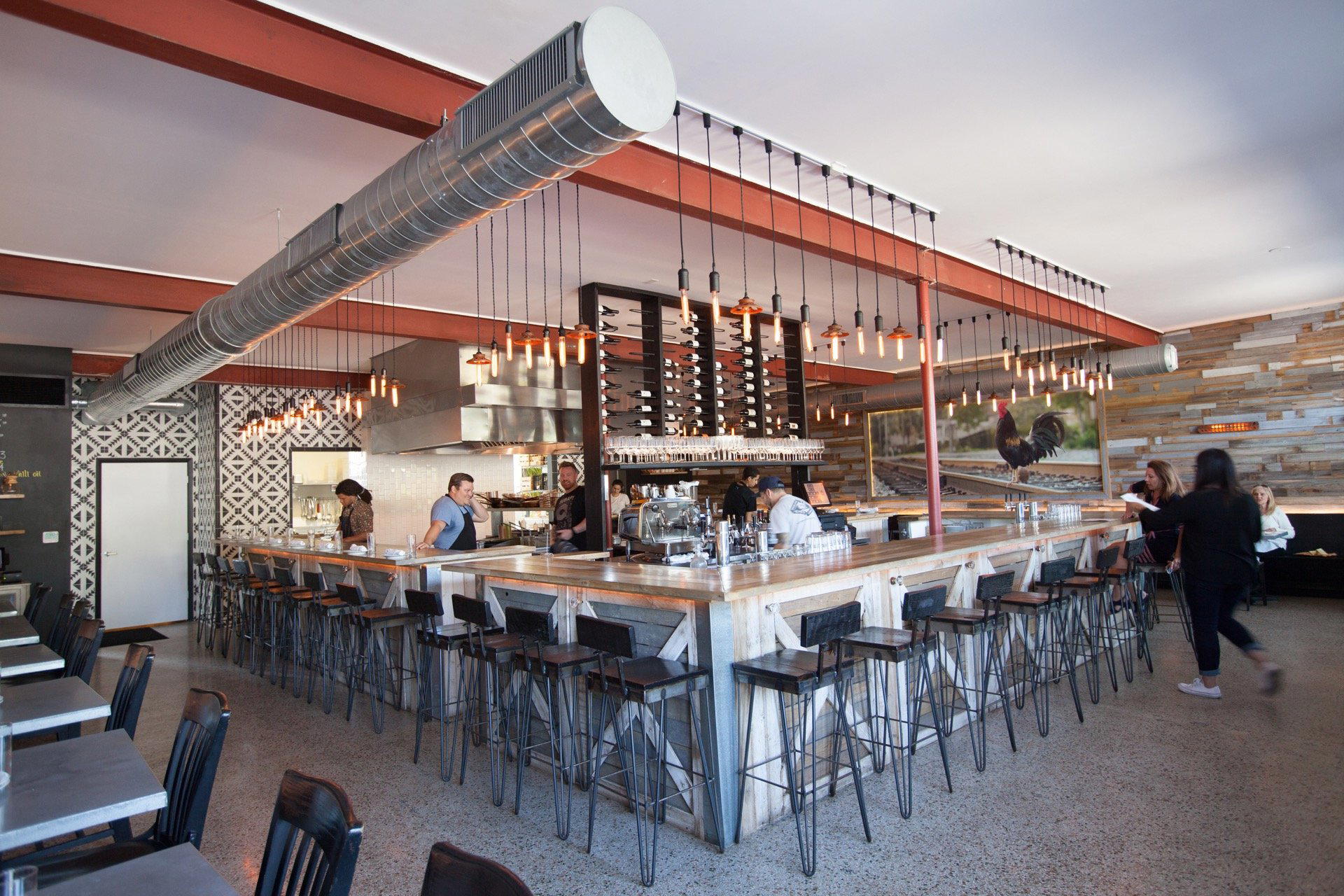
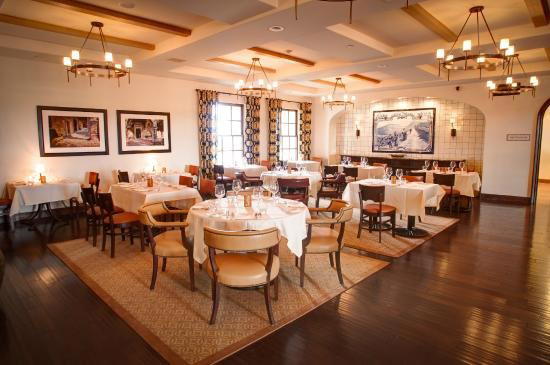
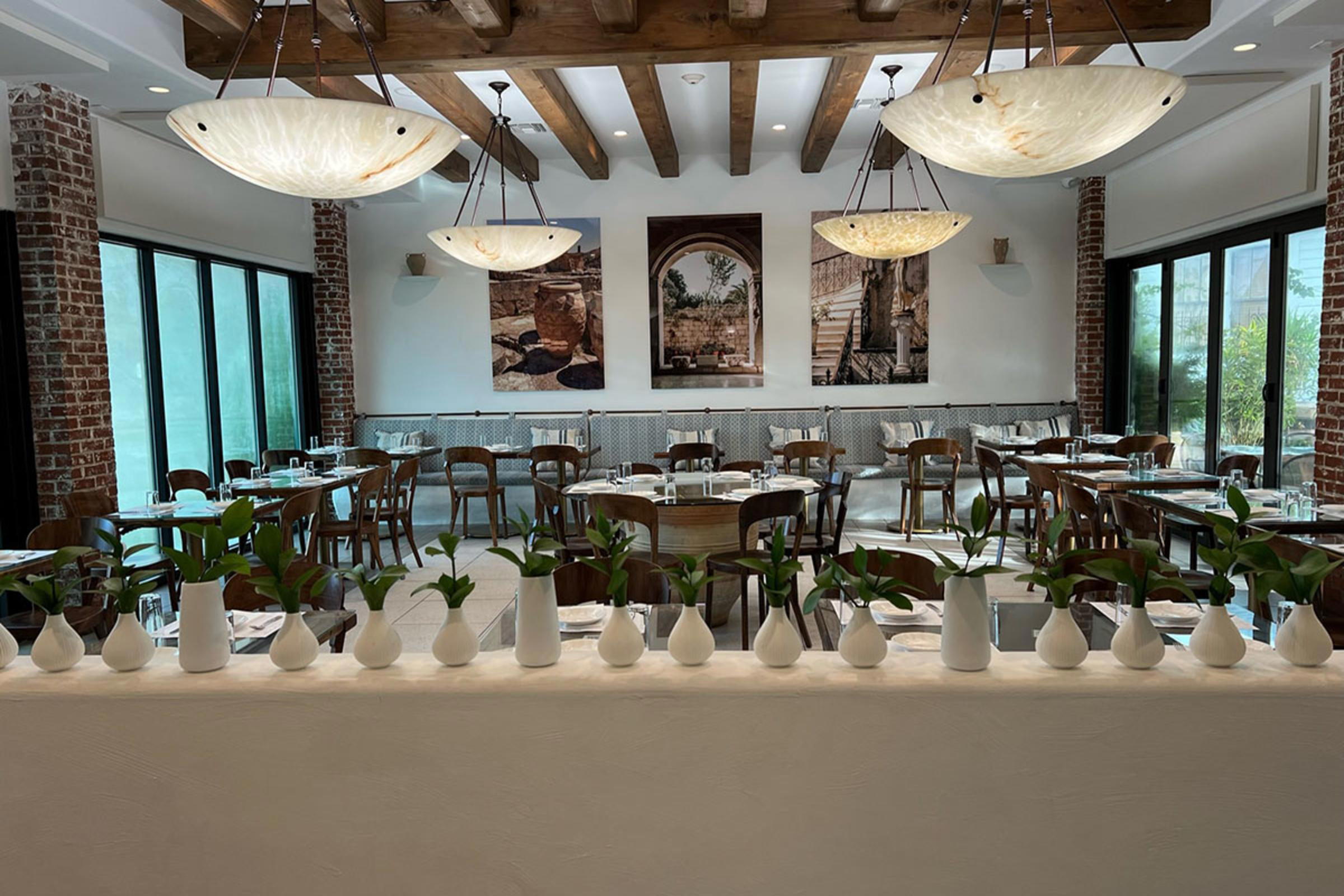
Bars in Tampa
All bars in Tampa →

Details
- Cozy
- Intimate
- Trendy
- Date Night
- Casual Hangout
- Open Kitchen
- Sake Program
- Craft Cocktails
- A La Carte
- Cocktails
- Wine
- Vegetarian Friendly
Current opening hours
- Monday
- 11 AM–10 PM
- Tuesday
- 11 AM–10 PM
- Wednesday
- 11 AM–10 PM
- Thursday
- 11 AM–10 PM
- Friday
- 11 AM–11 PM
- Saturday
- 12–11 PM
- Sunday
- 12–10 PM
Hours can change for holidays and private events. Hours as of .
Cozy and intimate with a small, modern atmosphere that feels great for couples but can be somewhat noisy.