Knickerbocker Bar & Grill
Our verdict
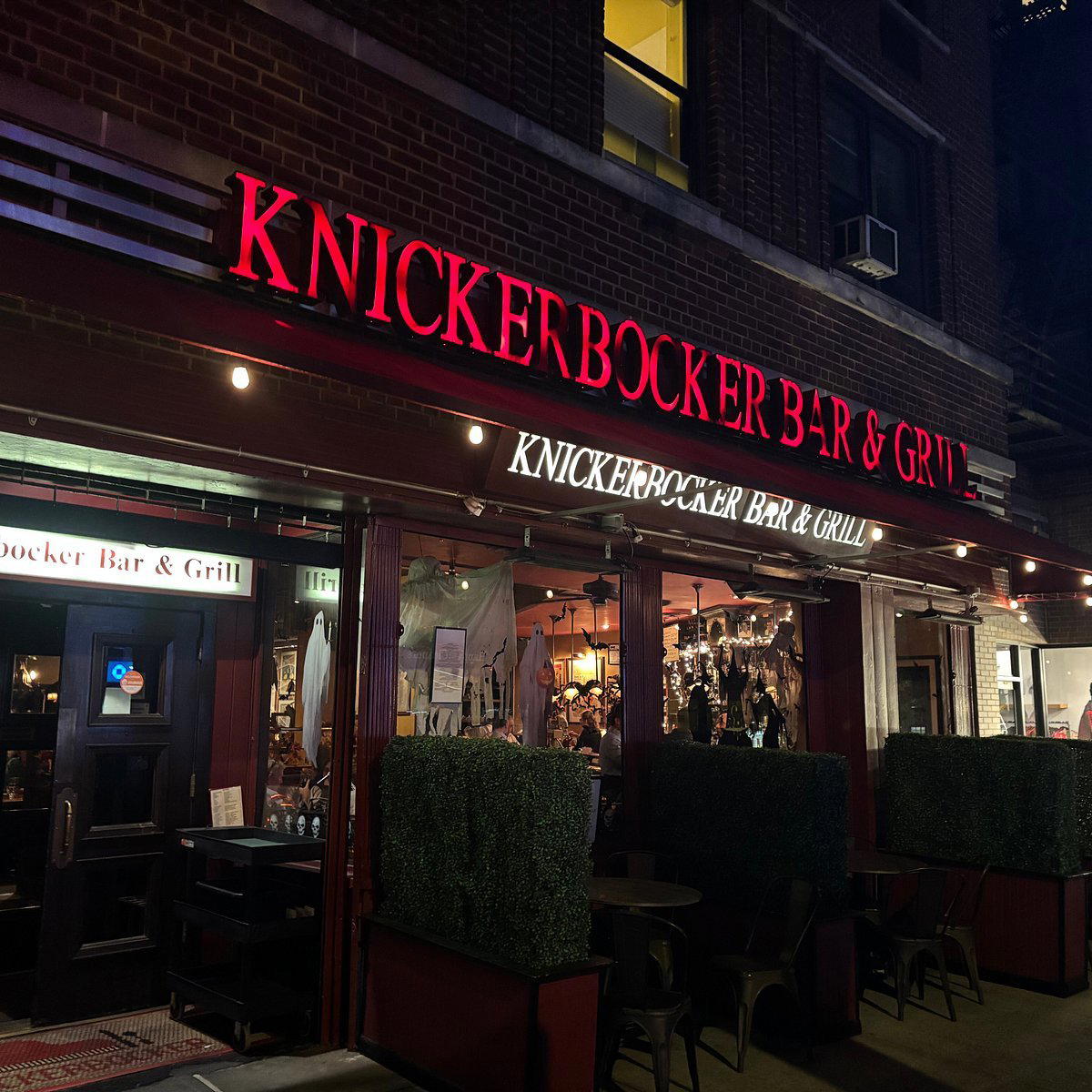
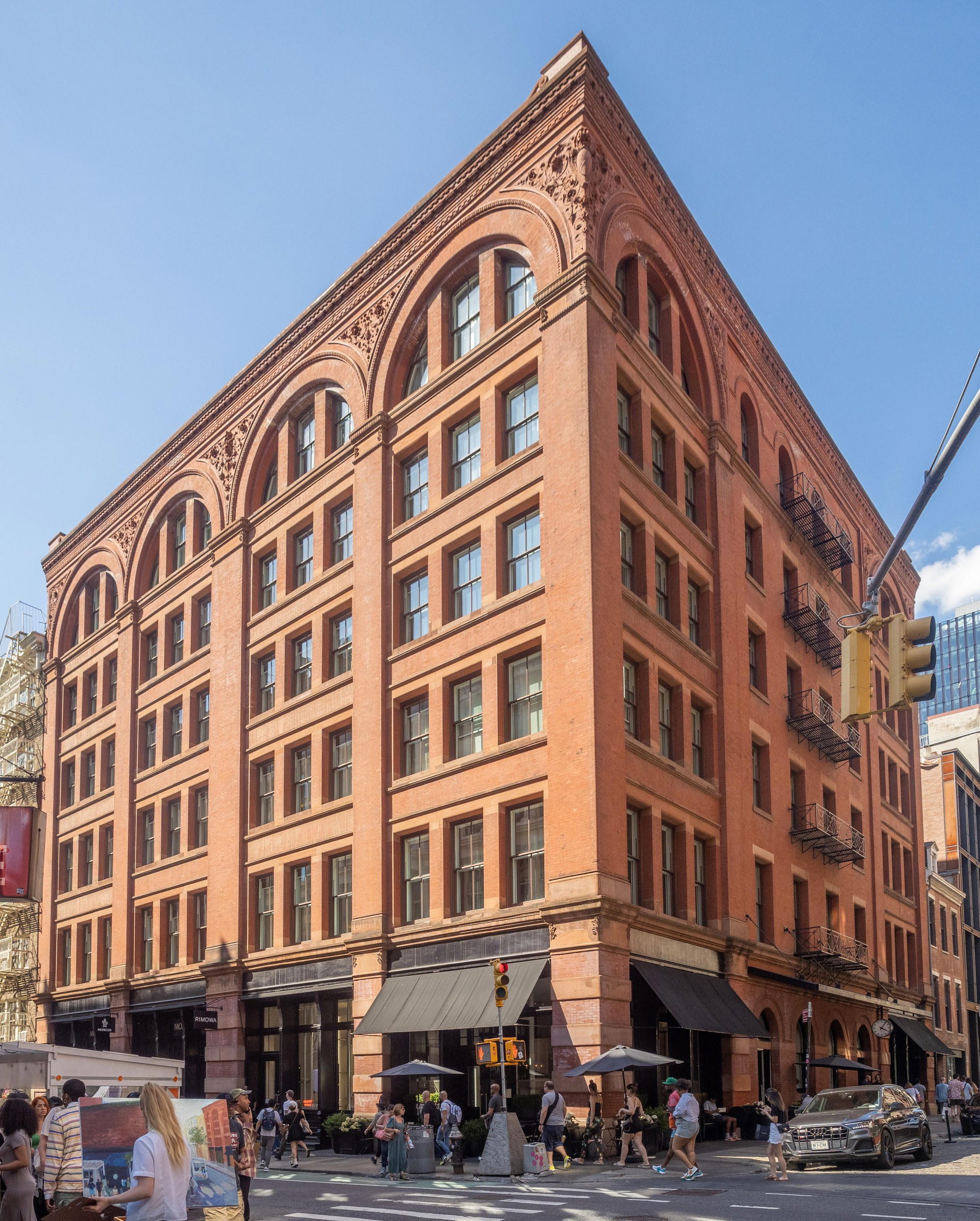
Knickerbocker Bar & Grill has anchored the corner of University Place and 9th Street in Greenwich Village for decades, occupying a different tier from New York's tasting-menu circuit. Where neighbours like Le Bernardin and Per Se operate on ceremony, Knickerbocker holds to the American bar-and-grill tradition: live jazz, a broad menu, and a room that has accumulated genuine patina rather than designed atmosphere.

Pearl is the En Primeur Club membership app, where members save venues, book tables and use the concierge.
The menu
What to order
- 28 oz T-Bone Steak
- Chocolate Soufflé for Two
University Place and the Bar-and-Grill Tradition
Greenwich Village has always maintained a parallel dining culture to the one tracked by Michelin inspectors and awards committees. While the city's conversation about fine dining tends to orbit tasting counters and prix-fixe rooms, the neighbourhood around University Place preserves something older and arguably more useful: the full-service American bar and grill, where a table might turn over in ninety minutes or anchor a three-hour evening with equal hospitality. Knickerbocker Bar & Grill, at 33 University Place, sits inside that tradition rather than against it.
The distinction matters when you consider how Manhattan's dining map has fragmented over the past two decades. The upper register, occupied by places like Le Bernardin, Atomix, Eleven Madison Park, Masa, and Per Se, requires advance planning, commitment to a single long meal, and a budget that makes the evening an event. Knickerbocker operates on none of those terms. It is a room that rewards the decision made at six o'clock, the post-lecture dinner, the return visit from someone who knew the Village fifteen years ago and wants to confirm it is still there.
The Physical Room as Argument
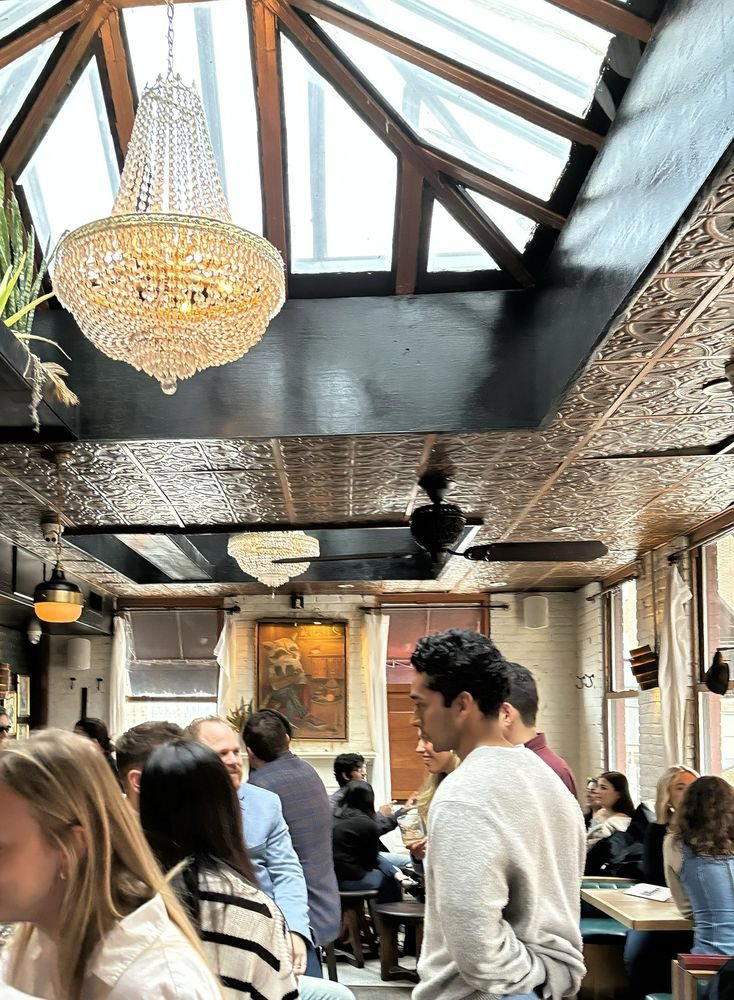
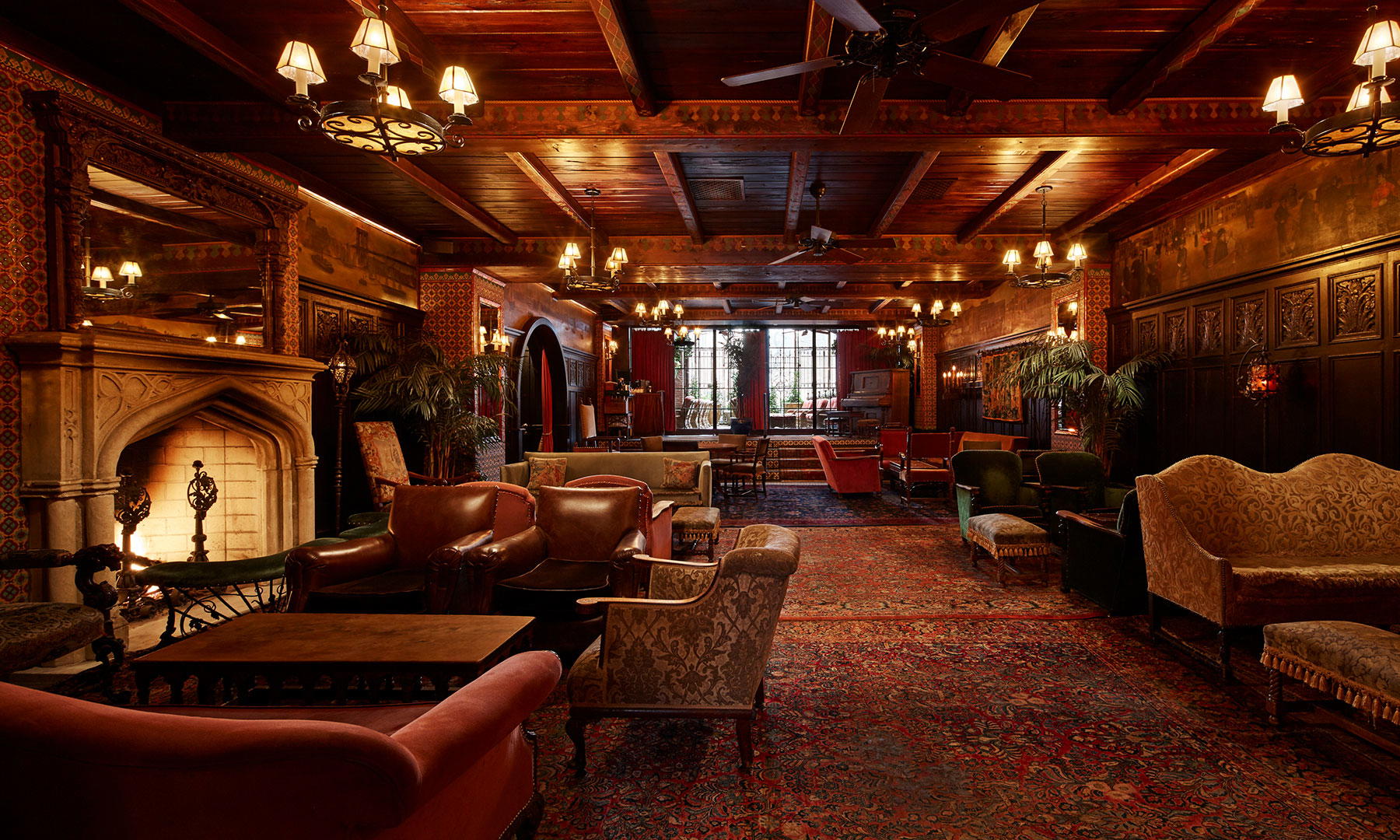
The bar-and-grill format depends on a specific kind of interior logic. The room needs enough separation between the bar and the dining tables to serve both functions simultaneously, enough acoustic life to feel social without becoming a venue, and enough age in the wood and fittings to suggest that the place has earned its position on the block. These are not qualities you can install at opening. They accumulate, or they don't. Knickerbocker's address on University Place, a street that runs between Washington Square Park and 14th Street, places it in a section of the Village that has maintained residential and institutional character even as the surrounding neighbourhood has shifted commercially.
Jazz in a room like this shapes the pacing of a meal and the register of conversation. It also signals a kind of curatorial commitment: booking live musicians consistently requires ongoing investment that a room operating on thin margins cannot sustain. The fact that Knickerbocker has maintained it positions the bar among a shrinking number of Village venues where music is structural rather than occasional.
Where the Food Fits
American bar-and-grill canon, if you trace it honestly, is built on sourcing decisions that precede any discussion of technique. The genre at its most coherent relies on protein quality, produce that changes with the season rather than the menu reprint cycle, and kitchen execution disciplined enough to let ingredients carry the weight. This is the context in which to read a menu at Knickerbocker rather than measuring it against the tasting-menu format that dominates critical conversation.
Across the United States, the restaurants that have most credibly sustained the bar-and-grill or American brasserie identity have done so by anchoring their menus to supply chains with real specificity. Blue Hill at Stone Barns in Tarrytown operates at the extreme end of that argument, with an on-site farm that makes provenance literal. Single Thread Farm in Healdsburg builds its identity around a similarly integrated sourcing model. At the other end of the formality register, the leading versions of neighbourhood American dining, whether Emeril's in New Orleans or Frasca Food & Wine in Boulder, demonstrate that a well-sourced, regionally rooted menu does not require a tasting format to carry authority.
Knickerbocker operates in that broader American tradition rather than in the competitive set defined by Michelin stars. The comparison group for a room like this is not The French Laundry in Napa or Addison in San Diego. It is the category of rooms that have survived in major American cities by being genuinely useful: Lazy Bear in San Francisco occupies a different tier, but the underlying question of what makes a room worth returning to applies across price points.
The Village Context
University Place is not the Village's most photographed block, which is part of what makes it function the way it does. The street lacks the tourist concentration of Bleecker or the destination-restaurant density of the West Village's far side, which means the room's clientele skews toward people who live or work nearby: NYU faculty and students, neighbourhood regulars, and the kind of out-of-town visitor who arrives with a specific address rather than a category search. That demographic self-selection shapes the atmosphere as much as any design decision.
For a broader orientation to what New York's dining scene offers across formats and neighbourhoods, see our full New York City restaurants guide. The city's range extends from the prix-fixe formalism of The Inn at Little Washington-adjacent rooms to farm-sourcing focused formats like Smyth in Chicago and Providence in Los Angeles, which share an emphasis on ingredient provenance even at higher price points. Knickerbocker sits at a different position on that map: accessible, consistent, and operating on a logic that does not require an occasion to justify the reservation.
Internationally, the sourcing-led American bar-and-grill has equivalents in European traditions worth noting. Atelier Moessmer Norbert Niederkofler in Brunico and Dal Pescatore in Runate each demonstrate, in very different registers, how a kitchen committed to regional sourcing produces a character that cannot be replicated by technique alone. The principle holds at any price point.
Planning Your Visit
Address: 33 University Place, New York, NY 10003, at the corner of 9th Street in Greenwich Village. Getting there: The location is walkable from the Union Square subway hub (4, 5, 6, L, N, Q, R, W lines) and within a short walk of Washington Square Park. Reservations: Dress: The bar-and-grill format is relaxed; no formal dress requirement is documented. Budget: Live music: Jazz programming is a documented feature; confirm current scheduling directly with the venue before visiting.
Frequently asked questions
What's the address for Knickerbocker Bar & Grill?
Knickerbocker Bar & Grill is located at 33 University Pl, New York, NY 10003, New York City.
How long has Knickerbocker Bar & Grill been part of Greenwich Village's dining scene?
Knickerbocker Bar & Grill has operated on University Place at the corner of 9th Street long enough to predate New York City's current tasting-menu era, placing it among a small set of Village rooms that maintained the American bar-and-grill format through successive waves of dining fashion. That continuity is its own credential in a neighbourhood where restaurant tenures are rarely measured in decades.
What's the best thing to order at Knickerbocker Bar & Grill?
The American bar-and-grill format rewards protein-led dishes and seasonal produce over elaborate preparations. At 33 University Place, the kitchen sits in a tradition where sourcing decisions carry more weight than technique showmanship. Order around the core of the menu rather than its edges, and let the room's rhythm guide the pace.
Can I walk in to Knickerbocker Bar & Grill?
Walk-in culture has historically been part of how rooms like Knickerbocker operate, particularly at the bar. University Place is not a tourist-heavy block, which keeps the room functioning as a neighbourhood destination rather than a reservations-only destination. Arriving during off-peak hours on weeknights gives you the strongest chance of securing a seat without advance planning.
At a Glance
Comparable venues nearby, for context on price, style, and recognition.
| Venue | Cuisine | Price | Notes |
|---|---|---|---|
| Knickerbocker Bar & GrillThis venue (the venue you are viewing) | Classic American Steakhouse | $50–100 | Not listed |
| PB Brasserie steak house | French Brasserie with African Influences | $50–100 | Harlem (North), French Brasserie with African Influences |
| The Dynamo Room | Classic New York Steakhouse | $50–100 | Midtown-Times Square, Classic New York Steakhouse |
| DK | Contemporary Steakhouse | Not listed | Midtown-Times Square, Contemporary Steakhouse |
| Tudor City Steakhouse | Classic Steakhouse with International Flair | $50–100 | Murray Hill-Kips Bay, Classic Steakhouse with International Flair |
| FLATIRON RESTAURANT 2 | Steakhouse | Not listed | Park Slope, Steakhouse |

Continue exploring
More in New York City
Restaurants in New York City
All restaurants in New York City →
Bars in New York City
All bars in New York City →
Details
- Classic
- Cozy
- Well Known
- Group Dining
- Casual Hangout
- Late Night
- Live Music
- Historic Building
- Extensive Wine List
- Local Sourcing
- A La Carte
- Vegetarian Friendly
- Gluten Free Options
Current opening hours
- Monday
- 5–11 PM
- Tuesday
- 5–11 PM
- Wednesday
- 5–11 PM
- Thursday
- 5–11 PM
- Friday
- 5–11 PM
- Saturday
- 5–11 PM
- Sunday
- 5–11 PM
Hours can change for holidays and private events. Hours as of .
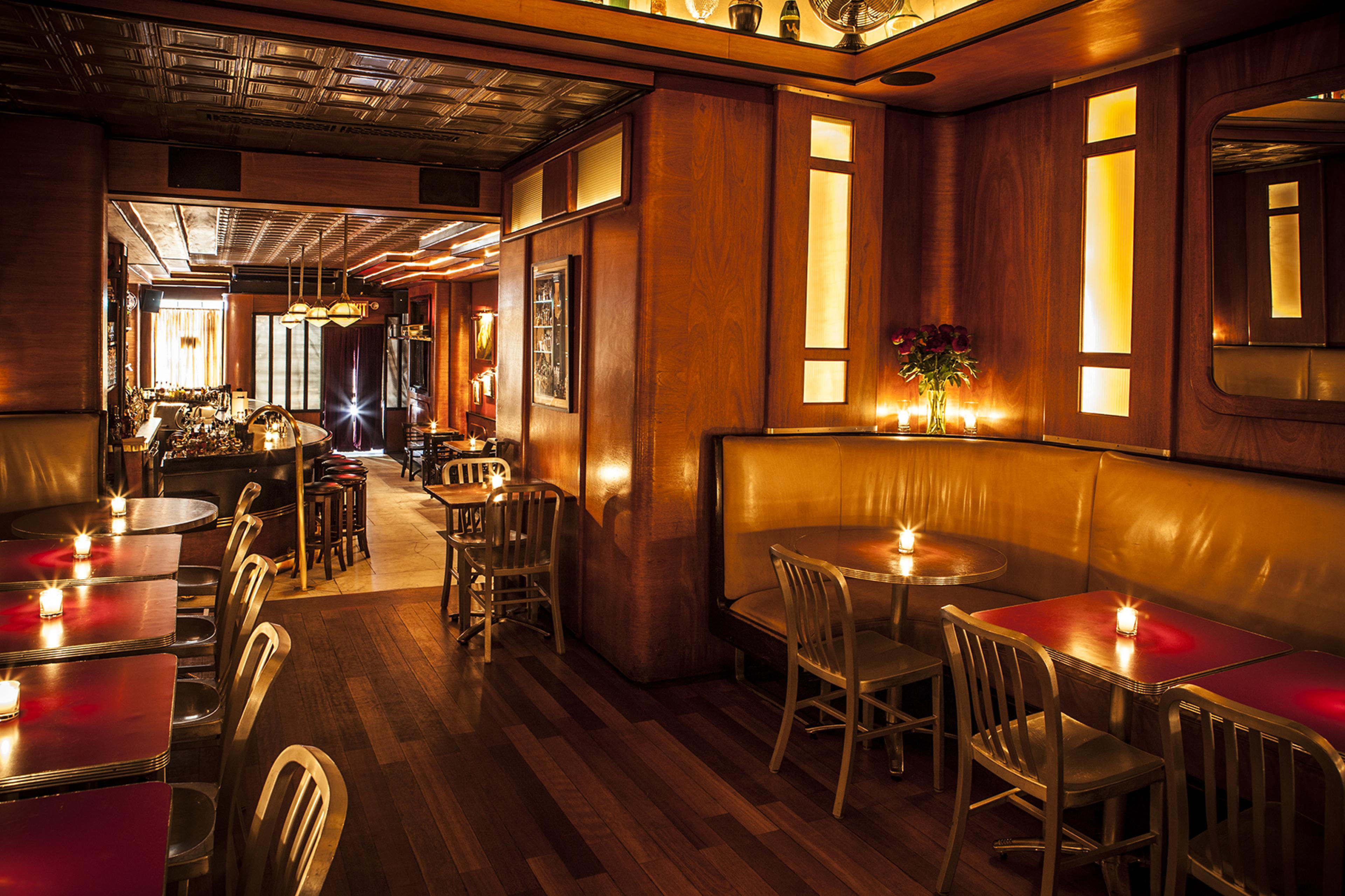
Old-school New York with wood-paneled walls, comfy booths, Al Hirschfeld caricatures, and vintage posters evoking an earlier era.