Klosterschänke occupies a quiet address on Klostergasse in Remscheid, a city better known for its industrial heritage than its restaurant culture. The setting alone signals a different pace from the broader Bergisches Land dining scene. For those tracing where Remscheid's more considered cooking happens, this address is worth marking.
Pearl is the En Primeur Club membership app — saves, bookings, and concierge access live there. Same editors, same standards.
- Address
- Klostergasse 8, 42897 Remscheid, Germany
- Phone
- +492191666326
- Website
- klosterschaenke-rs.de
- Directions
- Get directions
 Saves & bookings on Pearl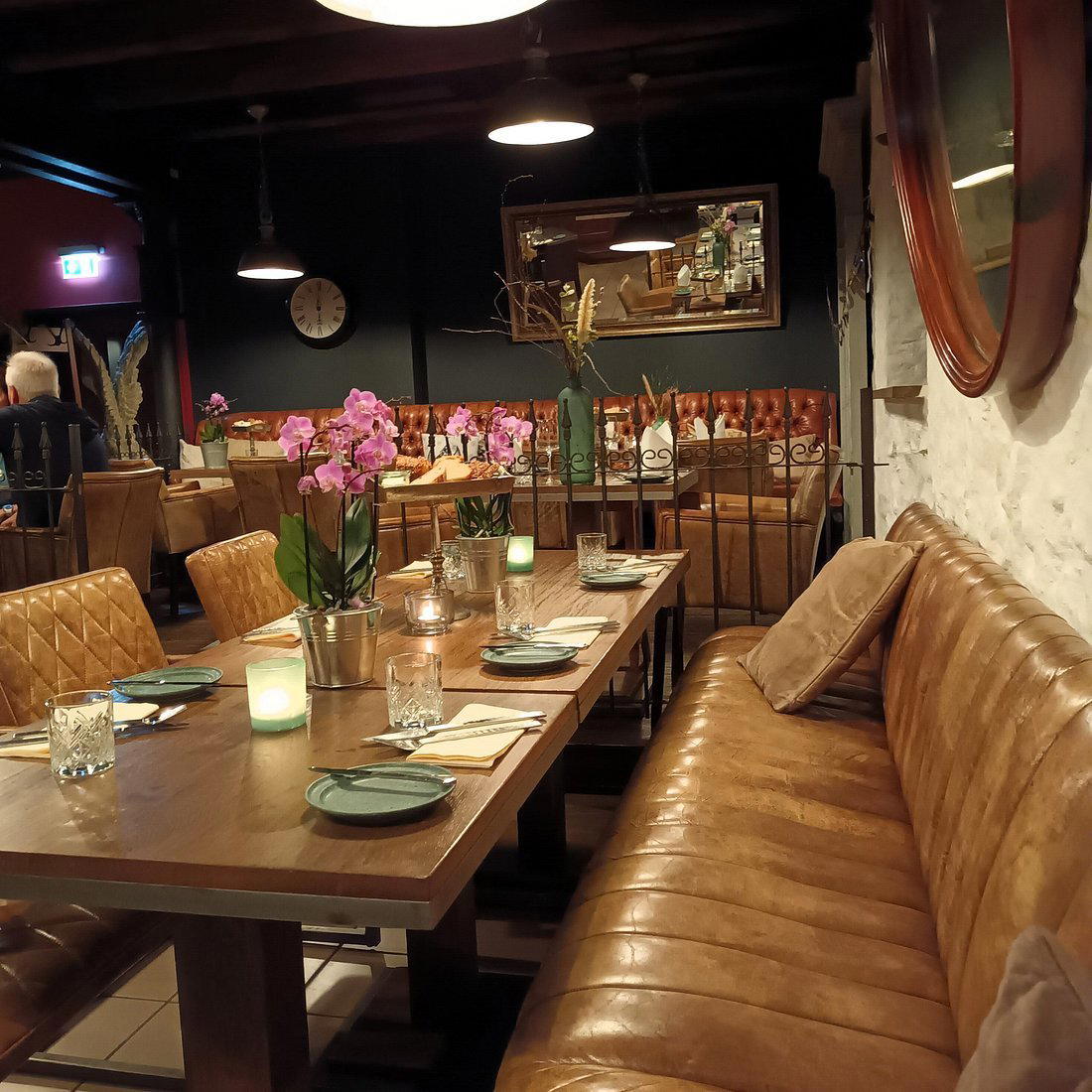
A Street That Sets the Tone
Klosterschänke is a restaurant in Remscheid, Germany, serving modern German with international influences at about $25 per person. Remscheid is not a city that announces its dining scene loudly. The Bergisches Land region, defined by steep valleys, narrow lanes, and a history built around steel and tool manufacturing, has never cultivated the restaurant density of Düsseldorf or Cologne. That context matters when approaching Klosterschänke on Klostergasse 8, because the address itself is part of the argument: a lane whose name references a cloister tradition suggests a certain rootedness, a remove from the main commercial drag that shapes expectations before you step inside. In a city where the dining culture tends toward the local and unpretentious, a venue that holds this kind of address is making a quiet statement about belonging to place rather than trend.
Bergisches Land cooking has historically leaned on produce from its own territory: dairy from the upland farms, freshwater fish from the river systems, preserved meats shaped by a Protestant frugality that turned necessity into technique. The leading kitchens in this part of western Germany tend to hold that regional logic even when reaching outward toward broader European influences. Understanding that tradition is the starting point for reading what Klosterschänke represents in Remscheid's dining picture.
Where the Food Comes From
In the broader German context, the pressure toward regional sourcing has been led by destination kitchens with Michelin recognition and the resources to build direct producer relationships. Venues like Aqua in Wolfsburg and JAN in Munich operate at a level where the sourcing itself becomes editorial content on the menu. At a neighbourhood level in a city like Remscheid, that kind of supply chain transparency is rarer, which is precisely why it matters more when it appears. The Bergisches Land has the agricultural infrastructure to support a genuinely local kitchen: the question is which operators choose to use it.
Klosterschänke's Klostergasse address places it in a part of Remscheid where that local-facing orientation is most plausible. Proximity to the older fabric of the city, away from the commercial retail zones that pull most casual dining toward convenience supply, creates at least the conditions for a kitchen that sources closer to home.
Reading the Scene Regionally
Remscheid sits within easy reach of Bergisch Gladbach, where Vendôme has long anchored the region's case for serious fine dining, and the contrast between that destination-level operation and a neighbourhood address in Remscheid itself illustrates something important about how German regional dining is structured. The wider German dining map also includes addresses like Schwarzwaldstube in Baiersbronn, Waldhotel Sonnora in Dreis, and Restaurant Haerlin in Hamburg. The gap between those two registers is not purely about quality; it is about audience, format, and the kind of sourcing investment that Michelin-level revenue makes possible.
For diners moving between those registers, Klosterschänke sits within Remscheid's local dining frame. What that peer group shares is a function within the city's actual food culture rather than within the touring circuit that drives destination dining across the country.
Sourcing discipline is not a European-only concern: venues like Le Bernardin in New York City and Atomix in New York City have made ingredient provenance a structural part of their critical identity, and that standard filters outward into how diners assess even smaller, more local operations. Similarly, addresses like Victor's Fine Dining by Christian Bau in Perl, Bagatelle in Trier, ATAMA by Martin Stopp in Sankt Ingbert, and ammolite in Rust show how the western and southern German dining belt has developed a layered set of reference points that shape regional ambition at every level.
Planning a Visit
Klosterschänke is located at Klostergasse 8, 42897 Remscheid. Current hours, pricing, and booking arrangements should be checked directly with the venue before travel. Remscheid is served by road connections from Düsseldorf and Wuppertal, making it accessible for a day visit from the broader Rhine-Ruhr corridor. For diners building a longer itinerary around the Bergisches Land, combining this address with an exploration of the wider Remscheid scene makes geographic sense.
In Context: Similar Options
Comparable venues nearby, for context on price, style, and recognition.
| Venue | Cuisine | Price | Awards | Notes |
|---|---|---|---|---|
| KlosterschänkeThis venue — the venue you are viewing | Modern German with International Influences | $$ | Not listed | Not listed |
| Der Grund I Restaurant & Catering | Modern European-Bergisch | $$ | Not listed | Remscheid |
| Heldmann & Herzhaft | Classic German Fine Dining | $$$ | Michelin Plate | Remscheid |
| Funkhaus | Modern German Bistro | $$ | Not listed | Altstadt/Nord |
| Kleine Glocke | Traditional German Gastropub | $$ | Not listed | Altstadt/Nord |
| kriegsfuss | German Steakhouse | $$ | Not listed | near Skulpturenpark Waldfrieden |
Continue exploring
More in Remscheid
Restaurants in Remscheid
Browse all →
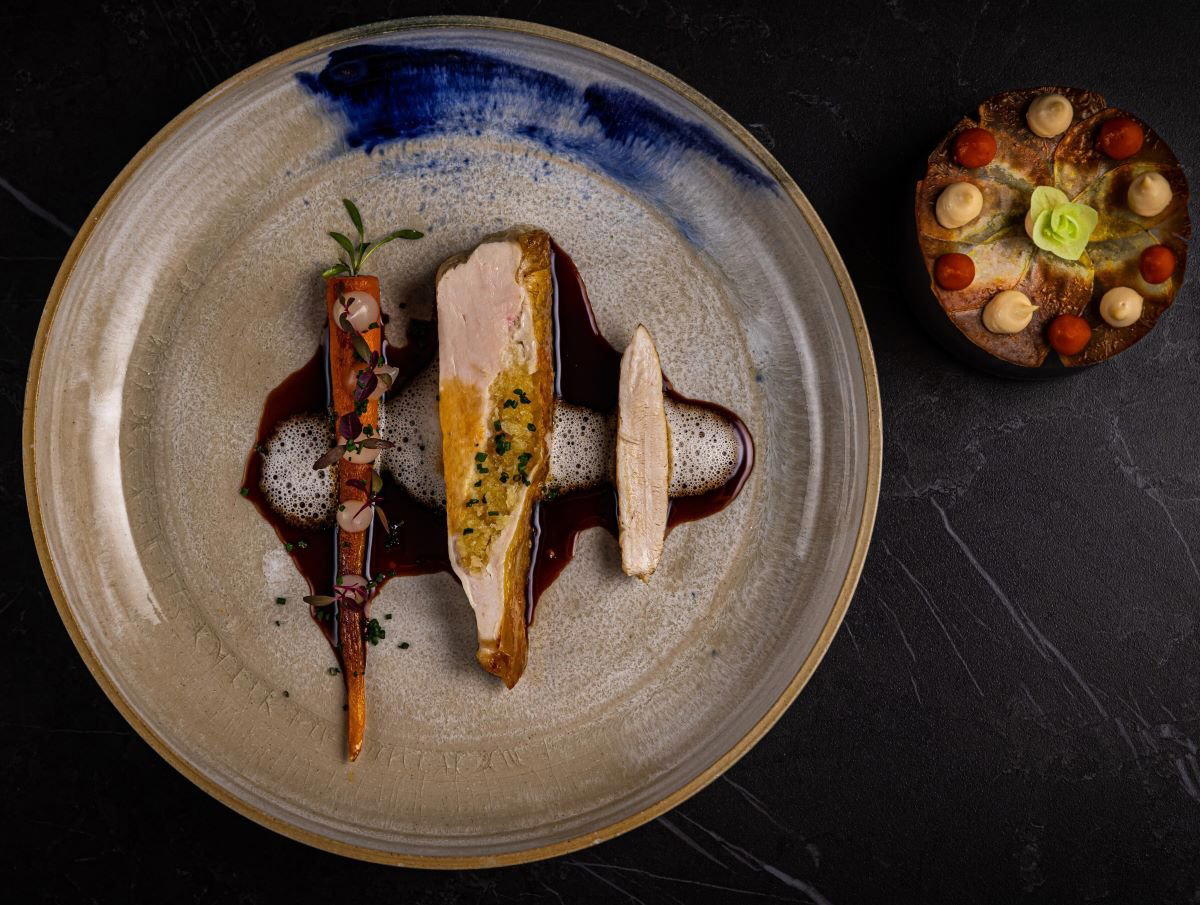
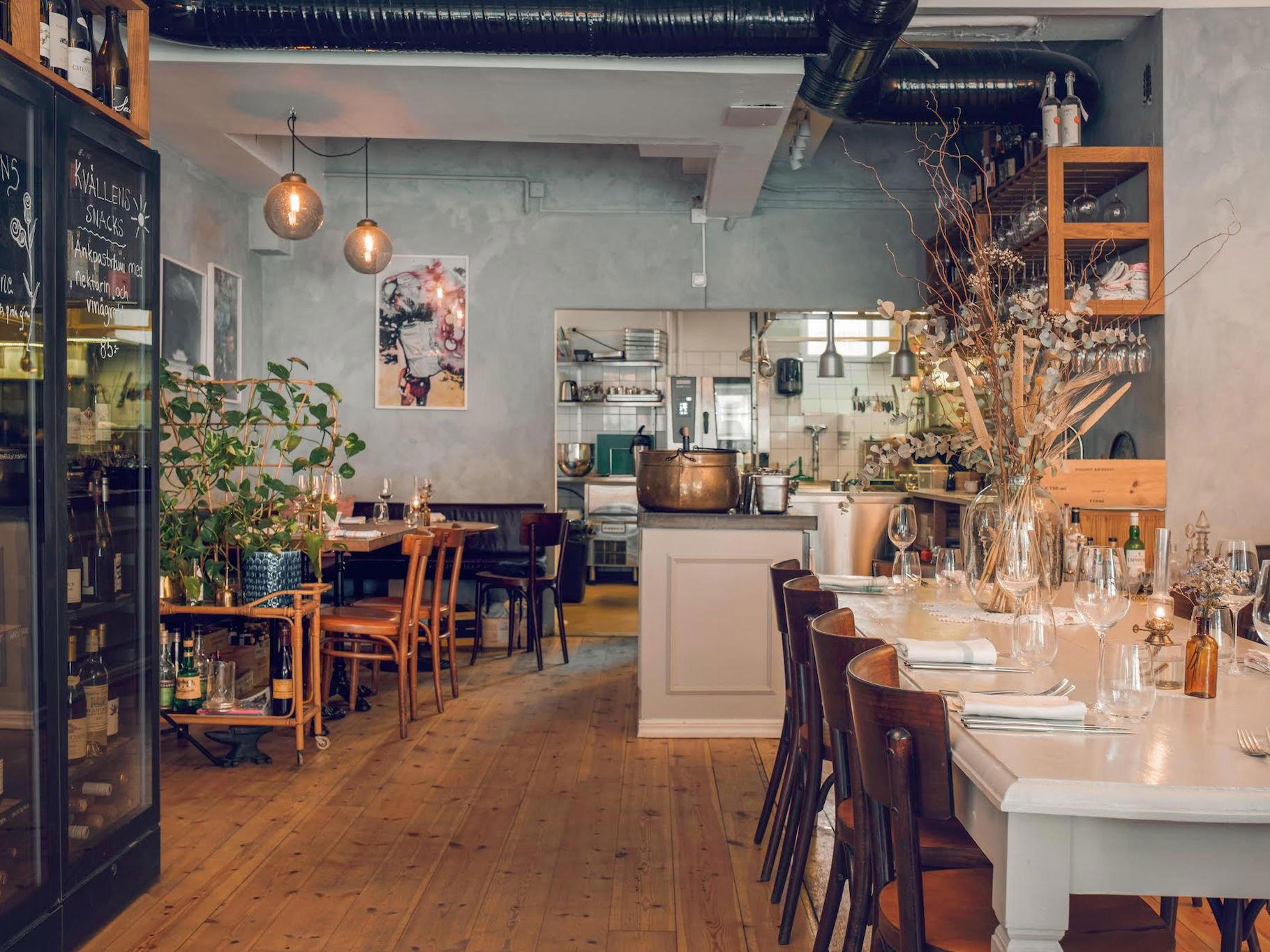
Bars in Remscheid
Browse all →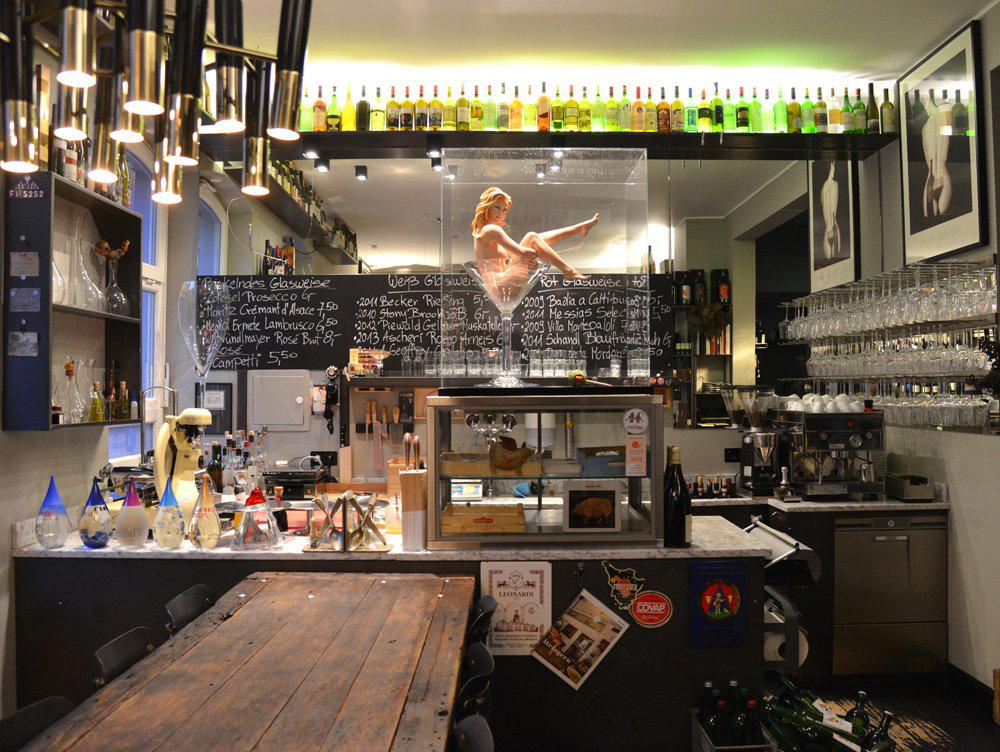
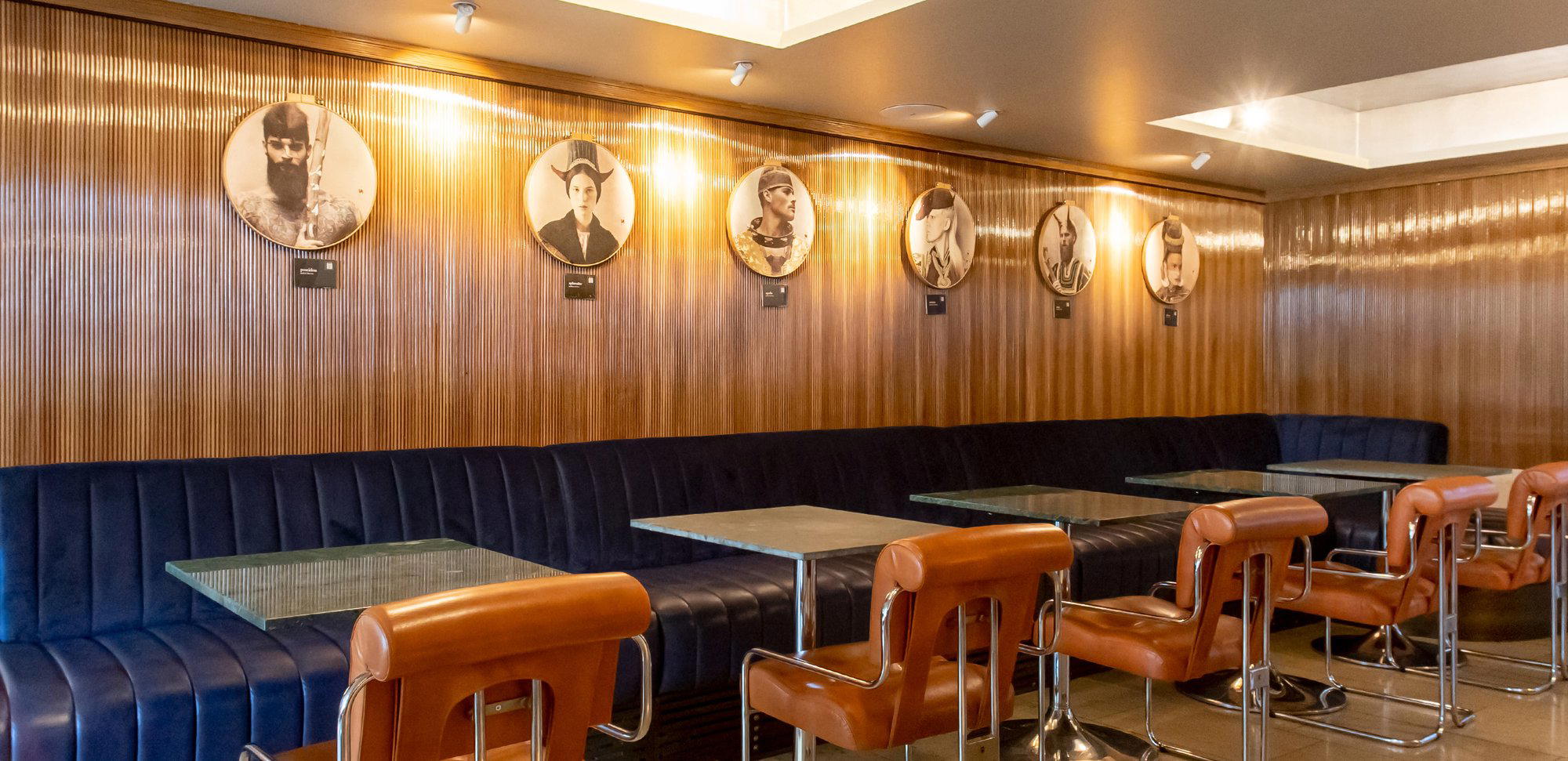
Hotels in Remscheid
Browse all →
Wineries in Remscheid
Browse all →
At a Glance
- Cozy
- Rustic
- Historic
- Intimate
- Family
- Group Dining
- Brunch
- Special Occasion
- Historic Building
- Beer Program
- Local Sourcing
Current opening hours
- Monday
- 6–11 PM
- Tuesday
- Closed
- Wednesday
- Closed
- Thursday
- 6–11 PM
- Friday
- 6–11 PM
- Saturday
- 6–11 PM
- Sunday
- 11:30 AM–2:30 PM, 6–11 PM
Hours can change for holidays and private events. Last verified .
Pleasant lighting, high-quality interior with nooks and crannies for intimacy, charming old church setting, and conservatory well-suited for groups.