Gaststube Zum Klosterbräu

Michelin Plate
Our verdict
Timber beams, a tiled stove, and a sunlit terrace define Gaststube Zum Klosterbräu in Neuburg an der Donau, where seasonal Bavarian classics meet refined service with à la carte and three set menus—including a standout vegetarian option.

Pearl is the En Primeur Club membership app — saves, bookings, and concierge access live there. Same editors, same standards.
- Address
- Kirchpl. 1, 86633 Neuburg an der Donau, Germany
- Phone
- +49 8431 67750
- Website
- zum-klosterbraeu.de
- Directions
- Get directions
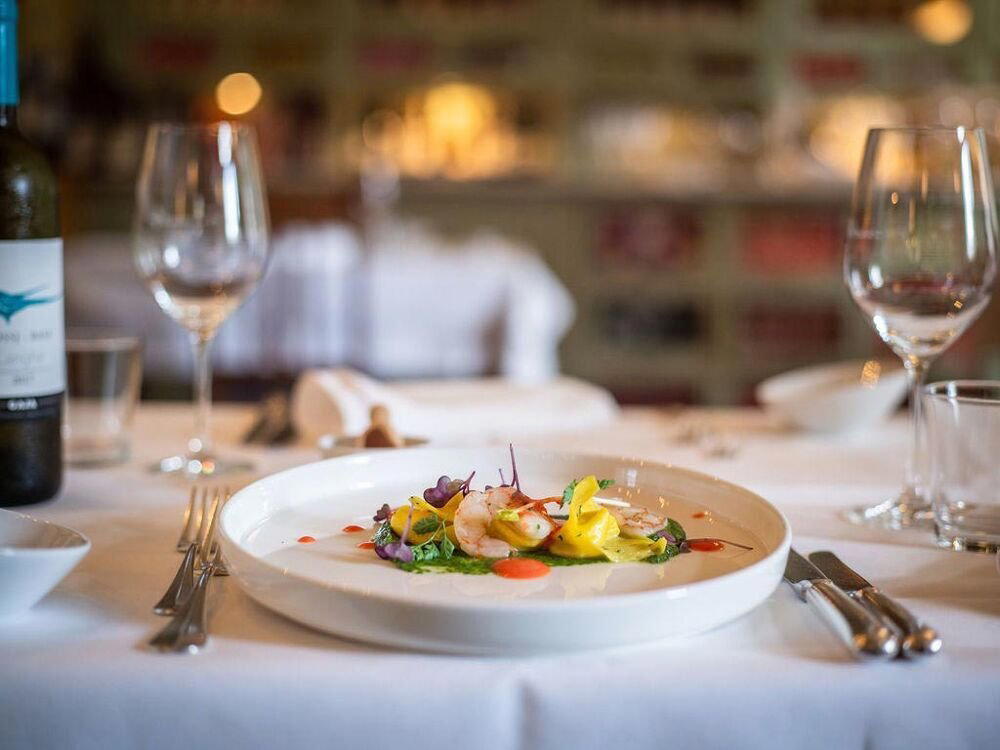
The menu
What to order
- Bauernente
- Apfelstrudel
- Milchlammschulter
Stone Floors, Church Square, and the Logic of Bavarian Hospitality
Kirchplatz 1 is about as direct an address as a restaurant can have. The square in front of Neuburg an der Donau's Hofkirche is one of the most composed baroque spaces in Bavaria, and Gaststube Zum Klosterbräu sits at its edge with the quiet confidence of a building that has absorbed centuries of foot traffic. Approaching across the cobblestones, the facade reads as a proper Gaststube in the old sense: a public room attached to a brewing tradition, built for regular use rather than occasion dining. Inside, the architecture does the atmospheric work that newer restaurants spend considerable money trying to simulate.
That physical context matters because it sets the terms of the experience. This is not a restaurant performing Bavarian tradition for visitors; it is operating within it. The Michelin Plate recognition in both 2024 and 2025 confirms that the kitchen is producing food worth a specific detour, while the price bracket (two euro signs, placing it firmly in the mid-range) keeps it accessible to the kind of mixed local and visiting crowd that the setting naturally draws.
What the Michelin Plate Signals About the Kitchen
The Michelin Plate is not a star, but it is a deliberate classification. In the Guide's own language, it marks restaurants serving food of good quality, prepared with care. For a traditional Bavarian Gaststube in a town of Neuburg's scale, it places the kitchen in a different bracket from casual neighbourhood food. Germany's starred dining operates at a considerable remove from this price tier: Aqua in Wolfsburg, Schwarzwaldstube in Baiersbronn, and Vendôme in Bergisch Gladbach all occupy the €€€€ tier with multi-star recognition. ES:SENZ in Grassau, Restaurant Haerlin in Hamburg, Schanz in Piesport, Victor's Fine Dining by christian bau in Perl, and Waldhotel Sonnora in Dreis represent the same refined end of the national dining register. CODA Dessert Dining in Berlin and JAN in Munich push creative boundaries at comparable price points. Bagatelle in Trier operates in a comparable regional context to Neuburg. Zum Klosterbräu is not competing in those registers, nor should it.
For comparison within the Bavarian tradition, Munich offers its own reference points: Asam Schlössl and Beim Sedlmayr both represent the Munich end of serious traditional Bavarian cooking. Zum Klosterbräu operates the same tradition at a smaller-town scale, which, in practice, often means fewer distractions and tighter sourcing geography.
The Ingredient Logic of a Bavarian Gaststube
Bavarian cuisine at the Gaststube level is built around a sourcing geography that predates the modern local-food movement by several hundred years. The region between the Danube and the foothills of the Alps has always produced the raw materials that define the cooking: Bavarian cattle for roasts and offal preparations, pork from local farms for Schweinebraten and the charcuterie traditions that run through every serious kitchen in the area, freshwater fish from the Danube and its tributaries, root vegetables and cabbages that anchor the side dishes, and the malted grain that historically fed both the beer barrels and the bread ovens.
A location directly on Kirchplatz in Neuburg puts the kitchen within reach of the regional supply chains that have served this part of Upper Bavaria for generations. The Danube valley here is agricultural territory, and the distance between farm and table at an operation like this is a function of geography rather than marketing. Neuburg's market infrastructure, like that of most Bavarian towns of its size, supports a kitchen that can work with local producers without needing to make a specific claim about it. The cooking simply reflects where it is.
That rootedness is what distinguishes a functioning Gaststube from a theme restaurant. The Michelin Plate designation, held consecutively across two years, suggests the kitchen is applying genuine craft to these materials rather than coasting on the tradition's cultural capital.
Neuburg an der Donau as a Dining Stop
Neuburg sits on the Danube between Ingolstadt and Donauwörth, and its dining scene reflects the character of a well-preserved baroque town with a serious local food culture and limited international visibility. That combination works in the traveller's favour. The Residenzstadt status brings genuine historic architecture and a visitor infrastructure calibrated for discerning tourism, but the restaurant market has not been inflated by heavy tourism pressure.
For those moving through the region, whether along the Danube or between Munich and Augsburg, Neuburg rewards a deliberate stop rather than a motorway exit impulse. Zum Klosterbräu, positioned directly on the central church square, is the kind of address that makes a stop worthwhile. For a broader picture of where to stay and what else to do, the [Neuburg an der Donau restaurants guide](), [hotels guide](), [bars guide](), [wineries guide](), and experiences guide cover the full picture.
Planning a Visit
The address at Kirchplatz 1 places the restaurant at the centre of Neuburg's old town, reachable on foot from most of the town's accommodation within a few minutes. The €€ price range means that even a full table meal with drinks is unlikely to represent a significant budget commitment, which makes this a reasonable anchor for a broader day in the town rather than a standalone dining destination requiring advance financial planning. Given the 4.8 rating and the Michelin attention, reservations during peak season and weekend evenings are worth making ahead where possible, though the Gaststube format traditionally supports walk-in dining at quieter periods.
Frequently asked questions
Is Gaststube Zum Klosterbräu expensive?
Pricing at Gaststube Zum Klosterbräu is listed as €€.
How do I find Gaststube Zum Klosterbräu?
Gaststube Zum Klosterbräu is located at Kirchpl. 1, 86633 Neuburg an der Donau, Germany, Neuburg an der Donau.
In Context: Similar Options
| Venue | Cuisine | Price | Awards |
|---|---|---|---|
| Gaststube Zum KlosterbräuThis venue — the venue you are viewing | Classic Bavarian Regional | $30–50 | Michelin Plate |
| Schwarzwaldstube | French, Classic French | Not listed | Michelin 3 Star |
| Aqua | Contemporary German, Italian/Japanese, Creative | Not listed | Michelin 3 Star |
| CODA Dessert Dining | Creative | Not listed | Michelin 2 Star |
| Tantris | Modern French, French Contemporary | Not listed | Michelin 2 Star |
| Vendôme | Modern European, Creative | Not listed | Michelin 2 Star |
Recognition history
Dated appearances from independent guides and award organizations, with the underlying list record or original source where available.
Michelin Plate
Michelin · 2026 Michelin Plate
Full recognition history (3 entries)
Michelin Plate
Michelin
Michelin Plate
Michelin
Continue exploring
More in Neuburg an der Donau
Restaurants in Neuburg an der Donau
Browse all →
Bars in Neuburg an der Donau
Browse all →
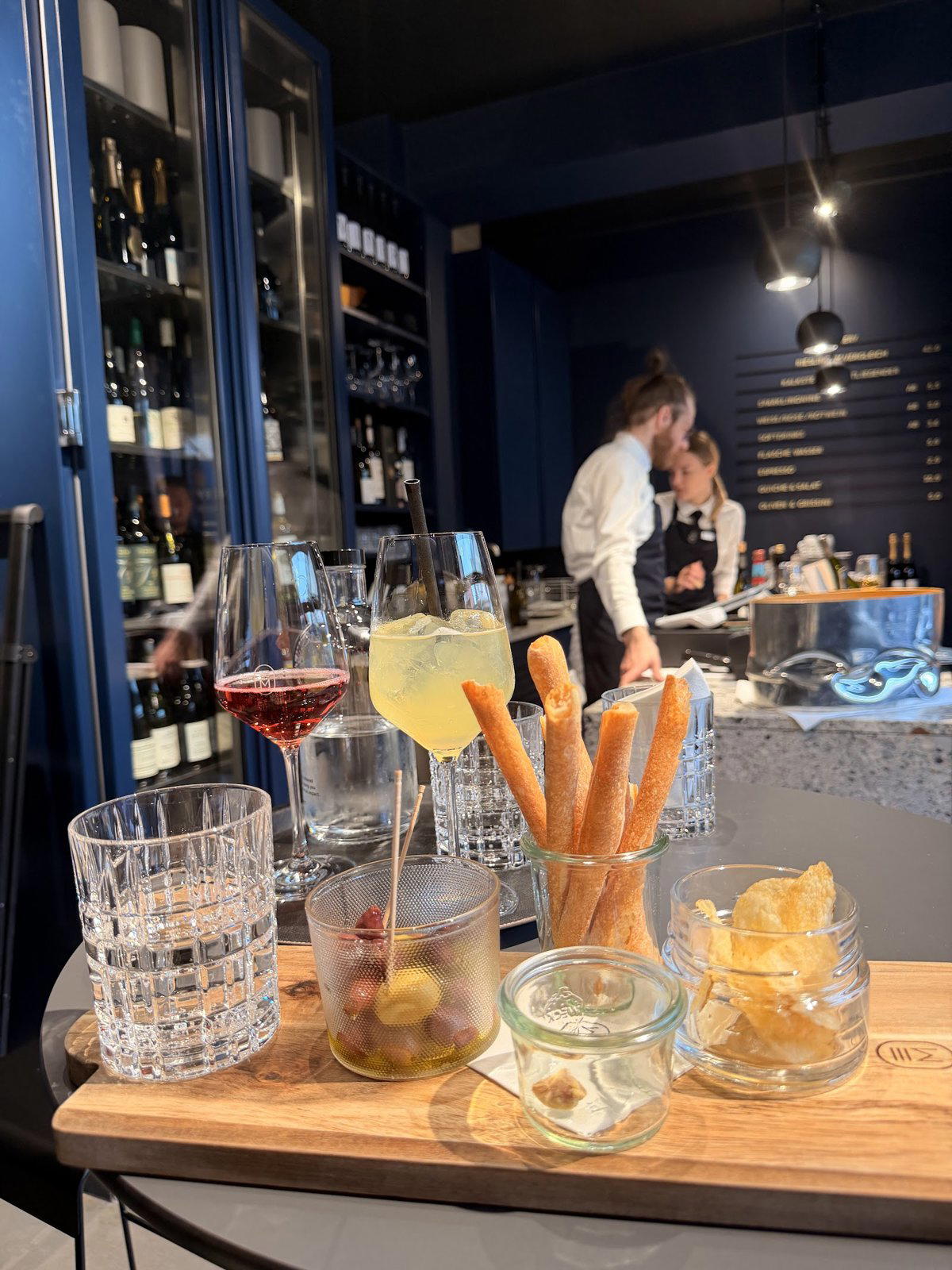

Hotels in Neuburg an der Donau
Browse all →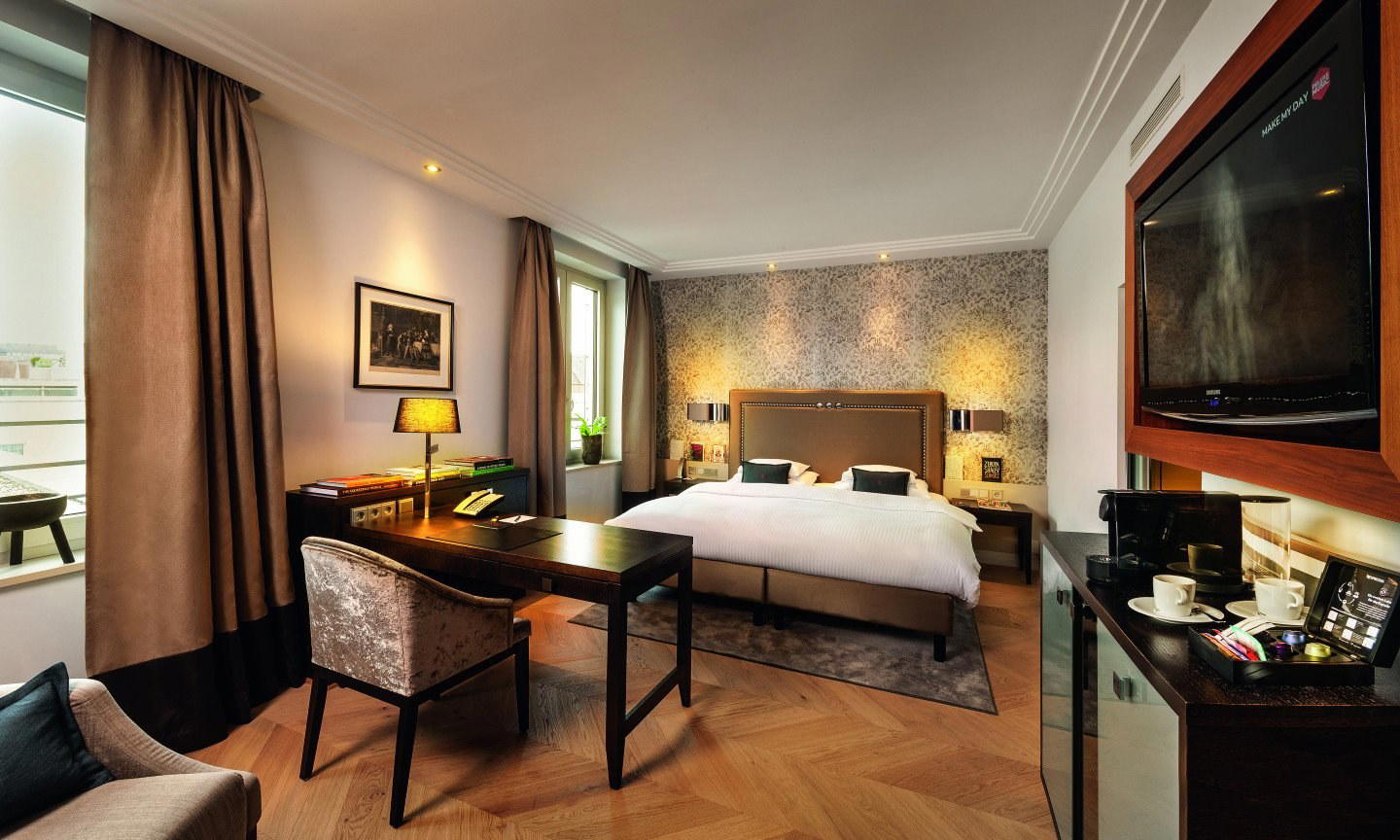
Gaststube Zum Klosterbräu
The wine
- Wine program
- Curated wine list
- Beer program
Details
- Rustic
- Cozy
- Classic
- Intimate
- Date Night
- Family
- Celebration
- Casual Hangout
- Historic Building
- Terrace
- Open Kitchen
- Beer Program
- Local Sourcing
- Garden
- A La Carte
- Set Menu
- Vegetarian Friendly
- Vegan Options
- Gluten Free Options
Rustic and cozy with wooden beams, floorboards, tiled stove, candlelit tables, and warm hospitality.