Avus
Avus sits on Auto-Union-Straße in Ingolstadt, a city whose identity is inseparable from German automotive engineering. The address alone signals a particular kind of ambition.
Pearl is the En Primeur Club membership app — saves, bookings, and concierge access live there. Same editors, same standards.
- Address
- Auto-Union-Straße 1, 85045 Ingolstadt, Germany
- Phone
- +498418941071
- Website
- avus-ingolstadt.de
- Directions
- Get directions
 Saves & bookings on Pearl
A Street That Sets the Tone
Avus is a restaurant in Ingolstadt, Germany, serving modern German fine dining. Auto-Union-Straße is not a neutral address in Ingolstadt. The street name references one of the founding lineages of what became Audi, and the city's relationship with precision engineering runs through its civic identity in a way that few German cities outside Munich or Stuttgart can claim. A restaurant choosing to operate at that postal junction is making a statement about context, whether deliberately or not. The name Avus adds another layer: the original AVUS circuit in Berlin was Germany's first purpose-built motor racing track, opened in 1921, and it remained a venue for speed records and Grand Prix racing through the mid-twentieth century. That reference, placed in a city that assembles Audis, is not incidental.
This kind of address-as-argument is increasingly common among serious European restaurants that want to signal local rootedness without resorting to rustic clichés. Where a restaurant plants itself, and what it chooses to name itself, tells you something about its intended comparable set and its relationship to place. In Ingolstadt, that relationship is industrial, precise, and quietly self-assured.
Ingolstadt's Dining Position in Bavaria
Ingolstadt sits roughly midway between Munich and Nuremberg along the Danube, a city of around 140,000 that draws a disproportionate concentration of engineering talent and disposable income from the Audi workforce. That demographic creates demand for dining that goes beyond beer-hall staples, and the city has responded with a range of options that span casual international restaurants to more considered European cooking. For broader context on where Avus fits within that spread,
The comparison set in Ingolstadt includes neighbourhood fixtures like Cafe 59, the long-standing Italian at Da Gino, the subcontinental cooking at Maharani Indisches Restaurant, and the wine-focused rooms at Weinraum Ingolstadt. That peer group covers significant stylistic range. What distinguishes any restaurant within it is usually sourcing discipline, format clarity, and whether the kitchen has a consistent point of view rather than a menu that tries to cover every base.
The Sourcing Question in Bavarian Cooking
Bavaria's geographic position gives restaurants genuine options when it comes to ingredient sourcing. The region sits adjacent to Alpine dairy country, river-fed freshwater fisheries, and agricultural lowlands that produce grain, root vegetables, and orchard fruit across long growing seasons. A kitchen in Ingolstadt with any ambition toward serious cooking has access to that supply chain, and increasingly the more considered restaurants in the region are making those sourcing decisions explicit rather than leaving them implied.
The broader German fine dining conversation has moved firmly in this direction over the past decade. Restaurants like Schwarzwaldstube in Baiersbronn and ES:SENZ in Grassau have built reputations partly on the precision of their regional sourcing, while JAN in Munich represents a different angle, where international technique is applied to locally anchored ingredients. The point, across all three, is that sourcing has become an argument rather than an assumption. Diners at this tier expect to know where the protein was raised, which dairy the butter came from, and why those choices matter to the dish on the plate.
German kitchens operating at the highest level, including Aqua in Wolfsburg, Vendôme in Bergisch Gladbach, and Waldhotel Sonnora in Dreis, share a common thread: the supply relationships are as considered as the cooking technique. For a restaurant in Ingolstadt to position itself within that trajectory, the sourcing story would need to be as deliberate as the address.
What the Address Implies About Format
Auto-Union-Straße 1 places Avus in a part of Ingolstadt shaped by corporate infrastructure rather than old-town pedestrian traffic. Restaurants in these locations typically serve a different kind of diner than those in historic centres: they attract expense-account lunches, automotive industry hospitality, and a local professional clientele that wants comfort and consistency over novelty. That context shapes format expectations. The pacing is usually less theatrical than a tasting menu operation in a destination city, and the menu range tends to be broader to accommodate corporate entertaining across a single sitting.
That ambiguity is worth noting for any traveller considering a special-occasion visit: the gap between a well-executed business lunch room and a serious tasting menu kitchen is significant, and the address does not resolve that question on its own.
Germany's Wider Fine Dining Frame
For readers approaching Avus as part of a broader Germany itinerary, it helps to understand where Ingolstadt sits relative to the country's better-documented dining circuits. The Michelin-decorated tier in Germany runs through Munich, Hamburg, Berlin, the Black Forest, and the Moselle valley, with serious kitchens appearing in unlikely industrial cities when local demand is strong enough. Victor's Fine Dining by Christian Bau in Perl is one example of high-end cooking flourishing in a town most tourists would not otherwise visit. Restaurant Haerlin in Hamburg and CODA Dessert Dining in Berlin represent the urban end of that spectrum, with formats that reward repeat visits. Schanz in Piesport sits in wine country with a kitchen that matches the setting.
Ingolstadt has not yet appeared in that decorated tier, but that is not unusual for a city whose economic weight outpaces its cultural profile. The conditions for serious restaurant cooking exist here: income, industrial clientele, and proximity to quality Bavarian produce. Whether Avus is working toward that position or serves a different purpose within the city's dining ecosystem is a question that further information about the kitchen and menu would answer.
Planning a Visit
Avus is located at Auto-Union-Straße 1 in Ingolstadt, a short drive from the city centre and easily reached from the main Audi campus. Travellers arriving by rail can reach Ingolstadt Hauptbahnhof and continue by taxi or local transport. Avus is recommended for reservations and follows a smart casual dress code. Hours: Mon to Fri 12 to 10 PM, Sat 5:30 to 10 PM, Sun closed. Ingolstadt's dining scene is compact enough that a single evening can reasonably take in a pre-dinner drink at Weinraum before moving to dinner, or end with a later visit to one of the city's more casual rooms.
Fast Comparison
Comparable venues nearby, for context on price, style, and recognition.
| Venue | Cuisine | Price | Notes |
|---|---|---|---|
| AvusThis venue — the venue you are viewing | Modern German Fine Dining | $$$$ | Not listed |
| Cafe 59 / Ingolstadt | German Café with Creative Cakes | $$ | Zentrum |
| Maharani Indisches Restaurant | Authentic Indian | $$ | Piuspark |
| Da Gino Restaurant - Ingolstadt | Traditional Italian | $$ | :null |
| Weinraum Inglostadt | French Wine Bar | $$ | Altstadt |
| Weinraum Ingolstadt | wine_bar | $$ | Altstadt |
Continue exploring
More in Ingolstadt
Restaurants in Ingolstadt
Browse all →
Bars in Ingolstadt
Browse all →Hotels in Ingolstadt
Browse all →
At a Glance
- Elegant
- Sophisticated
- Modern
- Special Occasion
- Business Dinner
- Private Dining
- Extensive Wine List
Current opening hours
- Monday
- 12–10 PM
- Tuesday
- 12–10 PM
- Wednesday
- 12–10 PM
- Thursday
- 12–10 PM
- Friday
- 12–10 PM
- Saturday
- 5:30–10 PM
- Sunday
- Closed
Hours can change for holidays and private events. Last verified .
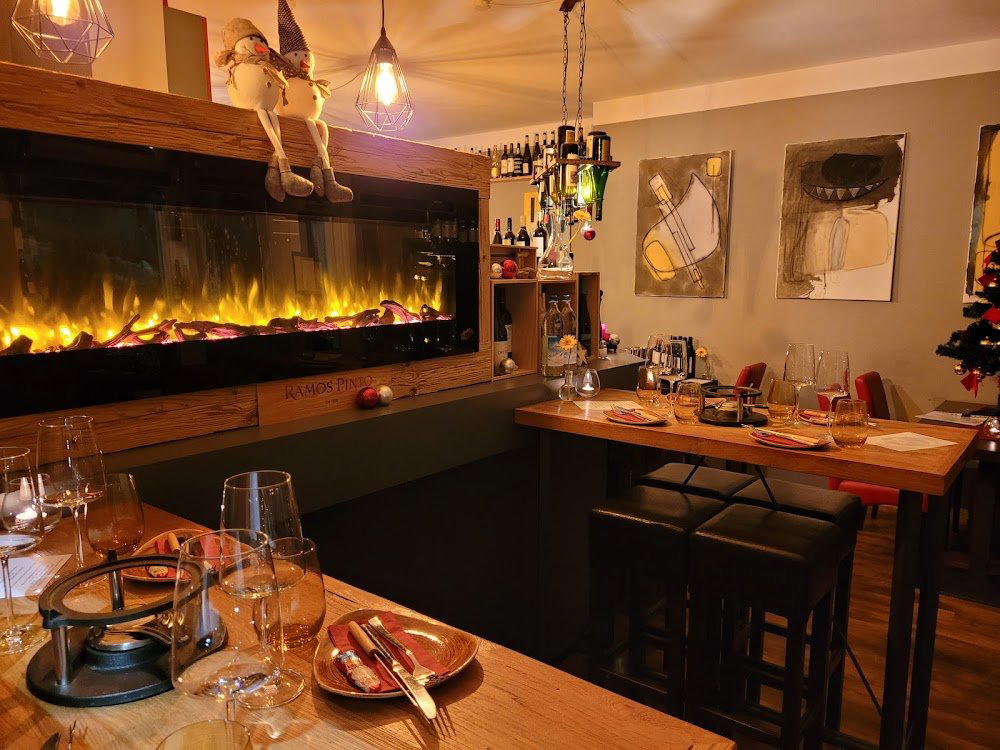
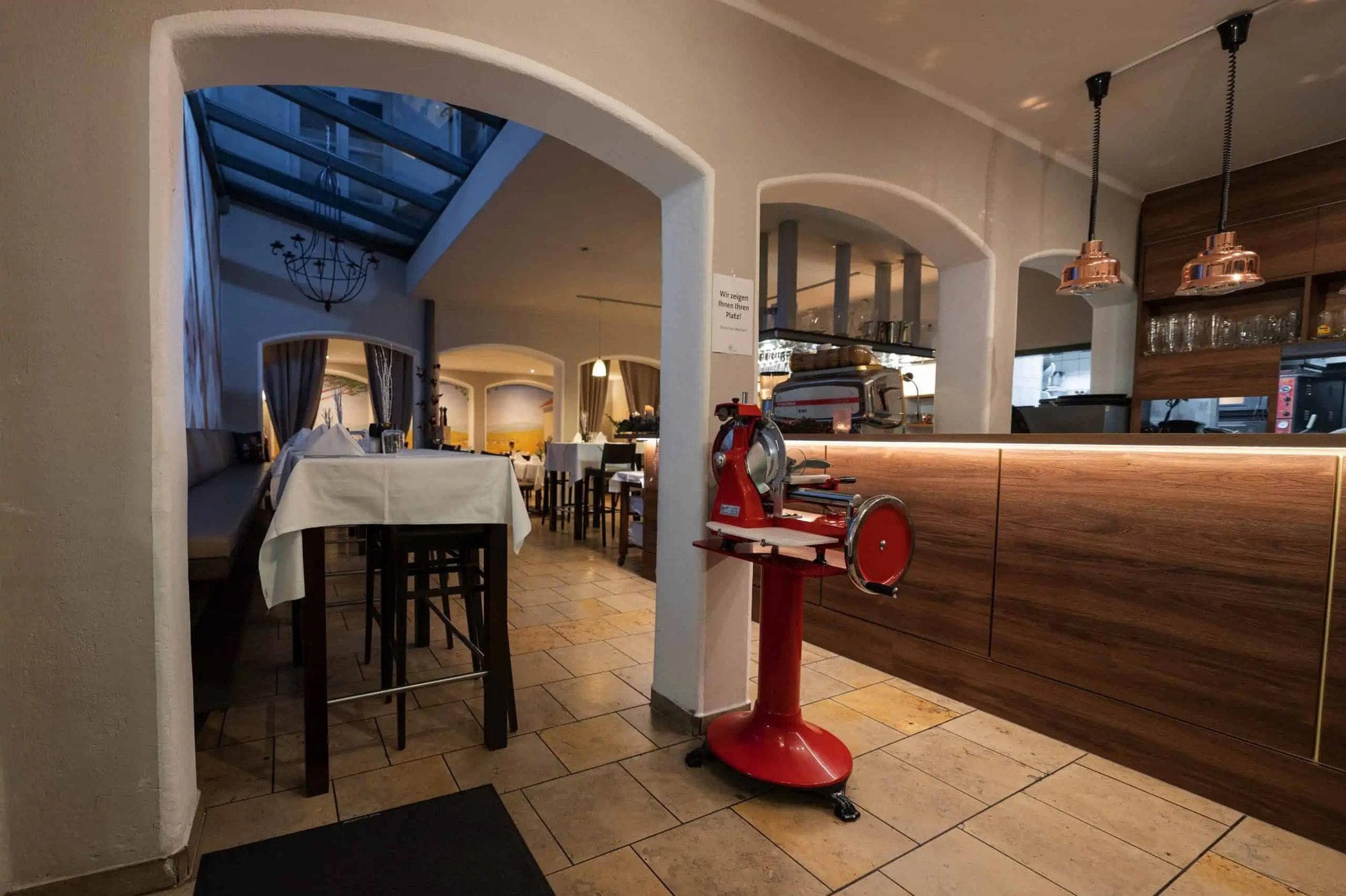
Stylish and modern with chic, high-quality atmosphere praised for its pleasant mood.