Klinkerburg occupies a position near Oldenburg's central Bahnhofsplatz, placing it squarely within the city's compact but increasingly considered dining scene. The address signals accessibility rather than exclusivity, and the surrounding neighbourhood context rewards visitors who want to read a German provincial city's evolving restaurant culture at close range. For those tracing the arc of dining ambition outside Germany's major urban centres, it makes a useful reference point.
Pearl is the En Primeur Club membership app — saves, bookings, and concierge access live there. Same editors, same standards.
- Address
- Bahnhofspl. Bahnhofsplatz, 26122 Oldenburg, Germany
- Phone
- +494944125929
- Website
- klinkerburg.de
- Directions
- Get directions
 Saves & bookings on Pearl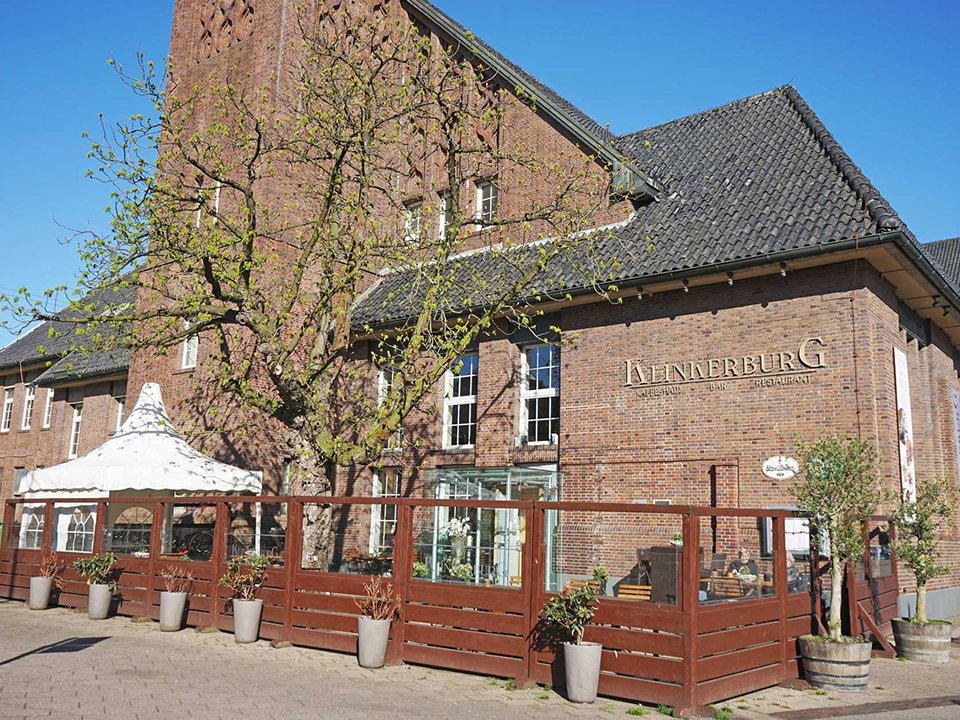
Bahnhofsplatz and the Grammar of Arrival
Railway-adjacent addresses carry particular weight in German provincial dining. The Bahnhofsplatz in Oldenburg, like its counterparts in Hanover or Freiburg, functions as a civic threshold: the point at which a city declares itself to arriving visitors before they have had the chance to form any other impression. Klinkerburg sits at this address, at Bahnhofspl. Bahnhofsplatz 26122 Oldenburg, Germany. That physical context is not incidental. It shapes who comes through the door and what expectations they carry.
Oldenburg's dining scene has grown more layered over the past decade, pulled in different directions by the city's university population, its professional class, and a broader German trend toward serious eating outside the handful of cities that dominate national food coverage. The result is a restaurant environment where a single address can serve several different functions at once, depending on the hour, the day of the week, and what the guest has come to do. Understanding Klinkerburg in that frame, rather than in isolation, gives the address its proper meaning.
The Ritual of the German Table
German dining customs have always placed procedural weight on the act of being seated and ordering. The rhythm differs from the looser approach common in southern European restaurants or the accelerated pace of American casual dining: there is an expectation of deliberateness, of courses arriving with separation, of the table belonging to the guest for the duration of the meal rather than being reclaimed at the first opportunity. That convention holds in Oldenburg as it does in Munich or Hamburg, and it informs how any serious restaurant in the city structures its service.
At the Bahnhofsplatz location, the proximity to rail transit creates a particular mix of guests: business travellers with a fixed departure window, locals who have arranged the evening specifically around a meal, and occasional visitors passing through Lower Saxony on longer itineraries that might otherwise prioritise Aqua in Wolfsburg or JAN in Munich. Managing those different expectations within a single service is one of the structural challenges of any restaurant at a transport node, and it tends to clarify a kitchen's priorities quickly.
The dining ritual in this context rewards guests who arrive with some margin. Eating close to a train departure compresses the experience in ways that are felt by both the kitchen and the table. The more considered approach, consistent with how German restaurants of any serious standing operate, is to treat the meal as the evening's primary event rather than a precursor to something else. That framing applies whether you are at a three-star table such as Schwarzwaldstube in Baiersbronn or at a neighbourhood address navigating its own identity.
Oldenburg in the Wider German Dining Conversation
Germany's restaurant recognition infrastructure, centred on Michelin, the Gault&Millau; and the Feinschmecker list, has historically concentrated its attention on a relatively small number of cities and regions: Munich, Hamburg, the Rhine-Ruhr corridor, Baden-Württemberg. Lower Saxony receives less coverage by simple proportion, which means that individual restaurants in cities like Oldenburg operate with less external validation than equivalent kitchens elsewhere. That absence of awarded status is a function of geography and media attention as much as quality, a pattern observable in comparable situations across Europe.
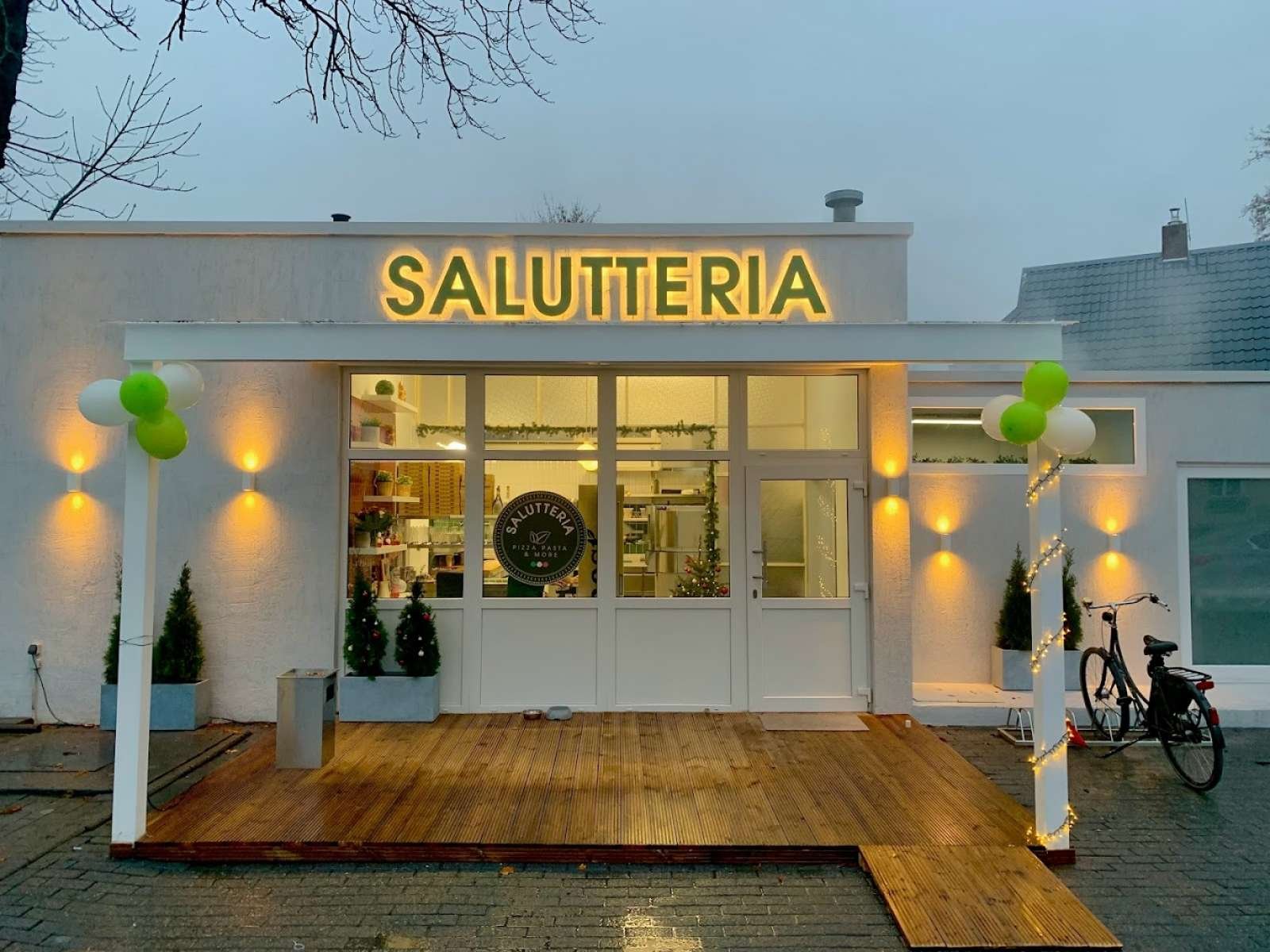
The practical consequence is that visitors relying on award shortlists to plan itineraries will often miss the operational middle tier of provincial German dining entirely. Restaurants like Kevin Gideon (Modern Cuisine), which operates at the €€€ tier in Oldenburg, represent one end of that spectrum. Klinkerburg, alongside Kleine Burg, Kaiserküche, and Salutteria, fills out the rest of a scene worth understanding on its own terms rather than purely through comparison with awarded houses such as Vendôme in Bergisch Gladbach or Waldhotel Sonnora in Dreis.
For a fuller orientation to what the city offers across price points and formats, our full Oldenburg restaurants guide maps the scene in more detail.
What the Address Tells You
The question of what a Bahnhofsplatz restaurant is, structurally, is worth sitting with for a moment. In Berlin, such an address might imply tourist volume and a compressed menu. In a city of Oldenburg's scale (roughly 170,000 residents, a functioning university, a stable civic economy), it implies something different: a location chosen for reach rather than for the cachet of a dining quarter. That positioning tends to produce restaurants oriented toward consistent execution and a broad but reasonably engaged clientele, rather than the more niche, reservation-driven formats you see at addresses like CODA Dessert Dining in Berlin or ES:SENZ in Grassau.
That is neither praise nor criticism. It is a description of a functional category that most provincial cities depend on: the accessible, well-placed restaurant that does not require advance planning, specialist knowledge, or a particular alignment of occasion and budget to visit. The German dining ecosystem needs that middle register as much as it needs its three-star outliers like Victor's Fine Dining by Christian Bau in Perl or Schanz in Piesport.
Planning Your Visit
Klinkerburg is located directly at Bahnhofsplatz in central Oldenburg. Visitors arriving by train from Hamburg (approximately 90 minutes, depending on service) or Bremen (under 40 minutes) will find the address immediately navigable from the platform. Given the central location, walk-in possibility is reasonable during off-peak hours, though weekend evenings in a city of this size can close tables faster than the location might suggest.
Those building a wider Lower Saxony itinerary might use Oldenburg as a half-day stop before continuing east toward the Wolfsburg corridor, where Aqua anchors a different register of dining ambition. Alternatively, the city works as a day trip from Bremen, pairing Klinkerburg with the range of options covered in our Oldenburg guide for a more complete read of what the region offers. For comparison points at the summit end of European dining, Restaurant Haerlin in Hamburg and Bagatelle in Trier represent the awarded tier that helps calibrate expectations when assessing what provincial addresses like this one are working toward. Internationally, the format discipline visible at counters like Le Bernardin in New York City and Atomix in New York City illustrates just how wide the register of serious dining intention runs, from multi-course precision to accessible civic addresses like this one.
Cuisine and Credentials
Comparable venues nearby, for context on price, style, and recognition.
| Venue | Cuisine | Price | Awards | Notes |
|---|---|---|---|---|
| KlinkerburgThis venue — the venue you are viewing | German Classic | $$ | Not listed | Not listed |
| Salutteria | Pizza Napoletana & Pasta | $$ | Not listed | Oldenburg |
| Kleine Burg | Modern German & European | $$$ | Not listed | Oldenburg |
| Kaiserküche | Regional German Fine Dining | $$$$ | Not listed | Bahnhofsviertel |
| Kevin Gideon | Modern Creative European Fine Dining | $$$$ | Michelin Plate | Donnerschweer Straße |
| Marstall Festzelt | Traditional Bavarian Oktoberfest | $$ | Not listed | Theresienwiese |
Continue exploring
More in Oldenburg
Restaurants in Oldenburg
Browse all →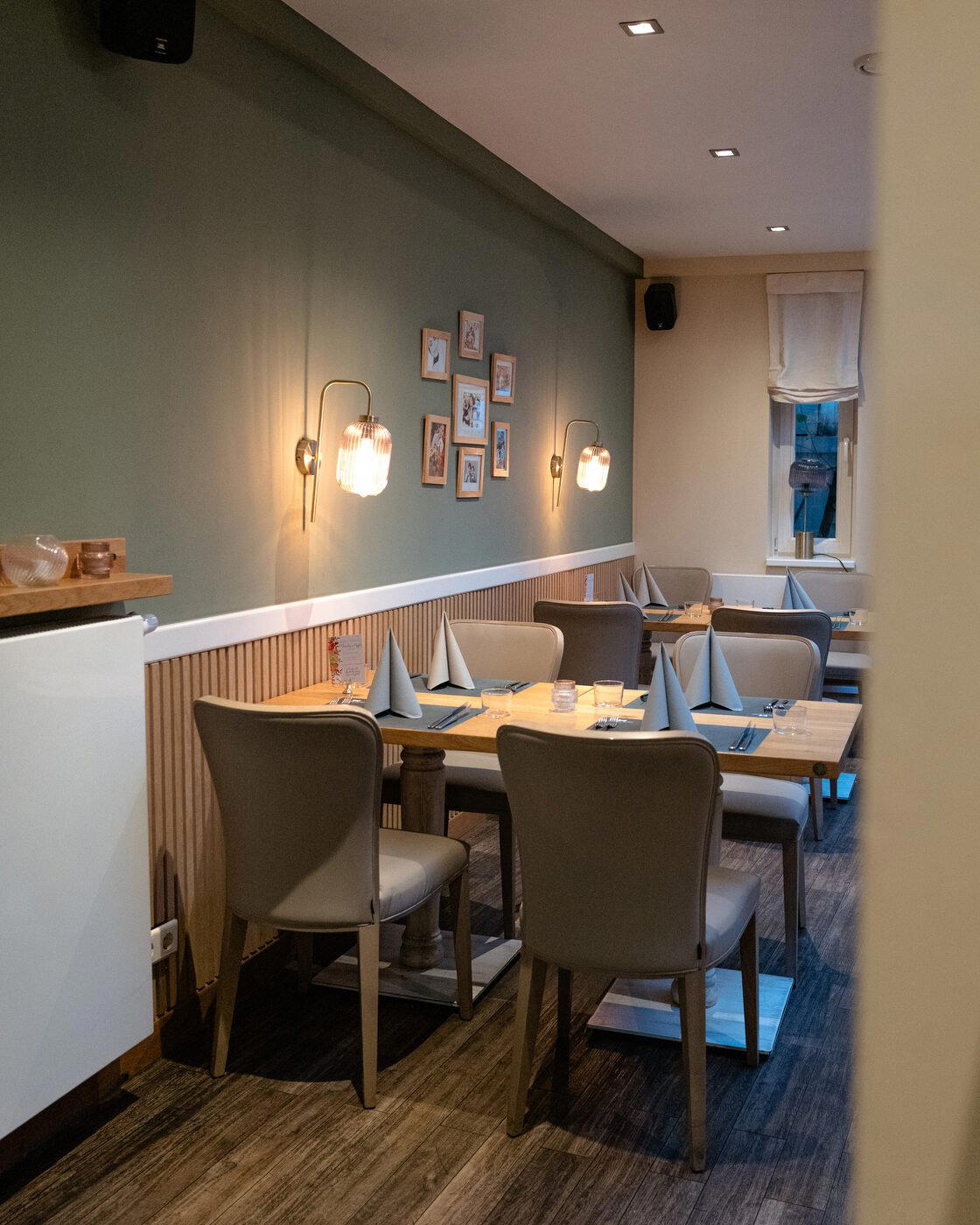
Hotels in Oldenburg
Browse all →
At a Glance
- Classic
- Cozy
- Elegant
- Terrace
- Historic Building
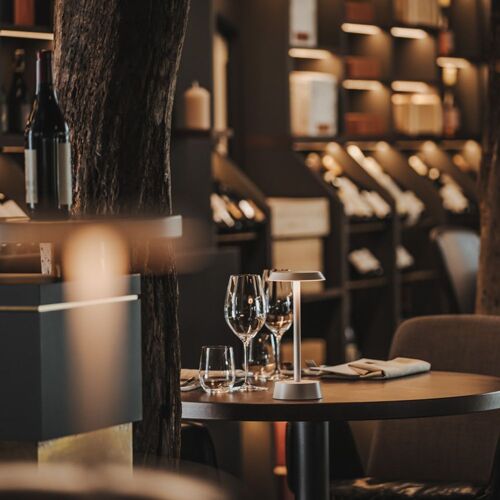
- Extensive Wine List
- Street Scene
Current opening hours
- Monday
- 11 AM–3 PM, 6–10 PM
- Tuesday
- 11 AM–3 PM
- Wednesday
- 11 AM–3 PM, 6–10 PM
- Thursday
- 11 AM–3 PM, 6–10 PM
- Friday
- 11 AM–3 PM, 6–10 PM
- Saturday
- 6–10 PM
- Sunday
- Closed
Hours can change for holidays and private events. Last verified .
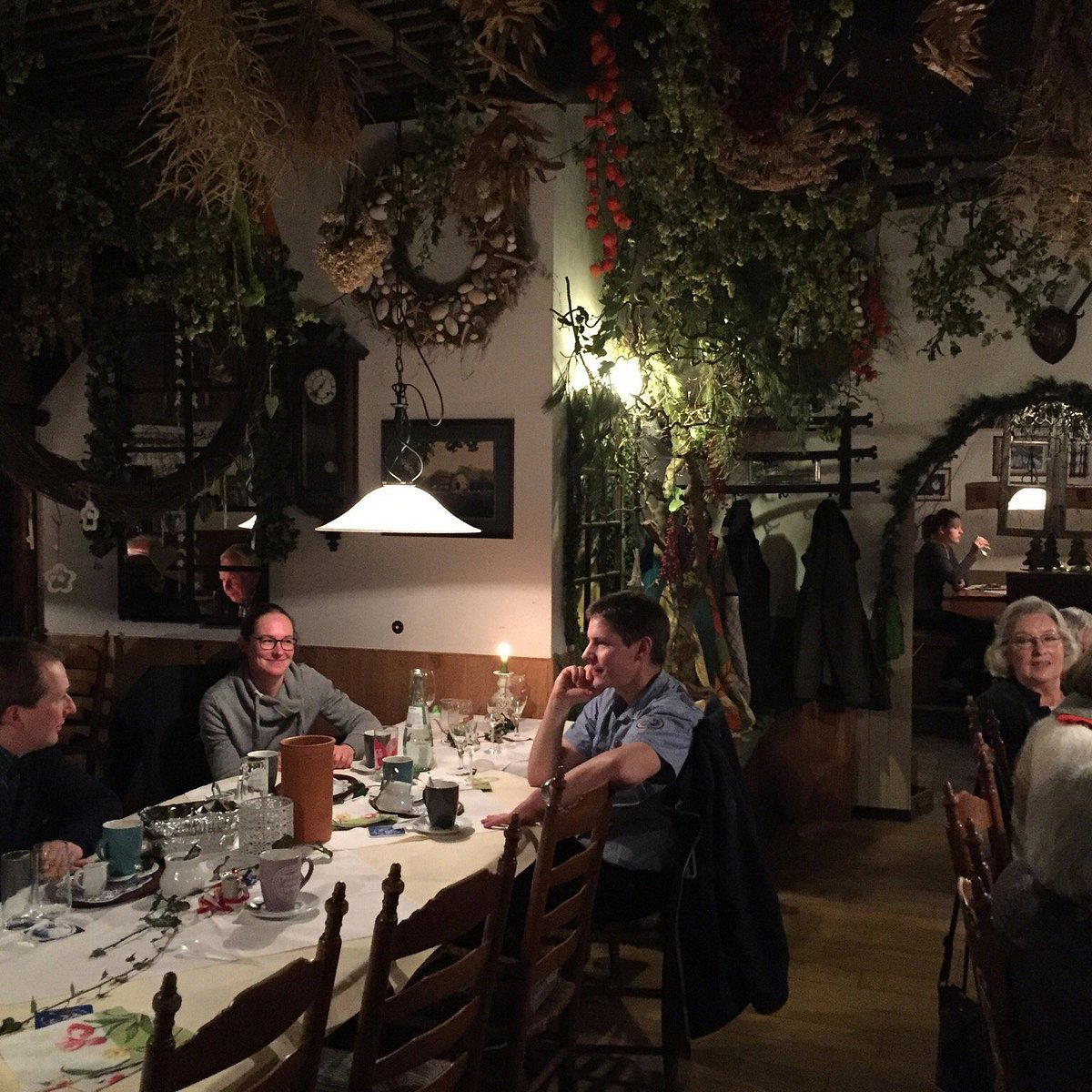
Stylish atmosphere in a historic building with cozy, elegant setting praised for its ambiance.