Bremers Bauerndiele
In Wiefelstede, a small town in Lower Saxony's agricultural heartland, Bremers Bauerndiele occupies a setting that speaks to the region's farming traditions. The address on Alter Postweg places it within a landscape where local provenance is not a marketing concept but a geographic fact. For travellers moving through northwest Germany, it represents a case study in place-rooted dining.
Pearl is the En Primeur Club membership app — saves, bookings, and concierge access live there. Same editors, same standards.
- Address
- Alter Postweg 59, 26215 Wiefelstede, Germany
- Phone
- +4949440281111
- Website
- bremers-bauerndiele.de
- Directions
- Get directions
 Saves & bookings on Pearl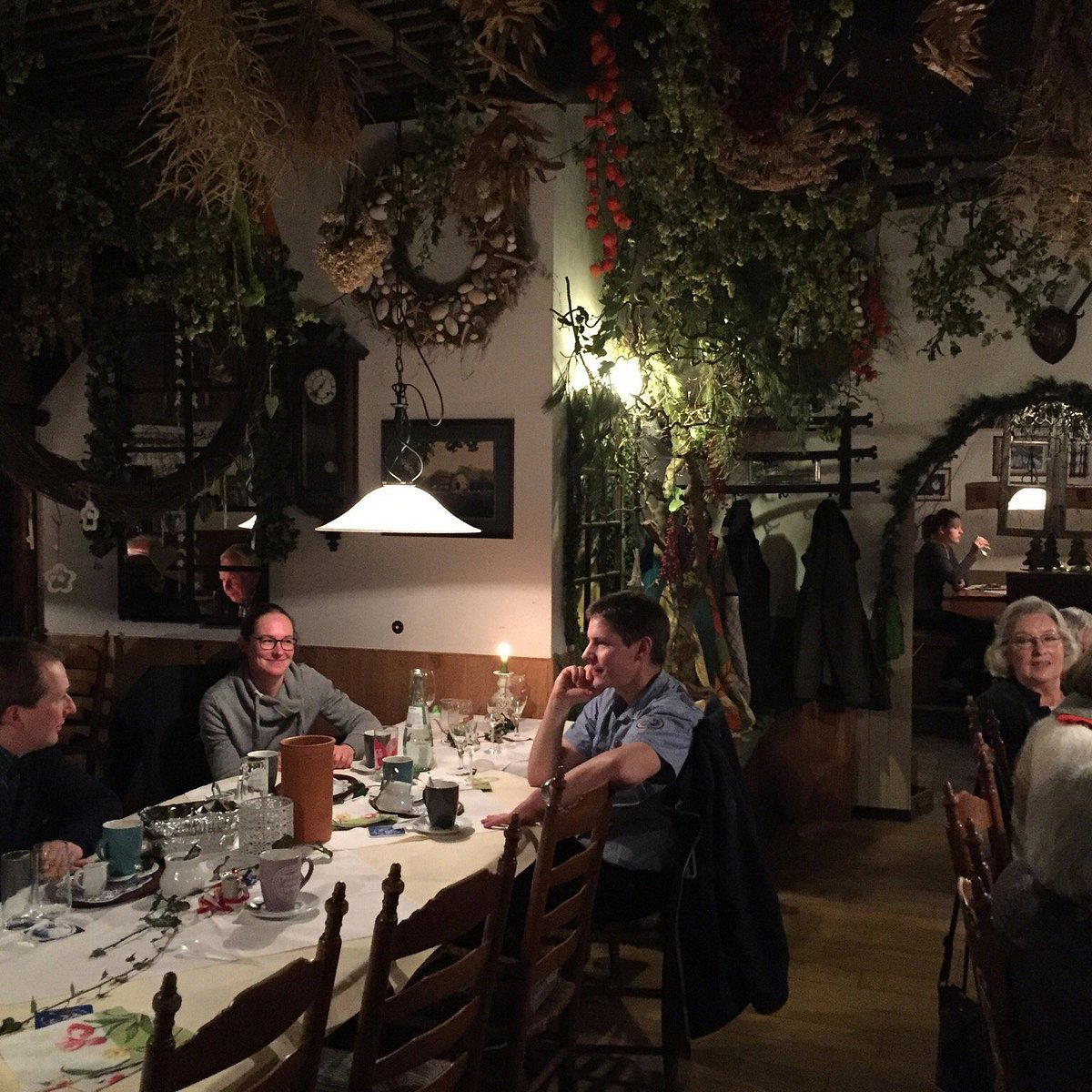
Where Northwest Germany's Farming Country Meets the Table
Lower Saxony's agricultural interior rarely makes the shortlists that pull food-focused travellers toward Germany. The attention goes to Hamburg's fine dining corridor, to addresses like Restaurant Haerlin with its urban polish, or further south to the dense concentration of decorated kitchens found in Baden-Württemberg and the Rhineland. Yet the flat, quietly productive countryside around Wiefelstede, Ammerland district, roughly 25 kilometres southwest of Oldenburg, has its own culinary logic, rooted in what the land actually produces rather than what a city market can import. Bremers Bauerndiele, at Alter Postweg 59, sits within that geography.
The name itself signals the format. Bauerndiele is a German term for the large, multi-purpose threshing floor common in traditional north German farmhouses, the central hall where farming life happened, separated from storage and livestock by the architectural rhythms of working agriculture. A dining venue adopting that name is making a claim about character: informal, grounded, and tied to the agrarian world immediately outside the door. In northwest Germany, where farmhouse architecture remains part of the lived environment rather than a heritage exhibit, that framing carries weight.
The Sourcing Argument in Lower Saxony's Agricultural Belt
The case for ingredient sourcing as a dining proposition is made most compellingly not in cities but in regions where the supply chain is short enough to be legible. Wiefelstede sits within one of Germany's more productive agricultural zones, Ammerland is known for its nursery industry and pastoral farming, and the broader Lower Saxony region ranks among Germany's leading producers of dairy, pork, and root vegetables. A restaurant operating in this context has access to supply relationships that urban kitchens have to engineer at considerable effort and expense.
This stands in contrast to the high-end creative kitchens that have made Germany's fine dining circuit competitive internationally. Operations like Aqua in Wolfsburg or JAN in Munich work at the level of technique-forward cuisine where sourcing is one variable among many in a complex creative system. At a farmhouse-format venue in agricultural Lower Saxony, the sourcing relationship is the primary narrative, the cooking exists to make that provenance legible on the plate rather than to transcend it through technique.
Germany's broader dining conversation has shifted noticeably toward this provenance-first framing over the past decade. Places like Jante in Hanover have pursued a regional-produce philosophy within a more formally structured tasting format. What distinguishes rural farmhouse venues from those urban expressions is the absence of interpretive distance: the farm is close enough that the gap between field and kitchen can be measured in minutes rather than supply-chain links.
The Physical Setting as Editorial Statement
Approaching a venue on a road called Alter Postweg, Old Post Road, in a town of under 10,000 people, the physical context does much of the communicative work before any food arrives. North German farmhouse architecture, with its characteristic half-timbered construction and wide, low profiles, creates an interior atmosphere that no urban renovation project can convincingly replicate. The spatial logic of a Diele, open, high-ceilinged, built for practical use, translates into a dining room character distinct from both the hushed formality of starred restaurants and the studied informality of contemporary natural-wine bars.
This places Bremers Bauerndiele in a category that has gained traction across northern Europe: venues where the building's agricultural history is not decorative context but structural argument. The same instinct drives interest in converted farmhouse dining in Denmark and the Netherlands, where the proximity of production to consumption is treated as content rather than backdrop. For travellers accustomed to the format, or curious about it, Wiefelstede's low profile in standard travel coverage is a function of scale rather than quality. The town does not generate the editorial volume of a Hamburg or a Hanover, but that obscurity does not reflect the dining proposition on offer.
Placing Wiefelstede in a Northwest German Dining Circuit
Wiefelstede is accessible from the A29 motorway corridor connecting Oldenburg to the North Sea coast, placing it within reasonable reach of Bremen to the southeast and the East Frisian region to the north. Travellers with flexibility in their schedule who are moving between Hamburg and the Dutch border will find it a plausible stop rather than a dedicated destination journey, though the farmhouse format rewards an unhurried approach.
Schanz in Piesport, Waldhotel Sonnora in Dreis, or ES:SENZ in Grassau. Those venues operate at the decorated end of the spectrum, where the journey is part of the premise. Bremers Bauerndiele functions differently: it is a regional venue serving a regional audience, with the authenticity of that local rootedness as its primary credential rather than national recognition or tasting-menu ambition.
That distinction matters for how you plan around it. Visitors expecting the format discipline of a Vendôme in Bergisch Gladbach or the dessert-led conceptualism of CODA Dessert Dining in Berlin will find a different kind of proposition here, one where the measure of success is connection to place rather than technical ambition. Both are legitimate frameworks; they are simply different answers to the question of what a meal is for.
Planning Your Visit
The restaurant is at Alter Postweg 59, 26215 Wiefelstede. Given the limited public transport infrastructure in rural Ammerland, arriving by car is the practical approach for most visitors; the address sits within the town's residential and agricultural outskirts rather than a walkable centre. Booking in advance is advisable for a venue of this scale and format, particularly at weekends when regional visitors make up the likely bulk of covers. Hours are Wednesday to Saturday from 5 to 11 PM, Sunday from 12 to 2:30 PM and 5 to 10 PM. Reservations are recommended.
Side-by-Side Snapshot
Comparable venues nearby, for context on price, style, and recognition.
| Venue | Cuisine | Price | Notes |
|---|---|---|---|
| Bremers BauerndieleThis venue — the venue you are viewing | Traditional German & Mediterranean | $$ | Not listed |
| Marstall Festzelt | Traditional Bavarian Oktoberfest | $$ | Theresienwiese |
| Hopper Brau GmbH & Co. KG | German Craft Brewery | $$ | Neumuehlen |
| Old Commercial Room | Traditional Hamburg Hanseatic Cuisine | $$ | Neustadt |
| Restaurant "Zum Tanneneck" | Traditional German | $$ | Selbecker Str. |
| Wels | Modern German Fish & Game | $$$ | Stadtgebiet Bremen |
Continue exploring
More in Wiefelstede
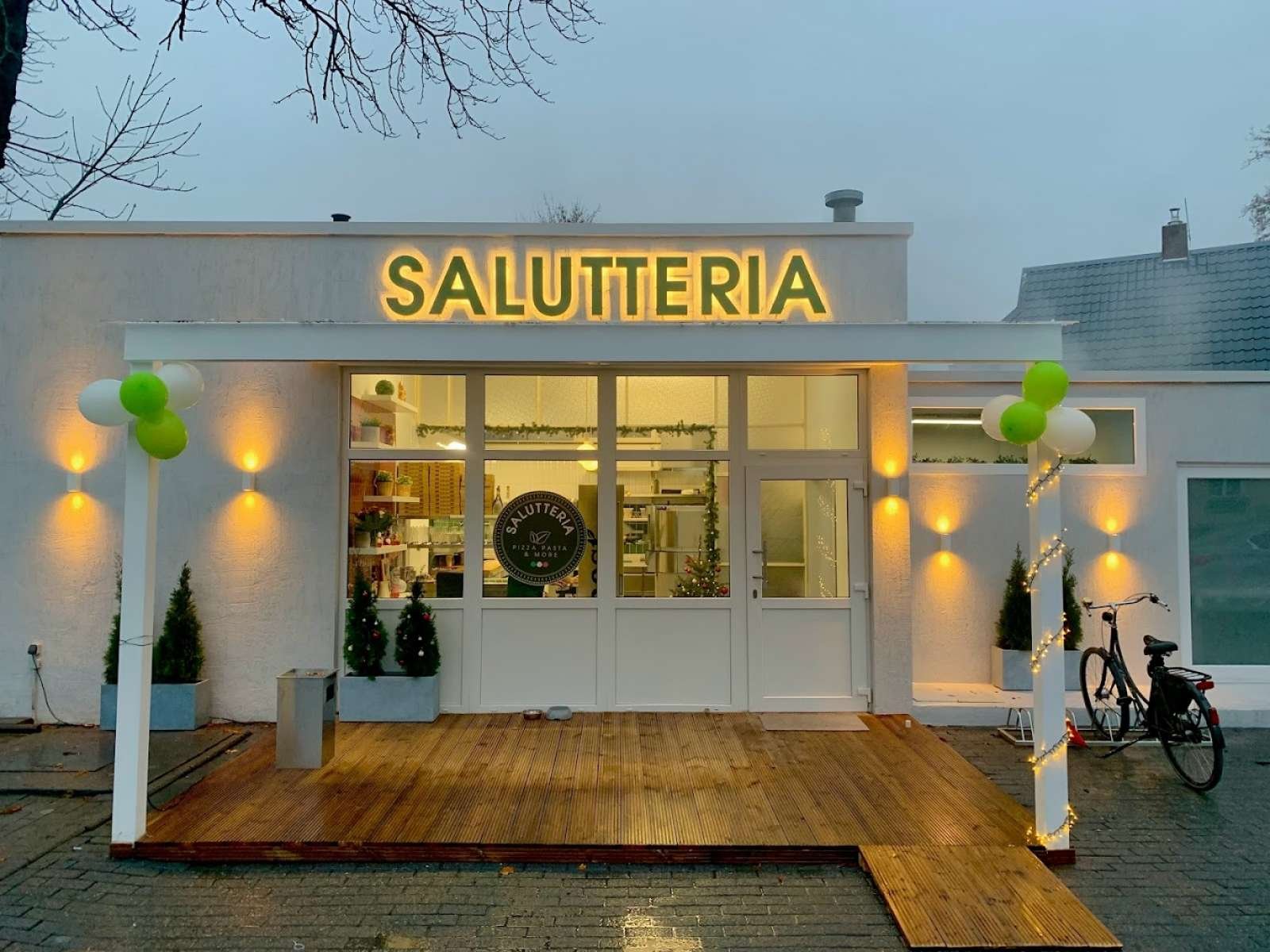
Restaurants in Wiefelstede
Browse all →
Hotels in Wiefelstede
Browse all →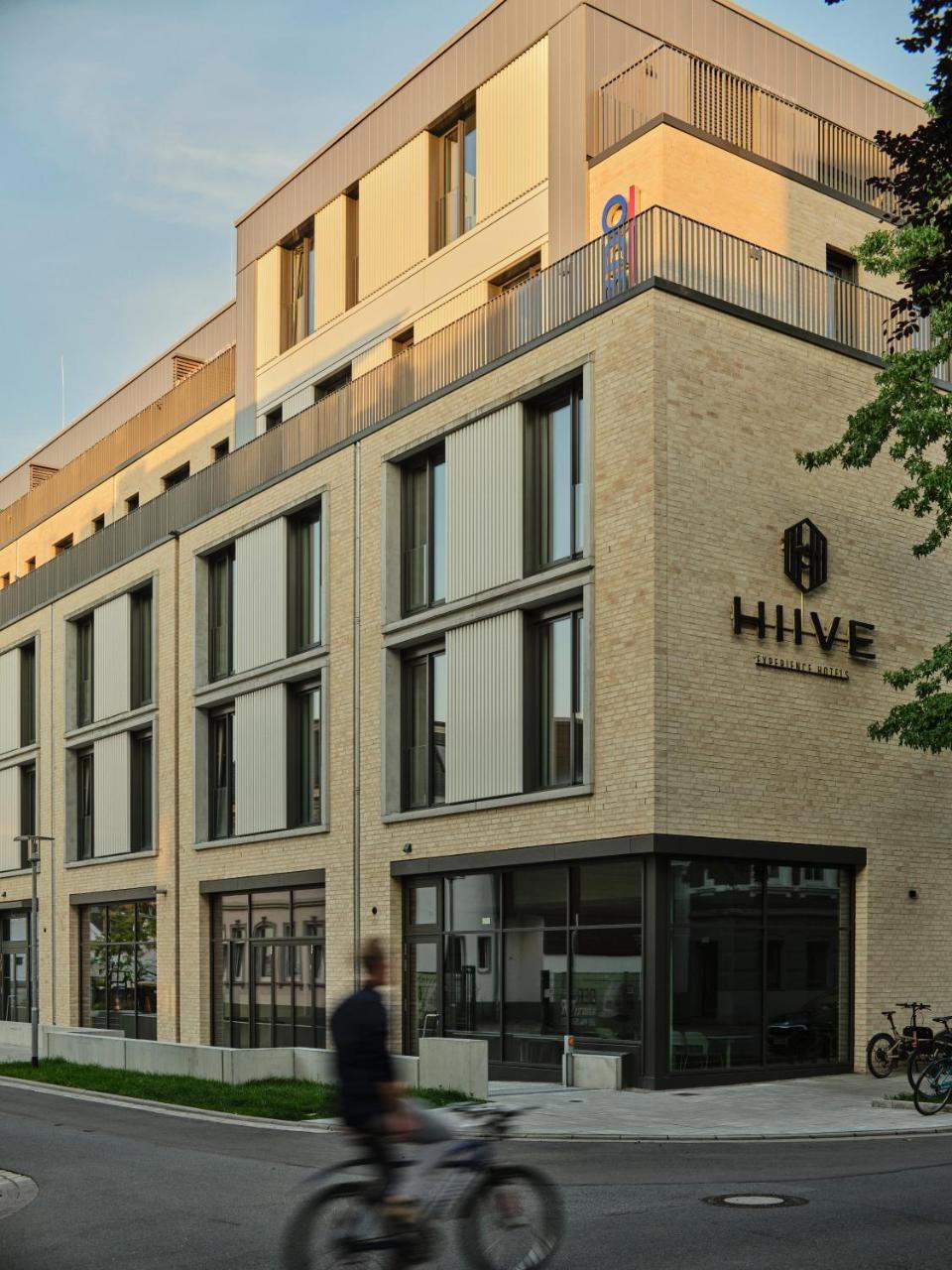
At a Glance
- Rustic
- Cozy
- Classic
- Family
- Group Dining
- Casual Hangout
- Hotel Restaurant
- Beer Program
- Local Sourcing
Current opening hours
- Monday
- Closed
- Tuesday
- Closed
- Wednesday
- 5–11 PM
- Thursday
- 5–11 PM
- Friday
- 5–11 PM
- Saturday
- 5–11 PM
- Sunday
- 12–2:30 PM, 5–10 PM
Hours can change for holidays and private events. Last verified .
Warm hospitality with rustic charm, featuring a traditional dining setting that evokes rural Lower Saxony character.