Our verdict
Kaiserküche occupies a prominent address on Kaiserstraße in central Oldenburg, placing it within the city's established dining corridor. The kitchen draws on German culinary tradition while operating in a mid-sized city that has developed a coherent fine dining scene over the past decade.
- Address
- Kaiserstraße 18-20, 26122 Oldenburg, Germany
- Phone
- +4944124928860
- Website
- kaiserkueche-ol.de
- Directions
- Get directions
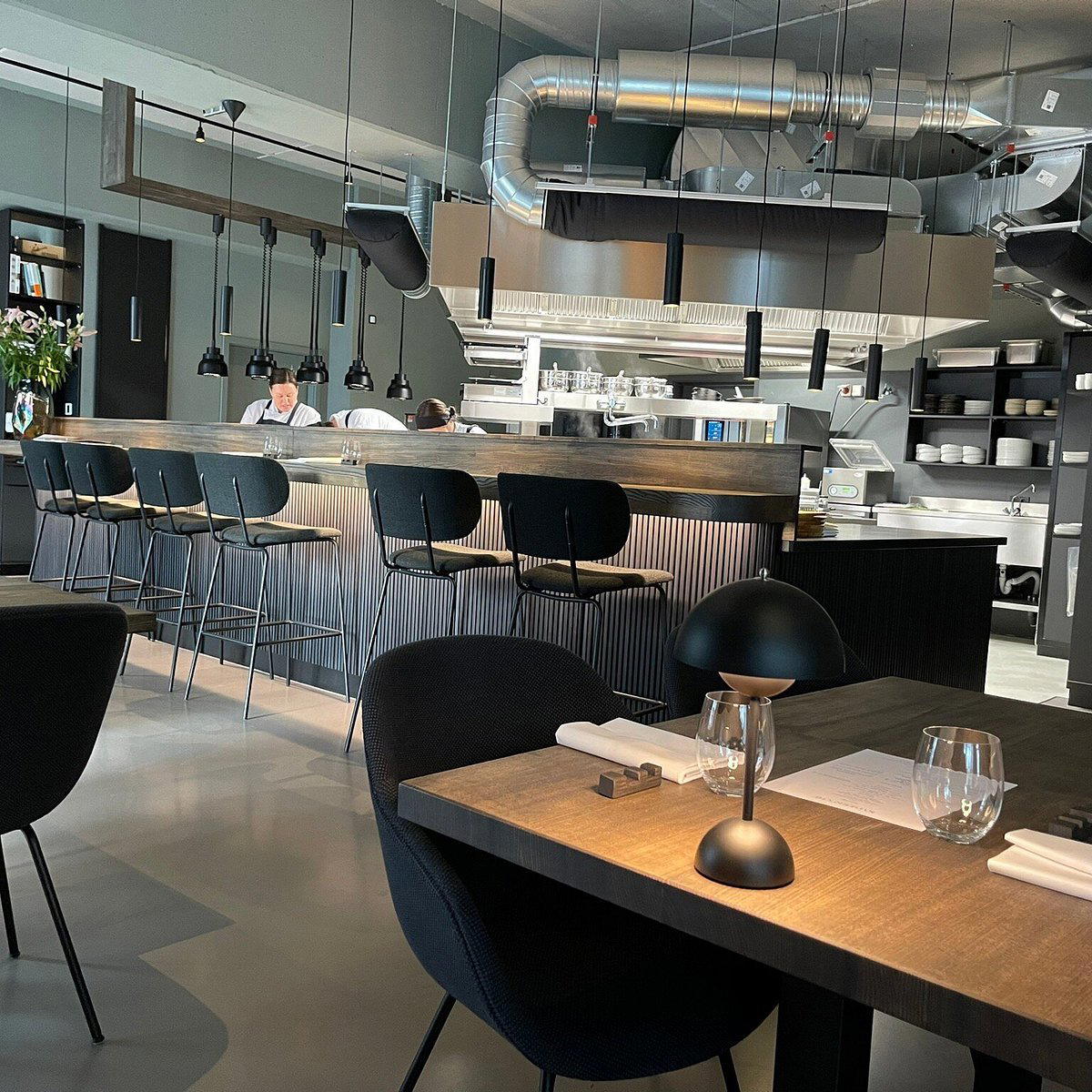
Oldenburg's Dining Scene and Where Kaiserküche Sits
Oldenburg is not a city that appears prominently in Germany's fine dining conversation, yet it has built a restaurant scene with more internal range than its population of roughly 170,000 would suggest. The city sits between Bremen and the Dutch border, drawing a professional and academic population that has, over time, supported a cluster of independent restaurants operating above the regional average. In that context, an address on Kaiserstraße — the city's commercial and cultural spine — carries a particular kind of weight. The street acts as an orientation point for visitors and locals alike, and a restaurant at number 18-20 inherits that visibility by default.
Germany's mid-sized cities have followed a similar pattern in recent years: a handful of venues in each push toward a more considered style of cooking while remaining anchored to local clientele rather than destination diners. Oldenburg fits that pattern. It is not Wolfsburg, where Aqua operates at three Michelin stars and draws visitors specifically for the table. Nor does it have the volume of high-end options available in Munich, where restaurants like JAN compete in a deeper pool. What Oldenburg offers instead is a more contained competitive set, where each restaurant in the upper tier commands a loyal local following and where the arrival or departure of a single venue reshapes the conversation.
The Address and Its Atmosphere
Kaiserstraße 18-20 sits in the part of central Oldenburg that connects the pedestrian zone to the older civic buildings. Approaching from either direction, the street reads as a working commercial artery that has retained enough architectural coherence to feel purposeful rather than generic. A restaurant at this address occupies a position that is neither buried in a residential quarter nor stranded in a purely retail strip, it sits where the city's daily movement concentrates, which shapes both the pace of service and the composition of the dining room.
In Germany, the relationship between a restaurant's address and its kitchen register is not incidental. The country's most discussed fine dining destinations often operate in locations that require some effort to reach, the Black Forest village of Baiersbronn, home to Schwarzwaldstube, or the Moselle wine country where Schanz operates in Piesport. A central urban address like Kaiserstraße implies a different operating logic: accessibility over pilgrimage, regulars alongside occasional visitors, and a dining room that must work on a weekday evening as well as a Saturday reservation.
German Culinary Tradition in a Regional Context
The cuisine at any serious German restaurant sits within a tradition that has evolved considerably since the late twentieth century. The heavy regional cooking of earlier decades, rooted in pork, root vegetables, and bread-based foundations, has given way in many kitchens to a more technically precise style that nonetheless draws on local producers and seasonal rhythms. Lower Saxony, the state in which Oldenburg sits, has a food culture shaped by coastal proximity, agricultural flatlands, and North Sea trade routes. That geography produces specific ingredients: lamb from the salt marshes, freshwater fish from inland waterways, root vegetables from the clay-heavy soils that dominate the region's farming.
The most accomplished regional restaurants in this part of Germany tend to use that local larder as a structural foundation rather than a marketing point. You see the same instinct at work across the country's serious mid-tier and upper-tier addresses, in Berlin, where CODA Dessert Dining has built an entire format around a reconsidered relationship with sweetness and technique, or in the Eifel, where Waldhotel Sonnora in Dreis has maintained a classical French-German vocabulary across decades. What varies is the degree to which regional identity is explicit versus absorbed.
In Oldenburg specifically, the restaurants that have attracted sustained attention tend to operate with a degree of seriousness about sourcing and execution that distinguishes them from casual dining without necessarily signalling that ambition through elaborate tasting menus. Kevin Gideon (Modern Cuisine) represents one end of that spectrum locally, operating at the €€€ tier with a modern cuisine approach.
How Kaiserküche Fits the Broader German Restaurant Picture
Germany's restaurant culture has a particular relationship with formality. The country's Michelin-recognised addresses range from the technically rigorous classicism of Vendôme in Bergisch Gladbach and Victor's Fine Dining by Christian Bau in Perl to the more experimental frameworks of venues like ES:SENZ in Grassau. Hamburg's Restaurant Haerlin and Trier's Bagatelle demonstrate how the country's regional cities can sustain high-level cooking independently of the major metropolitan centres. Oldenburg occupies a tier below these recognised destinations, but it functions within the same broader logic: a city's serious restaurants define its culinary identity as much as any single attraction.
For visitors arriving in Oldenburg without a fixed dining plan, Kaiserstraße 18-20 is a reasonable starting point for orientation. The address is central enough to reach on foot from most accommodation in the city core, and the surrounding area gives a clear sense of how the city organises itself commercially and culturally. Our full Oldenburg restaurants guide maps the broader dining options across price points and neighbourhoods.
Planning Your Visit
As with most independent restaurants in German city centres, reservations made in advance are advisable for weekend evenings, particularly if dining as a group. Oldenburg is accessible by direct rail from Bremen (approximately 30 minutes) and by regional services from Hamburg, making a dining visit from either city a manageable half-day or evening trip. The city's compact centre means most key addresses are within easy walking distance of the central station.
Frequently asked questions
How do I find Kaiserküche?
Kaiserküche is located at Kaiserstraße 18-20, 26122 Oldenburg, Germany, Oldenburg.
Is Kaiserküche suitable for a formal dinner in Oldenburg?
Kaiserküche's address at Kaiserstraße 18-20 puts it squarely in the civic centre of Oldenburg, a location that historically accommodates everything from business meals to occasion dining. Germany's city-centre restaurants at comparable addresses tend to occupy a middle register between casual and formally structured, though dress expectations and atmosphere can vary significantly by establishment. Until opening hours and pricing are confirmed, it is worth contacting Kaiserküche to clarify the format before planning a special evening.
What do people recommend at Kaiserküche?
Kaiserküche sits at Kaiserstraße 18-20 in central Oldenburg, a city whose restaurant scene leans toward evolved German regional cooking rather than fixed traditional fare. Checking directly with the restaurant before visiting is the most reliable way to gauge what is on offer.
How hard is it to get a table at Kaiserküche?
The Kaiserstraße address places the restaurant at one of Oldenburg's busiest central thoroughfares, where demand at well-regarded addresses typically warrants reservations rather than walk-ins, particularly on weekend evenings. Contacting the restaurant directly will give the clearest picture of current lead times.
Booking and Cost Snapshot
Comparable venues nearby, for context on price, style, and recognition.
| Venue | Cuisine | Price | Awards | Notes |
|---|---|---|---|---|
| KaiserkücheThis venue — the venue you are viewing | Regional German Fine Dining | Not listed | Not listed | Not listed |
| Kevin Gideon | Modern Creative European Fine Dining | $200–300 | Michelin Plate | Donnerschweer Straße, Modern Creative European Fine Dining |
| Kleine Burg | Modern German & European | $50–100 | Not listed | Oldenburg, Modern German & European |
| Klinkerburg | German Classic | $20–30 | Not listed | Bahnhofsplatz, German Classic |
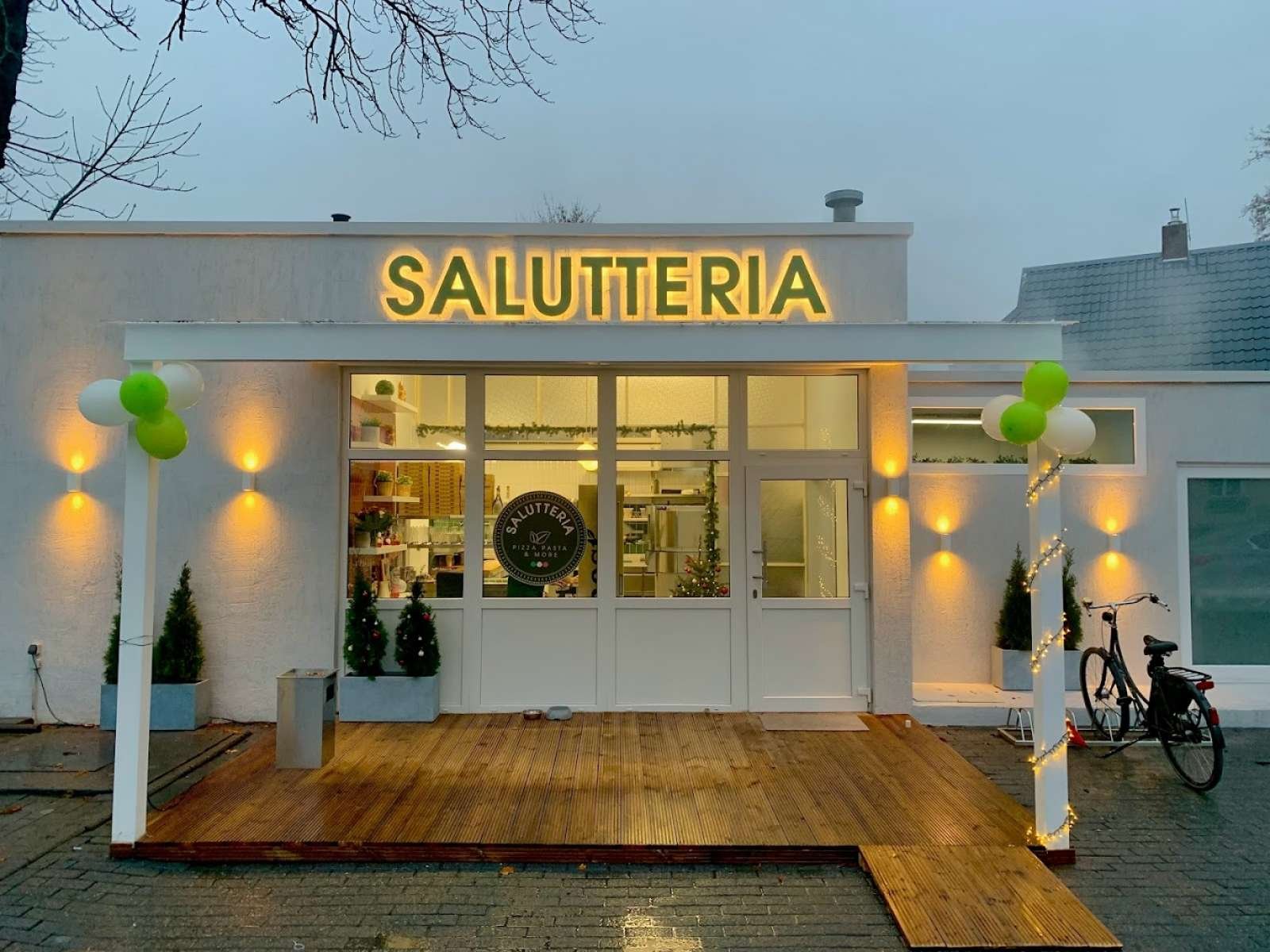
| Salutteria | Pizza Napoletana & Pasta | $10–20 | Not listed | Oldenburg, Pizza Napoletana & Pasta |
| Jägerkrug Herford | Traditional German Grill & Regional Home-Style | $30–50 | Not listed | Herford, Traditional German Grill & Regional Home-Style |
Continue exploring
More in Oldenburg
Restaurants in Oldenburg
Browse all →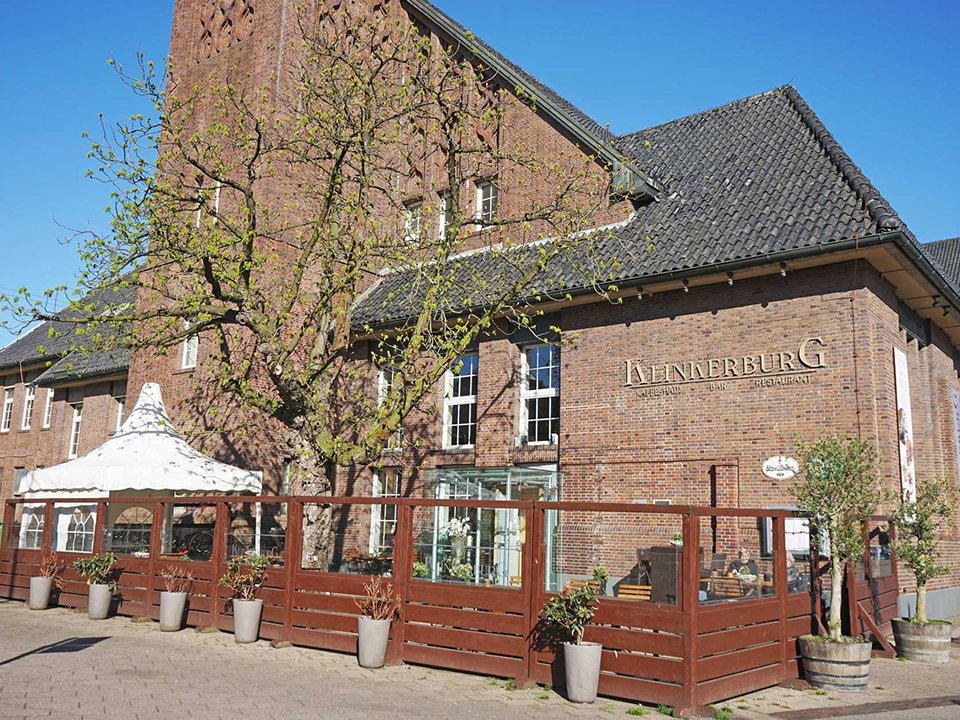
Hotels in Oldenburg
Browse all →
Wineries in Oldenburg
Browse all →
Details
- Elegant
- Cozy
- Sophisticated
- Date Night
- Business Dinner
- Special Occasion
- Open Kitchen
- Natural Wine
- Local Sourcing
- Tasting Menu
- A La Carte
- Vegetarian Friendly
Current opening hours
- Monday
- Closed
- Tuesday
- Closed
- Wednesday
- 6 PM–12 AM
- Thursday
- 6 PM–12 AM
- Friday
- 6 PM–12 AM
- Saturday
- 6 PM–12 AM
- Sunday
- Closed
Hours can change for holidays and private events. Last verified .
Cozy atmosphere with warm lighting and meticulous attention to detail in service and presentation.