Our verdict
Kleine Burg occupies a modest address on Burgstraße in central Oldenburg, sitting within a city whose dining scene has quietly grown more ambitious in recent years. The restaurant draws interest from those tracking where regional German cooking intersects with considered sourcing — a thread that runs through Oldenburg's better tables and distinguishes the city from its Lower Saxony neighbours.

Pearl is the En Primeur Club membership app — saves, bookings, and concierge access live there. Same editors, same standards.
- Address
- Burgstraße 2, 26122 Oldenburg, Germany
- Phone
- +494944115855
- Hours
- Mon ClosedTue–Thu 12–3 PM, 6–11 PMFri–Sat 12–3 PM, 6 PM–12 AMSun Closed
- Website
- kleineburg-ol.de
- Directions
- Get directions
- Booking
- Book on Zenchef
Oldenburg's Dining Character and Where Kleine Burg Fits
Oldenburg does not announce itself the way Hamburg or Munich does. The city's restaurant culture has developed incrementally, shaped less by celebrity chefs than by a steady local appetite for cooking that takes the region's agricultural output seriously. Lower Saxony sits at the intersection of coastal and inland produce — North Sea fish, Weser estuary ingredients, and farmland that supplies some of Germany's better dairy and meat. The kitchens that work well here tend to reflect that geography rather than import an identity wholesale from elsewhere.
Kleine Burg, at Burgstraße 2, occupies a central Oldenburg address in an area where the city's older urban fabric meets its working dining strip. The street-level approach carries the quiet confidence of a place that does not need to announce itself loudly to fill covers. For visitors arriving by rail, Oldenburg Hauptbahnhof sits within comfortable walking distance of the Burgstraße corridor, making the logistics direct for those building a day around the city's better tables.
The Sourcing Logic Behind Regional German Fine Dining
Across Germany's serious mid-sized restaurant scene — from ES:SENZ in Grassau to Schanz in Piesport, the kitchens that have built reputations tend to share a structural characteristic: their menus are legible records of where the kitchen sources its ingredients. The dish is rarely the end point. It is documentation of a supply relationship, a seasonal decision, a producer's output at a specific moment in the year.
This approach matters more in a city like Oldenburg than it might in a destination restaurant town. Without the foot traffic of a tourism economy, kitchens here survive on repeat local custom, which means the sourcing story has to hold up across multiple visits, not just on a showcase evening. Restaurants that lean on distant prestige ingredients often lose that argument quickly when diners start tracking consistency. Those that anchor the menu in what the Lower Saxony region actually produces well tend to build more durable reputations.
The coastal access that defines this part of Germany, Norddeich and the Wadden Sea lie roughly 60 kilometres north, means that fish and shellfish arriving at Oldenburg kitchens can carry a freshness that inland German cities cannot replicate without cost or compromise. The question for any kitchen working this territory is whether it treats that access as a structural advantage or simply as a line item.
Kleine Burg in the Context of Oldenburg's Better Tables
Oldenburg's serious dining tier is not large, but it is coherent. Kevin Gideon operates at the Modern Cuisine level (€€€), representing the city's most formally ambitious end. Kaiserküche, Klinkerburg, and Salutteria each occupy distinct positions within that compact field.
That competitive context is useful for the reader making a decision. Unlike the destination restaurant towns where a single acclaimed kitchen draws visitors specifically to eat there, the model that operates at Aqua in Wolfsburg or Waldhotel Sonnora in Dreis, Oldenburg's dining scene rewards building an itinerary across multiple tables rather than organising a trip around any single address. Kleine Burg is part of that wider case for the city rather than the whole argument on its own.
Germany's broader fine dining geography skews heavily toward the south and west, Schwarzwaldstube in Baiersbronn, Vendôme in Bergisch Gladbach, Victor's Fine Dining by Christian Bau in Perl, which means the north tends to operate under less scrutiny and, sometimes, with less pressure to perform to an external standard. That can cut both ways: it allows kitchens to develop at their own pace, but it also means fewer of the external reference points that calibrate ambition. For kitchens in cities like Oldenburg, the peer comparison is partly internal and partly drawn from what is happening in Hamburg, where Restaurant Haerlin sets a regional benchmark roughly two hours west.
What the Address Tells You About the Experience
Burgstraße 2 places Kleine Burg at the kind of central urban address that in German mid-sized cities tends to sit close to the Altstadt core, within walking distance of the market square and the older civic architecture. This is not the edge-of-city or rural setting that some German fine dining properties use to frame a sense of remove and occasion. The city is present. The dining room exists in dialogue with the street.
That context tends to shape the register of a meal. Kitchens in central urban positions generally run a broader range of covers and price points than destination-format restaurants, which means the experience is more likely to read as a serious local restaurant than as a pilgrimage dining event. Compared to the format discipline of CODA Dessert Dining in Berlin or the tasting-menu intensity of JAN in Munich, a central Oldenburg address suggests something more accessible in register, even if the cooking ambition is comparable. For international points of comparison, this positions Kleine Burg closer to the serious neighbourhood restaurant model than the high-ceremony destination format exemplified by Le Bernardin in New York City or Atomix in New York City.
See the full Oldenburg restaurants guide for broader context on where this address sits within the city's dining map.
Planning a Visit
In a city where the serious dining tier is compact enough that a strong Saturday fills quickly, leaving advance planning to the last moment carries risk. If Oldenburg is a dedicated dining trip rather than a stopover, building in a confirmed reservation before travel, alongside one of the city's peer addresses, is the structure that tends to work.
Frequently asked questions
What's the address for Kleine Burg?
Kleine Burg is located at Burgstraße 2, 26122 Oldenburg, Germany, Oldenburg.
Is Kleine Burg suitable for a special occasion dinner in Oldenburg?
At the €€€ price tier and positioned within Oldenburg's serious dining category, Kleine Burg occupies the upper end of what the city's restaurant scene offers for a considered evening out. Its central address on Burgstraße, close to the Schlossplatz area, makes it accessible from most parts of the city without requiring travel to the outskirts. For occasion dining in Oldenburg, it represents one of the more deliberate choices available at this level.
What should I eat at Kleine Burg?
Kleine Burg operates at the modern cuisine level in Oldenburg, which in regional German kitchens of this calibre typically means a focused menu built around seasonal produce from the surrounding Lower Saxony area. check the venue's official channels via Burgstraße 2 for the most current offering.
How far ahead should I plan for Kleine Burg?
Oldenburg draws a primarily regional dining crowd rather than destination visitors, so booking pressure differs from cities like Hamburg or Cologne. At the €€€ tier in a city of this size, reservations one to two weeks ahead are generally sufficient on weekdays, with weekends requiring more lead time. Confirming directly with the restaurant at Burgstraße 2 is the most reliable way to gauge current availability.
Fast Comparison
Comparable venues nearby, for context on price, style, and recognition.
| Venue | Cuisine | Price | Awards | Notes |
|---|---|---|---|---|
| Kleine BurgThis venue — the venue you are viewing | Modern German & European | $50–100 | Not listed | Not listed |
| Klinkerburg | German Classic | $20–30 | Not listed | Bahnhofsplatz |
| Kaiserküche | Regional German Fine Dining | Not listed | Not listed | Bahnhofsviertel |
| Kevin Gideon | Modern Creative European Fine Dining | $200–300 | Michelin Plate | Donnerschweer Straße |
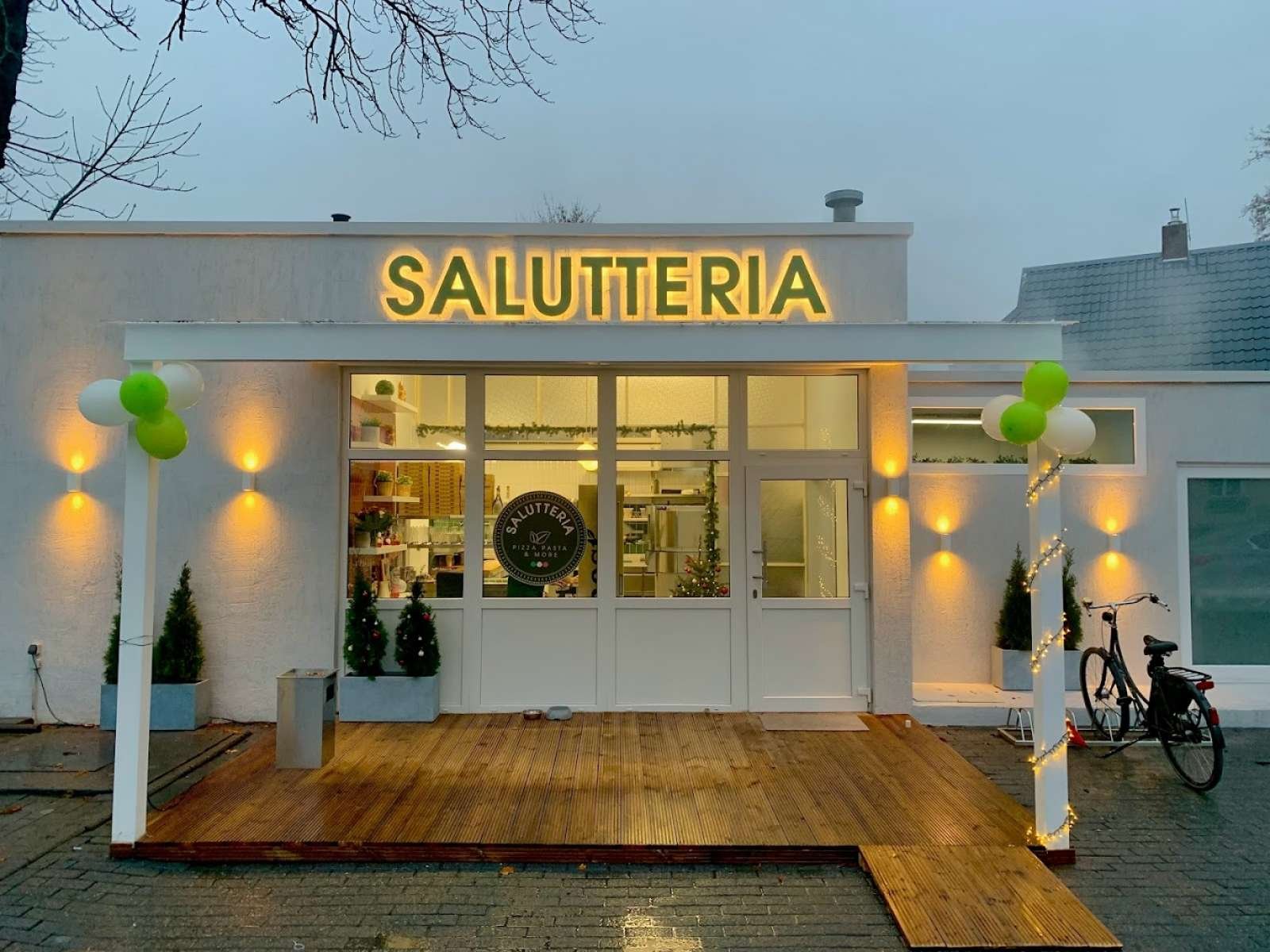
| Salutteria | Pizza Napoletana & Pasta | $10–20 | Not listed | Oldenburg |
| Marstall Festzelt | Traditional Bavarian Oktoberfest | $30–50 | Not listed | Theresienwiese |
Continue exploring
More in Oldenburg
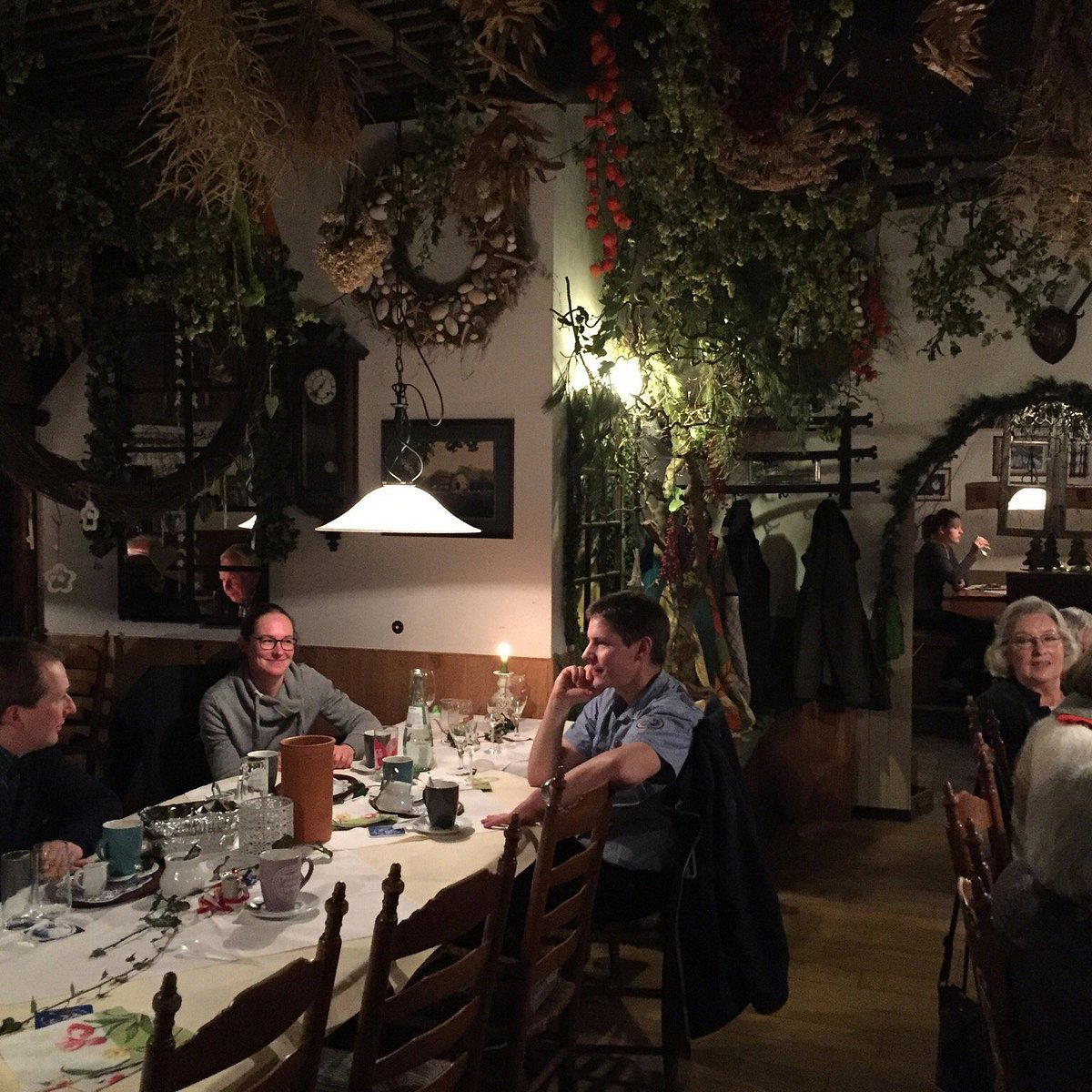
Restaurants in Oldenburg
Browse all →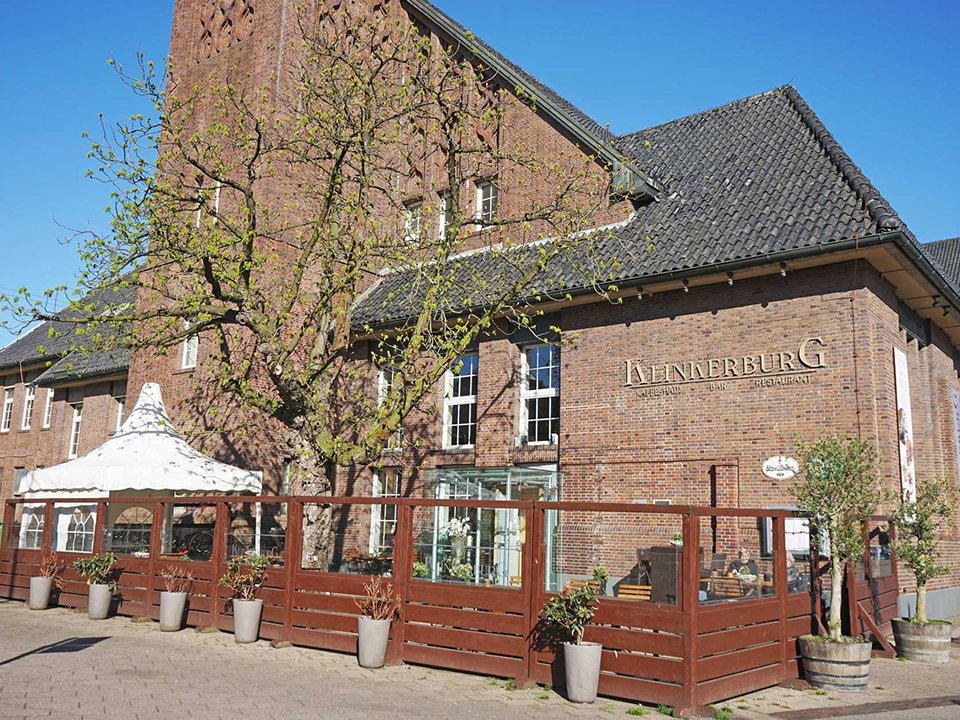
Hotels in Oldenburg
Browse all →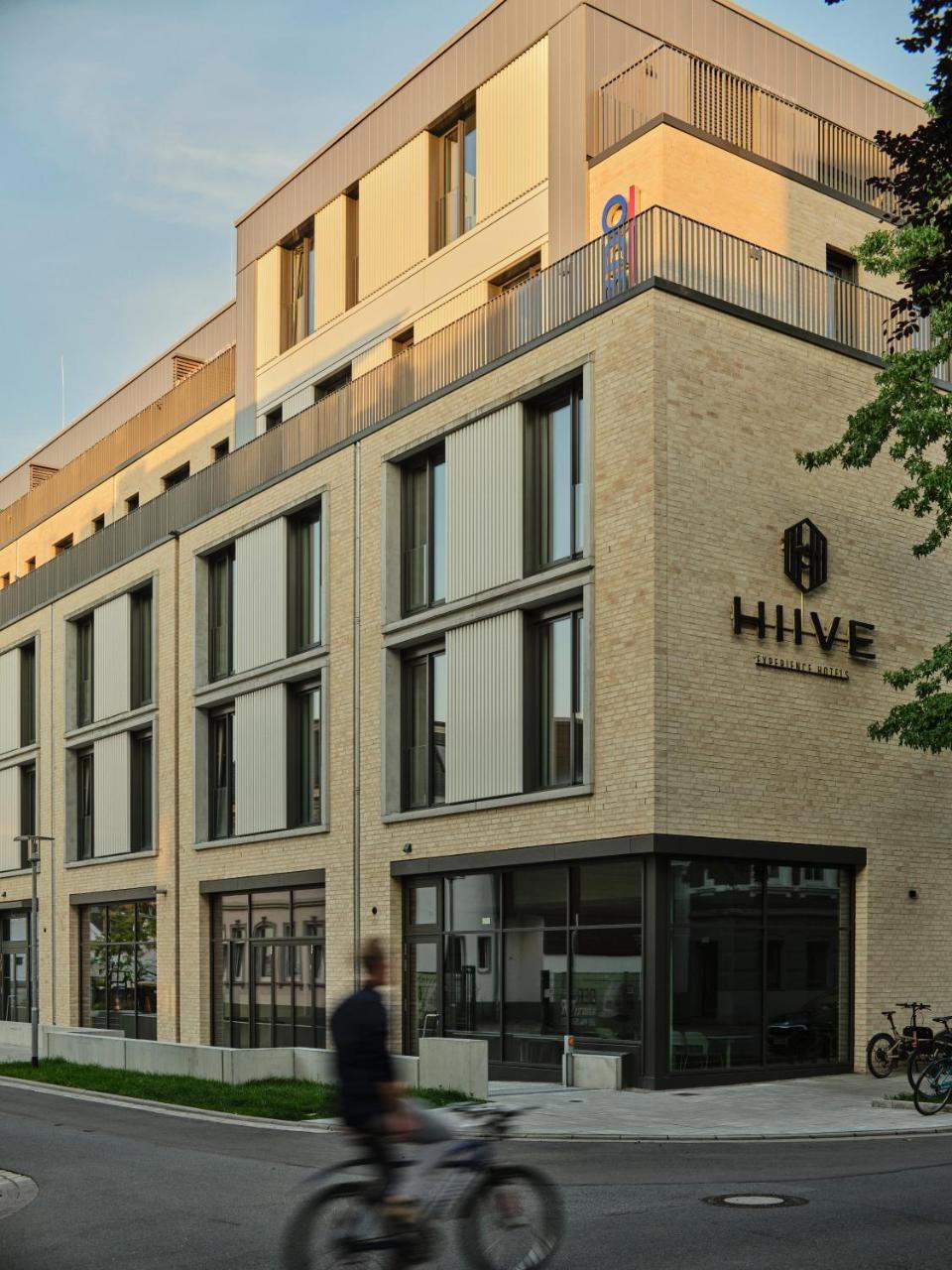
Wineries in Oldenburg
Browse all →
Kleine Burg
The wine
- Wine program
- Curated wine list
- Extensive wine list
Details
- Elegant
- Classic
- Sophisticated
- Date Night
- Business Dinner
- Group Dining
- Special Occasion
- Historic Building
- Open Kitchen
- Extensive Wine List
- Local Sourcing
- A La Carte
- Wine
- Vegetarian Friendly
- Vegan Options
- Gluten Free Options
Current opening hours
- Monday
- Closed
- Tuesday
- 12–3 PM, 6–11 PM
- Wednesday
- 12–3 PM, 6–11 PM
- Thursday
- 12–3 PM, 6–11 PM
- Friday
- 12–3 PM, 6 PM–12 AM
- Saturday
- 12–3 PM, 6 PM–12 AM
- Sunday
- Closed
Hours can change for holidays and private events. Last verified .
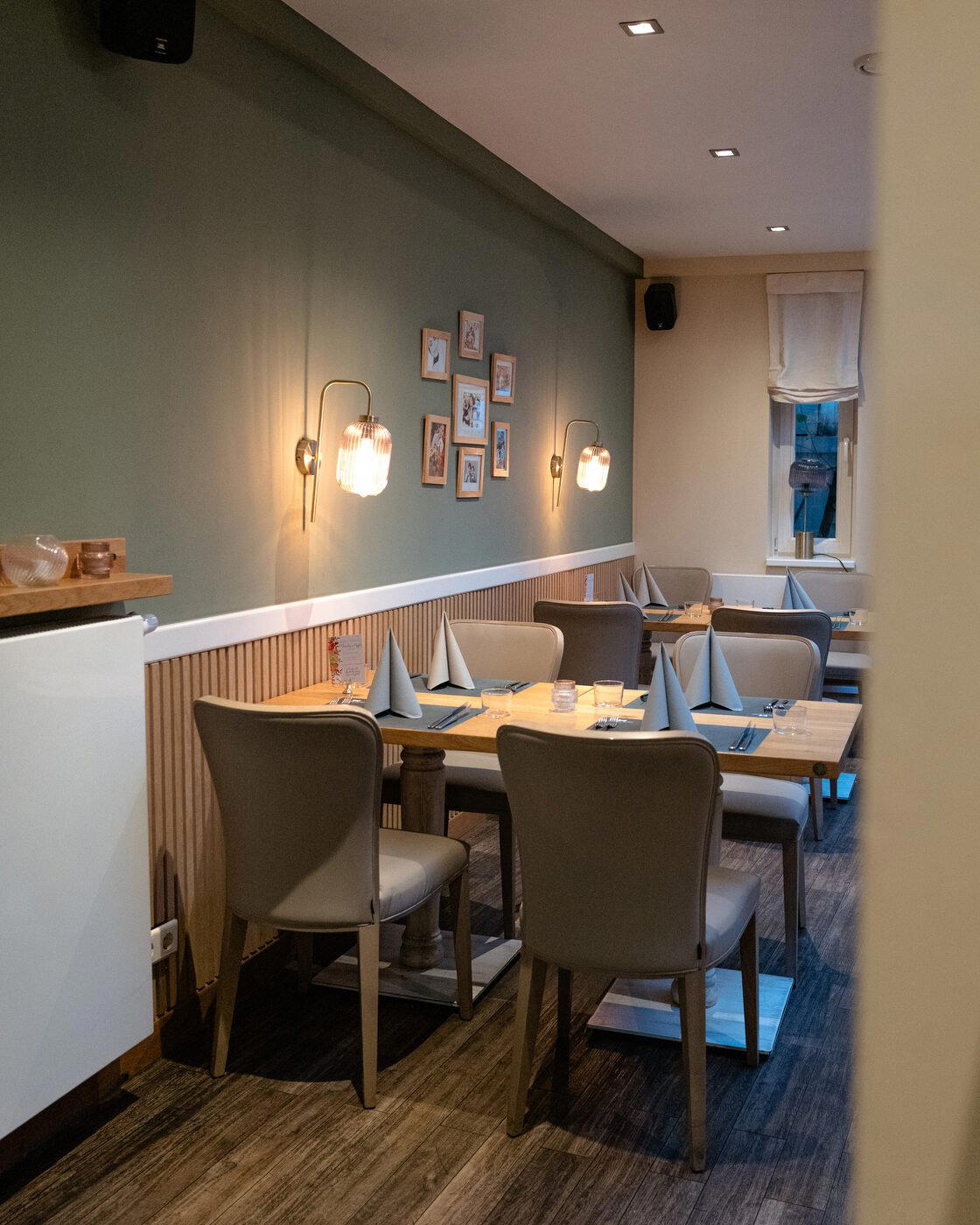
Classic elegant interior with distinctive modern touches, resembling a castle from the outside with refined, upscale dining atmosphere.