Gold & Pepper
Gold & Pepper sits on Schulstraße in Saalbach, placing it squarely in the heart of one of Austria's most active alpine resort dining scenes. The address puts it within easy reach of the village's main après-ski circuit, alongside competitors like Der Schwarzacher and Herzlstubn. Specific menu, pricing, and booking details are best confirmed directly with the venue before visiting.
Pearl is the En Primeur Club membership app — saves, bookings, and concierge access live there. Same editors, same standards.
- Address
- Schulstraße 29, 5753 Saalbach, Austria
- Phone
- +434365417777
- Website
- gold-pepper.at
- Directions
- Get directions
 Saves & bookings on Pearl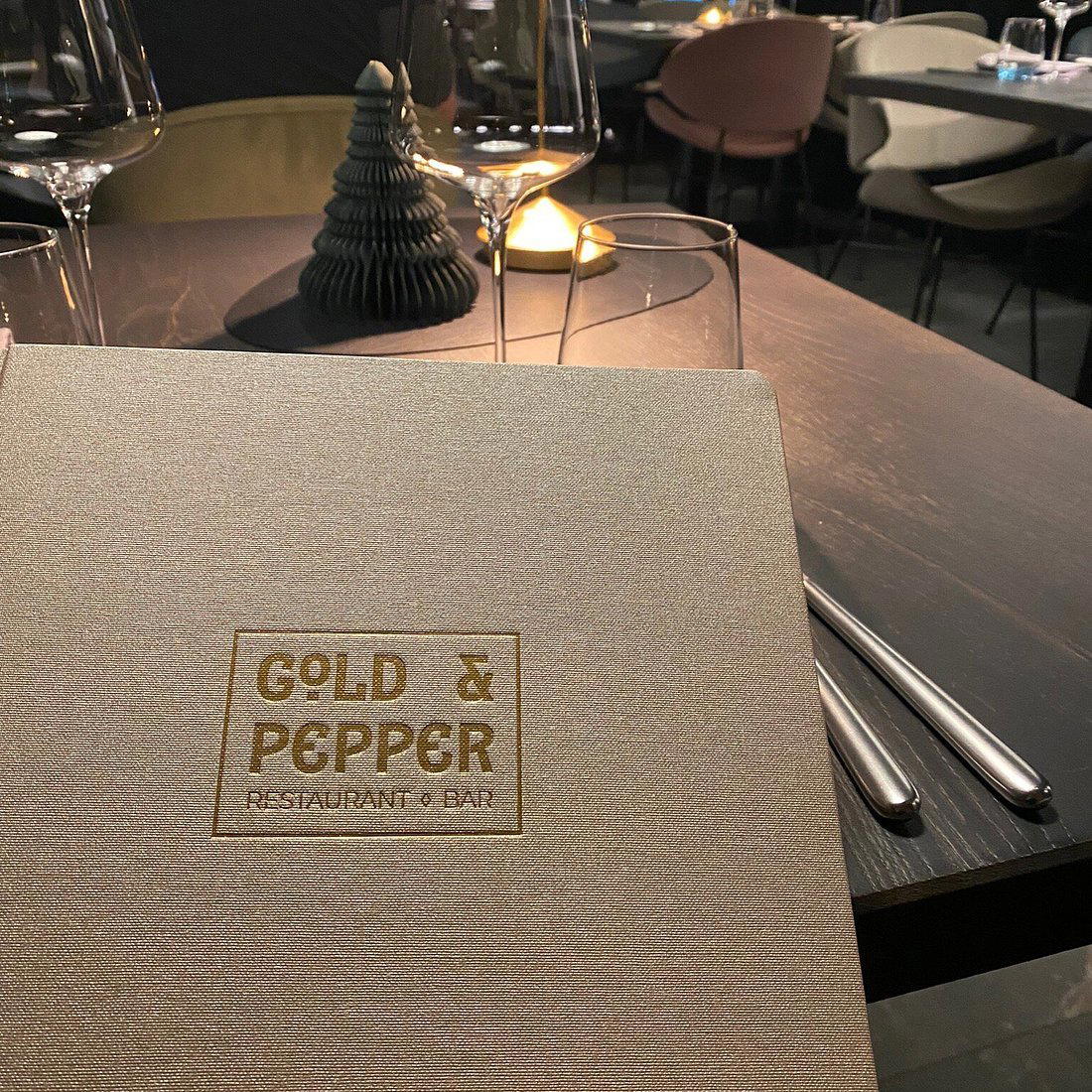
Saalbach Hinterglemm and the Alpine Dining Tradition It Sustains
Austria's alpine resort villages have always run on a dual economy: the mountain in the day, the table at night. Saalbach Hinterglemm, straddling the Glemmtal valley in the Salzburg region, is one of the country's most commercially active ski destinations, and its restaurant scene reflects that energy with unusual density for a village of its size. Alongside the obvious après-ski infrastructure, a tier of serious dining establishments has taken root here, places that position themselves against a broader Austrian culinary conversation rather than simply against the resort menu. Gold & Pepper is a restaurant on Schulstraße 29 in Saalbach, serving Alpine with Mediterranean Touch cuisine at a price tier of 3.
The broader Austrian tradition these venues draw on is worth understanding. From the Wiener Küche of the capital to the Salzburgerland farmhouse cooking of the surrounding valleys, Austrian cuisine carries a layered regional identity that rarely gets the international attention afforded to, say, French or Italian gastronomy. Venues like Steirereck im Stadtpark in Vienna and Döllerer in Golling an der Salzach have done significant work to establish Austrian cooking as a serious category on European terms. The alpine resort context adds a further dimension: mountain ingredients, game, dairy, and root vegetables from high-altitude farming traditions inform cooking in ways that have no direct parallel in lowland Austrian kitchens.
The Setting: Village Centre, Mountain Proximity
Schulstraße runs through Saalbach's pedestrian-accessible centre, which means Gold & Pepper benefits from the foot traffic that characterises the village's evening rhythm without being buried in the more chaotic après-ski zones closer to the cable car bases. In alpine resort dining generally, address matters as much as concept: a restaurant on a central village street occupies a different competitive position than one attached to a hotel at altitude, or one requiring a taxi from the slopes. The Schulstraße location places Gold & Pepper in accessible proximity to the accommodation clusters that fill the village across both ski season and, increasingly, the summer hiking and cycling period.
Saalbach Hinterglemm's dining scene is worth mapping before arrival. For visitors orientating around Austrian mountain cooking, Herzlstubn represents the more traditional Stubn format, while Der Schwarzacher and Grill extend the range toward grilled-meat and contemporary formats. Xandl Stadl occupies a more celebratory, high-volume register. Gold & Pepper's name signals a culinary intention rather than a Stubn or alpine-hut identity, suggesting a positioning somewhere between international technique and local ingredient sourcing, though visitors should confirm the current menu format directly with the venue, as
Austrian Alpine Cooking: Cultural Roots and What They Mean at the Table
The cultural significance of alpine cooking in the Salzburg region goes beyond the romantic. The Salzkammergut and the surrounding Pinzgau district historically shaped what people ate through altitude, climate, and the economics of mountain farming. Game from managed forests, dairy from Alm-grazed cattle, preserved meats, and fermented vegetables are not affectations in this context, they are continuities from an agricultural system that still partially functions. When restaurants in Saalbach work with these ingredients, they are drawing on a supply chain that is geographically shorter and culturally more coherent than most urban fine dining can claim.
Across the Austrian alpine region, this has produced a generation of kitchens that take mountain provenance seriously. Obauer in Werfen and Kräuterreich by Vitus Winkler in Sankt Veit im Pongau have made herb and forage-led alpine cooking into a recognised style. Further west, Gourmetrestaurant Tannenhof in Sankt Anton am Arlberg and Stüva in Ischgl demonstrate that resort-adjacent fine dining can reach the same standard as destination restaurants in non-skiing contexts. Restaurant 141 by Joachim Jaud in Mieming and Schwarzer Adler in Hall in Tirol extend this map eastward through the Tyrolean valleys. Gold & Pepper operates in this broader tradition, in a village that takes its evening dining seriously even by the standards of this competitive regional scene.
The Saalbach Dining Moment: Timing and Seasonality
Saalbach Hinterglemm runs a clear two-season model. The winter ski period, typically December through April, generates the heaviest restaurant demand, with post-slope dinner bookings filling quickly during the peak weeks of February half-term and the Christmas-New Year stretch. Summer has grown as a second season as mountain biking, hiking, and trail-running tourism has built a distinct visitor cohort with different dining preferences, generally lighter, later, and more oriented toward outdoor settings. Restaurants that operate across both seasons adapt accordingly.
For Gold & Pepper, as for any Saalbach venue, the practical implication is that advance booking during winter peak periods is advisable, and that the shoulder months of November and early May represent a quieter access window for visitors whose schedule allows flexibility. Visitors planning around the ski season should factor in that the village's pedestrian centre, where Schulstraße sits, is at its most animated from late afternoon through the dinner hours, creating an evening atmosphere that is part of the overall experience.
The Salzburg region's broader dining options are worth considering as part of any extended itinerary. Ois in Neufelden, Landhaus Bacher in Mautern an der Donau, and Taubenkobel in Schützen am Gebirge represent different registers of Austrian cooking at destination level, while internationally, kitchens like Le Bernardin in New York City and Lazy Bear in San Francisco illustrate how technique-led restaurants build reputations through format discipline over time, a model with parallels in serious alpine dining.
Planning Your Visit
Gold & Pepper is located at Schulstraße 29 in Saalbach, walkable from the village centre accommodation and within the pedestrian zone's evening circuit.
Budget and Context
Comparable venues nearby, for context on price, style, and recognition.
| Venue | Cuisine | Price | Notes |
|---|---|---|---|
| Gold & PepperThis venue — the venue you are viewing | Not listed | $$$ | Not listed |
| Grill | Hinterglemm, Steakhouse Grill | $$$ | Not listed |
| Der Schwarzacher | Hinterglemm, Traditional Austrian Alpine | $$$ | Not listed |
| Herzlstubn | Not listed | $$ | Saalbach-Hinterglemm, Authentic Austrian Cuisine |
| Xandl Stadl | Hinterglemm, Alpine Austrian | $$$ | Not listed |
| S-Lounge | Not listed | $$$ | Berwang, Austrian Lunch Restaurant & Day Bar |
Continue exploring
More in Saalbach Hinterglemm
Restaurants in Saalbach Hinterglemm
Browse all →
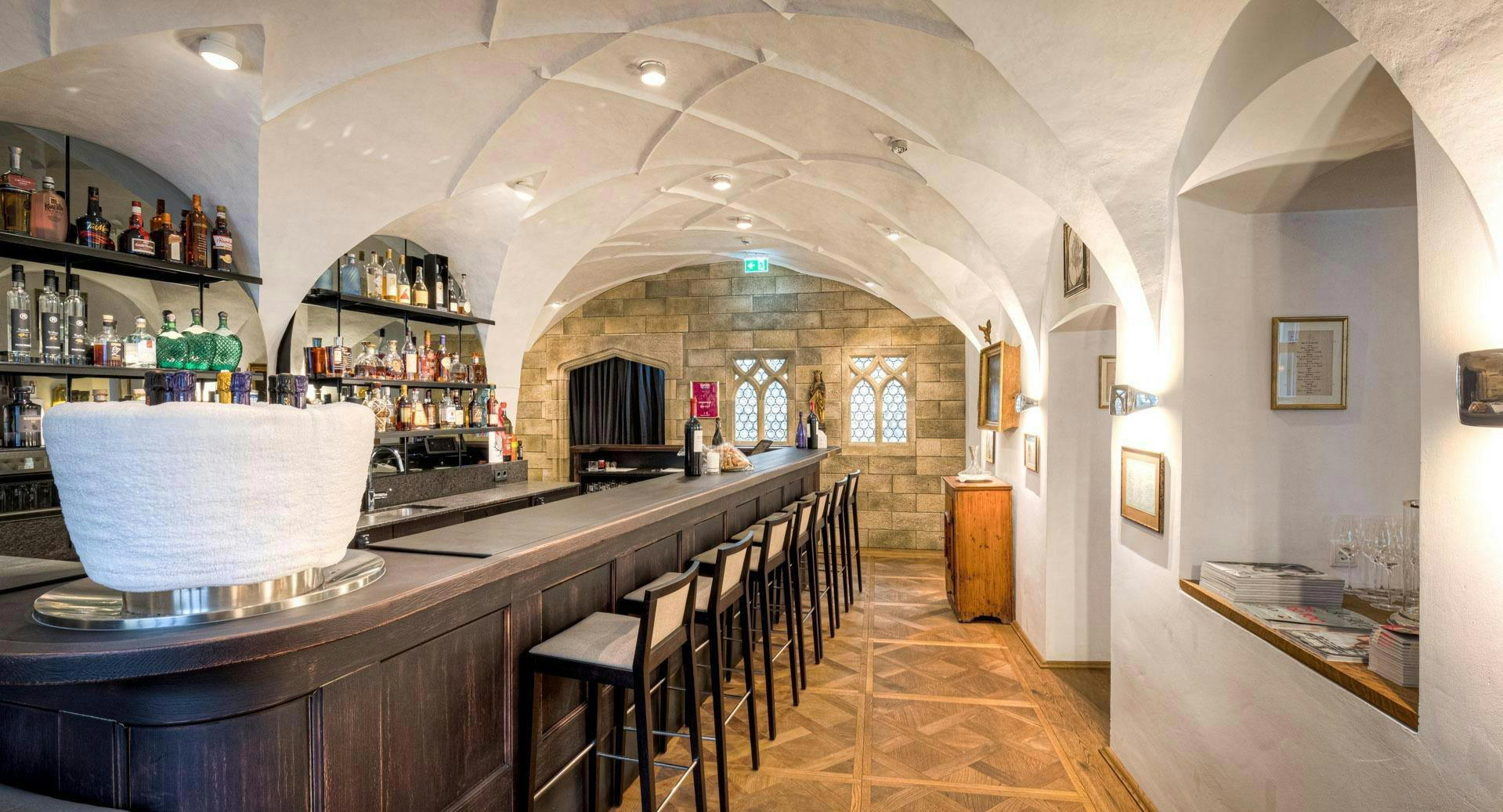
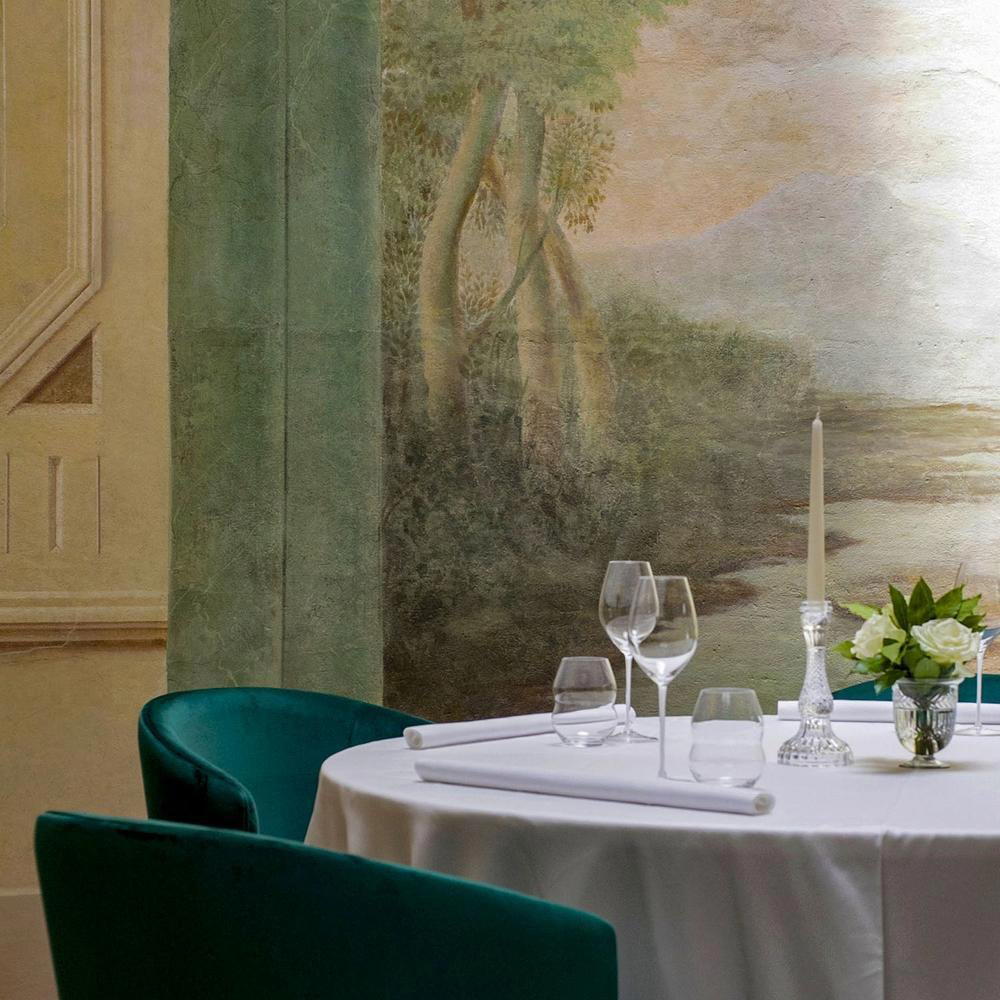
Bars in Saalbach Hinterglemm
Browse all →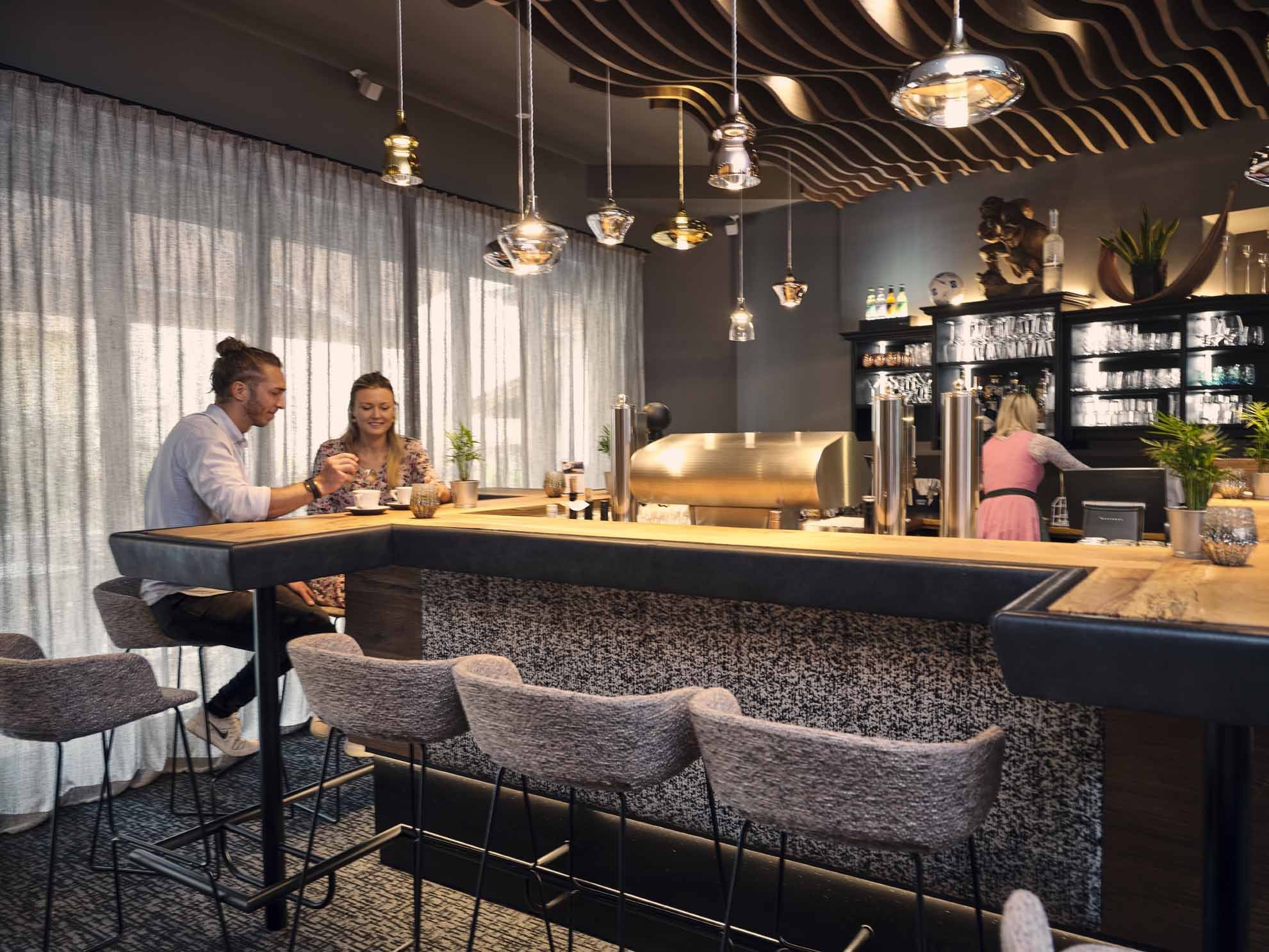
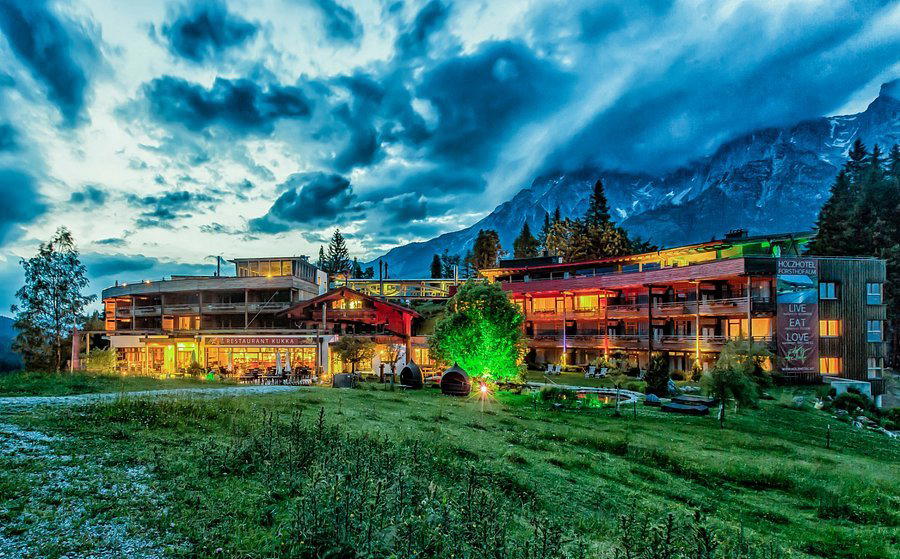



Hotels in Saalbach Hinterglemm
Browse all →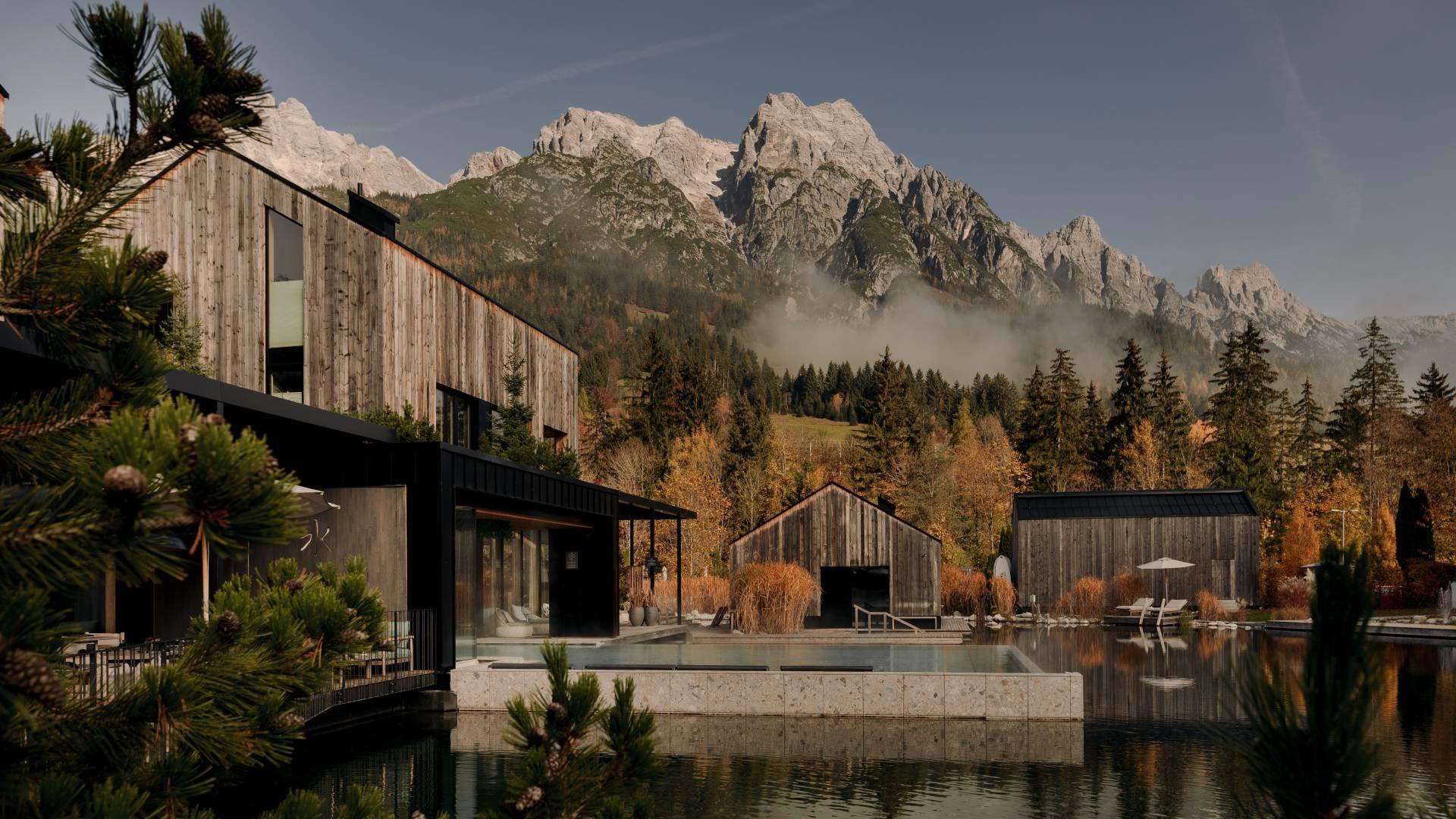
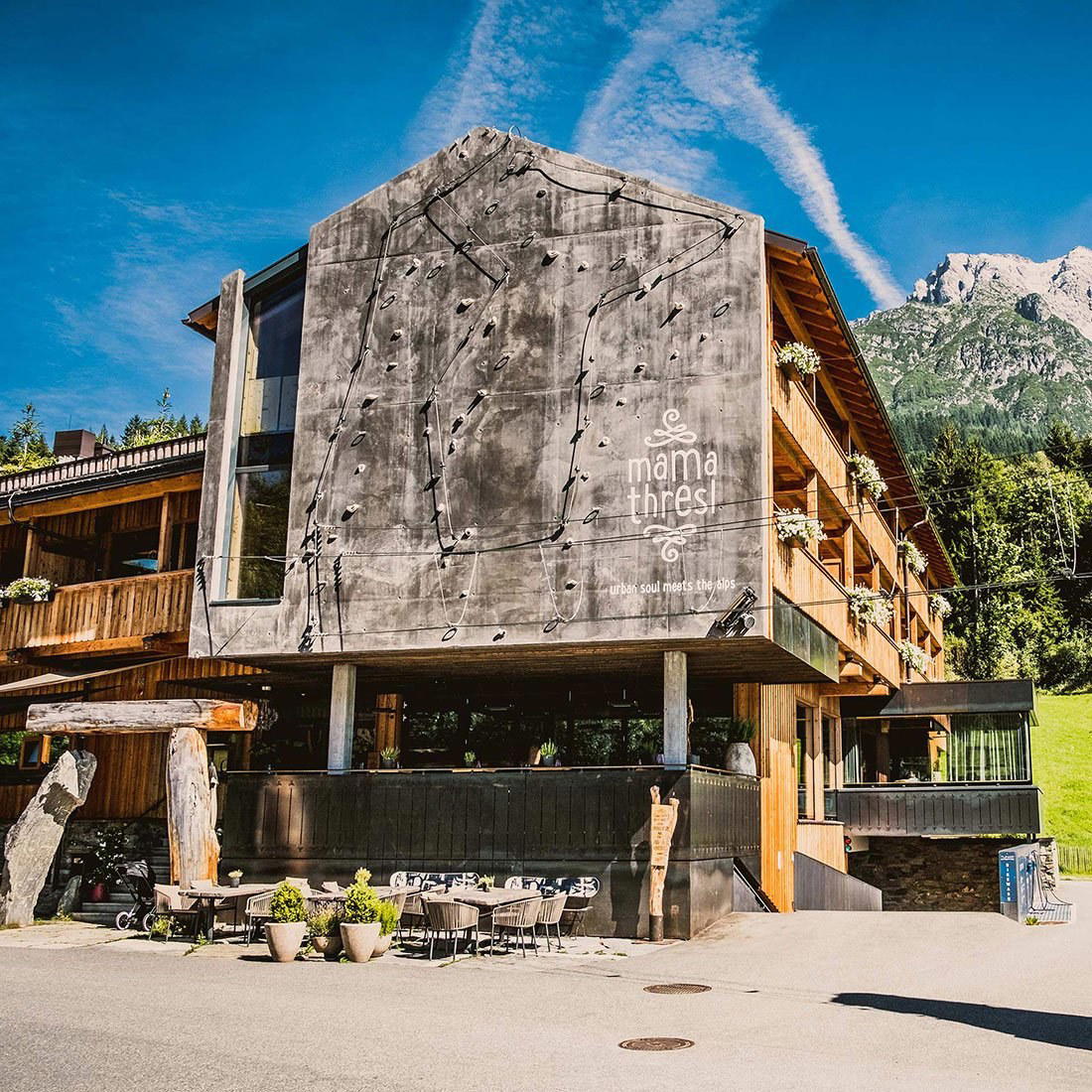
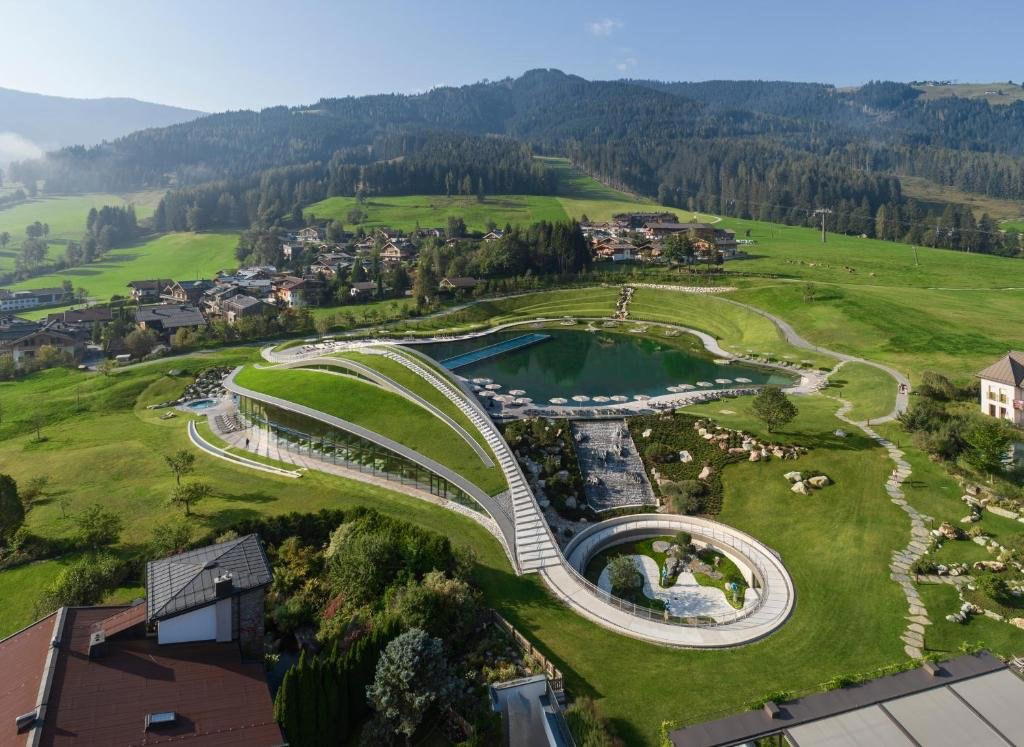
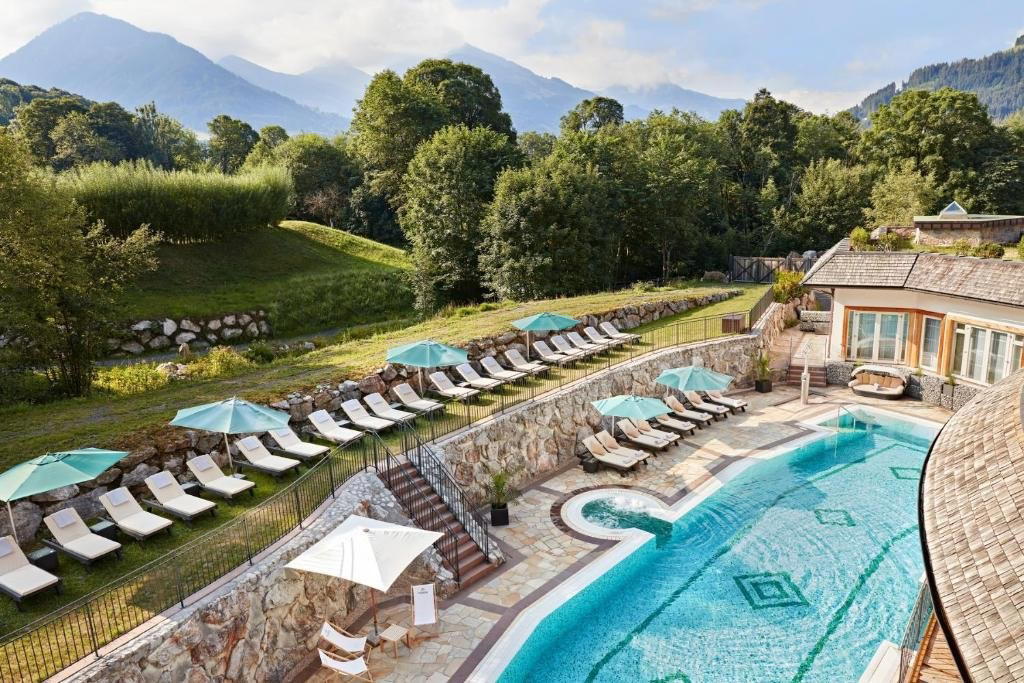
Wineries in Saalbach Hinterglemm
Browse all →
At a Glance
- Cozy
- Modern
- Elegant
- Intimate
- Date Night
- Special Occasion
- Terrace
- Extensive Wine List
- Local Sourcing
- Mountain
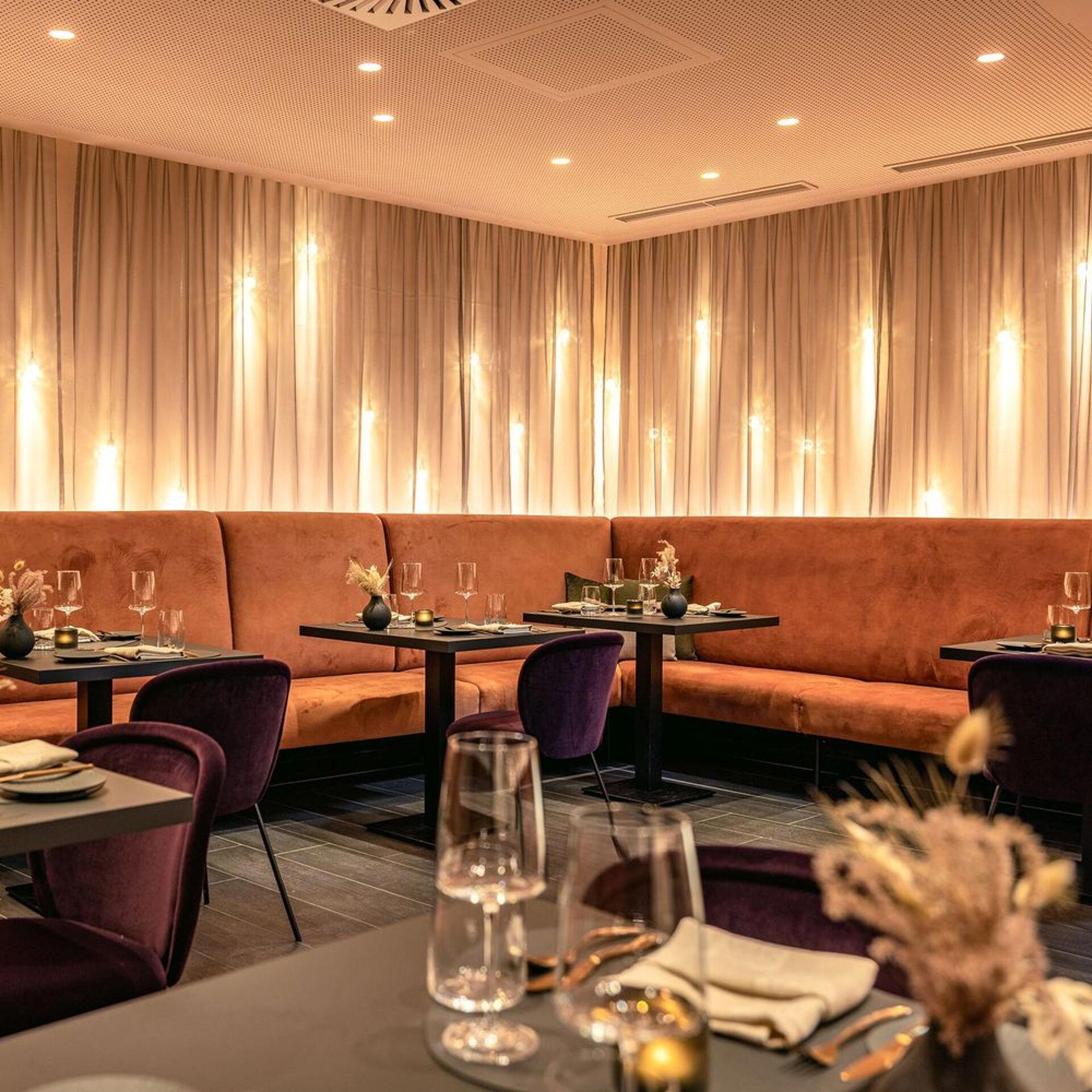
Modern and cozy with dark walls and warm table lighting creating an intimate and welcoming atmosphere.