
Tabelog 100 #49
Our verdict
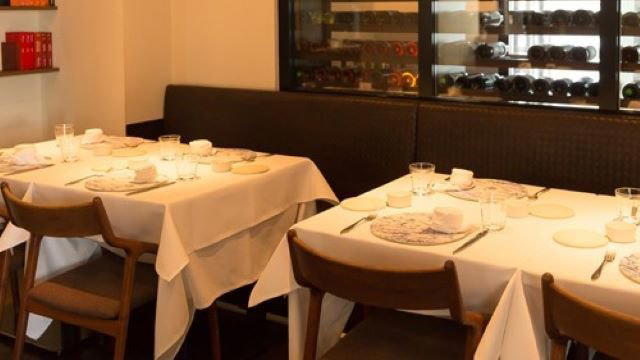
Kizki gives Nagoya’s French-bistro category a compact, reservation-led address in Higashi Ward, with Tabelog 100 French EAST 2025 recognition placing it in a sharper regional conversation. The draw is not grand formality but scale: a small room, wine-led dining, counter seating, and a price tier that sits below Nagoya’s heavier special-occasion rooms.

Pearl is the En Primeur Club membership app, where members save venues, book tables and use the concierge.
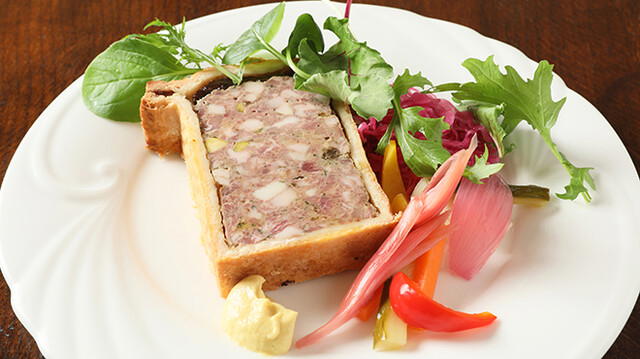
In Nagoya, the French-bistro format at Kizki is a question of scale, not spectacle. The room is best approached as compact enough for planning to matter, so the decision is less about ceremony than matching the right evening to a smaller dining format. Kizki belongs to Nagoya’s French-leaning dining conversation and is listed in Tabelog’s Hyakumeiten recognition for 2025, a signal that the city’s bistro conversation extends beyond long-established rooms and familiar special-occasion dining.
Nagoya is often framed through miso katsu, hitsumabushi, kishimen, and tebasaki, but its French restaurants show another side: practical, flexible, and comfortable with smaller formats. Kizki reads as a bistro and cafe hybrid rather than a temple of dégustation. The category matters. Bistro cooking in Japan rewards repeat use, flexible appetite, and an easygoing dinner rhythm, unlike higher-spend counters and kappo rooms built around a longer arc and fixed occasion.
A small Nagoya bistro format with regional recognition
The Tabelog Hyakumeiten 2025 selection is the restaurant’s clearest external credential. Tabelog’s Hyakumeiten lists are useful because they often capture restaurants below the global-awards radar but important within Japanese dining habits. For travellers, that distinction matters: a restaurant can be highly relevant locally without needing overseas press shorthand.
Here, the format points to a compact French meal rather than a grand tasting-menu declaration. The listed categories are bistro, French, and cafe, placing it in a looser, more accessible bracket than formal French dining. In Nagoya, the line between a serious local table and a destination-only restaurant can be measured in room scale, spend, and how much of the night must be planned around it.
The comparison set clarifies the point. Centro, Tori Ryori Masa, Nagoya Cochin Kappo Torifuku, and Kofukusai Kamekichi all help show how differently Nagoya restaurants can frame an evening across French and Japanese formats. Kizki occupies a modest French-bistro lane, with enough recognition to justify advance planning but not the ritual of a more formal special-occasion room. That makes it useful for travellers trying to understand Nagoya beyond its famous local dishes.
For broader mapping, Our full Nagoya restaurants guide is the better starting point, especially for readers deciding between French, yakitori, kappo, and local Nagoya specialties. Nearby editorial context can also come from other Nagoya restaurant pages and hotel dining coverage, each showing how the city spreads dining ambition across formats.
Why the booking matters more than the ceremony
The appeal is partly logistical. Small restaurants in Japan do not need theatrical scarcity to become difficult at peak times; limited space and local demand can be enough. For visitors, it is a planning question: choose Kizki for a focused French-bistro meal, not as a last-minute group fallback.
The 2025 Tabelog selection also shifts expectations. A bistro with regional recognition draws a different crowd from a neighbourhood cafe, even if the atmosphere is less formal than old-school French. Treat it as a small, recognised Nagoya table, not a casual stop that can absorb any schedule. This is where travellers misjudge Japanese city dining: the more modest the room, the less forgiving the timing can feel.
Its bistro positioning is another clue. In Japanese bistro culture, the dinner style often separates a casual French-influenced cafe from a more purposeful evening restaurant. The provided data names the category rather than individual dishes or producers, so the point is broader: bistro dining gives Nagoya visitors a middle path between local specialties and formal fine dining. It suits a dinner where the food matters, the room stays compact, and the night avoids the cost or duration of a higher-priced address.
That middle path is useful in a city where travellers often over-index on a few famous dishes. Nagoya’s dining identity is richer across categories: chicken cuisine, kappo, bistro cooking, hotel dining, and bar culture operate in parallel. For adjacent planning, Our full Nagoya hotels guide, Our full Nagoya bars guide, Our full Nagoya wineries guide, and Our full Nagoya experiences guide help place dinner inside a wider trip rather than treating the restaurant as a standalone trophy.
Where it fits in a Japan dining itinerary
Kizki is not for travellers chasing maximum ceremony. Its case is precision of use: a compact French-bistro dinner in Nagoya, recognised by a Japanese dining platform, with a spend profile listed at Dinner: JPY 6,000 - JPY 7,999 and Lunch: JPY 1,000 - JPY 1,999. That combination gives serious diners an option without turning the evening into a formal production.
The restaurant also illustrates a broader point about Japan’s regional dining cities. Tokyo and Kyoto dominate international attention, but revealing meals often happen where local demand shapes the room. Nagoya rewards diners who plan beyond the obvious and treat French, cafe, and bistro categories as part of everyday sophistication rather than imported decoration. Kizki’s Hyakumeiten placement supports that reading: it is a regional signal, not a global slogan.
For longer Japan itineraries, compare this Nagoya restaurant with restaurants elsewhere in the country and beyond. A compact French bistro in Nagoya serves a different purpose from other dining rooms in Japan, whether the comparison is a local-specialty counter, a casual cafe, or a more formal regional restaurant. Internationally, the contrast extends further: Japanese dining references change again once they leave Japan and enter overseas dining cultures.
The practical verdict: use Kizki when Nagoya needs a small-room French dinner with credible local recognition and a lower-key posture than the city’s more formal occasion restaurants. Planning matters because the format is compact; the reward is a clearer view of how French bistro culture has entered Nagoya’s dining rhythm.
Frequently asked questions
Is Kizki a family-friendly restaurant?
Kizki does not list a family-friendly designation in its provided venue data. The restaurant is in Nagoya and is best approached as a compact bistro, French, and cafe-format venue suited to planned dining.
Is Kizki formal or casual?
Kizki reads as casual to relaxed rather than formal, with a bistro, French, and cafe format in Nagoya. Its Tabelog Hyakumeiten 2025 recognition gives it clear credibility, while the bistro positioning keeps the tone restrained.
How much does it cost to eat at Kizki?
Pricing at Kizki is listed as Dinner: JPY 6,000 - JPY 7,999; Lunch: JPY 1,000 - JPY 1,999.
What are the operating hours at Kizki?
Operating hours are not provided in the available venue data. Confirm the current schedule directly with Kizki before visiting.
Style and Standing
Comparable options at the same price tier.
| Venue | Cuisine | Price | Awards | Notes |
|---|---|---|---|---|
| KizkiThis venue (the venue you are viewing) | Dining | Not listed | Tabelog 100 #49 | Not listed |
| Kappo Hosono | Seasonal Japanese Kappo Counter | $100–150 | Tabelog 100 #65 | Higashi |
| Kappo Yabushita | Traditional Japanese Kappo | $100–150 | Tabelog 100 #60 | Naka |
| Tatsufumi Shiten | Traditional Sushi Omakase Counter | $100–150 | Tabelog 100 #5 | Higashi |
| Yakiniku & Teuchi Korean Cold Noodles Jiro Yanagibashi ten | A5 Wagyu Yakiniku & Handmade Korean Cold Noodles | $50–100 | Tabelog 100 #26 | Nakamura |
| Kofukusai Kamekichi | Sichuan Chinese | $50–100 | Tabelog 100 #18 | Higashi |
Recognition history
Dated appearances from independent guides and award organizations, with the underlying list record or original source where available.
Tabelog 100 #49 · No. 49
Tabelog · Tabelog 100 - French - EAST - 2025
Continue exploring
More in Nagoya
Restaurants in Nagoya
All restaurants in Nagoya →
Details
Current opening hours
- Monday
- Closed
- Tuesday
- Closed
- Wednesday
- 11:30 AM–1:30 PM, 5:30–8:30 PM
- Thursday
- 11:30 AM–1:30 PM, 5:30–8:30 PM
- Friday
- 11:30 AM–1:30 PM, 5:30–8:30 PM
- Saturday
- 11:30 AM–1:30 PM, 5:30–8:30 PM
- Sunday
- 11:30 AM–1:30 PM, 5:30–8:30 PM
Hours can change for holidays and private events. Hours as of .