
Tabelog 100 #60
Our verdict
Nagoya’s kappo dining is defined by intimacy, seasonality, and a quieter reading of Japanese cuisine than the city’s louder specialty counters. Kappo Yabushita sits in that small-format bracket with 20 seats, counter and tatami options, a fish-led kitchen, sake and shochu focus, and selection for Tabelog Japanese cuisine EAST “Tabelog 100” in 2021, 2023, and 2025.

Pearl is the En Primeur Club membership app, where members save venues, book tables and use the concierge.
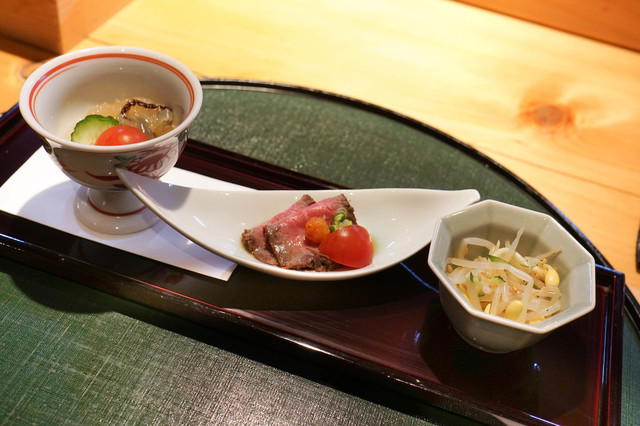
Nagoya after office hours has its own pace, distinct from the city’s brighter, faster dining corridors. Serious Japanese dining here is often quieter in tone: planned dinners, steady rhythms, and restaurants built on pacing and confidence rather than spectacle. Kappo Yabushita fits that Nagoya grammar: a Japanese restaurant in Nagoya, listed in the Japanese Cuisine category, with a profile that reads as composed rather than showy.
Kappo Yabushita is best read through its confirmed category and dining context rather than through assumptions about a fixed menu. The available listing places it within Japanese cuisine, while the restaurant’s name and positioning point diners toward a focused dinner rather than a casual all-purpose stop. That matters in Nagoya, where outsiders often reduce the city’s dining identity to miso, tebasaki, hitsumabushi, and station-building convenience. The stronger local story is broader: serious counters, noodle rooms, Japanese restaurants, specialist grills, and polished dining rooms competing for a smaller audience than Tokyo or Kyoto command.
A Japanese kappo format in a city better known for stronger flavours
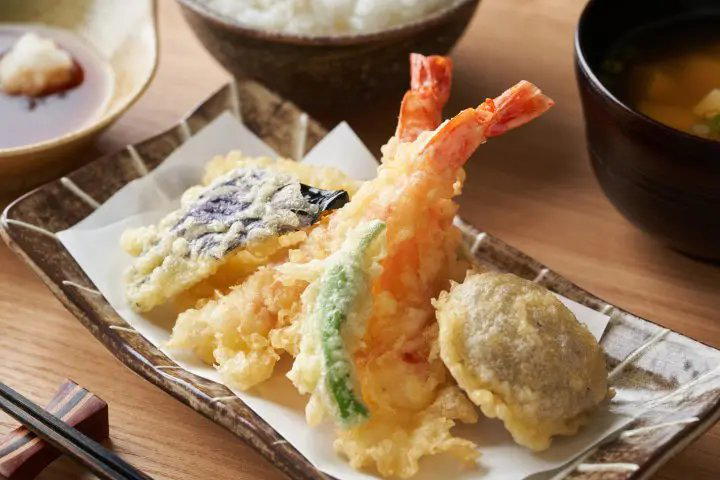
Nagoya’s regional food culture is known for concentration: red miso, sweet-savoury sauces, eel rice, fried chicken wings, and dishes built for impact. Kappo Yabushita works better as a Japanese-cuisine dinner to approach with attention rather than as a checklist meal for local specialities. No specific course list should be assumed, but the category tells the experienced diner the broad direction of the evening: not a noodle-shop stop, not a sushi-only comparison, and not a dining room trying to cover every occasion.
The dinner price band, JPY 15,000 to JPY 19,999, places the restaurant in a serious middle-to-upper Nagoya bracket rather than the city’s casual everyday tier. Chuka Soba Ueda Seimen Ten operates in a much lower noodle-shop lane, while Nepal STATION sits in an everyday restaurant bracket. Sushi-focused rooms such as Sushimichi Sakurada, 寿し道 桜田, and Sushisho belong to a different decision tree, where the question is sushi craft and counter availability. Kappo Yabushita is for the diner choosing a Japanese-cuisine dinner in Nagoya rather than one of those narrower or more casual lanes.
The Tabelog Hyakumeiten recognition in 2025 gives the room a signal beyond neighbourhood loyalty. Tabelog’s lists are not Michelin and should not be read as the same award economy. They matter in Japan’s domestic dining culture because they surface restaurants Japanese diners discuss, book, and score by category. A 2025 listing, with a published Tabelog score of 3.54, places Kappo Yabushita inside a competitive regional conversation, not just Nagoya’s local map.
The room favours conversation over spectacle
The intended evening is best understood through the Japanese-cuisine lens: measured planning, a serious dinner budget, and a style that suits a reserved meal rather than a hurried stop. It is the sort of address where the value is in the overall dining experience and the mood of the room, not in spectacle or a single advertised plate. For travellers, that makes it a restaurant to approach with time, appetite, and a willingness to let the venue’s format lead.
Its presence in a national dining conversation gives the restaurant another kind of authority. In a city where new rooms can chase social-media heat and quick concept turnover, a Japanese restaurant visible on category lists is not trading only on novelty. The better read is consistency within a focused category: enough clarity for diners comparing options, enough standing to appear in a recognised domestic guide context, and enough identity to remain clearly in the Japanese-cuisine lane.
For travellers, the Nagoya context matters. This is not Japan’s easiest city for English-first dining discovery, and many stronger meals sit outside obvious tourist circuits. Nagoya is practical as a dining base: central, compact, and full of restaurants that reward planning beyond the most obvious visitor routes. Readers building a full itinerary can place this dinner alongside Our full Nagoya restaurants guide, then widen the city plan through Our full Nagoya hotels guide, Our full Nagoya bars guide, Our full Nagoya wineries guide, and Our full Nagoya experiences guide.
How to place it in a Nagoya dining itinerary
The restaurant’s role is clearest when the trip already includes Nagoya’s classic regional dishes elsewhere. Kappo Yabushita makes less sense as a first meal for ticking off local specialities; it makes more sense afterward, when the question becomes where the city’s Japanese cooking turns quieter and more composed. The serious dinner price band points to advance planning, while travellers should rely on current listing channels or concierge support rather than assuming every practical detail is fixed in advance.
Its practical strengths are compactness of purpose and category focus. The core value is the seated Japanese-cuisine experience: a planned dinner, measured expectations, and a setting that rewards attention over speed. In a city with many casual comforts, that narrower intent is the point. Kappo Yabushita is not trying to summarise Nagoya in one meal; it gives visitors a way to step into a more composed register of the city’s dining culture.
For comparison across Japan and beyond, EP Club’s restaurant archive shows how formats solve different dining problems: unnamed dining rooms, casual counters, polished restaurants, and specialist addresses all sit in different service lanes. The wider network also includes other dining in Japan and abroad, from everyday rooms to more focused destination meals. Against that range, Kappo Yabushita reads as a disciplined Nagoya address for diners who want Japanese cuisine in a serious dinner bracket rather than a broader survey of local comfort food.
Frequently asked questions
What's the vibe at Kappo Yabushita?
It is framed as a quieter Japanese-cuisine meal in Nagoya, with a mood that suits conversation more than spectacle. Expect a composed dinner rather than a fast, casual stop.
What's the pricing like at Kappo Yabushita?
Pricing at Kappo Yabushita is listed as JPY 15,000 - JPY 19,999 View spending breakdown.
What are the opening hours for Kappo Yabushita?
Current opening hours should be checked through up-to-date listing channels before visiting.
What's the address for Kappo Yabushita?
Nagoya.
What has Kappo Yabushita built its reputation on?
Its clearest credential is Tabelog Hyakumeiten recognition in 2025. The listing also gives Japanese Cuisine as the category, a Tabelog score of 3.54, and a dinner price range of JPY 15,000 to JPY 19,999.
Same-City Peers
Nearby venues at a similar price tier for orientation.
| Venue | Cuisine | Price | Awards | Notes |
|---|---|---|---|---|
| Kappo YabushitaThis venue (the venue you are viewing) | Traditional Japanese Kappo | $100–150 | Tabelog 100 #60 | Not listed |
| Sushimichi Sakurada | Edomae Sushi Omakase | $100–150 | Tabelog Bronze | Not listed |
| Chuka Soba Ueda Seimen Ten | Japanese Ramen | $1–10 | Tabelog 100 #85 | JPY 999 - JPY 999 |
| Nepal STATION | Authentic Nepalese & Curry Restaurant | $10–20 | Tabelog 100 #60 | JPY 1,000 - JPY 1,999 |
| Sushisho | Akita Edomae Omakase | $500+ | Tabelog Bronze #433 | Not listed |
Recognition history
Dated appearances from independent guides and award organizations, with the underlying list record or original source where available.
Tabelog 100 #60 · No. 60
Tabelog · Tabelog 100 - Japanese cuisine - EAST - 2025
Continue exploring
More in Nagoya





Details
- Cozy
- Elegant
- Intimate
- Business Dinner
- Date Night
- Special Occasion
- After Work
- Solo
- Chefs Counter
- Private Dining
- Standalone
- Sake Program
- A La Carte
- Set Menu
- Counter Dining
- Sake
- Shochu
- Pescatarian Friendly
Current opening hours
- Monday
- 5–11 PM
- Tuesday
- 5–11 PM
- Wednesday
- 5–11 PM
- Thursday
- 5–11 PM
- Friday
- 5–11 PM
- Saturday
- 5–11 PM
- Sunday
- 6–8 PM
Hours can change for holidays and private events. Hours as of .
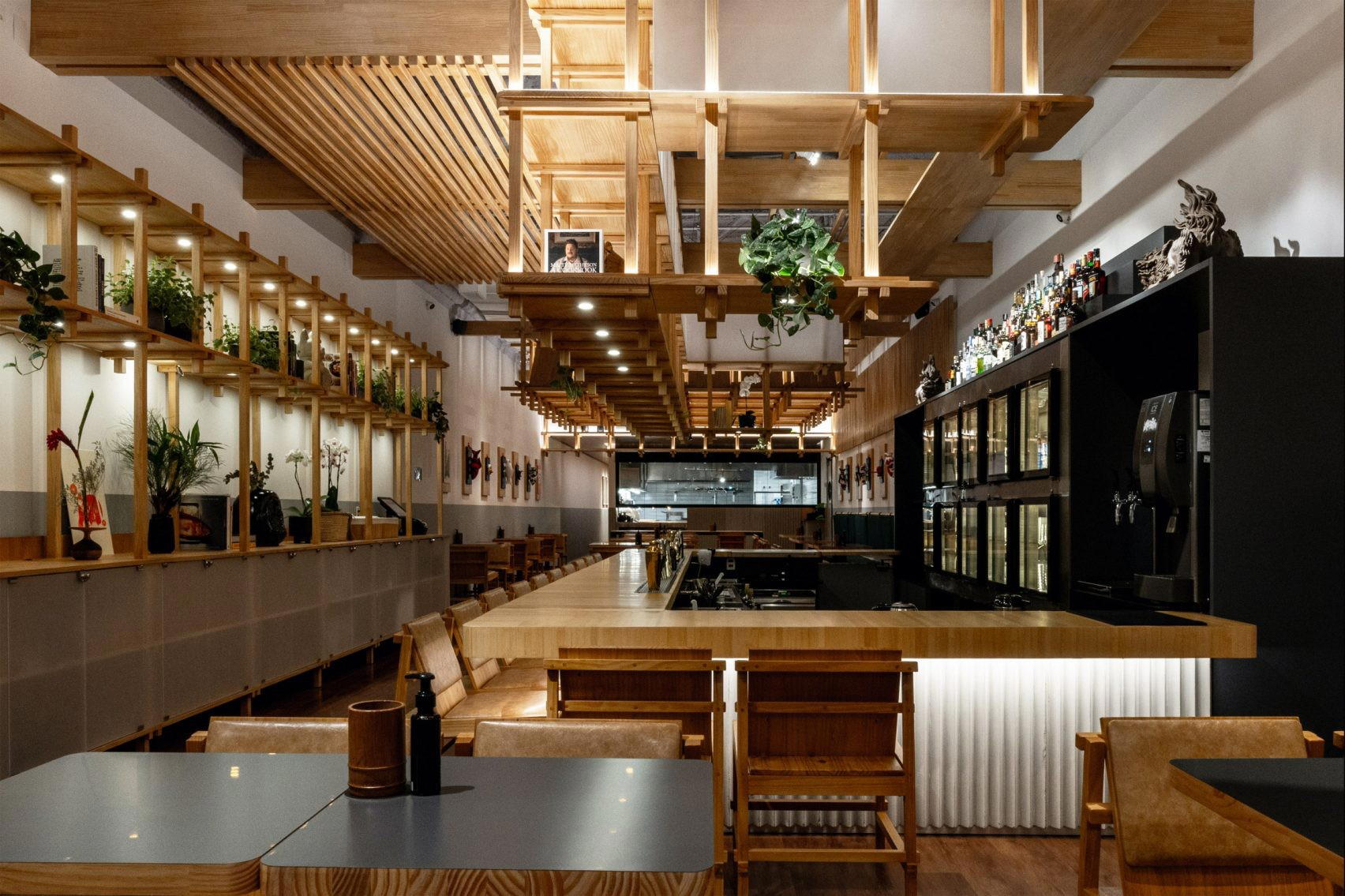
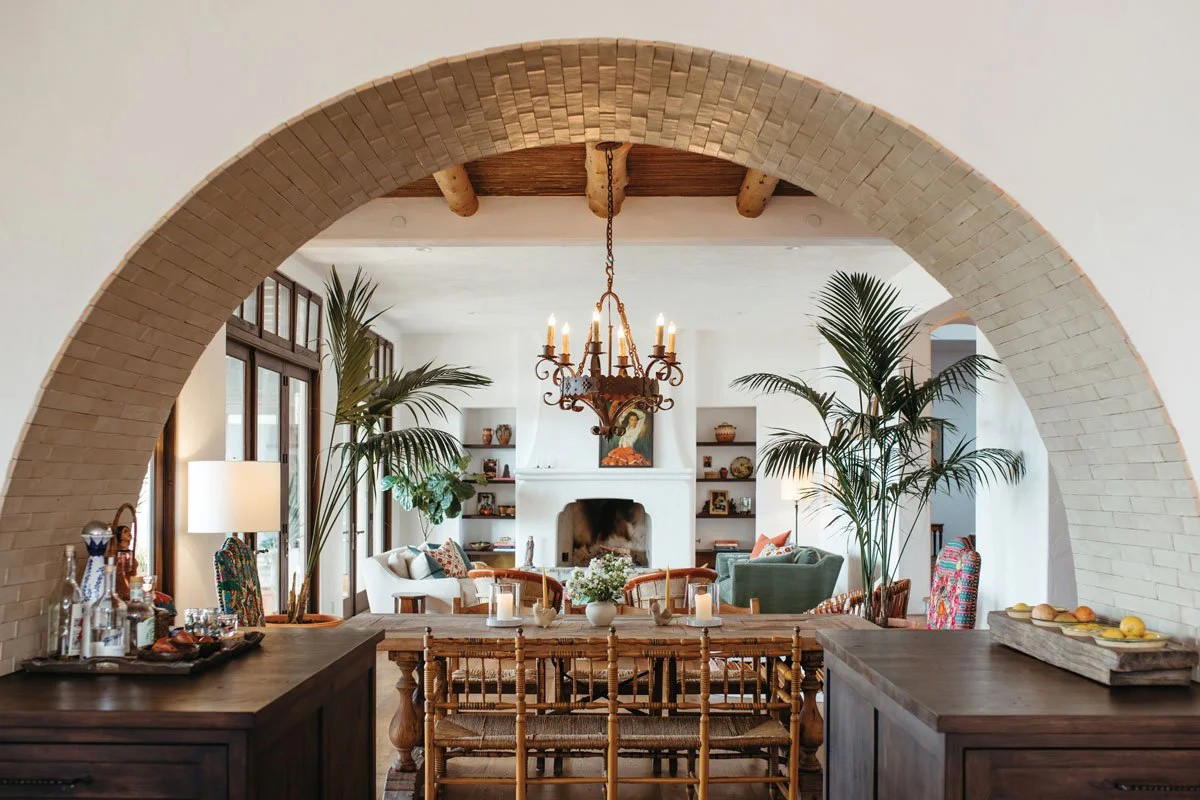
Small and stylish with counter and tatami sunken seating, non‑smoking, and a relaxed but polished atmosphere suited to quiet conversations among friends or business acquaintances.