
Michelin Plate
Our verdict
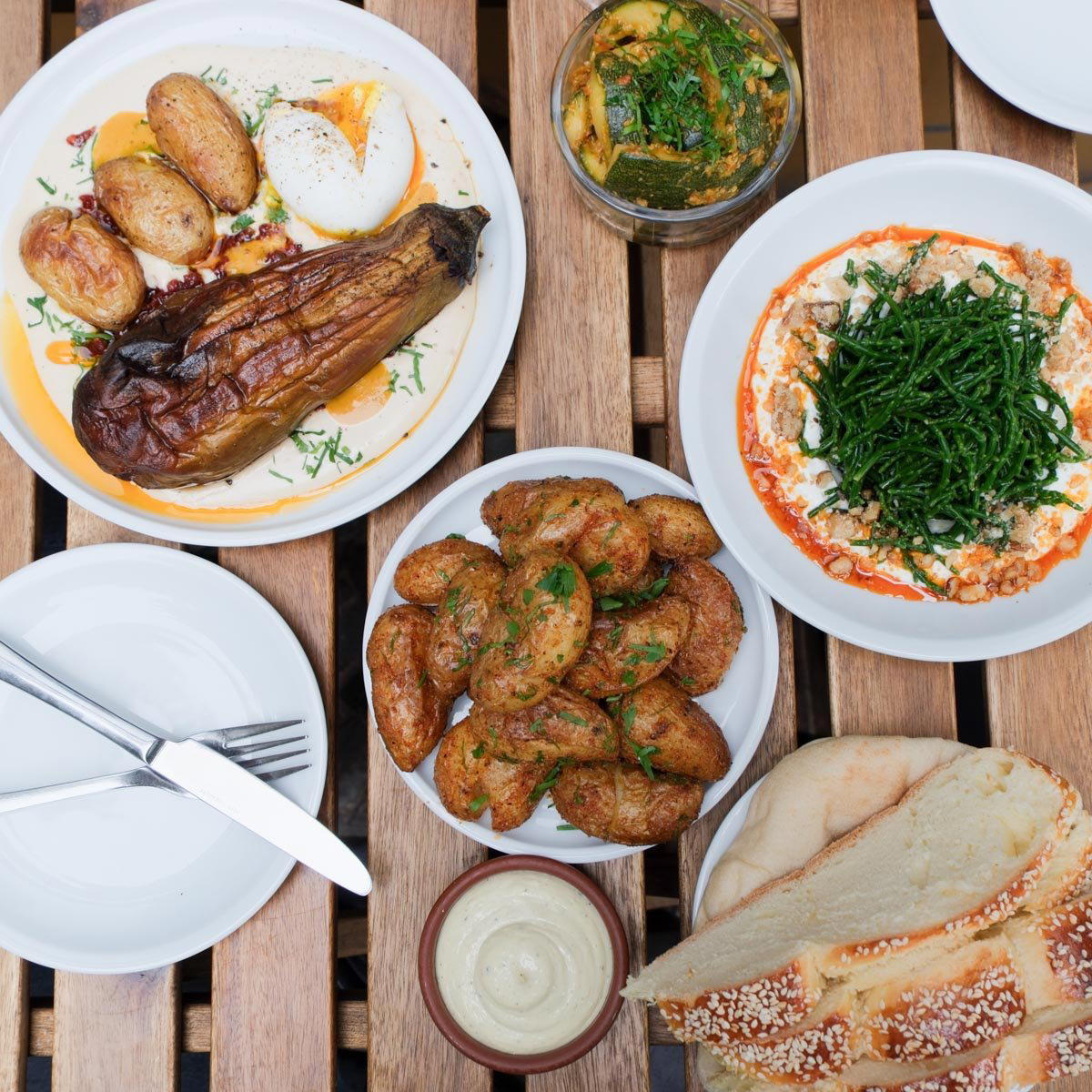
On Friedelstraße in Neukölln, Kitten Deli serves vegetarian Levantine cooking in a room that feels more old Berlin tavern than modern café, worn floorboards, panelled walls, and street-side terrace tables setting the tone. Sharing plates like hummus with roasted cauliflower and shakshuka sit alongside freshly baked pita and challah. The bread alone draws regulars back.

Pearl is the En Primeur Club membership app, where members save venues, book tables and use the concierge.
The menu
What to order
- Hummus with roasted cauliflower
- Sabich plate
- Shakshuka
- Roasted eggplant
- Challah bread
- Labneh
Old Neukölln, Levantine Table
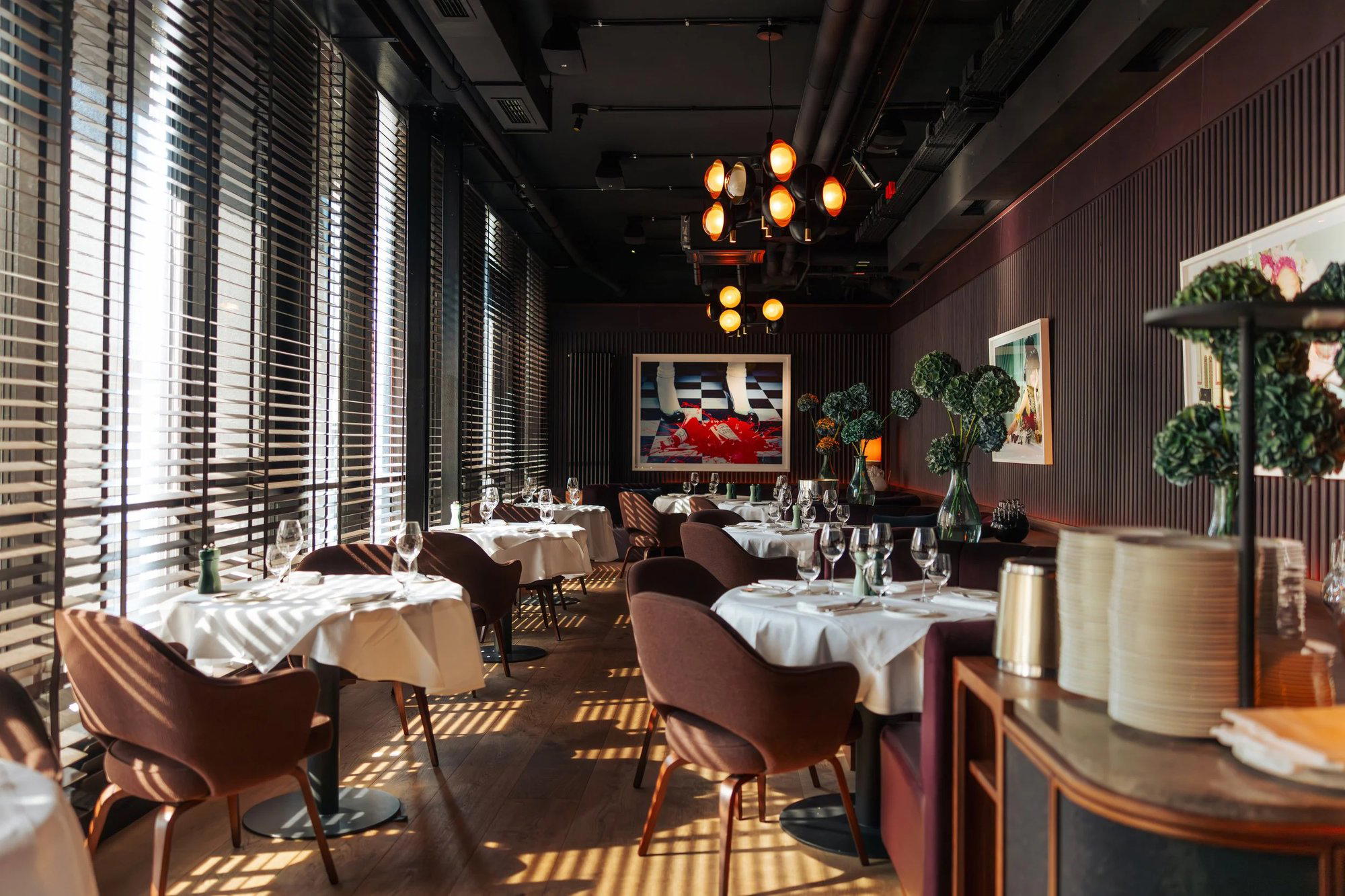
Friedelstraße is the kind of street that resists the glossier edge of Berlin's dining scene. The buildings are worn in a way that feels deliberate rather than neglected, and the neighbourhood retains a density of everyday life that many parts of the city have traded away. It is in this context that Kitten Deli makes complete sense: a room with old floorboards, panelled walls, and a counter that reads more like a traditional Berlin tavern than a Levantine restaurant. The tables are small and arrive without tablecloths. In warmer months, seating spills onto the pavement outside. The atmosphere is sociable in the way that neighbourhood restaurants in this part of the city tend to be, unhurried, genuinely casual, and not performing at you.
Where the Menu Sits in Berlin's Wider Vegetarian Conversation
Berlin has one of the most developed vegetarian and vegan dining cultures in Germany, a product partly of the city's long-running counterculture and partly of demographic shifts that gathered pace through the 2000s. What has changed more recently is the culinary source material. A decade ago, vegetarian dining in Berlin leaned heavily on either Central European grain-and-root cooking or generic pan-Asian formats. The Levantine turn, built on chickpeas, tahini, fresh herbs, eggs, and wood-oven bread, has given the city's plant-forward kitchens a more ingredient-driven foundation, one where technique matters because the ingredients themselves are worth showcasing rather than masking.
Kitten Deli operates squarely within that tradition. The menu centres on dishes designed for sharing: hummus with roasted cauliflower, shakshuka. These are not fusion experiments. They are dishes with clear lineages in the eastern Mediterranean, applied here with the kind of consistency that turns a neighbourhood spot into a fixture. The editorial angle worth noting is not that the food is vegetarian, that is the baseline, but that it works through the logic of Levantine cooking: acid, fat, char, and fresh herb in proportion, served at the right temperature rather than assembled for visual effect.
The Bread Question
In Levantine cooking, bread is not an accessory. Pita and challah occupy different symbolic and culinary registers, pita the everyday flatbread of the Arab kitchen, challah the enriched, egg-yolk-golden loaf of Ashkenazi Jewish tradition, and a kitchen that bakes both is signalling something about the breadth of its reference points. At Kitten Deli, both come from the oven fresh and can be purchased to take away. That takeaway option matters: it positions the kitchen's baking as a product worth having outside the restaurant context, and it draws a different kind of customer to the counter, one who might not sit down but returns specifically for the bread.
The intersection of these two bread traditions also speaks to the editorial angle of local adaptation meeting imported method. Berlin has a serious baking culture of its own, and the city's sourdough and rye traditions share an emphasis on fermentation and long development that aligns well with the slower processes behind good challah. The result is bread that carries the logic of its origin and lands in a city with the infrastructure, and the appetite, to appreciate it.
Kitten Deli in Berlin's Broader Dining Map
It is worth placing Kitten Deli in relation to the rest of what Berlin's restaurant scene offers, if only to make clear that it occupies a very different tier and register from the city's fine dining circuit. Berlin has a cluster of ambitious, technically demanding restaurants at the leading end: Rutz, Nobelhart & Schmutzig, FACIL, CODA Dessert Dining, and Restaurant Tim Raue all sit at the €€€€ end of the market and demand advance booking and a different kind of attention from the diner. Kitten Deli asks none of that. It is a neighbourhood restaurant in the functional sense: a place that works for a Tuesday evening as readily as a Saturday lunch, where the format supports conversation rather than demanding that you orient your evening around the kitchen's schedule.
That distinction matters for travellers using our full Berlin restaurants guide. The city's dining offer is genuinely wide, and knowing which register a venue operates in helps set expectations correctly. Kitten Deli belongs to a tier of Berlin eating that is often under-documented precisely because it does not generate the kind of credential trail that review aggregators track, no tasting menu, no starred lineage, no wine programme to dissect. What it has instead is the durability of a place that works for the people who live nearby.
For those building a fuller Berlin itinerary, the Berlin hotels guide, bars guide, experiences guide, and wineries guide cover the rest of the city's offer. Germany's wider dining circuit, from Aqua in Wolfsburg to Schwarzwaldstube in Baiersbronn and Vendôme in Bergisch Gladbach, operates at a different altitude altogether, as do JAN in Munich and ES:SENZ in Grassau. Restaurant Haerlin in Hamburg represents the northern anchor of that tier. Internationally, Le Bernardin in New York City and Emeril's in New Orleans define what the best of the fine dining register looks like in a North American context. Kitten Deli is not competing in any of those conversations, and that is precisely its value.
Planning Your Visit
Kitten Deli is at Friedelstraße 30 in Neukölln. The terrace runs along the street in front of the restaurant and is the place to be when the weather cooperates. Inside, the room is small and the tables are close together. The bread is available to take home, which makes the visit worthwhile even for those who are not stopping for a full meal. Neukölln rewards walking: the neighbourhood around Friedelstraße has enough independent food and drink to fill an afternoon without effort.
Frequently asked questions
Where do I go for Kitten Deli?
Kitten Deli is located at Friedelstraße 30, Berlin.
Has Kitten Deli won any awards?
Kitten Deli has received recognition including: The atmosphere here is friendly and vibrant, both on the terrace, with tables laid out on the street in front of the restaurant, and inside, where diners are seated at small tables (no tablecloths here), and old floorboards, panelled walls ….
What do regulars order at Kitten Deli?
The sharing plates are the entry point: hummus with roasted cauliflower and shakshuka are both documented as signature dishes. The bread is the real draw for many, with pita and challah baked fresh and available to take home, meaning regulars often leave with a loaf as well as a meal.
What's the best way to book Kitten Deli?
Kitten Deli is at Friedelstraße 30 in Neukölln. Phone and online booking details are not currently listed, so arriving directly, especially for a terrace table in good weather, is the most reliable approach. Weekday visits tend to offer more flexibility than weekend evenings.
What's Kitten Deli best at?
Kitten Deli's clearest strength is its bread: pita and challah come fresh from the oven and sit at the centre of the Levantine menu rather than beside it. The format, small tables, a tavern-like interior, and a street-facing terrace, suits a long, sharing-plate lunch over a quick dinner.
Is Kitten Deli allergy-friendly?
The menu is fully vegetarian and draws on Levantine staples, dishes like hummus, shakshuka, and fresh-baked bread form the core.
Fast Comparison
Comparable venues nearby, for context on price, style, and recognition.
| Venue | Cuisine | Price | Awards | Notes |
|---|---|---|---|---|
| Kitten DeliThis venue (the venue you are viewing) | Israeli Mediterranean Vegetarian | $20–30 | Michelin Plate | Not listed |
| Chicha | Peruvian | Not listed | Michelin Plate | Neukolln |
| JAJA | Modern Natural Wine Bistro | $30–50 | Michelin Plate · Star Wine List | Neukolln |
| Monte Mente Restaurant | Modern Mediterranean Pizza & Pasta | $20–30 | Not listed | Tiergarten |
| Lebenswelten im Humboldt Forum | Sustainable German Bistro with Vegetarian Focus | $20–30 | Not listed | Mitte |
| Restaurant Hackescher Hof | Modern German Regional | $30–50 | Not listed | Mitte |
Recognition history
Dated appearances from independent guides and award organizations, with the underlying list record or original source where available.
Michelin Plate
Michelin · 2026 Michelin Plate
Continue exploring
More in Berlin
Restaurants in Berlin
All restaurants in Berlin →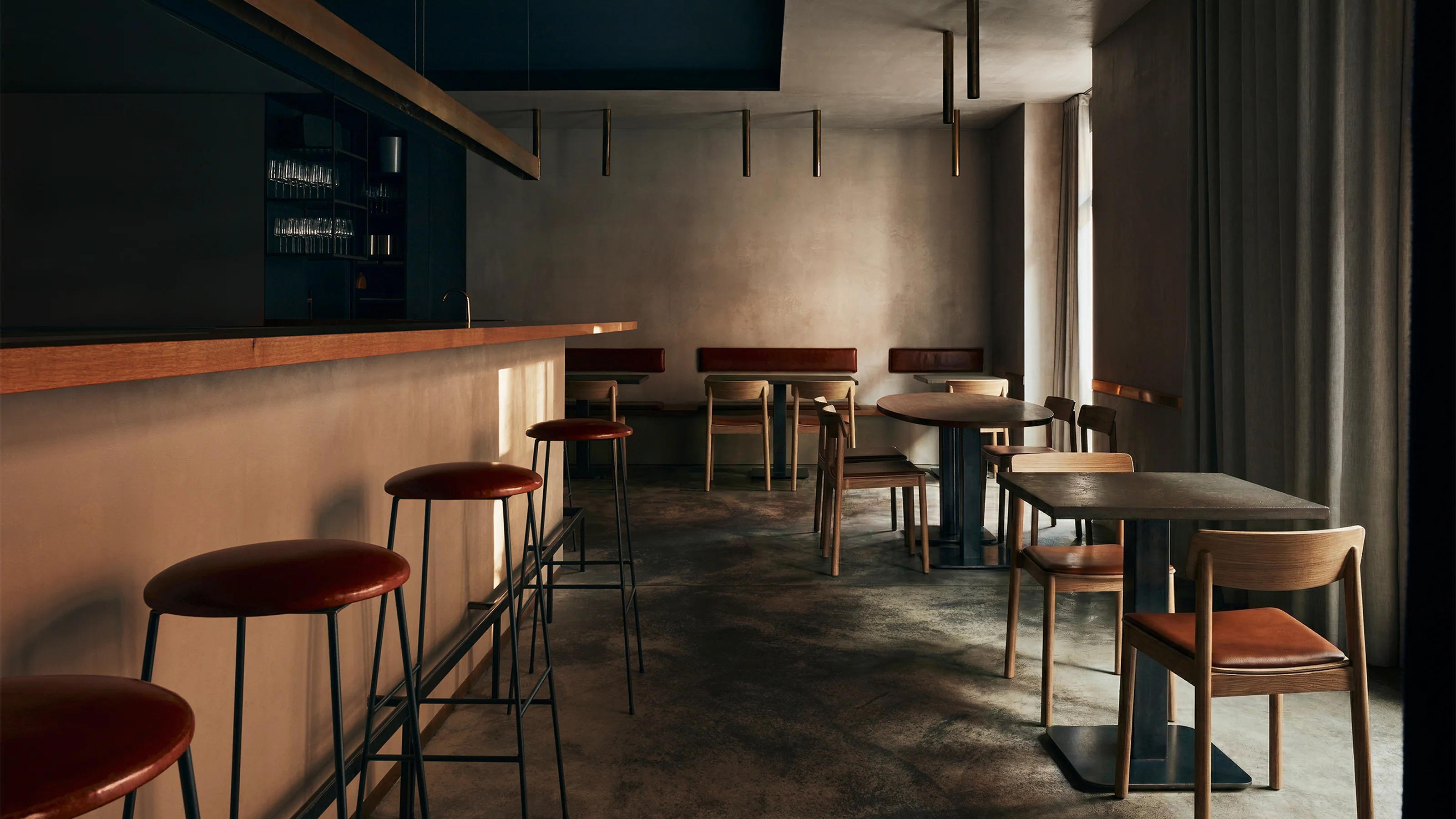
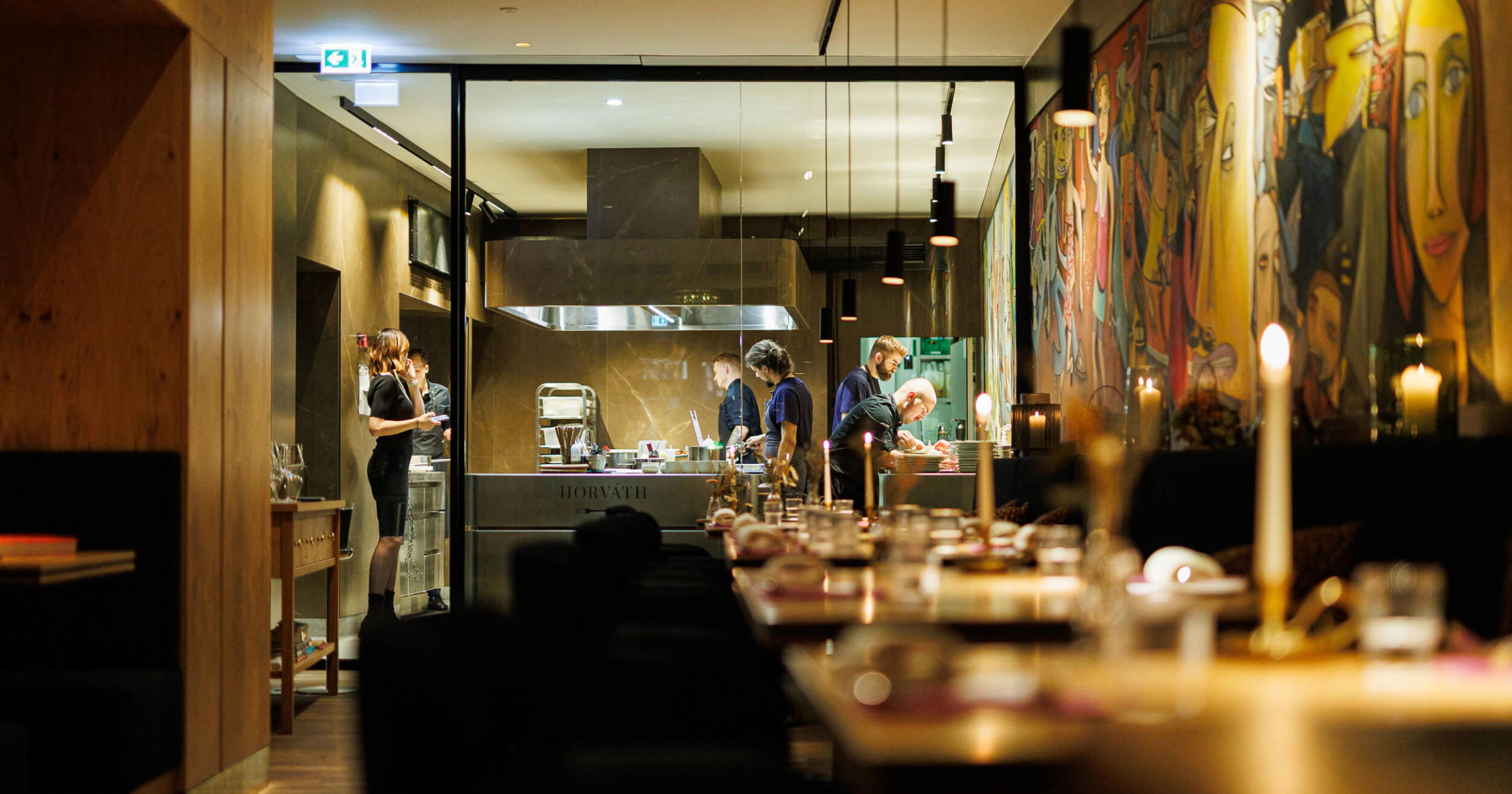
Bars in Berlin
All bars in Berlin →


Details
- Cozy
- Rustic
- Lively
- Brunch
- Casual Hangout
- Group Dining
- Date Night
- Terrace
- Standalone
- Street Scene
- A La Carte
- Family Style
- Wine
- Coffee
- Homemade Lemonade
- Vegetarian Friendly
- Vegan Options
Current opening hours
- Monday
- 12–10 PM
- Tuesday
- 12–10 PM
- Wednesday
- Closed
- Thursday
- 12–10 PM
- Friday
- 12–10 PM
- Saturday
- 10 AM–10 PM
- Sunday
- 10 AM–10 PM
Hours can change for holidays and private events. Hours as of .
Warm, friendly, and lively atmosphere with old wooden floorboards, panelled walls, and a traditional tavern-like interior; outdoor terrace seating on the street provides European charm and people-watching opportunities.