Kiti Panit

A Michelin Plate-recognised restaurant on Tha Phae Road, Kiti Panit occupies an 1880s Lanna mansion that frames the meal before the food arrives. The kitchen works through Northern Thai tradition with dishes like hang le mu and stir-fried beef with prickly ash, sitting in the mid-range tier where serious regional cooking and heritage setting converge.
Pearl is the En Primeur Club membership app — saves, bookings, and concierge access live there. Same editors, same standards.
- Address
- 19 Tha Phae Road, Chang Khlan Sub-district, Mueang Chiang Mai District, Chiang Mai 50100, Thailand
- Phone
- +66 80 191 7996
- Website
- kitipanit.com
- Directions
- Get directions
 Saves & bookings on Pearl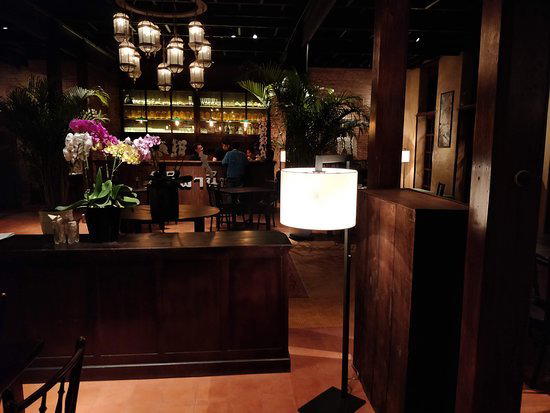
Where the Building Sets the Standard Before the Kitchen Does
Chiang Mai's Northern Thai dining scene divides, broadly, into two modes: the open-air hawker format that built the city's reputation for accessible, fire-driven cooking, and the heritage-building genre that uses colonial or Lanna architecture to frame a more considered meal. Kiti Panit belongs firmly to the second category. The restaurant occupies an 1880s mansion on Tha Phae Road, and the weight of that setting shapes what the kitchen chooses to put on the plate. Lanna cuisine, with its Burmese, Yunnanese, and hill-tribe inflections, has always carried more complexity than the standard Thai repertoire; in a room like this, the expectation is that the cooking matches the architecture.
That expectation is largely met. The Michelin Plate designation signals steady quality across recent visits. For Northern Thai cooking at the ฿฿ price tier, that is a meaningful credential. It places Kiti Panit among Chiang Mai restaurants offering regional authenticity within a sit-down format.
Lanna Food and What It Actually Means on the Plate
Northern Thai cuisine is not a simplified version of the central Thai canon. It developed under a different kingdom, the Lanna, and absorbed centuries of cross-border trade with Burma and Yunnan. The result is a regional palette that runs darker and more fermented than Bangkok cooking: less coconut milk, more dried spices, more use of bitter herbs and fermented soy. Hang le, the pork curry that anchors the Northern Thai repertoire, arrived via the Burmese trade routes and reads nothing like a southern Thai curry. Its depth comes from tamarind, ginger, and a spice paste that builds slowly rather than hitting immediately.
Kiti Panit's version of hang le is intense and complex, which suits the dish well. The hang le mu, the pork variation, is flagged as rich and full-flavoured, suited to the Northern Thai practice of eating with sticky rice rather than steamed jasmine. The stir-fried beef with prickly ash is the more technically precise dish on this menu: Sichuan peppercorn's Northern Thai cousin, prickly ash produces a numbing, aromatic effect that is distinct from the chilli heat common to the rest of the country. Getting the balance right on a dish built around that ingredient requires restraint and timing. The savoury grilled chicken salad with coriander sits at the lighter, more acidic end of the menu, the kind of dish that functions as counterpoint to the heavier curry courses.
This combination of dishes demonstrates range across the Northern Thai register rather than a narrow focus. Diners who have eaten at Gongkham or Huan Soontaree will recognise the reference points; what Kiti Panit adds is the mansion setting and a menu framing that positions these dishes as a curated sequence rather than an à la carte selection from a regional street tradition.
Heritage Architecture as a Dining Context
The 1880s origin of the building matters here, not as a tourism talking point, but as a structural fact that changes what the meal feels like. Lanna architecture of that period used teak extensively, designed around ventilation rather than insulation, and was built to a domestic scale that no modern restaurant project can reproduce. Eating in a building that carries that history is different from eating in a contemporary room fitted with period references. The texture of the space is earned rather than designed.
The owners' decision to convert a family property spanning four generations into a restaurant keeps the setting rooted in family history. Comparable approaches appear in different registers across the region: the design-led heritage property model has gained traction from Bangkok to Penang. At the restaurant, the framing is more domestic and less theatrical than a flagship heritage hotel conversion. The mansion scale keeps the atmosphere contained rather than grand.
Where Kiti Panit Sits in Chiang Mai's Northern Thai Scene
Chiang Mai's Northern Thai restaurant category spans an unusually wide range of formality and price. At the accessible end, single-dish specialists and open-air hawker stalls serve khao soi and larb to regulars who have been eating there for decades. At the more considered end, heritage-building restaurants and tasting-menu formats draw visitors and urban Thai diners who want a fuller reading of the regional tradition. The comparison extends beyond the city: Huen Lamphun in Bangkok's Taling Chan and Khao Soi Thai Yai in Udon Thani show how the Northern Thai canon travels, but the source material remains in Chiang Mai.
The restaurant operates in the middle of that range, at ฿฿ pricing with Michelin recognition, which puts it above the street-stall tier without the expense or formality of a tasting-menu operation. Chum in Saraphi represents a different take on regional cooking at a comparable price tier. For a longer view of where Northern Thai sits within Thailand's broader Michelin-recognised dining scene, the contrast with Sorn in Bangkok, which pursues Southern Thai cooking at two-star level, shows how regional specificity has become a point of serious critical interest rather than a secondary category. Elsewhere in Thailand, venues like PRU in Phuket and AKKEE in Pak Kret demonstrate the range of what Michelin recognition now covers across the country's regions.
Planning a Visit
The restaurant sits on Tha Phae Road in the Chang Khlan sub-district, one of the more accessible parts of central Chiang Mai for visitors staying near the Old City or the Night Bazaar area. The address puts it within easy reach of both zones. At ฿฿ pricing, the meal sits in a range where a full table order of multiple dishes, including the hang le mu and the prickly ash beef, lands at a cost that represents strong value against comparable heritage-setting restaurants in Bangkok or Phuket.2 across 919 reviews indicates consistent performance over a substantial number of visits.
Visitors with a specific interest in comparing Northern Thai cooking across formats and price points will also find relevant context in Agave in Ubon Ratchathani and Angeum in Ayutthaya, both of which work regional Thai traditions at different points on the formality scale. Also worth noting in the broader context of The Spa in Lamai Beach, where setting and cuisine interact in a comparably deliberate way.
In Context: Similar Options
Comparable venues nearby, for context on price, style, and recognition.
| Venue | Cuisine | Price | Awards | Notes |
|---|---|---|---|---|
| Kiti PanitThis venue — the venue you are viewing | Modern Northern Thai Lanna | $$ | Michelin Plate | Not listed |
| Lumdee Te Khuadang | Northern Thai | $$ | Michelin Plate | San Sai |
| Chum (Saraphi) | Northern Thai | $$ | Michelin Plate | Saraphi |
| Poondang Kaengron | Northern-influenced Thai | $$ | Michelin Plate | Saraphi |
| Baan Landai | Authentic Fine Thai Cuisine | $$ | Michelin Plate | Mueang Chiang Mai |
| Huan Soontaree | Northern Thai (Lanna Cuisine) | $$ | Bib Gourmand | Mueang Chiang Mai |
Recognition history
Dated appearances from independent guides and award organizations, with the underlying list record or original source where available.
Michelin Plate
Michelin
Michelin Plate
Michelin
Michelin Plate
Michelin
Continue exploring
More in Chiang Mai
Restaurants in Chiang Mai
Browse all →
Bars in Chiang Mai
Browse all →
At a Glance
- Cozy
- Elegant
- Rustic
- Historic
- Intimate
- Date Night
- Special Occasion
- Historic Building
Current opening hours
- Monday
- 11:30 AM–3 PM, 5–10 PM
- Tuesday
- Closed
- Wednesday
- 11:30 AM–3 PM, 5–10 PM
- Thursday
- 11:30 AM–3 PM, 5–10 PM
- Friday
- 11:30 AM–3 PM, 5–10 PM
- Saturday
- 11:30 AM–3 PM, 5–10 PM
- Sunday
- 11:30 AM–3 PM, 5–10 PM
Hours can change for holidays and private events. Last verified .
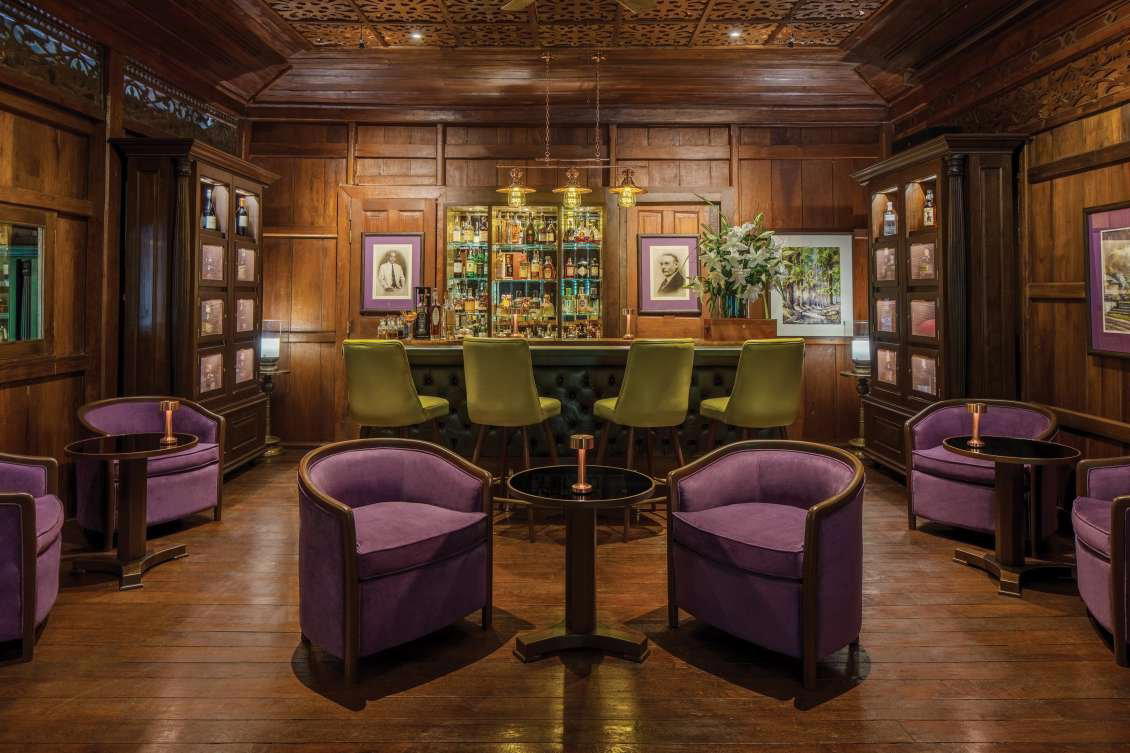
Warm wood interiors with vintage details, original 100-year-old furniture, and paintings create a calm, elegant, and historic atmosphere well-suited for cozy conversations.