
Tabelog 100 #56
Our verdict
Kitchen Umagoya puts Kofu’s tonkatsu conversation in a regional frame: pork cutlet as sourcing, frying discipline, and everyday luxury rather than ceremony. Its repeated selection for Tabelog 100 Tonkatsu, including 2026, gives the small Yumura dining room a credential that matters in a category usually dominated by bigger-city counters.

Pearl is the En Primeur Club membership app — saves, bookings, and concierge access live there. Same editors, same standards.
- Address
- 2 Chome-6-22 Yumura, Kofu, Yamanashi 400-0073, Japan
- Phone
- +81 55-252-7215
- Hours
- Mon–Wed ClosedThu 11:30 AM–1:30 PMFri–Sun 11:30 AM–1:30 PM, 5:30–7:30 PM
- Website
- tabelog.com
- Directions
- Get directions
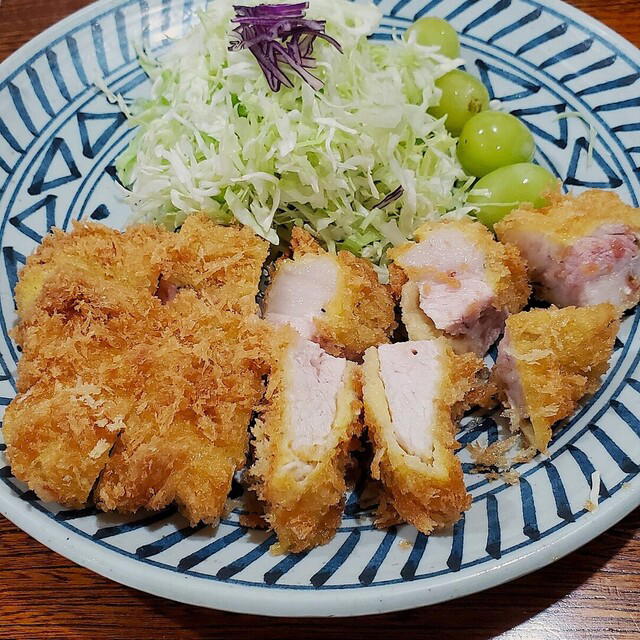
The menu
What to order
- Tonkatsu (pork cutlet)
- Kurobuta aged tenderloin cutlet
Kofu is not a city that needs to impress on arrival. Its restaurant culture can feel low-rise, practical, and quietly local: the kind of place where a serious lunch can sit behind an unshowy frontage and still draw people who care about frying oil, pork texture, and the economics of a cutlet set. Kitchen Umagoya belongs to a distinctly Japanese tradition: a specialist restaurant with a narrow category, execution as argument, and reputation built plate by plate rather than through theatre.
Tonkatsu is often treated abroad as comfort food, but in Japan its sharper end is control. The pork must justify the thickness; the breading must protect rather than smother; the fryer must turn fat into flavour without heaviness. Kofu adds its own logic. Yamanashi dining is shaped by agriculture, mountain routes, hot-spring culture, fruit-growing country, and a local appetite for restaurants that feel useful rather than decorative. A tonkatsu room here does not need big-city posture to matter.
Why Kofu's tonkatsu reputation turns on sourcing and restraint
The key signal is category recognition. Kitchen Umagoya was selected for Tabelog Hyakumeiten in 2026 in the tonkatsu category. That places it in a pork-cutlet conversation beyond a purely local one. Tabelog’s Hyakumeiten lists are not Michelin-style star ratings; they are category-specific selections, and for tonkatsu that distinction is useful. The format rewards kitchens whose work is legible through a single dish family.
Control matters because tonkatsu exposes weak execution quickly. Unlike heavily sauced plates or charcoal-forward grilled formats, the cutlet leaves pork, crumb, oil, cabbage, rice, and condiment little room to hide. Tonkatsu recognition means a kitchen is being judged on consistency in a deceptively narrow lane. The appeal is not novelty but the discipline of turning a familiar dish into a benchmark meal without asking diners to treat it as fine dining.
Kofu’s broader restaurant map clarifies that position. The city supports a range of other dining options, including chainizu dainingu masamune, Yakiniku ATSU, and Yakitori 58. Tonkatsu sits differently: less a long evening than the precision of a staple. For travellers mapping the city through food, Our full Kofu restaurants guide gives the wider frame, while Our full Kofu hotels guide, Our full Kofu bars guide, Our full Kofu wineries guide, and Our full Kofu experiences guide place the meal inside a wider Yamanashi itinerary.
A focused format that keeps the attention on the cutlet
The useful way to read Kitchen Umagoya is as a focused specialist rather than a broad, all-purpose dining room. That scale of ambition suits the category. Tonkatsu suffers when it becomes banquet food, because the interval between fryer and table is part of the pleasure. A specialist format keeps attention close to the dish and makes the meal feel more craft routine than general restaurant sprawl.
The same restraint shapes the expectation. This is not decorative hospitality language, and it does not need to be. A tonkatsu specialist works best when the meal itself is the event: the crust, the heat, the cut, the rice, the cabbage, and the condiments all arriving with enough clarity to be judged. When many destination restaurants are designed for online circulation, a place like Kitchen Umagoya makes a simpler demand: pay attention, eat while the crust is working, and let the dish carry the memory.
That restraint has a practical edge. The published budget sits in an everyday range, with dinner listed at JPY 1,000 - JPY 1,999 and lunch at JPY 2,000 - JPY 2,999. Those details shape the expectation as much as the food. This is casual in price and format, but not careless. It suits diners who understand that small Japanese specialists often run on compact systems, fixed rhythms, and little appetite for turning a focused dish into a sprawling occasion.
How to read it against Japan's specialist dining culture
Kitchen Umagoya is easier to understand beside Japan’s broader single-category dining culture. A pork-cutlet specialist in Kofu is not trying to compete with sushi counters, kaiseki rooms, or hotel dining; it competes in the narrower economy of repetition. That is why the Tabelog Hyakumeiten selection carries weight. It places the restaurant among category peers where diners compare crust, cut, rice, service pacing, and value rather than décor or menu sprawl.
For a traveller, the editorial decision is simple: consider this Kofu meal when the itinerary needs a focused regional lunch or early dinner rather than a long tasting-menu commitment. It pairs naturally with Yamanashi’s wine-country geography and hot-spring culture because it is grounded, efficient, and local in texture. It also shows how provincial Japanese dining can be ambitious without signalling luxury in the usual ways. Recognition, category focus, and a tightly defined format do the work that chandeliers and long wine lists do elsewhere.
Readers building a wider Japan food map can compare the category logic with other specialist dining rooms across the country, from beef-led meals and seafood counters to curry shops, cafés, regional kitchens, and meat-focused casual restaurants. For the Japanese-food diaspora, similarly narrow formats abroad show how a single dish or compact idea can travel while still depending on repetition, restraint, and clear identity.
The verdict is not that every Kofu visitor needs pork cutlet. The stronger point is that Kitchen Umagoya represents a kind of Japanese restaurant worth understanding: modest outwardly, exacting in category, and validated by recognition where the dish itself is the test. For diners who judge control and frying with the seriousness others reserve for omakase, it is one of Kofu’s clearer arguments for eating locally rather than treating the city as a pass-through to wine country.
Frequently asked questions
Is Kitchen Umagoya suitable for children?
Kitchen Umagoya is best understood as a focused tonkatsu specialist in Kofu. Travellers with children should check directly with the restaurant before visiting, especially if they need particular seating or service arrangements.
Is Kitchen Umagoya formal or casual?
It reads as casual rather than formal. The published budget places Kitchen Umagoya in an accessible everyday-dining range, while its tonkatsu focus gives the meal a specialist character.
What's the pricing like at Kitchen Umagoya?
Pricing at Kitchen Umagoya is listed as Dinner: JPY 1,000 - JPY 1,999; Lunch: JPY 2,000 - JPY 2,999.
When is Kitchen Umagoya open?
Check directly with the restaurant before making a trip.
How do I find Kitchen Umagoya?
Kofu.
What has Kitchen Umagoya built its reputation on?
Kitchen Umagoya has been selected for Tabelog Hyakumeiten in 2026 in the tonkatsu category. That category recognition, together with its tonkatsu focus in Kofu, is the clearest sign of its standing.
Side-by-Side Snapshot
Comparable venues by cuisine and price in the same metro.
| Venue | Cuisine | Price | Awards | Notes |
|---|---|---|---|---|
| Kitchen UmagoyaThis venue — the venue you are viewing | Specialist Tonkatsu (Pork Cutlet) Restaurant | $20–30 | Tabelog 100 #56 | Not listed |
| chainizu dainingu masamune | Modern Chinese Dining | $50–100 | Tabelog 100 #11 | Marunouchi |
| Yakitori 58 | Modern Yakitori & Local Yamanashi Sake | $30–50 | Tabelog 100 #51 | Chuo, Kofu |
| Yakiniku ATSU | Omakase Yakiniku | $30–50 | Not listed | Kofu City |
| Muromachi Sunaba (室町砂場) | Traditional Handmade Soba & Tempura | $10–20 | Tabelog 100 #49 | Nihonbashi Muromachi |
| Rankan | Traditional Japanese Kissaten Coffee House | $10–20 | Not listed | Dazaifu |
Recognition history
Dated appearances from independent guides and award organizations, with the underlying list record or original source where available.
Tabelog 100 #56 · No. 56
Tabelog · Tabelog 100 - Tonkatsu - 2026
Continue exploring
More in Kofu
Restaurants in Kofu
Browse all →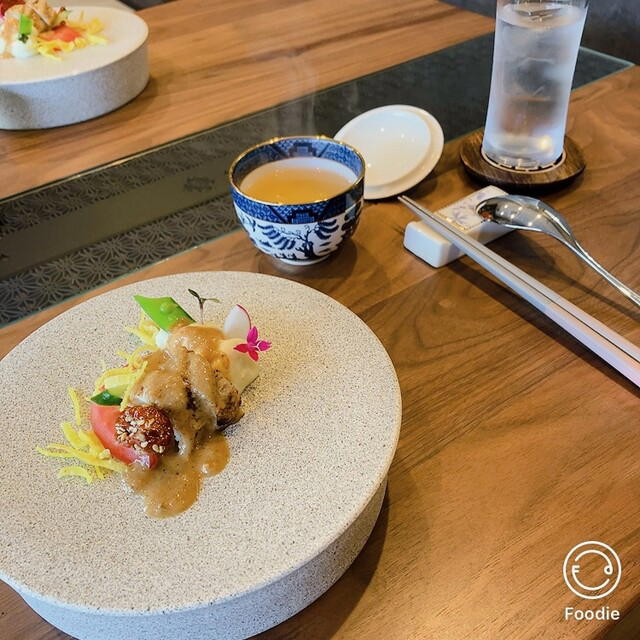
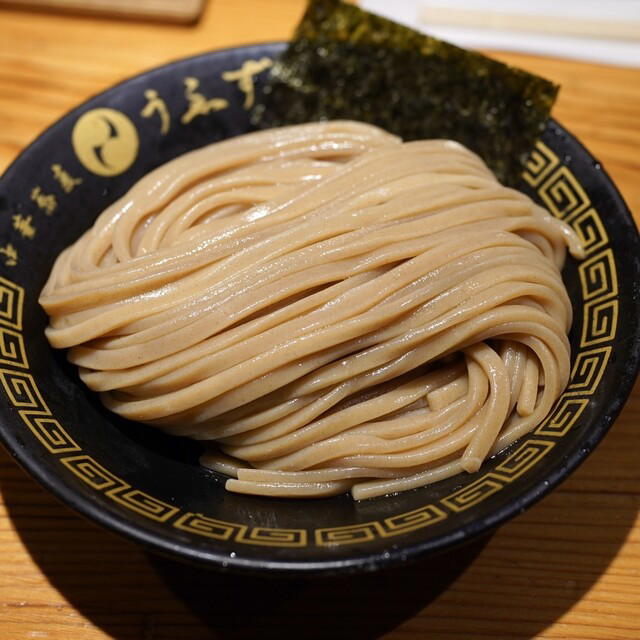
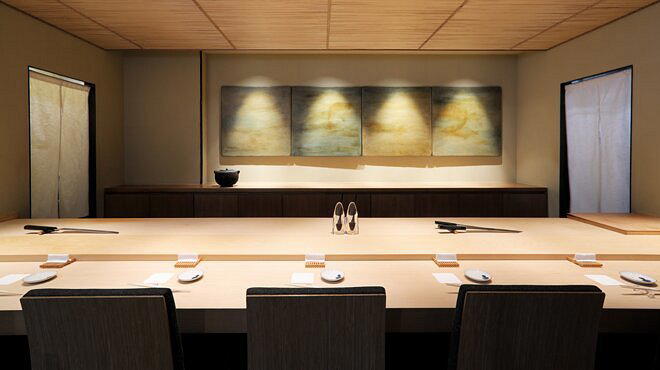
Bars in Kofu
Browse all →
Hotels in Kofu
Browse all →

Details
- Classic
- Cozy
- Solo
- Family
- Casual Hangout
- Group Dining
- Standalone
- Sake Program
- A La Carte
- Sake
- Beer
Current opening hours
- Monday
- Closed
- Tuesday
- Closed
- Wednesday
- Closed
- Thursday
- 11:30 AM–1:30 PM
- Friday
- 11:30 AM–1:30 PM, 5:30–7:30 PM
- Saturday
- 11:30 AM–1:30 PM, 5:30–7:30 PM
- Sunday
- 11:30 AM–1:30 PM, 5:30–7:30 PM
Hours can change for holidays and private events. Last verified .
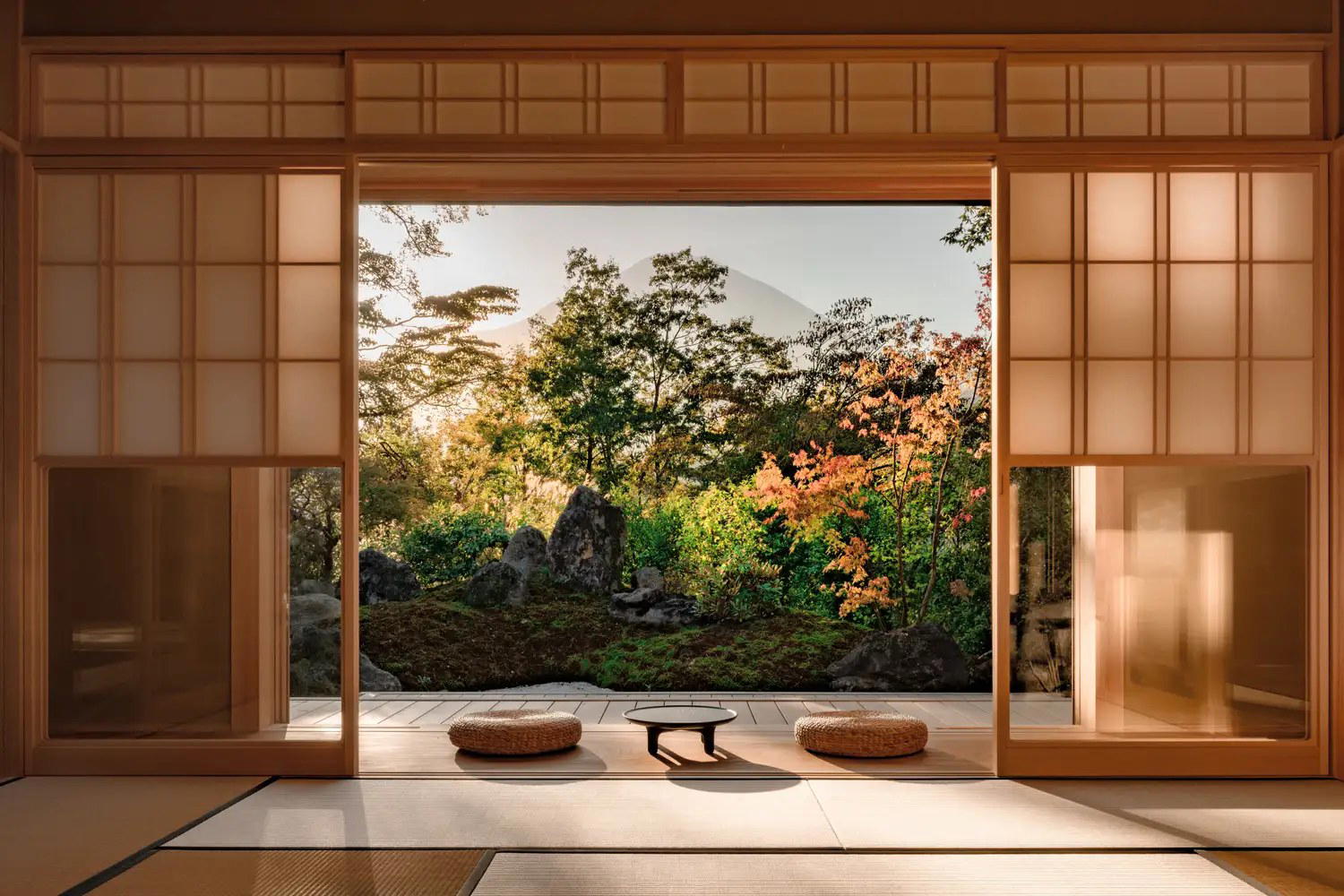
A small, unpretentious neighborhood tonkatsu restaurant with simple tatami seating and shared tables, non‑smoking and likely bustling but orderly during short lunch and dinner services.