
Tabelog 100 #51
Our verdict
Yakitori 58 gives Kofu a compact, ingredient-led yakitori counter with national recognition from Tabelog 100 Yakitori EAST 2025. The draw is not theatre but sourcing: Koshu Jidori, charcoal grilling, local sake, shochu, and wine in a small room that suits diners who want Yamanashi expressed through poultry rather than another wine-country tasting menu.

Pearl is the En Primeur Club membership app — saves, bookings, and concierge access live there. Same editors, same standards.
- Address
- 山梨県甲府市中央1-6-11 芳野ビル 1F
- Phone
- +815088927504
- Website
- tabelog.com
- Directions
- Get directions
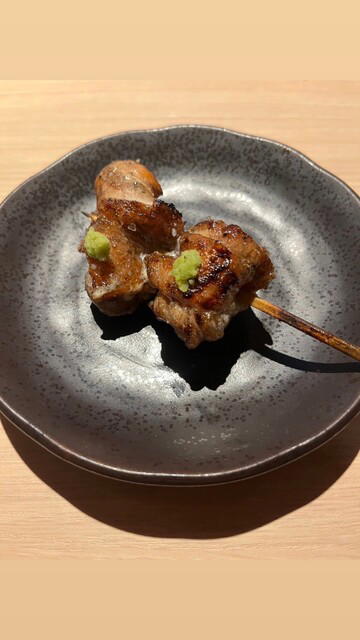
The menu
What to order
- Koshu Jidori yakitori skewers
- Chef’s omakase yakitori course
- Creative seasonal small plates featuring local chicken
- Assorted local Yamanashi sake pairings
Kofu has a way of making serious dining feel close to the street: compact streetscapes, short city walks, and restaurant rooms where focus can matter more than ceremony. In that context, yakitori is a useful lens on the city. Yamanashi is better known to many travellers for fruit, wine, and mountain scenery, but chicken over the grill gives the region another register: direct, focused, and built around heat control rather than ornament.
Yakitori 58 belongs to the Kofu dining conversation through a very clear category. The public listing identifies it as a yakitori restaurant, and that focus matters. In yakitori, the pleasure is not only the skewer itself; it is the sequence, the seasoning, the timing, and the way a meal can be built from repeated small decisions. This is the difference between yakitori as a casual snack and yakitori as a focused dinner format.
Yakitori puts Kofu into the grill conversation
Japan’s yakitori culture often gets discussed through larger-city grill culture or casual dining energy, but a Kofu setting changes the frame. The point is not to borrow prestige from elsewhere; it is to see how a compact regional city can support a serious grill-focused meal. For travellers, that makes Yakitori 58 useful not as an imitation of a metropolitan model, but as a Kofu restaurant with a narrow, legible purpose.
That is why the Tabelog 100 Yakitori EAST 2025 selection carries weight here. Tabelog’s Hyakumeiten lists are not luxury awards in the hotel sense; they are category-specific signals, and yakitori is a demanding category because price, smoke, seasoning, and consistency all sit in public view. A Kofu restaurant appearing in the EAST yakitori selection places the room in a wider regional conversation rather than only a local dining list.
The meal framing reinforces the same point. Yakitori works best when the sequence moves in small increments: salt, sauce, smoke, fat, and repeated pauses rather than one grand plate defining the evening. In Kofu, that format sits naturally beside the city’s broader dining landscape, giving visitors a dinner option that is specific in structure without requiring formality.
A compact format changes the tempo of the meal
Yakitori asks diners to pay attention. The format has less tolerance for drift than a large, all-purpose meal, because the pleasure comes from pacing: skewers arrive in sequence, the gaps matter, and the grill becomes the organizing force. It is especially useful for readers who care about technique, because yakitori is one of the few Japanese formats where timing, distance from heat, and final seasoning can be central to the experience.
That rhythm says something about the experience. This is not a banquet model built around distance from the cooking; it is a direct version of serious yakitori, with enough polish for a planned dinner and enough clarity for repeat local use. The category can be exacting without becoming stiff, and that balance is part of why a Kofu yakitori address can matter to travellers as well as residents.
Among Kofu restaurants, the comparison is useful. chainizu dainingu masamune occupies a different dining lane, while Kitchen Umagoya sits closer to another local bracket. Yakiniku ATSU works from another meat-focused tradition. Yakitori 58’s position is narrower: chicken, grill, and the discipline of the skewer as the central argument.
How to read this Kofu address against Japan's grill culture
Yakitori is often underestimated by travellers because the format looks simple from outside: skewers, grill, and a compact sequence. In serious rooms, the craft is more exacting. Different cuts demand different handling, salt and tare are not interchangeable afterthoughts, and the grill rewards cooks who understand when to push heat and when to hold back. Kofu’s advantage is that the dining experience can feel local without requiring a formal kaiseki structure.
For visitors building a broader Yamanashi itinerary, this is the kind of dinner that balances the daytime circuit of wineries, fruit farms, and mountain views. The city does not need to imitate Tokyo to justify a night out; it has a sharper case when it points to focused restaurants that work clearly within their category. Readers mapping the wider scene can start with our full Kofu restaurants guide, then layer in our full Kofu hotels guide, our full Kofu bars guide, our full Kofu wineries guide, and our full Kofu experiences guide for the rest of the stay.
Across Japan and beyond, the useful comparison is not only other yakitori restaurants but other compact formats where one ingredient category carries the meal. Other dining rooms may take that focus in different directions, from beef-led meals to seafood counters or casual urban formats. The thread is focus: fewer moving parts, more pressure on sourcing, pacing, and execution.
That same lens helps separate destination dining from empty novelty. Other restaurants in Japan may sit in very different culinary lanes, yet each asks the same reader question: is the format disciplined enough to make a narrow idea carry dinner? Yakitori 58 answers that question through a familiar form rather than spectacle.
For international readers, the point is even clearer when set beside Japanese-leaning dining abroad. Outside Japan, the appeal often rests on translation. In Kofu, the stronger argument is proximity: a local setting, a recognized yakitori category, and a meal structure small enough for the grill to set the pace. Yakitori 58 is most persuasive for diners who want Yamanashi to taste specific, not generic.
Frequently asked questions
Is Yakitori 58 child-friendly?
The provided public data does not specify a child policy. Check the venue's official channels for the latest details before visiting with children.
Is Yakitori 58 formal or casual?
It is best read as a focused yakitori restaurant in Kofu. The Tabelog 100 Yakitori EAST 2025 selection and the JPY 5,000 - JPY 5,999 price range place it above a purely everyday grill, but the format remains centered on yakitori rather than formal fine dining ceremony.
How much does it cost to eat at Yakitori 58?
Pricing at Yakitori 58 is listed as JPY 5,000 - JPY 5,999.
What is Yakitori 58 known for?
Yakitori 58 is known as a yakitori restaurant in Kofu and is listed in the Tabelog 100 Yakitori EAST 2025 selection.
Fast Comparison
Comparable venues by cuisine and price in the same metro.
| Venue | Cuisine | Price | Awards | Notes |
|---|---|---|---|---|
| Yakitori 58This venue — the venue you are viewing | Modern Yakitori & Local Yamanashi Sake | $30–50 | Tabelog 100 #51 | Not listed |
| Kitchen Umagoya | Specialist Tonkatsu (Pork Cutlet) Restaurant | $20–30 | Tabelog 100 #56 | Yumura |
| chainizu dainingu masamune | Modern Chinese Dining | $50–100 | Tabelog 100 #11 | Marunouchi |
| Yakiniku ATSU | Omakase Yakiniku | $30–50 | Not listed | Kofu City |
| Nodaiwa (野田岩) | Traditional Japanese Unagi | $50–100 | Not listed | Nishi-ku |
| Ishigaki Jima Kitauchi Bokujou | Ishigaki Wagyu Yakiniku | $50–100 | Not listed | Maezato |
Recognition history
Dated appearances from independent guides and award organizations, with the underlying list record or original source where available.
Tabelog 100 #51 · No. 51
Tabelog · Tabelog 100 - Yakitori - EAST - 2025
Continue exploring
More in Kofu
Restaurants in Kofu
Browse all →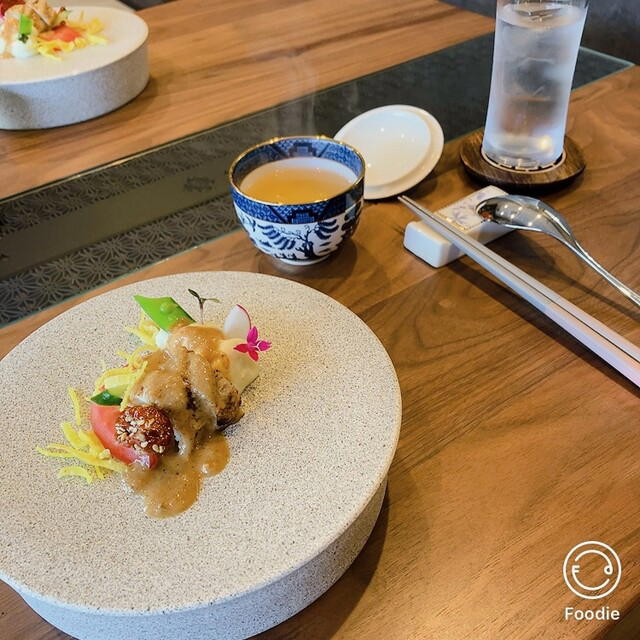
Bars in Kofu
Browse all →
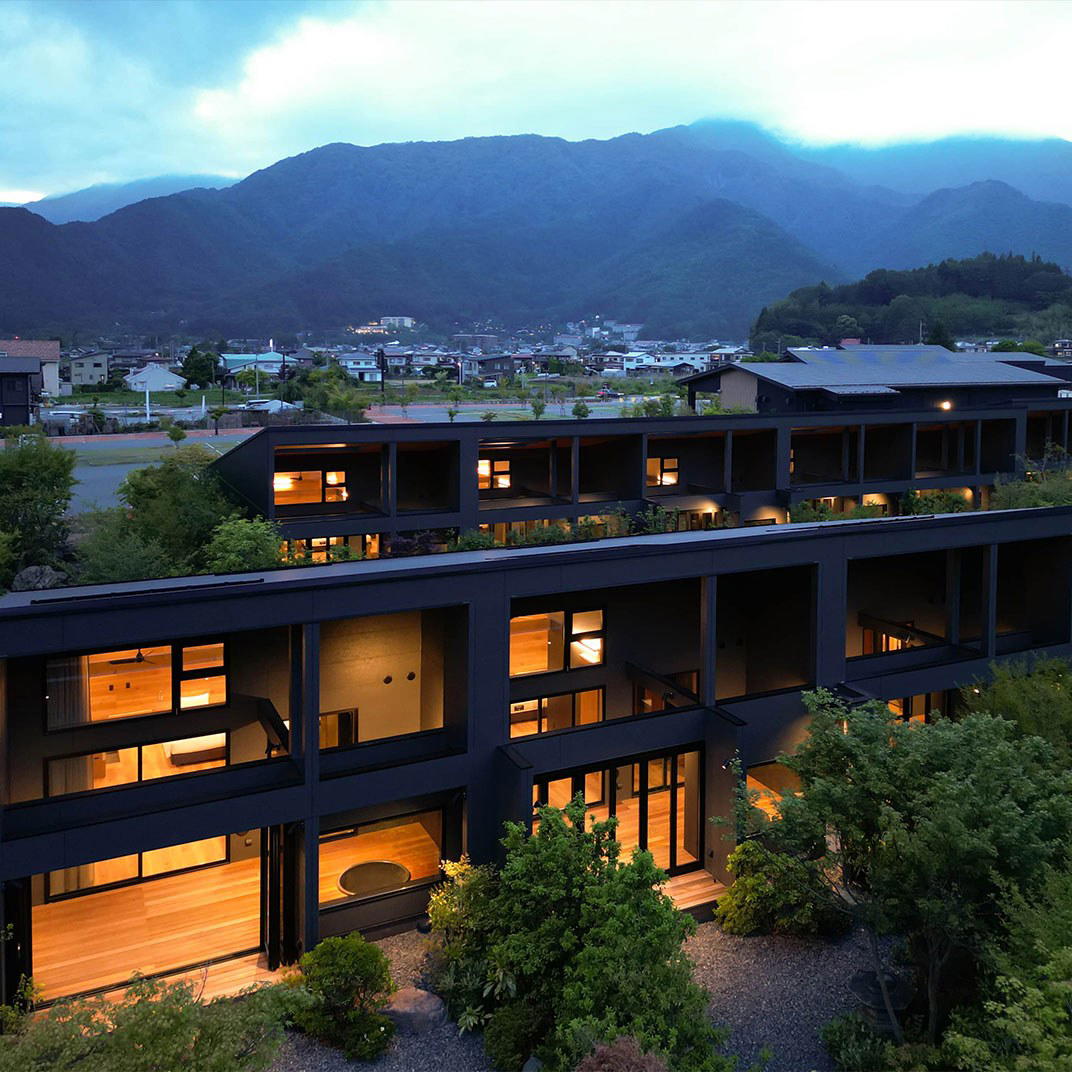
Hotels in Kofu
Browse all →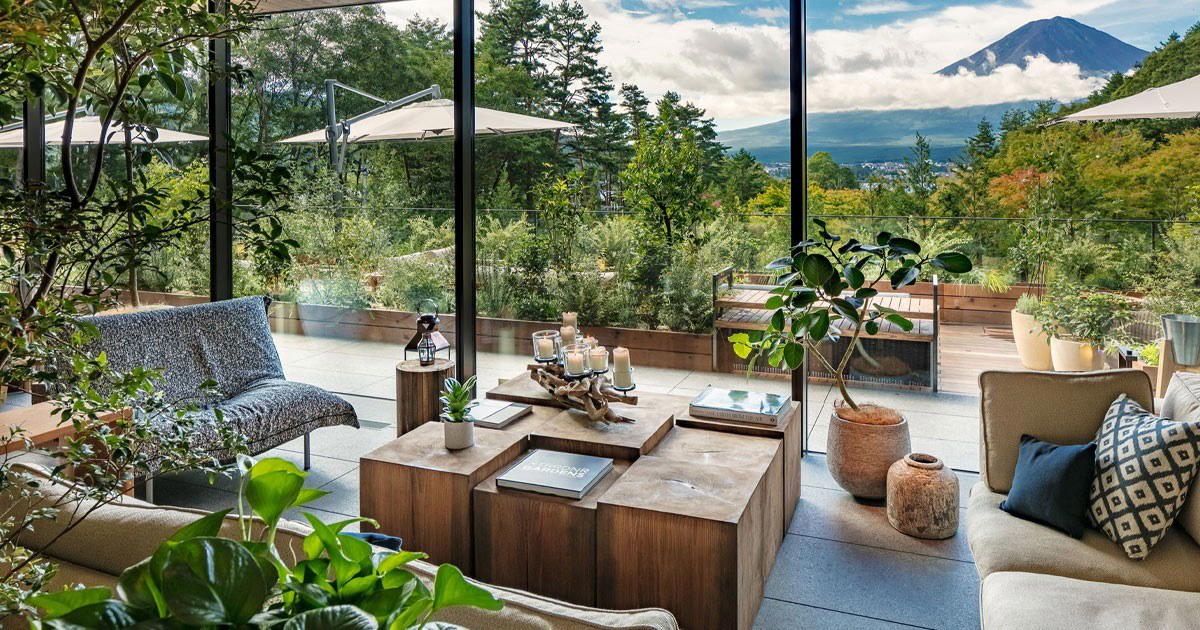

Details
- Modern
- Cozy
- Elegant
- Intimate
- Sophisticated
- Date Night
- Business Dinner
- Group Dining
- Family
- Celebration
- After Work
- Late Night
- Chefs Counter
- Standalone
- Open Kitchen
- Sake Program
- Extensive Wine List
- Beer Program
- Local Sourcing
- Set Menu
- A La Carte
- Counter Dining
- Tasting Menu
- Sake
- Wine
- Beer
- Allergy Accommodating
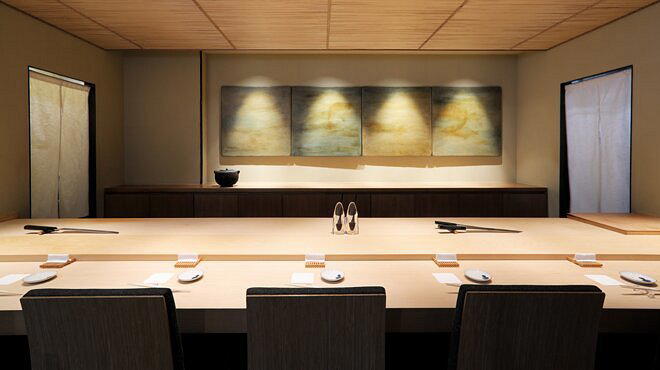
A small, chic adult space with counter and table seating, non-smoking, designed as a stylish hideout with relaxed but polished atmosphere suitable for dates and business dinners.