
Tabelog 100 #42
Our verdict
Kikyo Ya Honsha places Fuefuki’s wagashi culture in a practical, low-priced format: Japanese traditional sweets, take-out service, family-friendly access, and Tabelog 100 recognition for Japanese traditional sweets / Japanese sweets cafe EAST 2023. The appeal is less about ceremony than regional sourcing logic, with Yamanashi’s fruit-country setting giving context to a sweets stop that fits neatly into a wider Fuefuki itinerary.

Pearl is the En Primeur Club membership app — saves, bookings, and concierge access live there. Same editors, same standards.
- Address
- 山梨県笛吹市一宮町坪井1928
- Phone
- +81553473700
- Website
- kikyouya.co.jp
- Directions
- Get directions
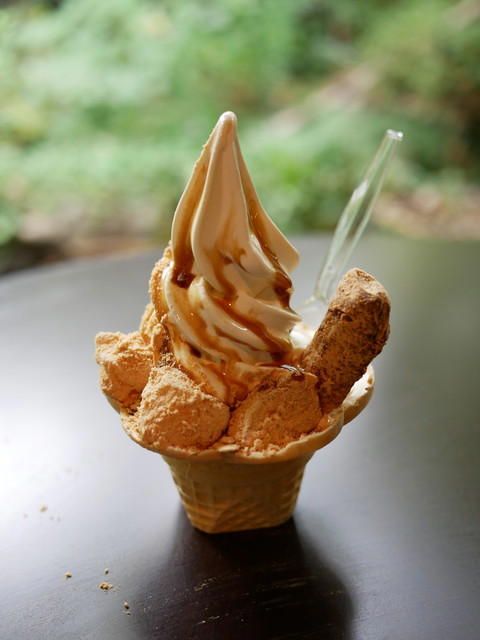
Approaching a sweets house in Fuefuki means entering a rhythm far from Tokyo dessert counters or Kyoto tea rooms. The city sits in Yamanashi’s fruit belt, where orchards, onsen traffic, expressway stops, and family outings shape how people eat between destinations. Here, wagashi is not only a formal tea companion; it is a local purchase, a quick pause, and a way to read the region through sugar, flour, beans, and fruit-adjacent craft.
Kikyo Ya Honsha belongs to this practical side of Japanese sweets culture. Its category is Japanese traditional sweets, and its listed budget sits at JPY 999 or below for both lunch and dinner, far from the reservation-led dining economy that dominates luxury travel planning in Japan. The useful comparison is not tasting-menu restaurants, but regional confectioners turning local identity into something travelers can carry away.
Fuefuki's sweets culture is tied to orchards, road travel, and regional gifting
Yamanashi is often read through wine, peaches, grapes, and hot springs, but confectionery belongs on the same map. Regional sweets in Japan work as edible geography: train-station boxes, highway purchases, family gifts, and seasonal shopping carry place names as much as flavors. Fuefuki’s position near orchard country frames wagashi differently from urban dessert culture. The question is not how rare the counter seat is, but how clearly a sweet expresses the local economy around fruit, gifting, and day-trip movement.
That is why a low price ceiling matters. In premium travel, value is often discussed only at the high end, but Japanese confectionery has another seriousness: repeatable craft at everyday purchase levels. A shop with Tabelog Hyakumeiten recognition in 2023, a Japanese traditional sweets category, and a Tabelog score of 3.67 enters a recognized regional sweets conversation while staying accessible in cost. The recognition separates a casual stop from an anonymous roadside purchase without pretending it is fine dining.
The ingredient-sourcing angle extends beyond one recipe. Wagashi depends on disciplined handling of beans, rice, wheat, sugar, and starch, while regional identity often comes from surrounding factors: local fruit culture, gifting patterns, and travelers’ expectations when buying for home. In Yamanashi, where produce anchors the prefecture’s reputation, sweets keep a built-in dialogue with agriculture even when the format remains classic.
A sweets-stop format changes how the experience should be judged
Restaurant criticism often rewards scarcity: a small counter, a named chef, a long booking window. Kikyo Ya Honsha needs another standard. Japanese traditional sweets should be judged on clarity, consistency, presentation logic, and how well the purchase fits the day. That is especially relevant in Fuefuki, where visitors often move between wineries, onsen stays, fruit farms, and drives through the wider Yamanashi area rather than building an evening around one dining room.
The setting matters because wagashi shopping in Japan is often intergenerational. Grandparents, parents, and children may want different things from one stop: a familiar local sweet, a gift box, a snack, or a short break before the next leg. Kikyo Ya Honsha fits that mixed-purpose role better than a destination built only around a seated dessert course.
This is not best understood as a formal dining appointment. It belongs to the side of Japanese food culture where timing, access, and freshness of purchase matter more than ceremony. For travelers planning Fuefuki around dining, it counters heavier meals. Comparison venues in the wider out-of-metro set show different local moods: Yakitori 58, chainizu dainingu masamune, Torikado, Yakiniku ATSU, and Chuka Soba Uezu all point to other ways Fuefuki dining can be read. Against that spread, a sweets stop under JPY 999 serves a different purpose.
How to place it in a Fuefuki itinerary
The location places the shop in Fuefuki. That is classic Yamanashi travel geography: rail, roads, orchard country, and hot-spring stays all shape how visitors move through the region. For a sweets stop, the important planning point is not a formal dining window but how naturally it can sit between daytime activities and other local food plans.
The listed price band is modest, at JPY 999 or below for both lunch and dinner, which makes it easy to add without reshaping the budget for the day. Treat it as a quick, informal sweets stop rather than a hosted occasion. In that role, Kikyo Ya Honsha can anchor a small but memorable part of a Fuefuki itinerary.
For a fuller regional plan, pair a sweets stop with broader Fuefuki coverage rather than treating it as isolated. Start with Our full Fuefuki restaurants guide, then map overnight options through Our full Fuefuki hotels guide. Drinking routes sit naturally in Our full Fuefuki bars guide and Our full Fuefuki wineries guide, while non-restaurant planning belongs in Our full Fuefuki experiences guide.
Travelers comparing Japanese dining formats beyond Yamanashi can use the national restaurant archive as a wider lens, but Kikyo Ya Honsha should be understood first through Fuefuki itself: an accessible Japanese traditional sweets address with Tabelog Hyakumeiten recognition, a 3.67 score, and a price band that keeps the focus on everyday regional craft rather than spectacle.
The editorial case for Kikyo Ya Honsha is clear: it gives Fuefuki’s regional sweets culture a recognized, inexpensive, and logistically easy expression. It is not a grand dining appointment. It is the kind of stop that makes sense in Yamanashi because the region’s food identity is built as much from orchards, gifts, and daytime travel as from restaurants with long menus.
Frequently asked questions
Can I bring kids to Kikyo Ya Honsha?
Kikyo Ya Honsha is best understood as a Fuefuki stop for Japanese traditional sweets. For current visit details, confirm directly with the shop before going.
What kind of setting is Kikyo Ya Honsha?
It is listed in Fuefuki under Japanese traditional sweets. Tabelog Hyakumeiten recognition is provided for 2023, so the appeal is practical regional sweets rather than formal fine dining.
What's the pricing like at Kikyo Ya Honsha?
Pricing at Kikyo Ya Honsha is listed as - JPY 999 - JPY 999.
What's Kikyo Ya Honsha's location?
Fuefuki.
A Quick Peer Check
Comparable venues by cuisine and price in the same metro.
| Venue | Cuisine | Price | Awards | Notes |
|---|---|---|---|---|
| Kikyo Ya HonshaThis venue — the venue you are viewing | Japanese traditional sweets (wagashi) shop | $1–10 | Tabelog 100 #42 | Not listed |
| Machida Shiruba Shio-Ramen Shinka (町田汁場 しおらーめん進化) | Shio Ramen Specialist | Not listed | Not listed | Machida |
| Teuchi Udon Musashi | Traditional Yoshida-style handmade udon | $1–10 | Tabelog 100 #41 | Kamiyoshida |
| Maki no Udon (牧のうどん 空港店) | Traditional Fukuoka Kamaage Udon | $1–10 | Not listed | Hakata |
| 京都 鶏白湯そば 純 | Kyoto Creamy Chicken Broth Soba | $10–20 | Not listed | Nakagyo-ku |
| Syokudoh TANUKI (食堂たぬき) | Traditional Japanese Canteen | Not listed | Not listed | Myoko City |
Recognition history
Dated appearances from independent guides and award organizations, with the underlying list record or original source where available.
Tabelog 100 #42 · No. 42
Tabelog · Tabelog 100 - Japanese traditional sweets / Japanese sweets cafe - EAST - 2023
Continue exploring
More in Fuefuki
Restaurants in Fuefuki
Browse all →
Bars in Fuefuki
Browse all →
Hotels in Fuefuki
Browse all →

Details
- Classic
- Cozy
- Well Known
- Family
- Casual Hangout
- Group Dining
- Solo
- Standalone
- Counter Dining
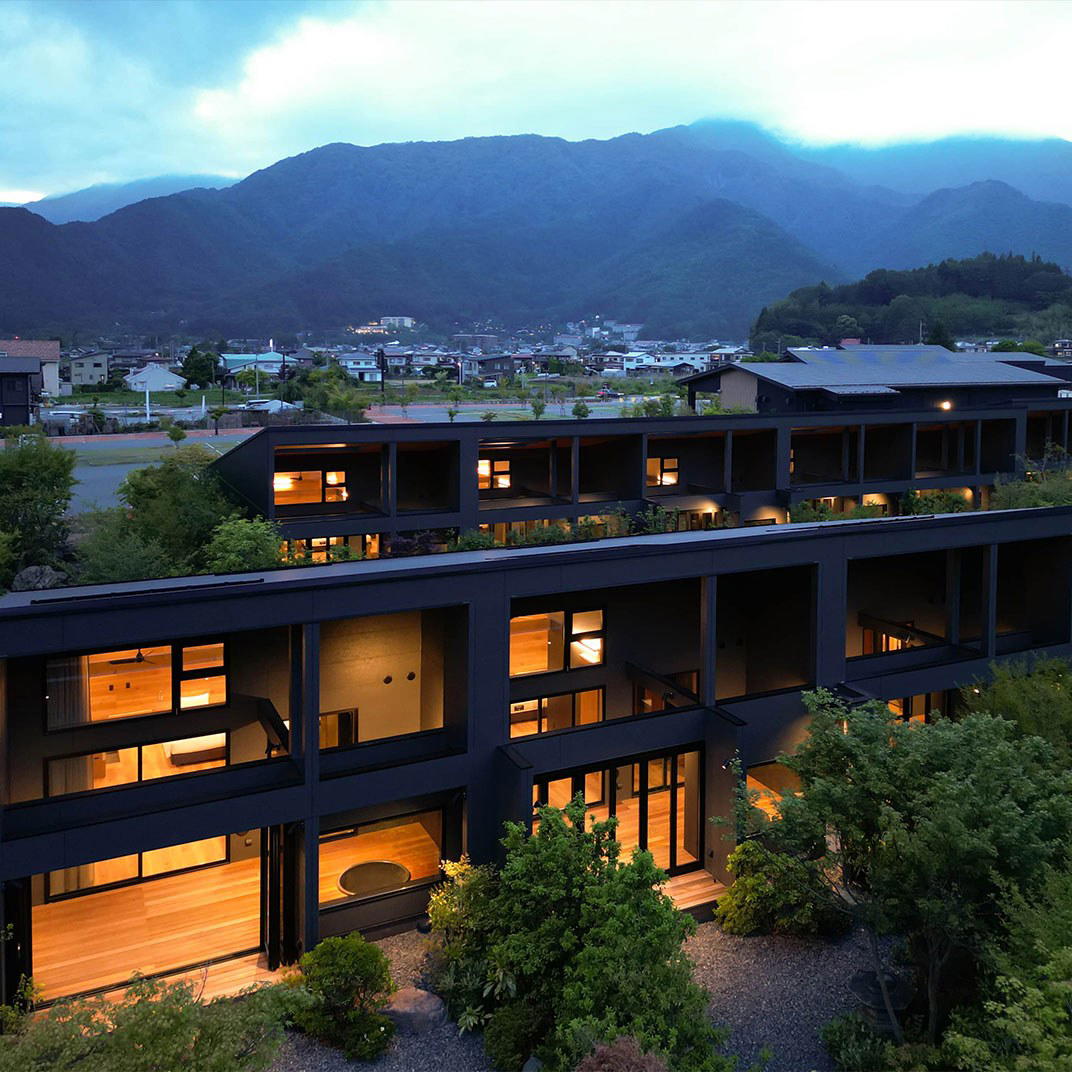
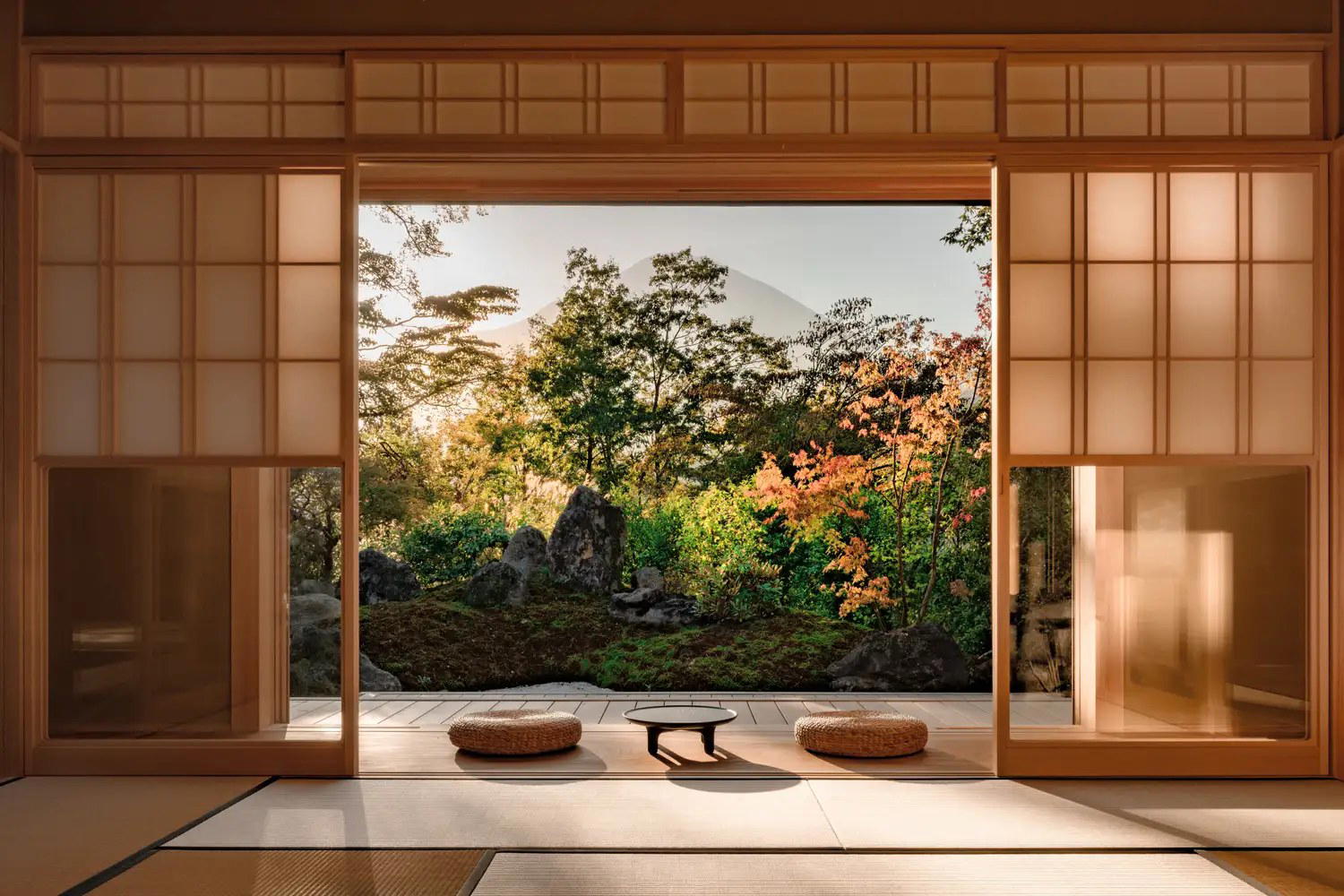
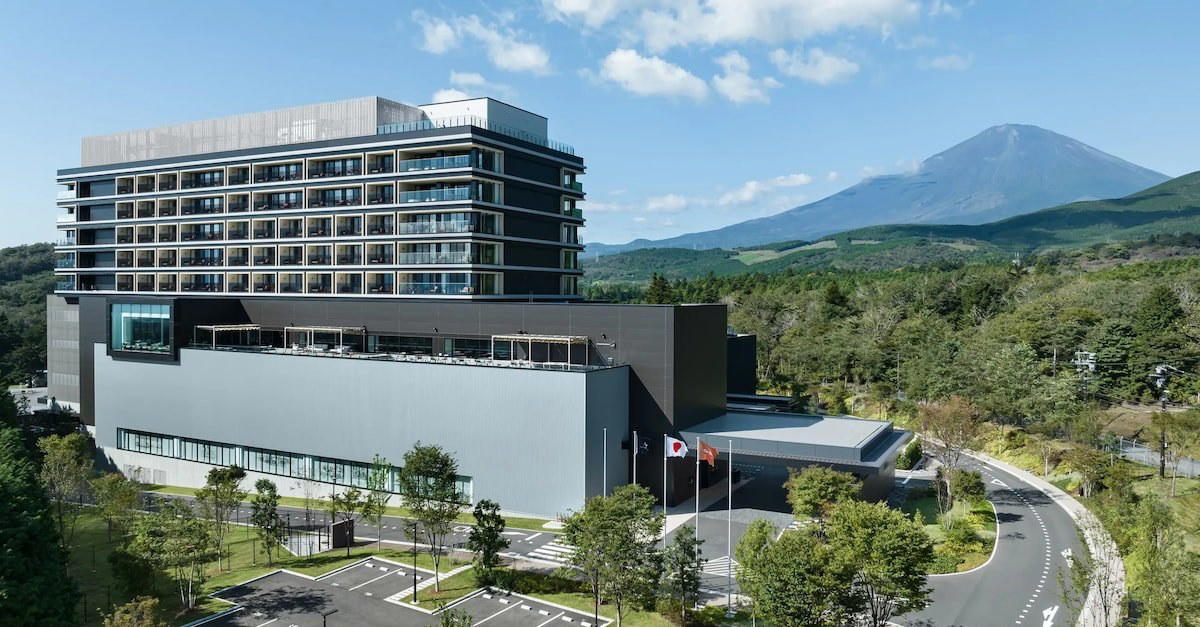
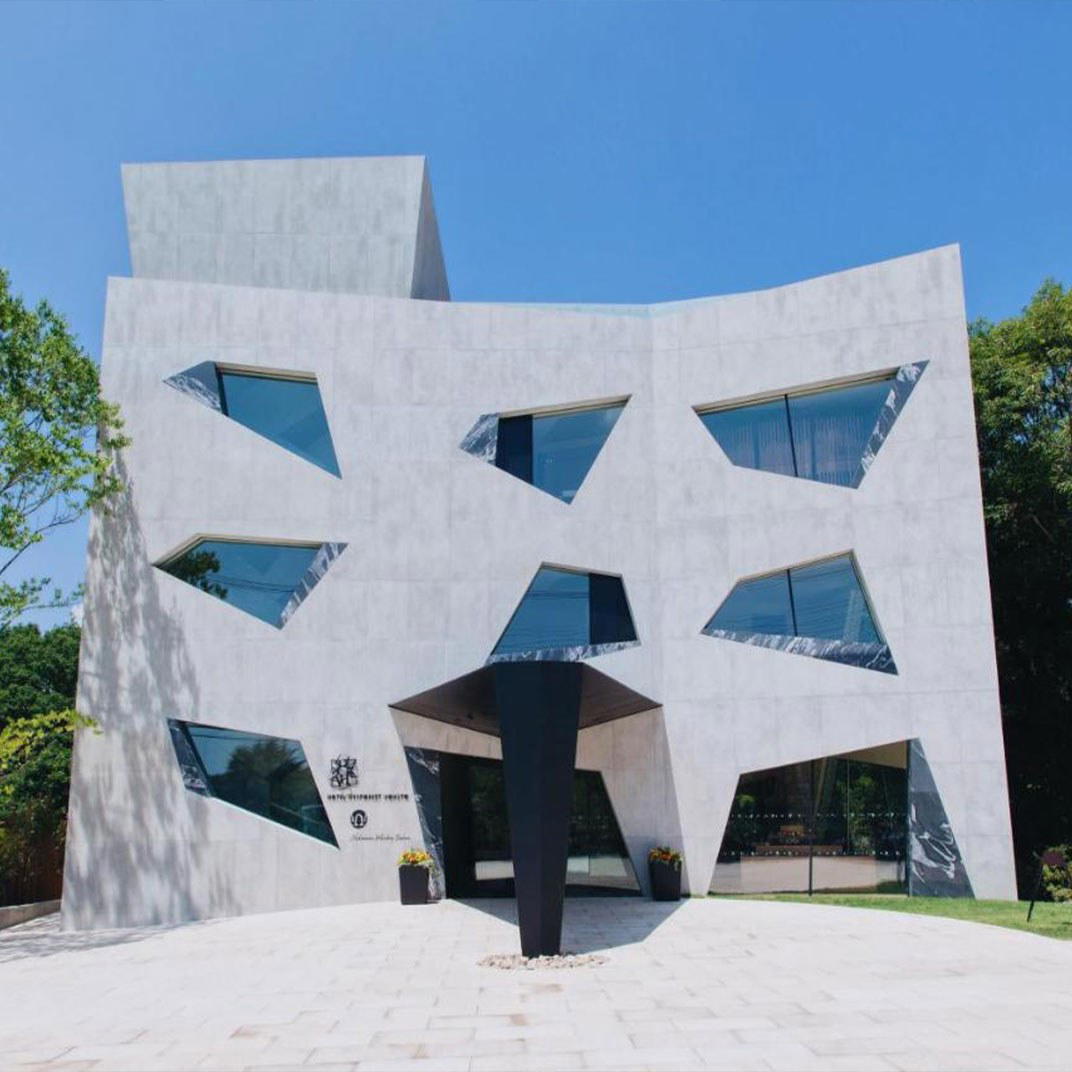
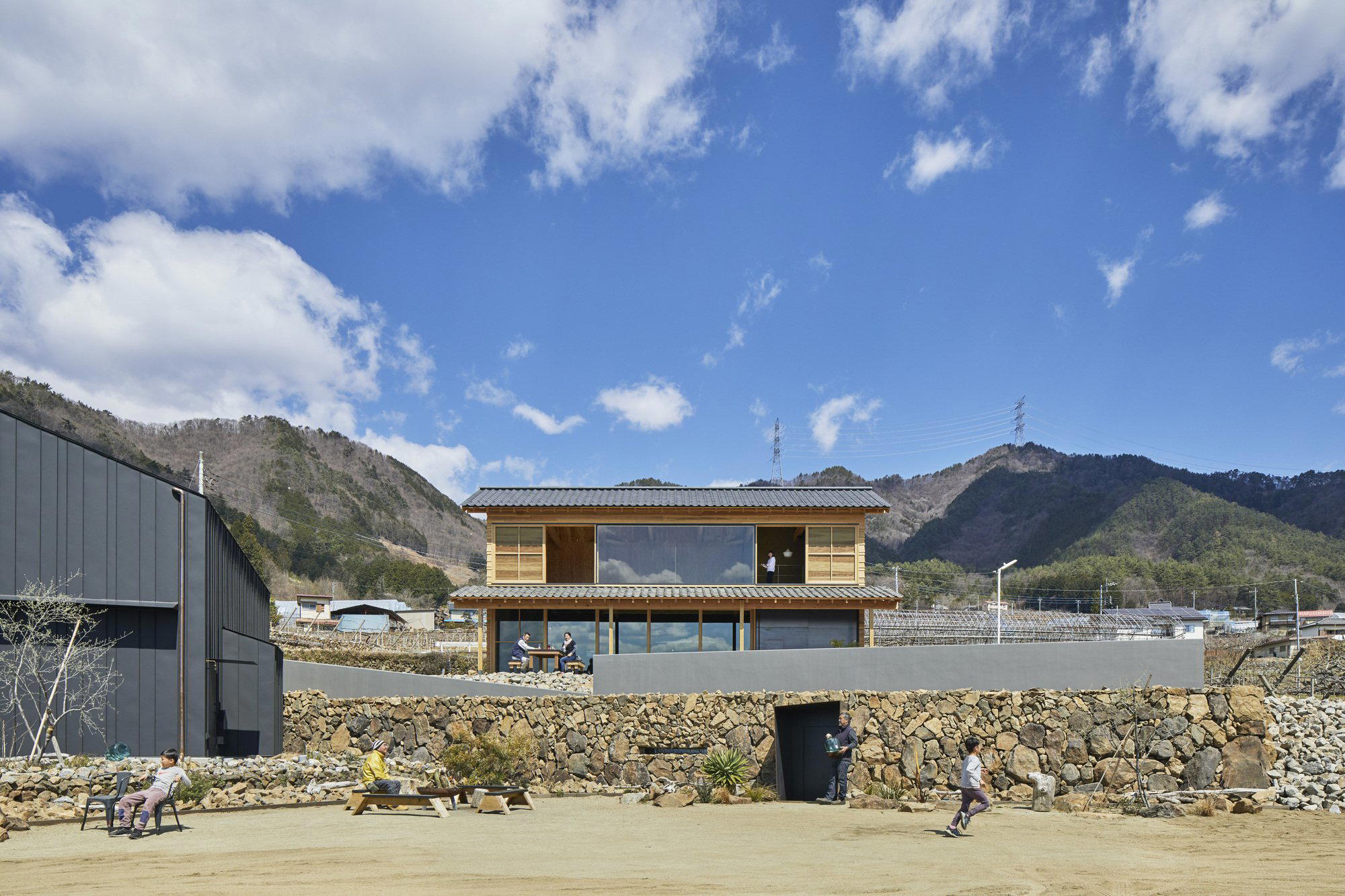
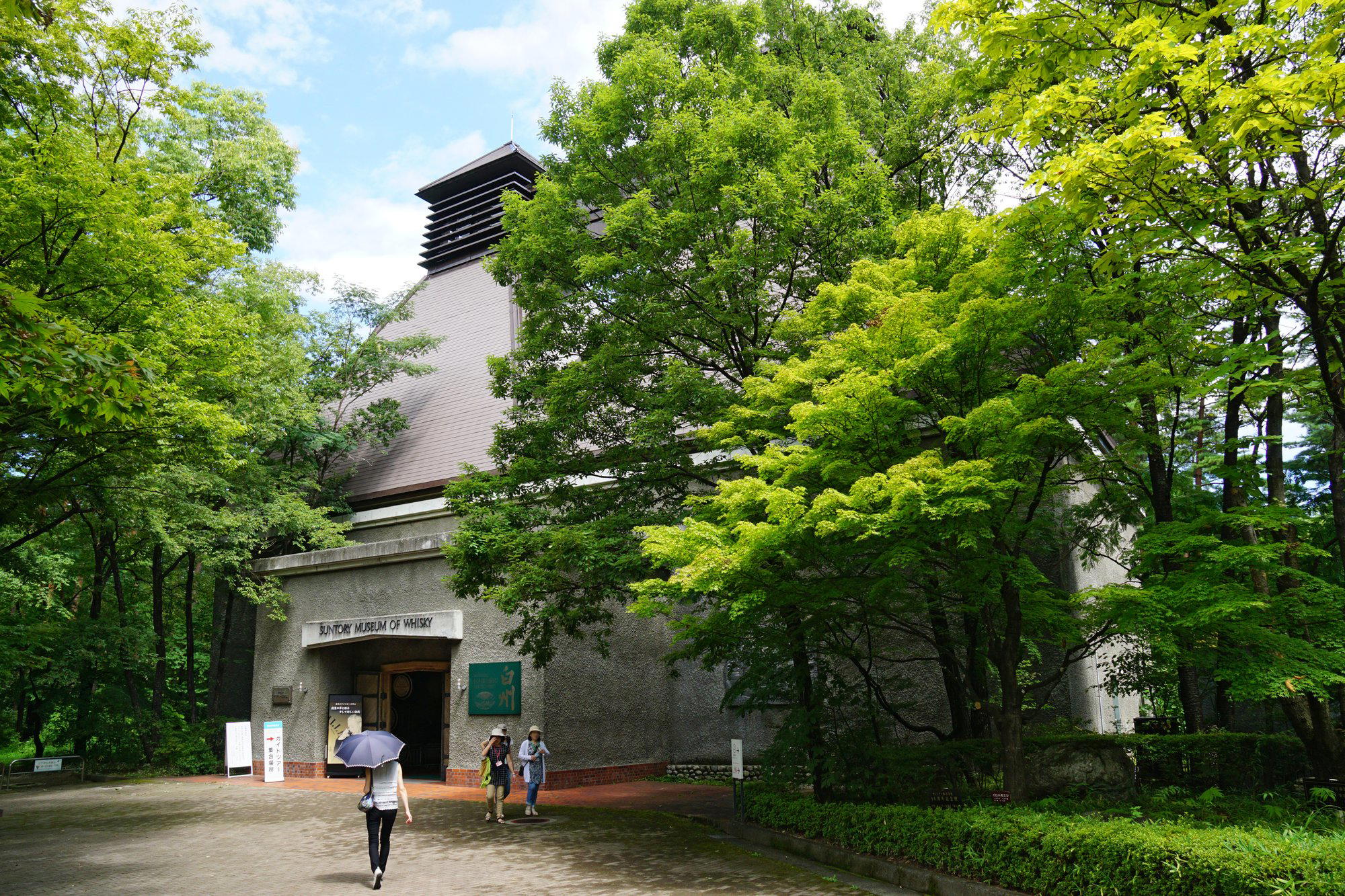
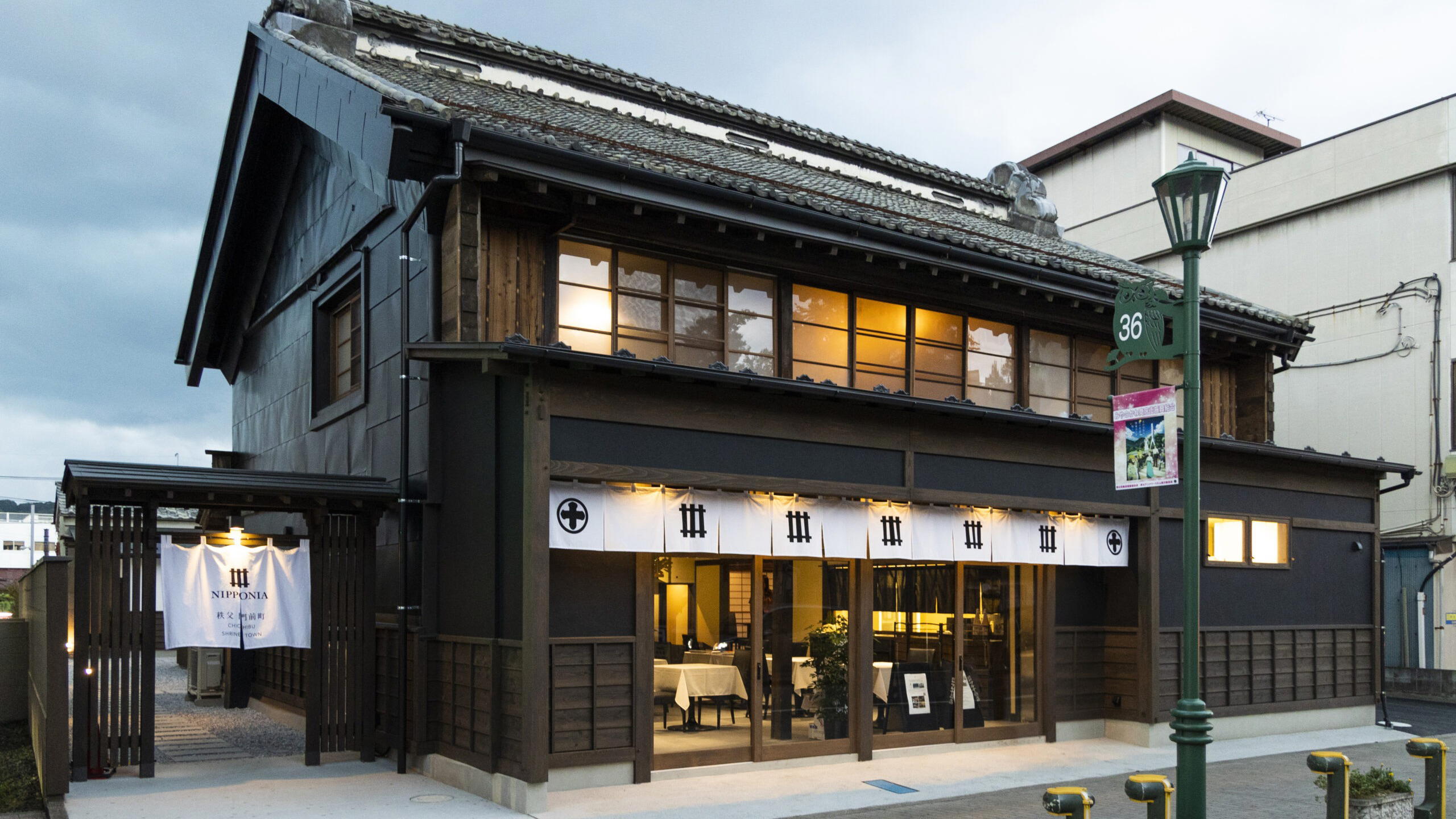
A bright, casual sweets shop with a classic wagashi-store look, display cases of boxed confections, and a relaxed, family-friendly atmosphere; there is also an open terrace area where guests can sit and enjoy purchased sweets.