
Tabelog 100 #19
Our verdict
Houraiya Honten sits in Tokyo’s quieter wagashi register: Japanese traditional sweets, cafe service, and senbei rather than chef-driven dining-room theatre. Its Tabelog 100 selection for Tokyo Japanese sweets and cafes in 2023 places it inside a serious local category, while the small tea-room format keeps the experience closer to a neighbourhood confectionery than a destination tasting menu.

Pearl is the En Primeur Club membership app, where members save venues, book tables and use the concierge.
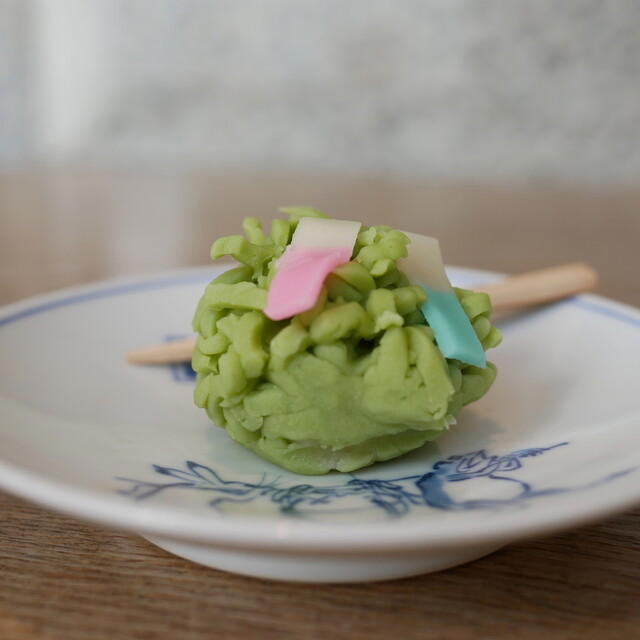
The menu
What to order
- Wagashi assortment
- Sanshoku dango
- Ichigo daifuku
- Warabi mochi
- Shiratama zenzai
- Minazuki
Approaching Tokyo, the city’s station-driven rush can slow into pockets where daily errands, tea, and small retail rituals still set the pace. It is the right setting for wagashi. Japanese sweets do not need a grand dining room; they need scale, timing, and quiet enough for tea to feel integral. Houraiya Honten follows that older grammar: a format built around Japanese traditional sweets, cafe service, and senbei.
Tokyo sweets culture has split into lanes. Department-store counters turn gift-giving into polished retail ritual. Contemporary patisserie borrows French technique and seasonal fruit luxury. Wagashi shops work inside a codified tradition: rice, beans, sugar, tea, and the calendar’s visual language. The appeal is not abundance but restraint, portion, and the way a small sweet marks a season or pause. In that context, Tokyo matters. This is not dessert theatre or salon spectacle; it is the city in a quieter civic key.
Tokyo wagashi, not dessert-counter spectacle
The useful comparison is not with a full-service restaurant, but with Tokyo’s widening sense of where serious food happens. The city can place a low-priced sweets counter on the same dining map as other Tokyo dining rooms, casual cafes, and specialist counters. The point is category precision. A city this deep rewards places that do one narrow thing with discipline, and wagashi is one of the clearest examples.
Houraiya Honten’s Tabelog 100 selection for Tokyo Japanese traditional sweets and Japanese sweets cafes in 2023 gives the shop a credible marker inside a category visitors can underestimate. Tabelog’s Hyakumeiten lists are not Michelin-style fine-dining medals; here they are more useful because they identify depth in everyday Japanese categories, including sweets and cafes. A Tabelog score of 3.71 also signals local attention on a platform where small differences can matter. For travellers, that recognition places the shop in a Tokyo conversation more granular than the usual restaurant checklist.
The format keeps expectations aligned. This is not a long lunch, chef’s counter, reservation-led evening, or destination meal. The appeal is the intersection of Japanese traditional sweets, cafe rhythm, and senbei. That makes the experience closer to a focused pause, which is precisely why the category endures in Tokyo.
Why wagashi still matters in Tokyo dining
Wagashi carries more cultural weight than its size suggests. In tea practice, sweets soften matcha’s bitterness and mark the season through shape, colour, and ingredient. In everyday Tokyo, they belong to gift culture, office visits, errands, and family rituals. The better shops are not behaving like Western dessert bars. They preserve a Japanese idea of sweetness that is measured, portable, and socially legible.
That distinction helps visitors who plan Tokyo around expensive counters. A day of sushi, kaiseki, or steak can become monotonous if every stop is treated as a major event. A wagashi stop works differently: it adds texture between larger meals and shows craft not always expressed through luxury ingredients or long menus. Compared with higher-spend Tokyo rooms such as URANO or Shunsai Steak Dokoro Raimuraito, a sweets shop’s value lies in compression: brief format, defined category, and a price tier that keeps it part of daily city life rather than special-occasion dining.
Tokyo also has practical food logic beyond the most obvious visitor routes. The city’s food identity is not thin: lunch counters, old sweets shops, cafes, and restaurants serve office workers, students, residents, and travellers moving through ordinary parts of the city. Here, a wagashi cafe can feel more revealing than another heavily trailed dining room. It shows how Tokyo food culture is held together by small formats, not only award-chasing restaurants.
How to place it in a Tokyo itinerary
Use Houraiya Honten as a daytime cultural stop, not a meal replacement. It makes sense as part of a wider Tokyo day, especially one built around museums, shrines, shopping, or central-city errands. This is best approached as a sweets stop rather than a full restaurant booking, with expectations shaped by the compact cafe and confectionery category.
For a broader Tokyo plan, this address balances more forceful dining choices. Nearby and citywide options can pull the day in different directions: unnamed specialist counters, casual cafes, and a wider scan through Our full Tokyo restaurants guide. Visitors planning beyond meals can cross-reference Our full Tokyo hotels guide, Our full Tokyo bars guide, Our full Tokyo wineries guide, and Our full Tokyo experiences guide for the rest of the city’s rhythm.
Japan’s casual-specialist category extends well beyond Tokyo, and travellers often notice how compact formats can carry serious cultural meaning. A traveller comparing formats might think about sweets shops, cafes, rice-cracker specialists, and other everyday venues across Japan without treating them as lesser than formal restaurants. The lesson is consistent: small does not mean slight. In Tokyo, sweets shops can be as culturally instructive as dinner reservations, if the reader understands the code.
Frequently asked questions
Is Houraiya Honten child-friendly?
Houraiya Honten suits a short daytime sweets stop in Tokyo, especially for visitors looking for Japanese traditional sweets, cafe service, or senbei rather than a long restaurant meal.
What's the overall feel of Houraiya Honten?
Houraiya Honten feels compact and restrained rather than showy. Its Tabelog 100 selection for Tokyo Japanese traditional sweets and Japanese sweets cafes in 2023 underlines its place as a serious wagashi stop in Tokyo.
What does dinner at Houraiya Honten typically cost?
Pricing at Houraiya Honten is listed as - JPY 999 - JPY 999 View spending breakdown.
What is Houraiya Honten known for?
Houraiya Honten is known in Tokyo for Japanese traditional sweets, cafe service, and senbei, with a 2023 Tabelog Hyakumeiten recognition and a Tabelog score of 3.71.
Where the Accolades Land
Comparable venues in the metro at similar price points.
| Venue | Cuisine | Price | Awards | Notes |
|---|---|---|---|---|
| Houraiya HontenThis venue (the venue you are viewing) | Traditional Japanese Wagashi & Tea | Not listed | Tabelog 100 #19 | Not listed |
| Gyoza no Fukuho (餃子の福包) | Traditional Japanese Gyoza | $1–10 | Not listed | Shinjuku |
| Sabameshi no Sabashou | Japanese saba-focused cafeteria | $10–20 | Tabelog 100 #15 | Chiyoda |
| 福田家 | Traditional Kaiseki | $300–500 | 2 Michelin Stars | Chiyoda |
| Koseto Coffee Ten | Japanese kissaten & cafe | $10–20 | Tabelog 100 | Chiyoda |
| Spice Palette | Japanese curry house | Not listed | Tabelog 100 #70 | Taitō |
Recognition history
Dated appearances from independent guides and award organizations, with the underlying list record or original source where available.
Tabelog 100 #19 · No. 19
Tabelog · Tabelog 100 - Japanese traditional sweets / Japanese sweets cafe - TOKYO - 2023
Continue exploring
More in Tokyo
Restaurants in Tokyo
All restaurants in Tokyo →

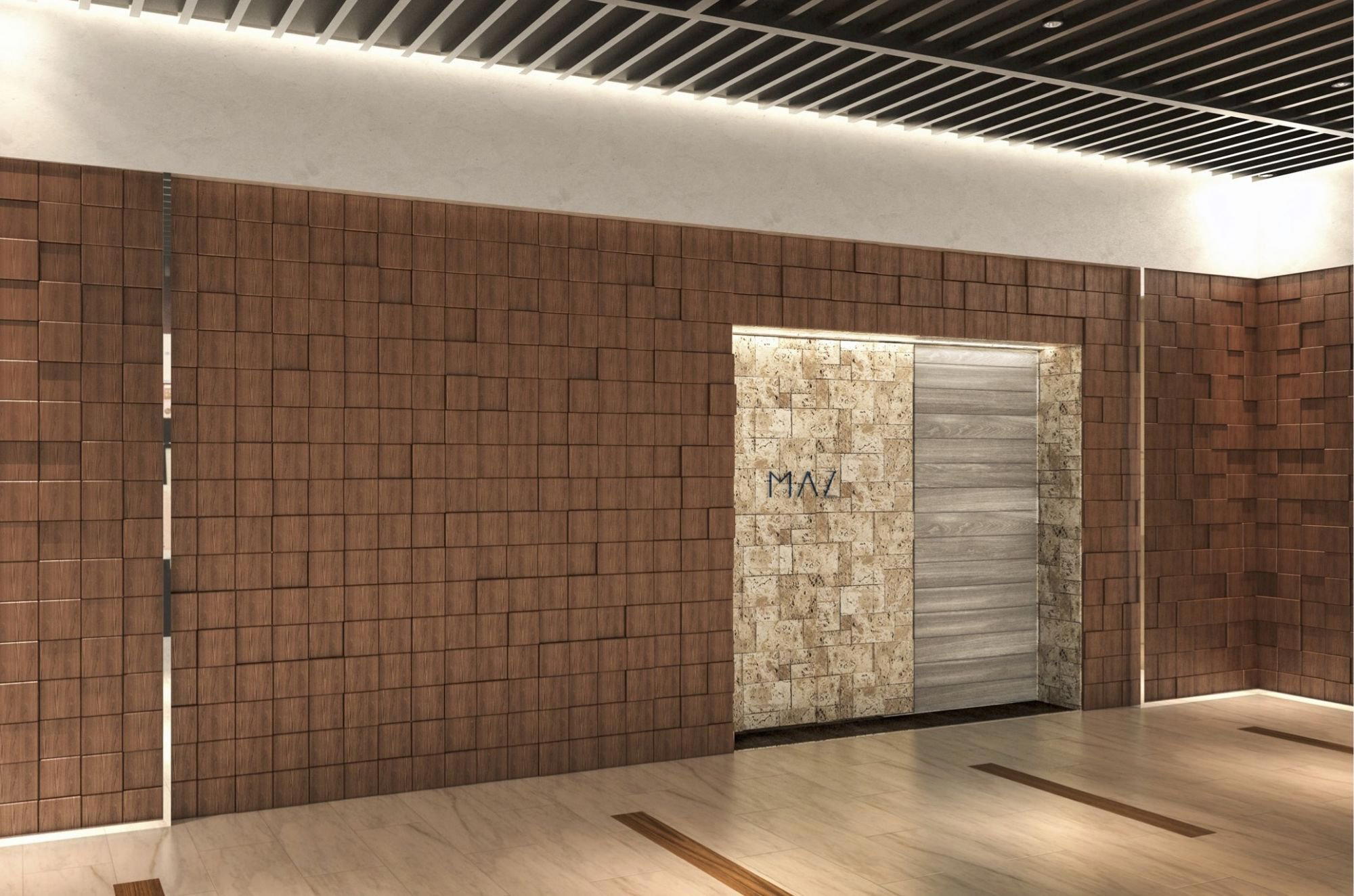

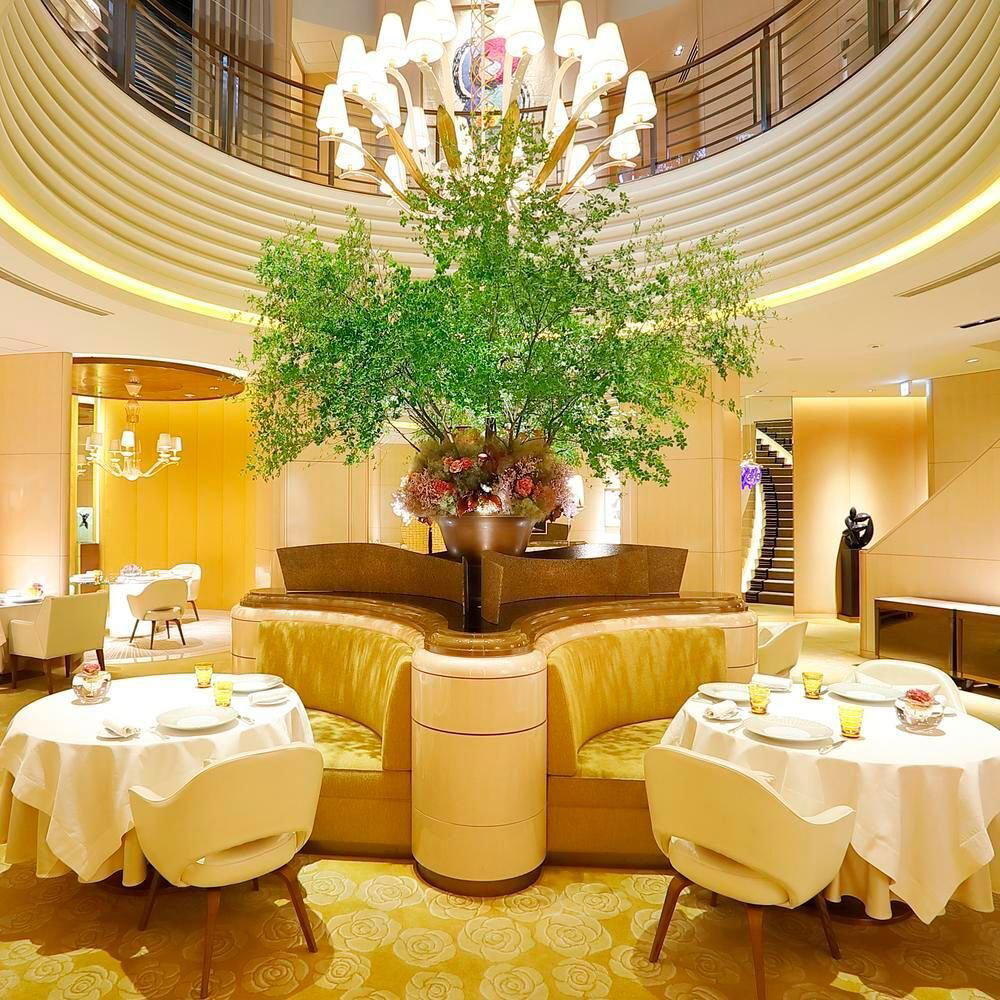
Bars in Tokyo
All bars in Tokyo →
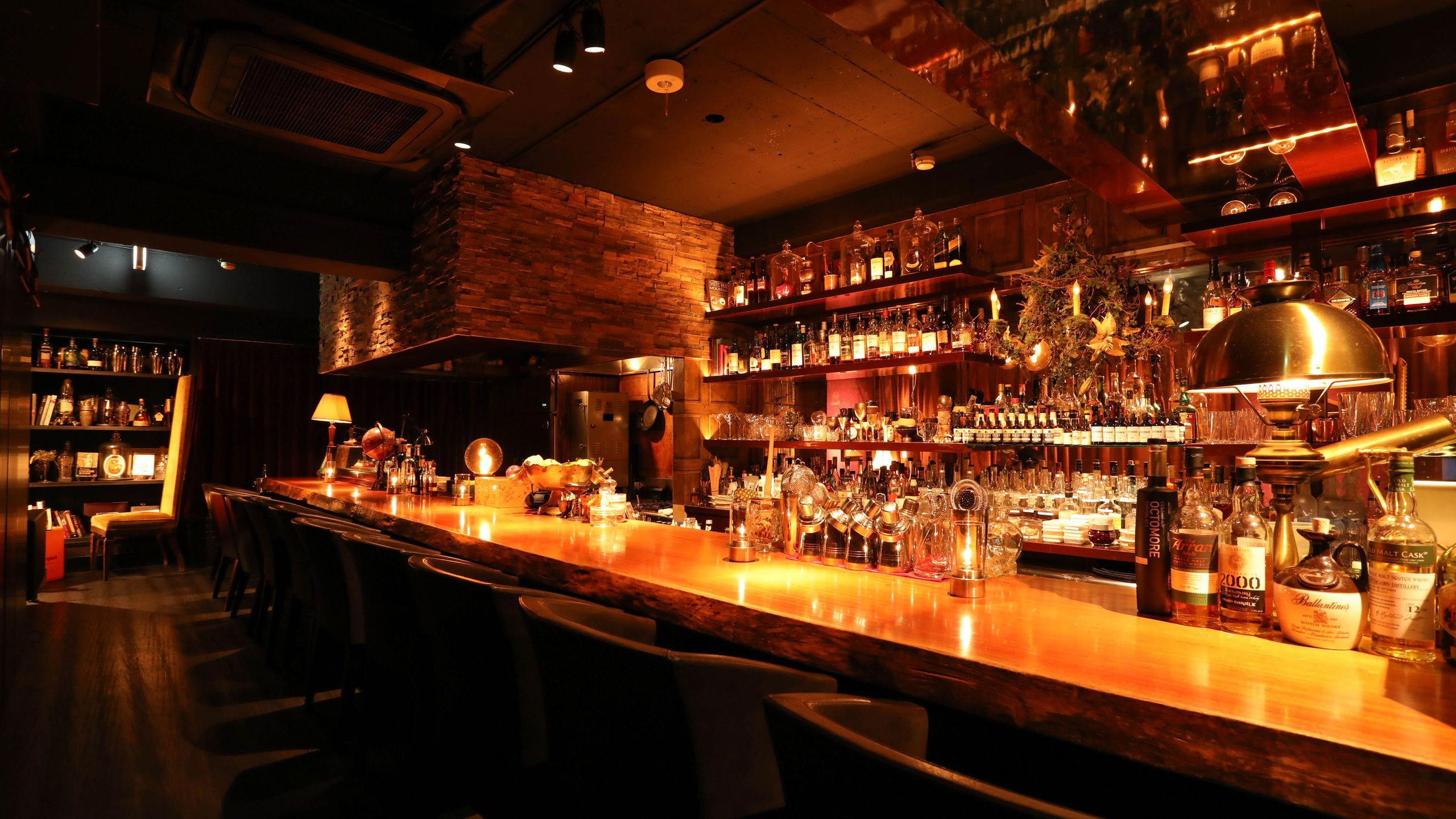


Details
- Classic
- Cozy
- Quiet
- Solo
- Casual Hangout
- After Work
- Historic Building
- Standalone
- A La Carte
- Counter Dining
- Green Tea
- Japanese Tea
Current opening hours
- Monday
- 9 AM–6 PM
- Tuesday
- 9 AM–6 PM
- Wednesday
- 9 AM–6 PM
- Thursday
- 9 AM–6 PM
- Friday
- 9 AM–6 PM
- Saturday
- 10 AM–4 PM
- Sunday
- Closed
Hours can change for holidays and private events. Hours as of .
Traditional and understated wagashi shop with a calm, quiet tearoom upstairs; simple wood-and-glass interior, natural light in the daytime, and a relaxed atmosphere suited to quietly enjoying seasonal sweets and tea.