
Tabelog 100 #49
Our verdict
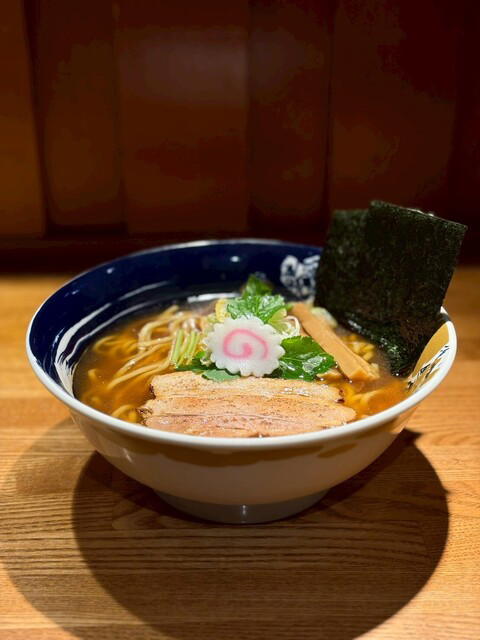
Tokyo’s ramen culture rewards specialization, and this Jimbocho counter sits in the tsukemen lane rather than the broader noodle-shop mainstream. Tsukesoba Kanda Katsumoto is a 13-seat counter known for shoyu tsuke soba with niboshi clear broth and two noodle textures, with Tabelog 100 Ramen Tokyo selections in 2021, 2022, 2024, and 2025.

Pearl is the En Primeur Club membership app, where members save venues, book tables and use the concierge.
The menu
What to order
- Shoyu Tsuke Soba (清湯つけそば)
- Tokusei Seiyu Tsukesoba (特製清湯つけそば)
- Ajitama Seiyu Tsukesoba (味玉清湯つけそば)
Tokyo’s food rhythm often runs on short walks, quick decisions, and meals built around a clear specialty. In the city’s everyday dining culture, strong specialist restaurants need no theatrical framing, just a format diners can understand quickly. Tsukesoba Kanda Katsumoto fits that Tokyo category through its listed focus on tsukemen, the dipping-noodle style that separates broth from noodle and makes the category itself the point.
The comparison is not destination tasting-menu Tokyo, but the city’s dense circuit of specialist staples. Coffee Sha Kura, TAKEUCHI Chiyoda kanda jinbou honten, Udon Maruka, STYLE'S CAKES & CO. and Sumatra Curry Kyoei Do share a similar logic: focused formats, low-friction meals, and repeatable craft over luxury signalling. Within that set, a tsukemen venue listed in Tabelog’s 2025 Hyakumeiten record has distinct authority. It is judged in a focused noodle conversation, not the general restaurant category.
Broth, noodle texture, and the discipline of tsukemen
Tsukemen changes a ramen meal’s pace. With noodles and broth served separately, the format gives extra attention to noodle texture and the way broth seasons each bite. The listed category here is tsukemen: dipping noodles served in a format where texture, timing, and the relationship between noodle and broth carry the experience.
The appeal of the style is concentration. Because the broth is used for dipping rather than eaten as a full soup from the start, balance and intensity matter in a different way. The format rewards diners wanting structure over comfort: dipping, pausing, and noticing how the broth clings, seasons, and resets the next bite.
This is why the Tabelog recognition carries weight. Tabelog’s Hyakumeiten lists are not Michelin-style star systems; they work more like category-specific maps of Japanese dining enthusiasm. The 2025 listing for Tsukesoba Kanda Katsumoto places it in a competitive noodle field, where small differences in broth, noodle handling, and service tempo matter. The listed score of 3.78 is meaningful in Tabelog terms, where high scores can be harder to accumulate than many international visitors expect.
Tokyo rewards counters that know exactly what they are
Tokyo has a particular appetite for narrow-purpose dining. Across the city, diners support restaurants that do one thing clearly. Udon, curry, coffee, cake, and noodles thrive here when the proposition is precise and the meal does not need ceremony to feel serious.
Tsukesoba Kanda Katsumoto is best read through that Tokyo specialist lens. It fits the city’s broader tradition where value and exactness can share the same logic. The listed price range sits at - JPY 999, putting it in a category serious travellers often underestimate: low-ticket Tokyo meals with high technical expectation. A dining city is measured not only by rare reservations, but by what a diner can eat without turning lunch into an event.
The format reinforces that reading. This is a focused noodle stop rather than a choice built around elaborate social choreography. Tsukemen suits that directness because the diner engages with each bite in real time. For visitors, the practical advantage is clarity: the format is easy to understand once the bowls arrive, even when the craft behind it is highly specific.
Treat this as a specialist stop rather than an all-purpose restaurant choice. Readers mapping a full day can pair it with the city’s wider dining range through Our full Tokyo restaurants guide, then contrast it with other Tokyo dining rooms and casual formats. The point is range: Tokyo’s serious food culture includes noodles, curry, cafés, sweets, and other compact specialist meals without demanding the same mood or budget.
How to place it in a Tokyo day
The Tokyo location makes the restaurant useful as a focused meal rather than a destination that has to dominate the schedule. That matters because tsukemen is a clear, self-contained format: useful before browsing, between cultural stops, or as a targeted lunch within a broader day in the city. The restaurant belongs to the contemporary Tokyo habit of making small, specialist meals feel worth planning around.
Travellers building a broader Tokyo file should not isolate restaurants from the city. Hotel location changes how this meal fits the day, so Our full Tokyo hotels guide helps decide whether the restaurant is a planned stop or detour. Evening planning uses a different map: Our full Tokyo bars guide, Our full Tokyo wineries guide, and Our full Tokyo experiences guide cover the city beyond lunch counters.
For readers extending the same editorial lens across Japan and beyond, the contrast is instructive. Other dining in Tokyo and elsewhere shows how narrow formats translate across cities. The same principle holds across many casual specialist rooms: clarity of format beats general appeal, especially when the meal is built around a single technique or a single craving.
Know Before You Go
- Format: Tsukemen-focused venue listed for dipping noodles.
- Defining order: Tsukemen, the dipping-noodle category listed for the venue.
- Recognition: Tabelog Hyakumeiten recognition recorded for 2025.
- Score: Tabelog score listed as 3.78.
- Budget: Listed at - JPY 999.
- Category: Tsukemen (dipping noodles).
- Access: Tokyo.
- Best use: A focused noodle stop rather than an all-purpose restaurant choice.
Frequently asked questions
Is Tsukesoba Kanda Katsumoto more mid-range or high-end?
Pricing at Tsukesoba Kanda Katsumoto is listed as - JPY 999.
Where is Tsukesoba Kanda Katsumoto located?
Tokyo.
What are the operating hours at Tsukesoba Kanda Katsumoto?
Check the venue's official channels for the latest details.
What's the signature at Tsukesoba Kanda Katsumoto?
The defining listed category is tsukemen, or dipping noodles. Its 2025 Tabelog Hyakumeiten recognition and 3.78 score make it a focused Tokyo noodle stop. Check the venue's official channels for the latest details.
Can Tsukesoba Kanda Katsumoto adjust for dietary needs?
The practical route is to check the venue's official channels or ask directly before ordering.
A Lean Comparison
Comparable venues by cuisine and price in the same metro.
| Venue | Cuisine | Price | Awards | Notes |
|---|---|---|---|---|
| Tsukesoba Kanda KatsumotoThis venue (the venue you are viewing) | Tsukemen & ramen-style dipping noodles | $10–20 | Tabelog 100 #49 | Not listed |
| Coffee Sha Kura | Not listed | $10–20 | Tabelog 100 | JPY 999 |
| TAKEUCHI Chiyoda kanda jinbou honten | Japanese Curry | $10–20 | Tabelog 100 #59 | JPY 1,000 - JPY 1,999 JPY 1,000 - JPY 1,999 |
| Udon Maruka | Sanuki Udon | $1–10 | Tabelog 100 #72 | Udon |
| STYLE'S CAKES & CO. | Patisserie specializing in tarts and quiches | $10–20 | Tabelog 100 #6 | JPY 1,000 - JPY 1,999 JPY 1,000 - JPY 1,999 |
| Sumatra Curry Kyoei Do | Historic Sumatra-style Japanese curry | $10–20 | Tabelog 100 #99 | JPY 1,000 - JPY 1,999 JPY 1,000 - JPY 1,999 |
Recognition history
Dated appearances from independent guides and award organizations, with the underlying list record or original source where available.
Tabelog 100 #49 · No. 49
Tabelog · Tabelog 100 - Ramen - TOKYO - 2025
Continue exploring
More in Tokyo
Restaurants in Tokyo
All restaurants in Tokyo →



Bars in Tokyo
All bars in Tokyo →



Details
- Modern
- Minimalist
- Elegant
- Intimate
- Solo
- After Work
- Casual Hangout
- Chefs Counter
- Design Destination
- Standalone
- Beer Program
- Local Sourcing
- A La Carte
- Counter Dining
- Beer
Current opening hours
- Monday
- 10 AM–6 PM
- Tuesday
- 10 AM–6 PM
- Wednesday
- 10 AM–6 PM
- Thursday
- 10 AM–6 PM
- Friday
- 10 AM–6 PM
- Saturday
- 10 AM–6 PM
- Sunday
- 10 AM–5 PM
Hours can change for holidays and private events. Hours as of .
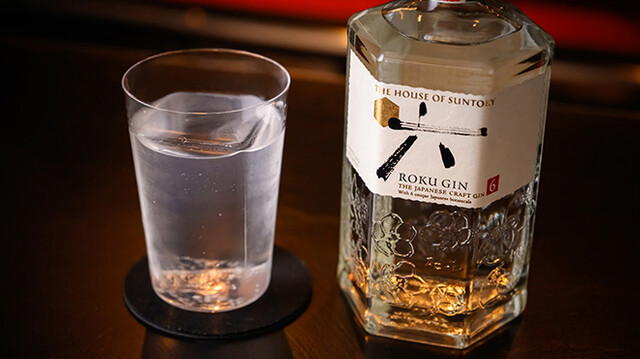
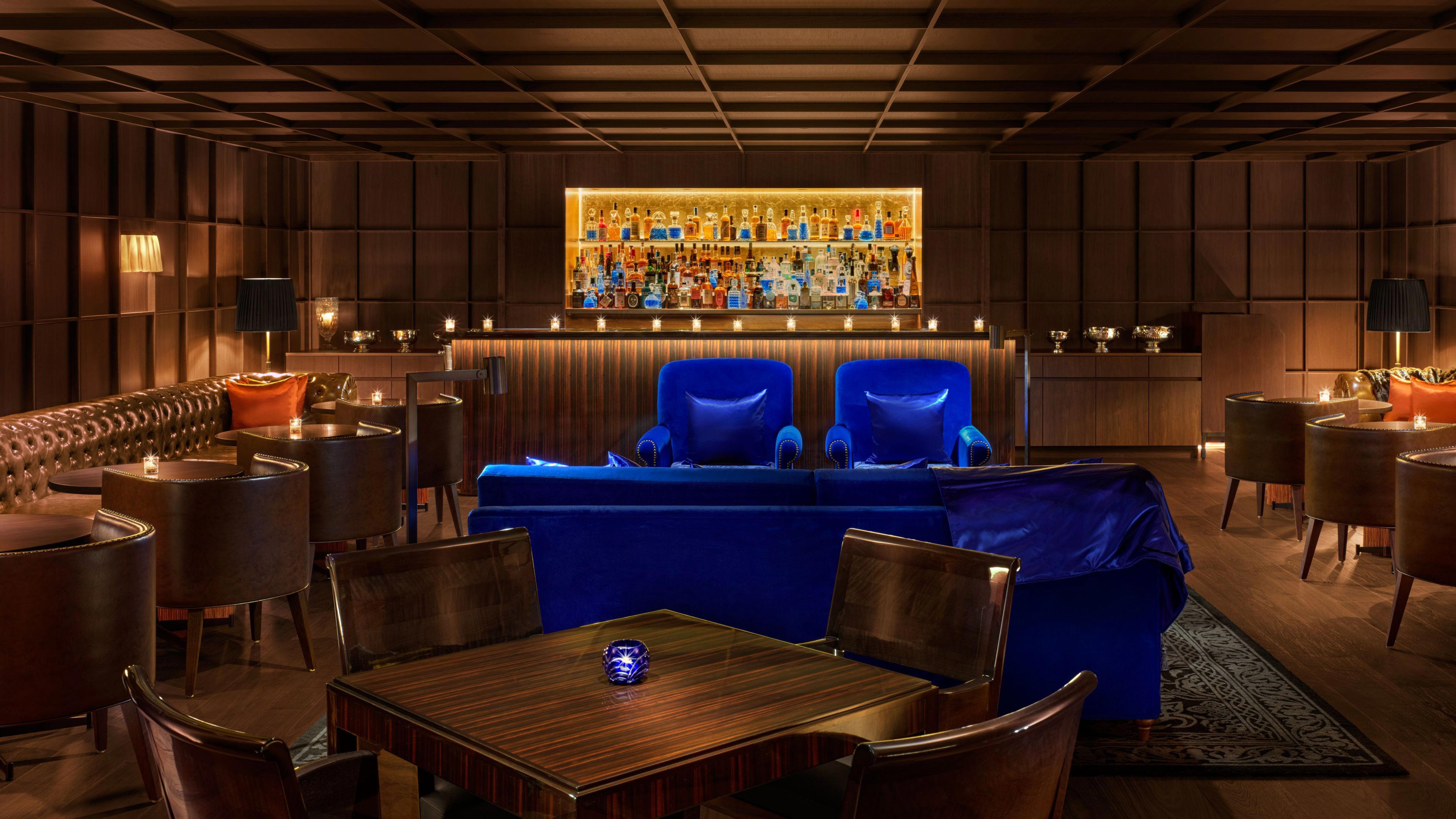
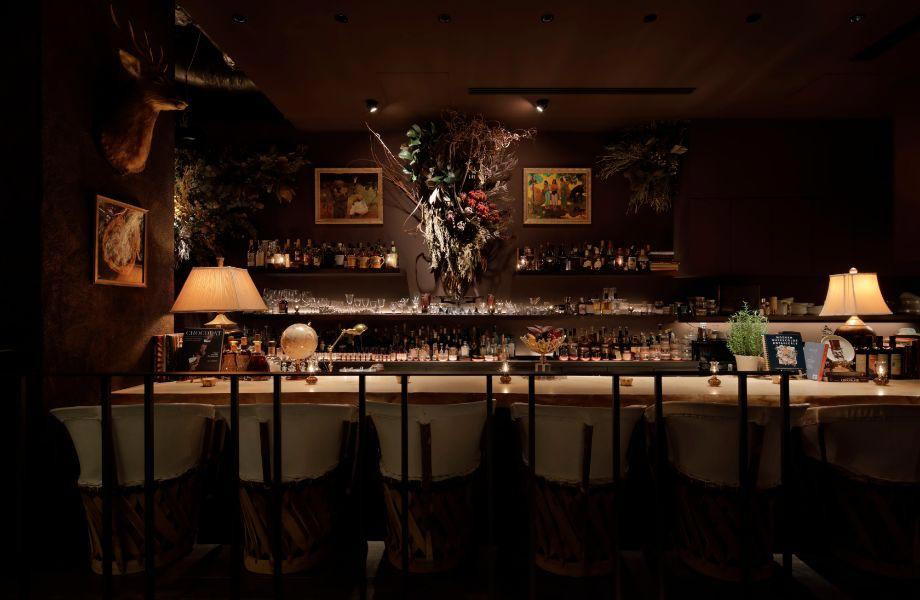
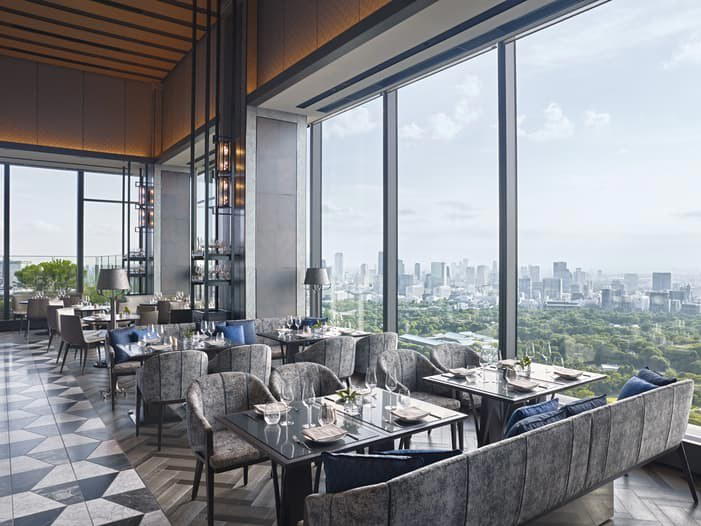
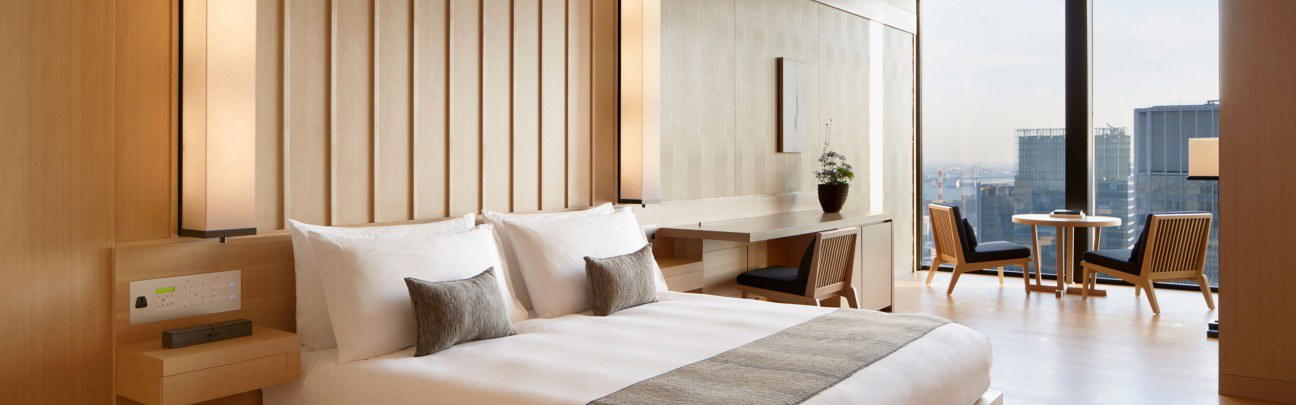
Bright, white-toned interior with a clean wooden counter, carefully considered lighting, and understated music, creating a calm, high-quality atmosphere more like a small sushi bar than a typical ramen shop.